
London · United Kingdom
Thames Riverside & Waterfront Regeneration
London, United Kingdom
Walk through St Katharine Docks, the Victorian port basin reborn as London's first waterfront regeneration Cross the Millennium Bridge with St Paul's Cathedral perfectly framed ahead — the bridge that famously wobbled Stand before Tate Modern, a derelict power station transformed into the world's most visited modern art gallery Discover how Bazalgette's Embankments saved London from cholera and reshaped the river forever End at the London Eye and see the entire 5-kilometre walk from 135 metres above the Thames
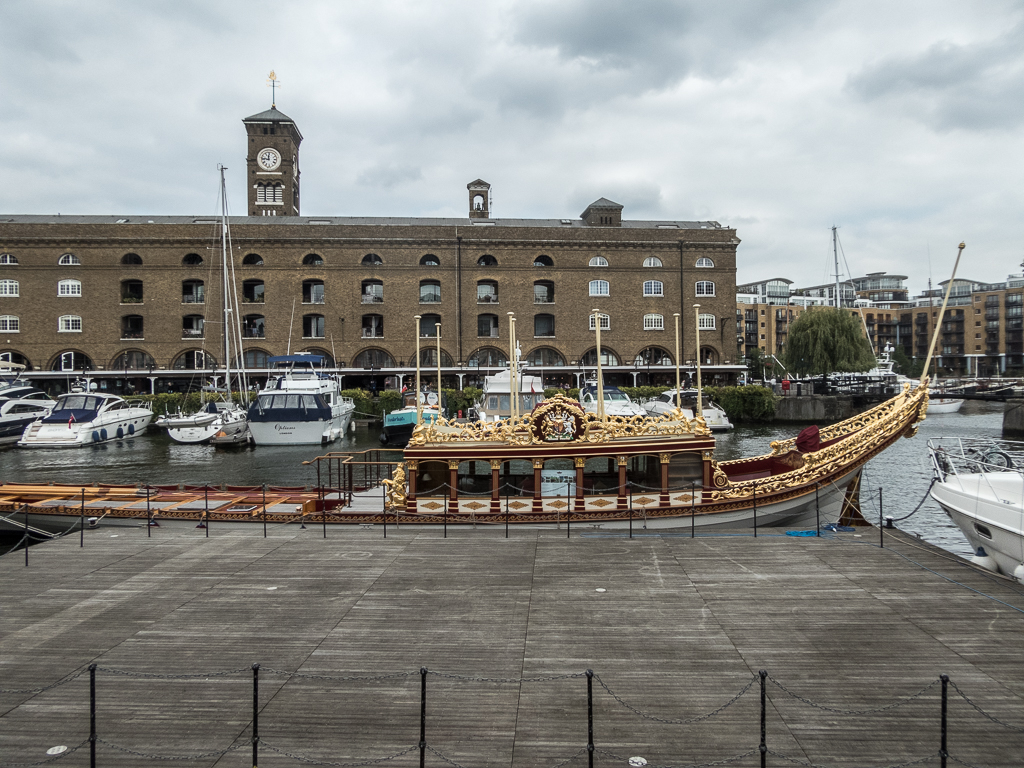
St Katharine Docks was built in 1828 by Thomas Telford as London's most innovative dock complex, demolishing 1,250 houses and a medieval hospital to create a basin for luxury goods like ivory, spices, and marble. Abandoned by the 1960s, its 1970s-80s regeneration into a marina and leisure space became the template for London's entire docklands transformation.
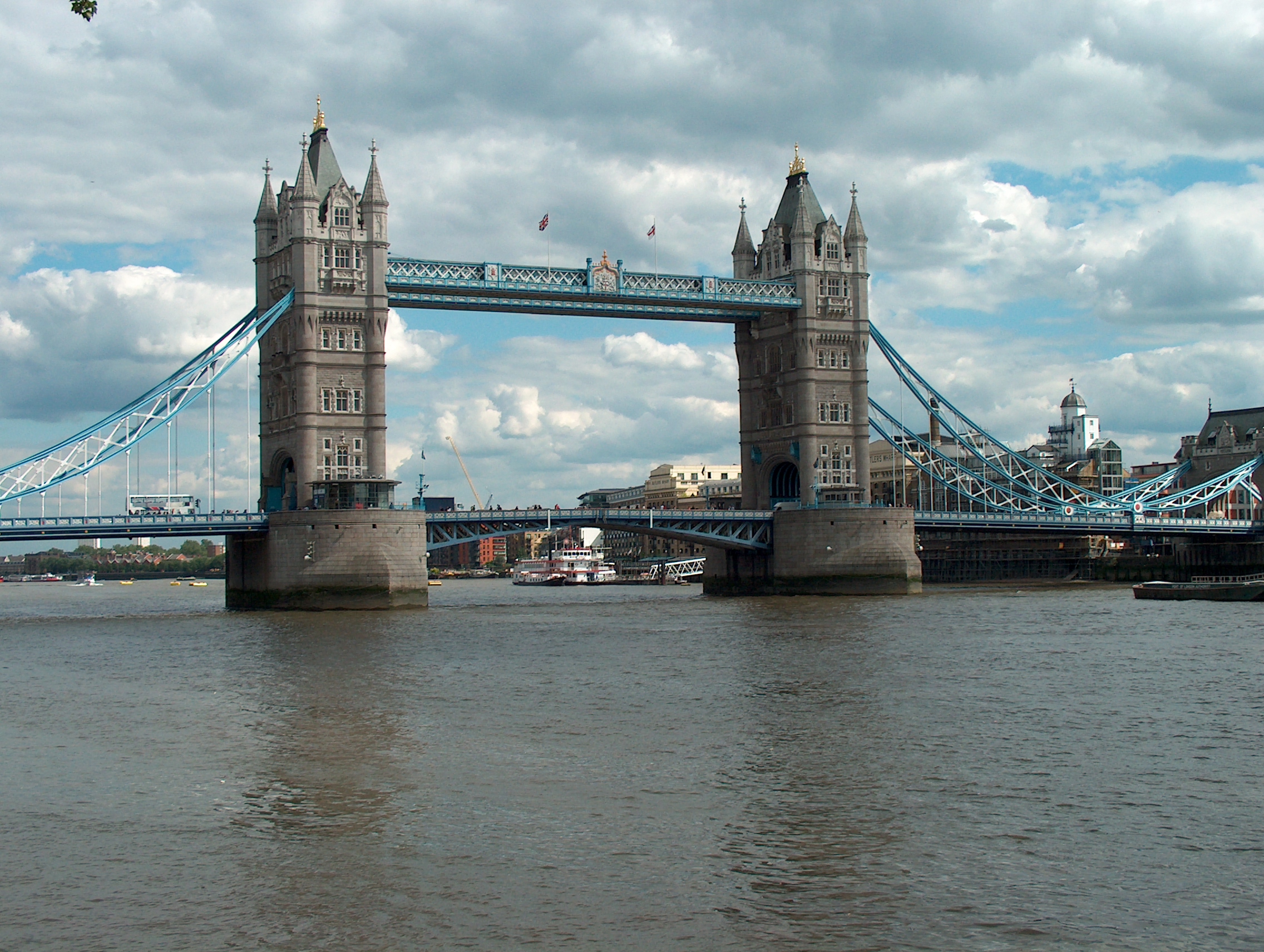
A Victorian bascule bridge disguised as a Gothic fortress, built 1886-1894 to serve the working port while looking theatrical. It still opens for tall ships—about 800 times a year.
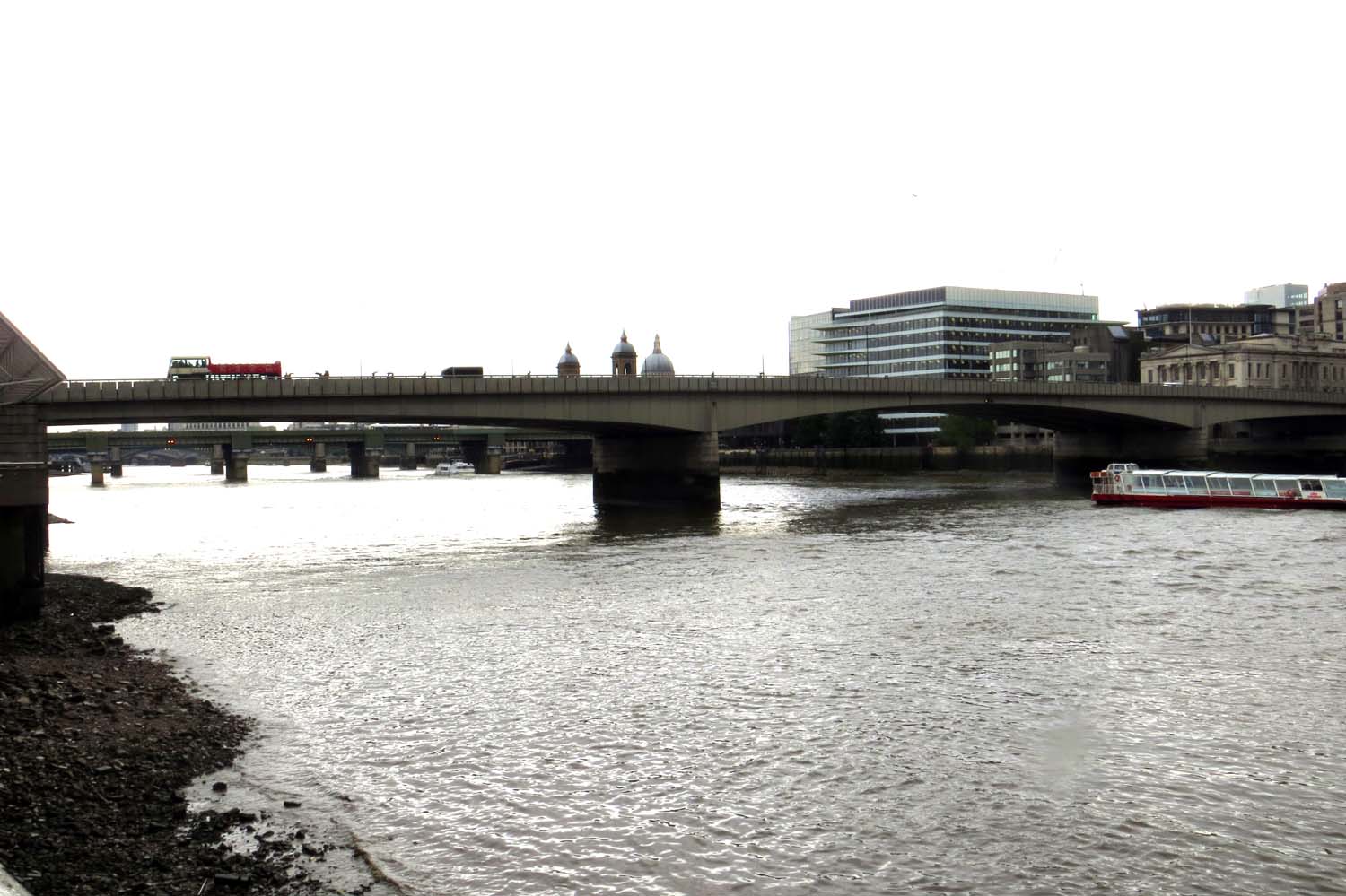
The medieval bridge that gave London its name and defined the Thames as a crossing point for two millennia; the current 1973 bridge is functional and modern, but the story beneath it reveals one of the most extraordinary pieces of urban history in Europe.
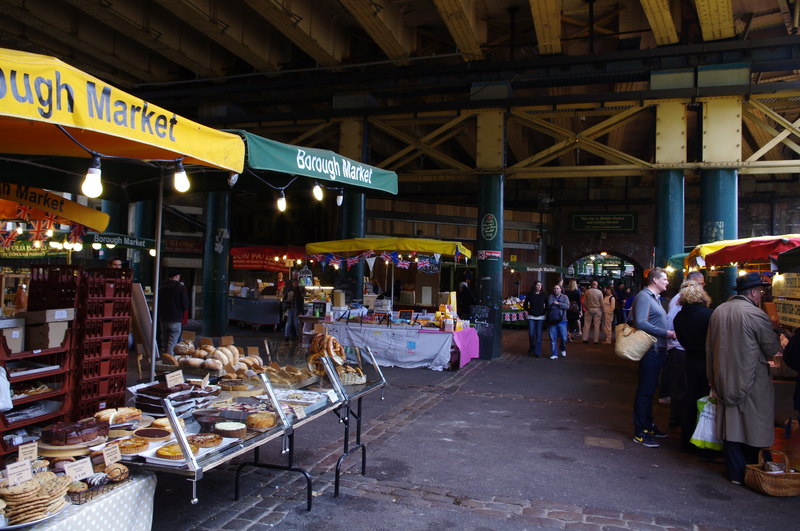
Borough Market has traded for over a thousand years at the foot of London Bridge, growing from a necessity (medieval regulations pushed commerce away from the City) into London's most celebrated food market. The Victorian cast-iron structure, rebuilt in 1851, embodies the tour's central theme: riverside commerce transformed into cultural destination.
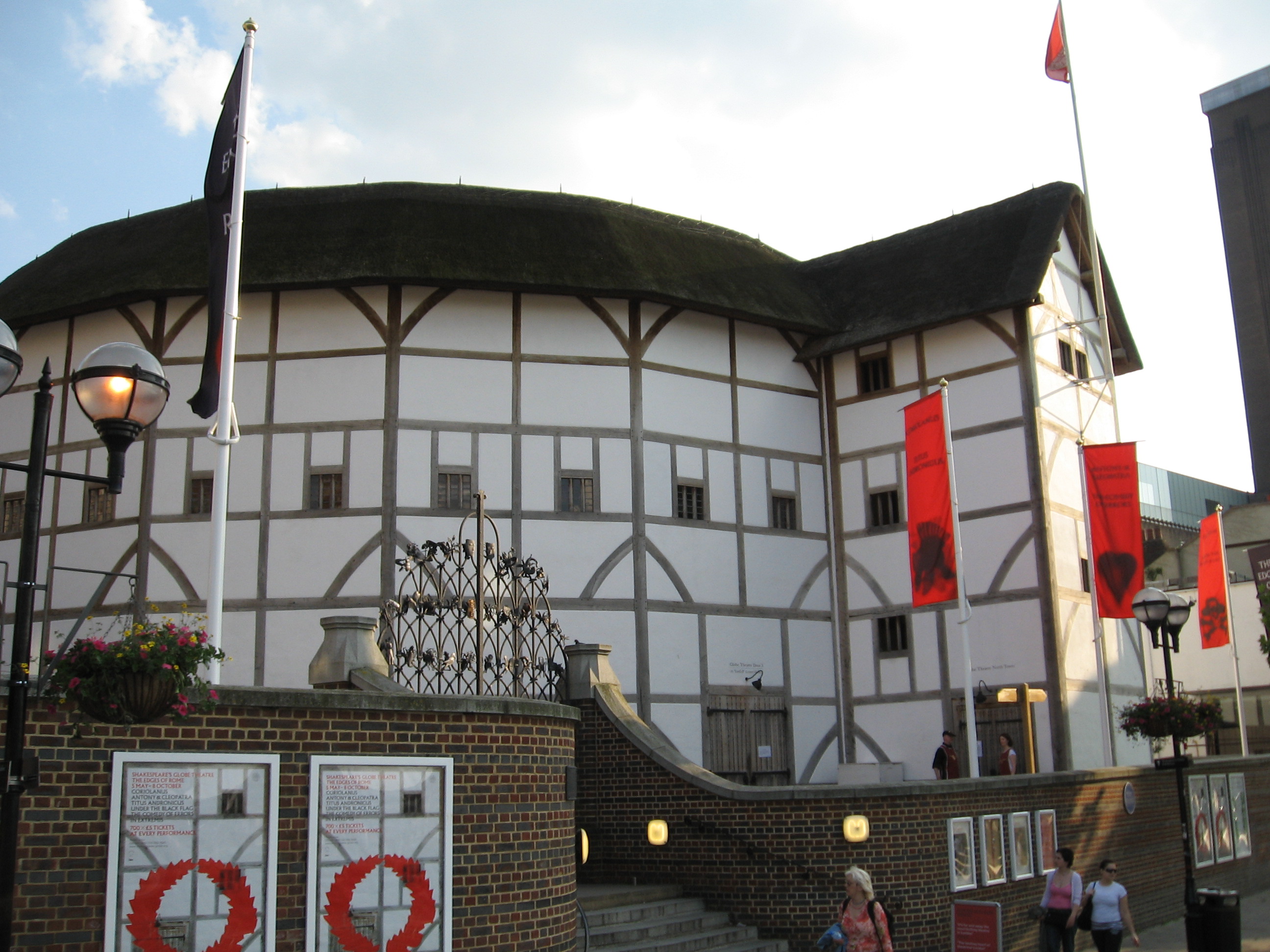
A faithful 1997 reconstruction of Shakespeare's original 1599 theatre, standing 230 metres from its historic Bankside location. This is where the Elizabethan playhouse tradition was born — where Shakespeare himself watched his words come alive on a stage open to the elements and the Thames.
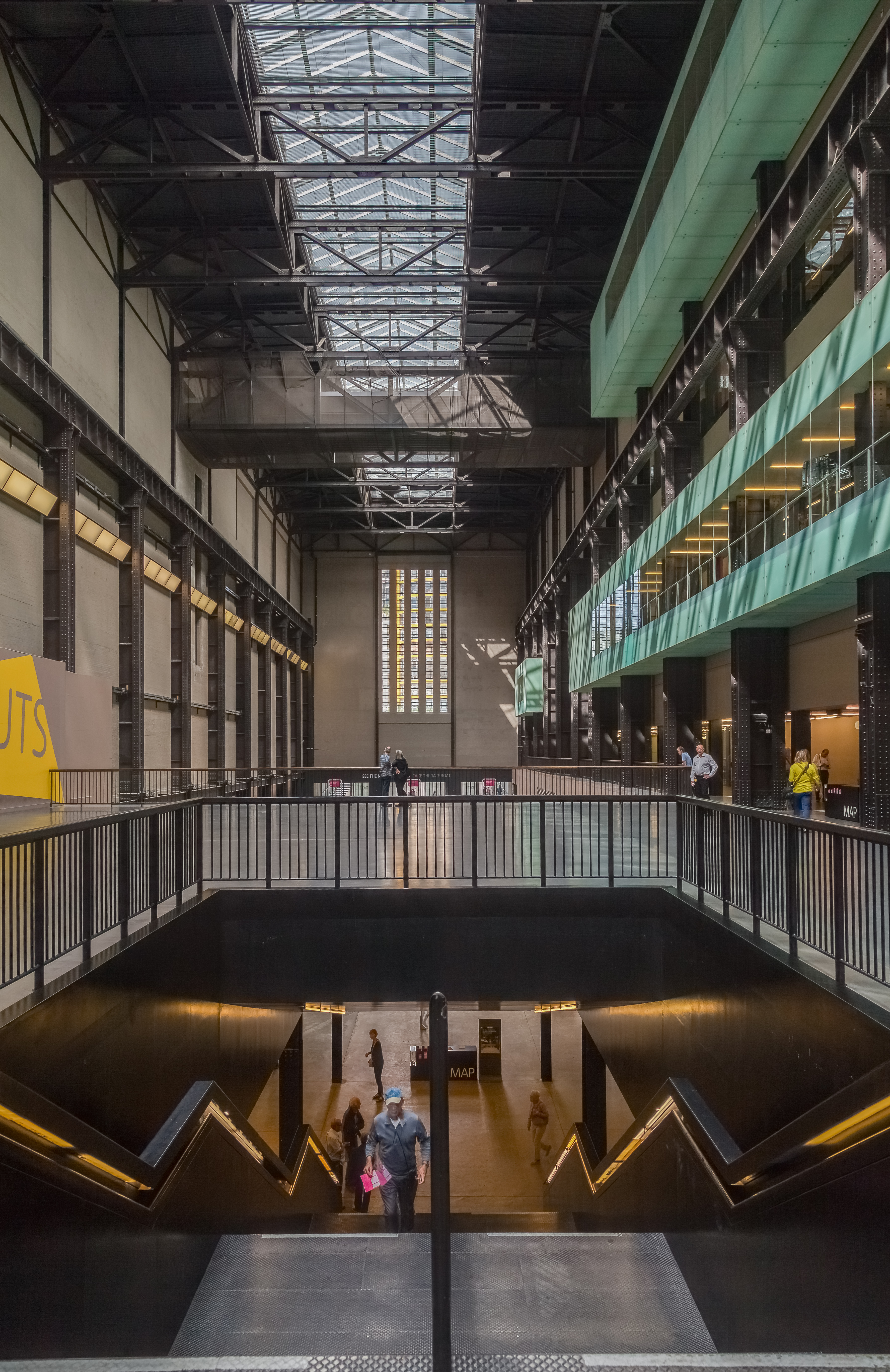
A cathedral of modern art housed in Sir Giles Gilbert Scott's colossal Bankside Power Station, converted by Swiss architects Herzog & de Meuron. This is London's most successful industrial regeneration project—a building that once powered the city now displays the art that defines its soul.
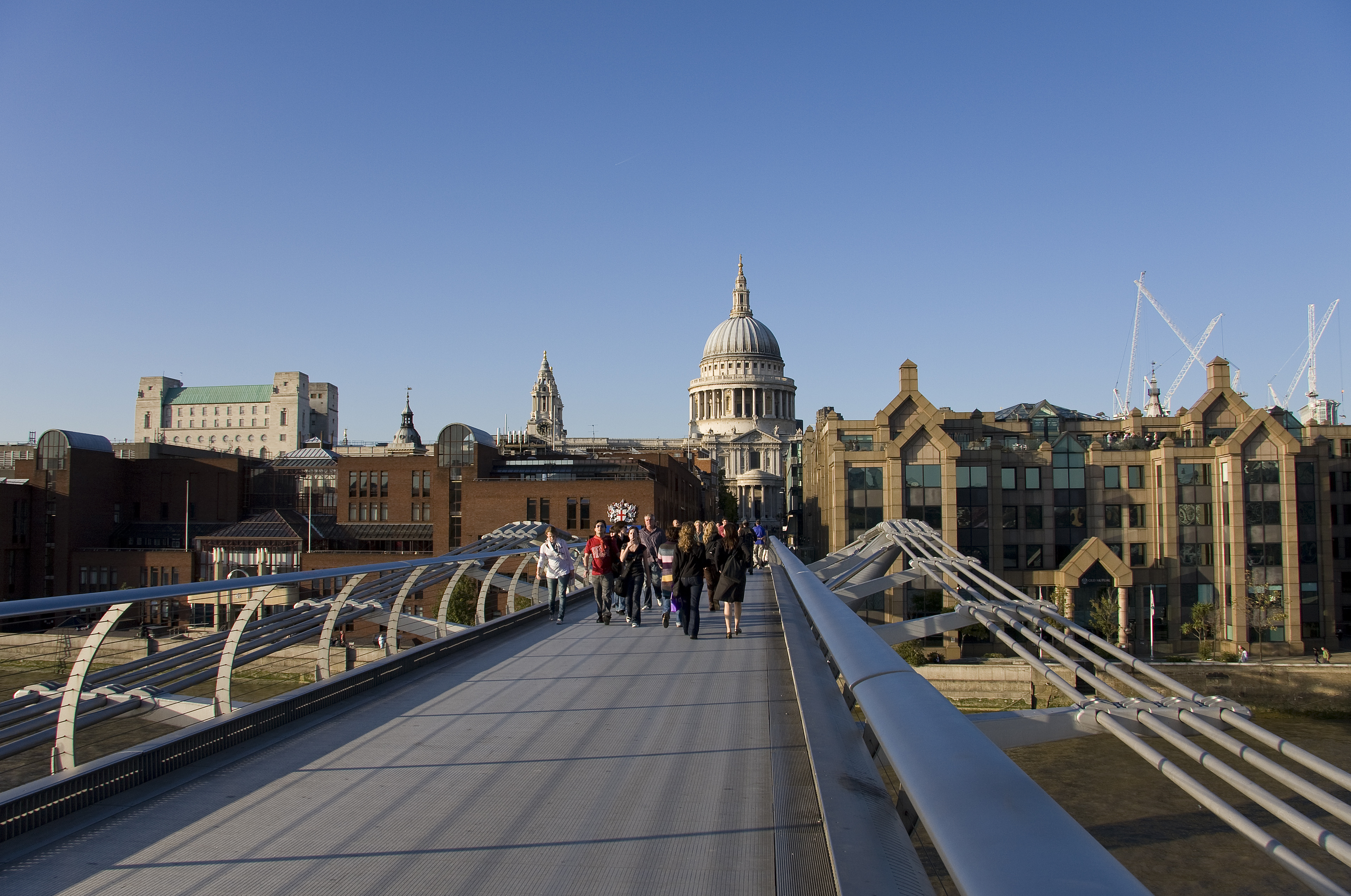
A contemporary cable-stayed pedestrian bridge designed by Norman Foster and Arup, connecting Tate Modern on the South Bank to St Paul's Cathedral and the City beyond. Famous for its wobbly opening in 2000 and its now-iconic framing of St Paul's Cathedral, the bridge represents modern engineering as the historical counterpoint to Victorian crossings.
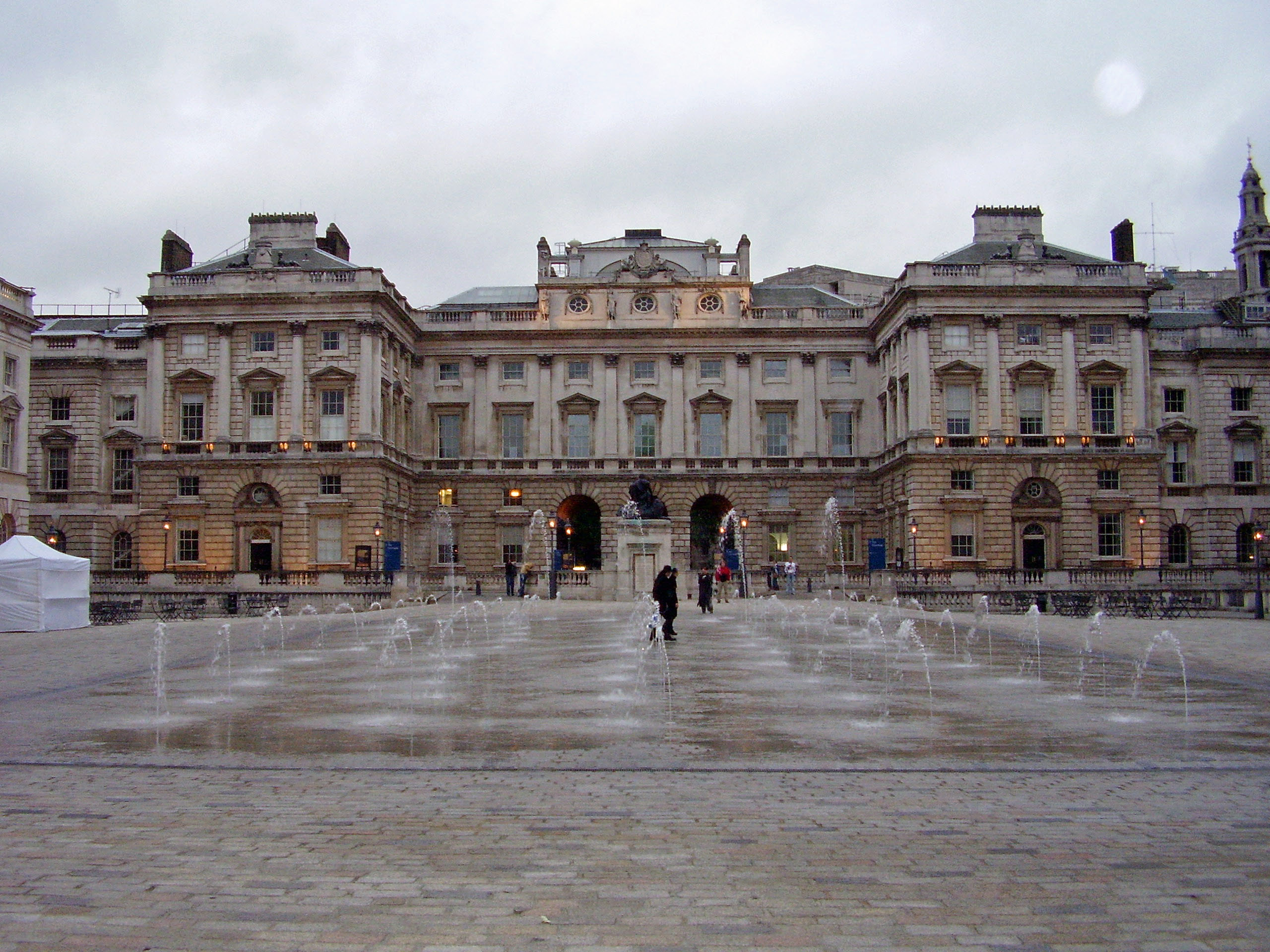
Neoclassical architectural masterpiece designed by William Chambers (1776-1801) as government offices, now reimagined as a vibrant cultural venue with a dramatic Thames terrace that originally met the river directly.
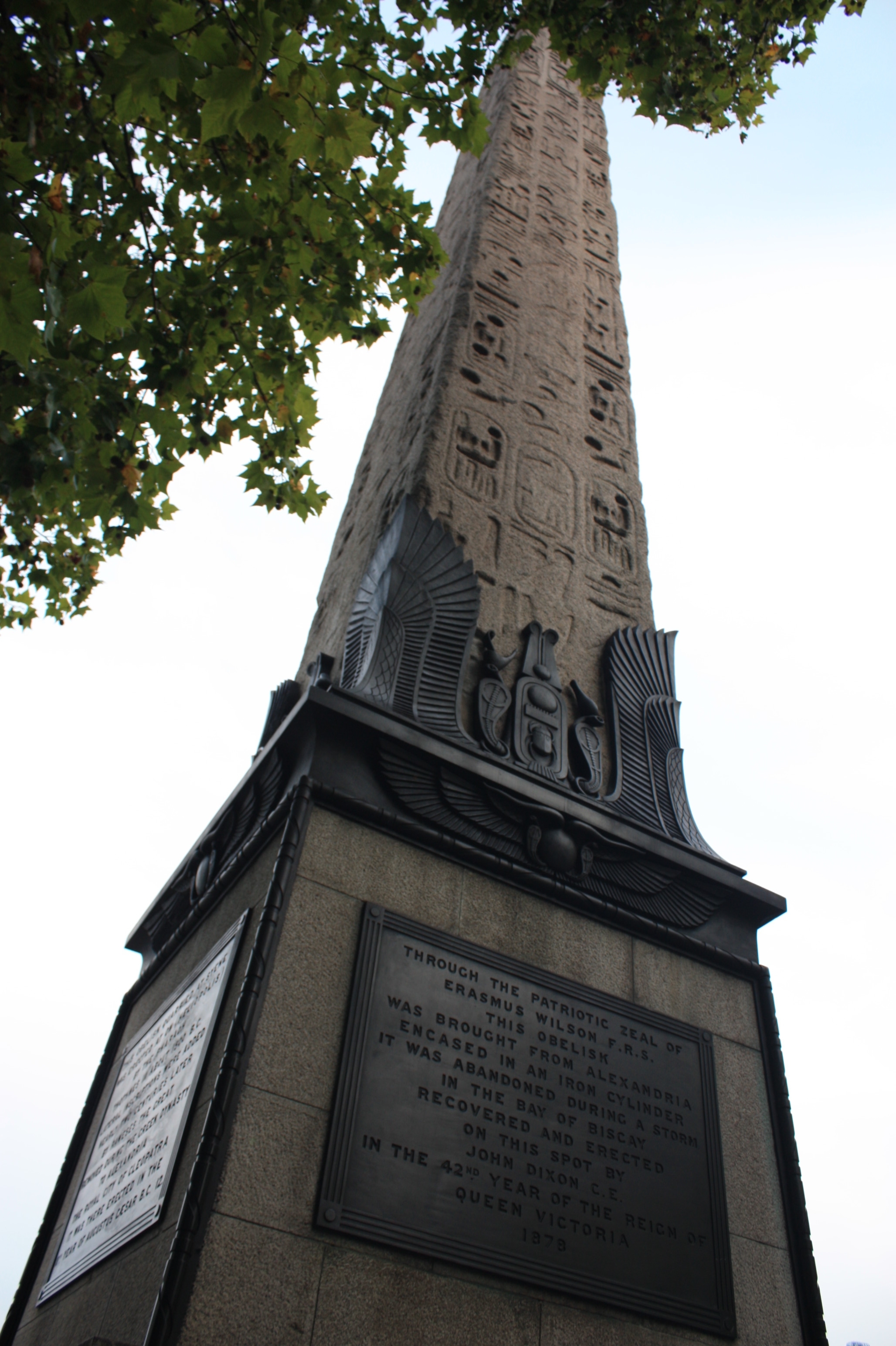
A 3,500-year-old Egyptian obelisk originally built for Pharaoh Thutmose III, relocated to London in the Victorian era through a dramatic journey that nearly ended in disaster. This ancient monument sits on the Thames Embankment, a striking contrast between timeless antiquity and 19th-century engineering ambition.
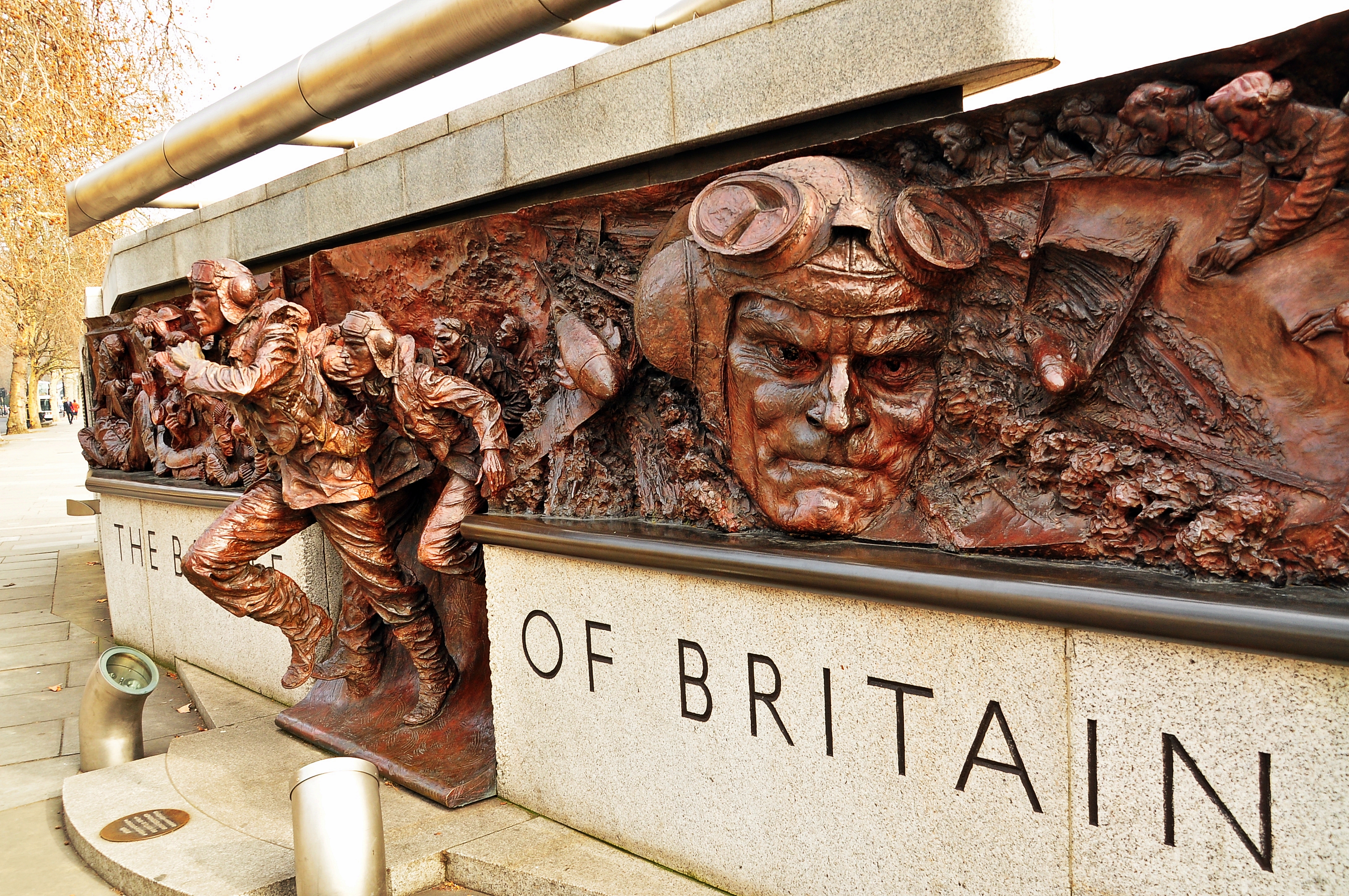
Victorian engineer Joseph Bazalgette's masterpiece: the embankments that tamed the Thames, buried its stench, and literally reshaped London's relationship with its river. A transformation so successful it became invisible.
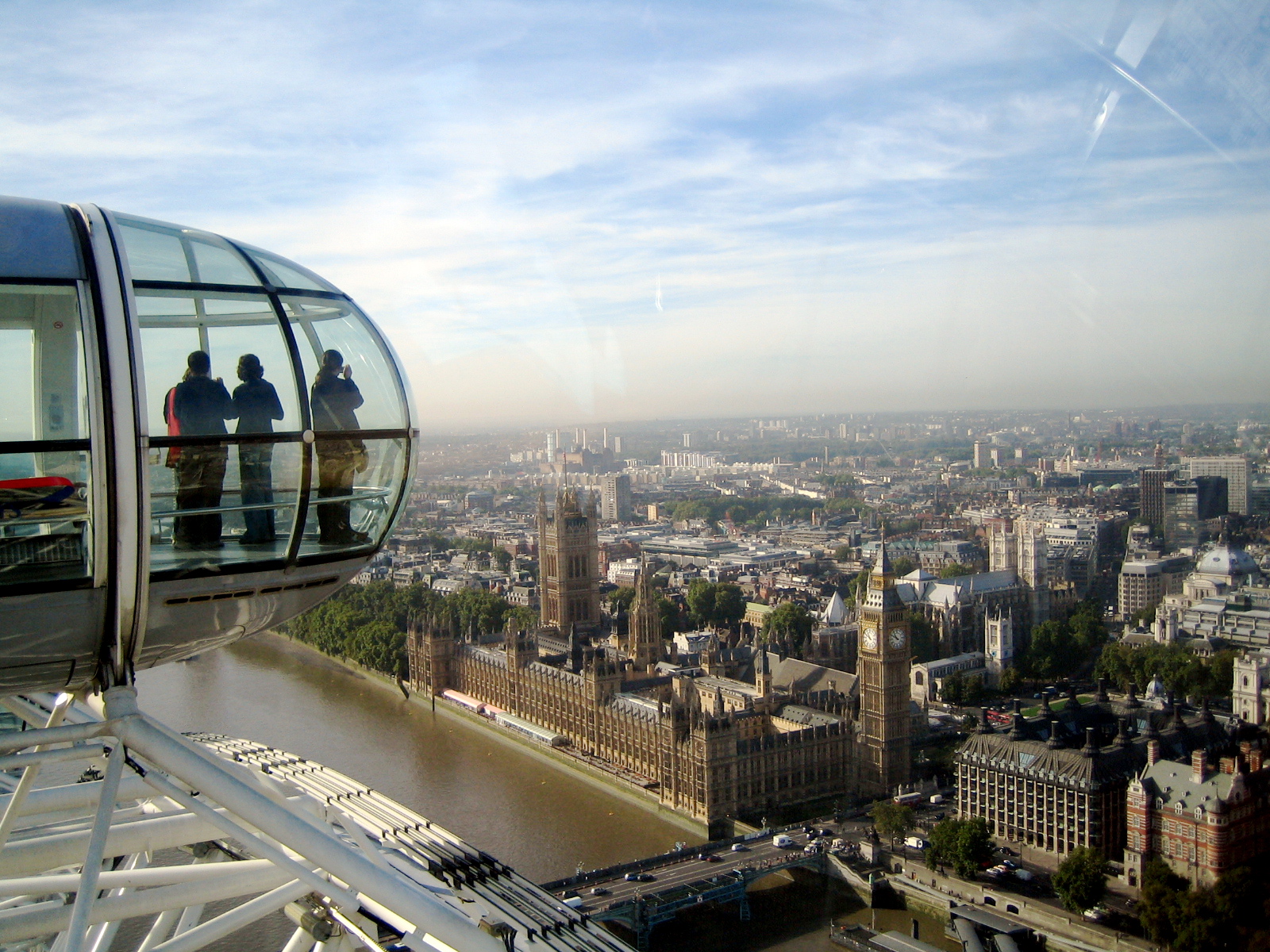
A 135-meter observation wheel offering panoramic views across London and the Thames. The London Eye has become the city's defining modern icon, providing literal perspective on everything the walk has revealed.
This is the real story from one stop on this walk — every stop has one.
Walk from the Victorian Gothic splendour of St Pancras into the quiet Georgian squares where Virginia Woolf, John…
Walk through London's wealthiest neighbourhood and discover how the Georgian aristocracy designed a machine for…
Duck behind London's facades into a network of hidden arcades, secret courtyards, and forgotten gardens. From the…
We use cookies to analyse site traffic and improve your experience. You can choose to accept or reject analytics cookies. Learn more