Barcelona · Spain
The Magic Mountain: Montjuïc
Barcelona, Spain
Mies van der Rohe Pavilion — modernism's purest building MNAC — rescued Romanesque frescoes from the Pyrenees The stadium built three times for three different dreams Montjuïc Castle — where beauty and shame share the same view
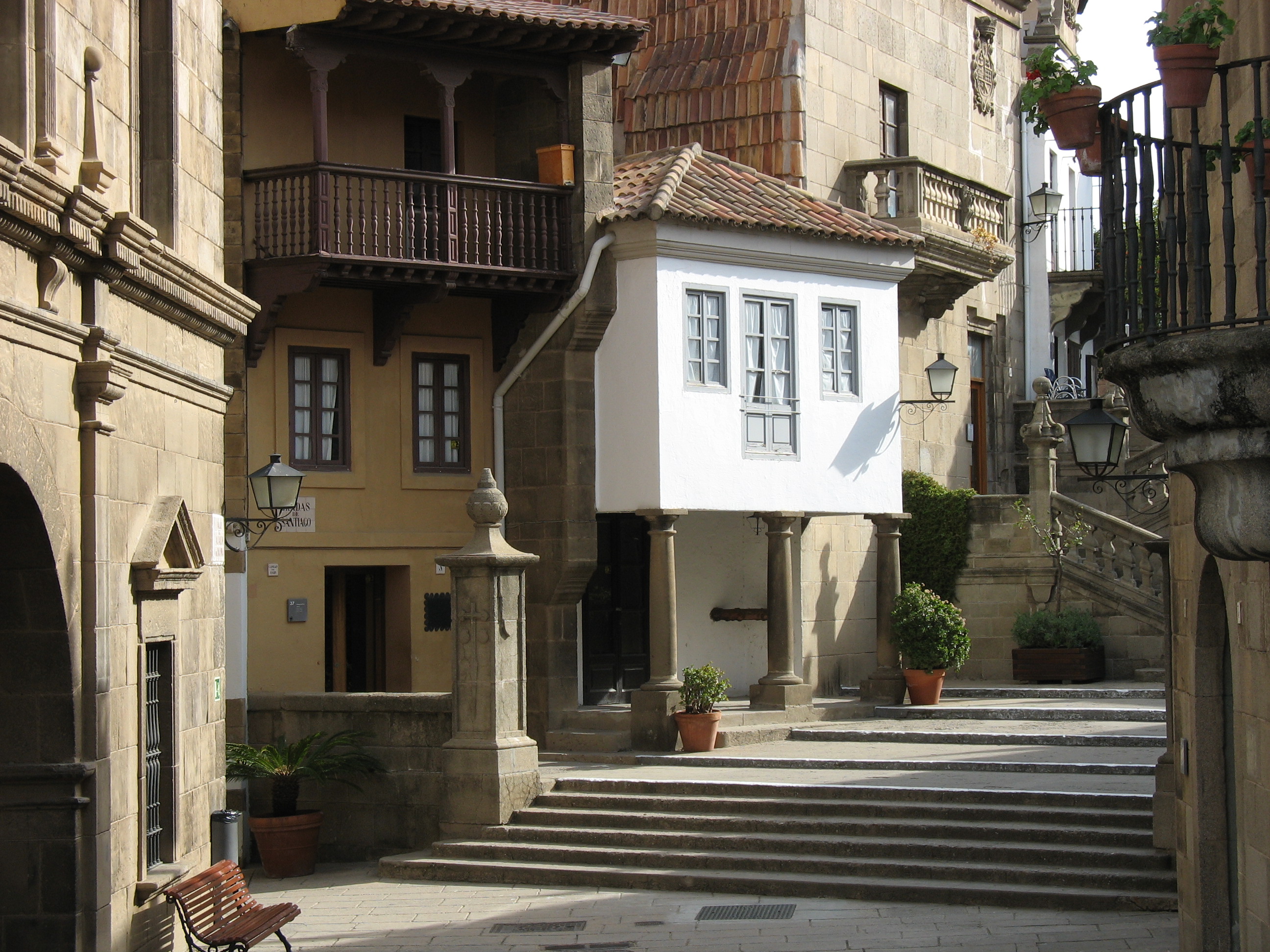
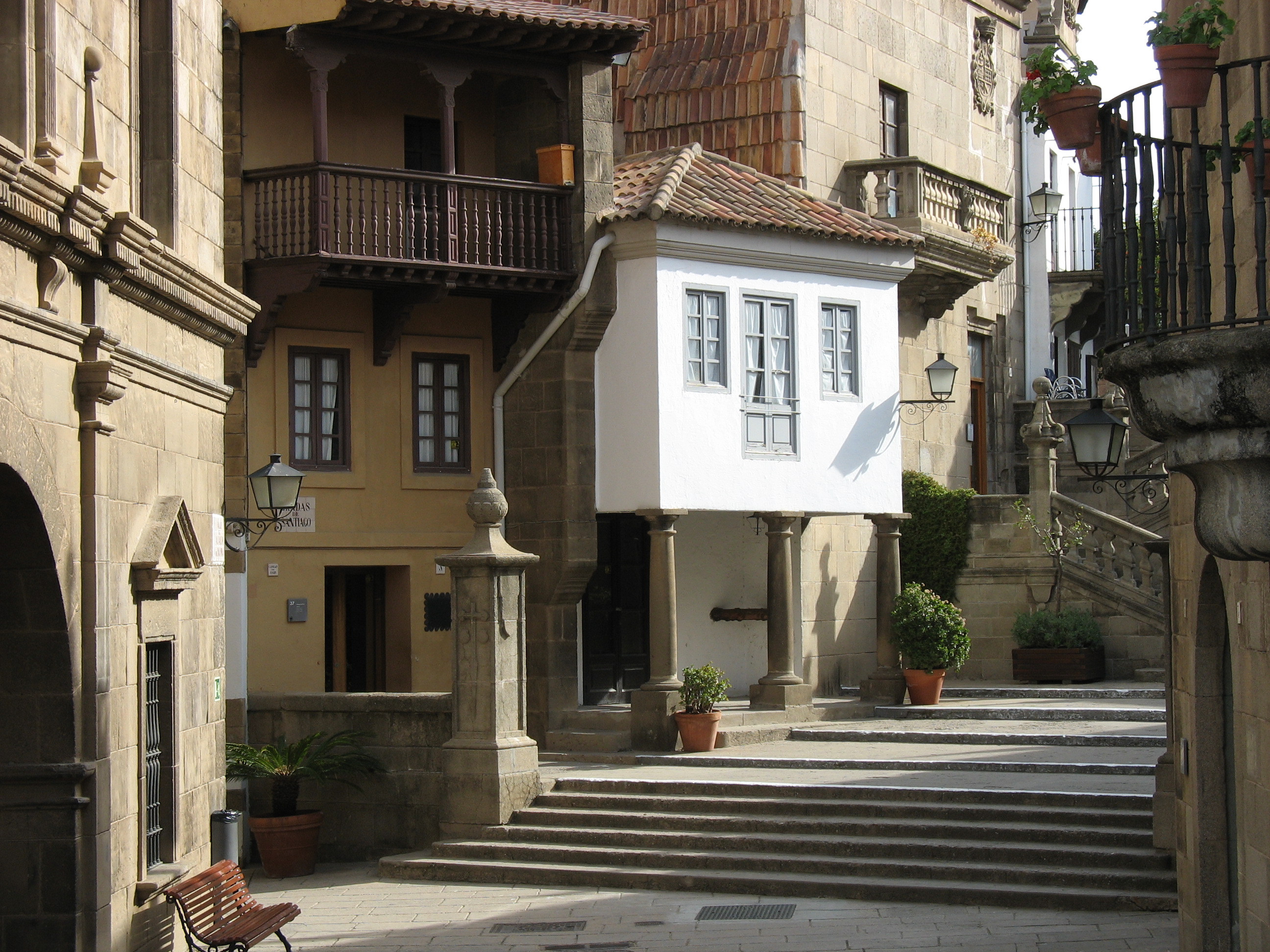
A 1929 Exhibition set piece of 117 buildings representing Spanish regional architecture — designed to be temporary, still standing nearly 100 years later.
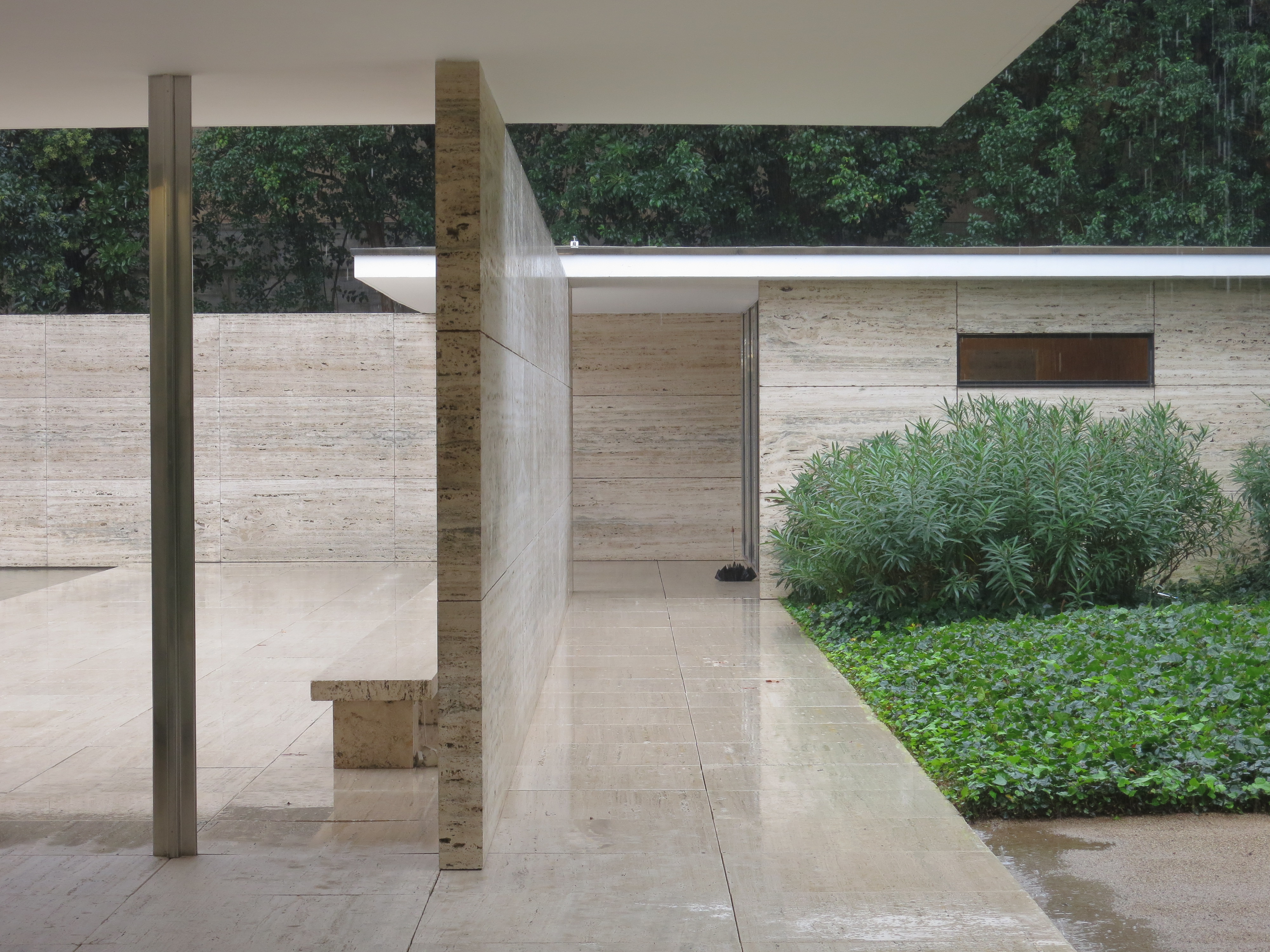
Mies van der Rohe's 1929 International Exhibition building — a minimalist masterpiece with stone and chrome that defined twentieth-century architecture.
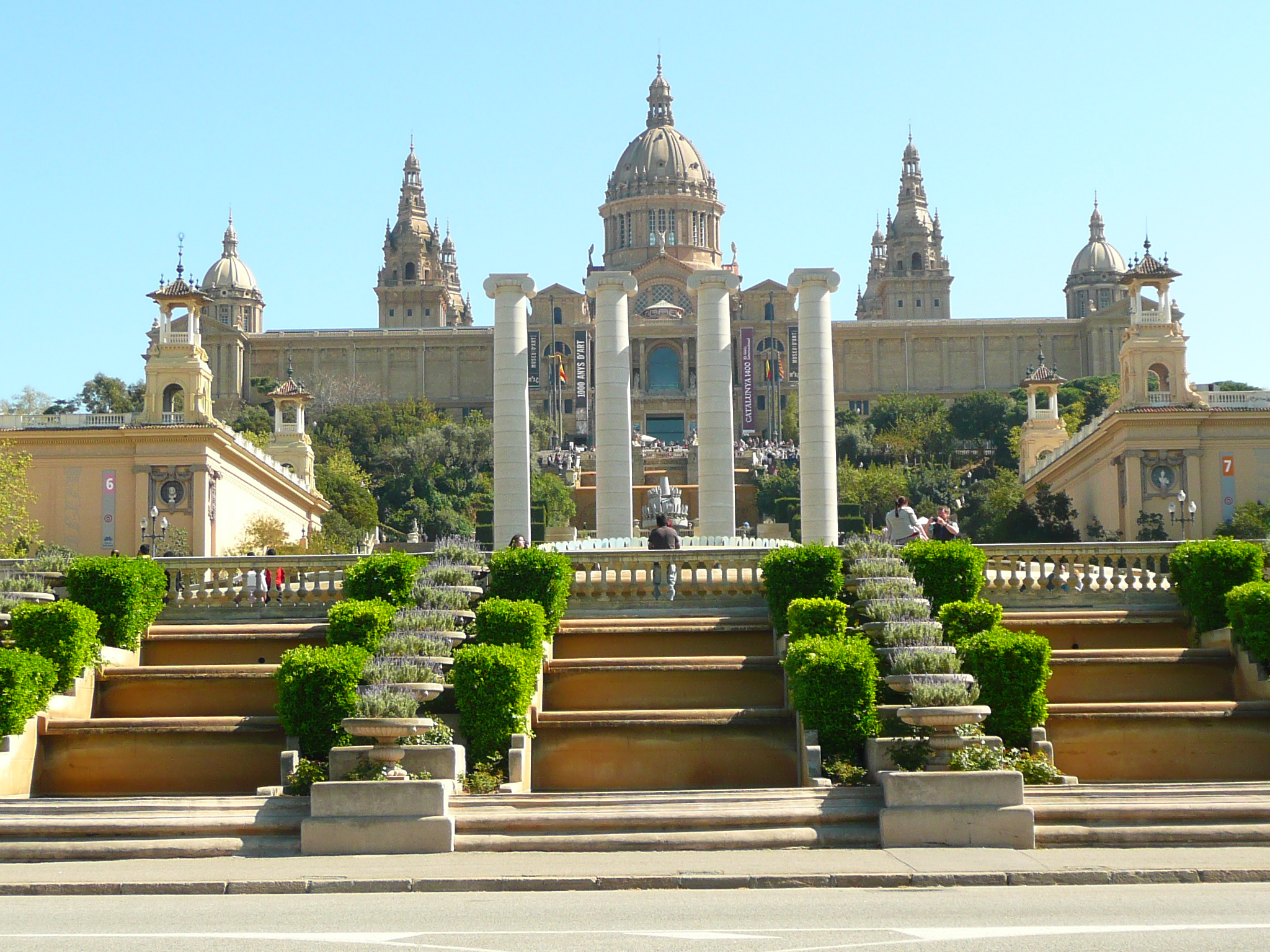
MNAC houses one of the world's greatest Romanesque collections inside the Palau Nacional, built for 1929. The frescoes here were rescued from crumbling Pyrenean churches in a race against time and foreign dealers.
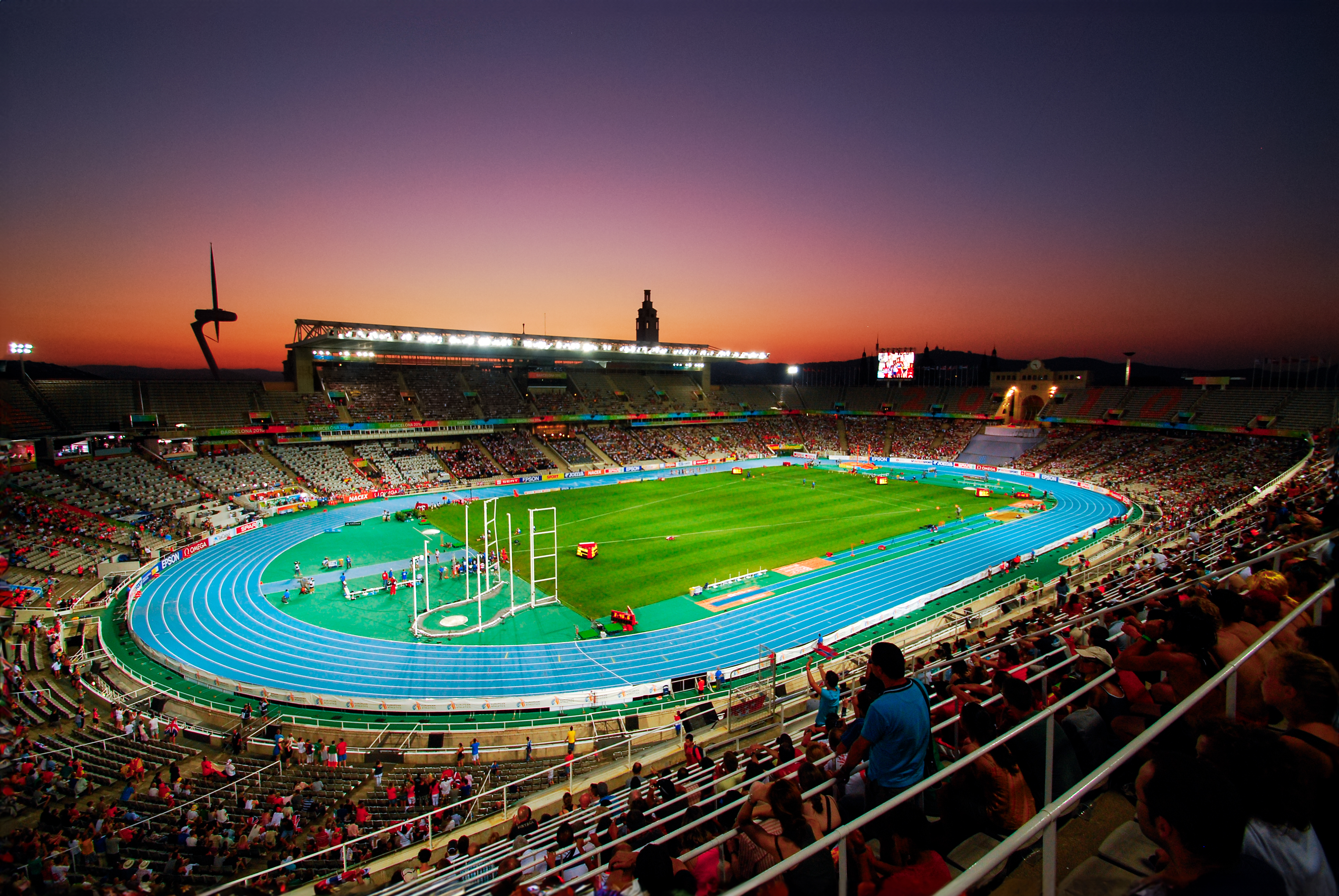
Designed for the 1929 Exhibition, scheduled for the 1936 People's Olympiad, emptied by the Civil War, then transformed for the 1992 Barcelona Olympics. This stadium holds the city's greatest hopes and its deepest contradictions.
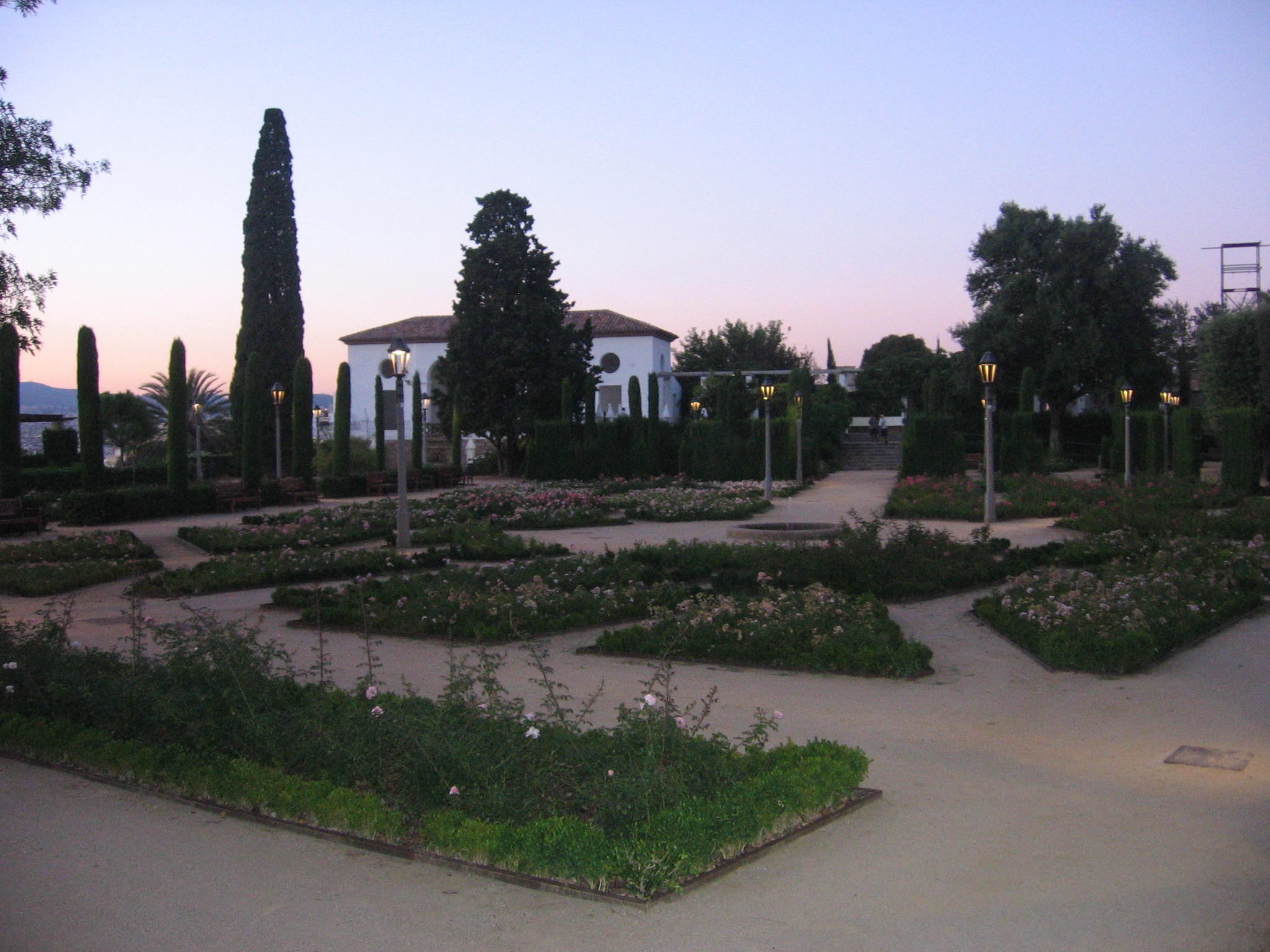
A Greek-inspired amphitheatre carved from an abandoned quarry, where Barcelona's summer performing arts festival has unfolded since 1976.
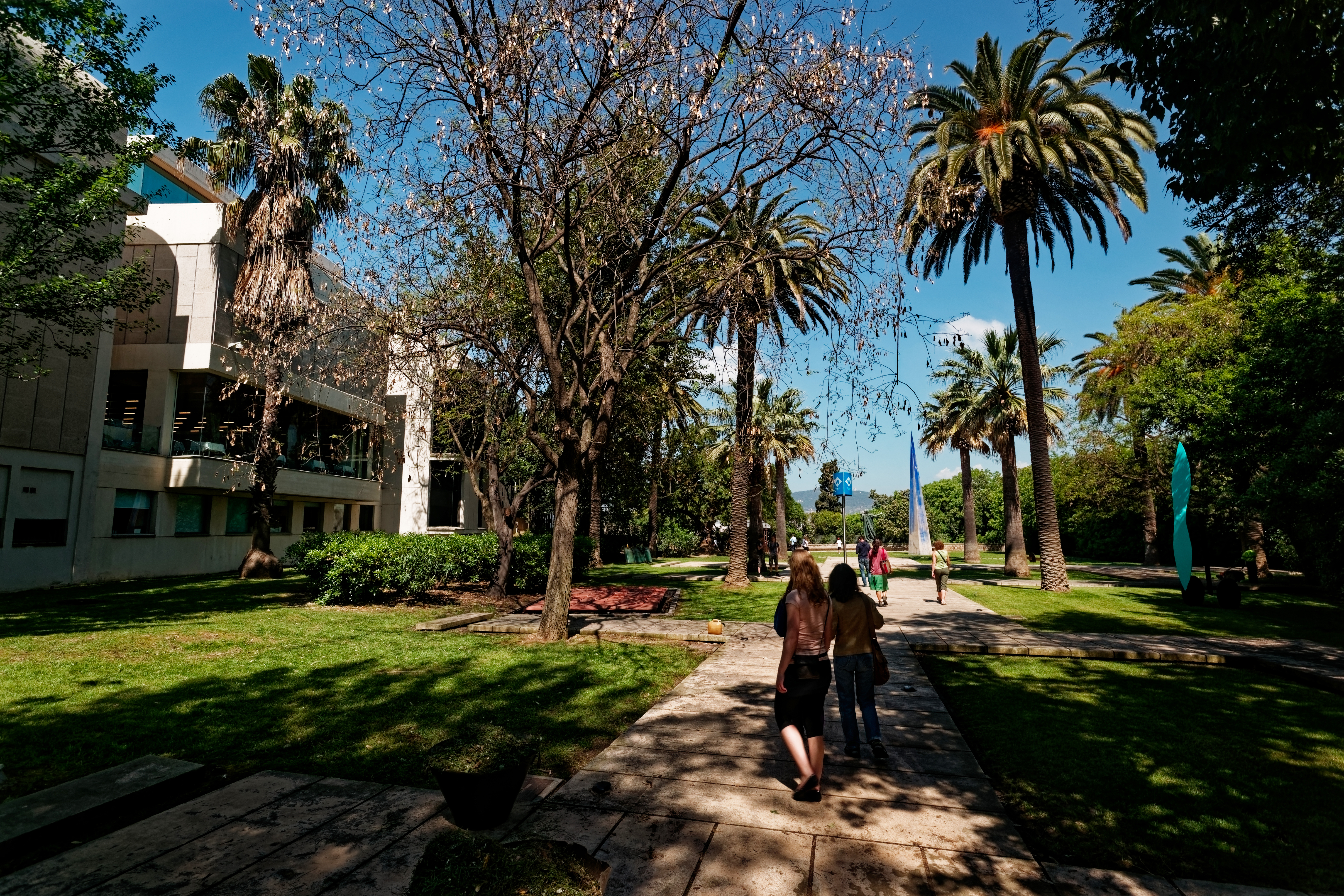
A modernist temple of white Mediterranean light housing the life's work of Barcelona's greatest modern artist, who returned home from exile to gift his vision to the city.
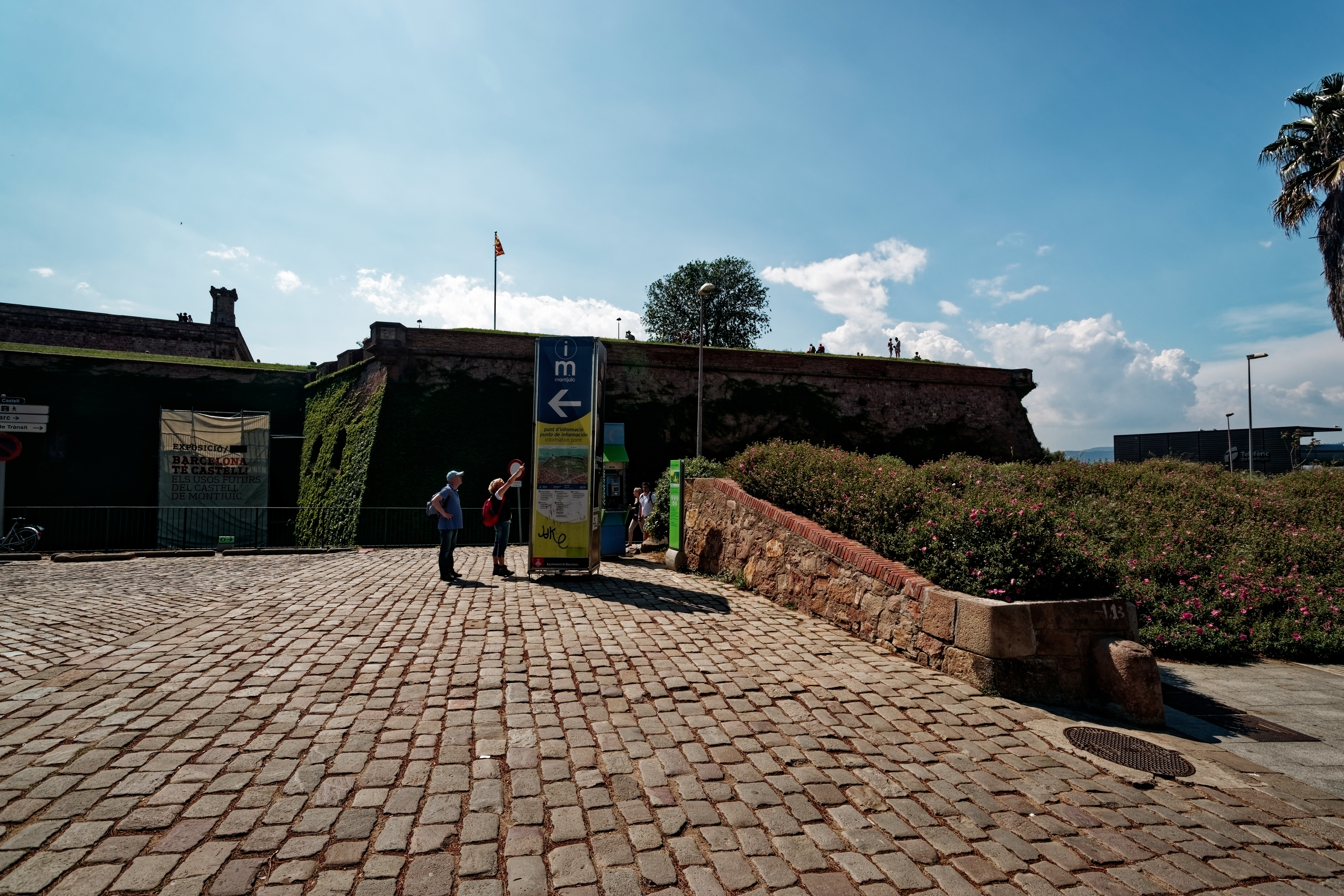
A star-shaped fortress that has held armies, prisoners, and secrets. Now a museum, but the walls still remember what Barcelona would prefer to forget.
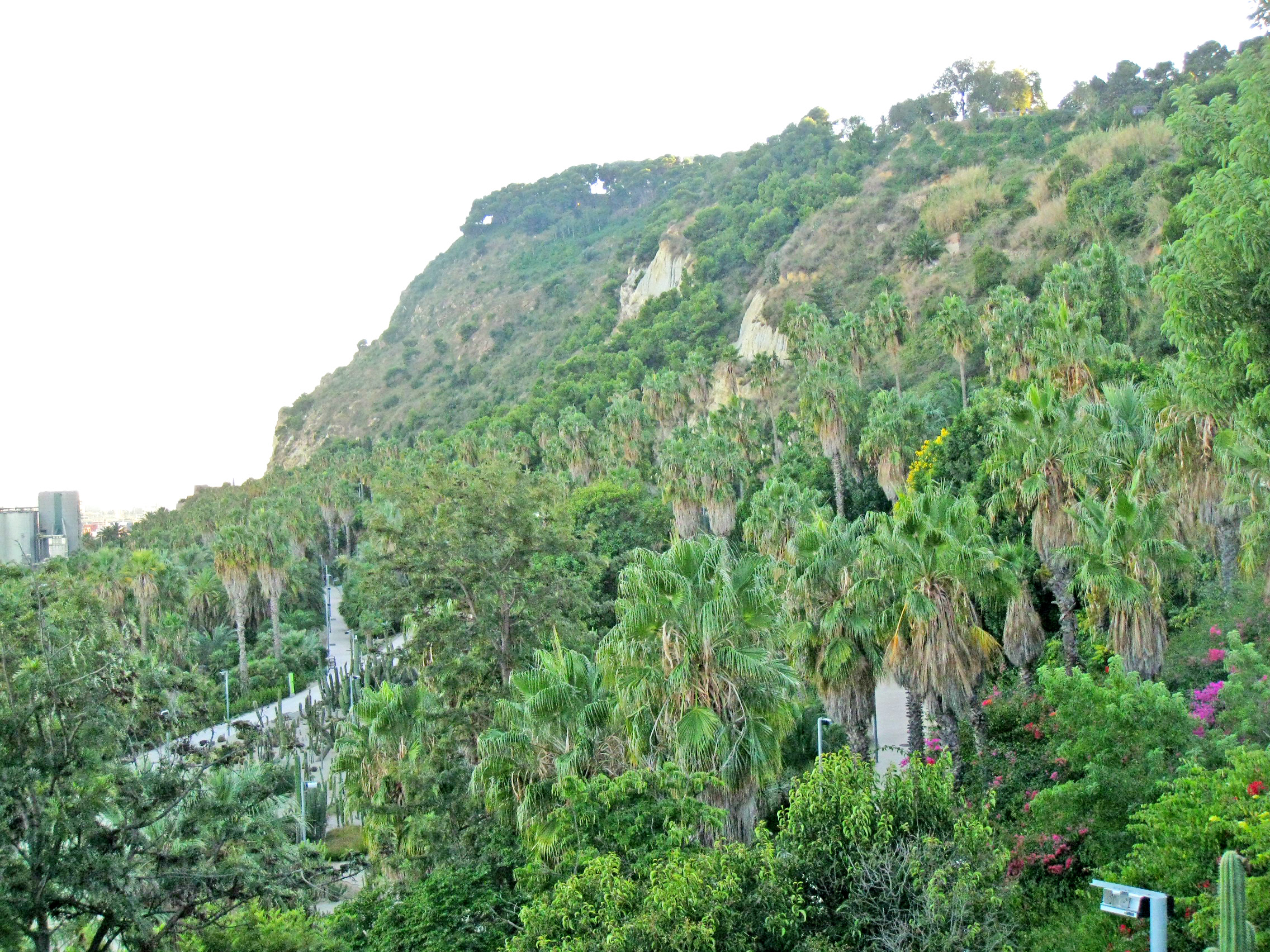
A cactus garden on the sun-facing slope where eight hundred species of succulents from the world's harshest climates create an unexpected oasis — and a place of quiet return.
This is the real story from one stop on this walk — every stop has one.
Walk through Barcelona's oldest quarter from a Roman cemetery to Gaudi's first lampposts, peeling back 2,000 years of…
If you only have one day, this tour gives you the heartbeat of Barcelona — its most iconic sights, its rhythm, and the…
Discover that Barcelona's real cuisine isn't in tourist restaurants but in its historic markets, neighbourhood…
We use cookies to analyse site traffic and improve your experience. You can choose to accept or reject analytics cookies. Learn more