Westminster Essentials
London · United Kingdom

Westminster Essentials

London, United Kingdom
100
Duration (min)
3.2
Distance (km)
9
Stops
Easy
Difficulty

Description

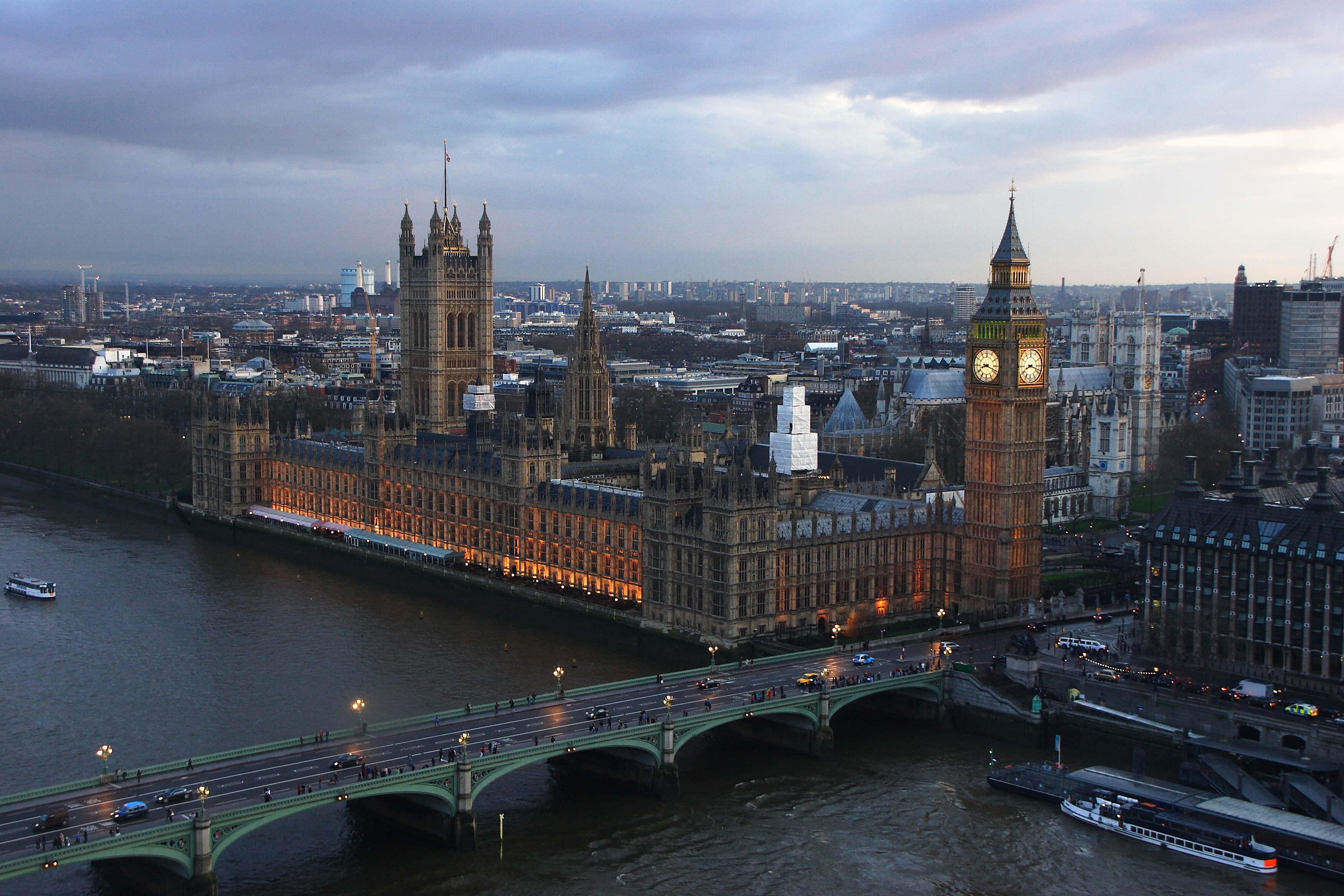
Walk through 1,000 years of concentrated power in 90 minutes, from Britain's most solemn war memorial to the balcony of Buckingham Palace. This tour traces the arc from sacrifice to spectacle — through the machinery of democracy at Parliament, the sacred coronation ground of Westminster Abbey, and the intimate Georgian streets where power lives quietly.

Highlights

Stand before the Cenotaph, where Britain pauses every November to honour its war dead See Big Ben and the Houses of Parliament from the river view that inspired Monet Visit Westminster Abbey, coronation church for every monarch since 1066 Discover Queen Anne's Gate, a hidden Georgian gem steps from Parliament End at Buckingham Palace with the full sweep from democracy to monarchy
Tour Stops

The Cenotaph
1

The Cenotaph

5 min

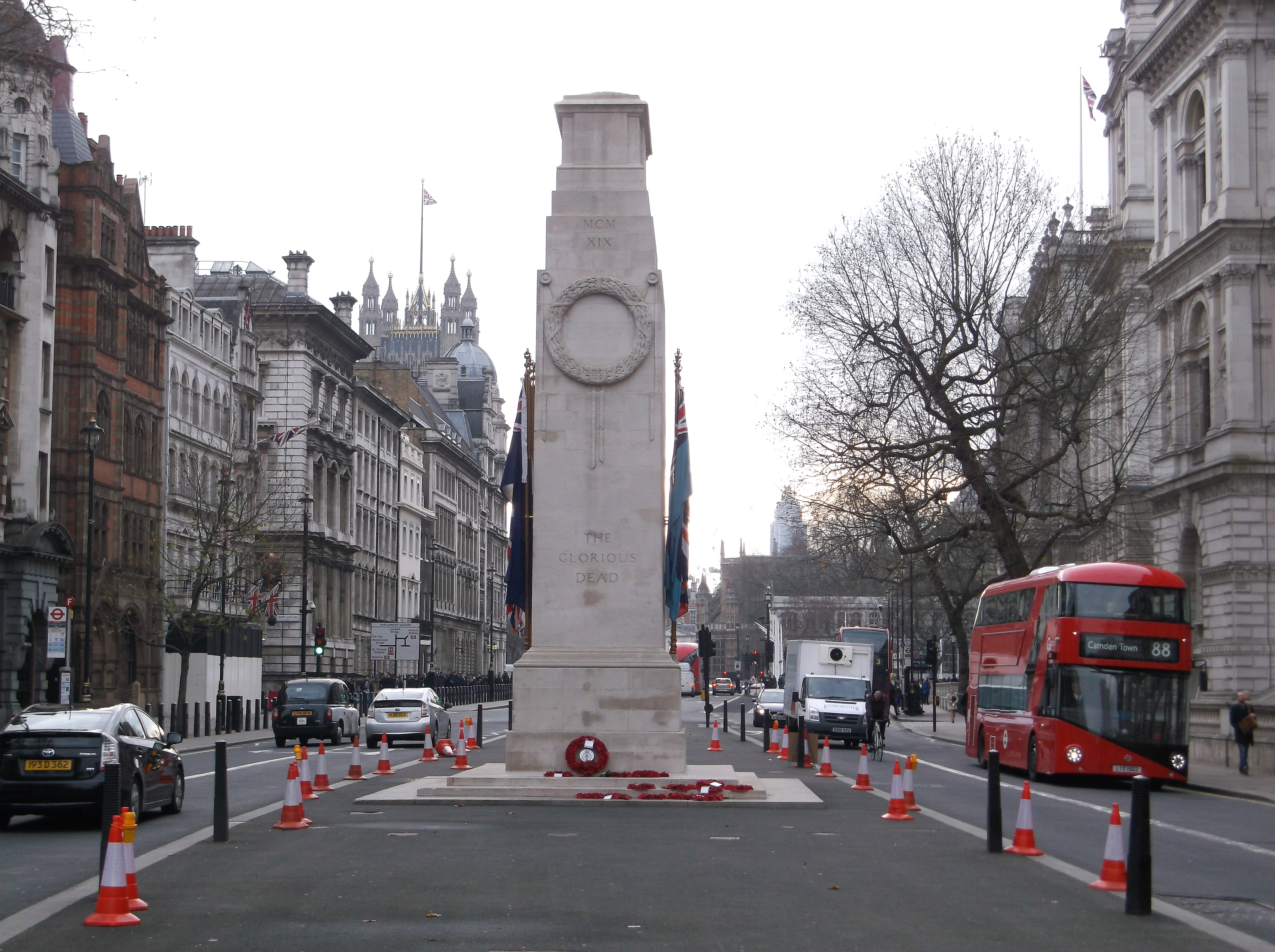
Britain's most solemn war memorial sits on Whitehall, commemorating the millions lost in World War I and beyond. This understated monument marks the emotional foundation of Westminster's story of power and sacrifice.
Elizabeth Tower (Big Ben)
2

Elizabeth Tower (Big Ben)

5 min

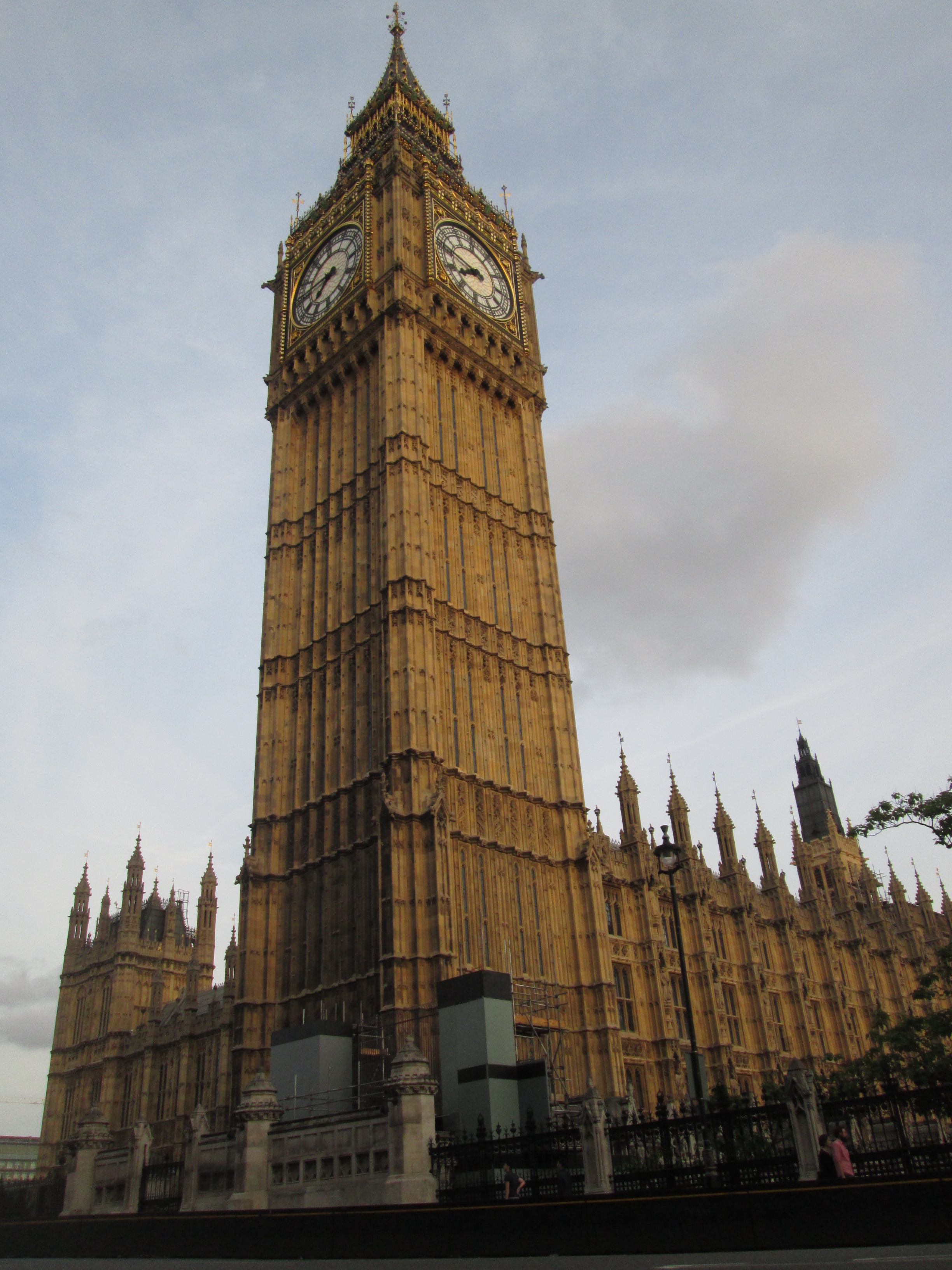
Elizabeth Tower, housing the Great Bell of Big Ben, stands as Westminster's iconic clock tower and a symbol of British democracy. This Victorian engineering marvel marks the pulse of Parliament's proceedings with its famous chimes that have resonated across London for over 160 years.
Westminster Bridge
3

Westminster Bridge

5 min

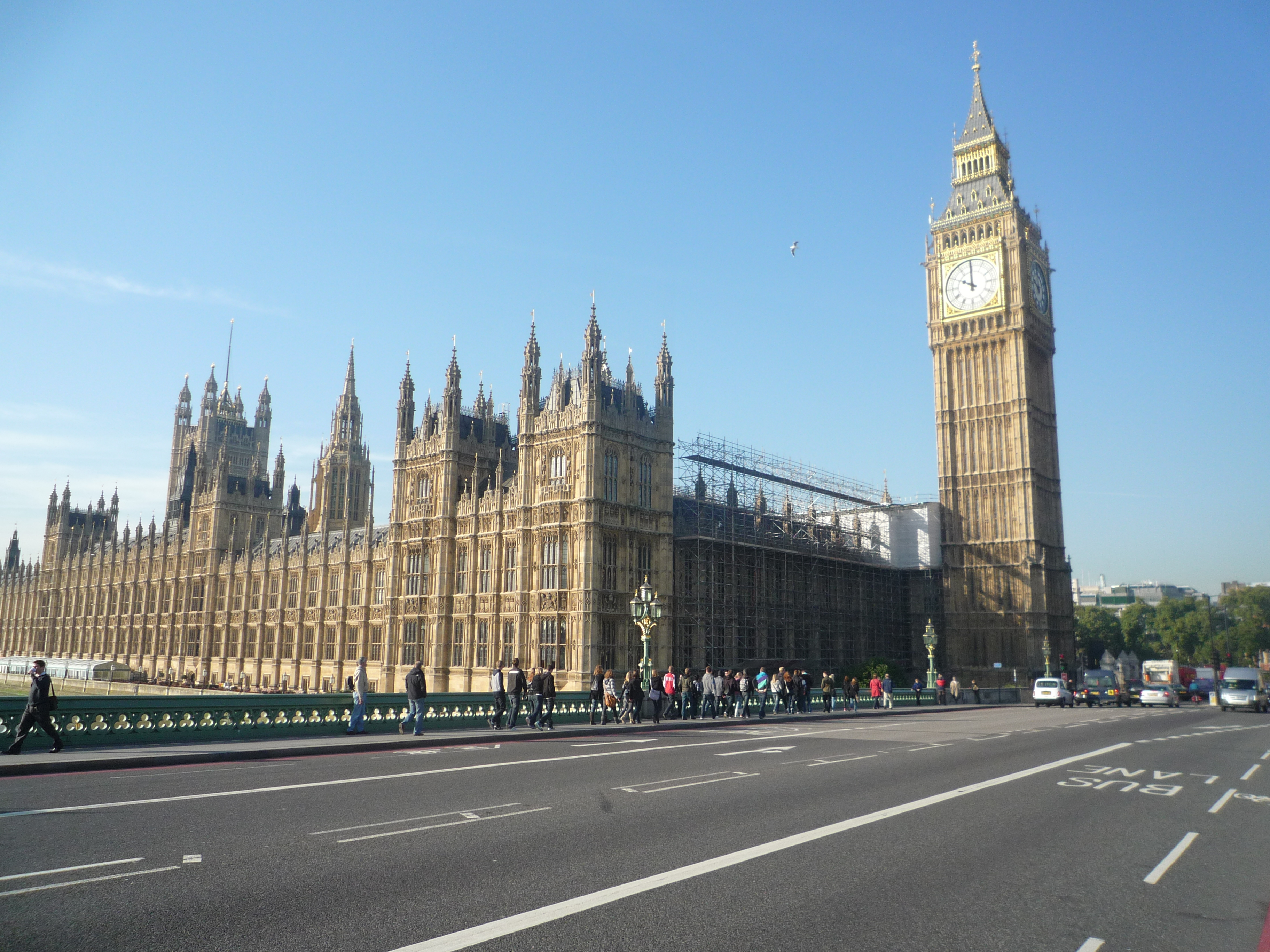
An iconic iron bridge spanning the Thames with unparalleled views of Parliament and the heart of Westminster. This crossing has inspired artists including Monet and writers like Wordsworth, serving as the visual and geographical centerpiece of London's political district.
Houses of Parliament
4

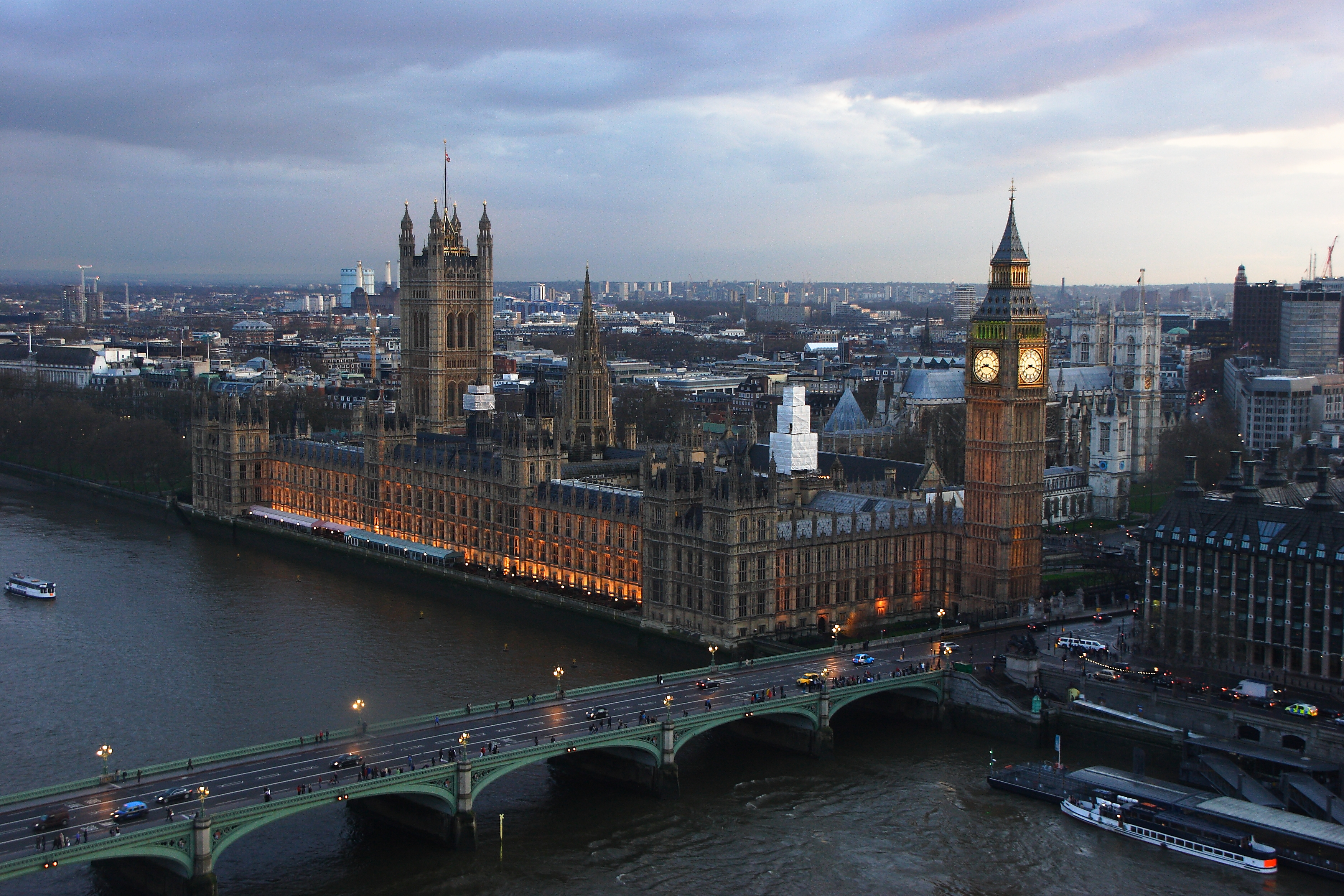
Houses of Parliament

10 min

The Gothic Revival masterpiece of the Palace of Westminster, completely rebuilt in the Victorian era after the devastating 1834 fire that destroyed the medieval royal palace. This architectural triumph symbolizes both the power of democratic government and the ambitions of 19th-century Britain.
Westminster Abbey
5

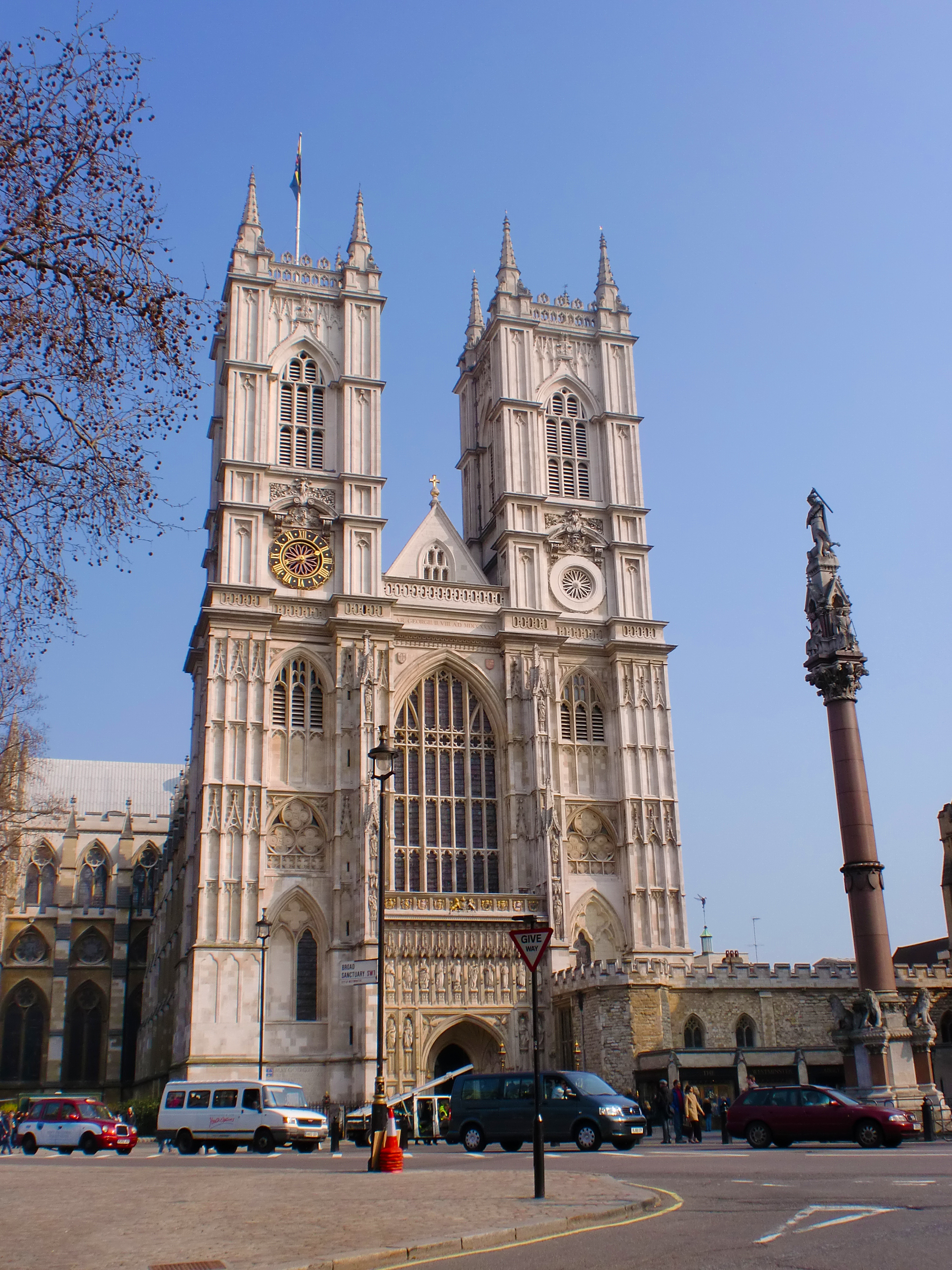
Westminster Abbey

18 min

Westminster Abbey is the Gothic cathedral where every English and British monarch since 1066 has been crowned, embodying 1,000 years of royal ritual and serving as the burial place of kings, queens, poets, and the Unknown Warrior.
Queen Anne's Gate
6

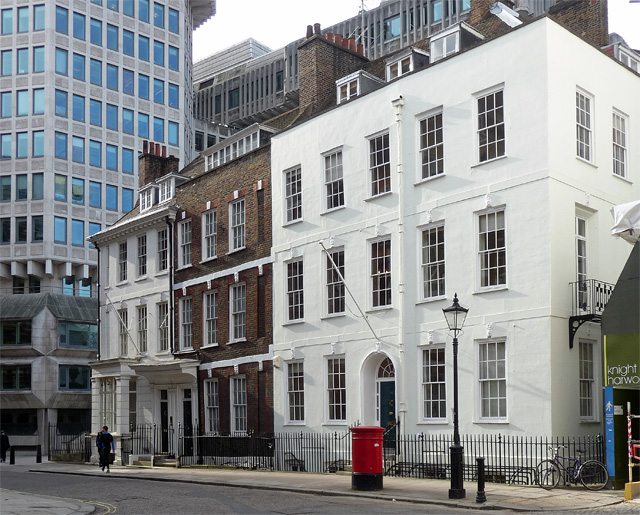
Queen Anne's Gate

5 min

This beautifully preserved Georgian street showcases 18th-century Westminster residential architecture, revealing how Britain's political and social elite lived in intimate, understated elegance. The distinctive carved wooden canopies above the doorways are a unique architectural feature found nowhere else in London.
St James's Park
7

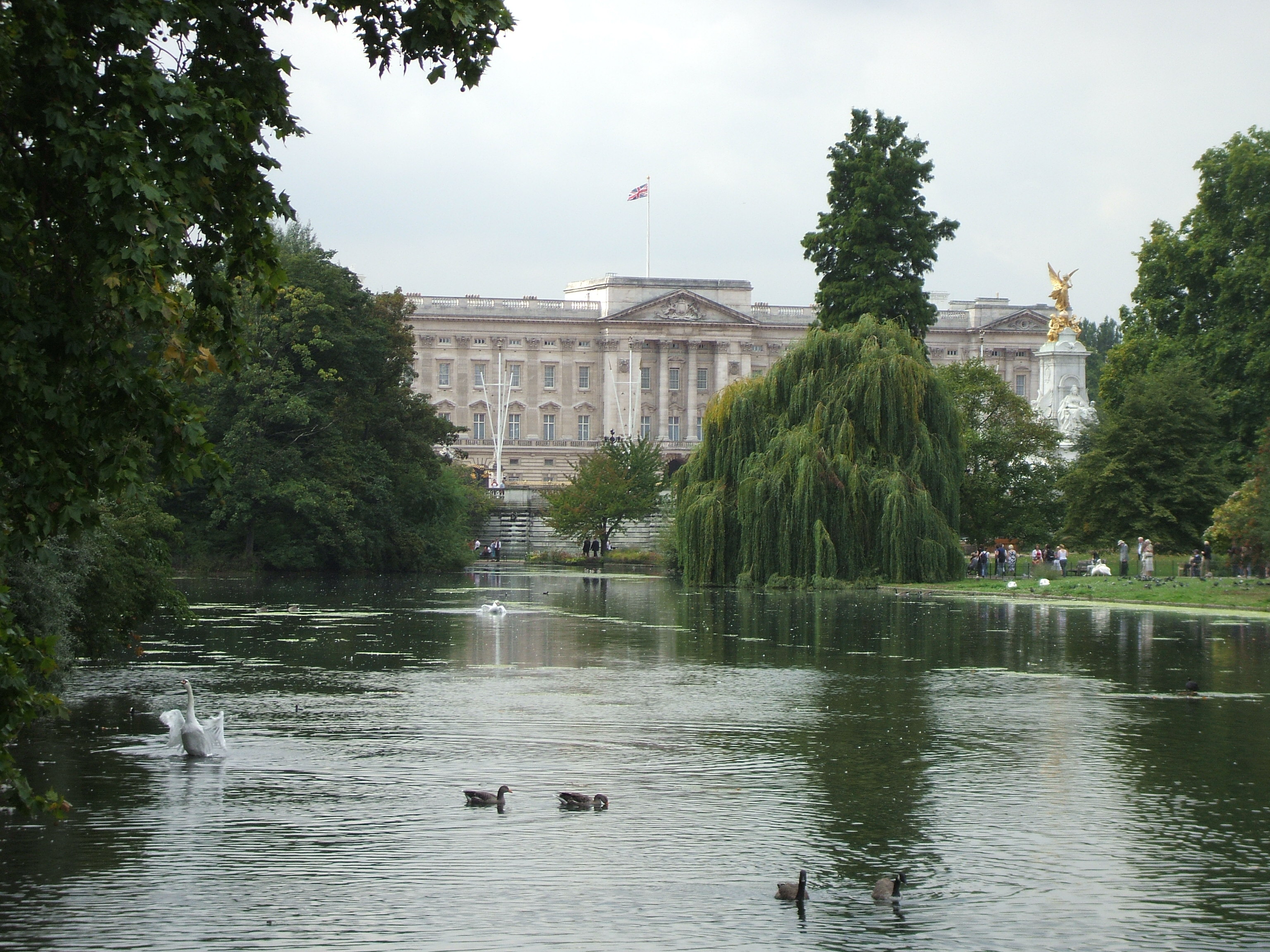
St James's Park

10 min

A 350-year-old royal park that forms the green heart of Westminster, connecting Parliament to Buckingham Palace and offering a moment of natural beauty amid the architecture of power.
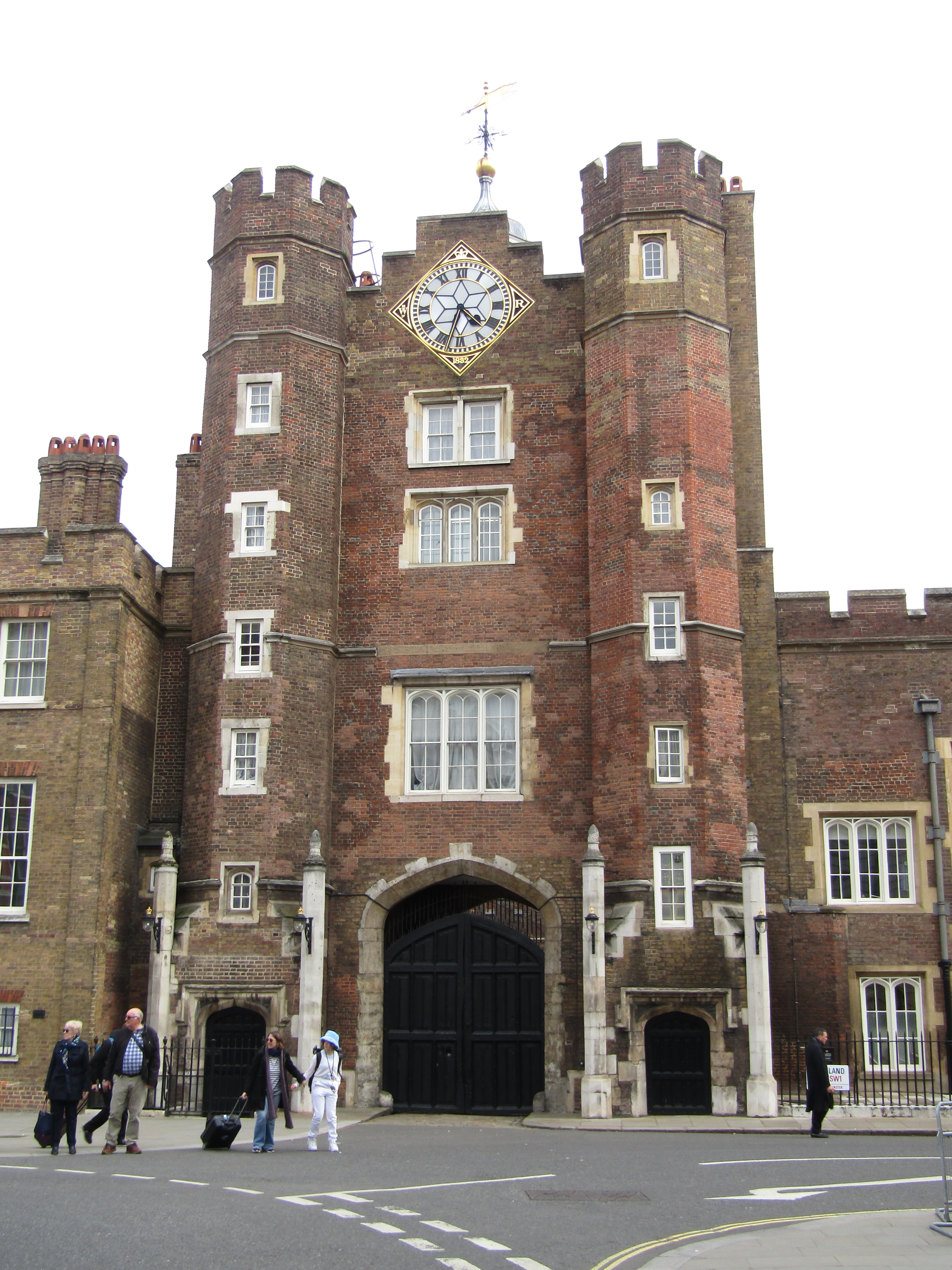
St James's Palace
8

St James's Palace

5 min

Henry VIII's red-brick Tudor palace, built in the 1530s and technically still the senior royal residence where ambassadors are accredited. One of London's oldest surviving structures, it marks the transition from active royal dwelling to the grand finale of Buckingham Palace.
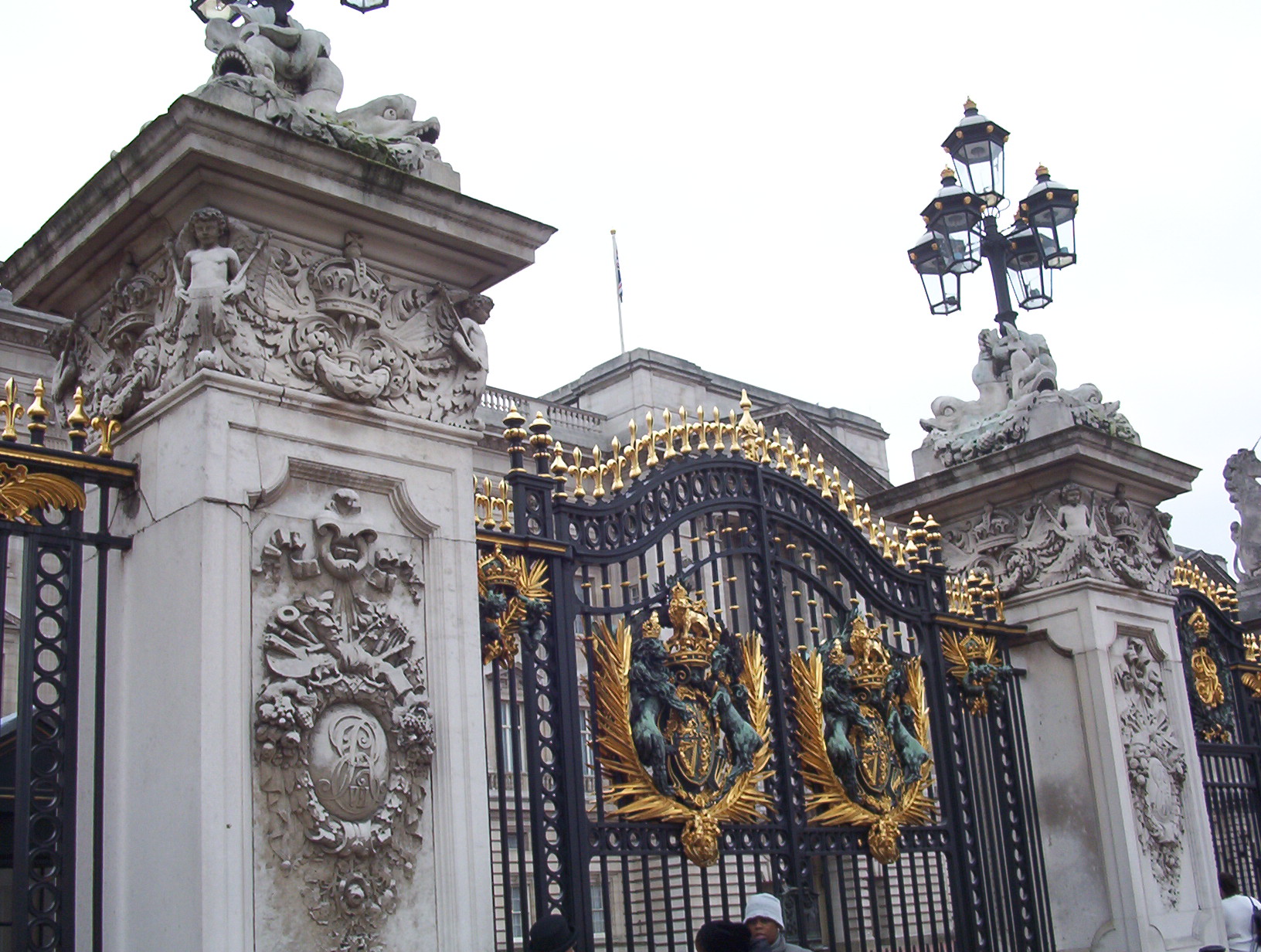
Buckingham Palace
9

Buckingham Palace

10 min

Buckingham Palace is the official London residence of the British monarch and the world's most recognizable symbol of royal power and pageantry. Though the building itself dates to earlier centuries, Victoria was the first reigning monarch to make it her primary home, transforming it into the grand palace we see today.

A Taste of the Tour

This is the real story from one stop on this walk — every stop has one.

The Cenotaph

Westminster isn't just a neighborhood — it's the physical embodiment of power itself. Over the next ninety minutes, we're going to walk through a thousand years of it, and here's what makes this journey remarkable: you'll witness how power changes form without ever changing address. We start at the quietest place in London, where the nation pauses to remember what power costs. Then we'll move into the machinery of it all — the great engine of Parliament, the clock tower that's become this city's heartbeat. But Westminster saves its most sacred space for the middle of our walk: an abbey so old, so weighted with crowns and history, that you'll feel the weight of ceremony in the stones. After that, the story shifts. You'll see where power actually *lives* — intimate gardens, quiet streets, ordinary townhouses where extraordinary decisions were made. And then, in the final stretch, Westminster reveals its most flamboyant face: the royal parks, the guards, the palace itself. This isn't a museum tour. It's a walk through the literal architecture of Britain's soul. Welcome. Before we go anywhere else, I want you to stand here for a moment. You're looking at the Cenotaph — not grand, not decorated, not built to impress. Just a pale stone structure rising from the pavement on Whitehall, at the very heart of British government. And that understatement is precisely the point. The word 'cenotaph' means an empty tomb — a monument without a body. When Sir Edwin Lutyens designed this in 1919, just after the First World War ended, he knew that millions of British soldiers would never come home. Their bodies lay in France, in Flanders, scattered across the battlefields of the Somme and Passchendaele. So instead of a traditional monument with grand statuary or inscriptions, he created this: a simple stone chest, slightly curved, that seems to hold absence itself. Notice how it draws the eye without demanding it. There's a quality of restraint here that feels almost painful. The stonework is beautifully crafted, but deliberately austere. It's as if shouting would dishonor what it remembers. You won't find the names of the dead here — there are too many. What you will find is the brevity of inscription: 'The Glorious Dead.' Those three words do more work than any lengthy eulogy could. This is where Britain comes to mourn. Every November, on Remembrance Sunday, the nation gathers here for the service of remembrance. Political leaders stand shoulder to shoulder — Prime Ministers, Opposition leaders, military officials — all united in silence at this one spot. The traffic on Whitehall stops. The entire street goes quiet. For two minutes, the machinery of government simply pauses. And that pause is radical. Westminster, the street we're standing on, is where power lives. Down this road you'll find Parliament, where laws are made and governments rise and fall. You'll see Big Ben, the clock tower that marks the rhythm of democracy. The civil service offices line these streets. But here, at this memorial, all of that is secondary. The monument isn't celebrating power — it's acknowledging its cost. That's why I wanted you to start here. The democracy these soldiers died to protect sits just down this road. The palaces of monarchy, the chambers of Parliament, the rituals of government that we'll see today — all of these exist because of the sacrifice represented by this stone. The Cenotaph isn't separate from the story of Westminster; it's the foundation of it. But there's something else worth noticing too. The Cenotaph has become a memorial not just for the First World War, but for all British war dead. Wreaths laid here remember soldiers from the Second World War, from Korea, from the Falklands, from Iraq and Afghanistan. The monument has expanded in meaning, becoming a kind of permanent space of collective grief that transcends any single conflict. There's a peculiar British quality to this place — a way of honoring without excess, of remembering without spectacle. If you visit war memorials in other countries, you often find more elaborate monuments, more dramatic inscriptions, more visible emotion. But Lutyens understood something about British character. He knew that sometimes the most powerful way to honor the dead is through restraint, through silence, through the refusal to turn grief into theatre. Look at how the stone ages — notice the weathering, the way it's been kissed by London's rain and wind for over a century. That patina is part of the memorial too. This isn't a polished artifact in a museum. It's a living monument, changing and darkening with time, gradually becoming part of the street itself. We'll move on in a moment, toward Parliament and palaces, toward the mechanisms and pageantry of power. But I wanted to begin with this — with the memory of those who aren't here, with the understanding that nothing we see today was free. The concentration of power that Westminster represents was bought at an unimaginable price. Take another moment if you need it. Then we'll walk toward the next stop.

More Tours in London

Nearby Cities

Back to London Tours

Cookie Consent

We use cookies to analyse site traffic and improve your experience. You can choose to accept or reject analytics cookies. Learn more