
Zarautz: The Queen of Beaches
Zarautz · Spain

Zarautz: The Queen of Beaches

Zarautz, Spain
90
Duration (min)
3.0
Distance (km)
8
Stops
Easy
Difficulty

Description

Walk the longest beach in the Basque Country and watch one town reinvent itself across the centuries. From the medieval tower-houses and fortress-church of a wall-less whaling port, through the belle-époque villas of the royal resort where Queen Isabel II came to bathe, to today's surf capital and the wild dunes where the whalers once kept watch — it is all shaped by the same long crescent of sand.

Highlights

Torre Luzea, the best-preserved medieval tower-house in Gipuzkoa The Palacio de Narros, where Queen Isabel II turned a whaling port into a royal resort The longest beach in the Basque Country and a birthplace of European surf contests Karlos Arguiñano's beachfront villa and the town's pintxo-and-txakoli culture The wild Iñurritza dunes and the Talaimendi whale-lookout, with the Getaria 'mouse' on the horizon
Tour Stops

Torre Luzea
1

Torre Luzea

7 min

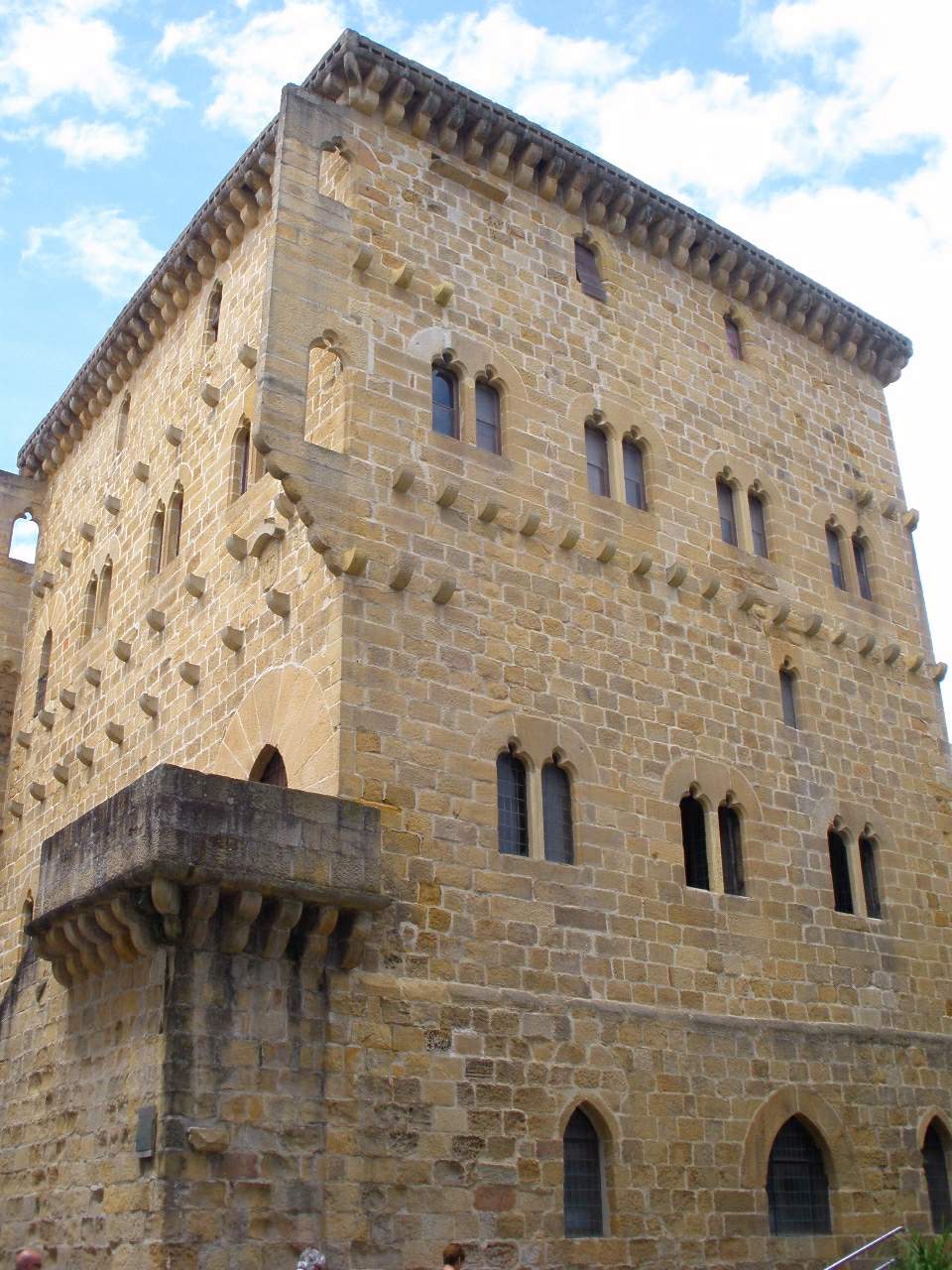
Torre Luzea is the best-preserved medieval tower-house in Gipuzkoa, a 15th-century fortified watchtower with arrow-slits and a family crest. It was one of the private stone towers that defended a wealthy little whaling town that never had walls.
Iglesia de Santa María la Real
2

Iglesia de Santa María la Real

8 min

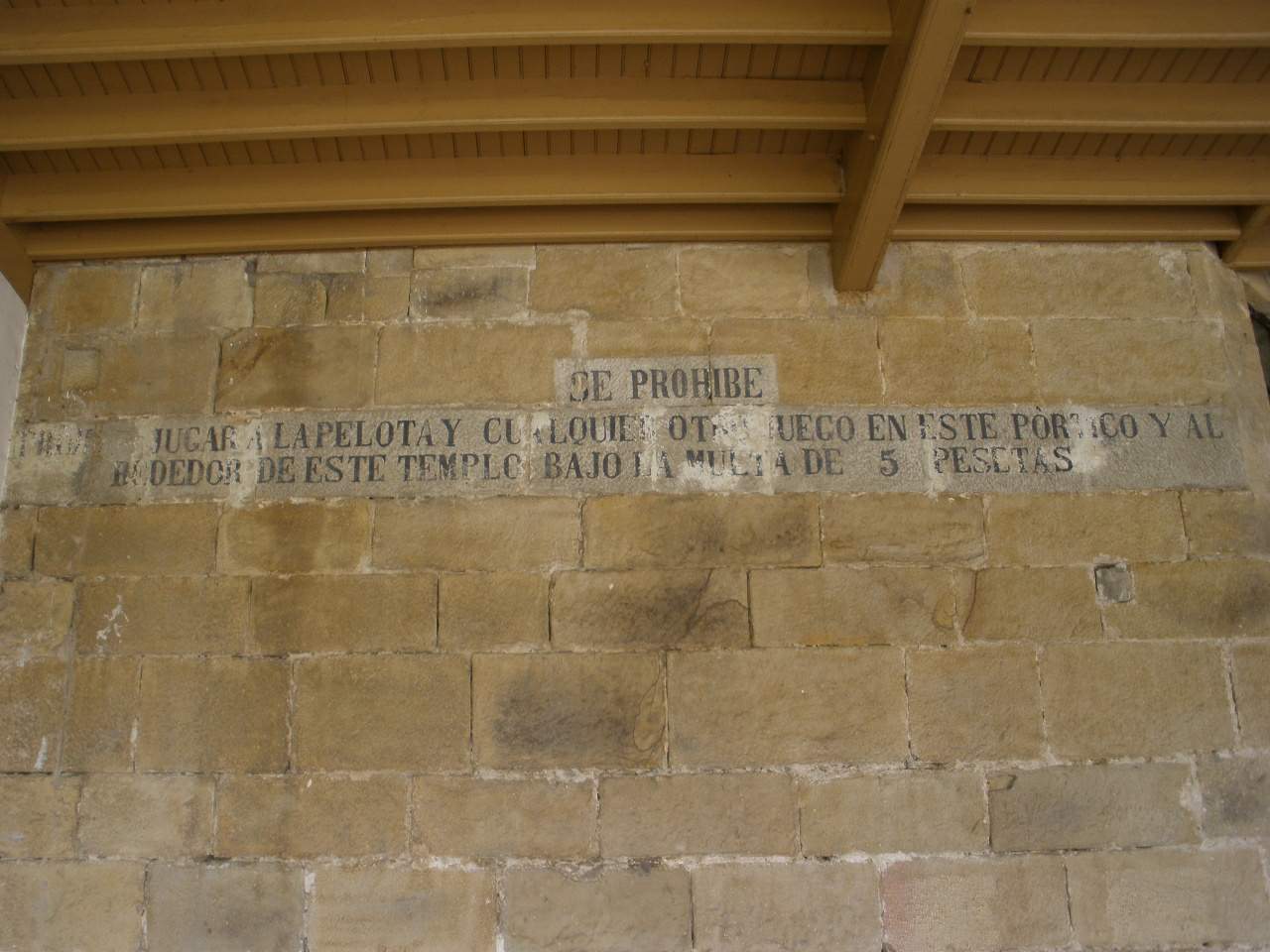
The Iglesia de Santa María la Real is Zarautz's late-15th-century Gothic fortress-church, bristling with loopholes and arrow slits, built to double as a stronghold for a wall-less whaling town. Beneath its floor lies an extraordinary archaeological layer cake, the Menosca complex, running from the Iron Age through Roman times to the medieval settlement.
Kale Nagusia & Musika Plaza
3

Kale Nagusia & Musika Plaza

6 min

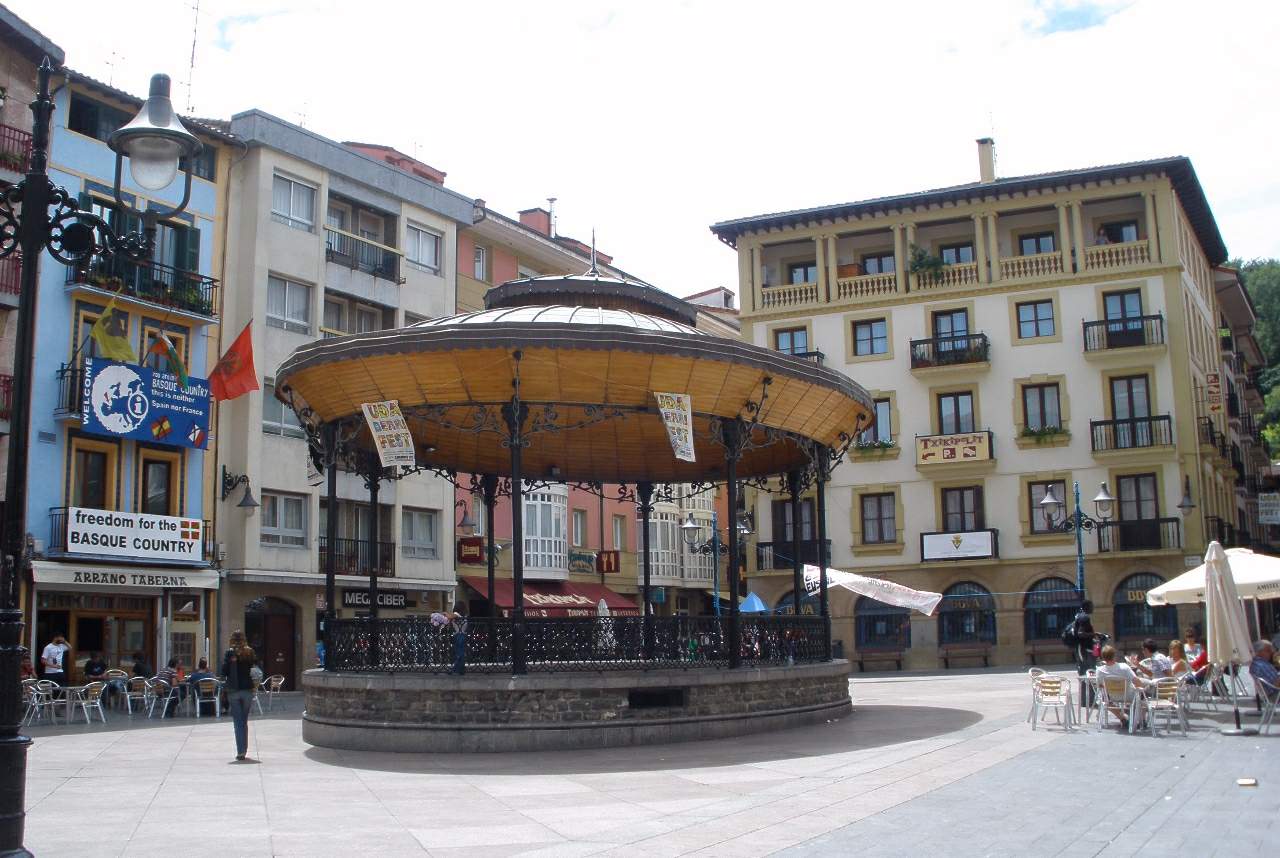
The medieval main street and market square at the heart of Zarautz's old town, where the Camino del Norte still threads straight through the pintxo-and-txakoli hub of everyday Basque life.
Palacio de Narros
4

Palacio de Narros

8 min

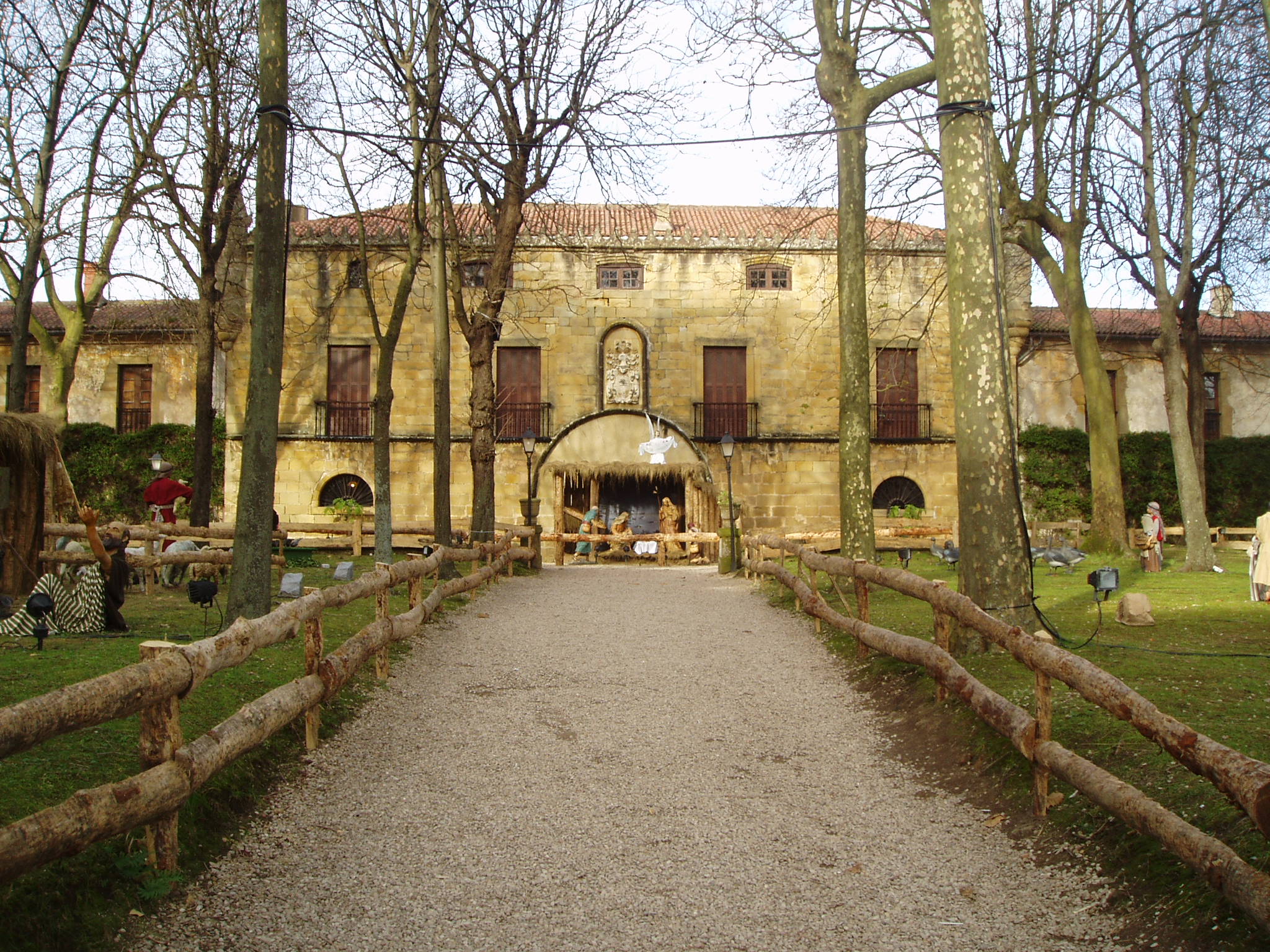
Palacio de Narros is a Renaissance palace built in 1536 at the western edge of Zarautz, right on the beachfront. When Queen Isabel II spent the summers of 1865 and 1866 here, a working whaling and fishing town reinvented itself almost overnight into a fashionable royal seaside resort.
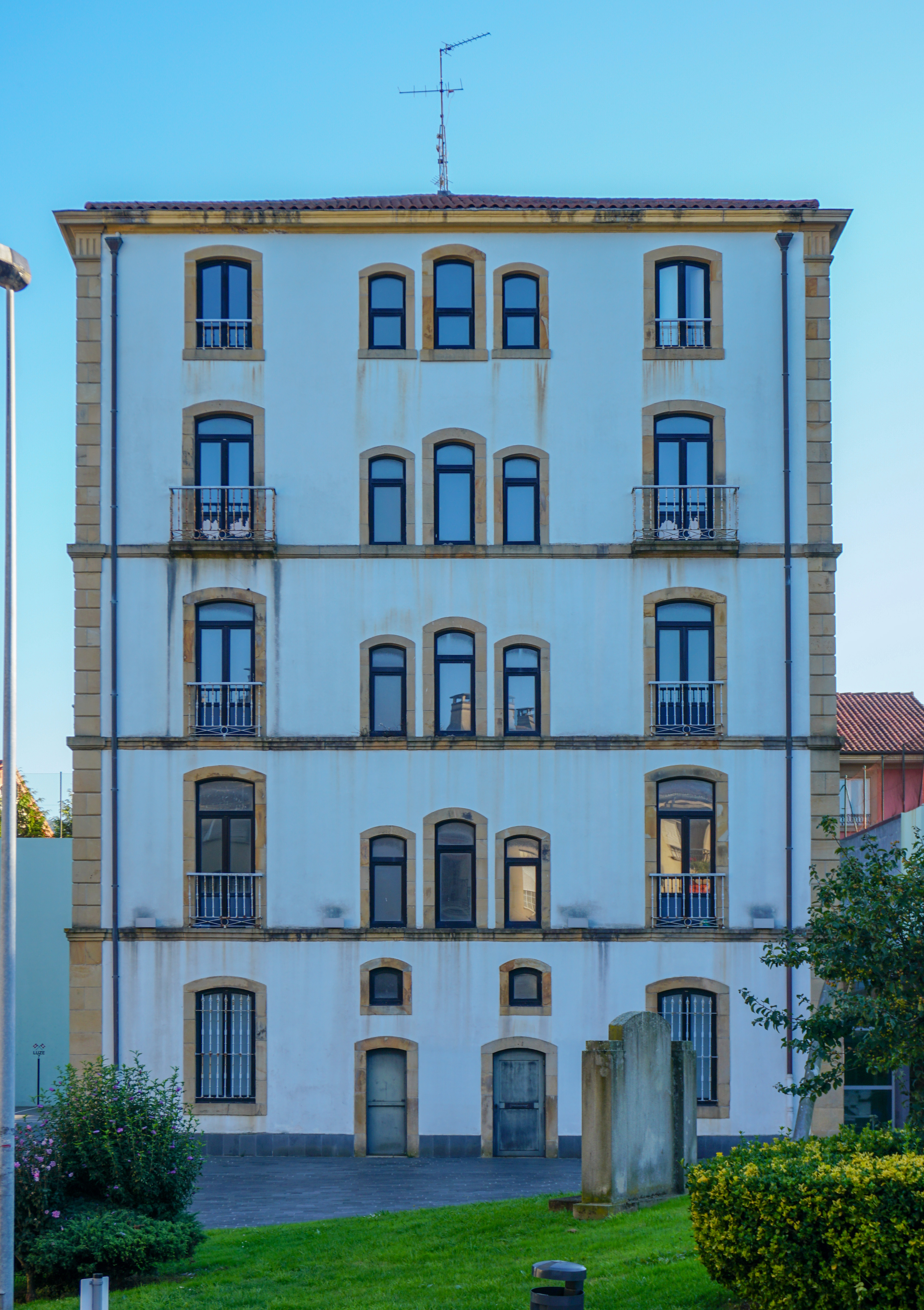
Photomuseum (Villa Manuela)
5

Photomuseum (Villa Manuela)

6 min

A belle-epoque resort villa, Villa Manuela, that since 1993 has housed the Photomuseum, the Basque museum of photography and cinema, whose daguerreotypes and antique cameras trace how the royal-resort era brought art and image-making to the coast.
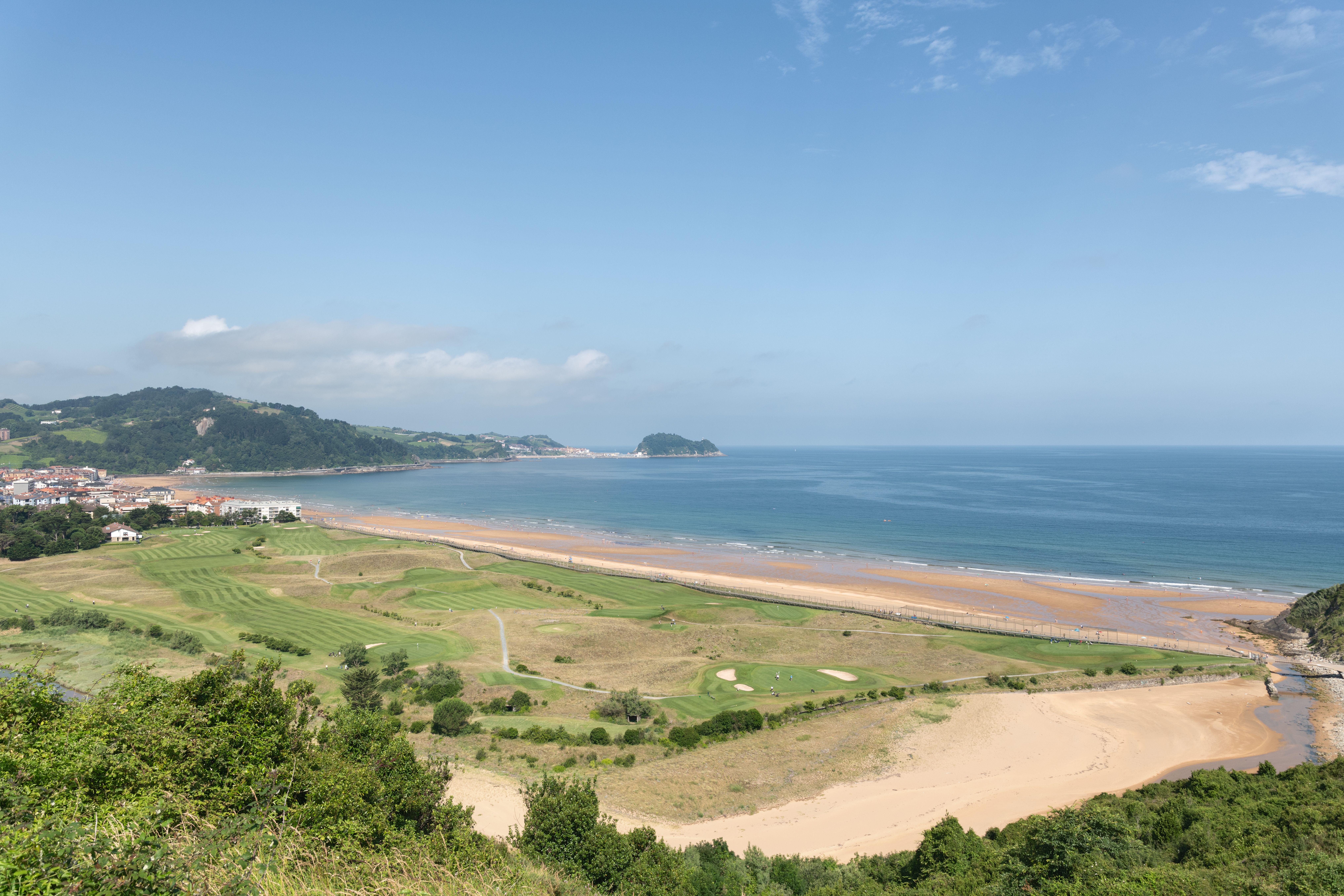
Zarautz Beach & Promenade
6

Zarautz Beach & Promenade

8 min

Zarautz Beach is the longest in the Basque Country, its flat promenade lined with an open-air sculpture route and its waves famous enough to have hosted Europe's first professional surf contest in 1966.
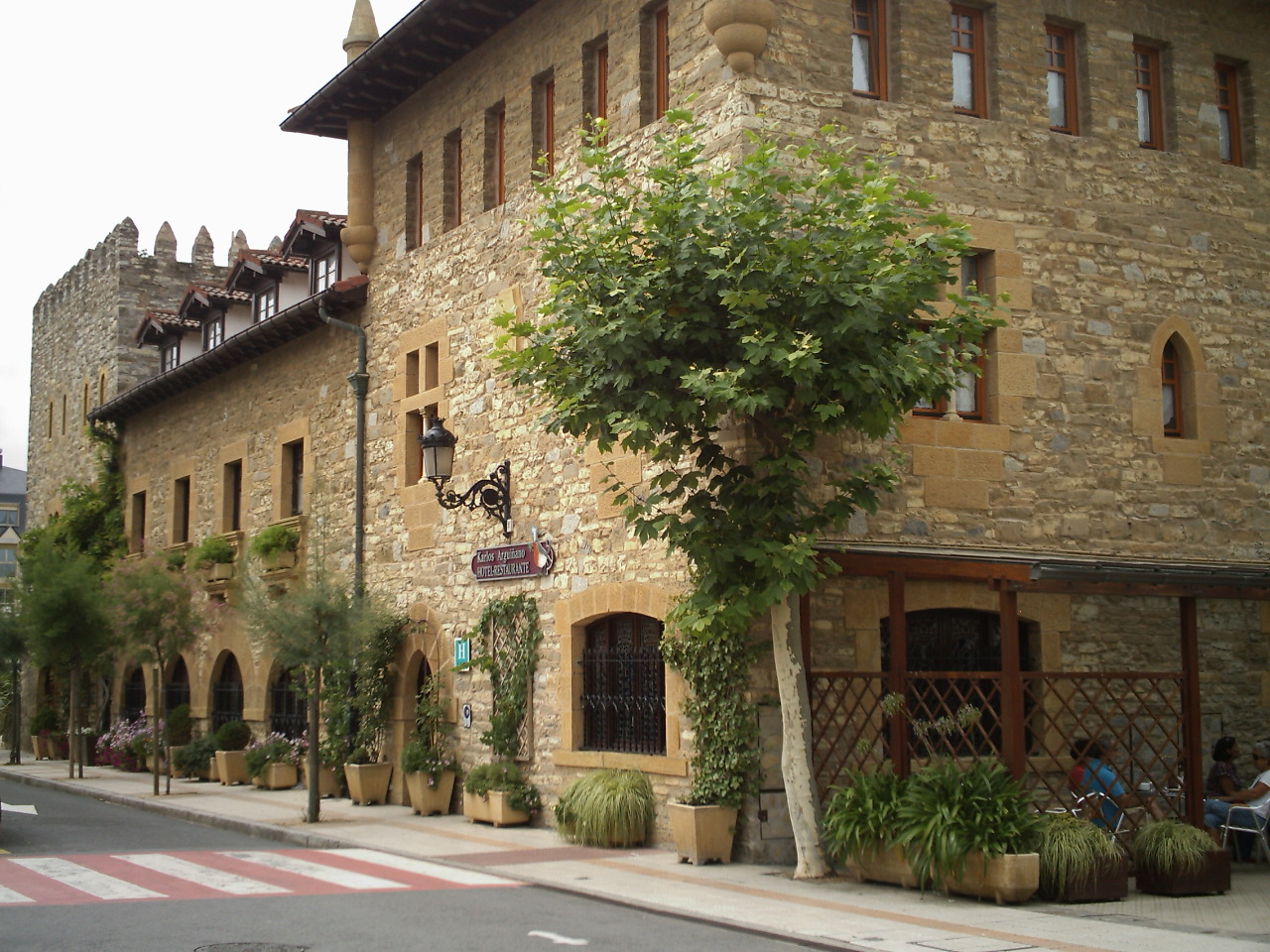
Karlos Arguiñano — Villa Aiala
7

Karlos Arguiñano — Villa Aiala

6 min

The Karlos Arguiñano Hotel-Restaurante occupies Villa Aiala, an early-1900s beachfront mansion at Mendilauta 13, home to Zarautz's most famous son — the television chef and pioneer of Nueva Cocina Vasca who turned a resort-era villa into a hotel and restaurant facing the sea.
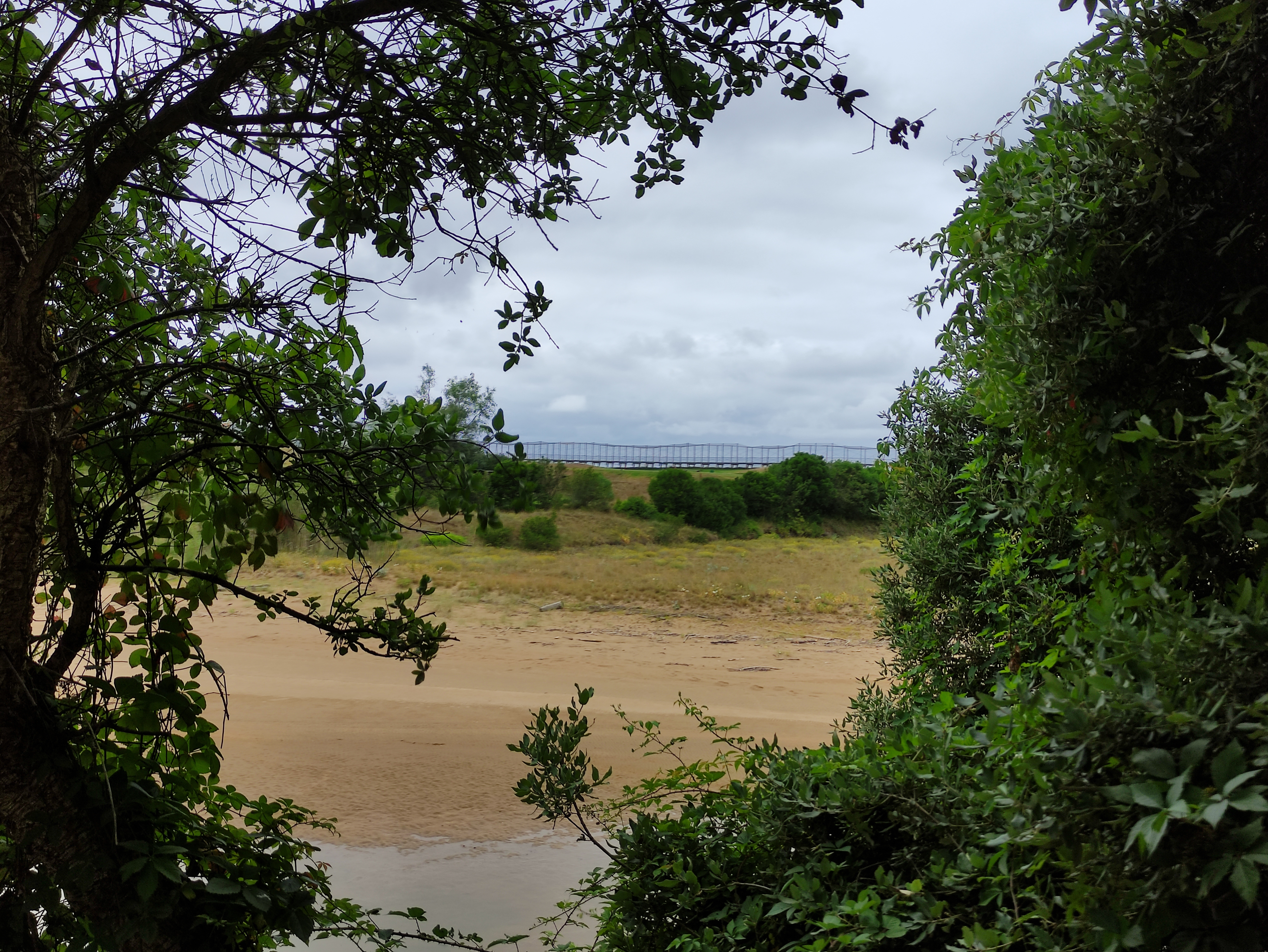
Iñurritza & Talaimendi
8

Iñurritza & Talaimendi

9 min

The wild east end of Zarautz beach, where Iñurritza — the widest, best-preserved dune field on the Basque coast — meets Talaimendi, an old whale-lookout hill. From its summit the whole crescent of sand opens up toward the Getaria "mouse" of Mount San Antón, with the Camino climbing on through the txakoli vineyards.

A Taste of the Tour

This is the real story from one stop on this walk — every stop has one.

Torre Luzea

Welcome to Zarautz, and welcome to the old town. Take a breath here, in this narrow street of the casco viejo, and let me tell you the one thing that ties this whole walk together: everything you're about to see was made by the sea. That long, glorious crescent of sand a couple of blocks to your south — the longest beach in the Basque Country — has remade this town over and over across the centuries. It built a whaling port. It built a queen's summer resort. It built a surf capital. Same beach, same water, a completely different Zarautz each time. Over the next couple of hours we'll walk that story from west to east, from these medieval stones to the wild dunes at the far end. And it all starts right here, in front of this tower. Look up at it — Torre Luzea, the "long tower." This is the best-preserved medieval tower-house in all of Gipuzkoa, and once you know what you're looking at, it's genuinely remarkable that it's still standing. It went up in the 15th century, and it has survived more or less intact for five hundred years while the rest of medieval Zarautz was rebuilt around it. Notice how tall and narrow it is, how it rises like a stone chimney above its neighbors. Look for the slim vertical arrow-slits cut into the stone — those aren't decoration, those are for defense, narrow enough to shoot out of and hard to shoot into. And up on the facade, see if you can spot the family crest, the coat of arms of the lineage that built it. This wasn't a public castle. It was a private fortress, a rich family's fortified home. And here's the detail that makes it strange and wonderful. Zarautz never had town walls. Think about that for a second. Most medieval towns you visit were ringed with defensive walls, a single stone circle protecting everyone inside. Not here. Zarautz got its town charter in 1237, granted by Ferdinand III of Castile, which confirmed its old Basque fueros and made it a proper villa — but it never built the walls that usually came with that status. Instead, the town defended itself with a scattering of private stone towers exactly like this one. Torre Luzea and its sister tower, Torre Laburra — the "short tower" — plus the great fortress-church we'll visit next, together formed the town's defense. Each wealthy family built its own strongpoint, and collectively those towers were the walls. It's a very Basque solution, decentralized and stubbornly independent. So why was there anything here worth defending in the first place? The sea, of course. By the 11th century there was already a settlement clustered around the church up the street, and those first Zarauztarrak lived off three things: fishing, hauling iron, and — above all — whaling. This little town was a whaling port. Out there, past the beach, Basque crews hunted the right whales that migrated along this coast, and it made Zarautz genuinely wealthy. That wealth is the whole reason a family could afford to raise a tower like this one in dressed stone. Here's a figure I love, because it makes the scale of it real. Between 1637 and 1801 — over more than a century and a half — Zarautz recorded catching fifty-five whales. That might not sound like many by modern industrial standards, but a single whale was a fortune: the oil lit lamps, the baleen was the plastic of its day, the meat fed the town. Fifty-five whales was serious, sustained money. And the way they hunted was beautifully low-tech. Up on the hill at the eastern end of the beach — a place still called Talaimendi, which literally means "lookout mountain" — watchmen sat in stone vigías, little lookout posts, scanning the horizon for the telltale spout of a whale. When one was spotted, they'd raise the alarm, and the boats would launch straight off this beach. We'll actually finish our walk up on that very hill, so keep it in the back of your mind — the far end of today's story is watching for the same whales that paid for this tower. By the 19th century the whales were gone, hunted out, and you'd think that might have been the end of Zarautz's good fortune. It wasn't — because the sea had one more trick to play. And this is the little twist I want you to hold onto as we walk. This modest, wall-less whaling town, defended by stone towers like the one in front of you, was about to be completely reinvented by the exact same beach. In 1865, Queen Isabel II of Spain came to Zarautz to bathe in the sea, taking up residence in a palace right on the shore. Where the queen went, the aristocracy of Europe followed — future kings and queens, dukes and duchesses — and almost overnight a working fishing port became a glamorous royal seaside resort, all belle-époque villas and parasols along the sand. The medieval town that these towers were built to protect would become a queen's playground. We'll stand in front of that royal palace a little later. That's the rhythm of this place, and now you can feel it standing here. One beach, one restless sea, endlessly making and remaking the same town — whalers, then royalty, and eventually surfers and chefs and everyone lounging on the sand today. Torre Luzea is where the story begins: five centuries of stone, arrow-slits, and a proud family crest, all raised on the profits of the water just down the street. Take one more look up at those weathered stones and that coat of arms. Then let's walk on, because just ahead stands the other half of the town's old defenses — not a private tower this time, but a whole church built like a fortress.

Nearby Cities

Back to Zarautz Tours

Cookie Consent

We use cookies to analyse site traffic and improve your experience. You can choose to accept or reject analytics cookies. Learn more