London · United Kingdom
Shakespeare's Southwark
London, United Kingdom
Cross the Millennium Bridge into Southwark, retracing the journey Elizabethan theatergoers made by boat Stand before Shakespeare's Globe, the reconstructed 1599 playhouse where his plays come alive Discover the Rose Theatre excavation — actual foundations of an Elizabethan playhouse Walk Clink Street and Winchester Palace, where a medieval bishop ran prisons and licensed brothels End at Old London Bridge, the medieval crossing that made Southwark possible
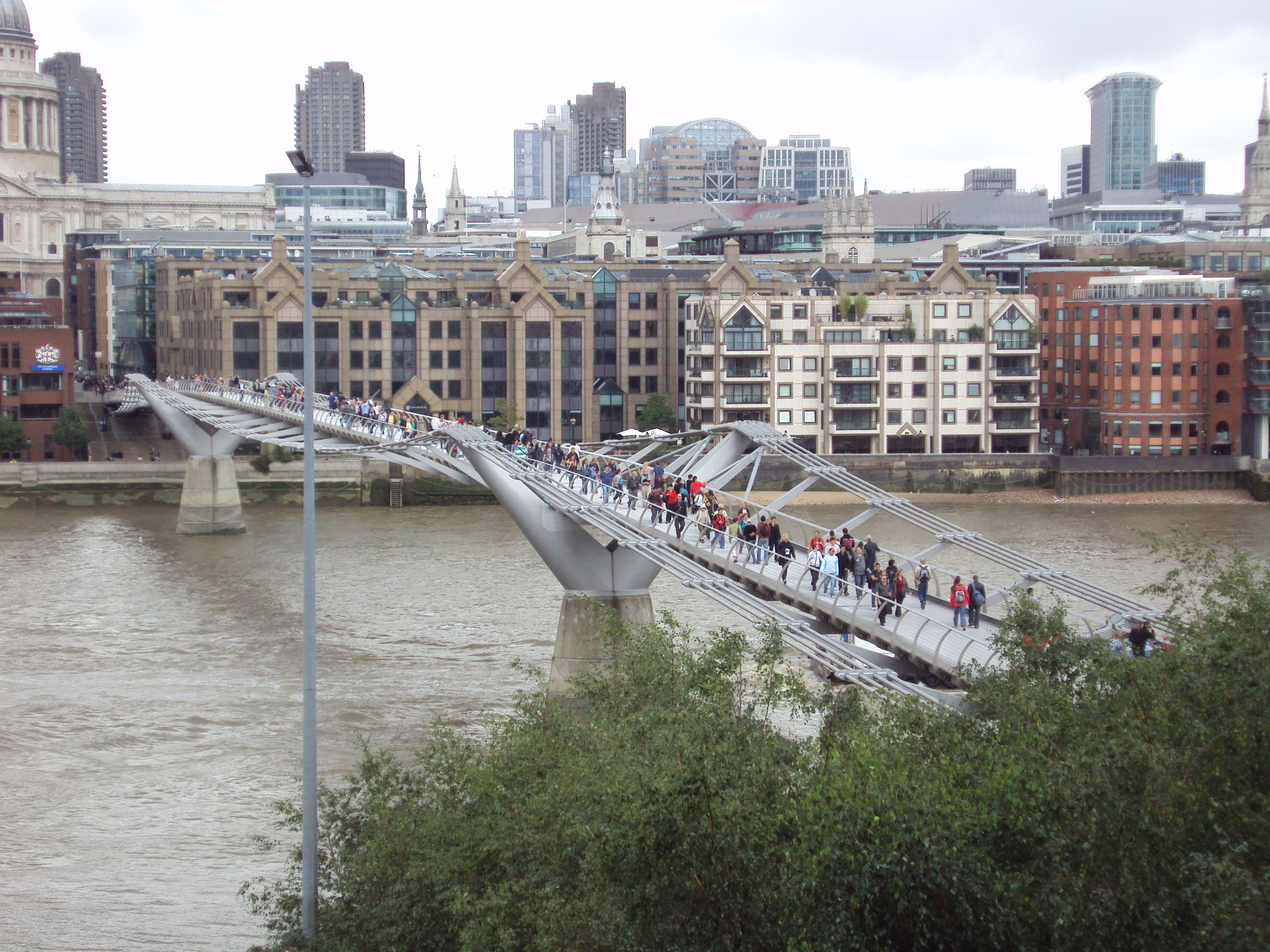
A modern cable-stayed bridge connecting the City of London to the South Bank, framing the same river crossing that Elizabethan theatergoers made centuries ago. From here, St Paul's Cathedral looms behind you while Tate Modern and the cultural powerhouses of Southwark await ahead.
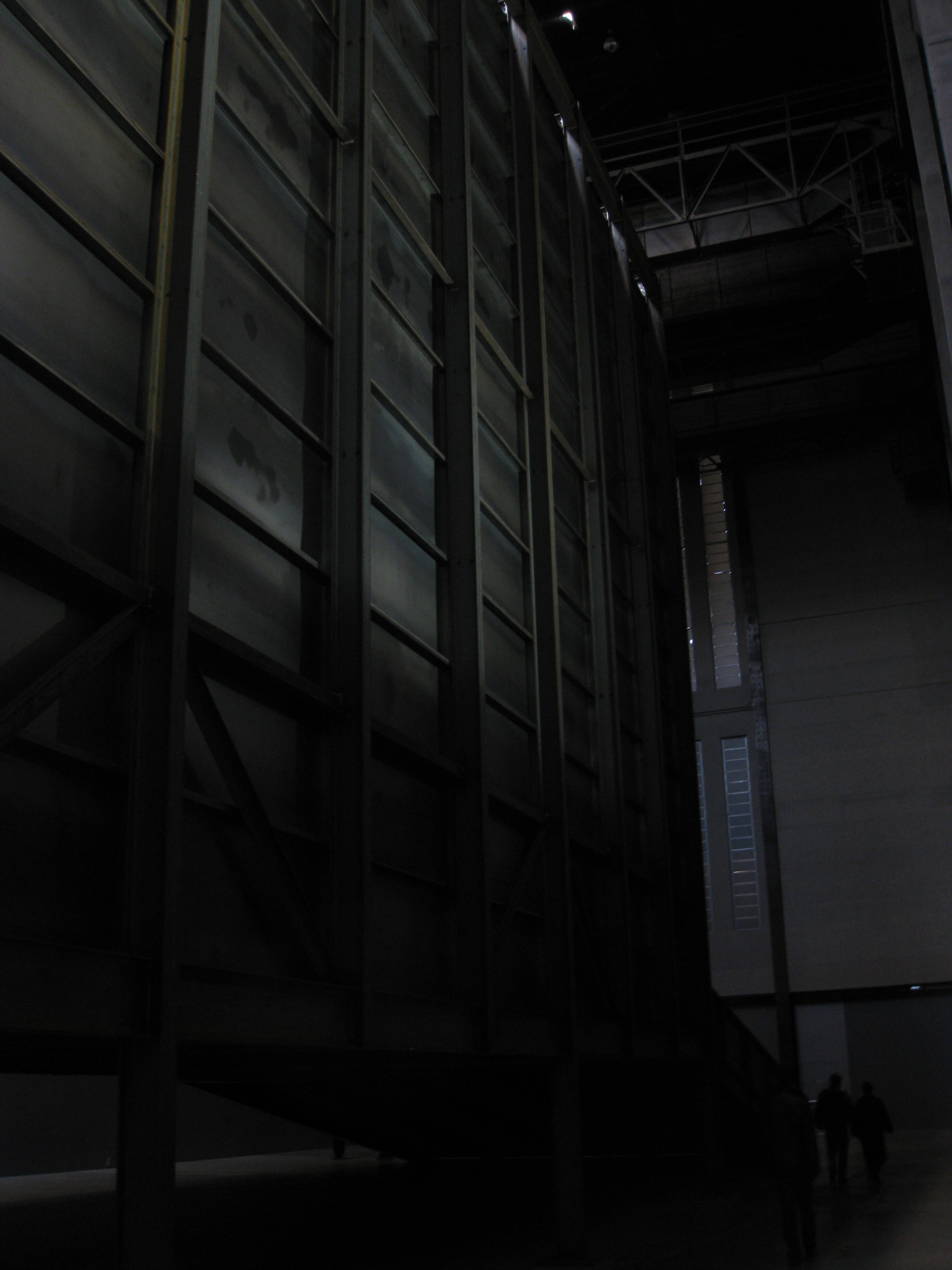
The Bankside Power Station, a decommissioned industrial landmark from 1963, has been transformed into Tate Modern, one of the world's leading contemporary art museums. This conversion from functional utility to cultural institution exemplifies Southwark's perpetual reinvention as a space where marginal becomes magnificent.
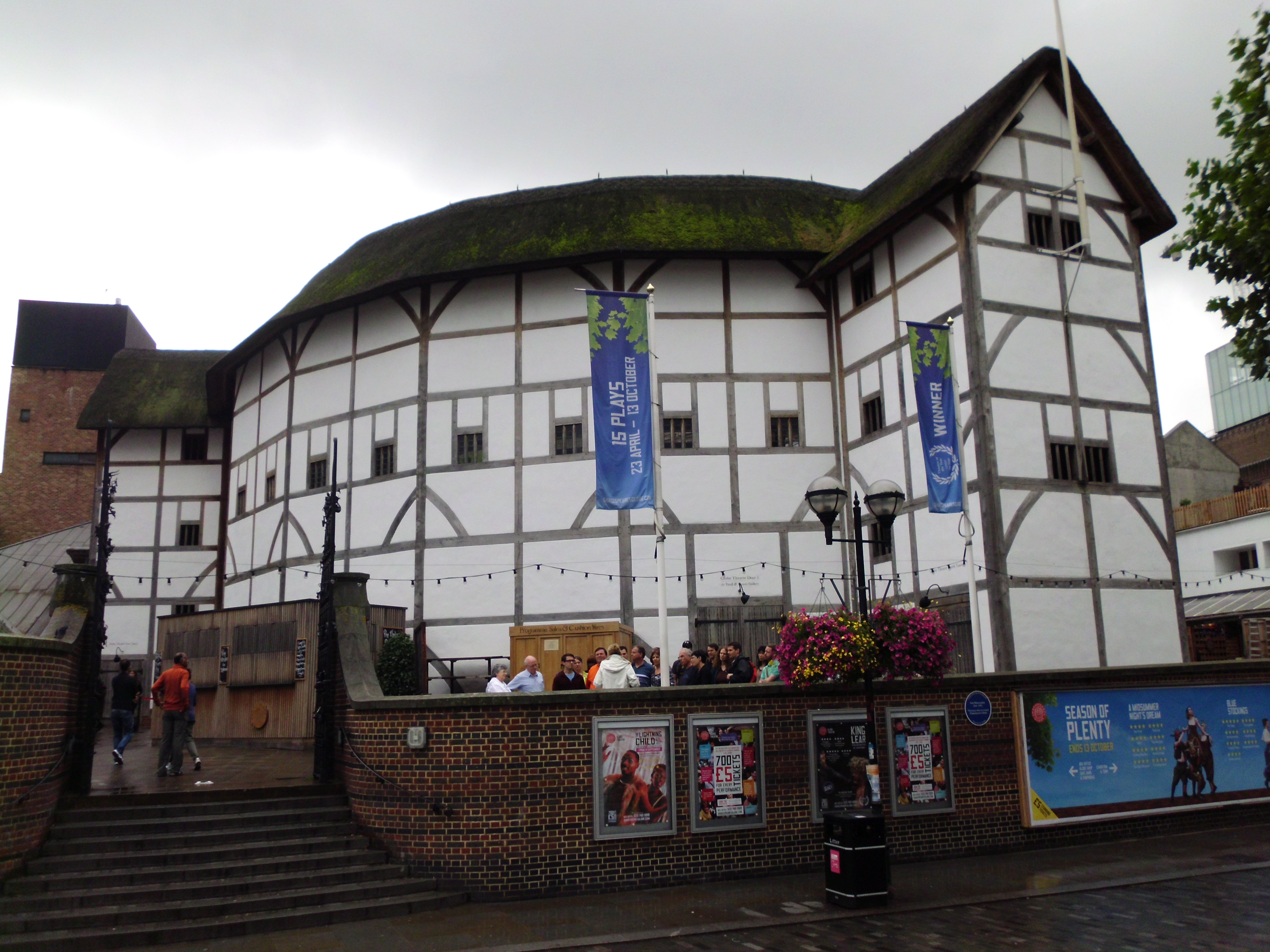
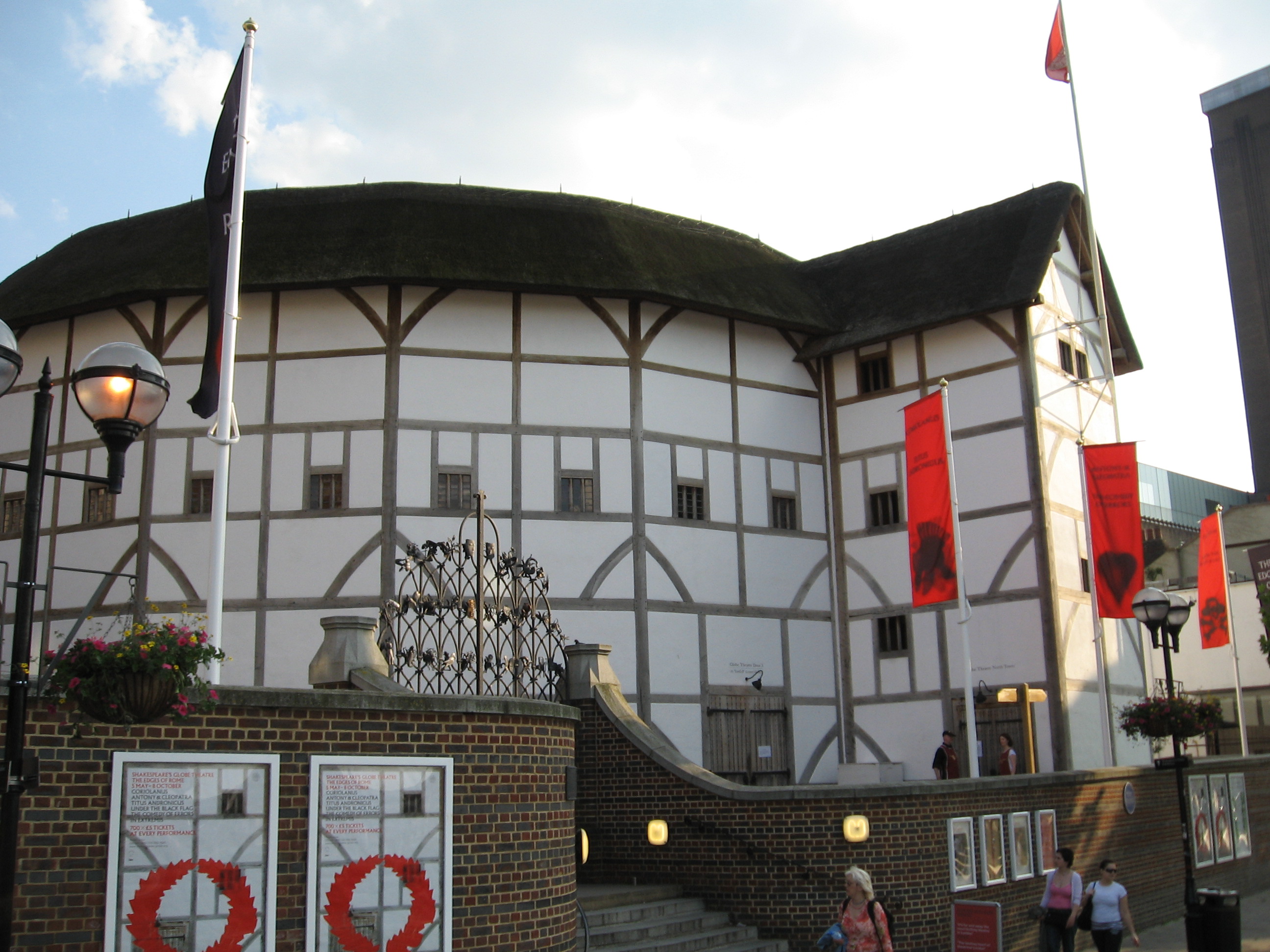
A meticulous reconstruction of the 1599 Elizabethan playhouse where Shakespeare's plays premiered to raucous audiences. This open-air theater embodies why Southwark became the cultural powerhouse it was — it operated outside the City's jurisdiction, free to innovate and provoke.
The actual excavated foundations of an Elizabethan playhouse where Shakespeare and Marlowe's works premiered. Unlike the reconstructed Globe, these remains are the real thing—discovered in 1989, they're the only in situ evidence of a Shakespeare-era theater we possess.
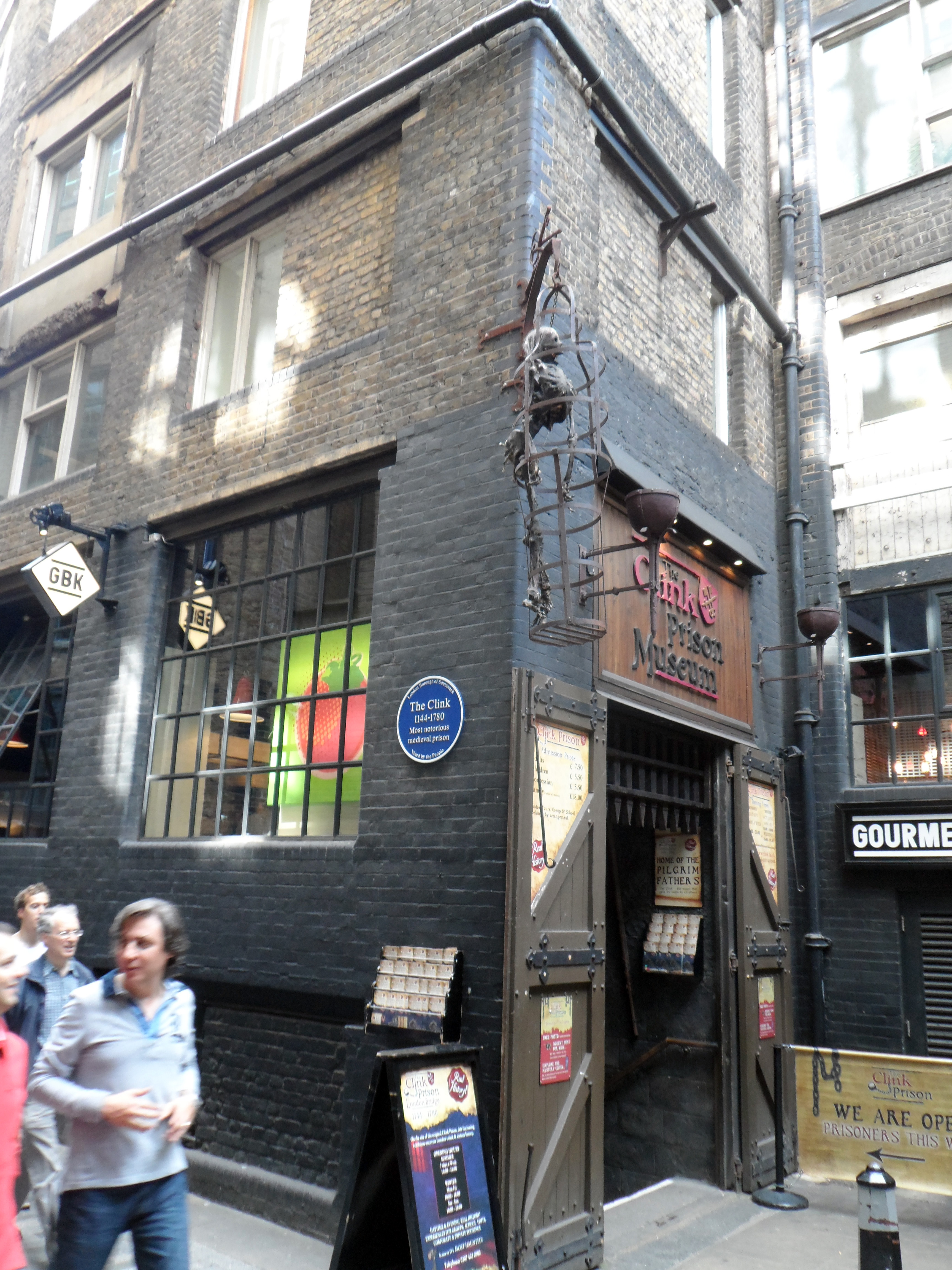
The medieval prison of the Bishop of Winchester, housed on South Bank in an area beyond royal jurisdiction where the Church held its own brutal justice. This 'liberty' sheltered actors, gamblers, and sinners—and gave its name to the slang term for jail.
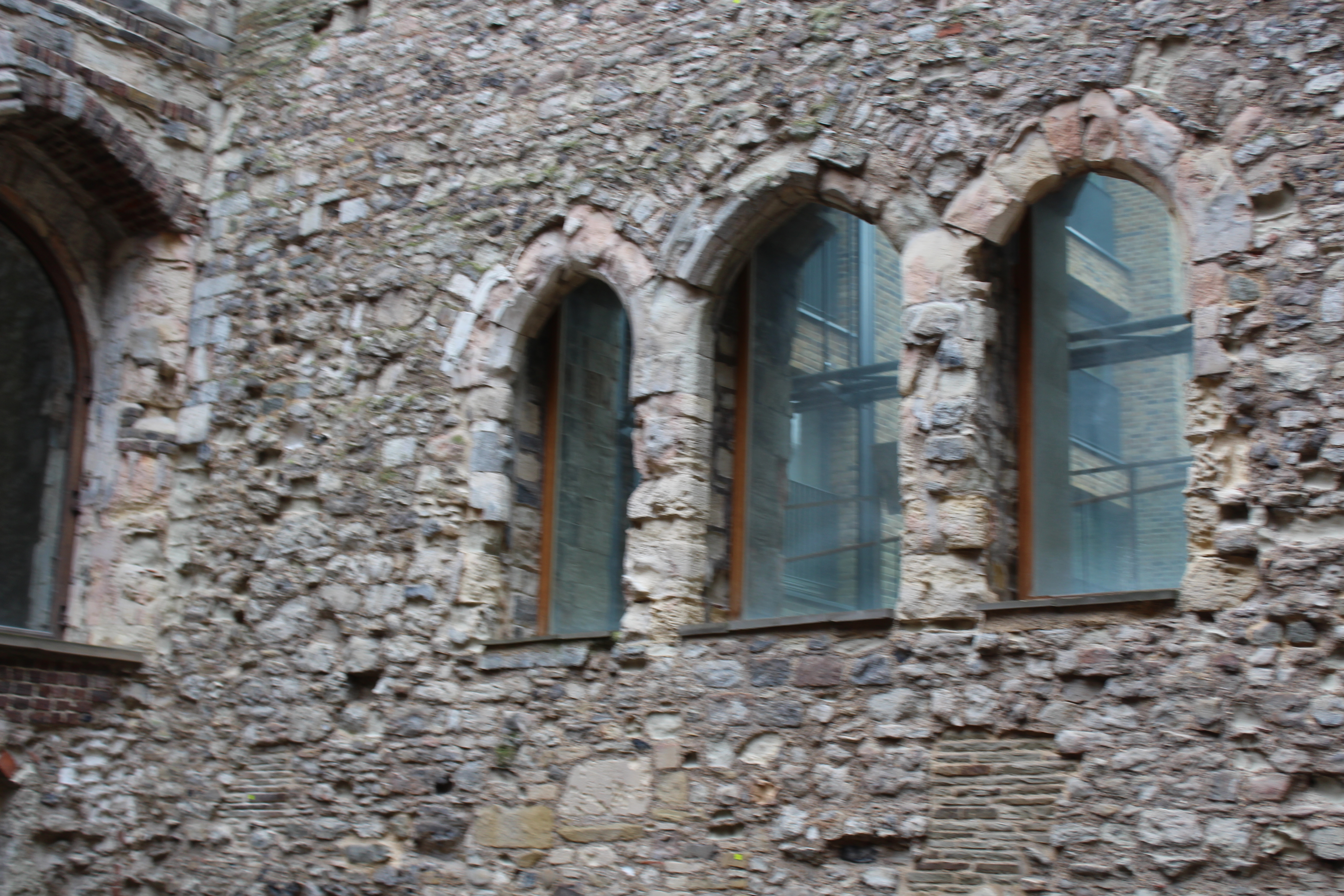
The Winchester Palace Ruins stand as a dramatic Gothic remnant of medieval ecclesiastical power, their imposing stone wall and rose window marking where the Bishops of Winchester once held dominion over Southwark's flourishing and infamous economy from beyond royal jurisdiction.
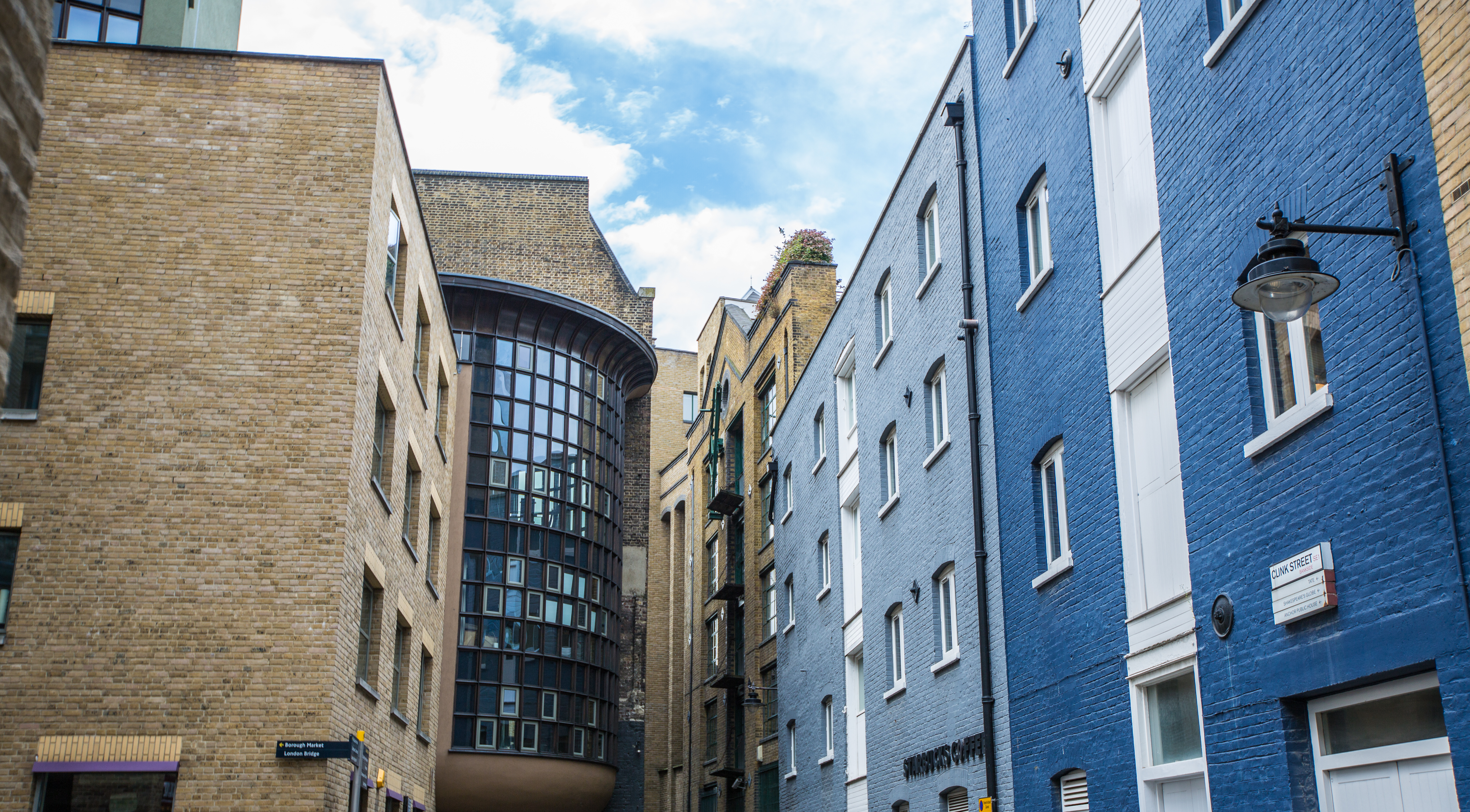
A market has operated continuously on this site for over 1,000 years, making it one of London's oldest commercial spaces. Today, Borough Market thrives as a celebrated food destination, but beneath the artisanal stalls and gourmet vendors lies the medieval infrastructure that once fed Southwark's growing population — and sustained the extraordinary concentration of playhouses that flourished here.
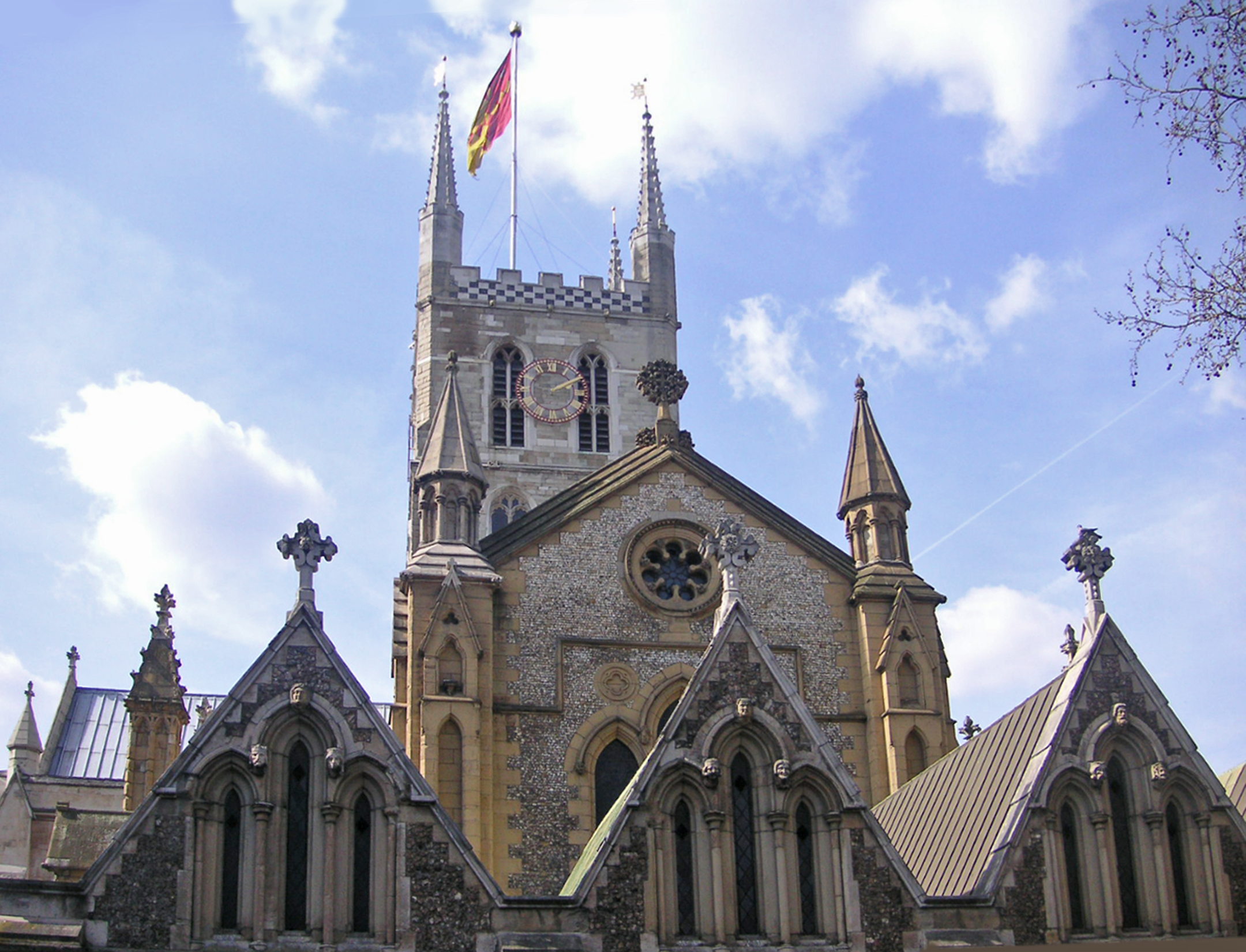
A medieval Gothic cathedral dating to 1220, St Saviour's Church (now Southwark Cathedral) served as the spiritual center of a neighborhood known for sin and spectacle. Shakespeare's brother Edmund is buried here, John Harvard was baptized here, and a stained-glass window commemorates Shakespeare's plays.
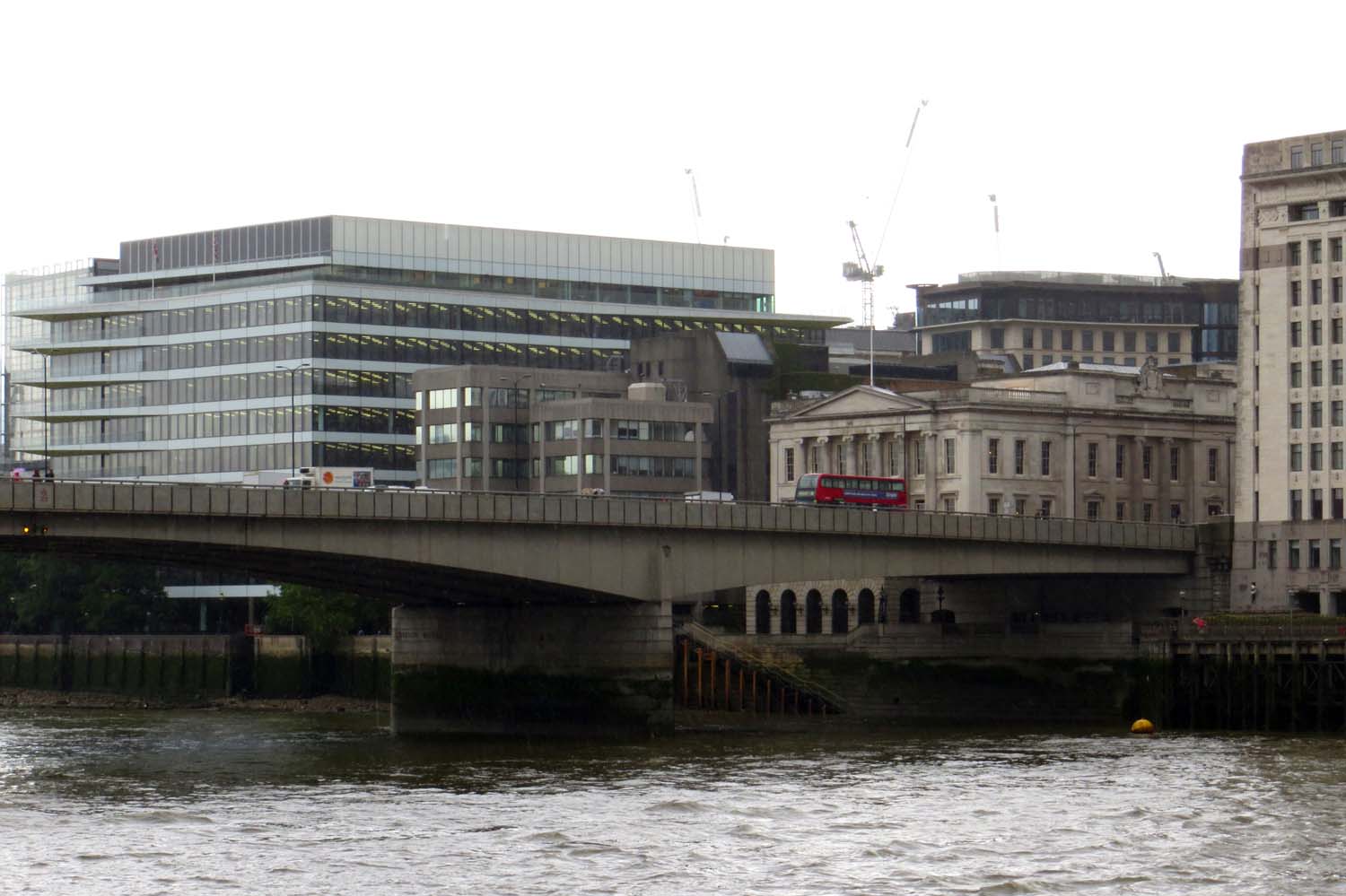
The medieval London Bridge was a thriving community with shops, homes, and a chapel—and for centuries it was London's only Thames crossing. This is where Southwark began, and where the secrets of the outlying district were literally built upon.
This is the real story from one stop on this walk — every stop has one.
Walk from the Victorian Gothic splendour of St Pancras into the quiet Georgian squares where Virginia Woolf, John…
Walk through London's wealthiest neighbourhood and discover how the Georgian aristocracy designed a machine for…
Duck behind London's facades into a network of hidden arcades, secret courtyards, and forgotten gardens. From the…
We use cookies to analyse site traffic and improve your experience. You can choose to accept or reject analytics cookies. Learn more