Deba · Spain
Deba: Stone, Steam and the Tide
Deba, Spain
Santa María la Real — polychrome Gothic portico of 38 figures and the oldest cloister in Gipuzkoa The legible 1343 planned grid of 'Monreal de Deva' and its arcaded plaza Palacio Aguirre, the merchant palace with windows turned to the ría The 1893 narrow-gauge station that brought the Belle Époque — now a pilgrim hostel Black flysch surfacing straight out of the sand on Playa de Santiago
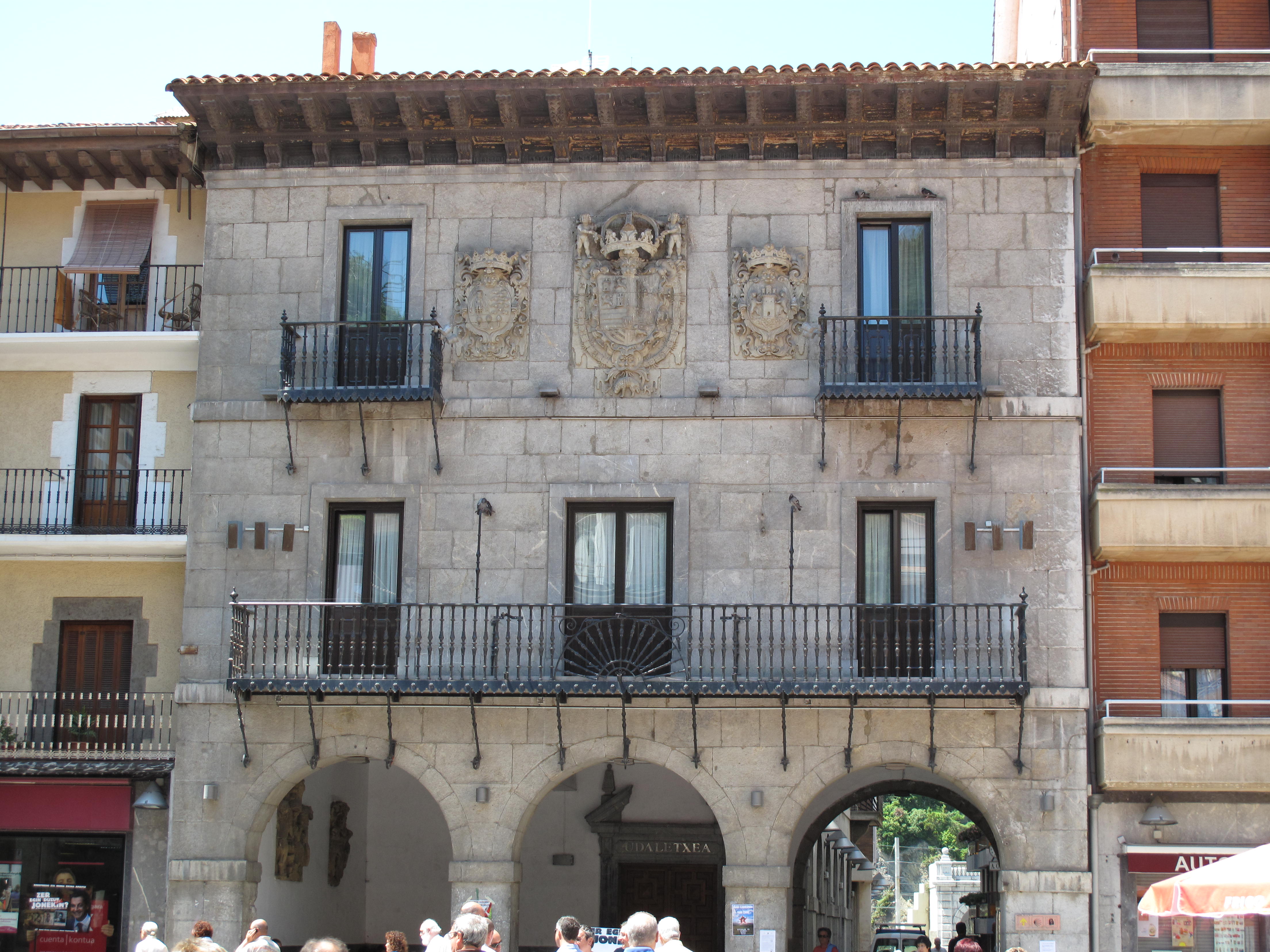
The arcaded main square is the heart of a town laid out on a grid in 1343, when the whole population of hilltop Itziar came down to the river mouth to found Monreal de Deba. On the plaza stands the Baroque town hall of 1747, designed by Ignacio de Ibero, its arcades still sheltering the Camino del Norte as it passes through.
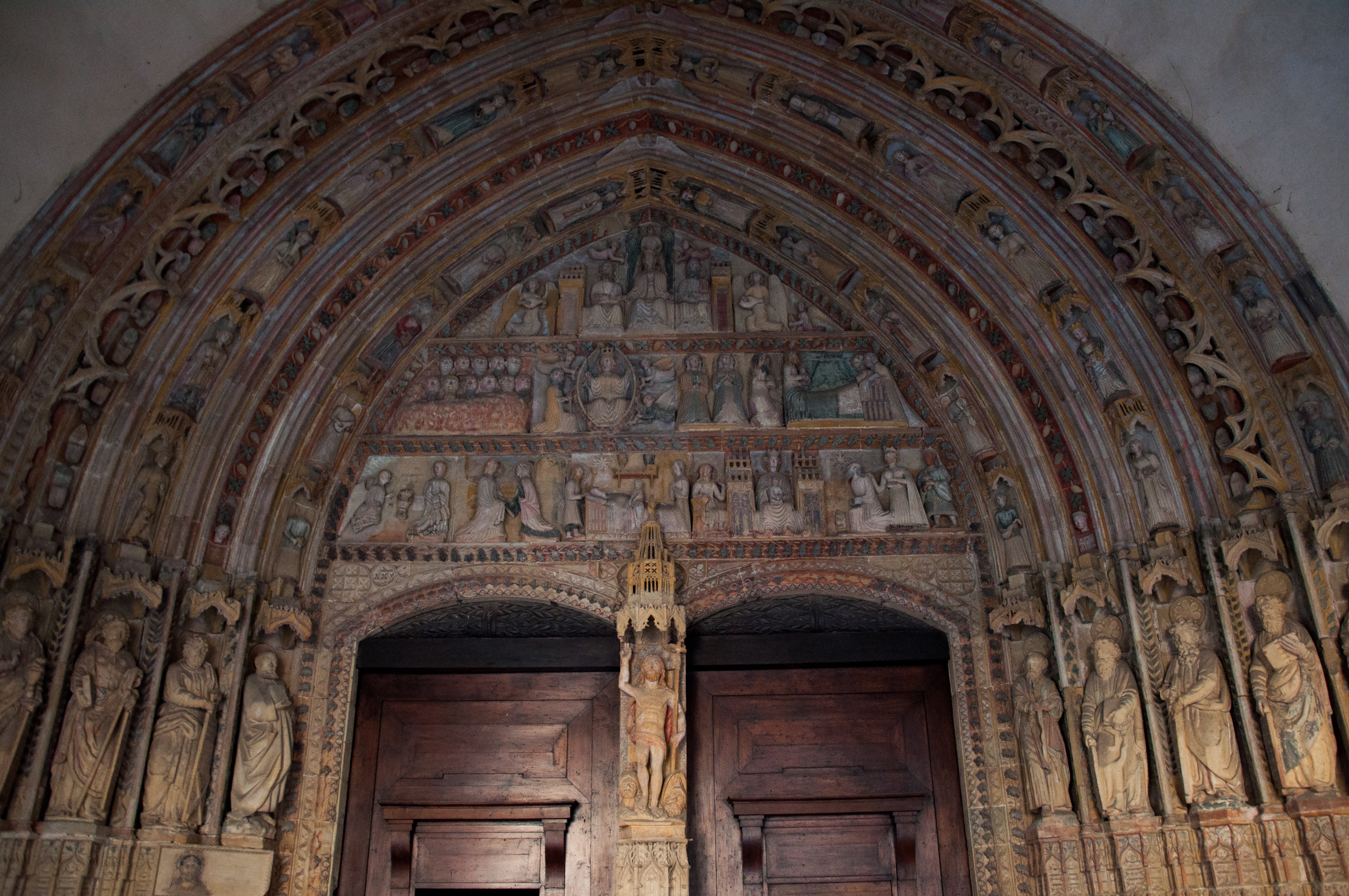
Reputedly Gipuzkoa's finest Gothic church, with a 15th-century polychrome portico of 38 carved figures repainted in 1682 and the oldest cloister in the province. It is a National Monument and the grandest single statement of the town that packed up and moved down to the river mouth in 1343.
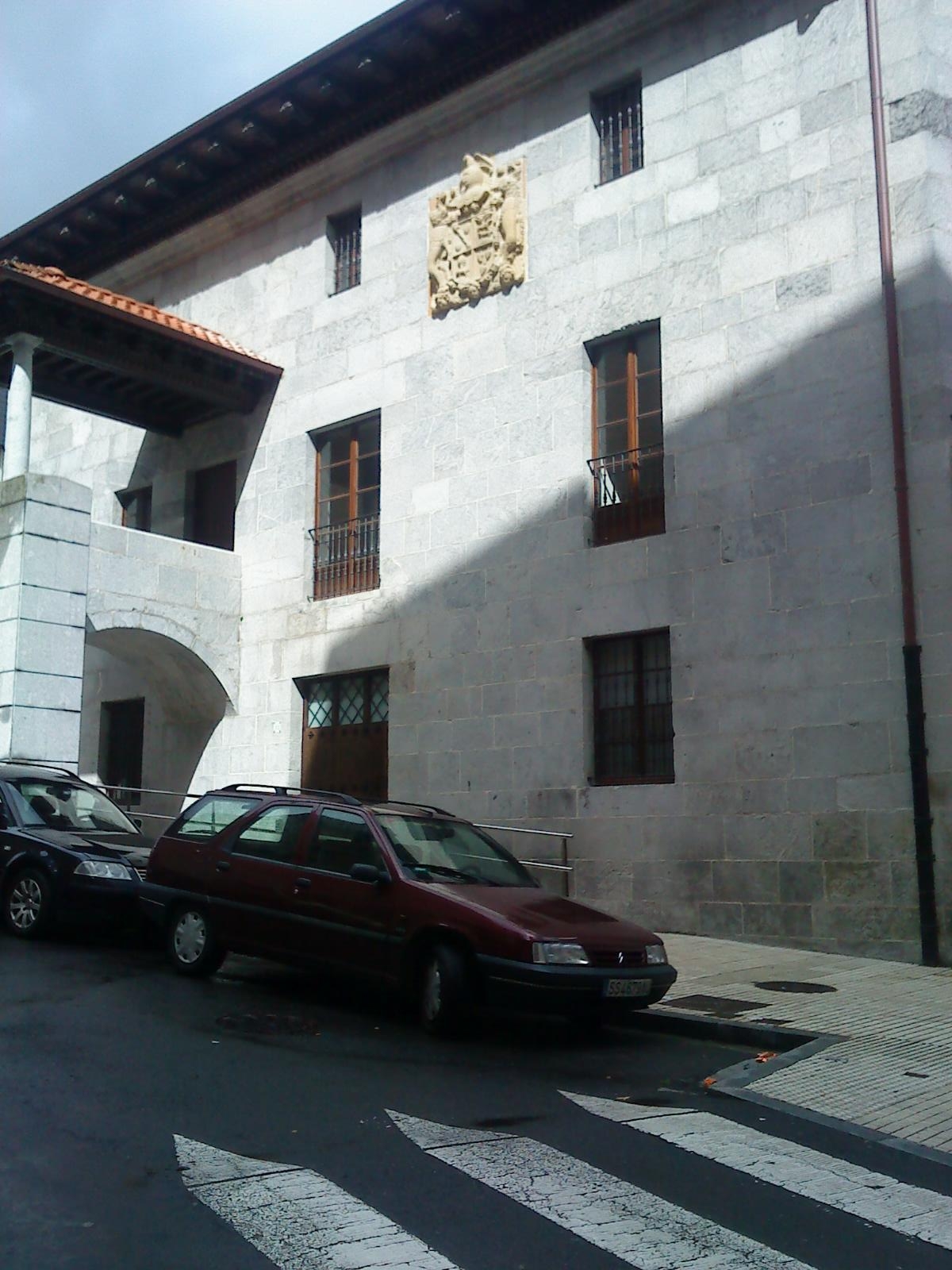
The Palacio Aguirre, also known as Casa Valmar, is a 15th-century stone merchant palace in Deba's old town, with carved wooden eaves and windows deliberately turned toward the ría. It represents the private face of the trading wealth that paid for the town's celebrated Gothic church.
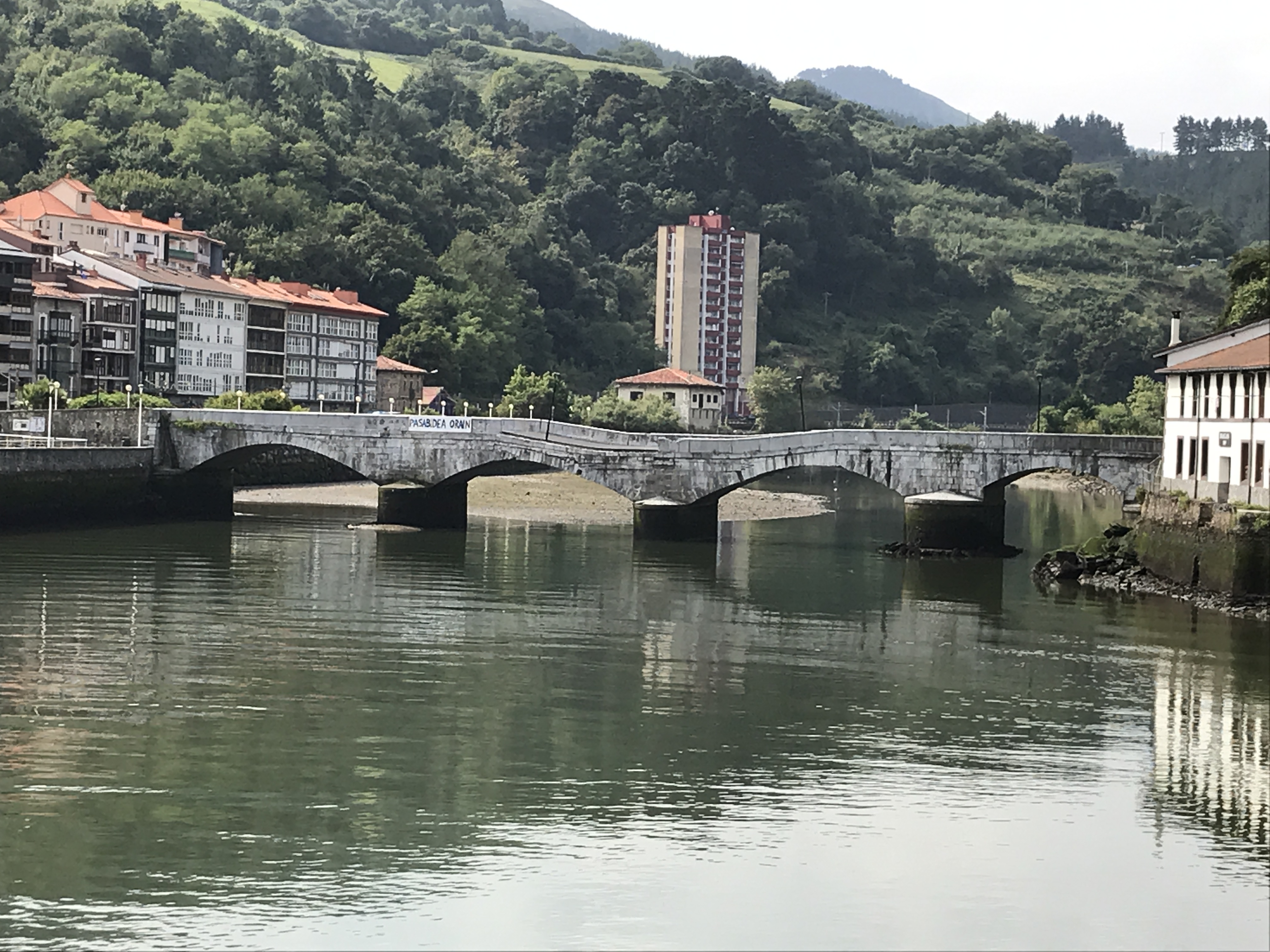
The three-arch 1866 bridge over the mouth of the River Deba, carefully restored between 2018 and 2022, with the marina below and the hills of Mutriku rising across the estuary. This is the tidal seam where river becomes sea, the waterway that made the town a port.
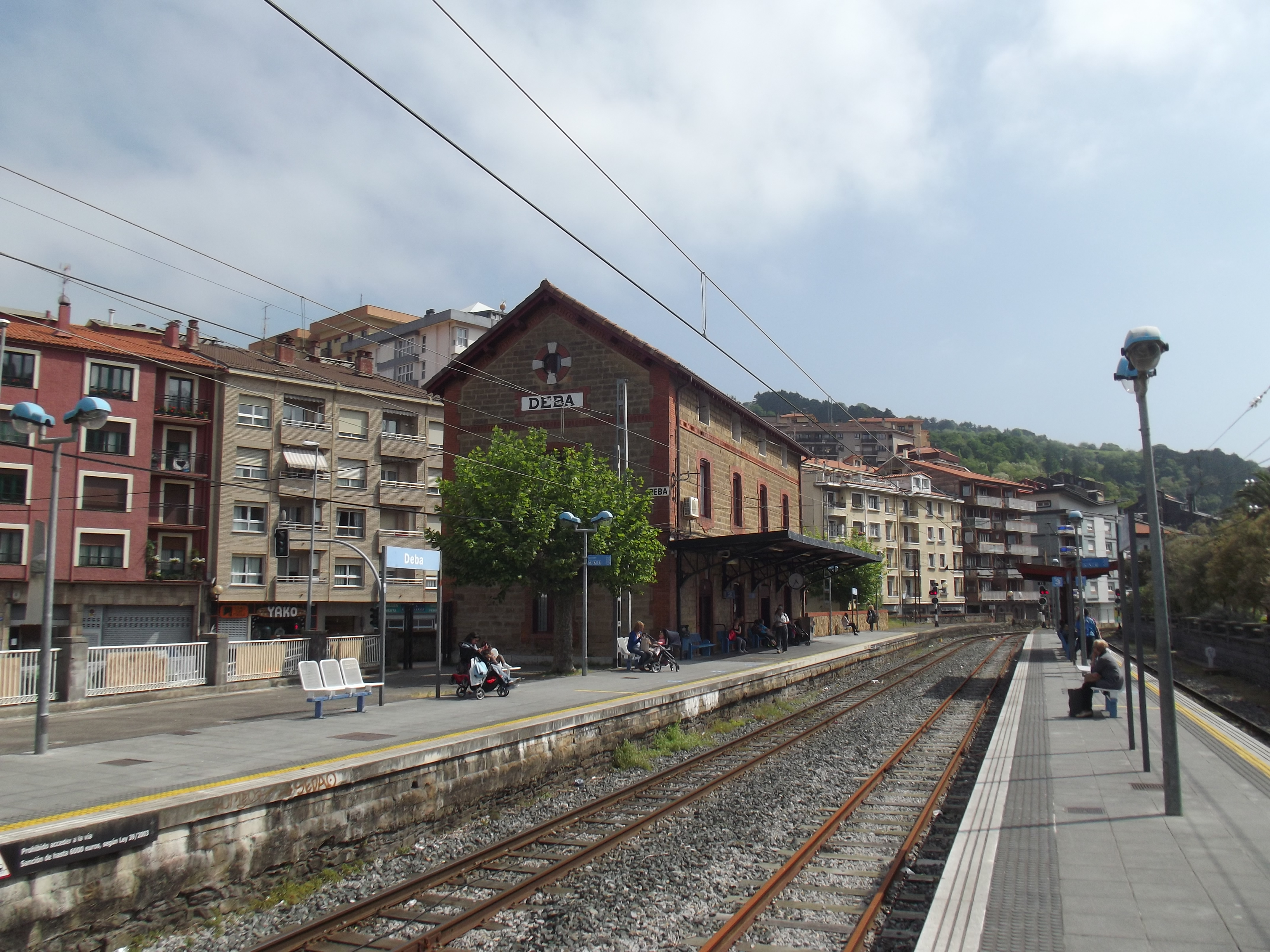
The 1893 narrow-gauge station of the Ferrocarriles Vascongados (Bilbao–Donostia line), a protected monument since 2012, that turned a fading port into a Belle Époque bathing resort and today serves as a pilgrim hostel on the Camino del Norte.
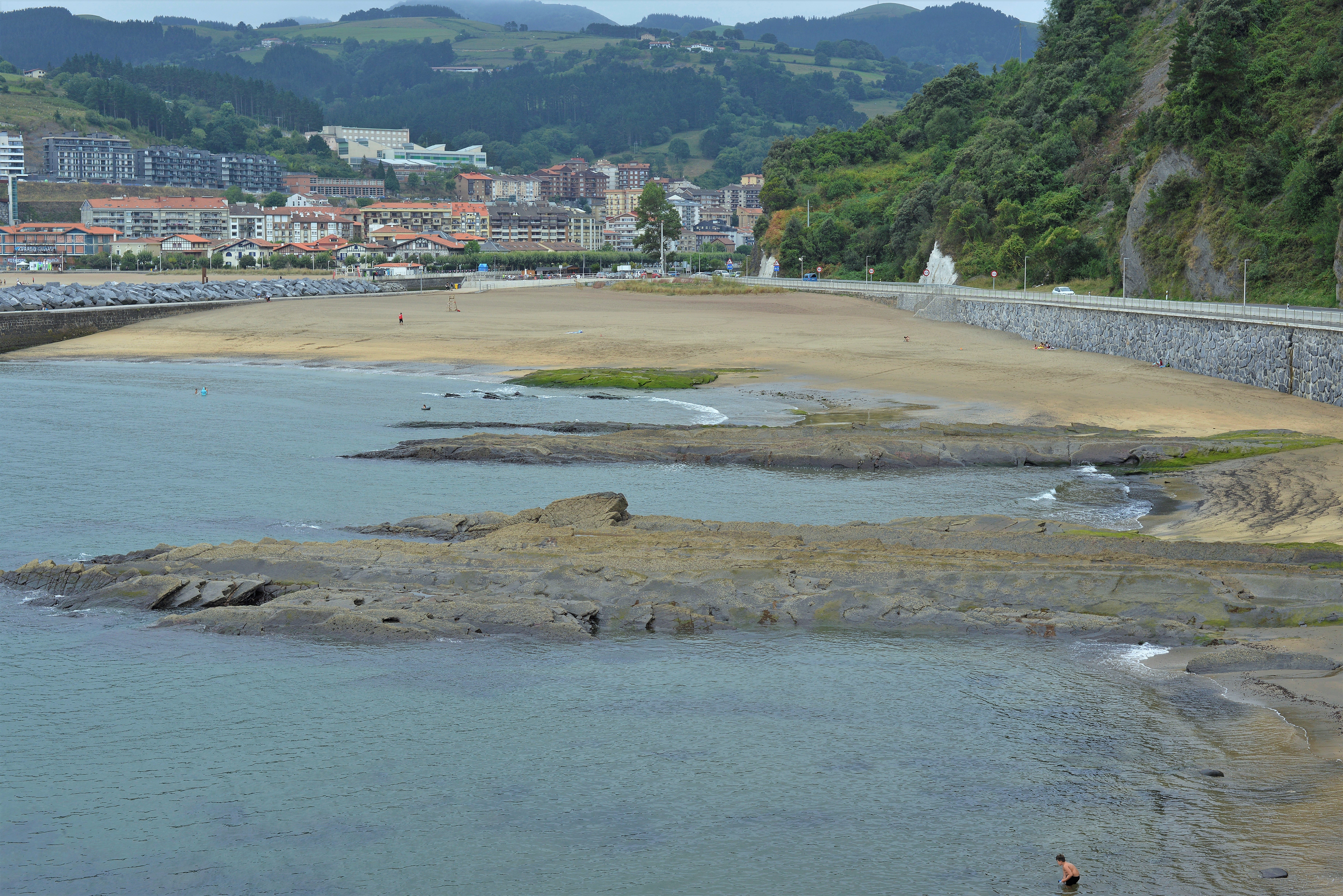
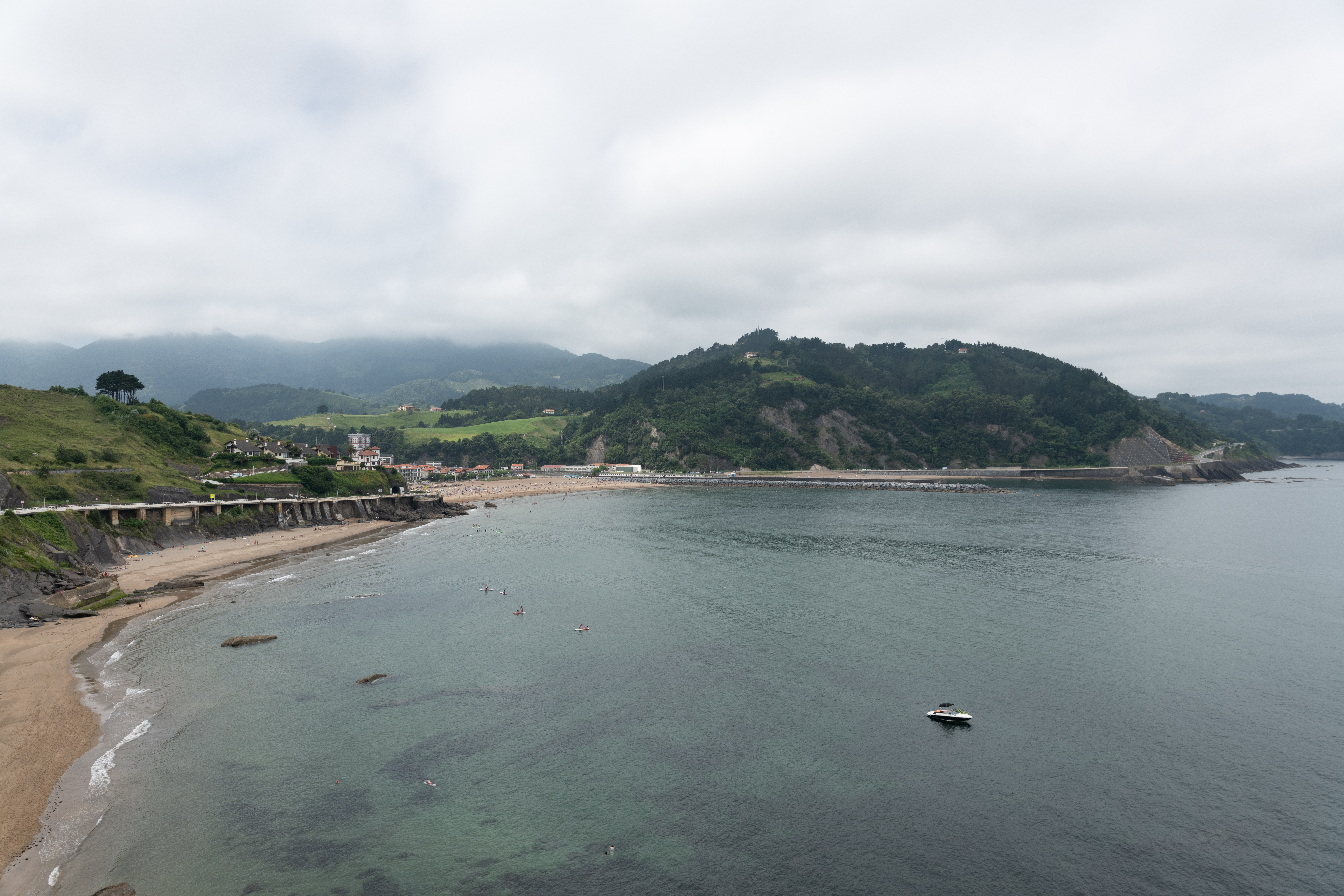
Deba's 400-metre town beach, where Belle Epoque sea-bathing began under the promenade of Cardenas and Pablo Sorozabal, and where the Basque Coast Geopark's black flysch surfaces in tilted deep-sea strata straight out of the sand. It is the oldest text in town lying under the newest umbrellas, and the last stop on a walk that has followed Deba's seven-century drift toward the water.
This is the real story from one stop on this walk — every stop has one.
We use cookies to analyse site traffic and improve your experience. You can choose to accept or reject analytics cookies. Learn more