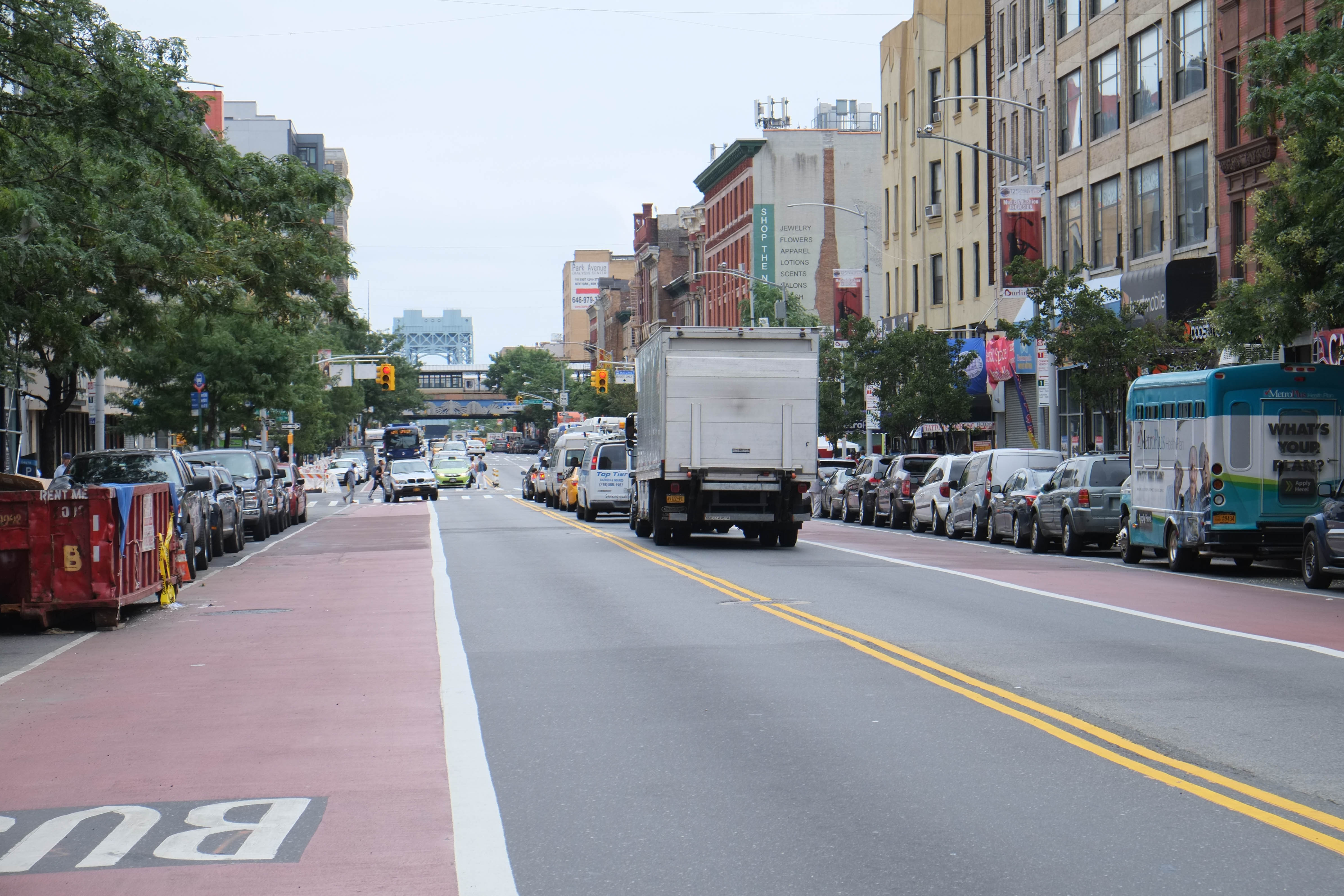
New York · United States
The Capital of Black America
New York, United States
How Harlem became Black: a burst property bubble and Philip Payton Jr. The Apollo, still running Amateur Night on Wednesdays The Studio Museum, reopened November 2025 in a new building WPA murals a hospital tried to reject, and the artists who won Astor Row's wooden porches and Strivers' Row, both still private homes
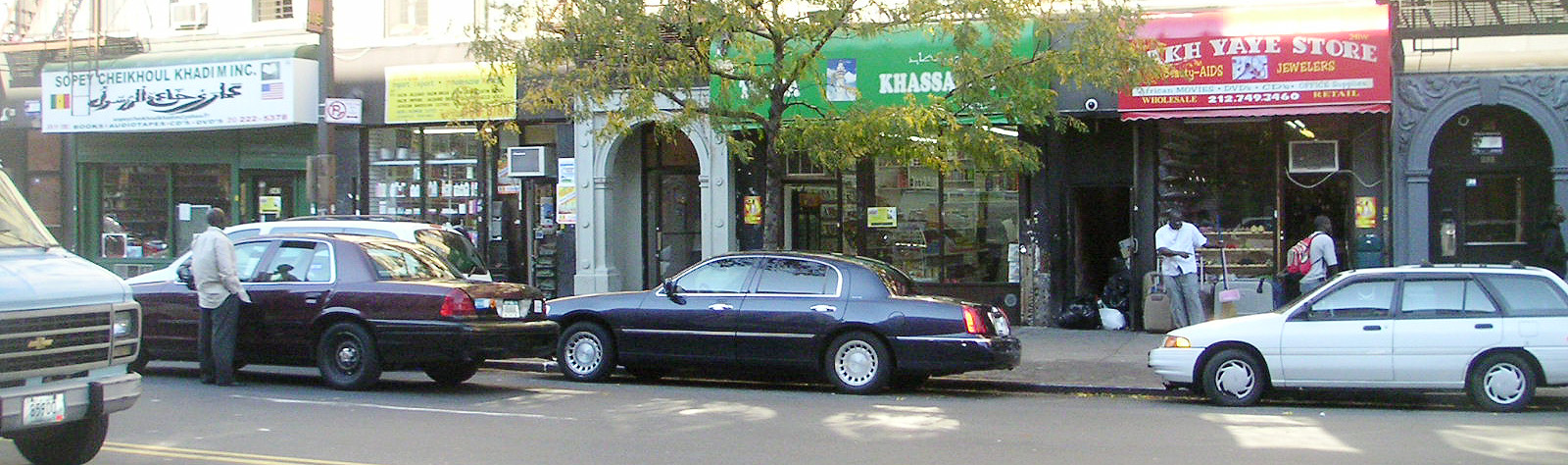
West 116th Street between Frederick Douglass Boulevard and Malcolm X Boulevard is the commercial heart of Little Senegal, where Francophone West African businesses that took root in the 1980s and 90s trade alongside older Black American soul-food institutions, with the green-domed Masjid Malcolm Shabazz anchoring the block's eastern end.
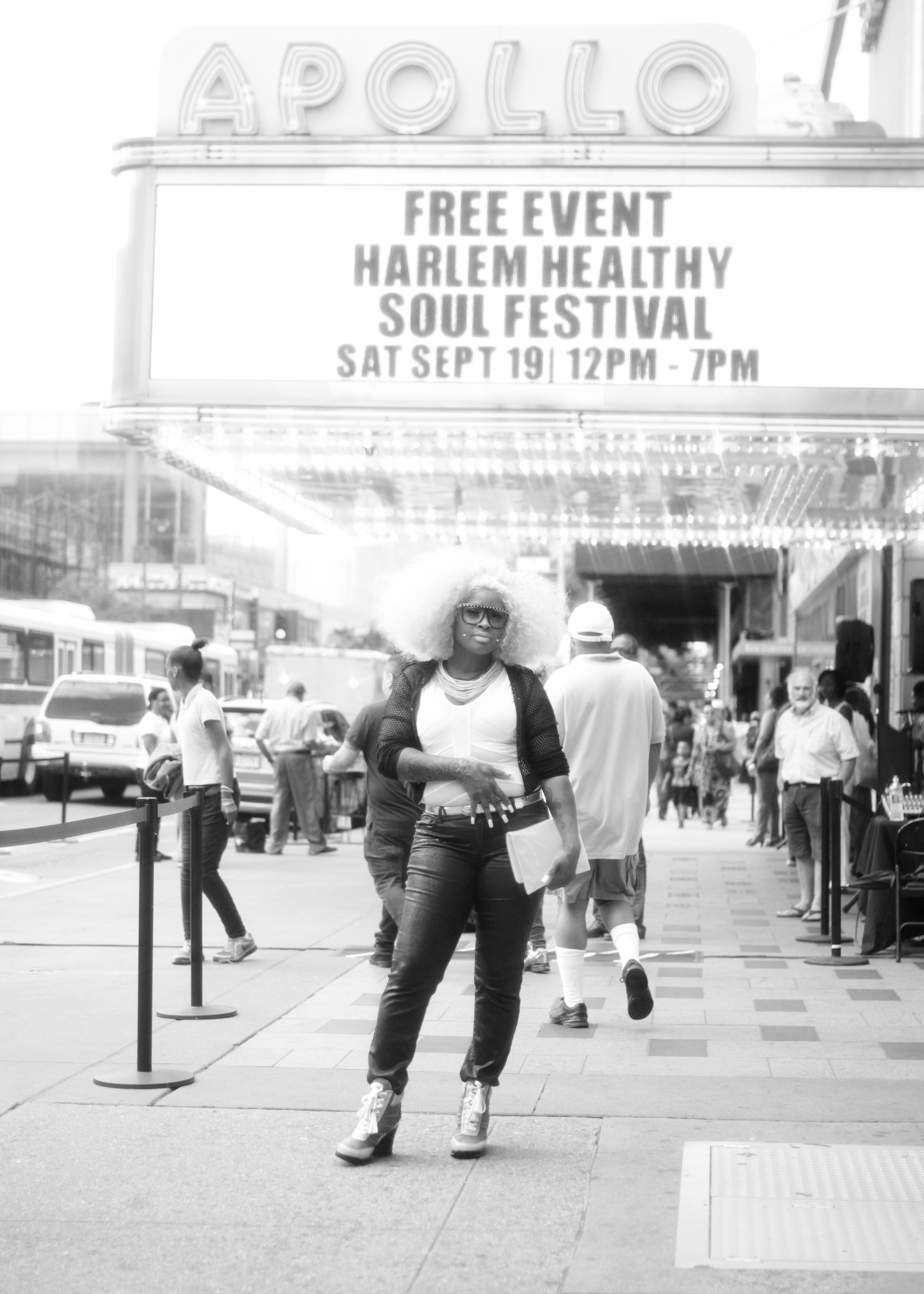
The Apollo Theater on 125th Street built its reputation on Amateur Night, where the neighbourhood's own audience judged performers, but the building spent its first twenty years as a whites-only burlesque house before reopening to Black performers and patrons in 1934.
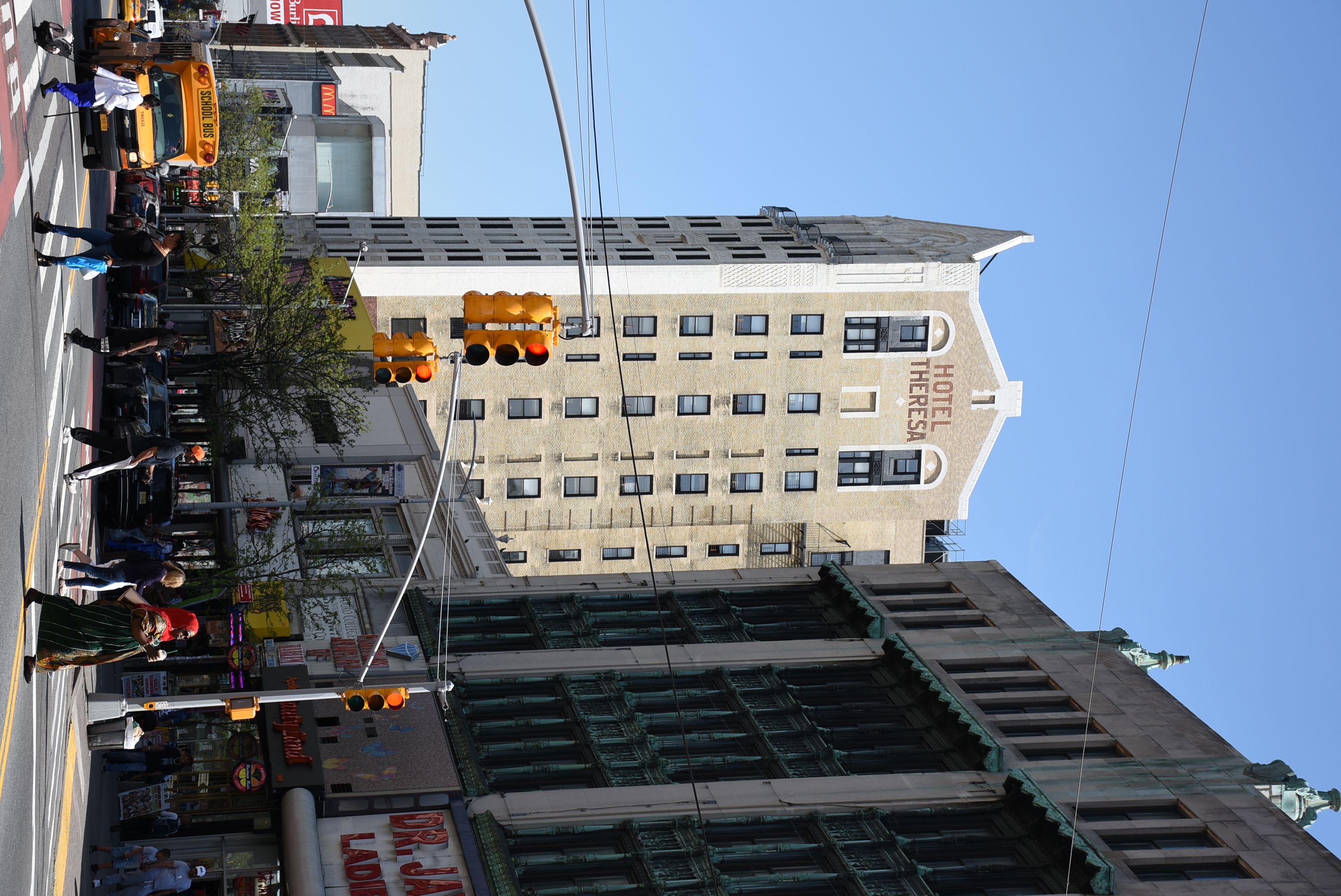
Hotel Theresa's white terracotta tower opened in 1913 as a whites-only hotel, then after integrating in 1940 became Harlem's grandest address, hosting Fidel Castro's 1960 Cold War standoff and Malcolm X's OAAU offices. It closed as a hotel in 1971 and today operates as Theresa Towers, a private office building with no public access.
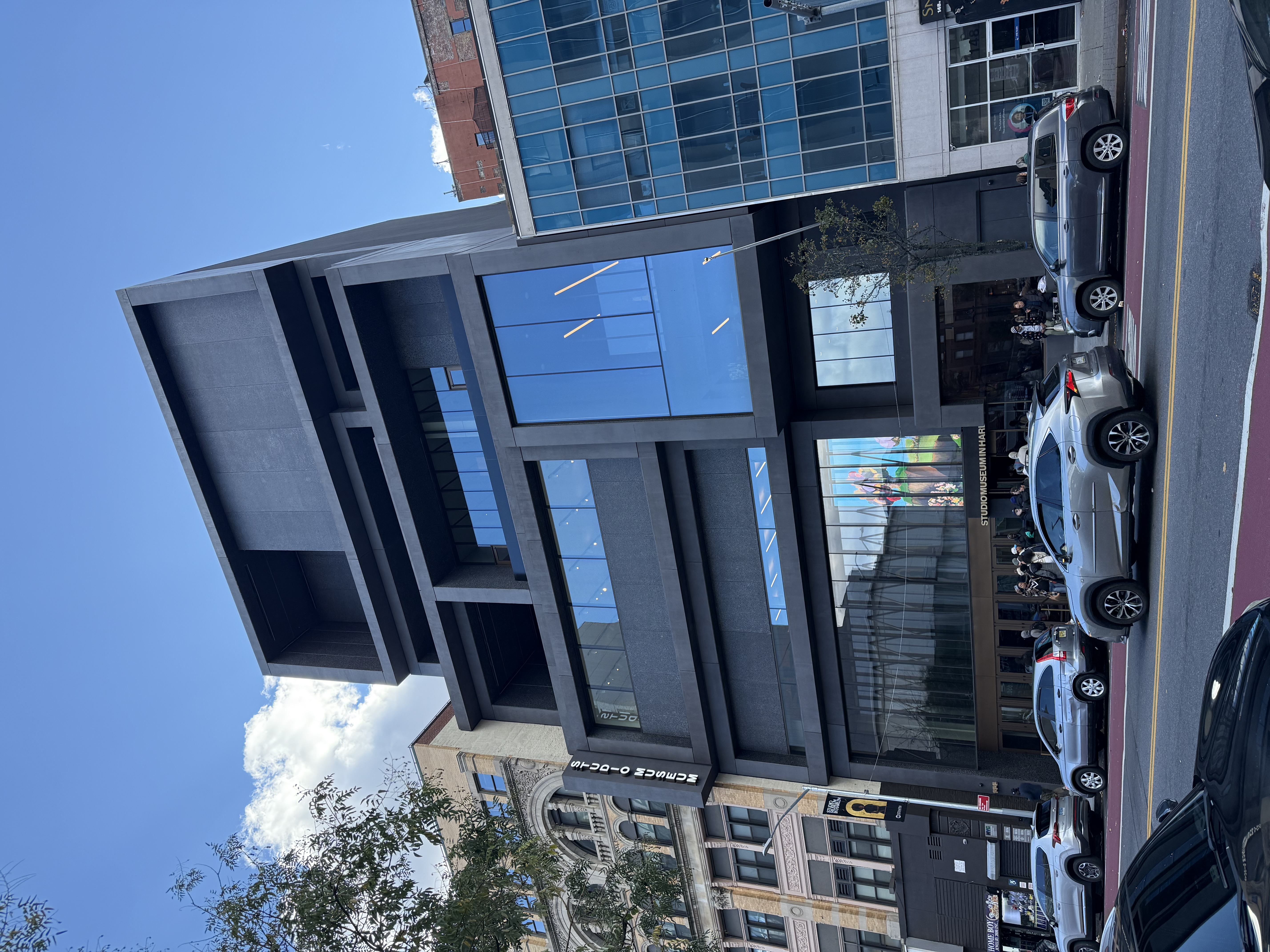
Founded in 1968 on the idea that Black artists needed studios, time and stipends more than gallery walls, the Studio Museum reopened on 15 November 2025 in a new seven-floor building at 144 West 125th Street after a seven-year rebuild.
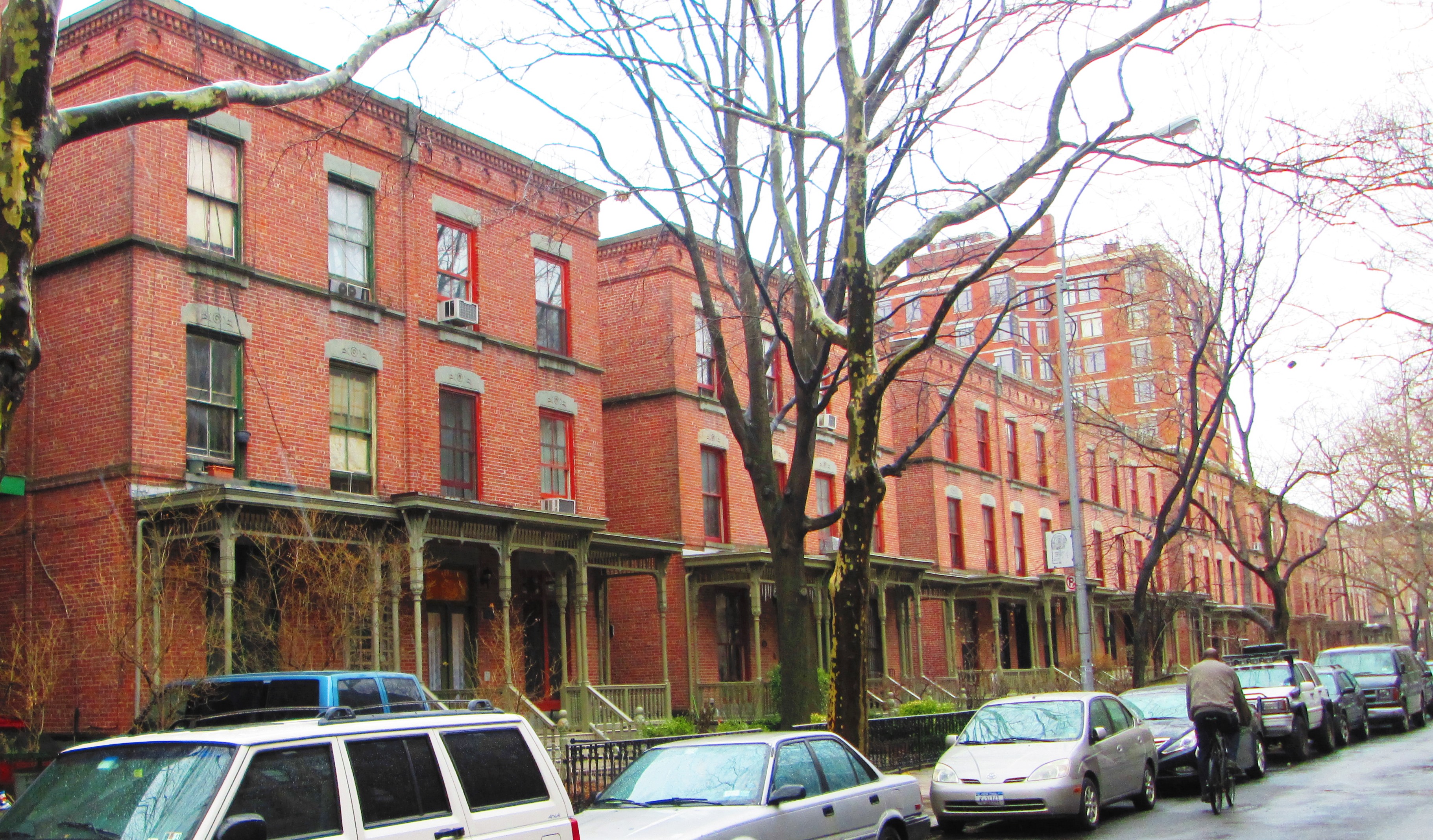
Twenty-eight brick houses at 8-62 West 130th Street, built 1880-83 for William Backhouse Astor Jr. to designs by Charles Buek, set behind front yards with freestanding wooden porches almost unique in Manhattan. Landmarked in 1981 and restored with Landmarks Conservancy and city funding, the row is private housing today and can only be viewed from the pavement.
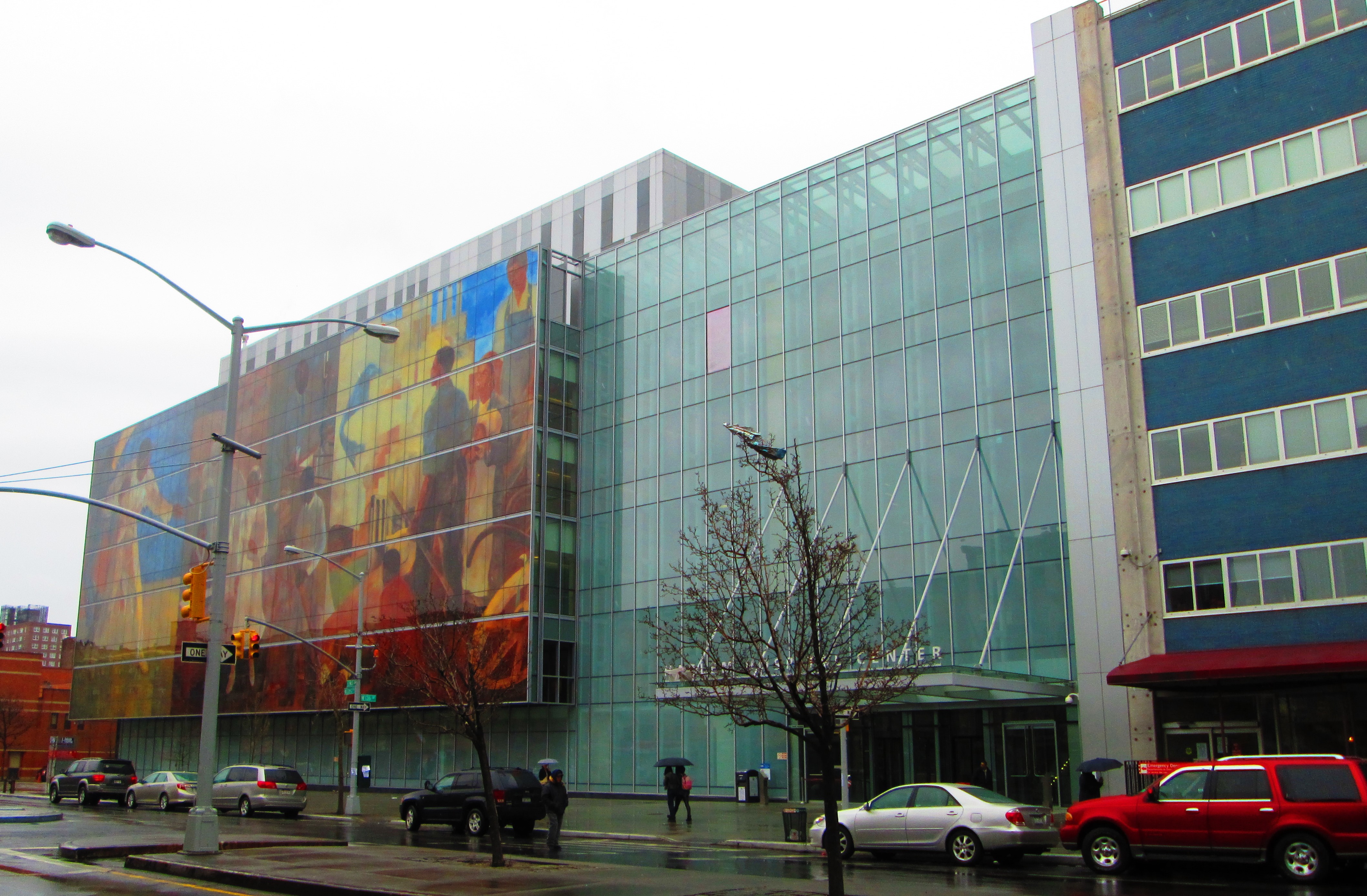
In 1936 the Works Progress Administration commissioned Charles Alston and a team of Black artists to paint murals of Black life for Harlem Hospital's public corridors, work the hospital administration initially objected to and the artists fought to keep. The restored murals, including Alston's paired Magic in Medicine and Modern Medicine, now hang in the hospital's Mural Pavilion, visible through its glass facade from Lenox Avenue.
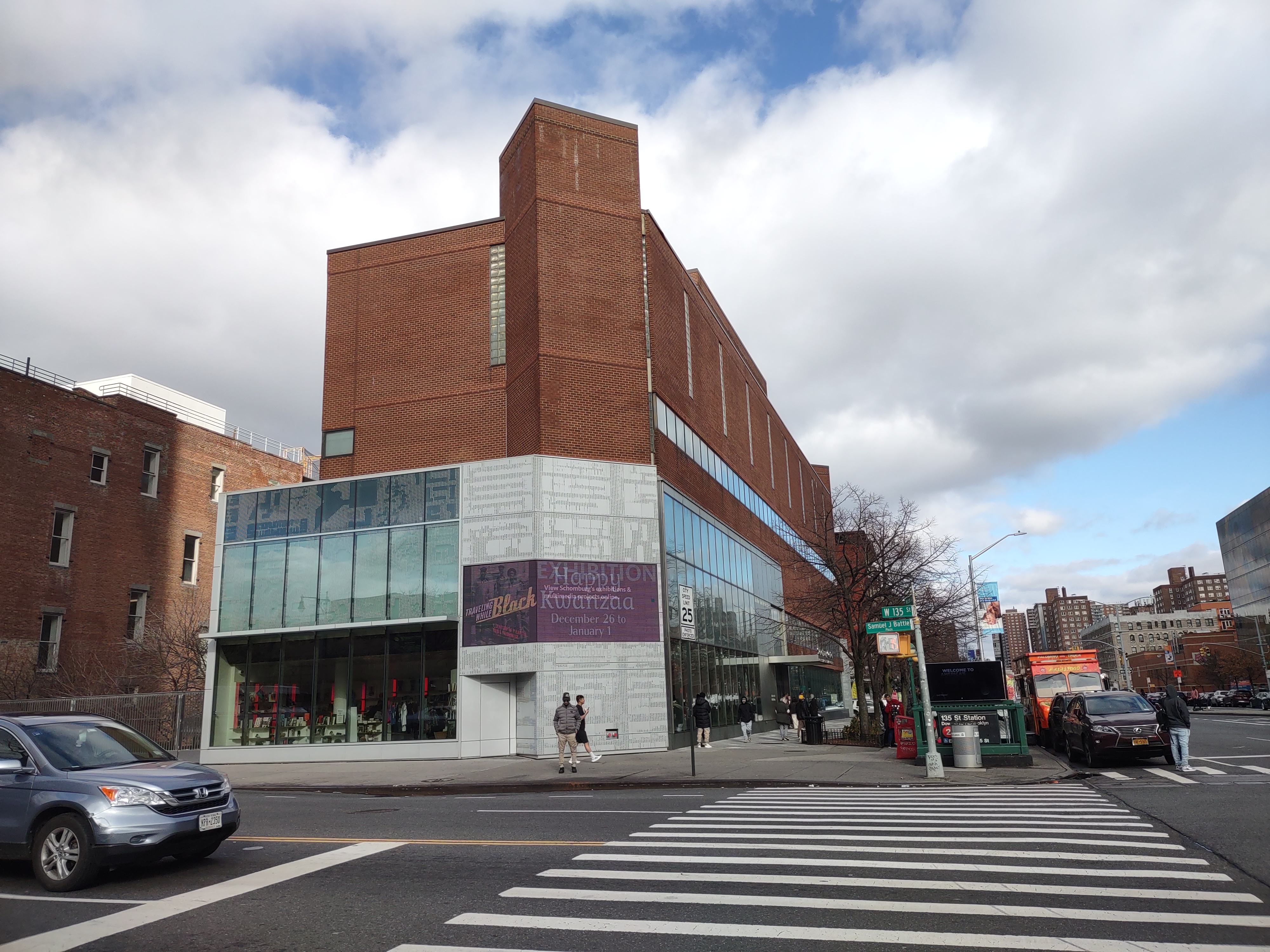
A New York Public Library research branch on Malcolm X Boulevard holds one of the world's leading archives of Black history and culture, built from the private collection of a man who set out to disprove a teacher's insult. It remains a working library today, free to enter and open to any researcher who applies for a card.
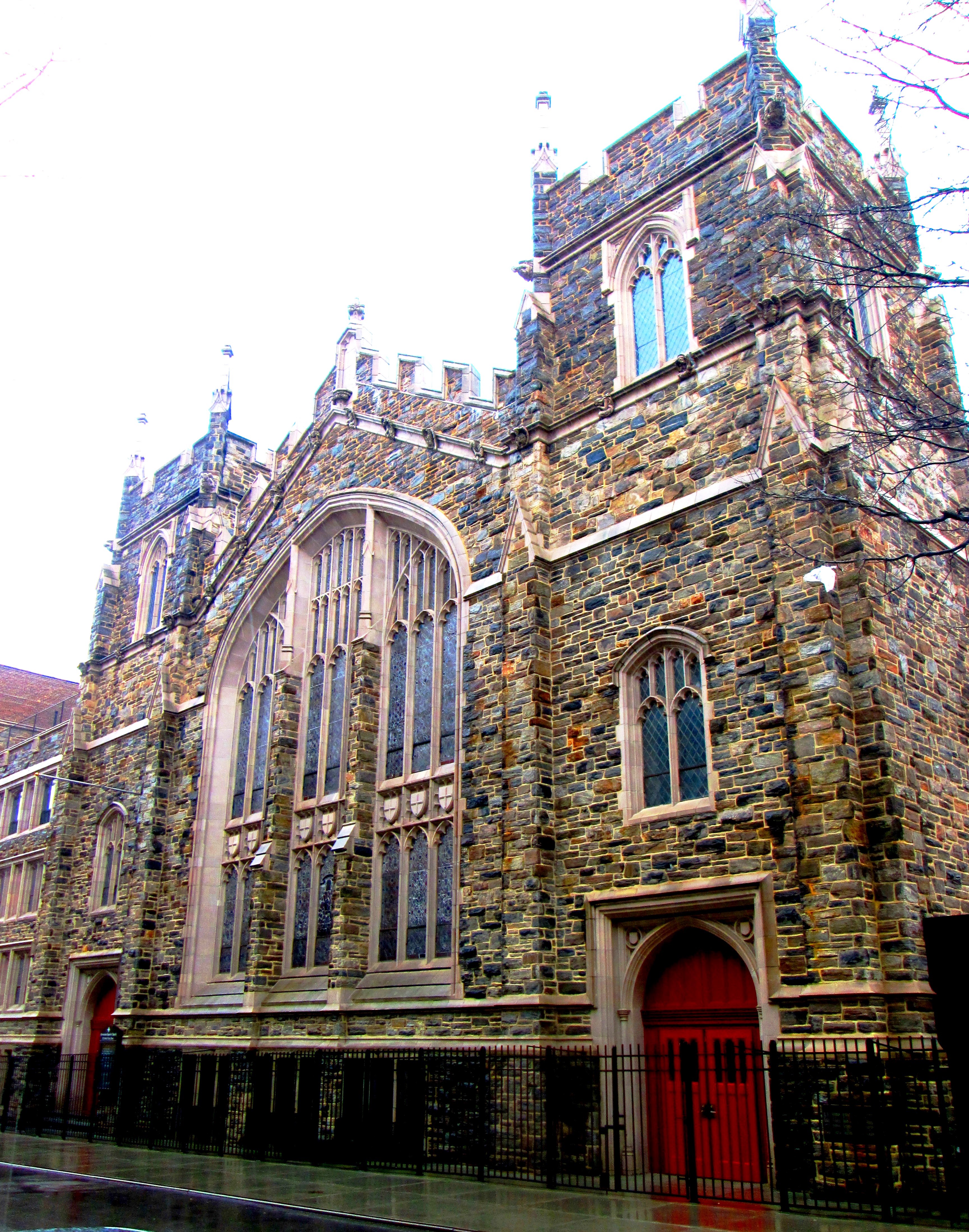
Founded in 1808 by Black worshippers who walked out of a segregated white congregation, Abyssinian Baptist moved to this West 138th Street building in 1923 and, under pastor Adam Clayton Powell Jr., turned its membership into a political machine that sent him to Congress.
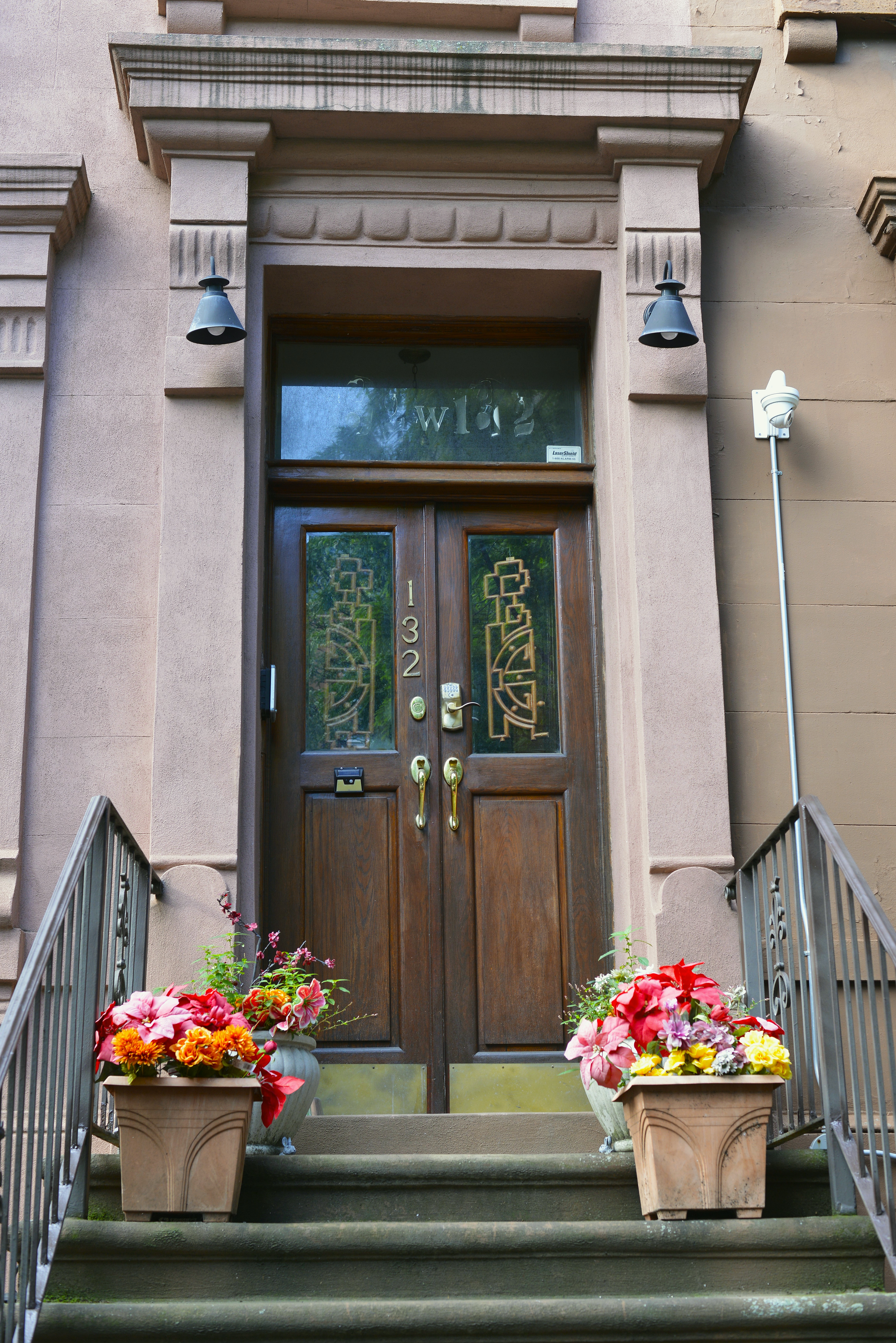
Formally the St. Nicholas Historic District, these rowhouses on West 138th and 139th Streets between Adam Clayton Powell Jr. and Frederick Douglass Boulevards were built in 1891-93 for developer David H. King Jr. by three architectural teams, including McKim, Mead and White on the north side of 139th. Built for white buyers who never came in sufficient numbers, they were opened to Black buyers from around 1919 and remain private homes today.
This is the real story from one stop on this walk — every stop has one.
An ancient dietary rule forbids mixing meat and dairy — so no shop could sell both, and the Lower East Side's food trade…
A 48-acre freshwater pond once sat where Chinatown meets the courthouses. It was poisoned by its own tanneries, filled…
The blocks of SoHo look like carved stone palaces and almost none of it is stone. These facades were ordered from…
We use cookies to analyse site traffic and improve your experience. You can choose to accept or reject analytics cookies. Learn more