New York · United States
Cast Iron and the Elevator
New York, United States
The Haughwout Building: the world's first commercial passenger elevator, in a five-storey shop Elisha Otis's real invention was the safety brake — what he sold was trust, not lift Greene Street's fifty cast-iron buildings, the longest such run anywhere Columns that ring hollow when you knock them, and paint standing in for stone Peter Stuyvesant's grave, and the farm that gave the Bowery its name
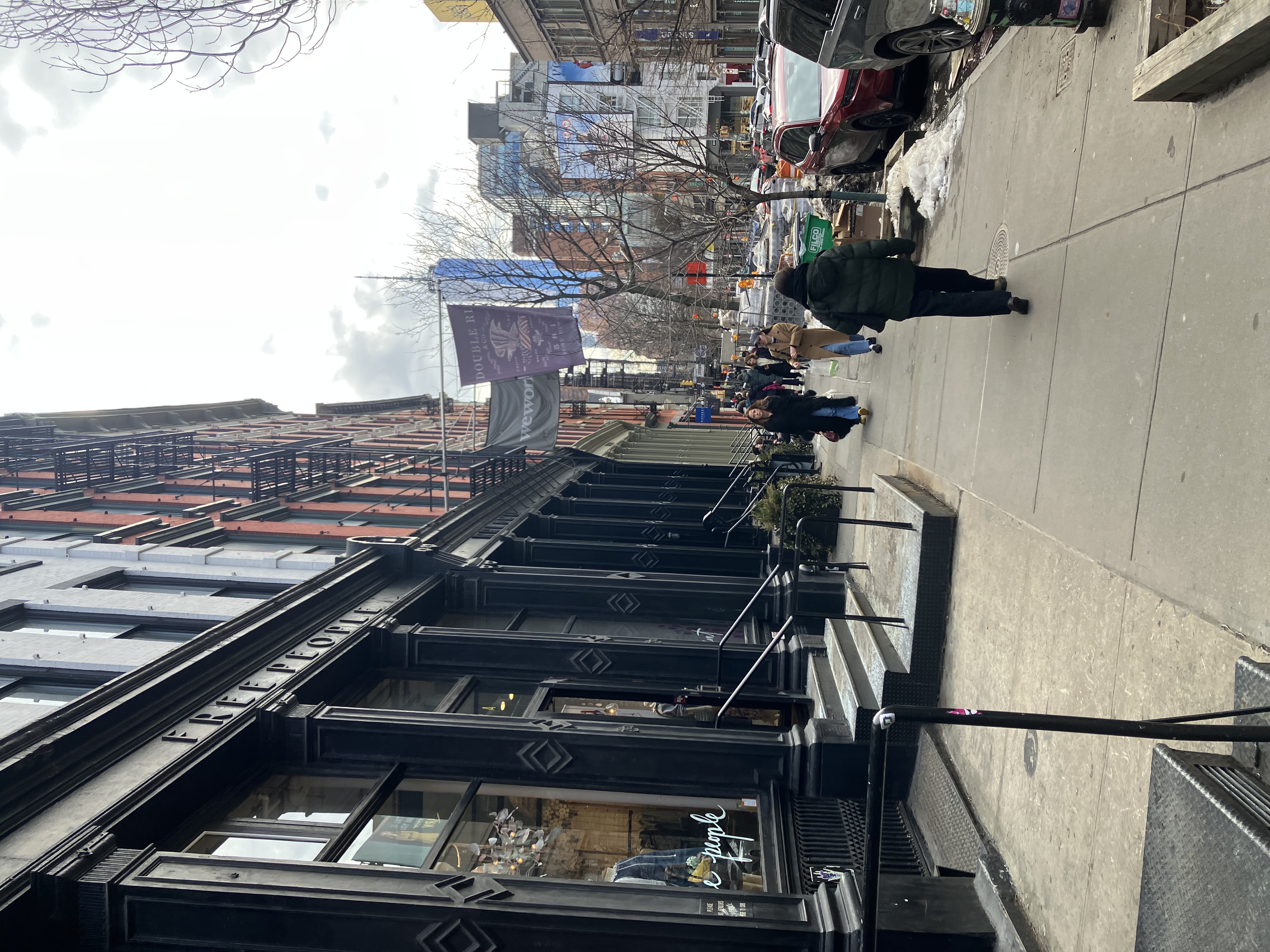
West Broadway forms the third side of SoHo's cast-iron core, where oversized window bays and bolted iron panels reveal a facade built from prefabricated components rather than carved stone.
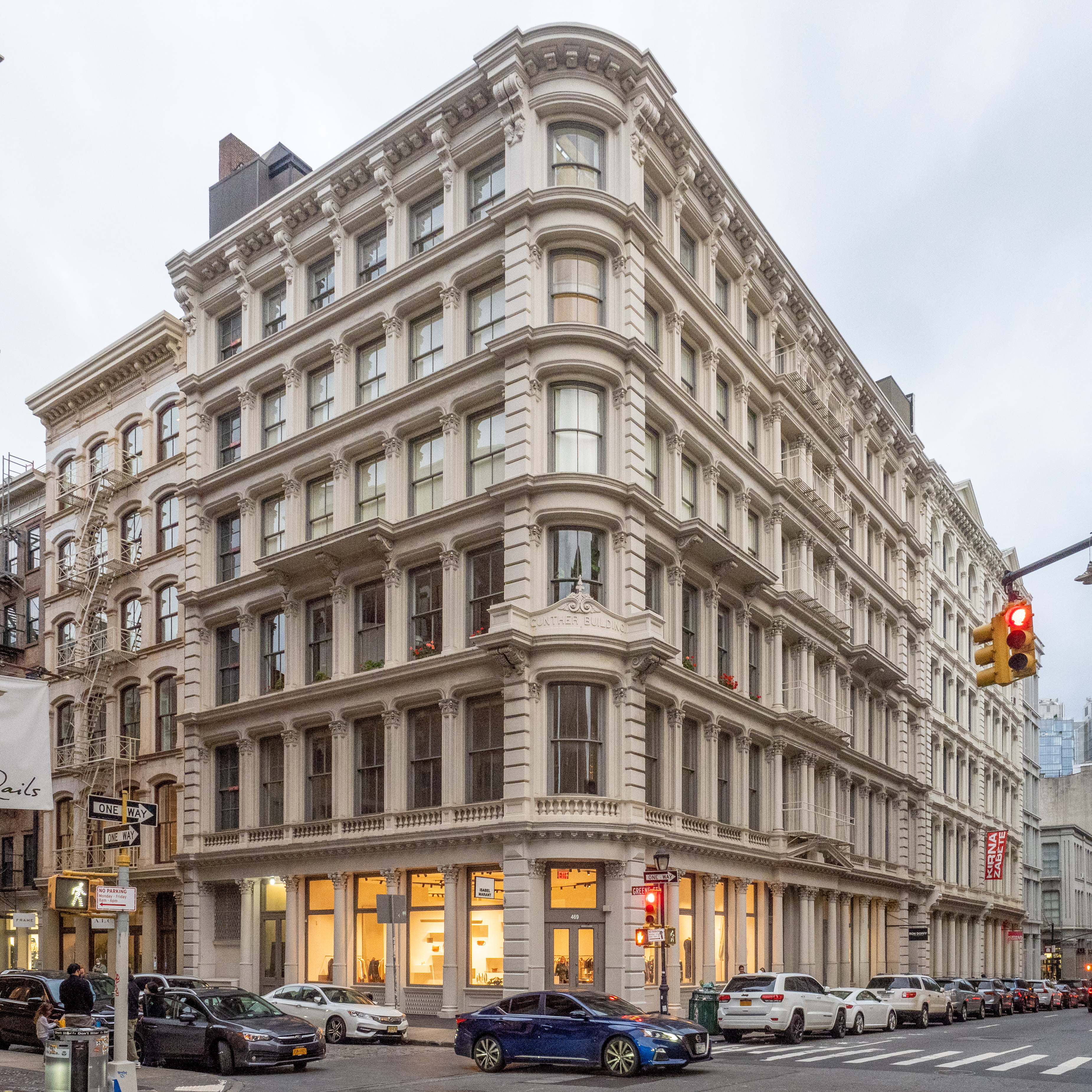
Cast-iron facades along Broome Street were ordered by the component from illustrated foundry catalogues and bolted onto plain structural frames, which is why the same Renaissance window bay repeats down the block. The district's cheap, oversized manufacturing lofts sat empty by the mid-1900s until artists moved in illegally, a practice legalized by the 1971 Loft Law.
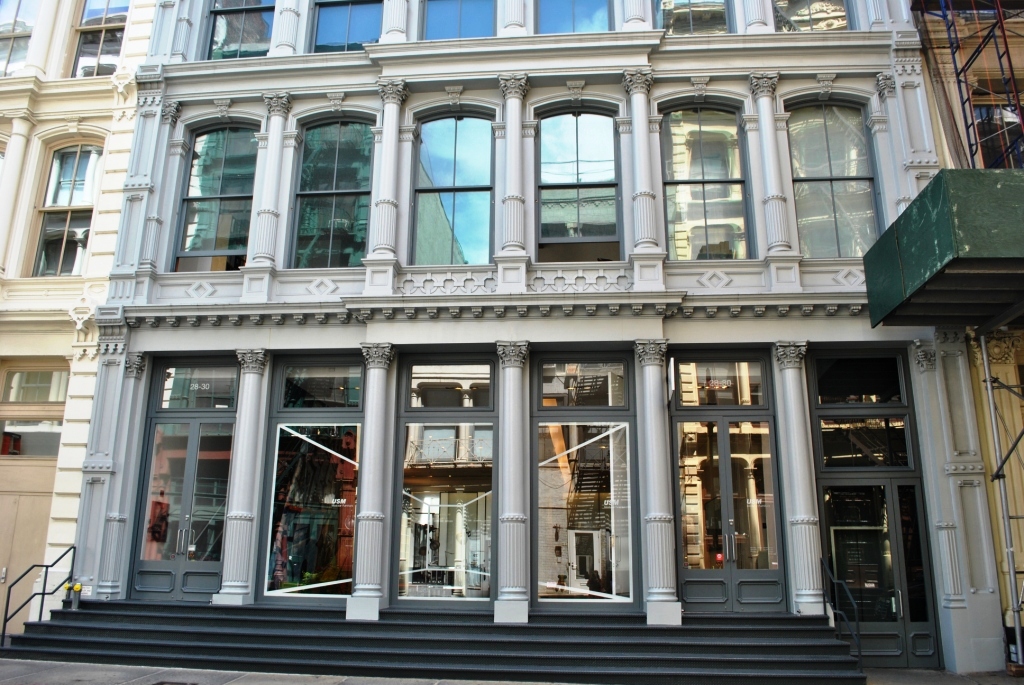
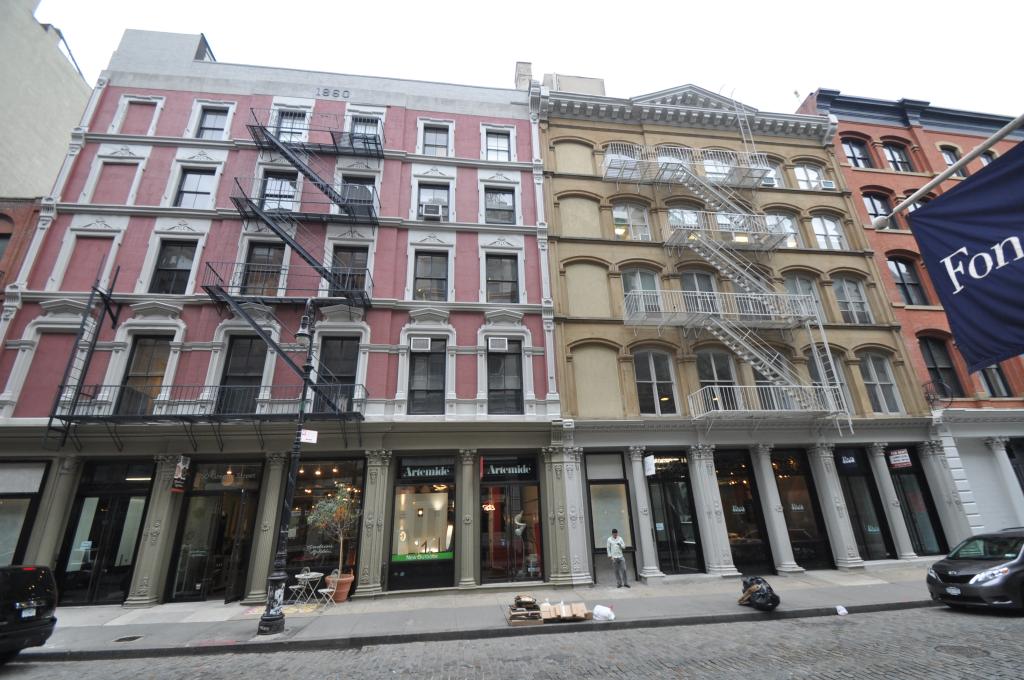
Greene Street holds the largest surviving concentration of cast-iron architecture in the world, roughly fifty buildings over five blocks, including the Queen (28-30) and King (72-76) of Greene Street, both by Isaac F. Duckworth.
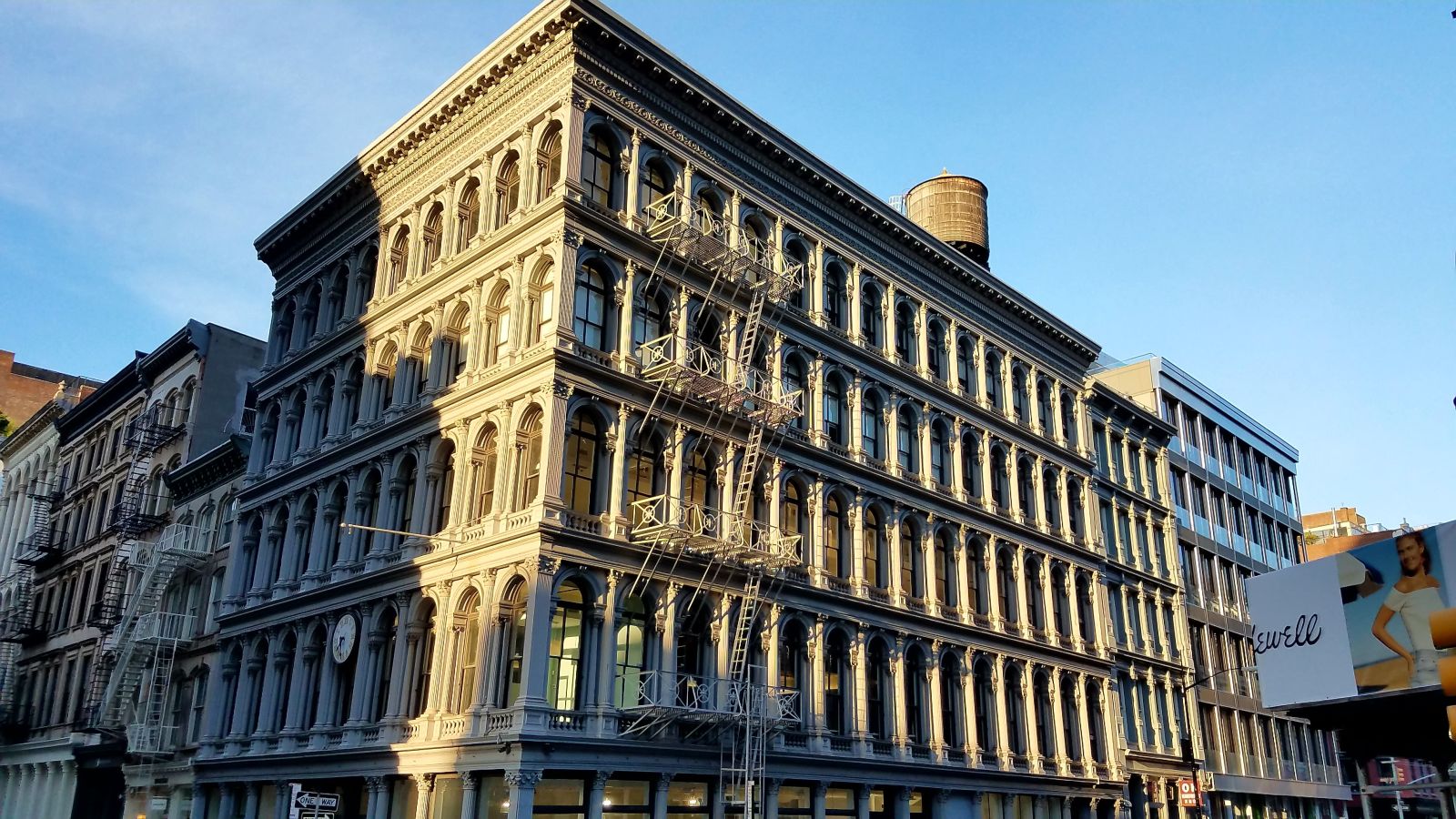
Built in 1857 for E.V. Haughwout's china and glassware emporium, this five-storey cast-iron building by John P. Gaynor copies Sansovino's Library in Venice ninety-two times over. It also held the world's first commercial passenger elevator, installed by Elisha Otis - a machine no five-storey building needed, which is exactly why it matters.
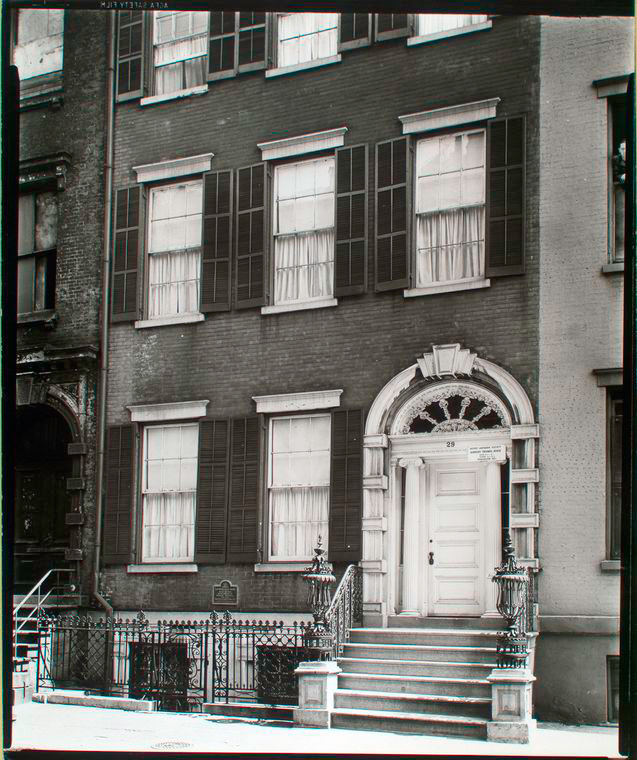
An intact 1832 brick rowhouse built by abolitionist merchant Joseph Brewster and bought in 1835 by hardware merchant Seabury Tredwell, whose family lived in it unmodernized until 1933, preserving both the original interiors and, researchers believe, the earliest documented Underground Railroad site in New York City.
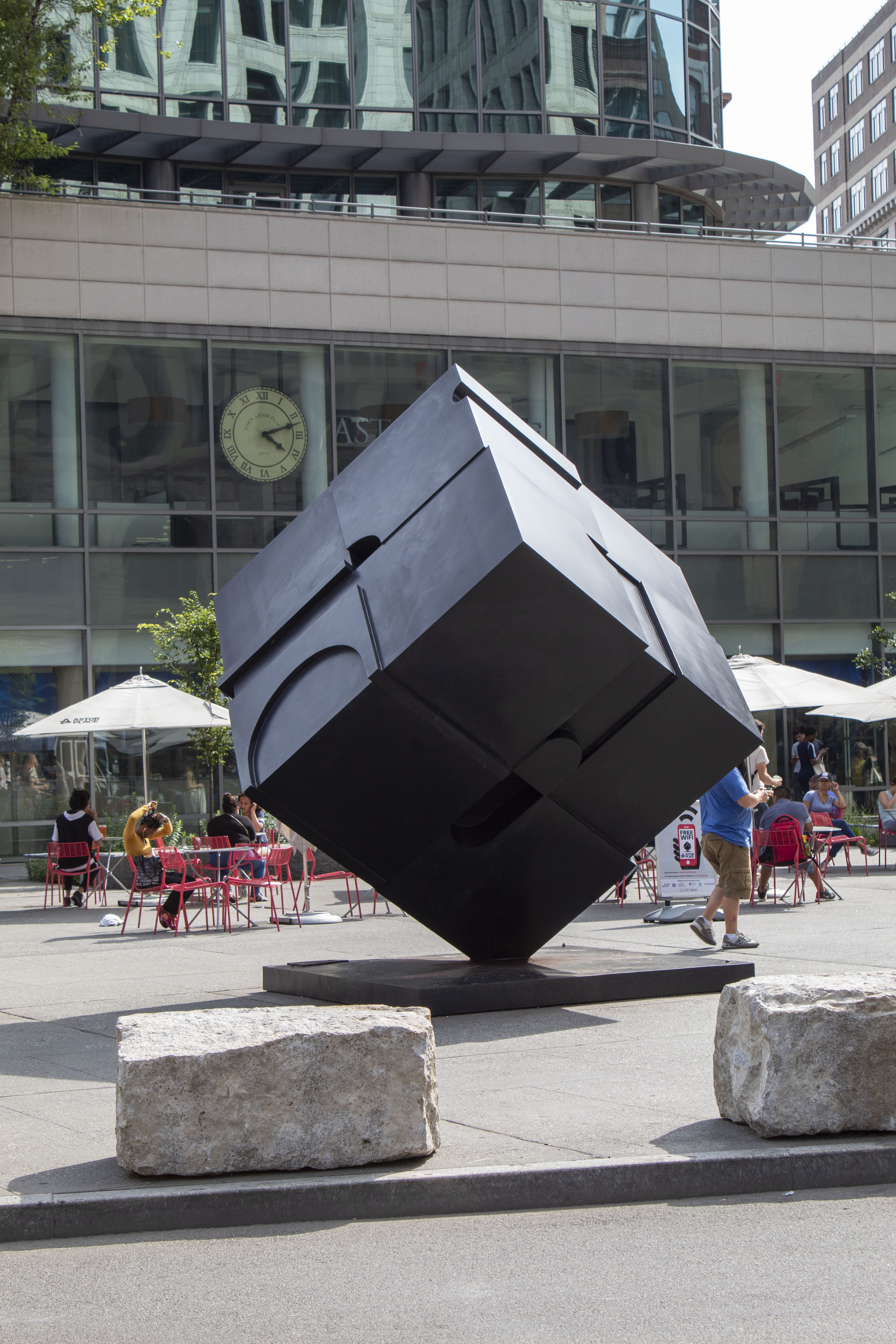
Alamo, a fifteen-foot Cor-Ten steel cube by sculptor Tony Rosenthal, has balanced on one corner at Astor Place since 1967 and is engineered to spin when pushed by hand. It has stood as a neighbourhood meeting point for more than half a century, popular enough that locals fought to keep it here permanently.
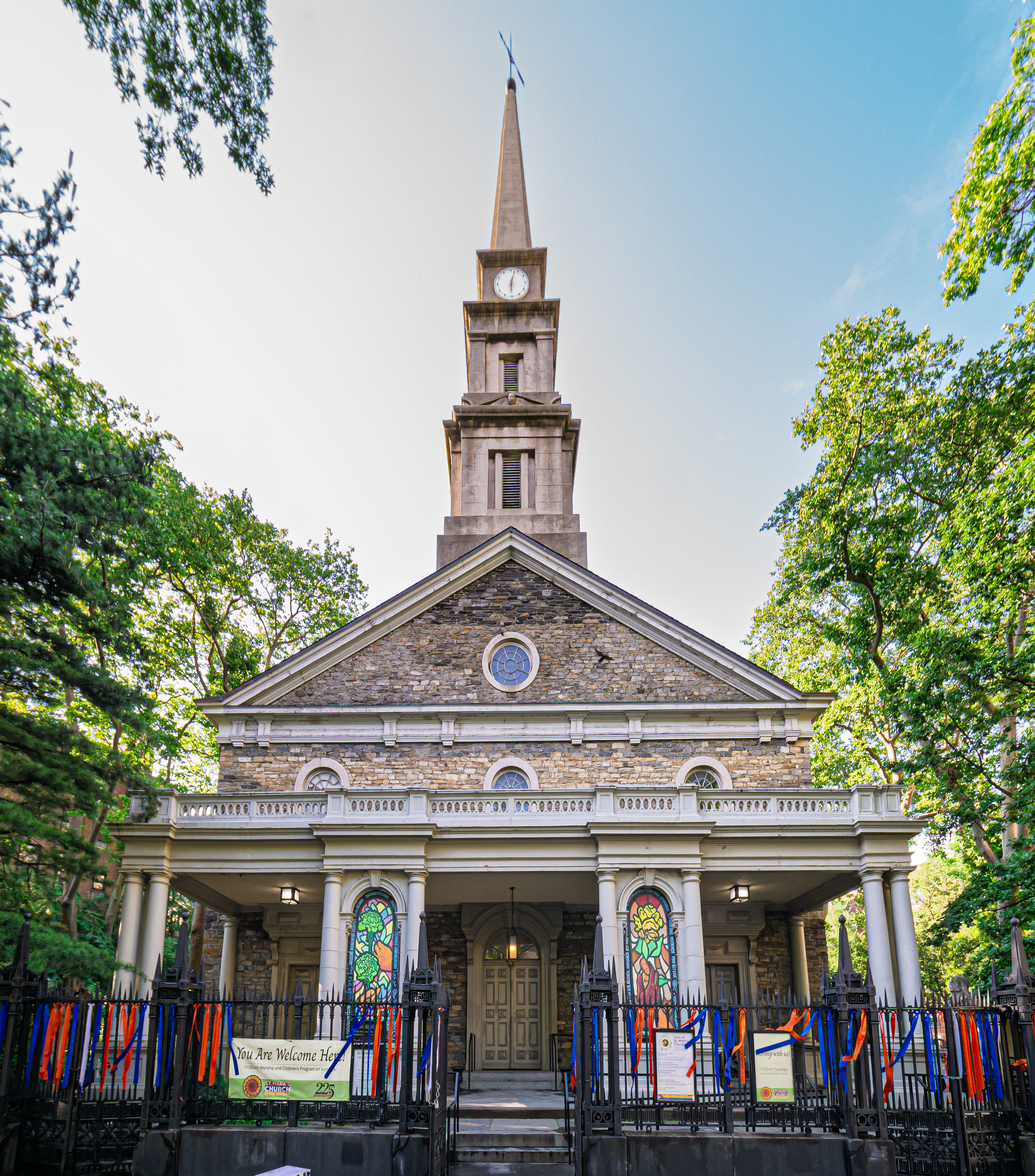
St. Mark's Church-in-the-Bowery stands on the site of Peter Stuyvesant's 1660 family chapel, making it the oldest site of continuous religious worship in New York City. The present church, completed in 1799 on the same footprint, holds Stuyvesant's burial vault, with his gravestone set into the east wall.
This is the real story from one stop on this walk — every stop has one.
An ancient dietary rule forbids mixing meat and dairy — so no shop could sell both, and the Lower East Side's food trade…
A 48-acre freshwater pond once sat where Chinatown meets the courthouses. It was poisoned by its own tanneries, filled…
Two things are true about the Bronx and neither cancels the other: it holds one of the great Art Deco boulevards in…
We use cookies to analyse site traffic and improve your experience. You can choose to accept or reject analytics cookies. Learn more