Invented in the Ruins
New York · United States

Invented in the Ruins

New York, United States
105
Duration (min)
3.9
Distance (km)
7
Stops
Easy
Difficulty

Description

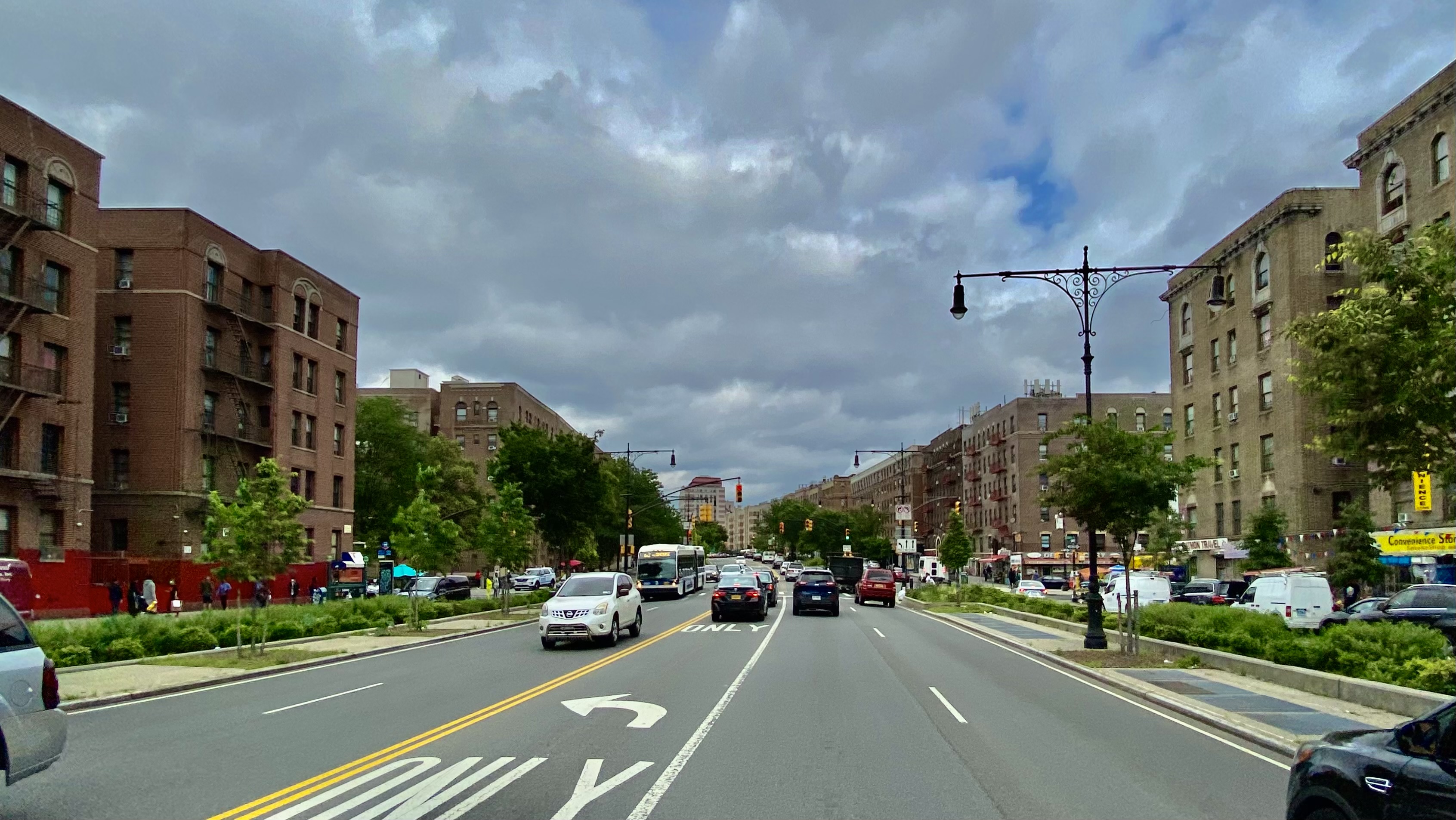
Two things are true about the Bronx and neither cancels the other: it holds one of the great Art Deco boulevards in the United States, and it is the name people reach for worldwide as shorthand for a city coming apart. This walk runs 3.9 km north along the Grand Concourse and explains how one became the other — not by accident or decline, but through decisions made in offices. Robert Moses's expressway displaced some 60,000 people; redlining, closed firehouses and landlord arson did the rest. And a mile from the overpass, in a private apartment building that is still somebody's home, teenagers invented something at a party organised by a sixteen-year-old named Cindy Campbell.

Highlights

The Grand Concourse, modelled on Paris, and its Art Deco apartment houses A home built for people who had been rich and lost it The Cross Bronx Expressway, and the chain of decisions that followed it Charlotte Street, off-route, where the rubble is now somebody's lawn 1520 Sedgwick Avenue, 11 August 1973 — Cindy Campbell's party
Tour Stops

Yankee Stadium
0

Yankee Stadium

5 min

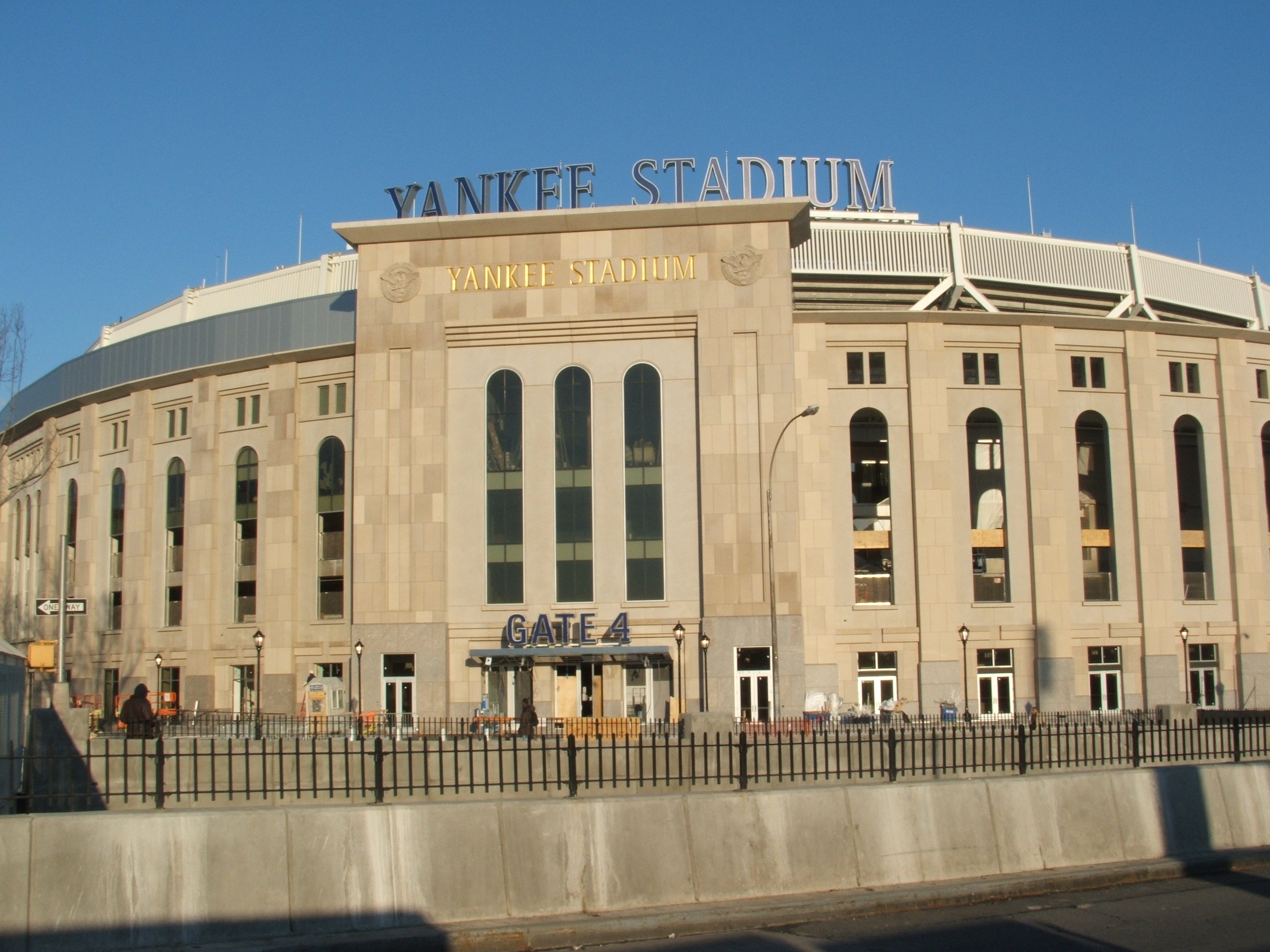
The current Yankee Stadium opened in 2009 as a replacement for the 1923 original, which stood immediately north across 161st Street and was demolished in 2010; that original site is now Heritage Field, a free public park with three ballfields where the old home plate location is marked.
Lorelei Fountain, Joyce Kilmer Park
1

Lorelei Fountain, Joyce Kilmer Park

5 min

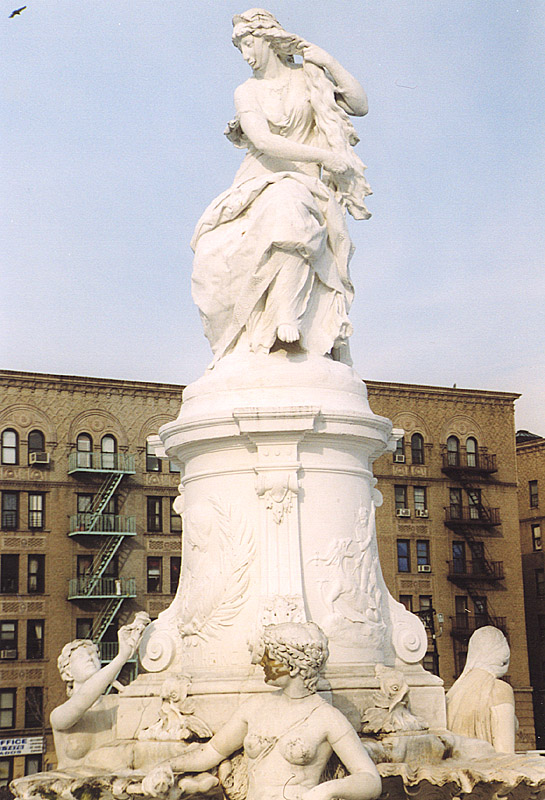
The Lorelei Fountain, a marble memorial to the poet Heinrich Heine sculpted by Ernst Herter and completed in 1893, was refused by Heine's birthplace of Düsseldorf for reasons rooted in antisemitism, then bought by German-American groups and dedicated in what is now Joyce Kilmer Park on July 8, 1899.
Bronx Museum of the Arts
2

Bronx Museum of the Arts

5 min

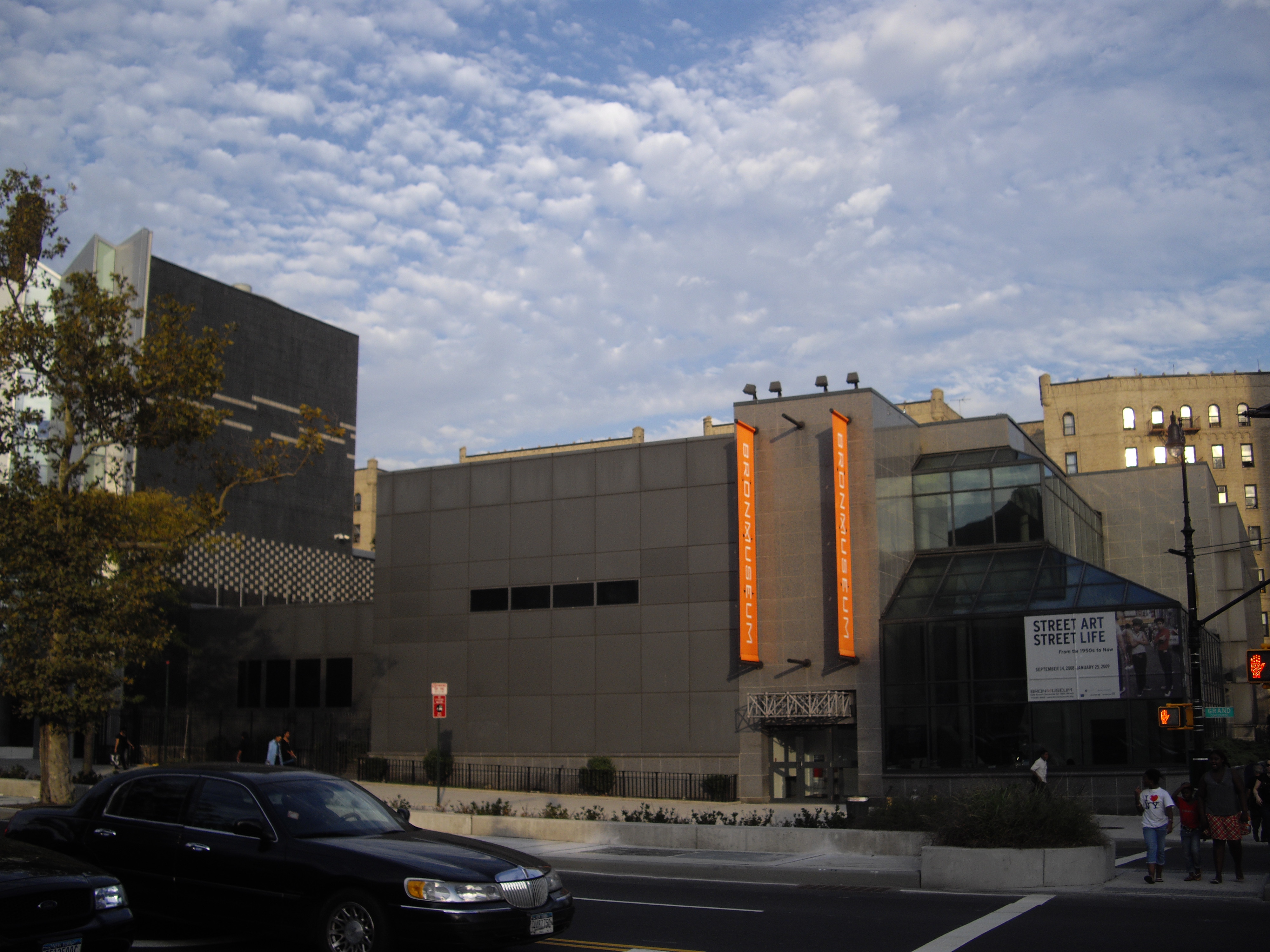
Founded in 1971 in a former synagogue before moving to 1040 Grand Concourse, the Bronx Museum of the Arts has never charged general admission, as a standing policy rather than a promotion, and its collection focuses on contemporary artists of African, Asian and Latin American descent and artists connected to the Bronx.
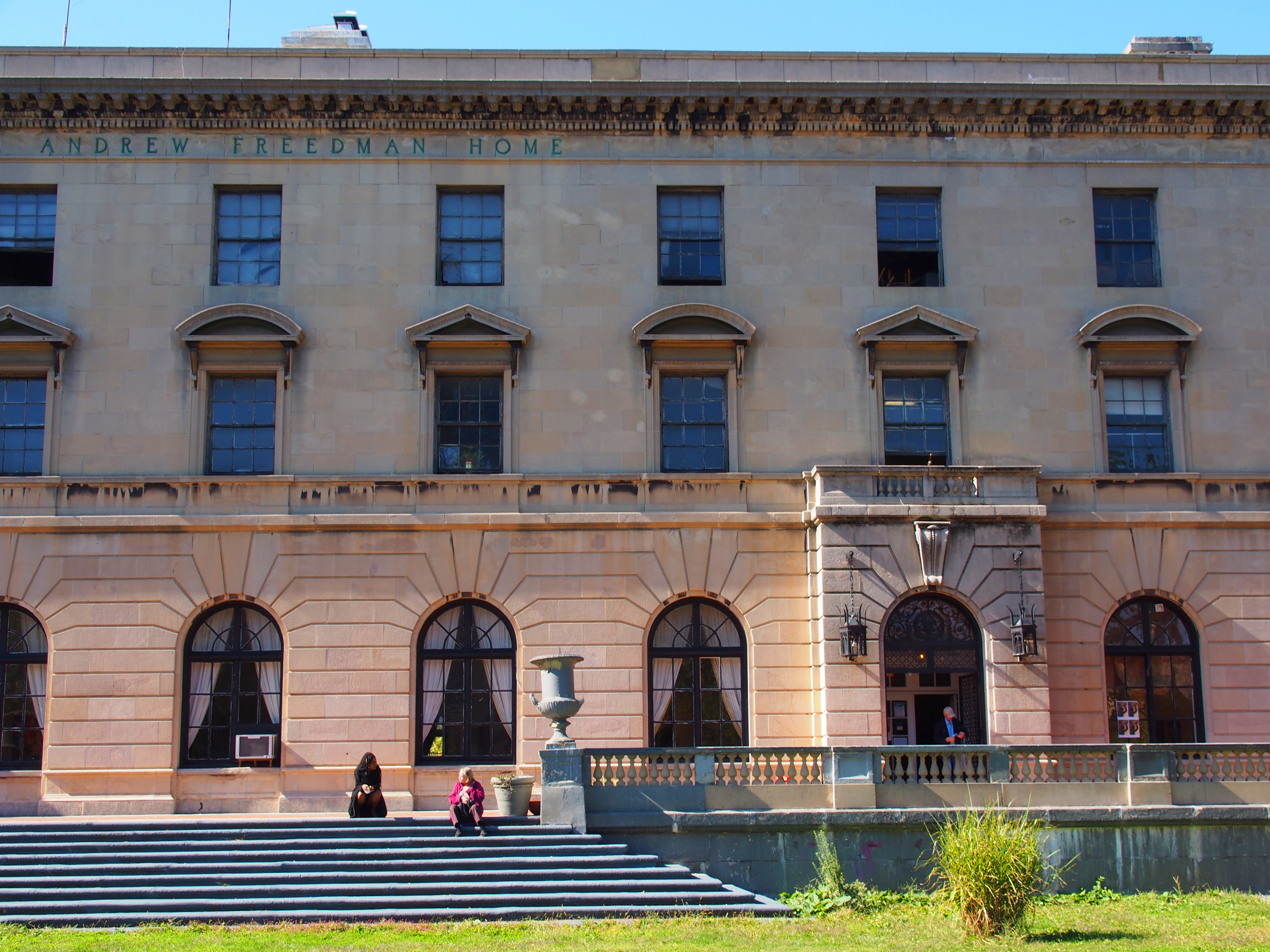
Andrew Freedman Home
3

Andrew Freedman Home

5 min

Built in 1922-24 by Joseph Freedlander and Harry Allan Jacobs (with wings added 1928-31) under the will of subway financier and Giants owner Andrew Freedman, the Andrew Freedman Home was a free luxury retirement residence for people who had lost their fortunes; after its endowment ran out in the 1960s, it reopened in 1983 to elderly residents regardless of past wealth and now operates with the Mid-Bronx Senior Citizens Council as a community arts hub.
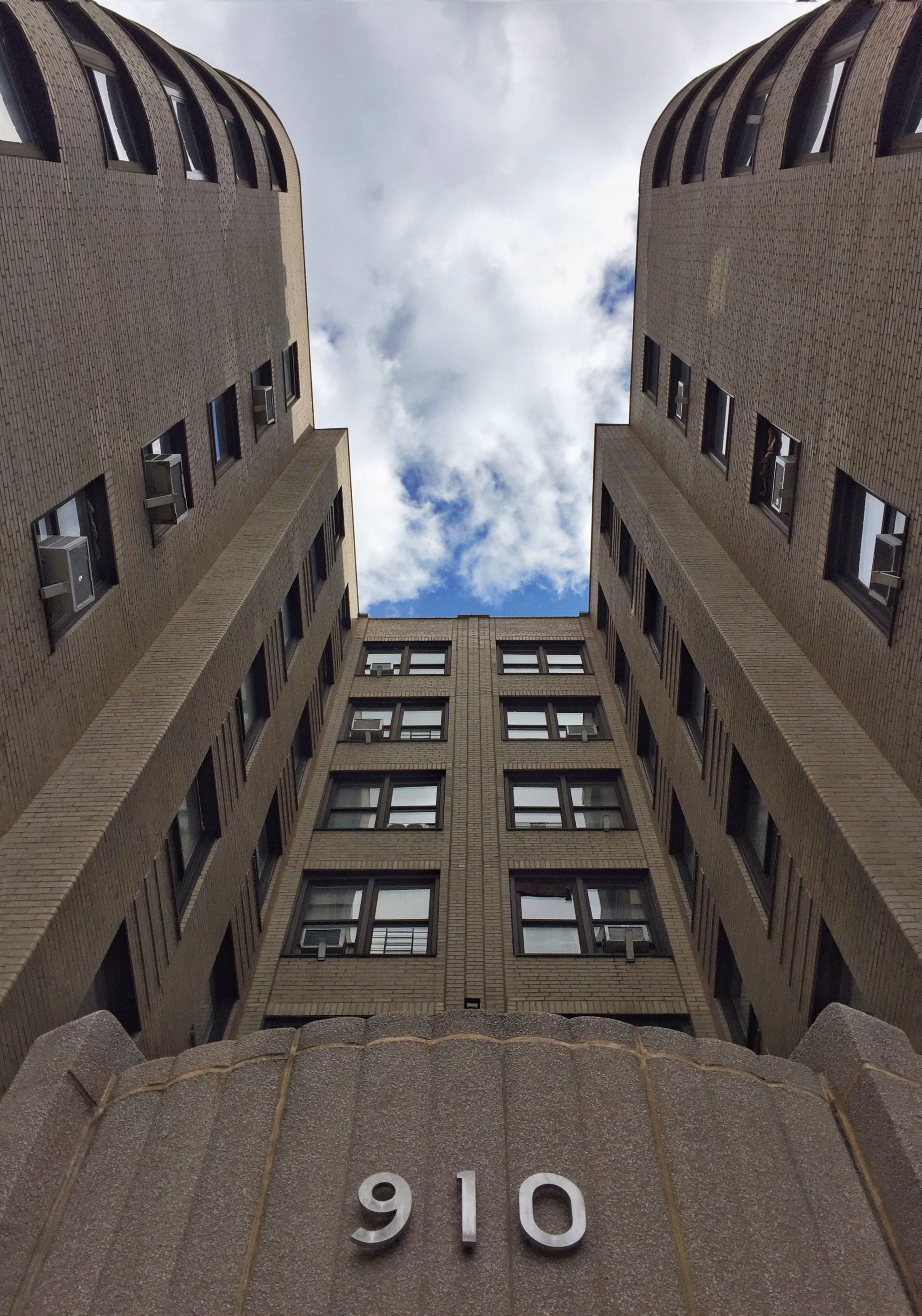
Grand Concourse
4

Grand Concourse

5 min

Opened in 1909, Grand Concourse was engineer Louis Aloys Risse's deliberate answer to the Champs-Elysees, and its 1920s-30s apartment houses form one of the largest concentrations of Art Deco architecture anywhere in the world.
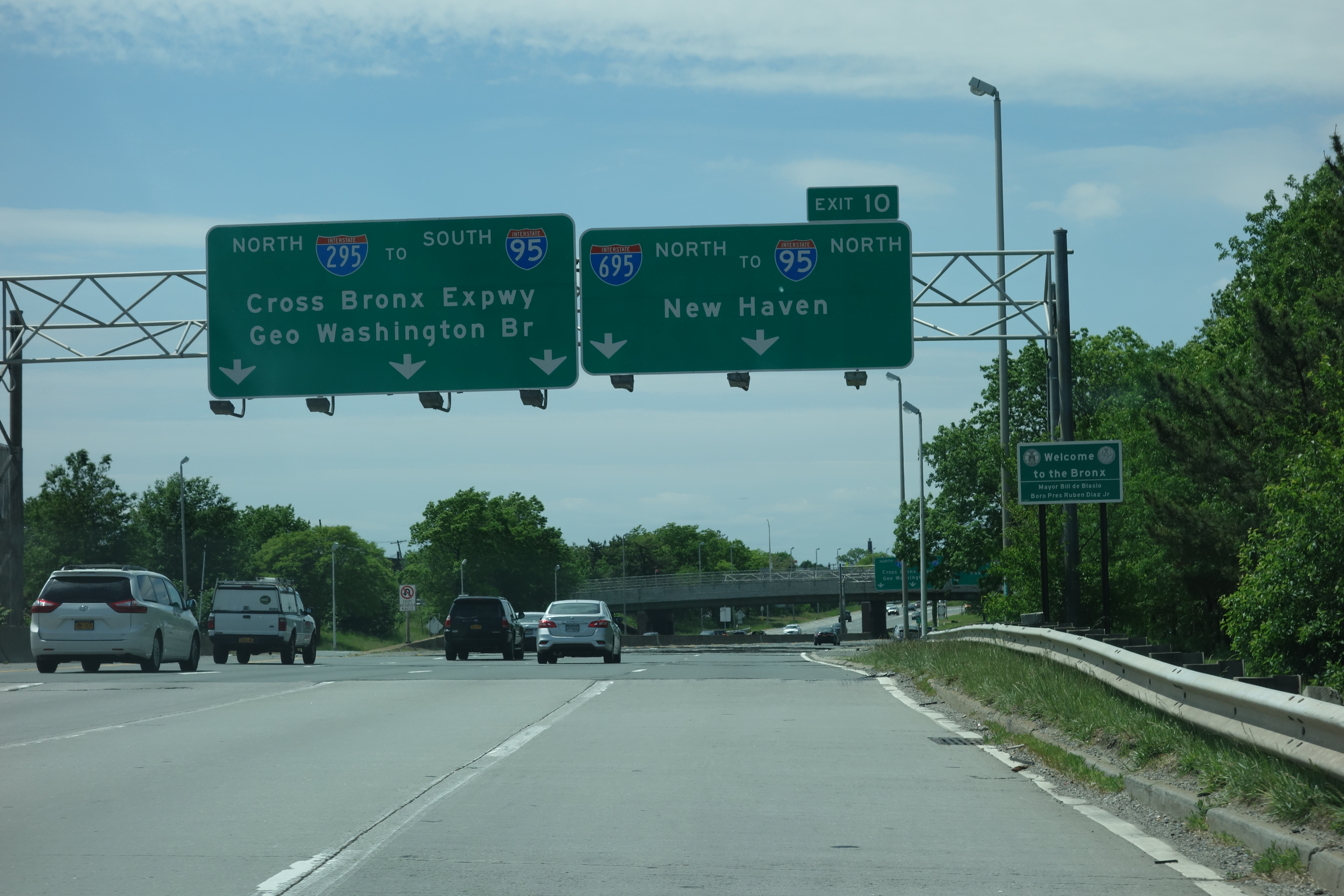
Cross Bronx Expressway at Grand Concourse
5

Cross Bronx Expressway at Grand Concourse

5 min

The Cross Bronx Expressway, built between roughly 1948 and 1972 under Robert Moses, was cut straight through occupied Bronx neighbourhoods and displaced around 60,000 people, most of them in East Tremont. What followed along the cut was collapsing property values, bank redlining, withdrawn fire protection and landlord arson, and around a quarter of a million Bronx residents displaced across the borough.
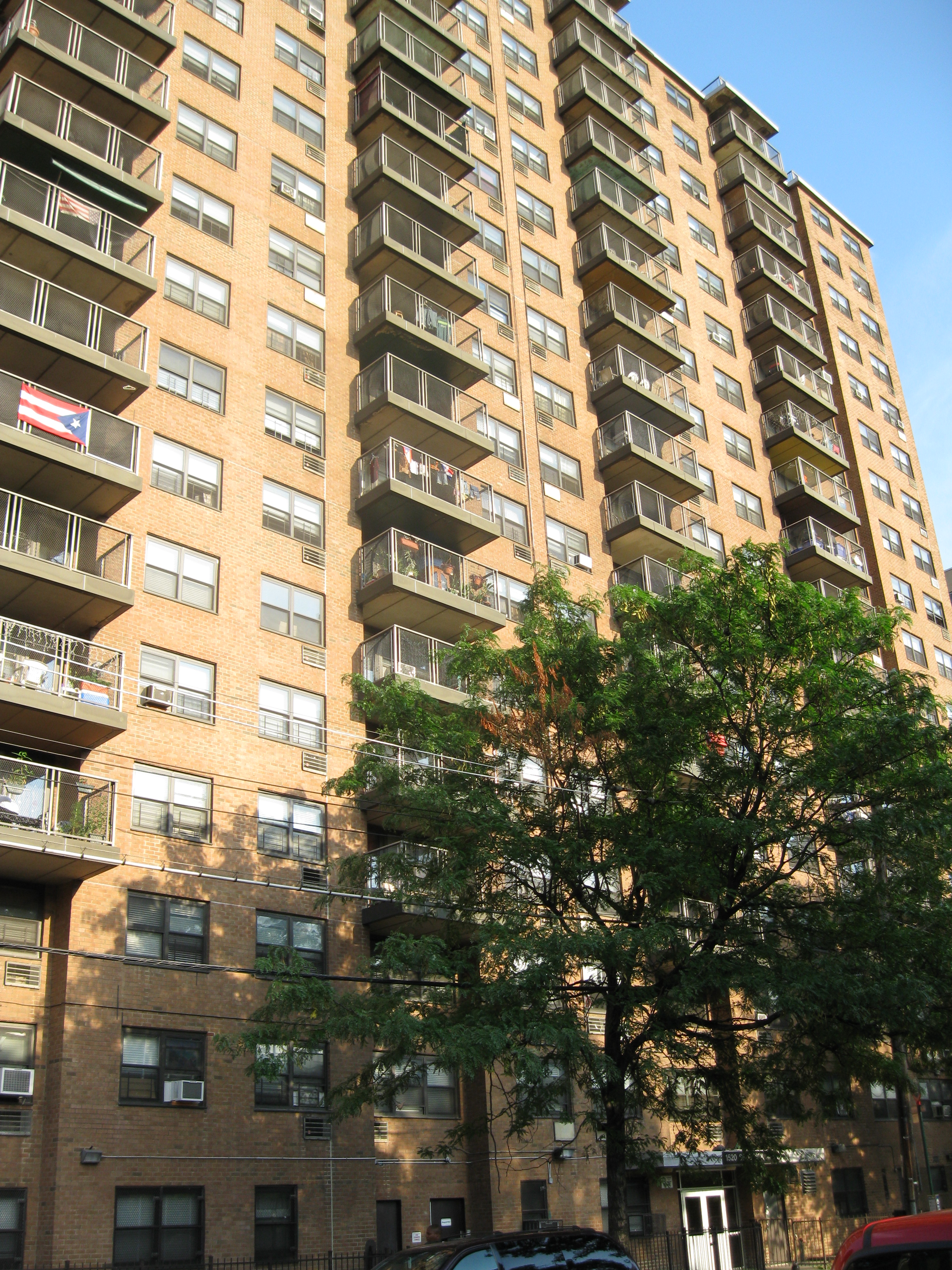
1520 Sedgwick Avenue
6

1520 Sedgwick Avenue

5 min

1520 Sedgwick Avenue is a private, occupied apartment building of around 102 homes, viewable from the sidewalk only. On 11 August 1973 Cindy Campbell organised a back-to-school fundraising party in its recreation room, where her brother Clive Campbell — DJ Kool Herc — extended a record's percussion break across two turntables.

A Taste of the Tour

This is the real story from one stop on this walk — every stop has one.

Yankee Stadium

The stadium gates are behind you now, the ticket lines and the vendors and the trains rattling overhead. Ahead, the Grand Concourse opens north, four lanes wide with landscaped service roads on either side, a boulevard modeled on the grand avenues of Paris and built, a century ago, to be the address the Bronx aspired to. This walk follows it for about 3.9 kilometers, roughly two hours on foot, past the buildings and institutions that boulevard produced. Two things are true about this borough at once, and neither cancels the other. The Bronx holds one of the great architectural boulevards in the United States, mile after mile of terra cotta, curved glass brick, and sunburst ironwork that architects still study today. The Bronx is also the name people reach for, worldwide, as shorthand for a city coming apart — burning blocks, abandoned buildings, a punchline for collapse. Both images are real. Neither is the whole picture, and neither explains itself. What this walk asks is simpler than it sounds: how does one place become both of those things in the same century? Not by accident, and not by nature. Something did that, deliberately. The walk north lays out what. Stand back and look at the building in front of you: pale limestone, arches marching around the base, a scoreboard the size of a barn door. It looks old. It is not old. This is the House That Ruth Built only in the sense that a tribute band is the band. Babe Ruth never set foot on this field. Neither did Lou Gehrig, neither did Mickey Mantle, neither did anyone who played for the Yankees before 2009. The stadium you're standing in front of opened that year, a deliberate echo of the one that used to be here — except it isn't here. It's across the street. Turn and look north, across 161st Street. That's where the real thing stood: Yankee Stadium, opened in 1923, home to Ruth's sixtieth home run in 1927, Gehrig's farewell speech, Mantle's tape-measure home runs, the whole eighty-five years of pinstriped mythology. It stayed in use until the new building was ready, then in 2010 it came down — not burned, not fought over, just dismantled, beam by beam, once its replacement had a roof. Now walk to the edge of that block and look at what's there instead. It's a park. Heritage Field, three full-size ballfields where anyone can show up with a bat and a glove and play for free, no ticket, no turnstile. Somewhere on that ground, marked out on the grass, is the exact spot where home plate used to sit — where Ruth stood in the box in a stadium that no longer exists, on a piece of ground that is now public and unticketed. It's a strange kind of monument: the most famous home plate in American sports history, memorialized not with a plaque you pay to see but with a patch of turf a twelve-year-old can stand on for a Little League game on a Saturday morning. So here's the shape of this walk before it even properly starts. You are standing in front of a copy. The original is across the street and it's gone, and what replaced it on that ground isn't a stadium at all — it's the opposite of a stadium, a place with no gate. Keep that pairing in your head as you walk: something built, something taken, something else put in its place. You'll see the pattern again over the next hour, and it will not always resolve as gently as this one did. It's worth asking, quietly, who got a say. Elsewhere in this city — walk the First Suburb route through Brooklyn Heights and DUMBO sometime and you'll see a neighborhood with the money and the lawyers to force his highway underneath a promenade instead of through their front doors. That's not what happened on this block. The decision to replace the stadium, and to take a working city park to do it, moved through hearings and community boards the way these things always do, but the outcome was not really in doubt, and the people whose park it was got a new one built for them rather than a vote on whether they wanted the old one gone. You'll hear that pattern again later in the walk, and it gets a name. Right now, just notice it: a public asset came down, and a different public asset went up in its place, and the people living around here were mostly told, not asked. None of which should stop you from enjoying the building. It's a genuinely good piece of stadium architecture, better proportioned than most of its generation, and on a game day the plaza in front of it fills with vendors, drummers, kids in oversized jerseys, and enough noise to make you forget entirely that you're standing on what used to be parkland. That's worth seeing too, just not today if you can help it: on game days, 161st Street becomes a solid wall of people for blocks in every direction, and this walk is easiest done when the Yankees are out of town. Check the schedule before you set out. One more thing to notice while you're here, because you won't get another chance on this walk: the elevated subway tracks running along River Avenue, the 4 rattling past at rooftop height, are older than either stadium. The line opened in 1917, six years before the first one and they'll be here for whatever comes after this one. Some things in this borough don't get replaced. Most do. Head north now, toward the Grand Concourse. If you've done the Setback, Spire and Sunburst walk and learned to date a building by its silhouette, save that eye for stop five, where this walk hands you a whole boulevard of it. First, though, the next stop is a monument that ended up in the Bronx for a very different reason: not because the city tore something down, but because somewhere else refused to keep it.

More Tours in New York

Nearby Cities

Back to New York Tours

Cookie Consent

We use cookies to analyse site traffic and improve your experience. You can choose to accept or reject analytics cookies. Learn more