Rome · Italy
Modern Rome: From Reconstruction to Contemporary (1950s-Present)
Rome, Italy
Pier Luigi Nervi's 1960 Olympic domes — concrete engineering as sculpture Centrale Montemartini — ancient Roman gods displayed inside a 1912 power plant Ostiense's street art murals transforming abandoned industrial warehouses Quartiere Coppede's fairy-tale Art Nouveau facades and gargoyles Zaha Hadid's MAXXI — Rome's answer to Bilbao's Guggenheim
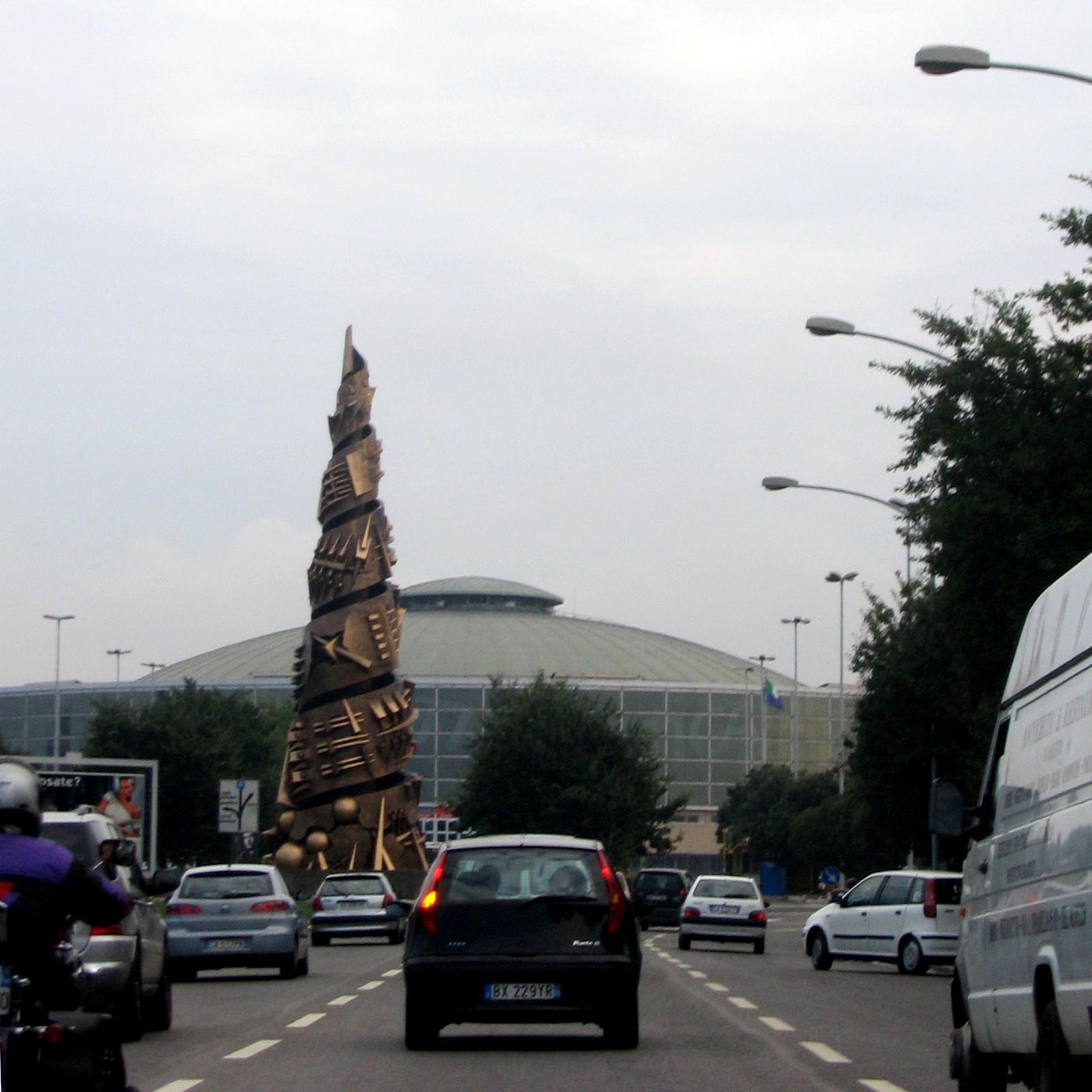
Pier Luigi Nervi's reinforced concrete dome for the 1960 Olympics—a 100-meter-diameter masterpiece that proved Italy could engineer beauty at monumental scale, signaling the nation's resurrection from postwar rubble.
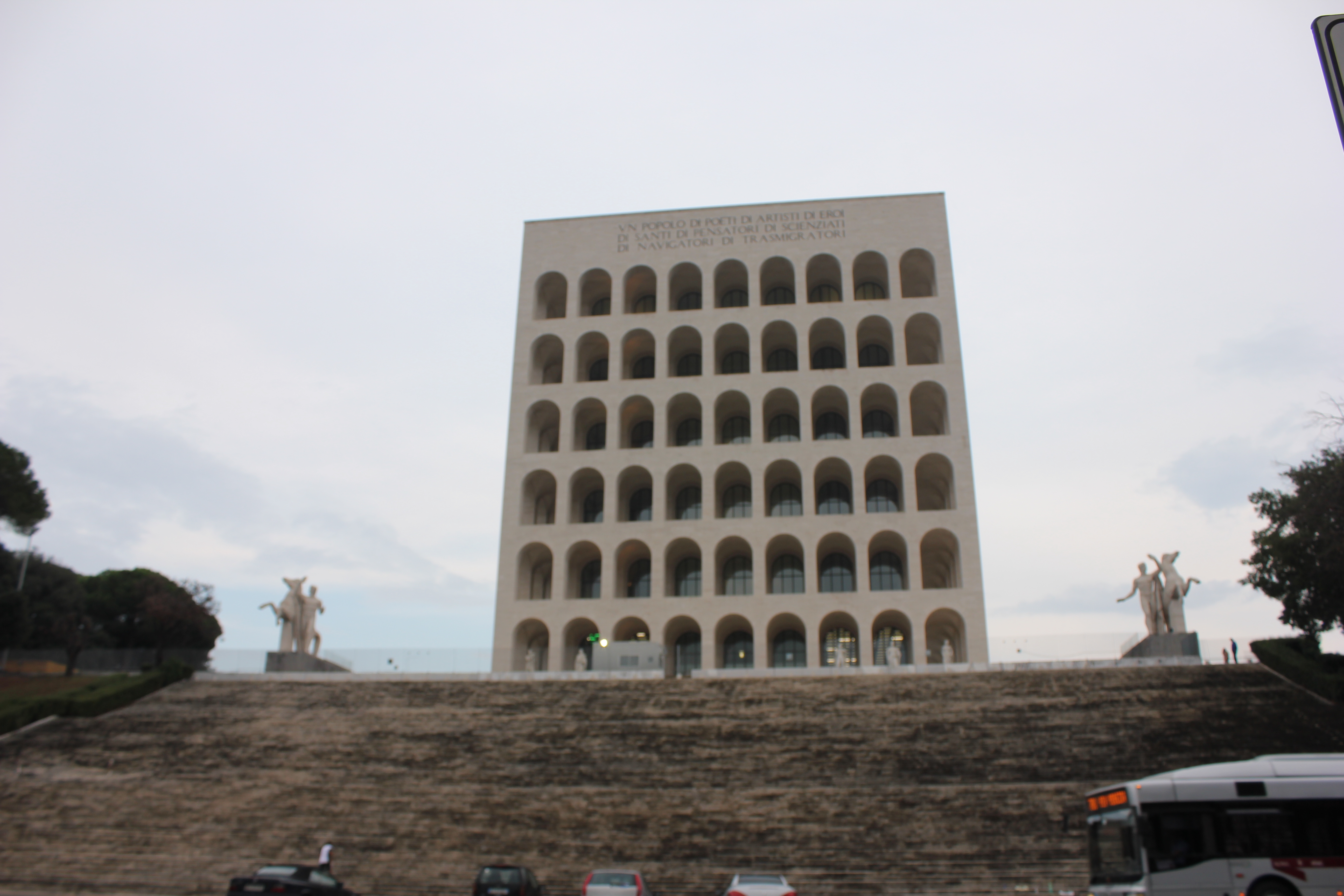
The EUR district is Mussolini's abandoned world's fair reborn as a thriving modern neighborhood, anchored by the audacious Square Colosseum—a rationalist masterpiece of travertine and geometric perfection that transforms an imperial symbol into something unexpectedly forward-looking.
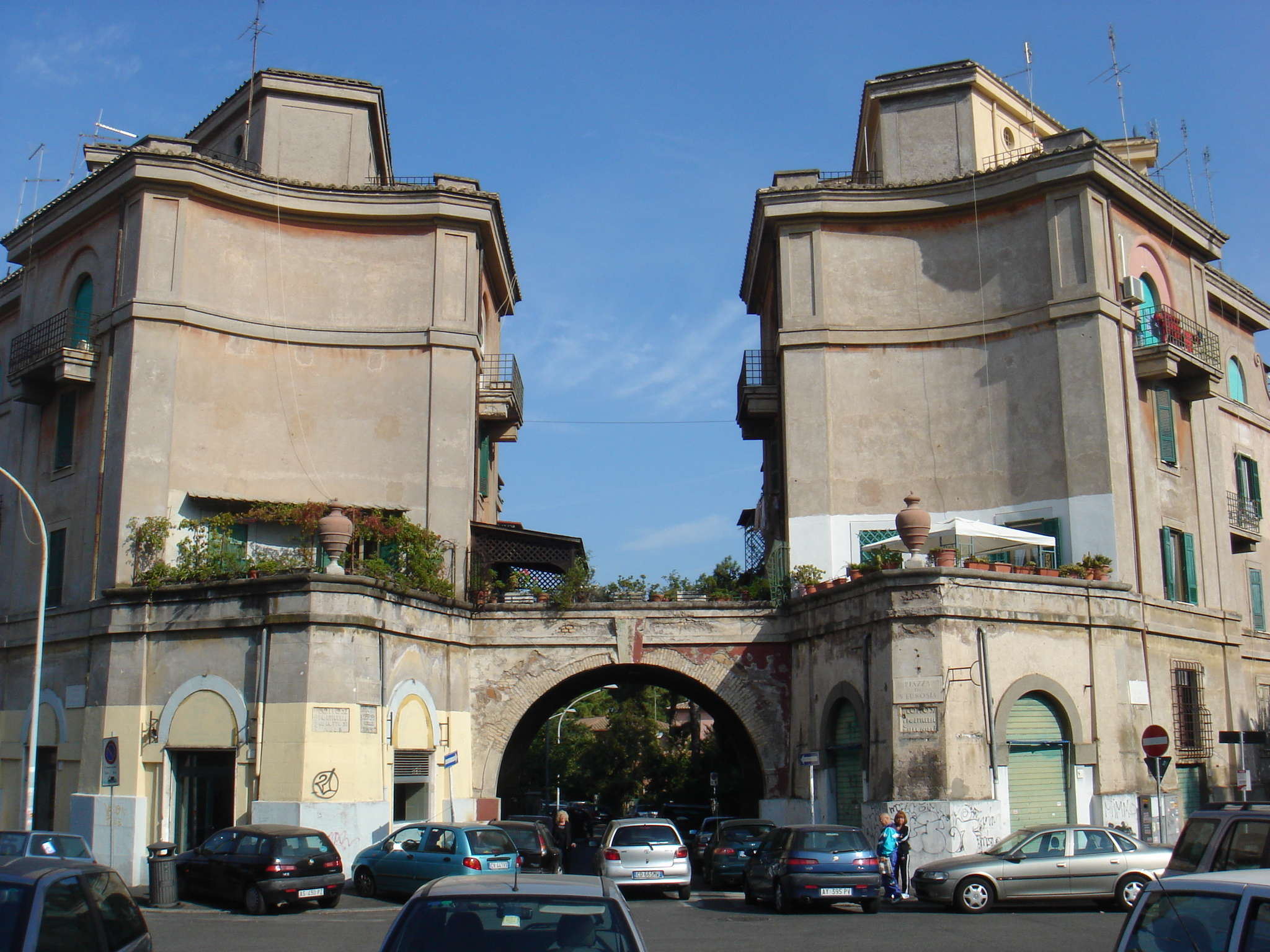
Where EUR imposed monumentality from above, Garbatella built community from the ground up—a 1920s garden city experiment that turned workers' housing into one of Rome's most beloved neighborhoods, where internal courtyards and staircases became the beating heart of daily life.
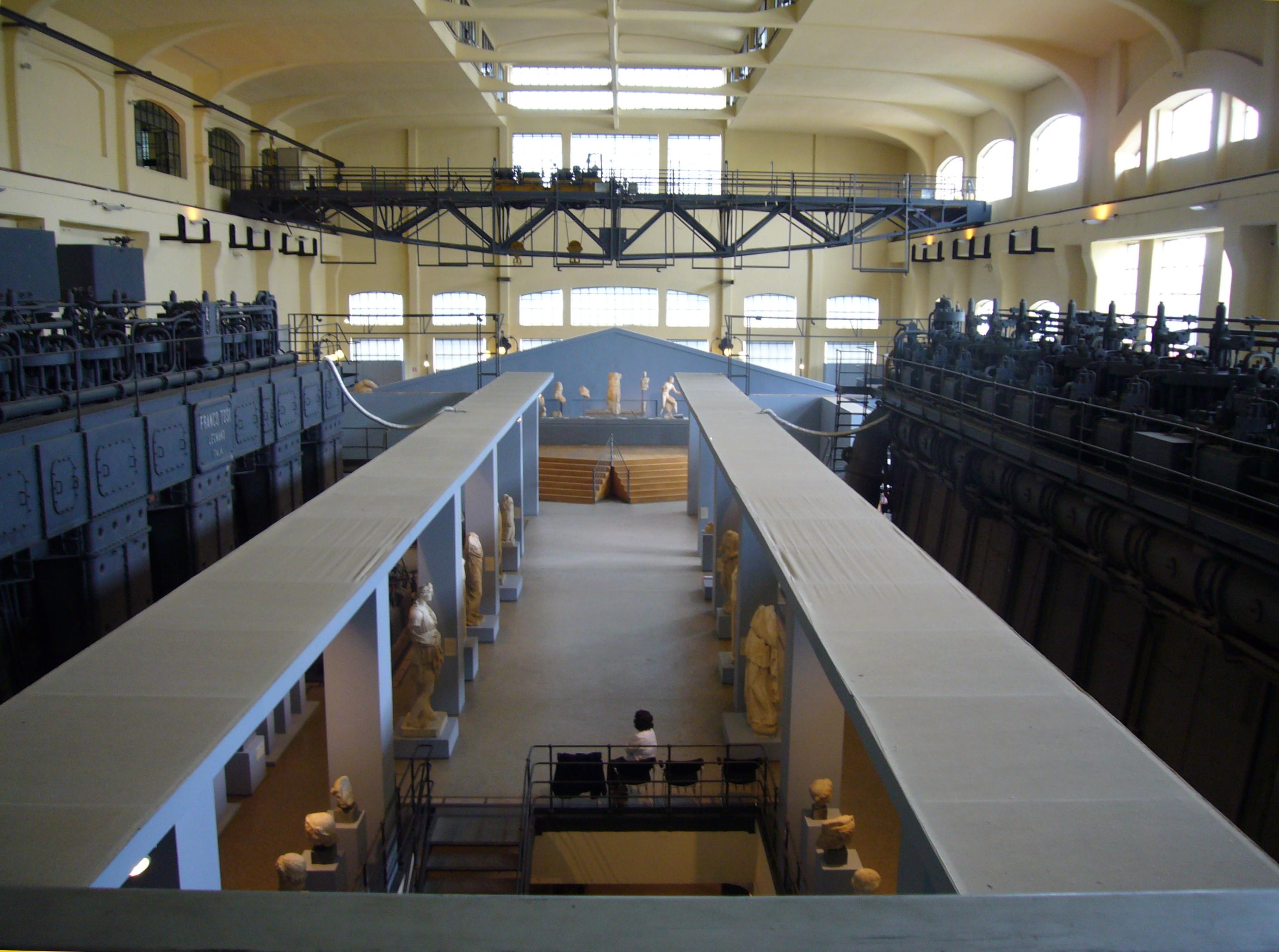
A 1912 power plant converted into a museum that displays 400 ancient Roman sculptures amid colossal diesel engines and industrial machinery—a conceptual masterstroke that flips museum conventions inside out and symbolizes Rome's reinvention from rubble to radical art spaces.
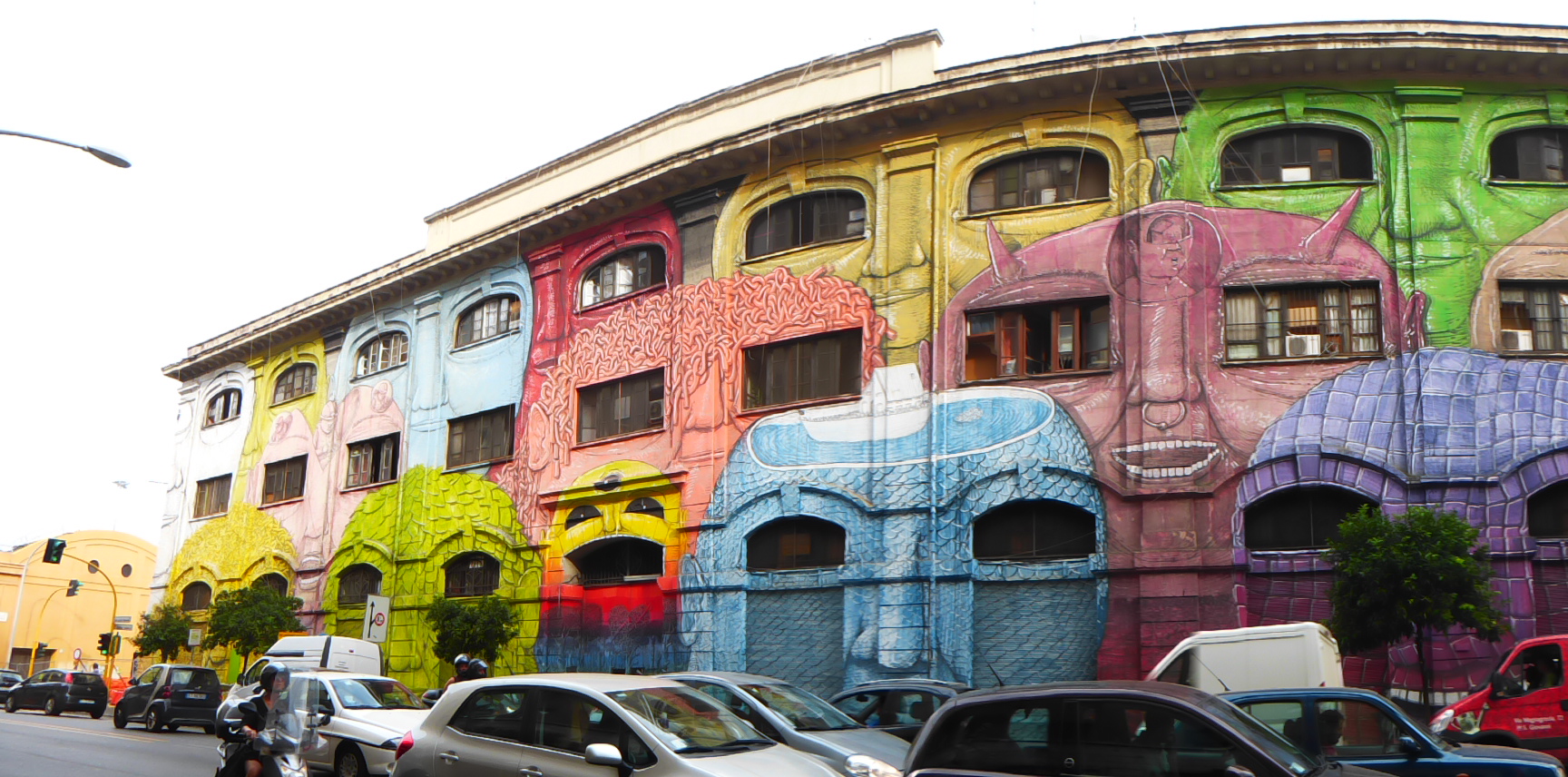
Where Rome's industrial skeleton became a canvas for radical expression—Ostiense trades factory floors for murals, warehouses for galleries, and trades its invisibility for unmissable color and questions about who gets to define urban revival.
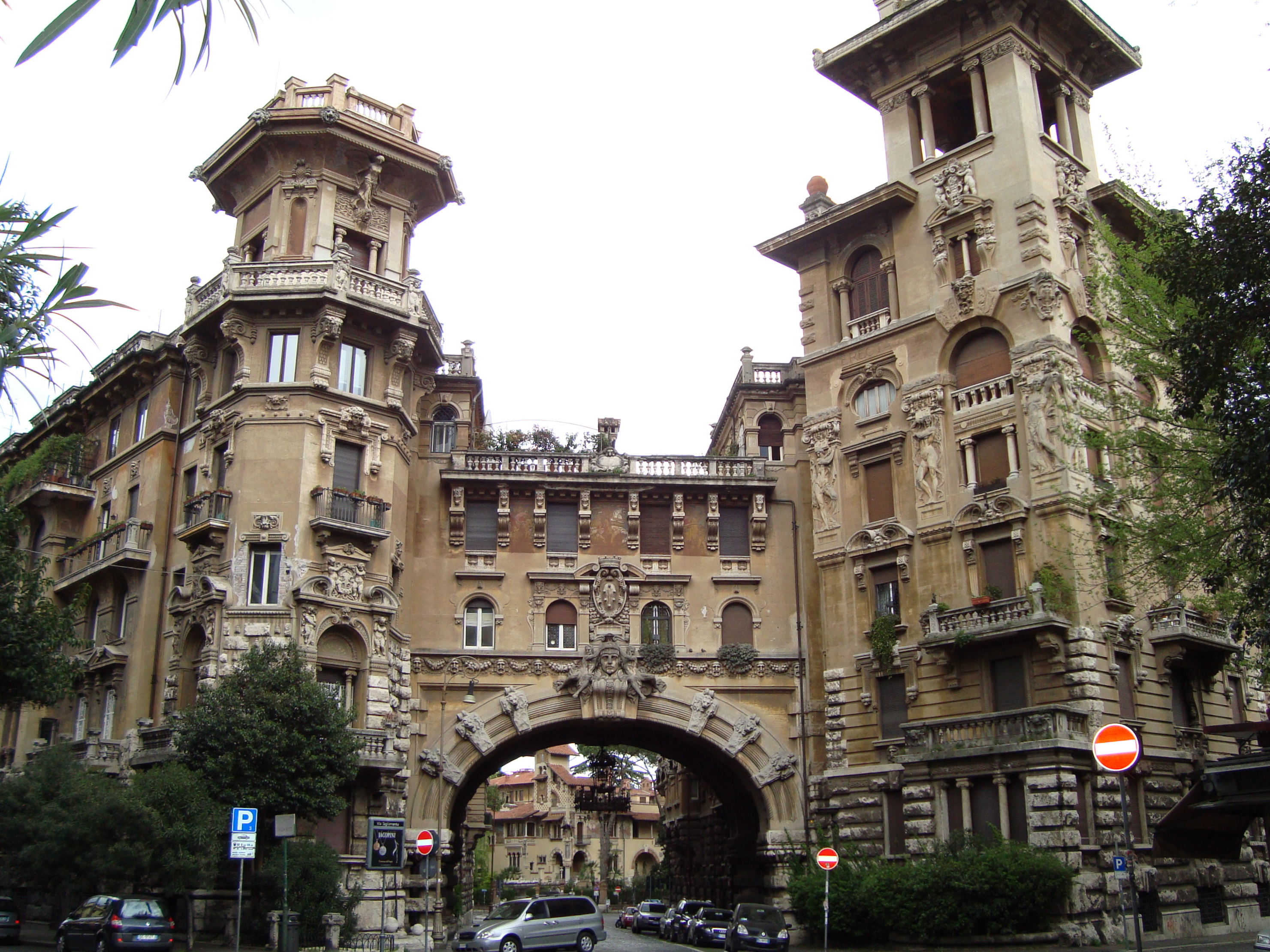
Gino Coppede's fantasy district (1915-1926) explodes onto Rome like a fever dream—26 palaces and villas where Liberty Art Nouveau, Gothic revival, Moorish arches, and medieval turrets collide in one gloriously unabashed celebration of ornamental excess.
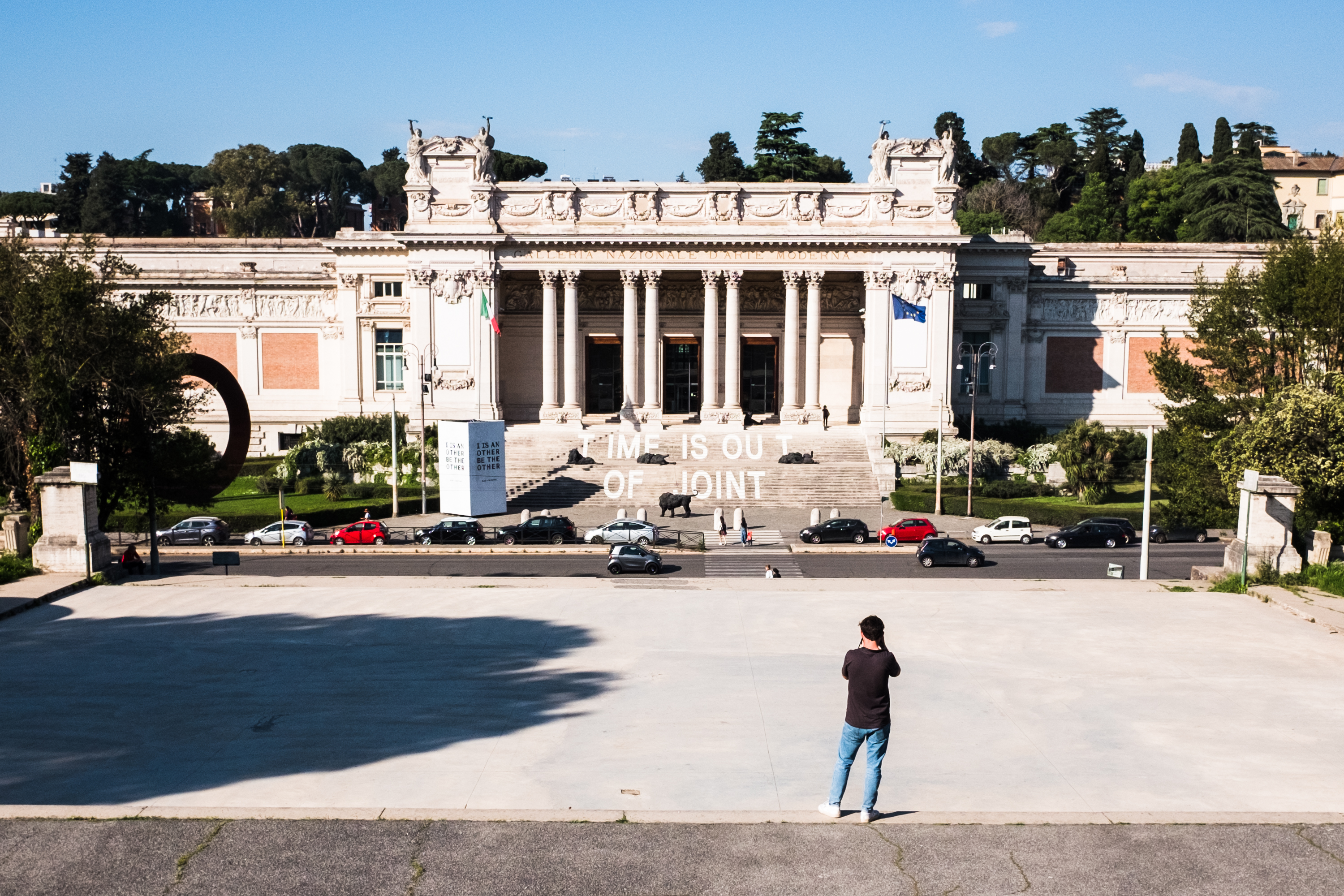
The Galleria Nazionale d'Arte Moderna holds Italy's intellectual response to modernity—from the revolutionary machine-worship of Futurism through the dreamlike ambiguities of Metaphysical art to the raw material experiments of Arte Povera.
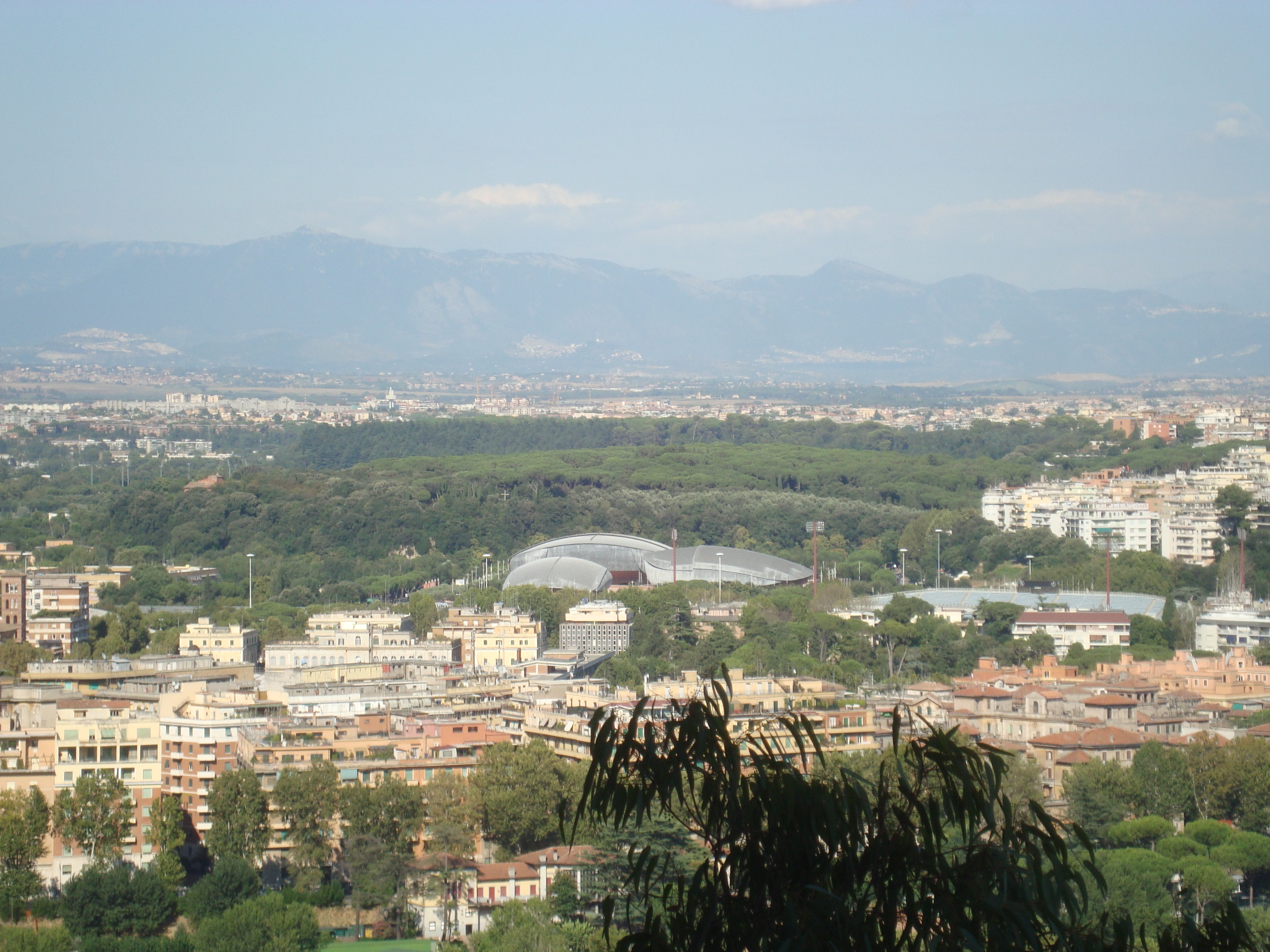
Renzo Piano's audacious complex of three beetle-shell concert halls, inaugurated in 2002, became Rome's cultural powerhouse—hosting 700,000 visitors annually. Its construction literally intersected with Rome's ancient past: a 6th-century BCE villa emerged from the earth.
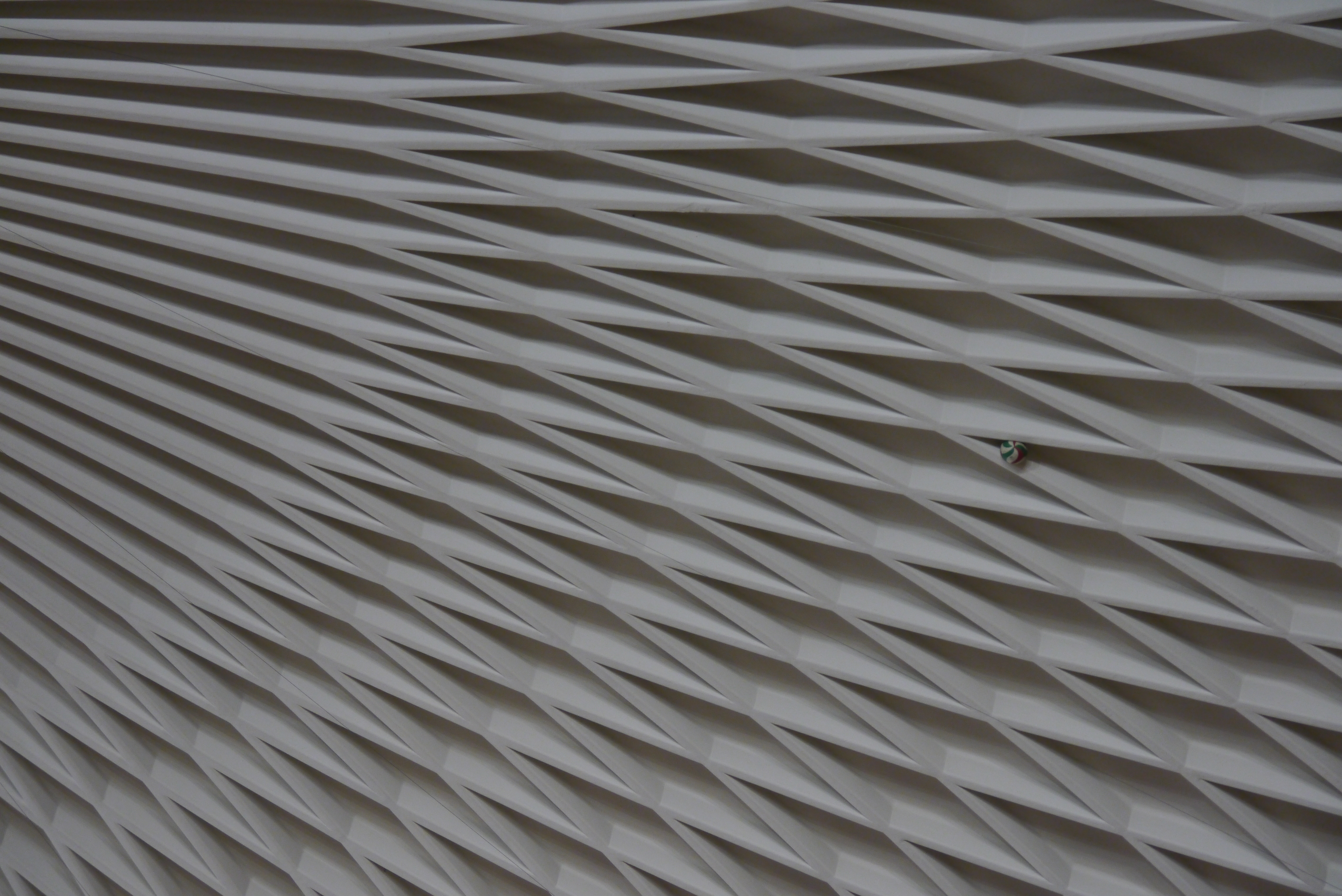
Pier Luigi Nervi's 1957 Palazzetto dello Sport is a 61-meter ribbed concrete dome supported by 36 Y-shaped buttresses—a technical tour de force that redefined how arenas could be built and influenced sports architecture worldwide.
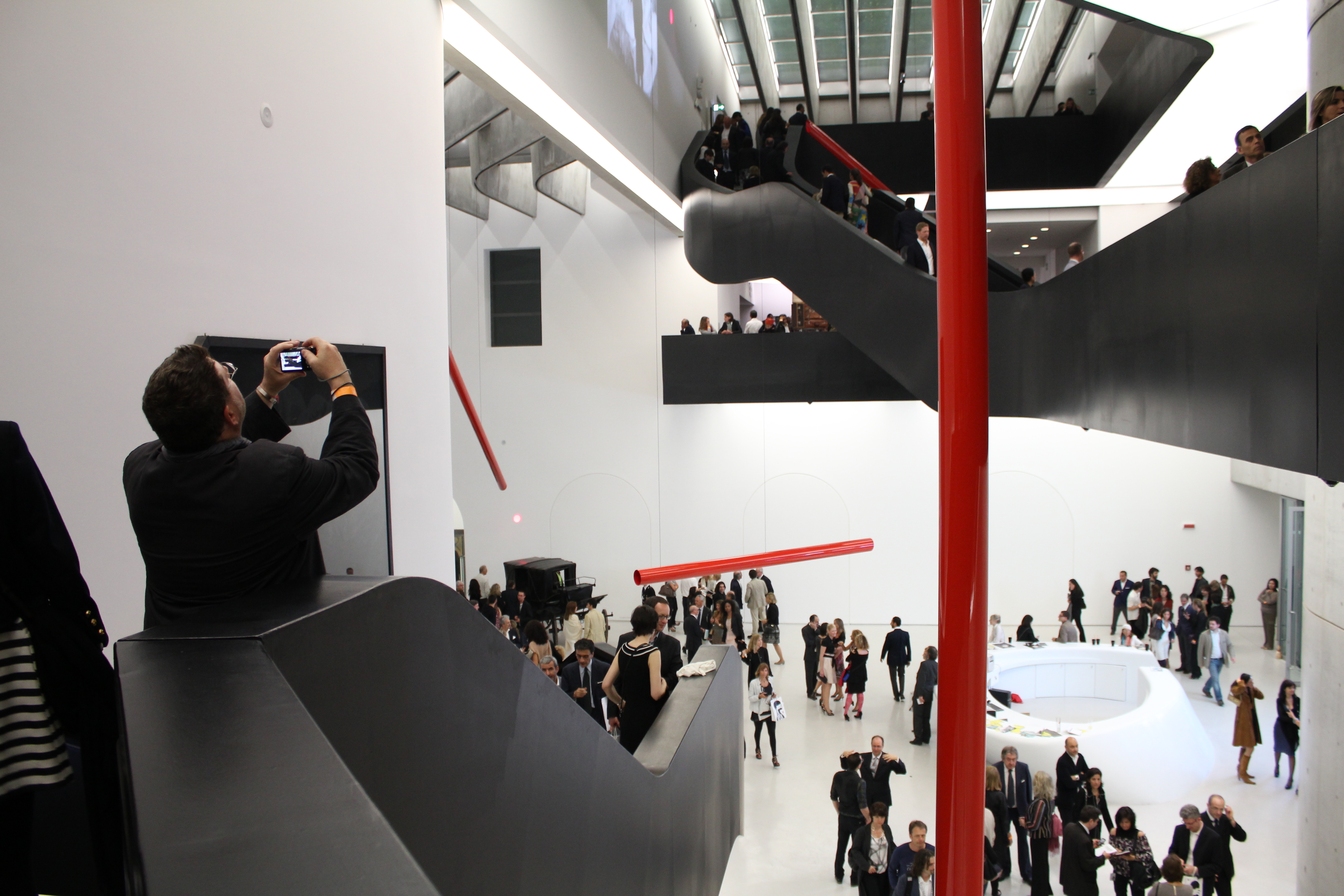
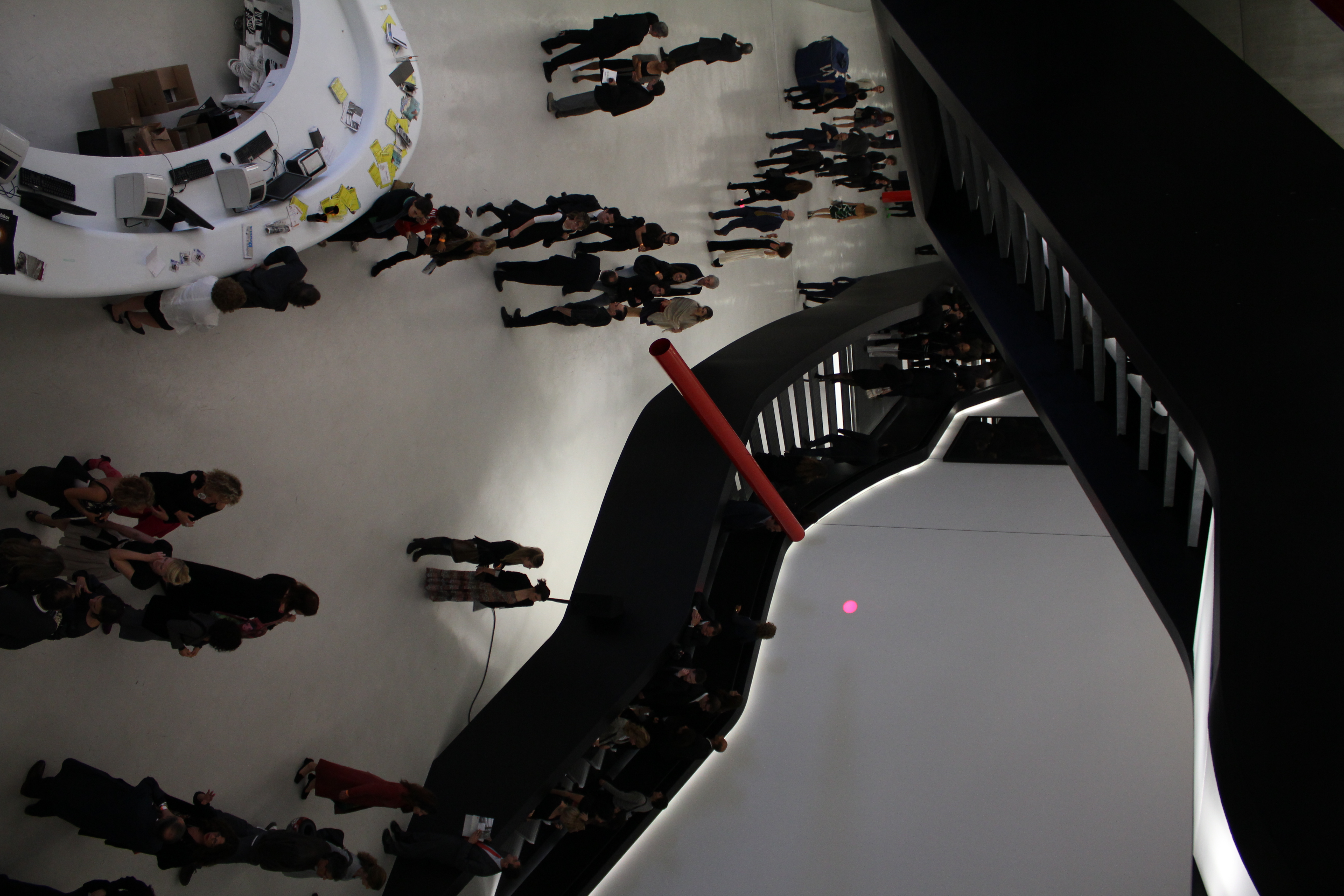
MAXXI is Zaha Hadid's gravity-defying masterpiece of flowing curves and soaring concrete—Rome's 21st-century museum where the building itself becomes the art, a gleaming monument to contemporary creativity in a former military barracks.
This is the real story from one stop on this walk — every stop has one.
Cross the Tiber to explore two of Rome's most resilient neighbourhoods. Begin at the Renaissance splendour of Palazzo…
Trace Rome's transformation from a republic of senators and civic temples to an empire of colossal amphitheaters and…
Follow the greatest architectural rivalry in history across Rome’s Baroque masterpieces. From Borromini’s mind-bending…
We use cookies to analyse site traffic and improve your experience. You can choose to accept or reject analytics cookies. Learn more