The Seven Streets: Medieval Heart & Basque Soul
Bilbao · Spain

The Seven Streets: Medieval Heart & Basque Soul

Bilbao, Spain
85
Duration (min)
2.0
Distance (km)
9
Stops
Medium
Difficulty

Description

Climb from the belly to the soul of Bilbao's Old Town. Starting at the Art Deco Ribera market and the pintxo bars of the medieval Seven Streets, this walk winds through the Gothic cathedral and the Basque Museum before rising up the Mallona stairs to the hilltop basilica of Begoña, the city's patron saint. It is a tour of how a 700-year-old grid of stone streets still eats, prays and speaks Basque.

Highlights

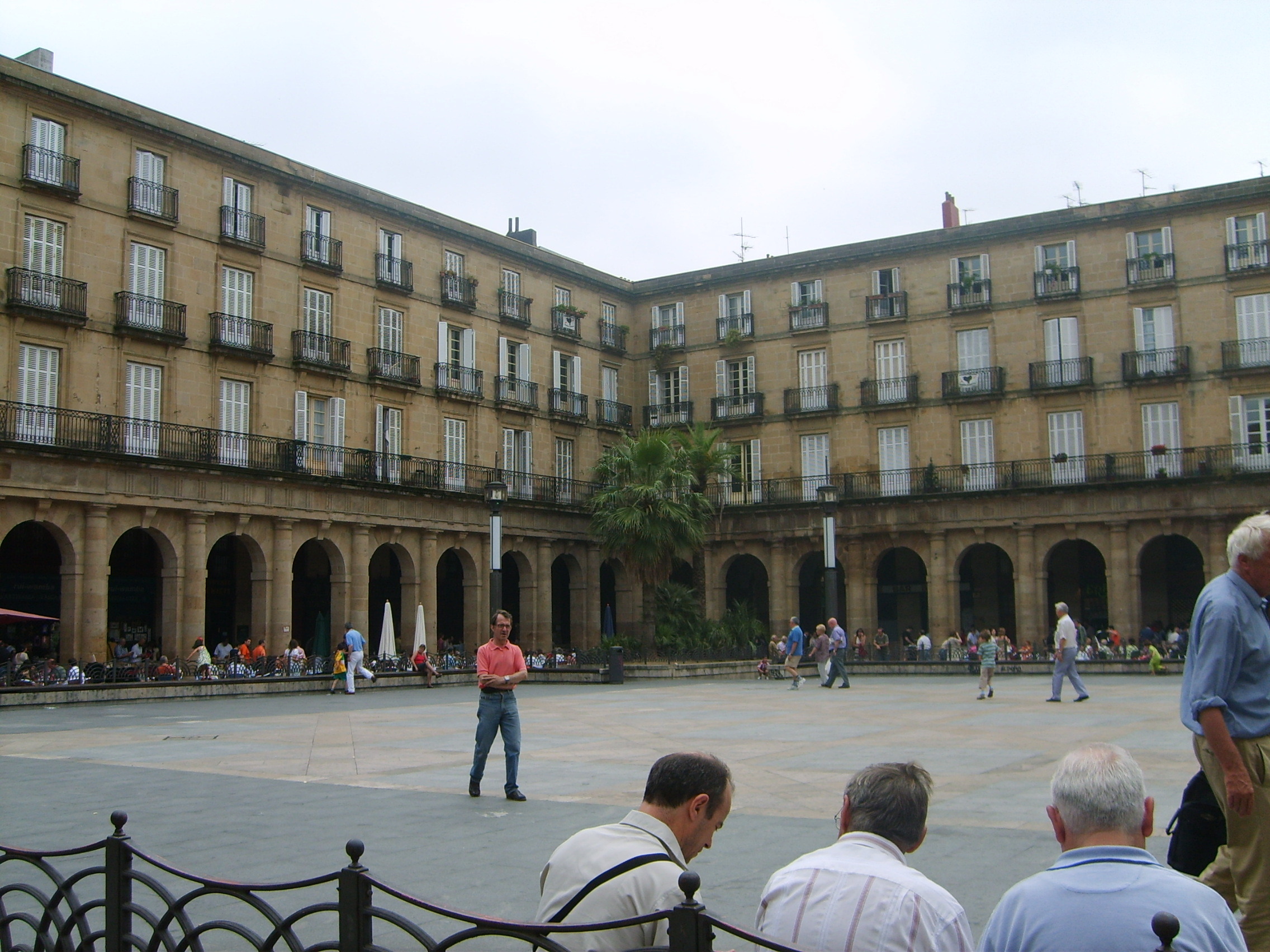
The Mercado de la Ribera and the pintxo-and-txikiteo culture of the Seven Streets Plaza Nueva - the arcaded square that is Bilbao's pintxo temple and home to the Basque language academy The Gothic Catedral de Santiago, a waypoint on the Camino del Norte The 300-step Calzadas de Mallona climb up to the Begoña hill The Basílica de Begoña, hilltop shrine of 'La Amatxu', patron saint of Biscay
Tour Stops

Mercado de la Ribera
1

Mercado de la Ribera

5 min

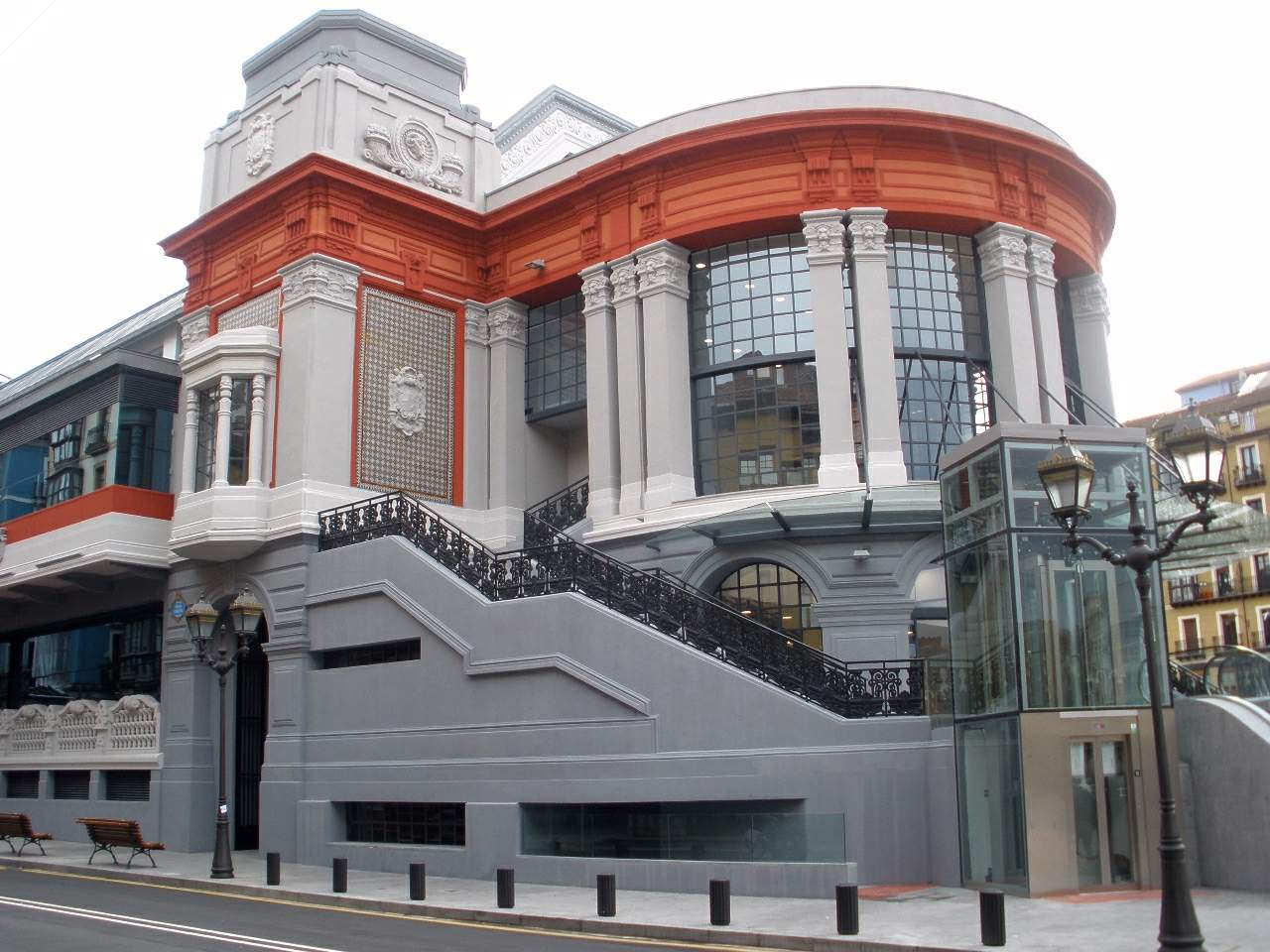
The riverside Art Deco market, built in 1929, stands on a spot that has sold food since Bilbao's 1300 founding charter and was once among the largest covered markets in Europe. Today it splits between working fish, meat and produce stalls upstairs and a buzzing pintxo gastro-plaza below.
Catedral de Santiago
2

Catedral de Santiago

5 min

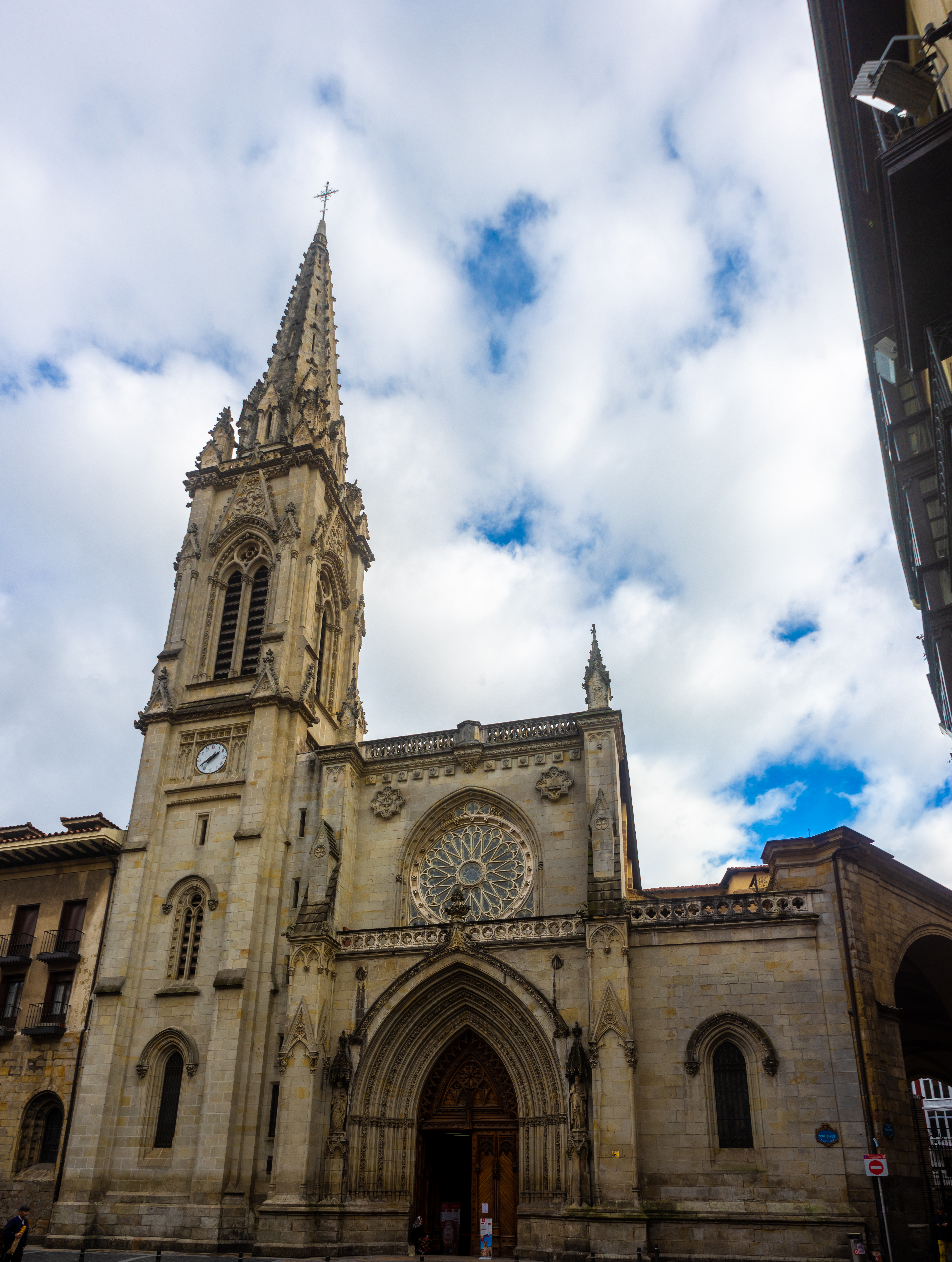
Bilbao's Gothic Cathedral of Santiago, begun around 1397, is the oldest major building in the city and a waypoint on the Camino del Norte, where medieval pilgrims bound for Santiago de Compostela once fed the local economy. Look for the scallop shells carved into its stone, the centuries-old emblem of Saint James that still guides travellers today.
Calle Somera — Las Siete Calles
3

Calle Somera — Las Siete Calles

5 min

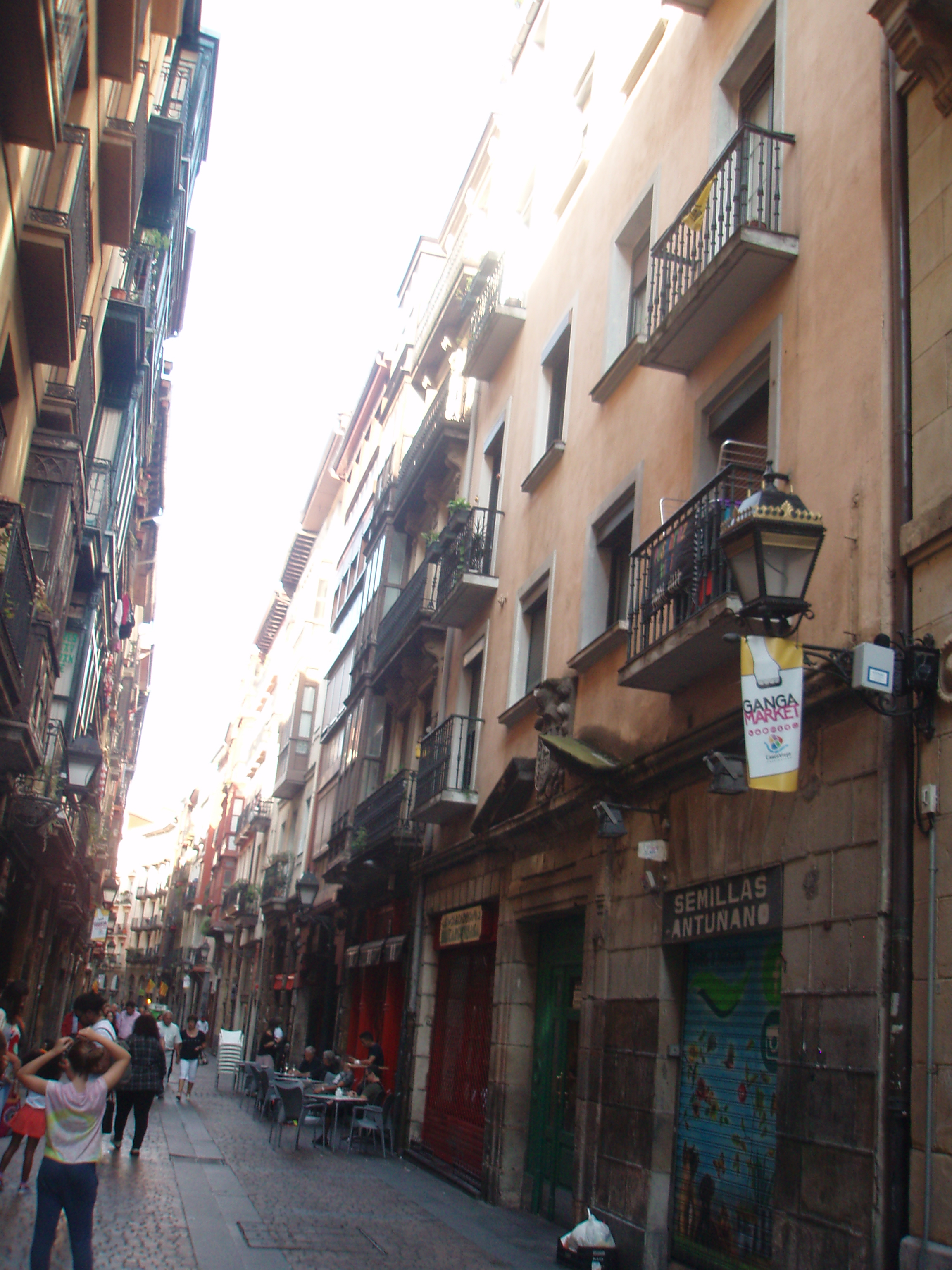
Calle Somera is the first of Bilbao's original medieval streets, part of Las Siete Calles ('The Seven Streets') that made up the entire town after its founding in 1300. Once the whole of Bilbao, these lanes are today lined with lively pintxo bars.
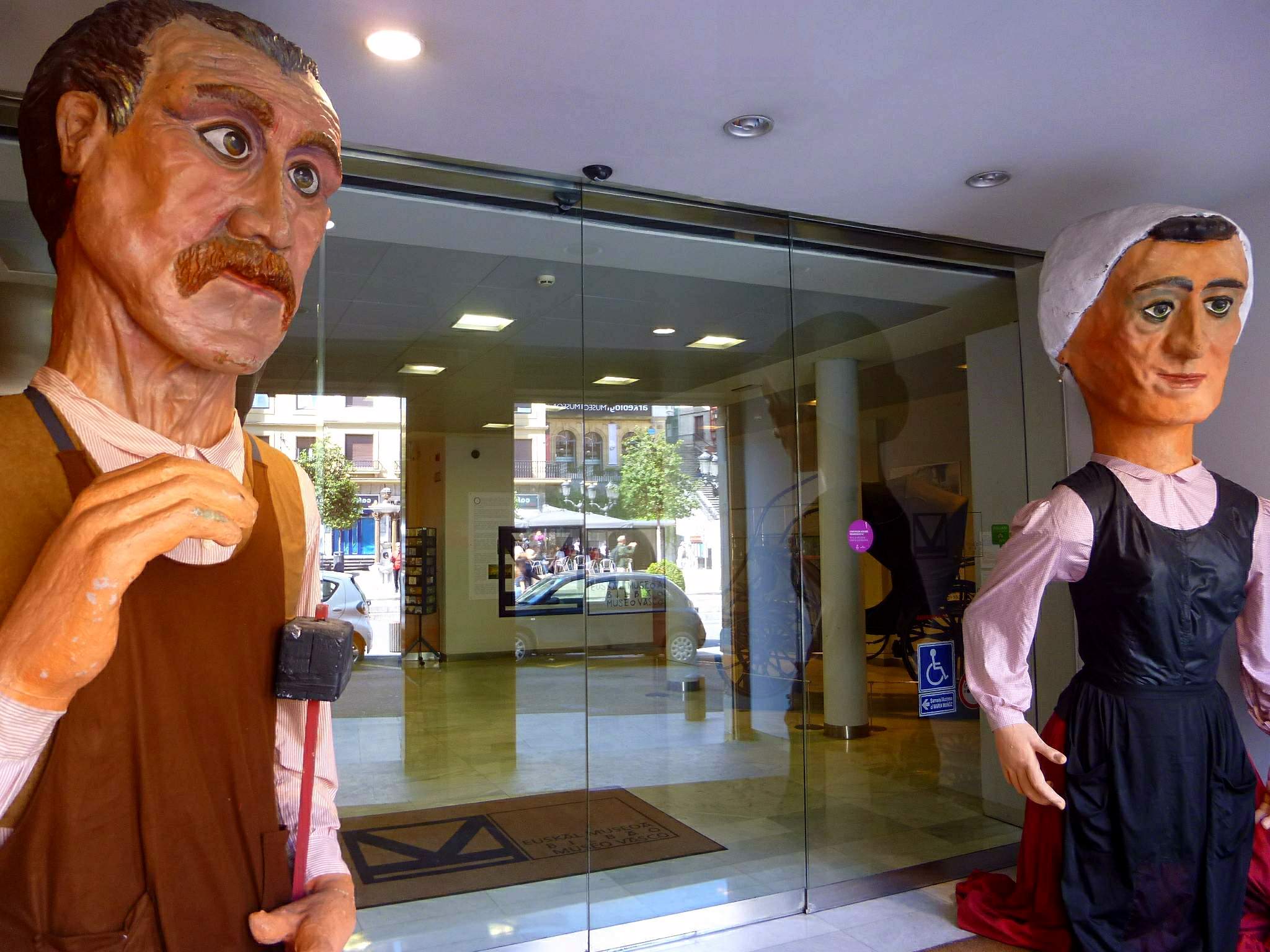
Euskal Museoa (Basque Museum)
4

Euskal Museoa (Basque Museum)

5 min

The Euskal Museoa, Bilbao's archaeological and ethnographic museum, occupies the Baroque cloister of the former Jesuit College of San Andrés and guards the Mikeldi, an Iron Age stone animal idol that predates the medieval city.
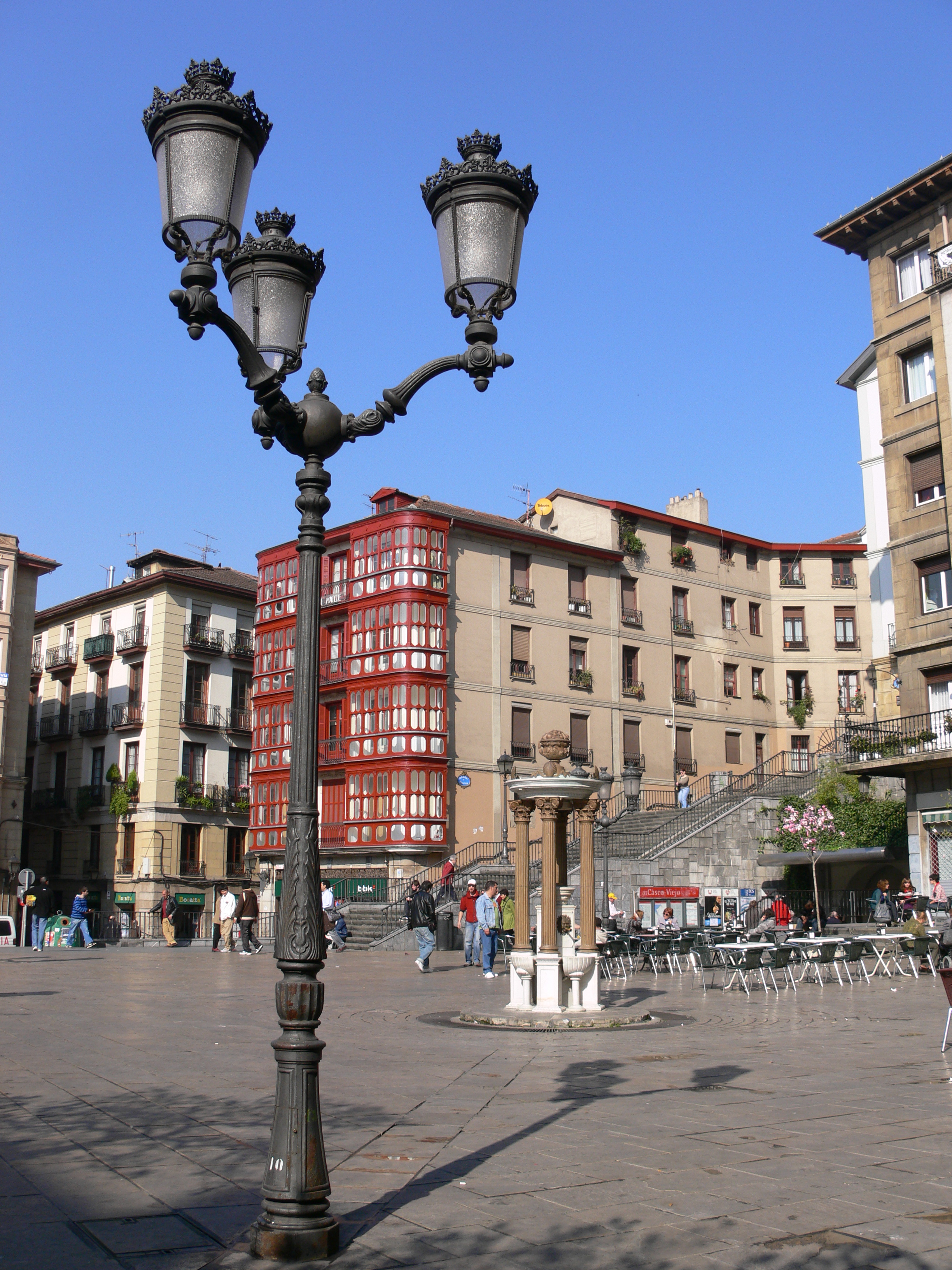
Plaza Miguel de Unamuno
5

Plaza Miguel de Unamuno

5 min

A lively square in the upper Old Town named for Bilbao-born philosopher and writer Miguel de Unamuno, sitting at the foot of the Begoña hill. It is both a neighbourhood gathering point and the threshold where the flat medieval grid ends and the climb up the Mallona stairs to the basilica begins.
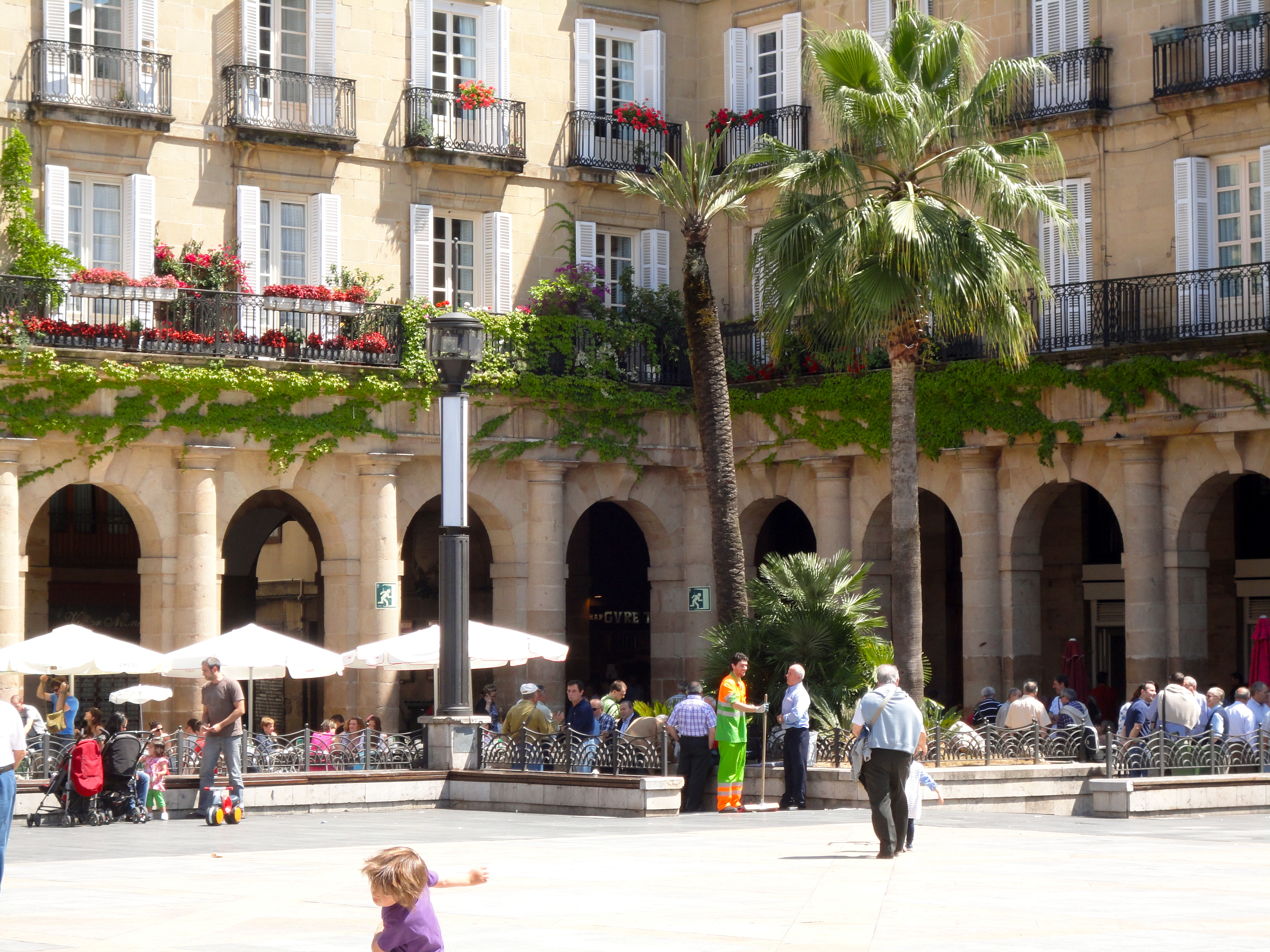
Plaza Nueva
6

Plaza Nueva

5 min

Plaza Nueva is Bilbao's grand arcaded square, completed in 1851, that serves as the epicentre of the city's pintxo scene and the home of Euskaltzaindia, the Basque language academy. By day it hosts a Sunday flea market, and by evening it fills with the txikiteo crowd hopping from bar to bar.
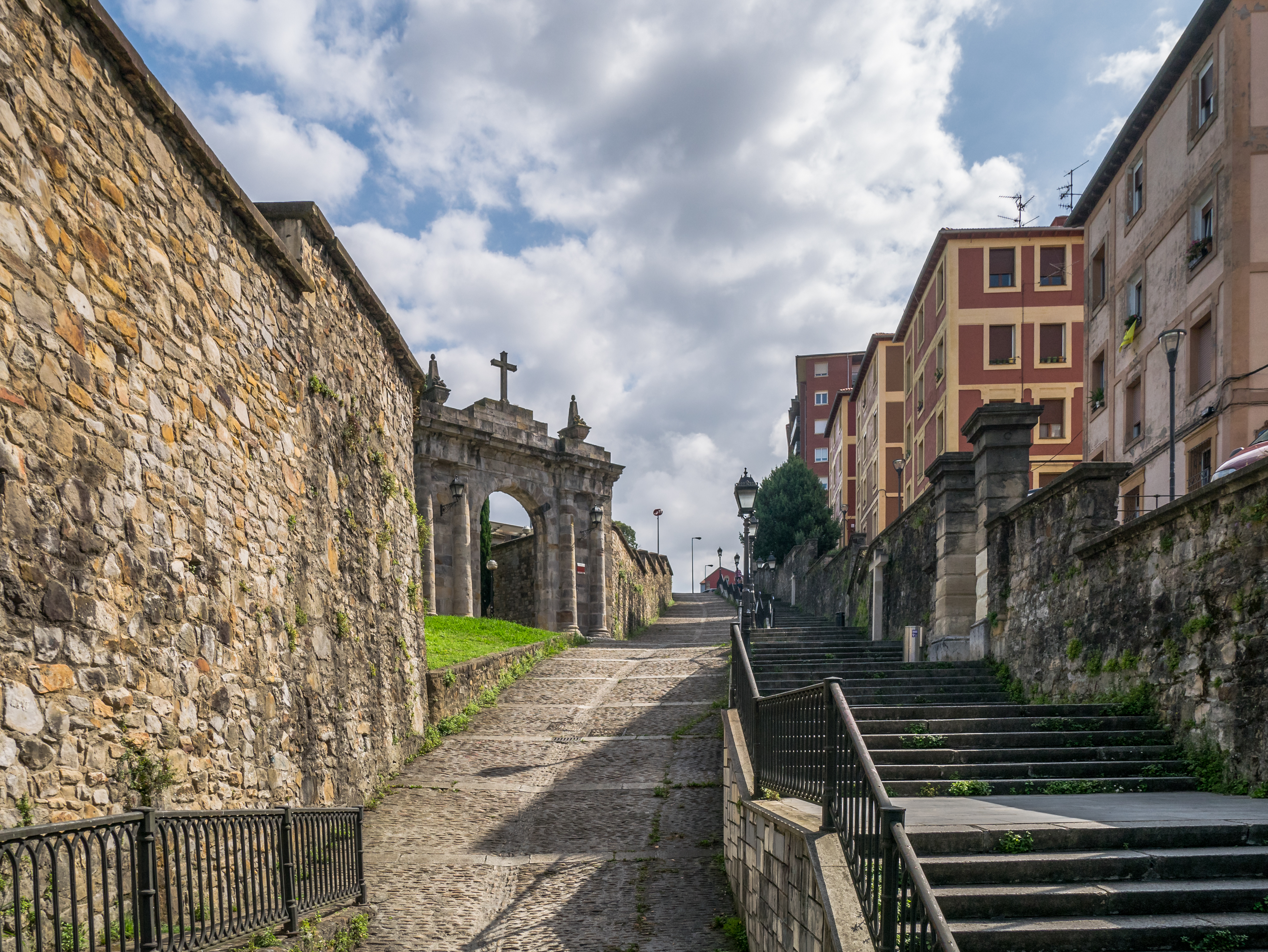
Calzadas de Mallona
7

Calzadas de Mallona

5 min

The Calzadas de Mallona are a monumental stone stairway of more than 300 steps climbing from Plaza Unamuno up the hillside toward the Basilica of Begoña, built over the site of the old town cemetery. It is a free, dramatic ascent that most visitors never make, and the point where the tour leaves the belly of the city for its soul on the hill.
Parque Etxebarria
8

Parque Etxebarria

5 min

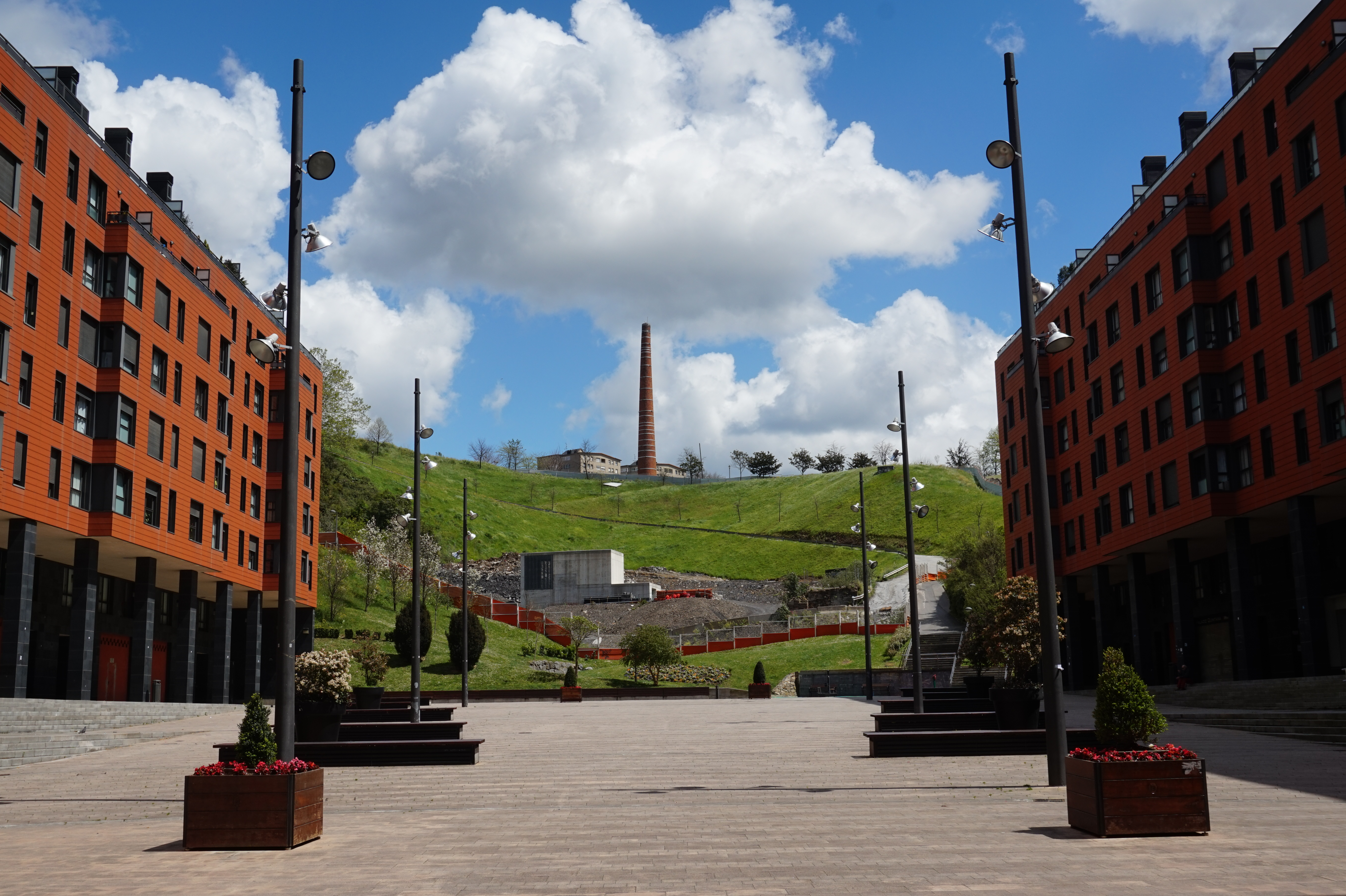
A hilltop park laid out on the site of a demolished steelworks, where a lone brick chimney is preserved as industrial memory and a wide terrace opens the best free view back over the Old Town you just climbed.
Basílica de Begoña
9

Basílica de Begoña

5 min

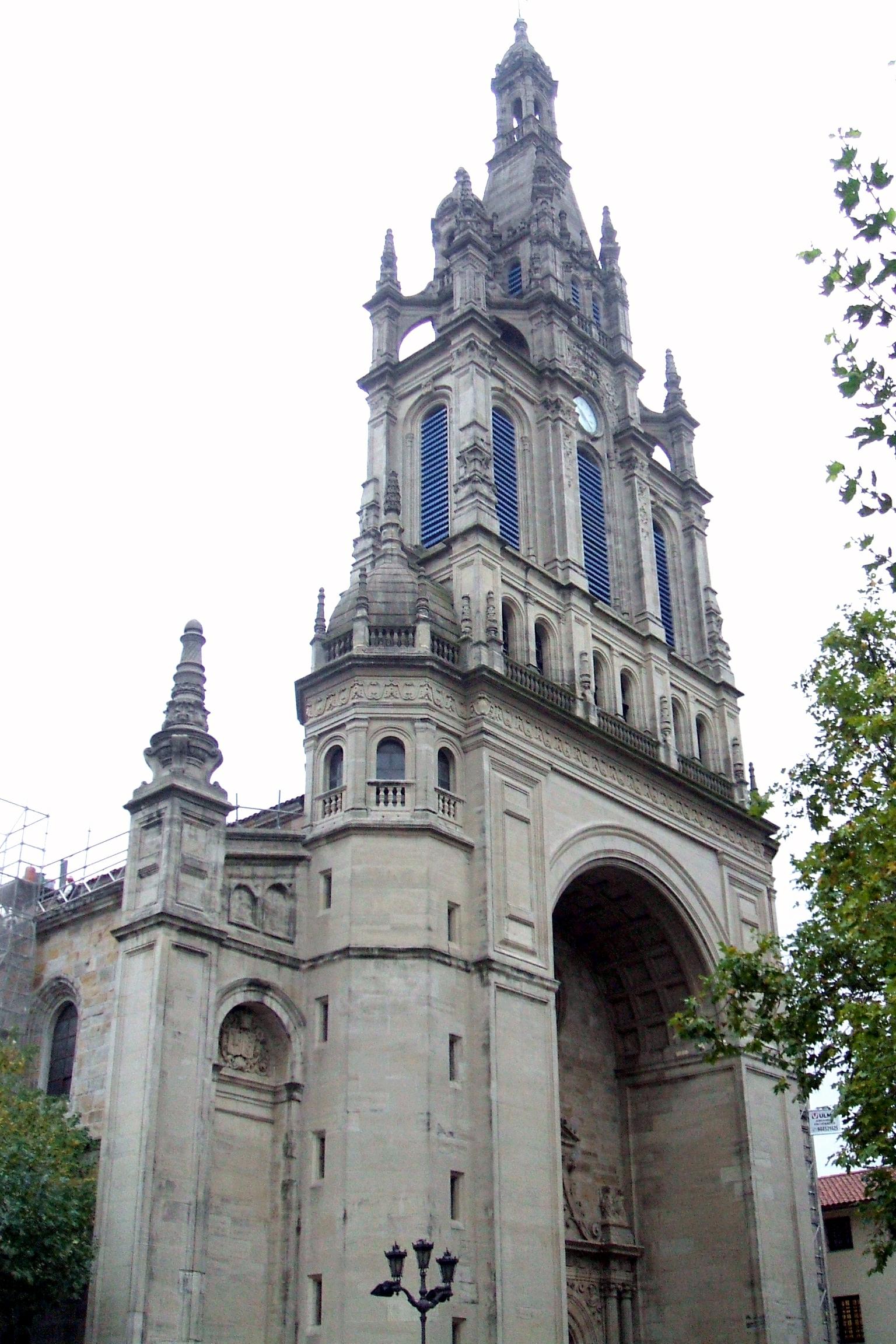
The hilltop Gothic basilica of La Amatxu (begun 1511), patron saint of Biscay, whose Basque name from the legendary cry 'Bego oina!' gave the surrounding district of Begoña its name. Reached by the climb up from the Old Town, it is the spiritual summit of Bilbao and the emotional close of the tour.

A Taste of the Tour

This is the real story from one stop on this walk — every stop has one.

Mercado de la Ribera

Welcome to the belly of Bilbao. We're starting here, at the Mercado de la Ribera, because before this city was faith, before it was Basque pride, before any of the grand stone churches we'll visit — it was hunger, and the market that fed it. Stand here for a second and just take it in. The long, low building stretching along the river like a docked ocean liner, the smell of the estuary mixing with fish and coffee and cured ham drifting out of the doors. This is where the everyday life of the Old Town beats loudest, and it has done so for a very, very long time. Here's the thing that catches most first-time visitors off guard. This isn't just an old market — it sits on a spot that has sold food since the town was founded. When Bilbao got its founding charter back in 1300, a market was already trading right here on the riverbank. So for more than seven centuries, roughly forty generations of people, this exact patch of ground beside the water has been where locals came to buy their dinner. The building has changed, the stalls have changed, the fish have (mostly) changed — but the habit hasn't. That's the thread I want you to carry with you all morning: the Old Town of Bilbao, the famous Seven Streets we're about to walk into, is not a museum. It's a living, breathing, eating neighbourhood, and this market is proof of it. Now look up at the building itself, because it's a beauty. What you're seeing went up in 1929, and it's pure Art Deco — those clean geometric lines, the ship-like curves, the wonderful stained glass. The architect leaned right into the riverside setting and made it look like a great vessel moored at the quay. For years it held a record as one of the largest covered markets in all of Europe, an enormous cathedral to food. And that word, cathedral, is deliberate — because today we're going to climb from the belly of Bilbao to its soul, and it feels right to begin in the place that nourishes the body before we go looking for the places that nourish the spirit. Let me tell you how the market works, because it's split into two worlds. Head upstairs and you're in the traditional market — the working stalls where the fishmongers and butchers and greengrocers still trade, where local abuelas come with their trolleys and argue about the price of hake, where the fish counters glisten with the day's catch straight from the Cantabrian Sea. This is the real thing, still doing the job it was built for. Then come down to the lower level and everything shifts. Down here is the gastronomic plaza — a buzzing, modern hall of pintxo bars and stalls where you eat rather than shop. Txakoli, the crisp, slightly fizzy Basque white wine, gets poured for you from a height to give it some air. Little skewers of anchovy, olive and pickled pepper — the gilda, named, cheekily, after Rita Hayworth's film character because it was considered "green, salty and a little bit spicy." Try one. This is Bilbao saying hello. And that brings me to a first, gentle lesson in pintxo etiquette, because you'll want it later. Pintxos aren't a sit-down meal. The Basque way is to stand, order a drink and one or two pintxos, eat them at the bar, and then move on to the next place. Five bars, fifteen minutes each — that's a proper evening. Don't plant yourself at a table and expect it all to come to you. The whole point is the movement, the crowd, the crawl from counter to counter. Here it even has a name, the txikiteo or poteo, the ritual little wander from bar to bar with a small glass in hand. Keep that in your back pocket, because later in the tour I'm going to take you to Plaza Nueva — the other great temple of pintxos in this Old Town, a grand arcaded square where the bars are lined up shoulder to shoulder. This market is one shrine to Bilbao's edible soul; Plaza Nueva is the other. We'll get there. While you're standing here, cast your eye just up the river to that lovely Gothic church almost leaning over the water — that's San Antón, and it's woven right into the city's identity; the church and its old bridge actually appear on Bilbao's coat of arms. Market and church, side by side on the riverbank, food and faith within a stone's throw of each other. That's not a coincidence, it's the whole story of this neighbourhood in a single view: the sacred and the delicious, always sharing the same streets. So here's where we're heading. Think of today as a climb, from the belly to the soul. We begin right here, in the market and the pintxo streets — the living, everyday, delicious Old Town. From here we'll step into the medieval bones of the place: the cathedral, and the original Seven Streets that gave this quarter its name. Then we go deeper, into the Basque layer — the museum, the squares, the very place where the Basque language is guarded and taught. And then, quite literally, we rise: up a long flight of stairs, into a hilltop park where an old steelworks chimney ties this hill back to Bilbao's iron-and-fire industrial story, and finally to the basilica of the Amatxu, the "little mother" who watches over the whole city from the top. Belly to soul. Let's begin. Finish that last bite, and follow me out toward the cathedral.

More Tours in Bilbao

Nearby Cities

Back to Bilbao Tours

Cookie Consent

We use cookies to analyse site traffic and improve your experience. You can choose to accept or reject analytics cookies. Learn more