Bilbao · Spain
Les Sept Rues : Cœur médiéval et âme basque
Bilbao, Spain
Montez du ventre vers l'âme de la vieille ville de Bilbao. En commençant par le marché de la Ribera, de style Art Déco, et les bars à pintxos des sept rues médiévales, cette balade serpente à travers la cathédrale gothique et le Musée basque, avant de gravir les marches de Mallona jusqu'à la basilique de Begoña, située sur la colline et dédiée à la sainte patronne de la ville. C'est une visite qui raconte comment un réseau de rues en pierre vieux de 700 ans continue de manger, de prier et de parler basque.
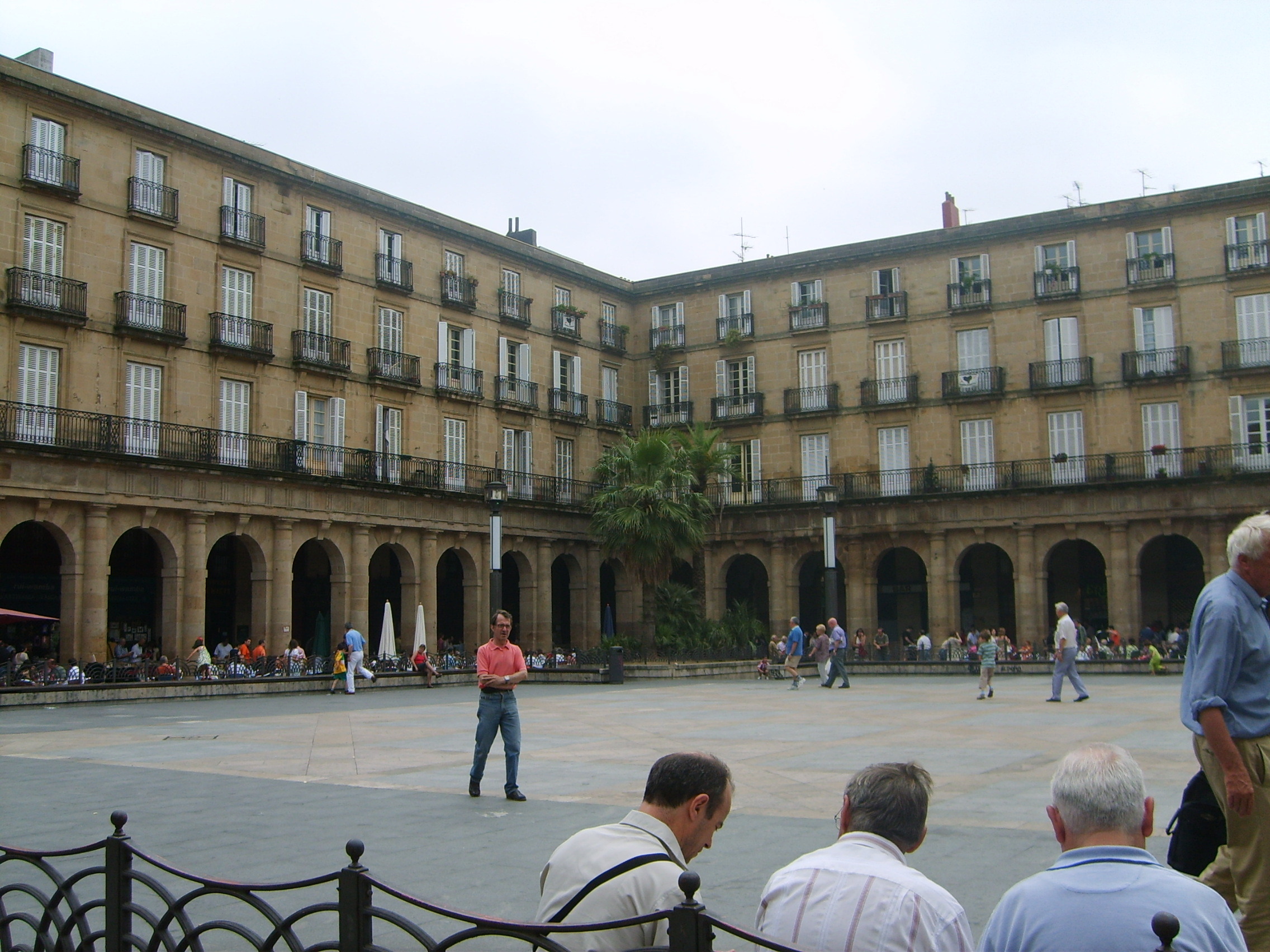
Le Mercado de la Ribera et la culture des pintxos et du txikiteo dans les Sept Rues La Plaza Nueva, la place à arcades qui est le temple des pintxos de Bilbao et le siège de l'Académie de la langue basque La cathédrale gothique de Santiago, étape sur le Camino del Norte L'ascension des 300 marches des Calzadas de Mallona vers la colline de Begoña La basilique de Begoña, sanctuaire perché de « La Amatxu », sainte patronne de Biscaye
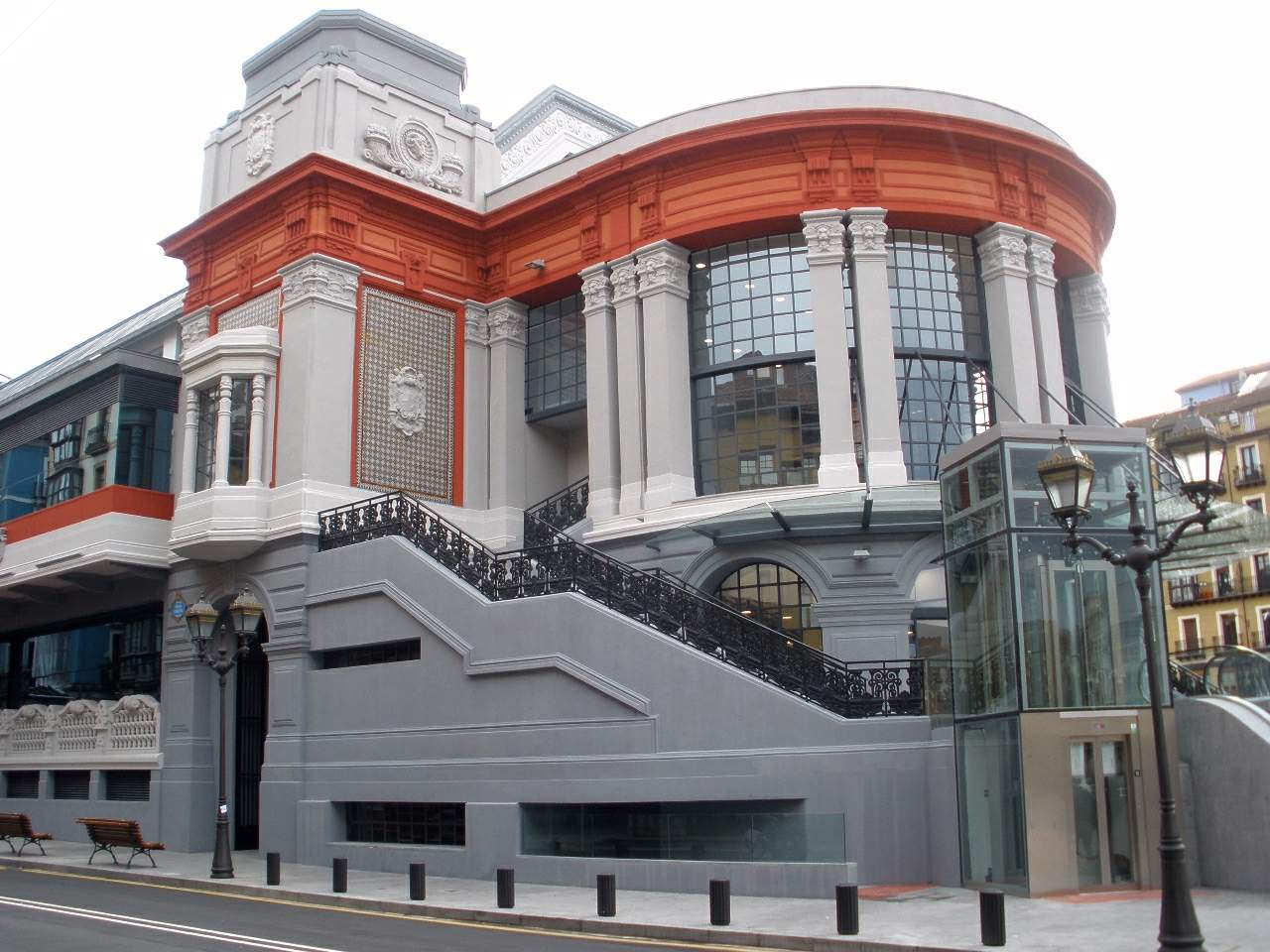
Ce marché Art Déco au bord de la rivière, construit en 1929, se dresse à un emplacement où l'on vend de la nourriture depuis la charte fondatrice de Bilbao en 1300 ; il fut autrefois l'un des plus grands marchés couverts d'Europe. Aujourd'hui, il se divise entre les étals de poissons, viandes et produits frais à l'étage et une place gastronomique animée consacrée aux pintxos en bas.
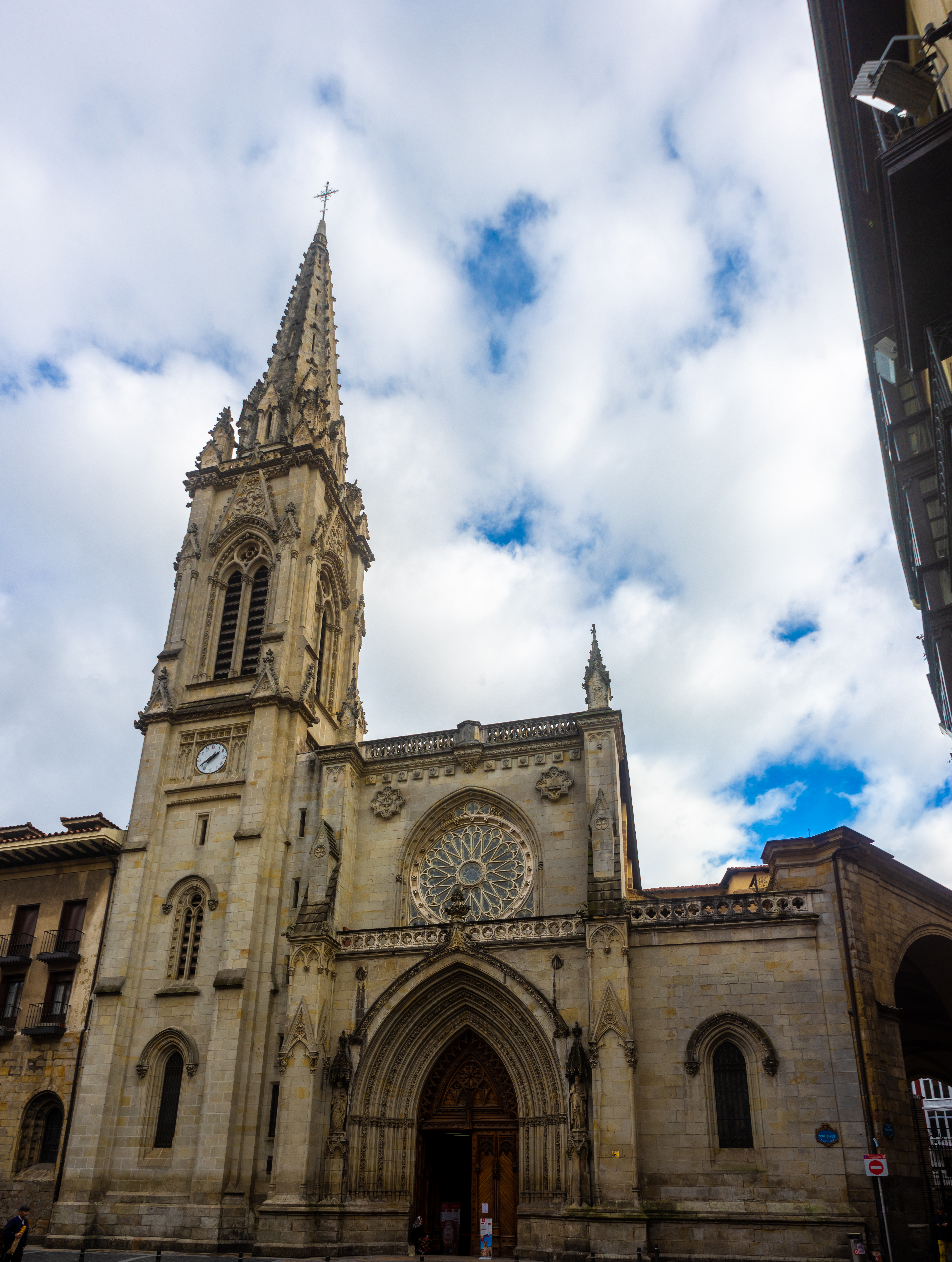
La cathédrale gothique de Santiago de Bilbao, commencée vers 1397, est le plus ancien bâtiment important de la ville et une étape sur le Camino del Norte, où les pèlerins médiévaux en route pour Saint-Jacques-de-Compostelle soutenaient autrefois l'économie locale. Cherchez les coquilles Saint-Jacques sculptées dans la pierre, emblème séculaire de saint Jacques qui guide encore les voyageurs aujourd'hui.
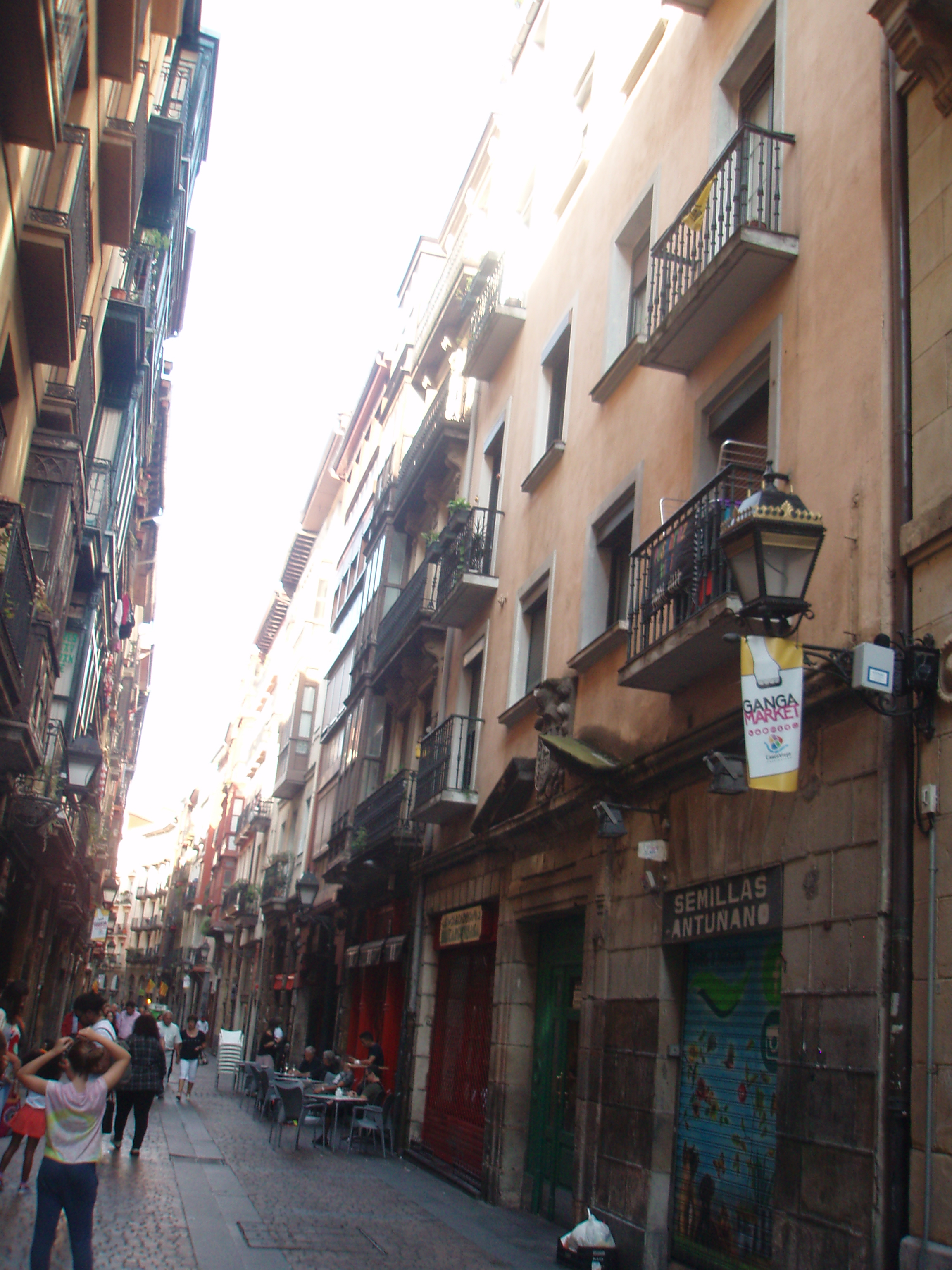
La Calle Somera est la première des rues médiévales originales de Bilbao, faisant partie de Las Siete Calles (« Les Sept Rues ») qui constituaient toute la ville après sa fondation en 1300. Autrefois Bilbao dans son intégralité, ces ruelles sont aujourd'hui bordées de bars à pintxos animés.
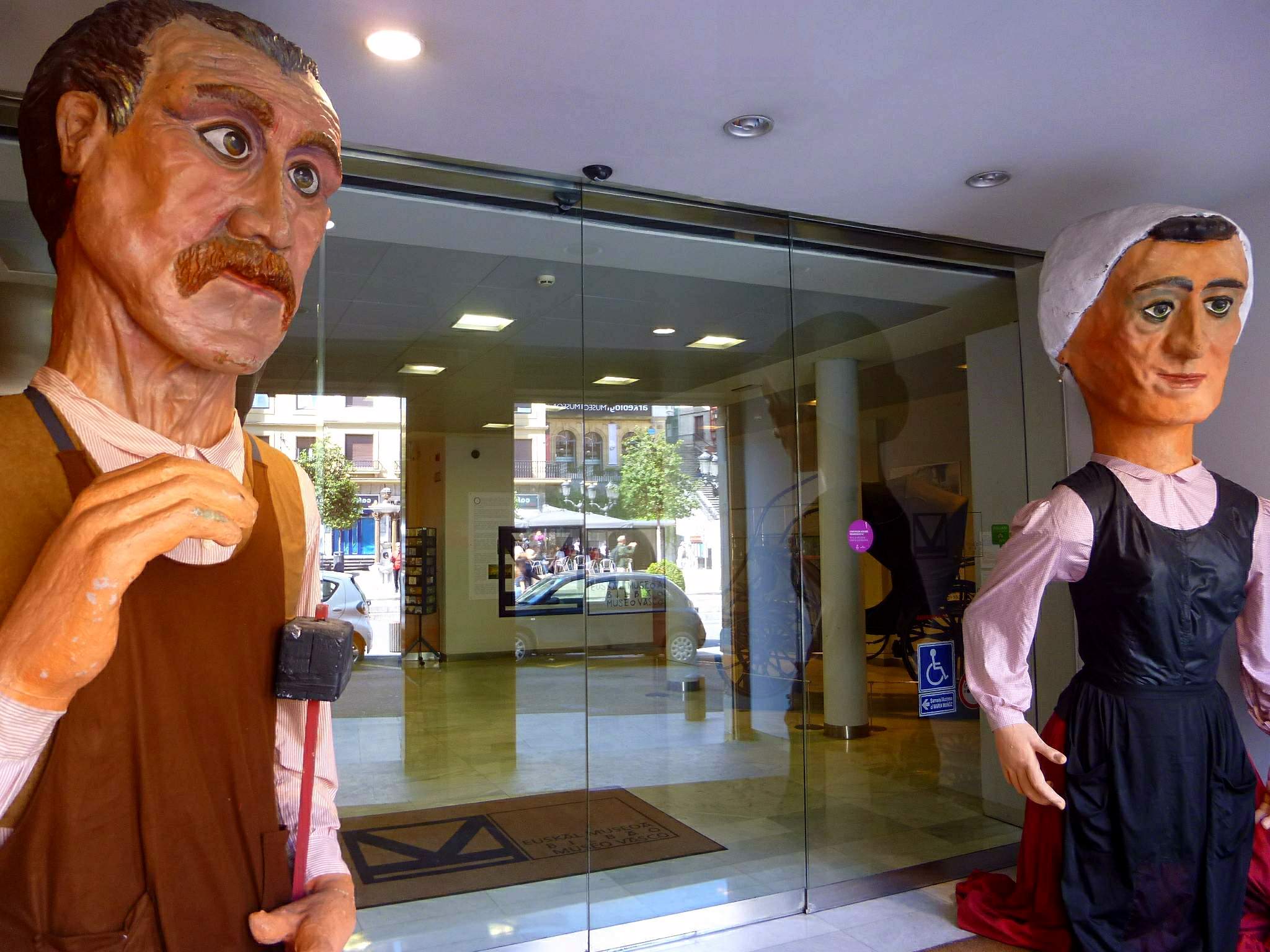
L'Euskal Museoa, musée archéologique et ethnographique de Bilbao, occupe le cloître baroque de l'ancien collège jésuite de San Andrés et abrite le Mikeldi, une idole animale en pierre de l'âge du fer qui précède la ville médiévale.
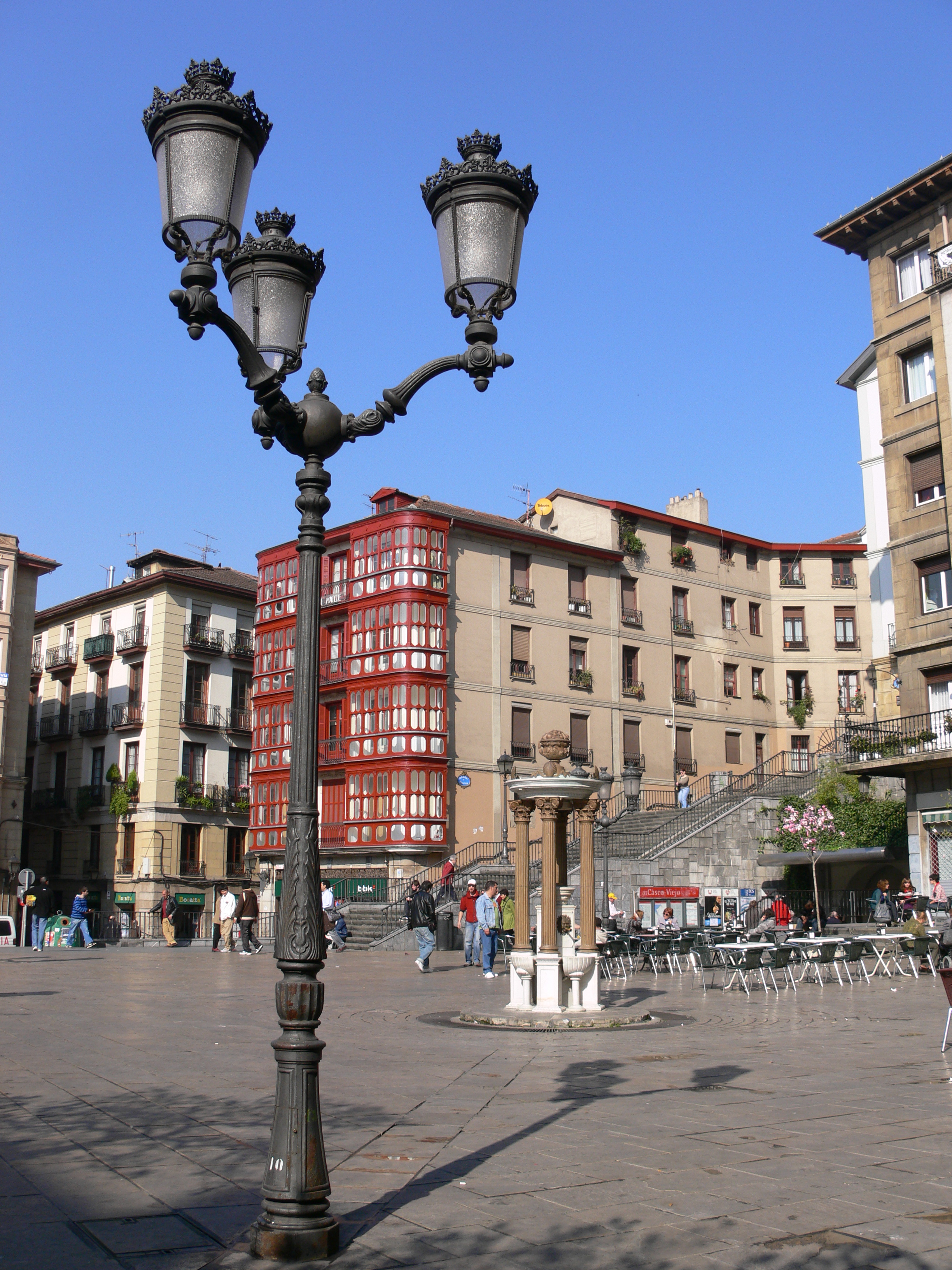
Une place animée dans le haut de la vieille ville, nommée d'après le philosophe et écrivain natif de Bilbao Miguel de Unamuno, située au pied de la colline de Begoña. C'est à la fois un point de rassemblement du quartier et le seuil où se termine le réseau médiéval plat et où commence l'ascension des escaliers de Mallona jusqu'à la basilique.
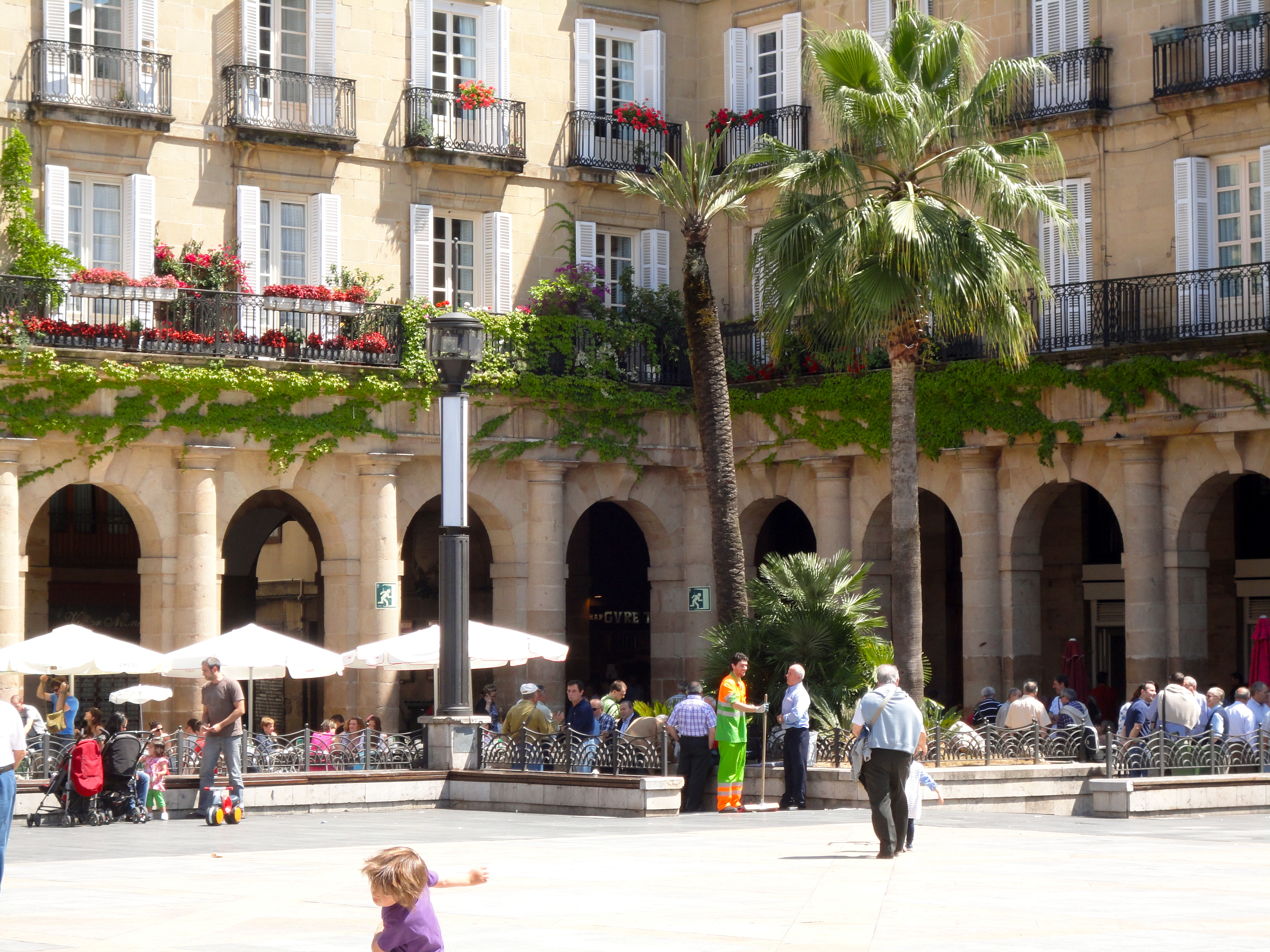
La Plaza Nueva est la grande place à arcades de Bilbao, achevée en 1851, qui sert d'épicentre à la scène des pintxos de la ville et abrite l'Euskaltzaindia, l'académie de la langue basque. Le jour, elle accueille un marché aux puces le dimanche, et le soir, elle se remplit d'une foule adepte du txikiteo qui saute de bar en bar.
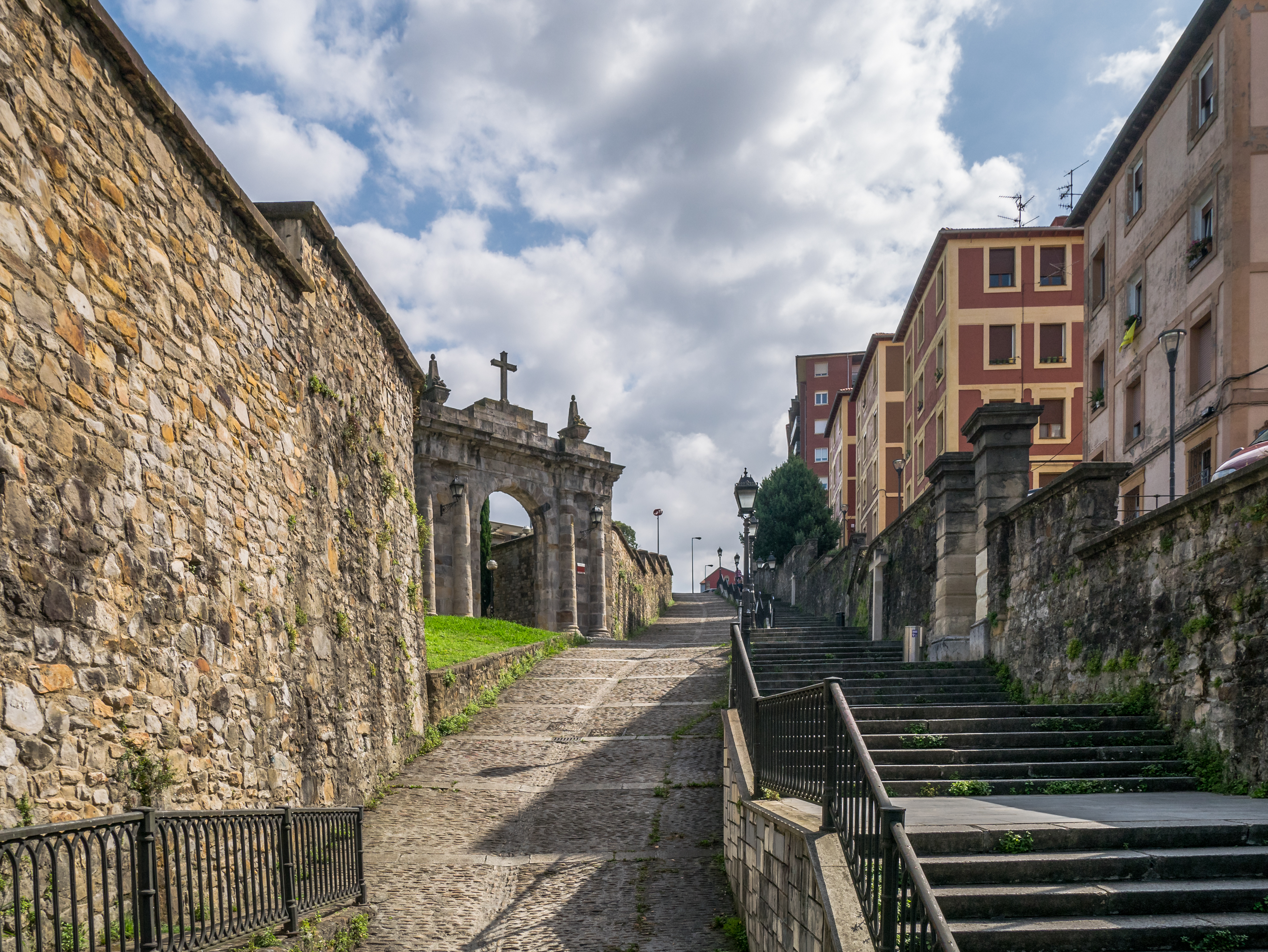
Les Calzadas de Mallona sont un escalier monumental en pierre de plus de 300 marches montant de la Plaza Unamuno vers la basilique de Begoña, construit sur le site de l'ancien cimetière de la ville. C'est une ascension gratuite et spectaculaire que la plupart des visiteurs ne font jamais, et le point où la visite quitte le ventre de la ville pour son âme sur la colline.
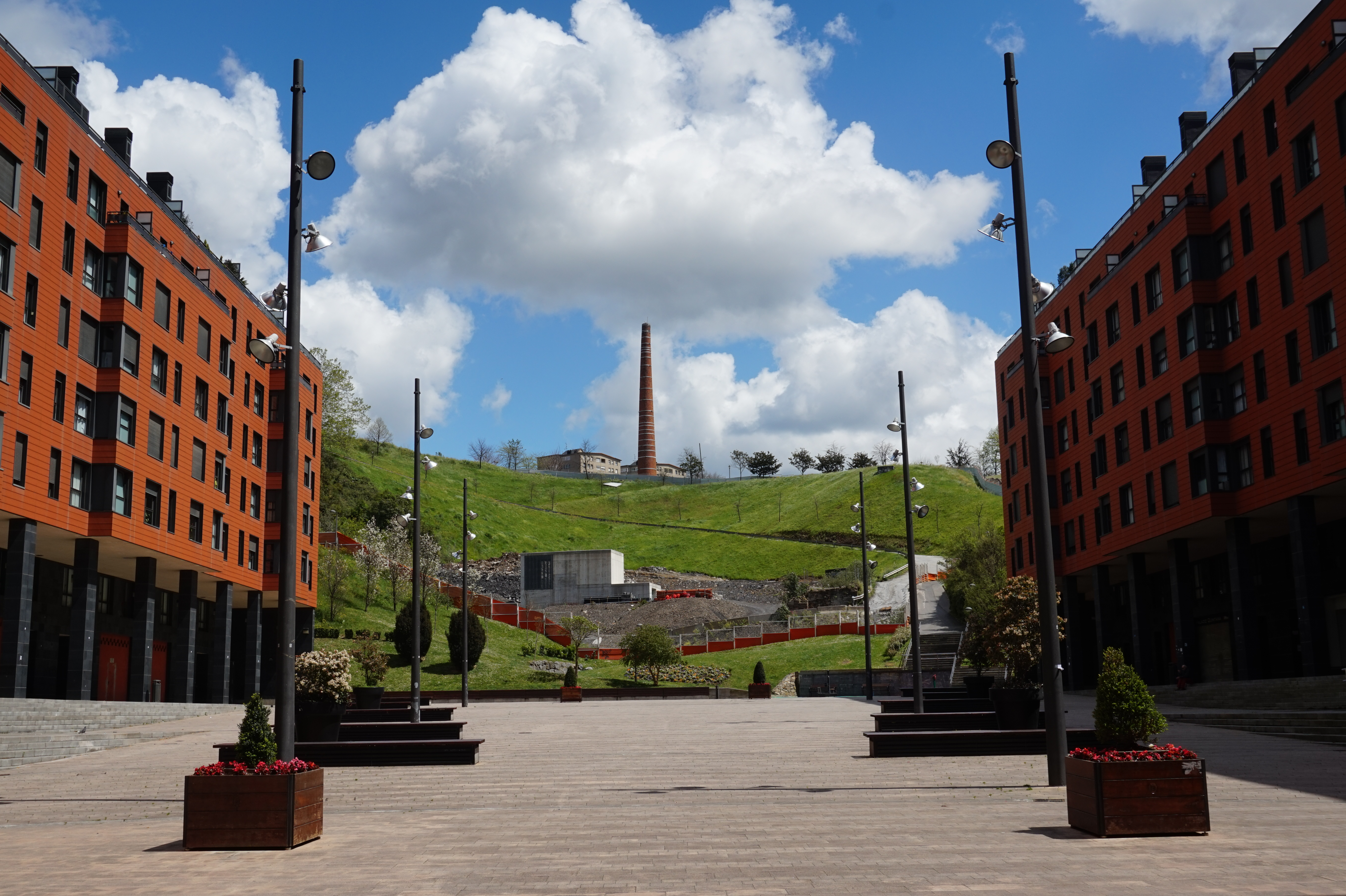
Un parc perché sur le site d'une aciérie démolie, où une cheminée en brique solitaire est préservée comme mémoire industrielle et une large terrasse offre la meilleure vue gratuite sur la vieille ville que vous venez de gravir.
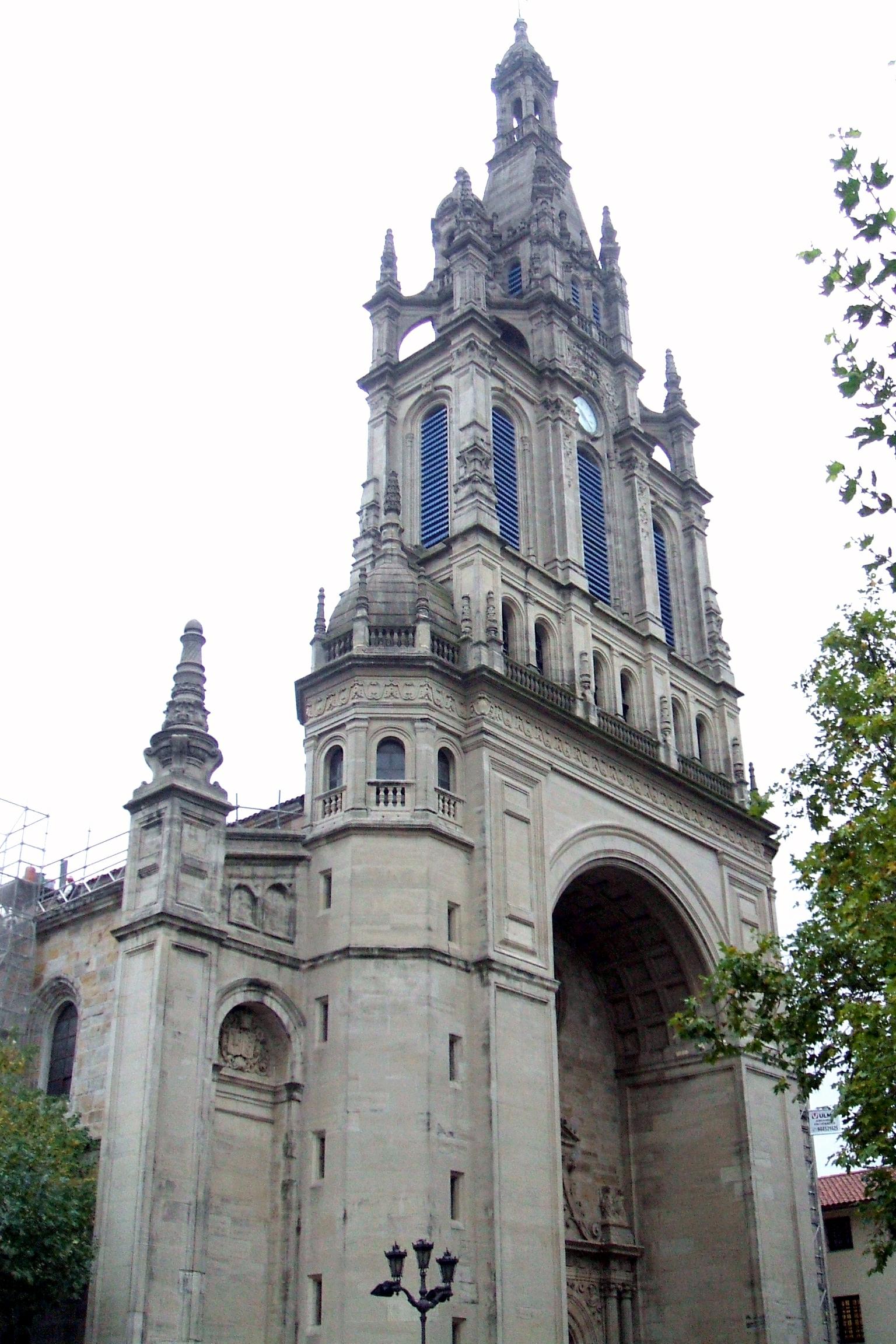
La basilique gothique perchée de La Amatxu (commencée en 1511), sainte patronne de Biscaye, dont le nom basque issu du cri légendaire « Bego oina ! » a donné son nom au district environnant de Begoña. Atteinte par la montée depuis la vieille ville, c'est le sommet spirituel de Bilbao et la conclusion émotionnelle de la visite.
Voici la véritable histoire de l'une des étapes de cette balade — chaque étape a la sienne.
Nous utilisons des cookies pour analyser le trafic du site et améliorer votre expérience. Vous pouvez accepter ou refuser les cookies d'analyse. En savoir plus