From Iron to Titanium: Bilbao's Great Reinvention
Bilbao · Spain

From Iron to Titanium: Bilbao's Great Reinvention

Bilbao, Spain
100
Duration (min)
3.7
Distance (km)
10
Stops
Easy
Difficulty

Description

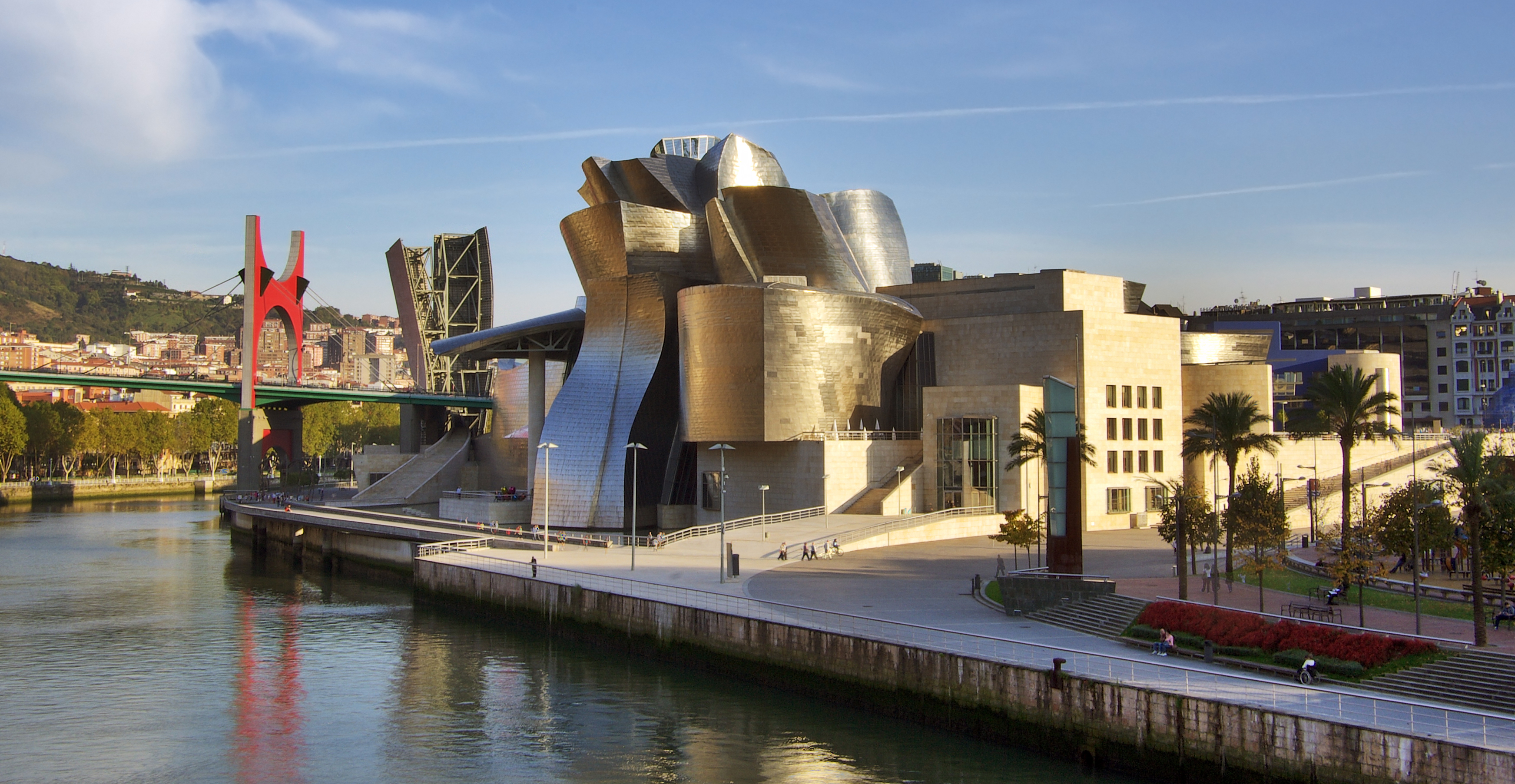
Walk the banks of the Nervión and follow the most dramatic urban comeback in Europe: a medieval trading port that grew rich on iron, collapsed into a rusting, jobless ruin, and gambled everything on a titanium museum to reinvent itself. From a 14th-century toll bridge to Frank Gehry's Guggenheim, this riverside route reads Bilbao's fall and rebirth in the buildings themselves.

Highlights

The Iglesia de San Antón and its bridge — the medieval toll crossing on Bilbao's own coat of arms Frank Gehry's titanium Guggenheim and the story of the 'Bilbao Effect' Jeff Koons's flowering Puppy and Louise Bourgeois's giant spider Maman Calatrava's white Zubizuri footbridge over a river once biologically dead Palacio Euskalduna — a concert hall shaped like a ship, raised on the grave of the shipyard that symbolised the city's collapse
Tour Stops

Iglesia de San Antón
1

Iglesia de San Antón

5 min

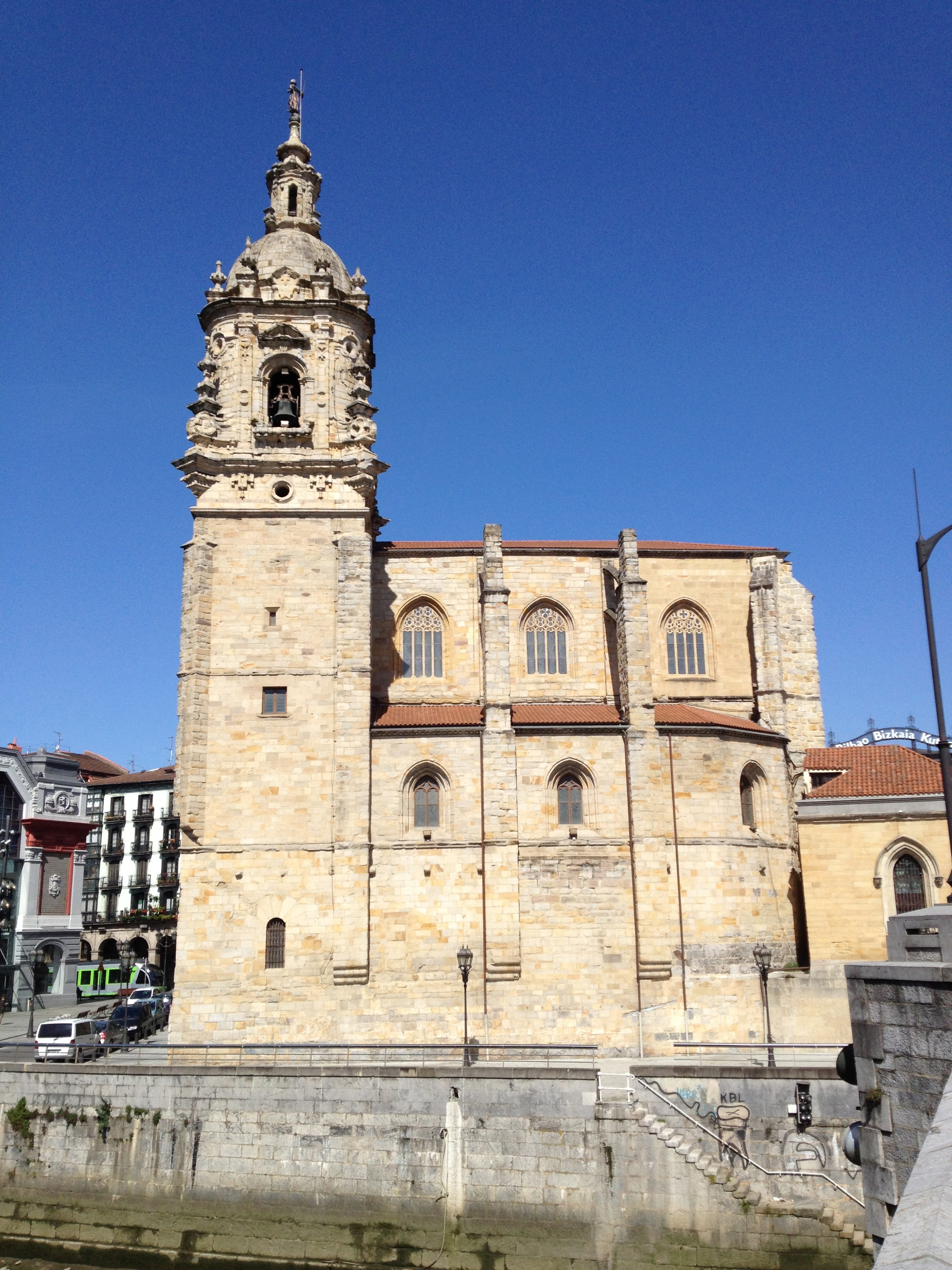
The Iglesia de San Antón is a 15th-century Gothic church beside the San Antón bridge over the Nervión, raised on the site of Bilbao's old fortress. Both the church and the bridge appear on the city's coat of arms.
Teatro Arriaga
2

Teatro Arriaga

5 min

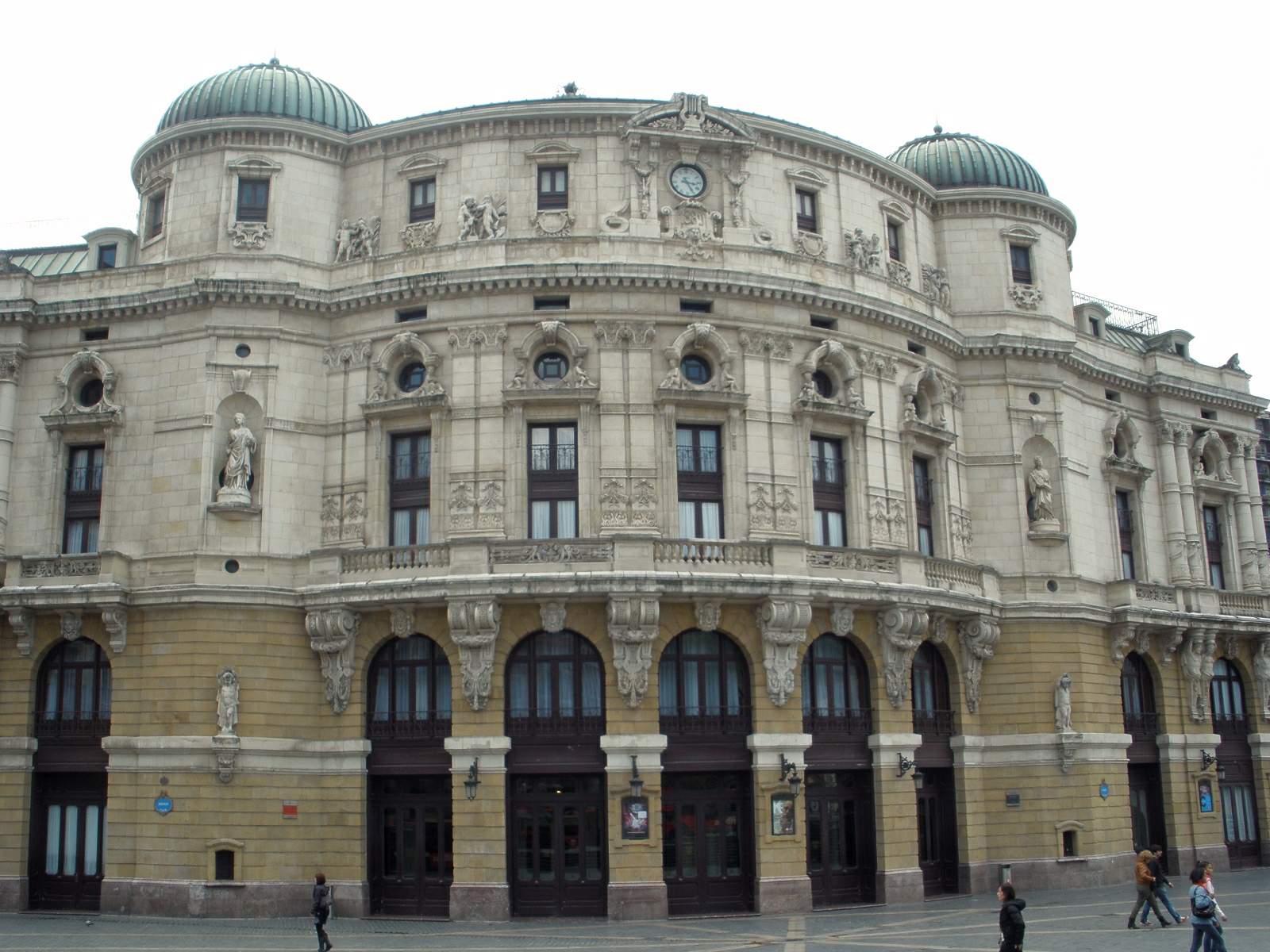
The Teatro Arriaga is Bilbao's ornate neo-baroque opera house, opened in 1890 and modelled on the Paris Opéra. It is named after the Bilbao-born composer Juan Crisóstomo de Arriaga.
Estación de la Concordia
3

Estación de la Concordia

5 min

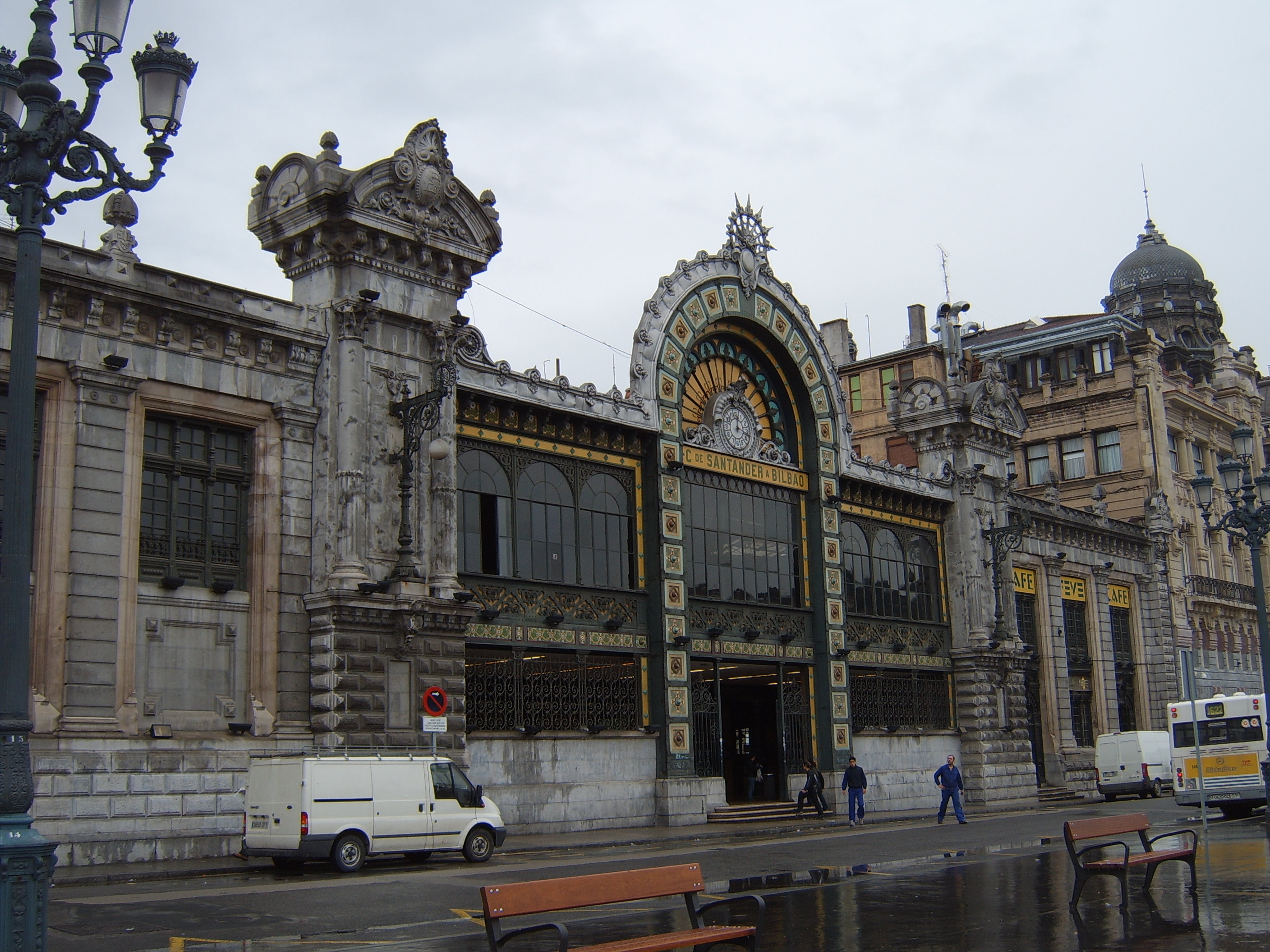
The Estación de la Concordia is a 1902 Art Nouveau railway station on the west bank of the Nervión, designed by Severino Achúcarro. It was built as the terminus of the narrow-gauge line toward Santander.
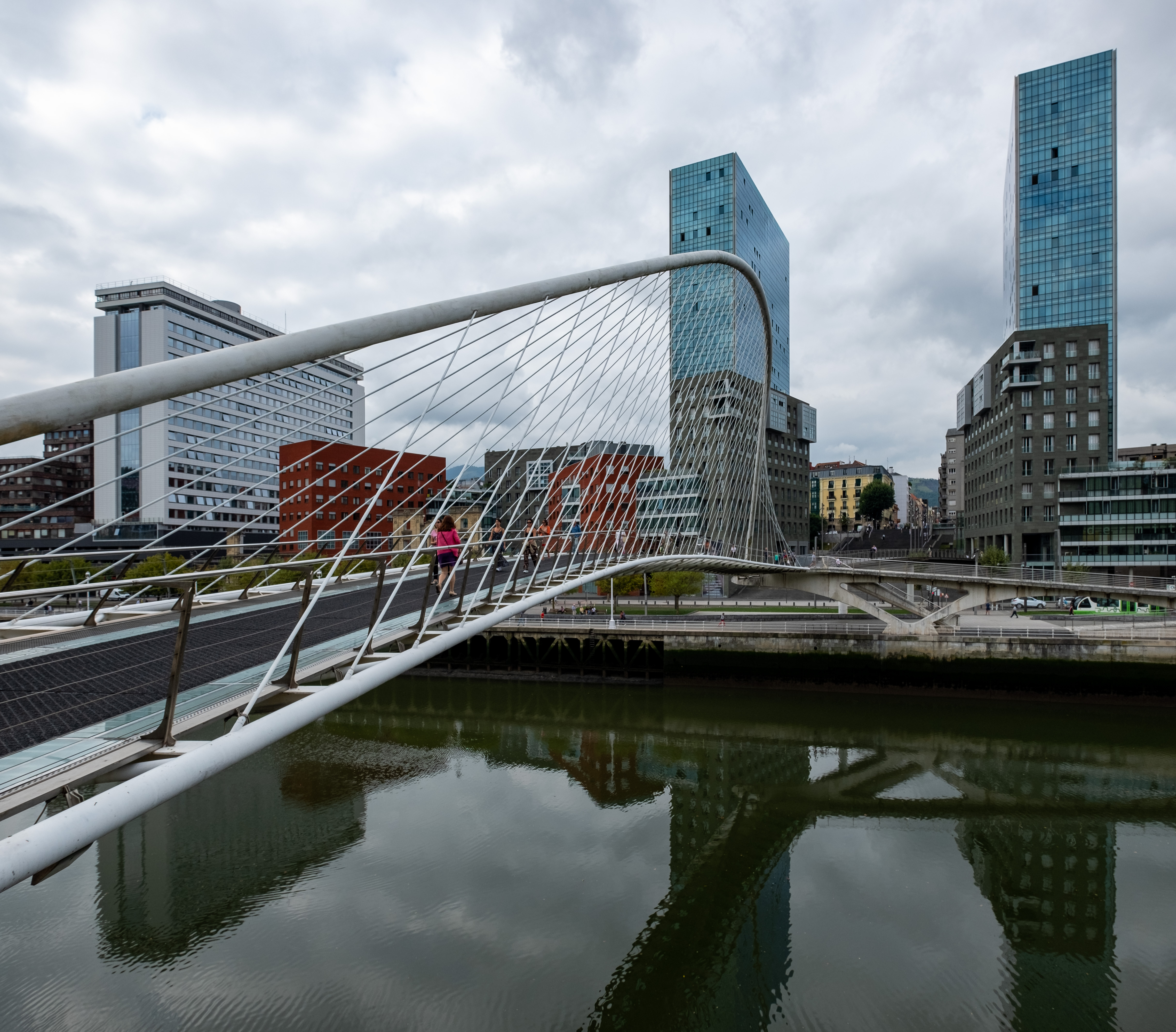
Zubizuri
4

Zubizuri

5 min

The Zubizuri is a 1997 pedestrian bridge by Santiago Calatrava, a curved white steel walkway suspended from an overhead arch. Its name means 'white bridge' in Basque.
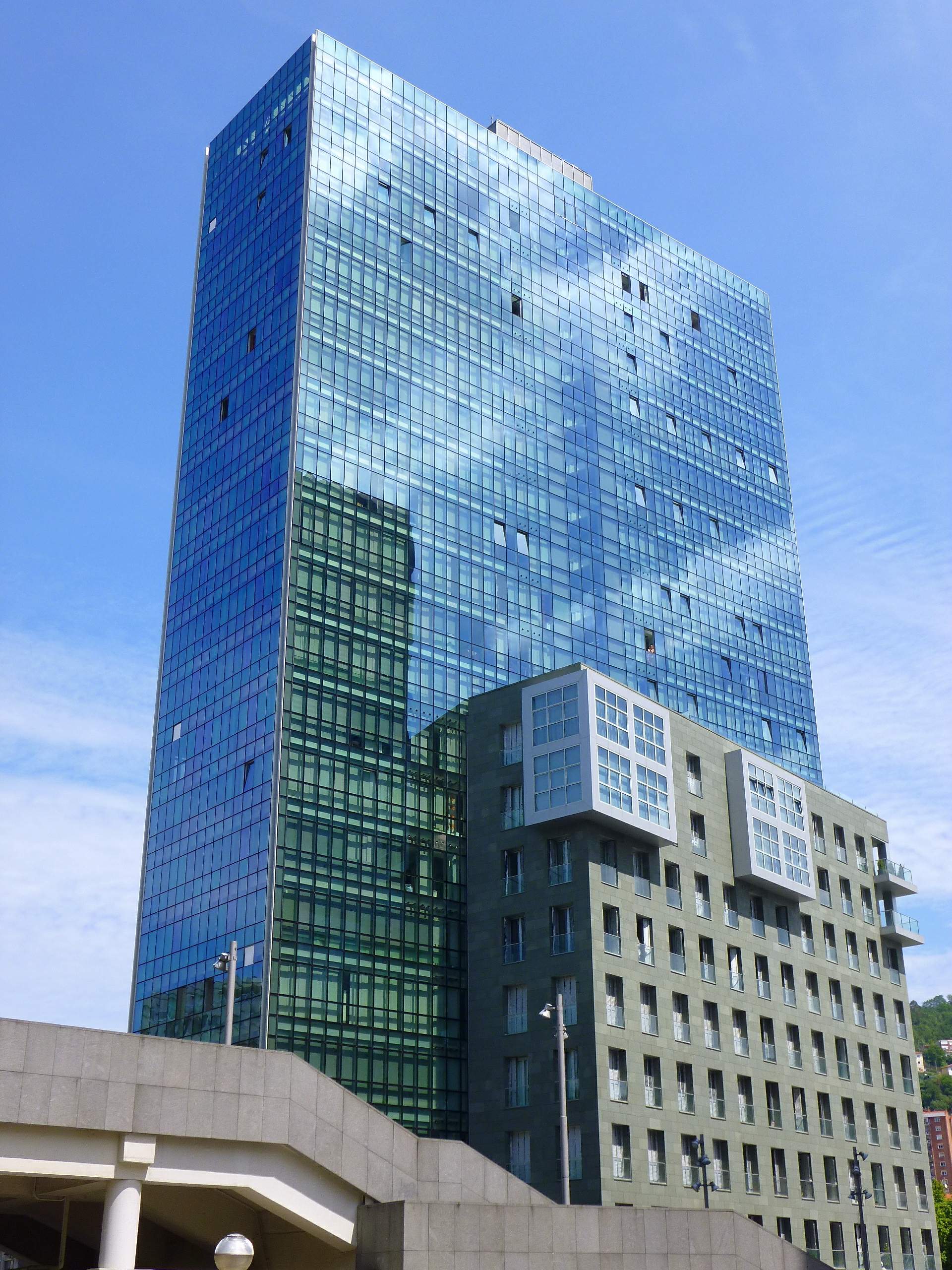
Isozaki Atea
5

Isozaki Atea

5 min

Isozaki Atea is a pair of tall towers designed by Arata Isozaki and completed in 2009 on a former customs-warehouse site. The name means 'Isozaki's gate' in Basque.
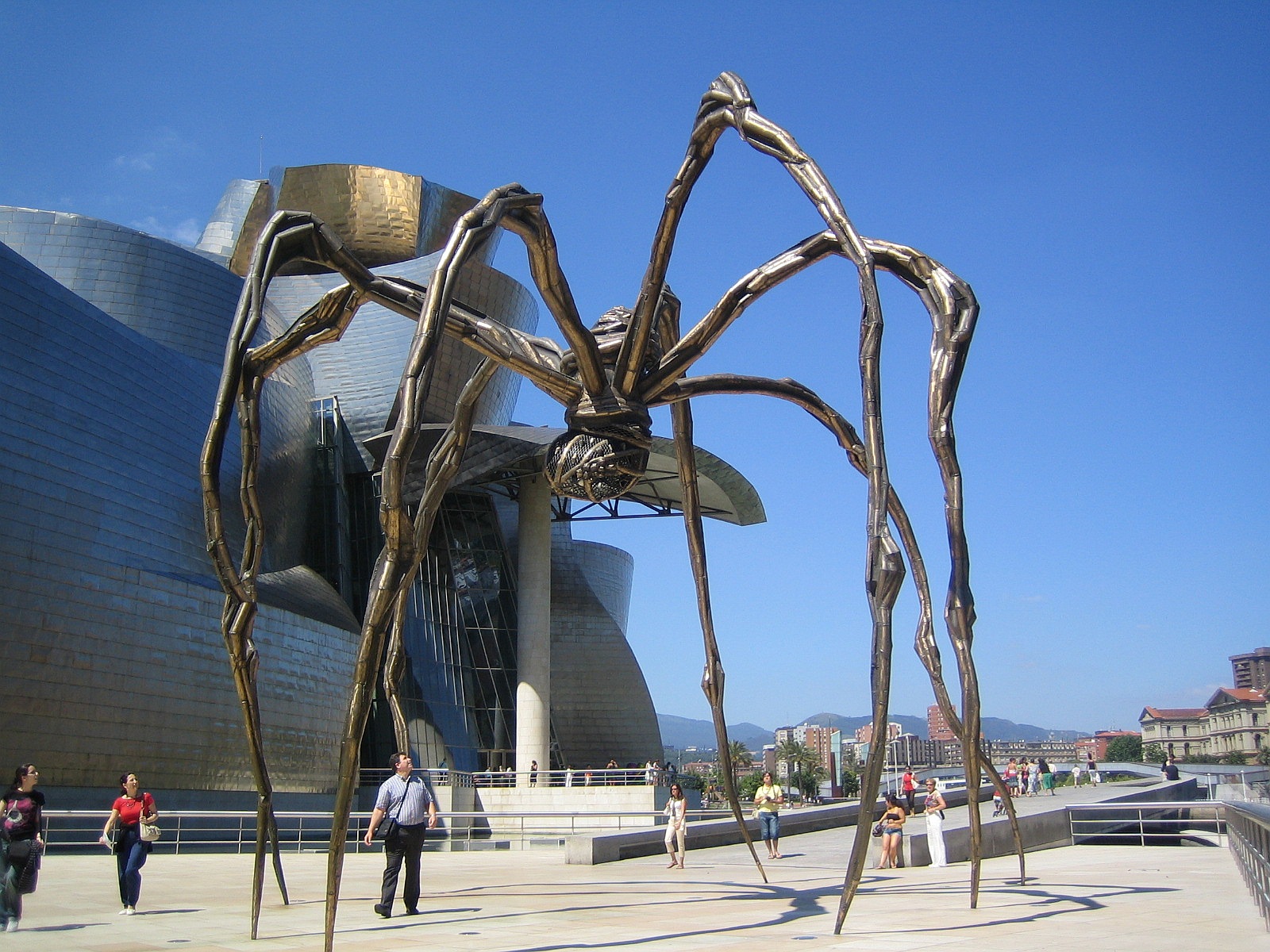
Maman (Louise Bourgeois)
6

Maman (Louise Bourgeois)

5 min

'Maman' is a giant bronze, steel and marble spider by Louise Bourgeois, standing on the river terrace of the Guggenheim. Carrying a sac of marble eggs, it is a tribute to the artist's mother.
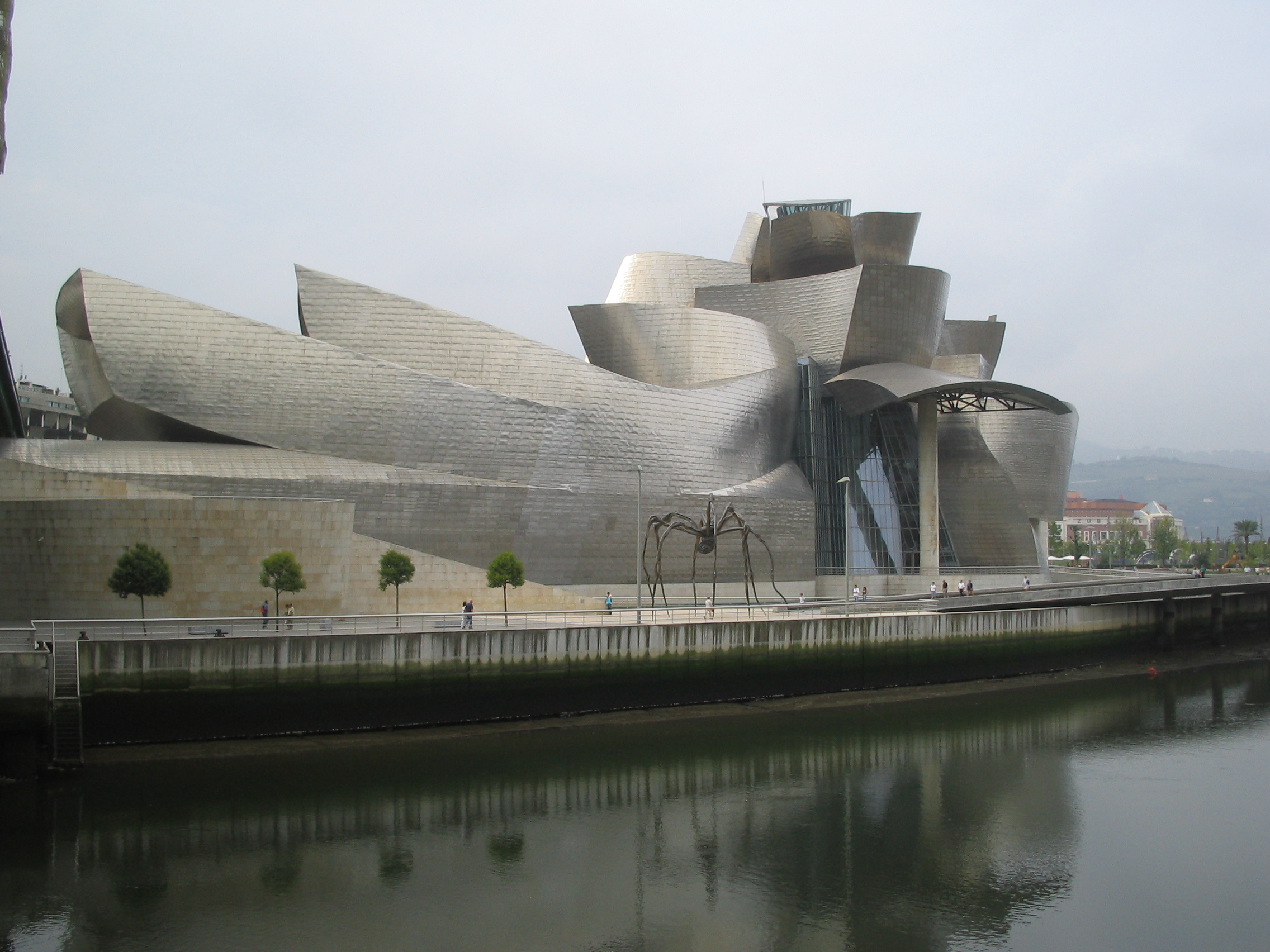
Guggenheim Museum Bilbao
7

Guggenheim Museum Bilbao

5 min

The Guggenheim Museum Bilbao is Frank Gehry's titanium-clad contemporary art museum, opened in 1997. Its success triggered the urban regeneration known worldwide as the 'Bilbao Effect'.
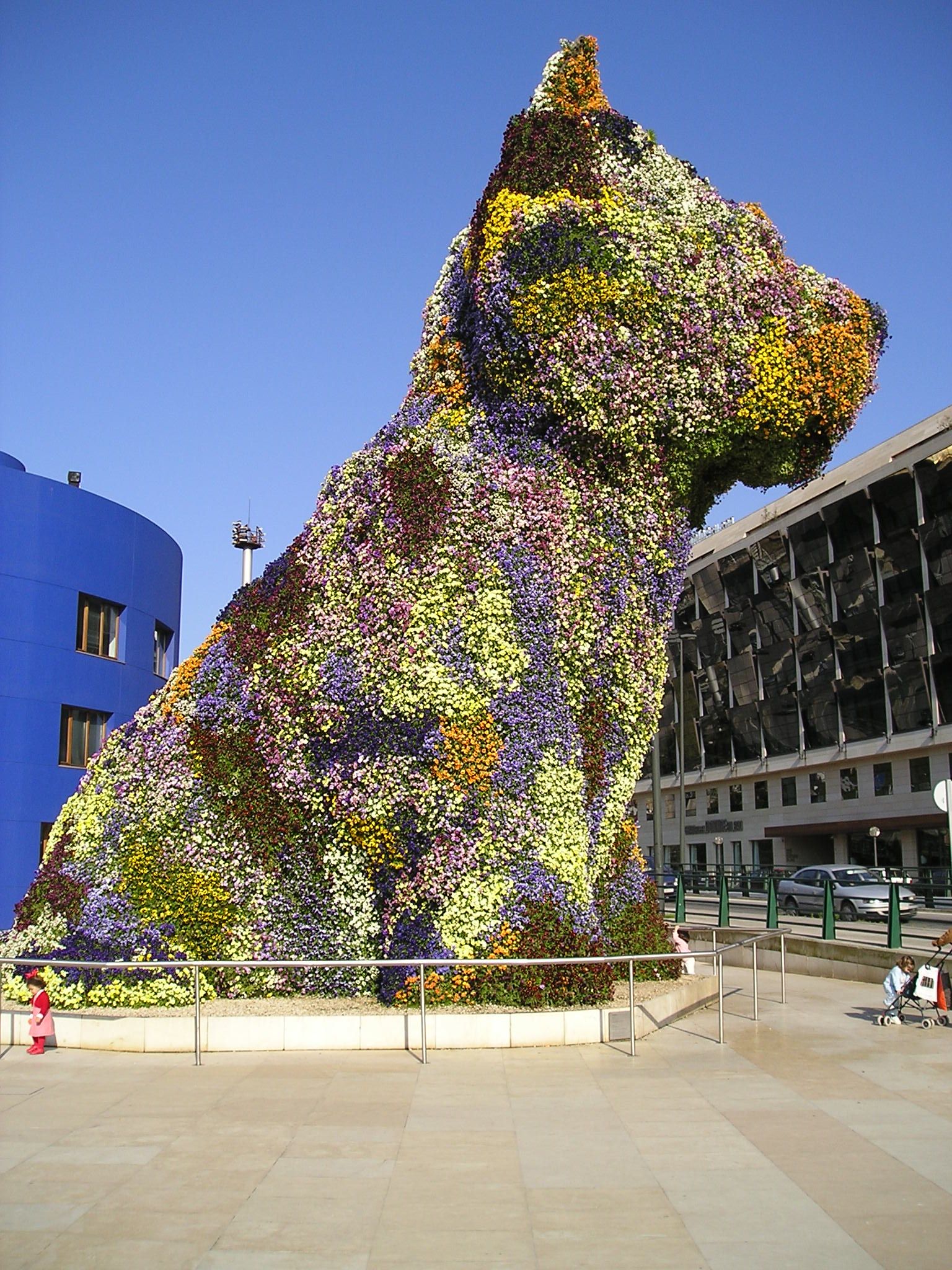
Puppy (Jeff Koons)
8

Puppy (Jeff Koons)

5 min

'Puppy' is a roughly 12-metre topiary sculpture of a West Highland terrier by Jeff Koons, covered in thousands of flowering plants. It guards the city-side entrance of the Guggenheim.
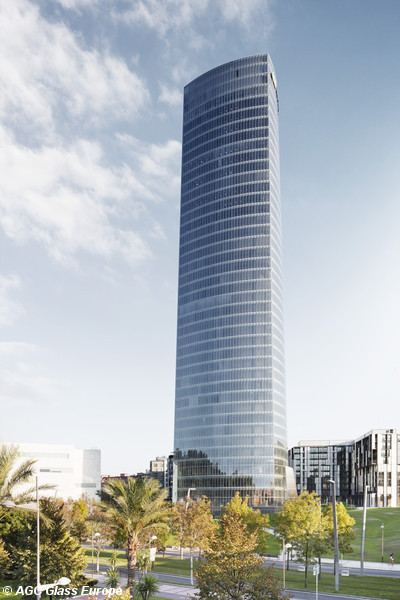
Torre Iberdrola
9

Torre Iberdrola

5 min

The Torre Iberdrola is a 165-metre glass skyscraper designed by César Pelli and completed in 2012. It is the tallest building in the Basque Country.
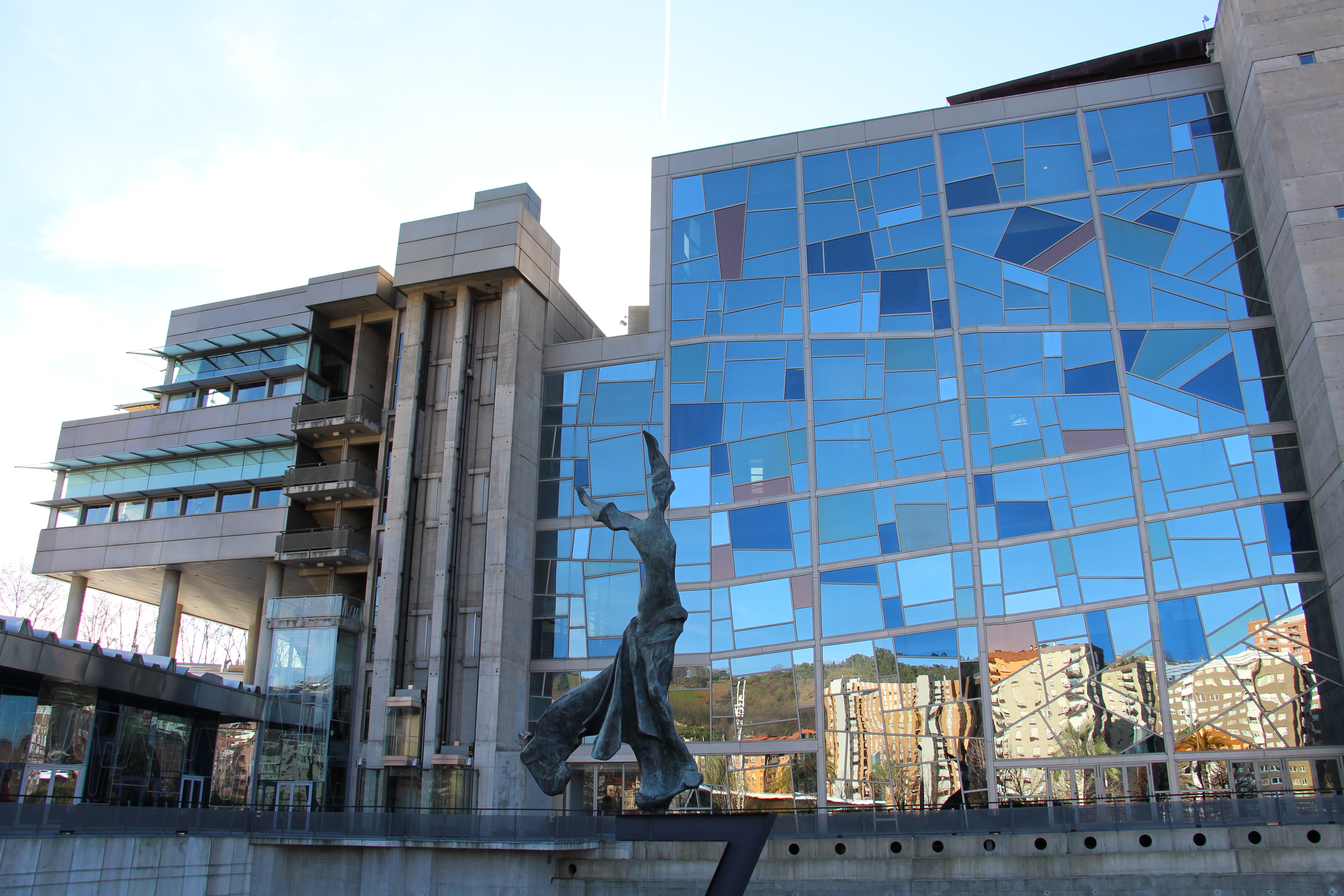
Palacio Euskalduna
10

Palacio Euskalduna

5 min

The Palacio Euskalduna is a conference centre and concert hall opened in 1999, clad in weathering Corten steel to resemble a ship under construction. It stands on the site of the former Euskalduna shipyard.

A Taste of the Tour

This is the real story from one stop on this walk — every stop has one.

Iglesia de San Antón

Welcome to Bilbao, and welcome to the water. Before we take a single step, I want you to look at the river beside us — the Nervión, the Ría, whatever you want to call it. It looks calm and ordinary today, almost tame. Hold onto that impression, because over the next two hours this stretch of water is going to carry us through the whole story of this city: from medieval wool merchants, through the roaring iron and steel that built and then nearly broke us, all the way to the titanium miracle you've probably seen on a postcard. Same river, every era. It's the spine of everything. And we begin here, at the exact spot where Bilbao was born. Turn and look at this church — the Iglesia de San Antón. It doesn't shout for attention the way the shiny things downriver do, but make no mistake, this is the origin. That elegant Renaissance doorway, the squat Baroque bell tower added in the 1770s, the pointed Gothic arches and ribbed vaults inside — all of it sits on top of something older and far more military. Underneath your feet was the alcázar, the old fortress that guarded the town. When the lord Diego López de Haro granted Bilbao its founding charter in the year 1300, this defensive point on the river was the reason the town had a right to exist at all. The fortress eventually gave way to a modest church, and by 1468 that church had grown into the San Antón you're looking at now. So this building has been standing guard over the river, in one form or another, for more than seven centuries. Now, why here? Why did a town spring up on this particular bend? Look just to the side of the church at the bridge — the Puente de San Antón. This is the answer. This was the original crossing of the estuary, the lowest point where you could reasonably span the water. And whoever controls the only bridge controls the trade. That was the whole trick of medieval Bilbao. If you wanted to move wool, iron, or goods between the coast and the Castilian interior, you had to come through here, cross this bridge, and — crucially — pay for the privilege. The town made itself unavoidable. It planted itself right on the trade route like a toll gate and said: everyone passes through Bilbao. That single, cunning act of geography is why we're all standing here today. And the city knew exactly how much it owed this spot. Here's the detail I love: look at Bilbao's coat of arms sometime — you'll see it all over the city, on flags and manhole covers and official buildings. On it, front and center, are two things: this church and this bridge. Not a king, not a saint on horseback, not a lion. A church and a bridge over a river. How many cities put a piece of civil engineering on their emblem? Bilbao did, because Bilbao understood that its whole identity was trade, and trade meant the crossing. The bridge you see now is not the medieval original — the earlier ones were repeatedly smashed and swept away by the river's floods, a foreshadowing of a very dark night we'll talk about later downstream. But the crossing has been rebuilt, again and again, on this same sacred spot, because the city simply could not exist without it. Notice, too, where we are in the fabric of the town. Behind the church spreads the Casco Viejo, the old quarter, the famous "Siete Calles" — the seven original streets that huddled around this church and this market landing. And right beside us is the Ribera Market, one of the largest covered markets in Europe, sitting exactly where boats once unloaded their cargo onto the riverbank. Everything here grew outward from this point, like rings on a tree. Stand still for a moment and picture it: the creak of moored boats, the shouting of merchants, mule carts rattling toward the bridge, the smell of the tidal water. This was the beating commercial heart of a small but shrewd river town. Hold that image — the river as a trade highway — because it's the first act of a story with a real arc. That same water will later run black with the filth of a thousand factories, then catch fire with a steel crisis that put a quarter of this city out of work, and then, astonishingly, be reclaimed and turned into the mirror that reflects a building made of titanium. The river that made this town, right here at San Antón, will one day remake it entirely at the far end of our walk, where a dead shipyard became a concert hall. But that's the payoff, and we've only just begun. For now, keep the church and its bridge in your mind as the seed of everything. Let's follow the water toward our next stop, and watch the town start to grow rich.

More Tours in Bilbao

Nearby Cities

Back to Bilbao Tours

Cookie Consent

We use cookies to analyse site traffic and improve your experience. You can choose to accept or reject analytics cookies. Learn more