Featured
Zumaia · Spain
Zumaia: Of Stone and Sea
Zumaia, Spain
Walk a small Basque coastal town from east to west and travel from human time to deep time. Begin at the painter Ignacio Zuloaga's estate, pass the fisherman-hero Aita Mari and the working port, climb through the medieval fortress-town, and end at the flysch — the wall of tilted cliffs where the sea has laid bare sixty million years of the Earth's history and the very layer that records the death of the dinosaurs.
Espacio Zuloaga — El Greco, Goya and Rodin kept in a small fishing town The Iglesia de San Pedro, a Gothic fortress-church built against pirates The San Telmo hermitage on the cliff — Game of Thrones' 'Dragonstone' The flysch of Itzurun: sixty million years of strata in a single cliff face Algorri and the K-Pg boundary — the day the dinosaurs died, in the rock at your feet
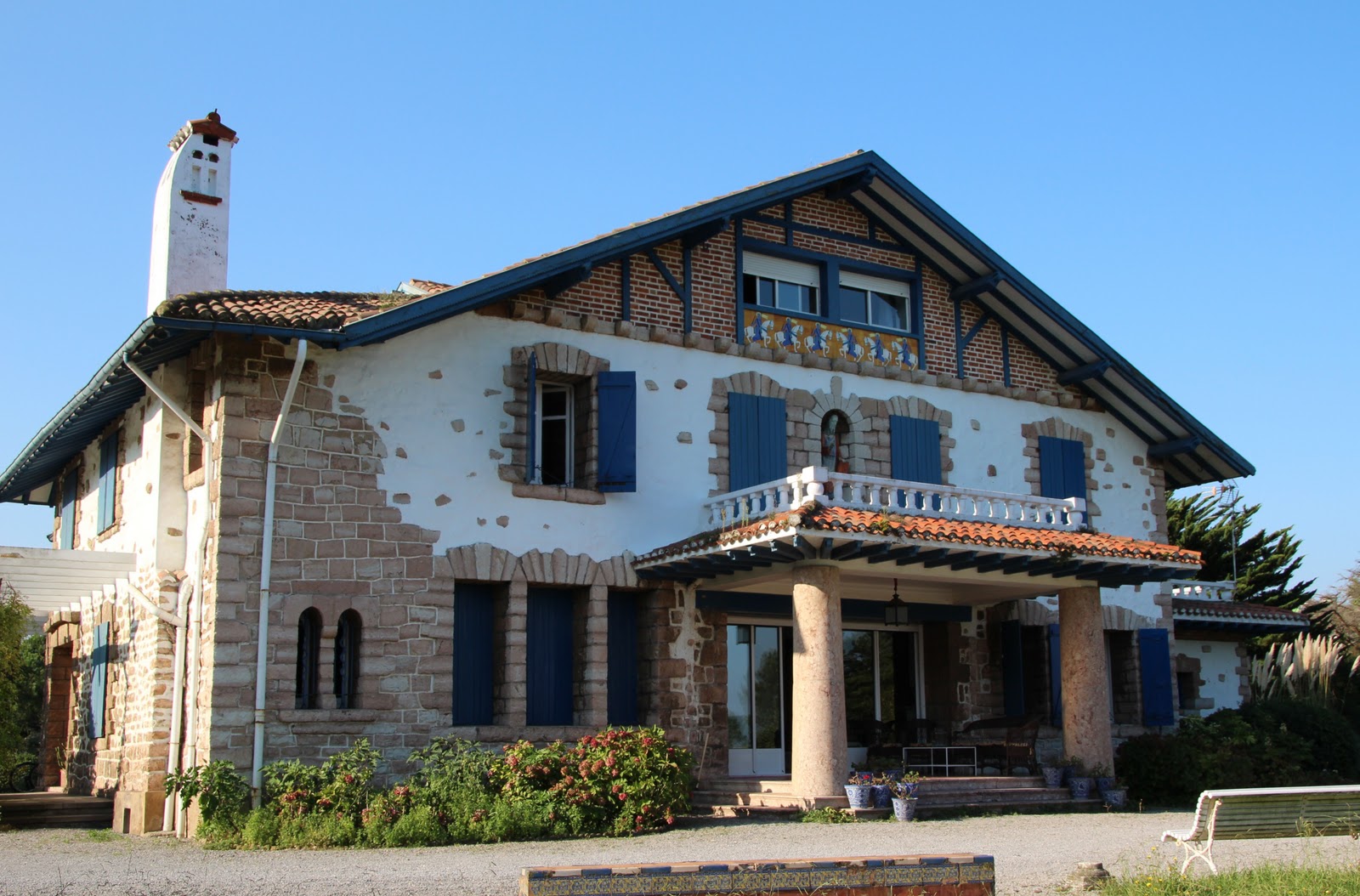
The painter Ignacio Zuloaga's riverside estate at the mouth of the Urola, built between 1910 and 1921 on the grounds of the old Santiago monastery, where a small fishing town keeps works by El Greco, Goya, Zurbaran and Rodin. Beside it stands the medieval Ermita de Santiago, a pilgrims' chapel on the Camino de Santiago del Norte where travellers once waited for the ferryman across the estuary.
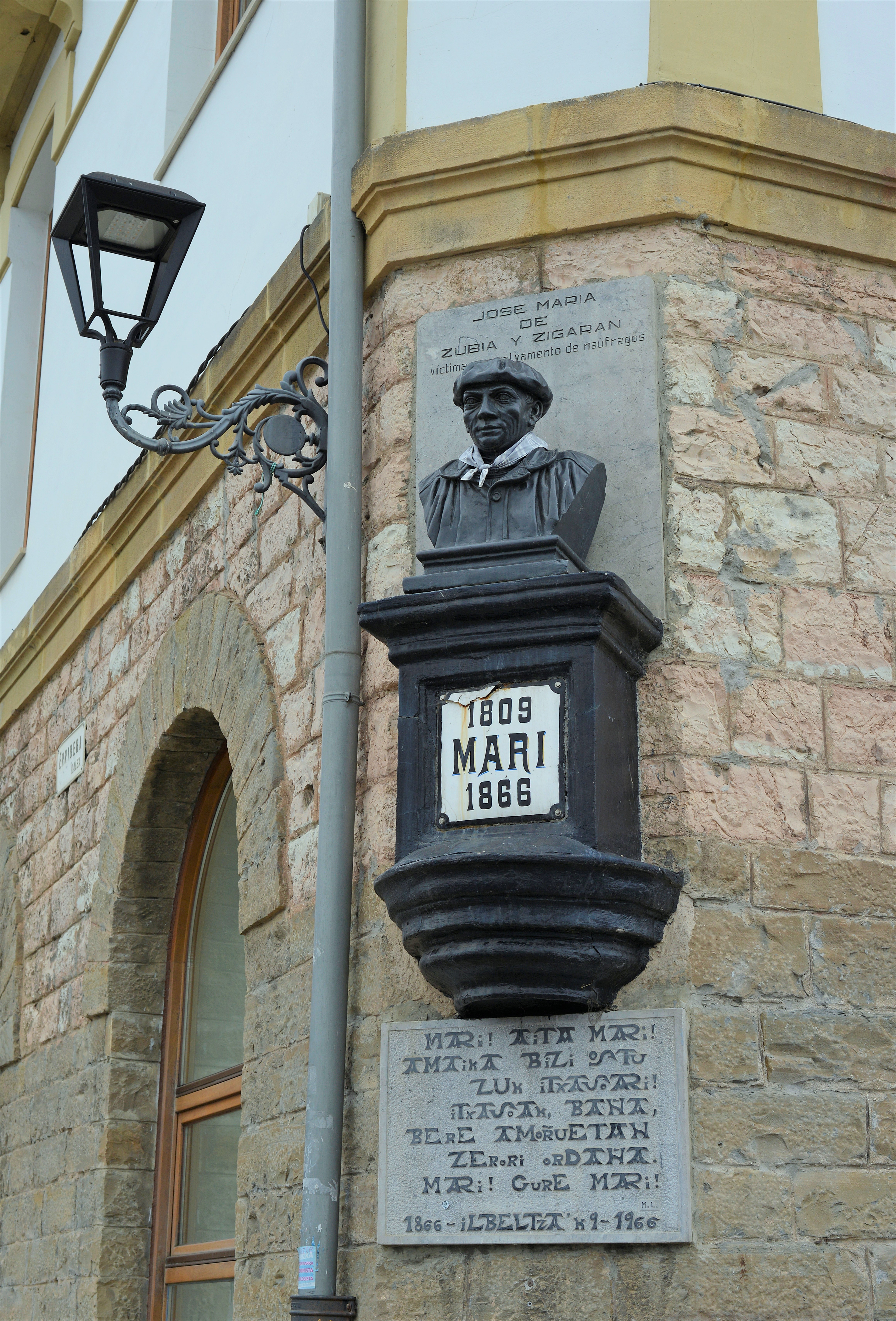
A bust honouring Jose Maria Zubia, known to all as "Aita Mari" ("Father Mari"), the Zumaia-born fisherman who became a celebrated volunteer lifesaver and drowned on 9 January 1866 while rescuing shipwrecked sailors from Getaria off San Sebastian. He remains the town's most beloved son.
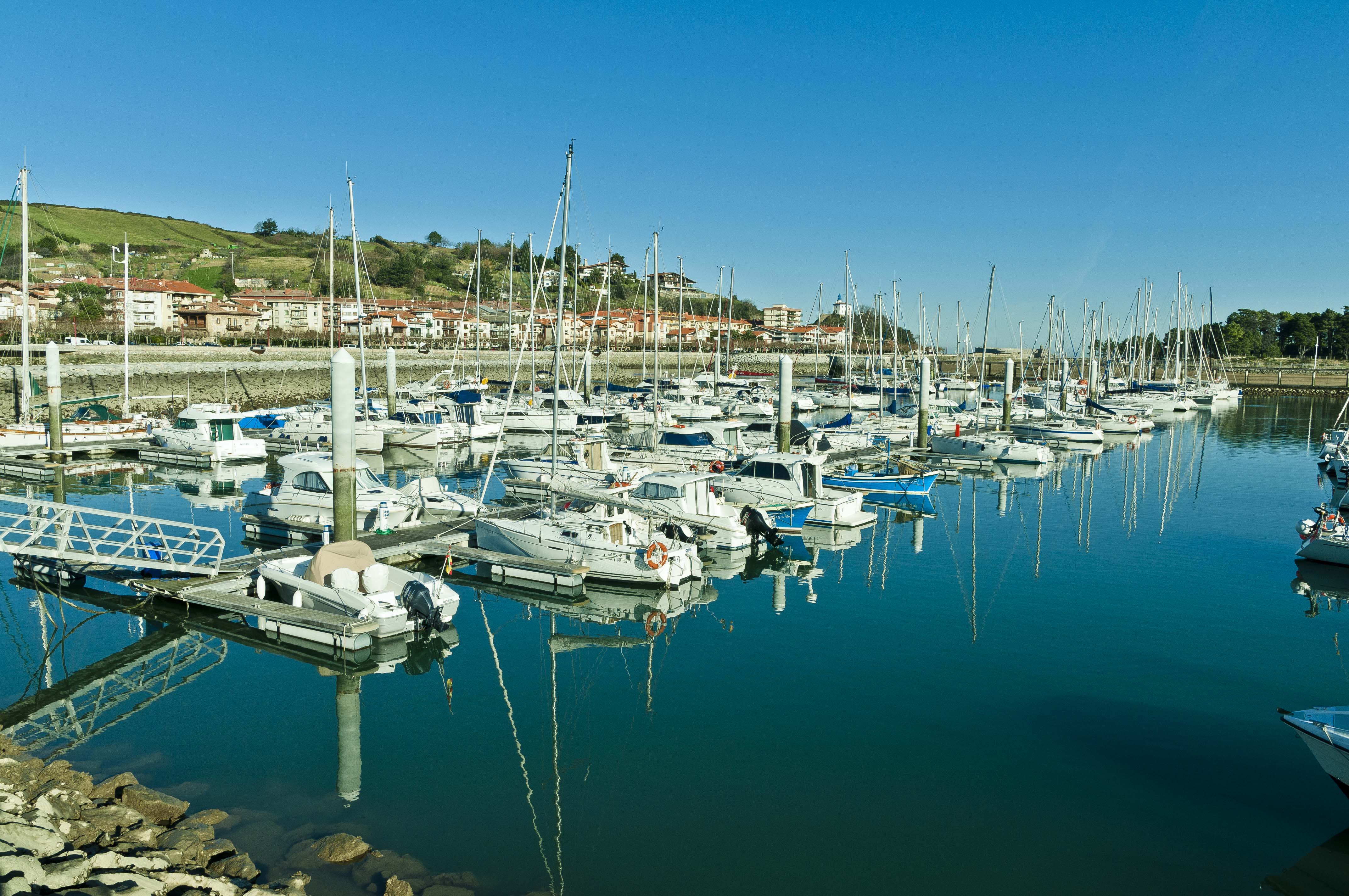
Marina Urola is the sheltered harbour where the Urola river meets the sea, opened in 1999 with around 500 moorings and sharing the water with a working fishing port beneath the old town. On the riverbank stands the Balenciaga shipyard, founded in 1921 and still building steel vessels today.
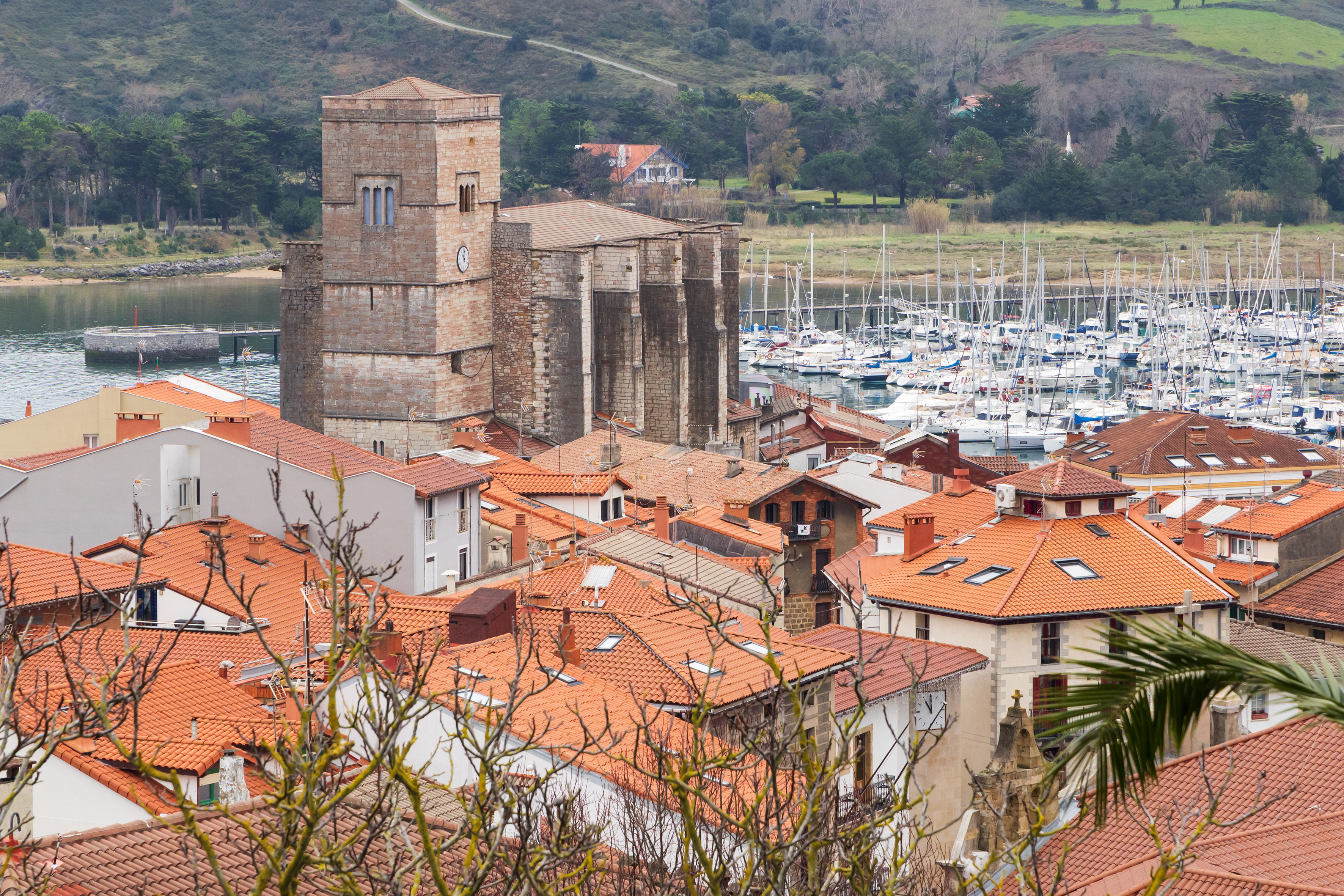
The Iglesia de San Pedro is Zumaia's 13th-to-15th-century Gothic fortress-church, a single-nave stronghold on the hill above the river mouth, crowned by a square tower some 34 metres tall and built to shelter the town from pirate raids. Inside it holds the great altarpiece by Juan de Anchieta, a National Monument and his only major work in Gipuzkoa, alongside a Christ by Quintin de Torre and a painting donated by Ignacio Zuloaga.
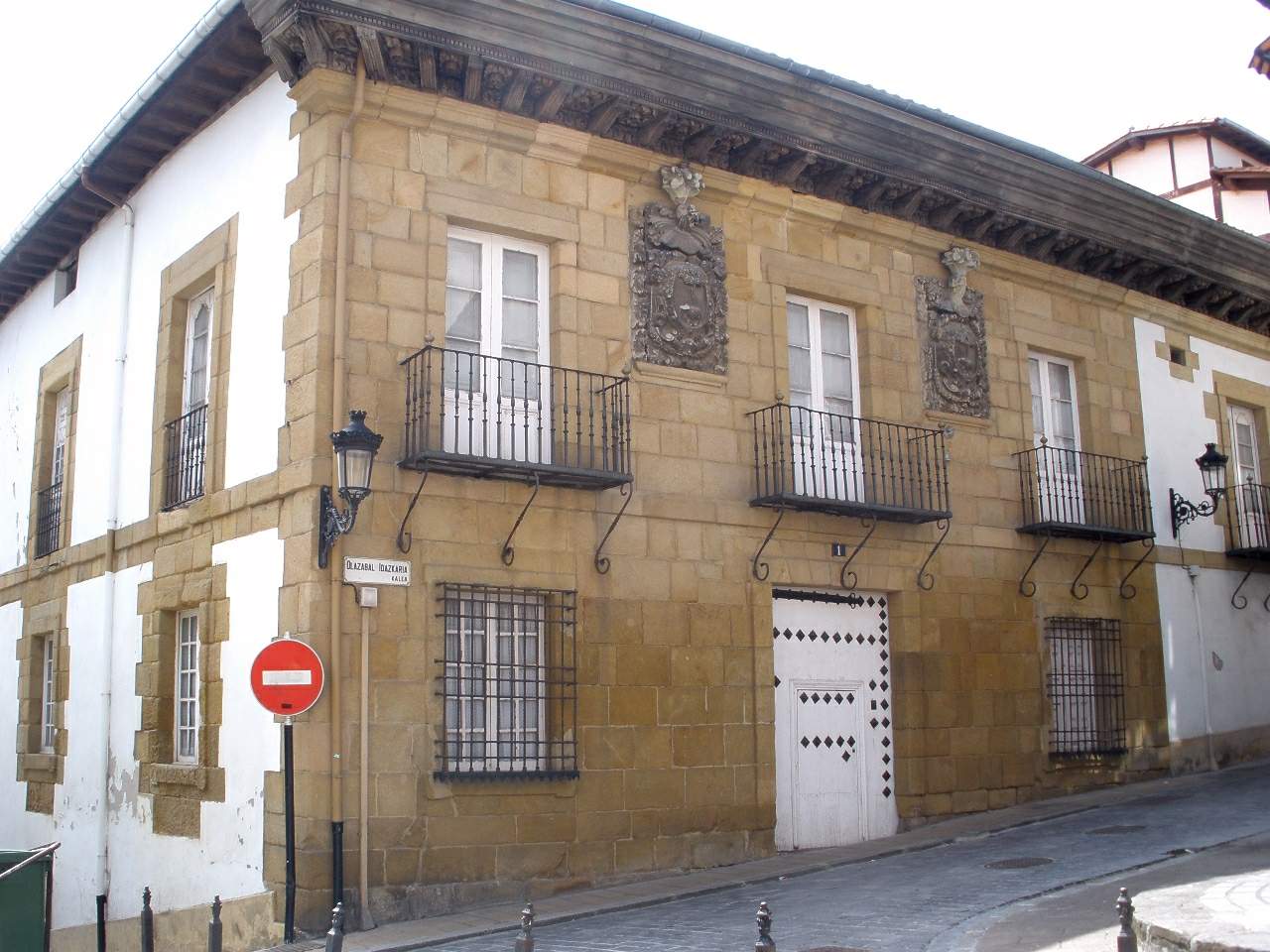
Kanposantu square is the medieval heart of Zumaia, ringed by the sandstone palaces of the town's ruling families — Zumaia-Ganboa, Ubillos, and the Inquisition secretary's Olazábal — along with the 1609 Carmelite convent of San José. It is where a small walled town, grown rich from the sea, built its wealth into stone.
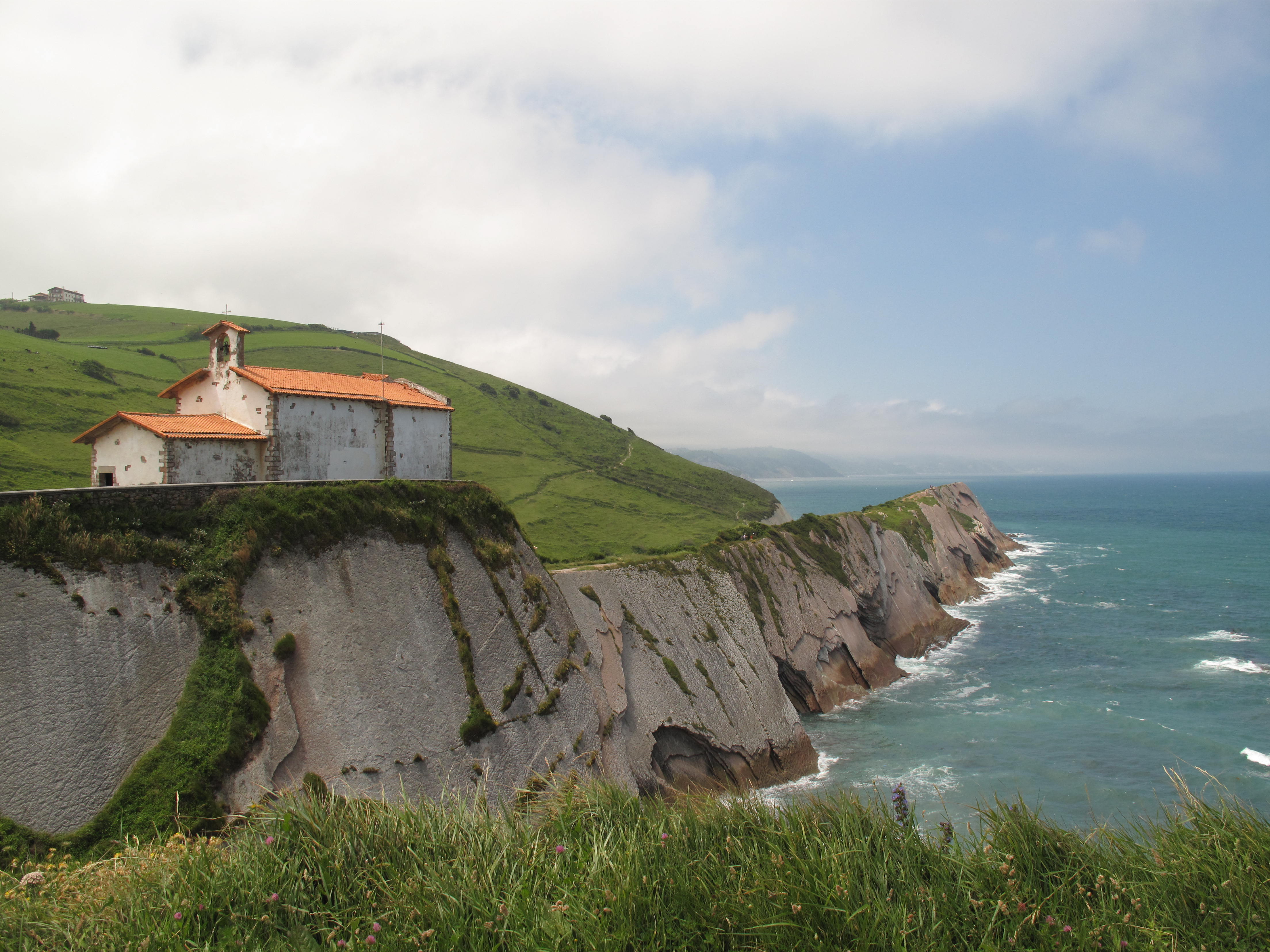
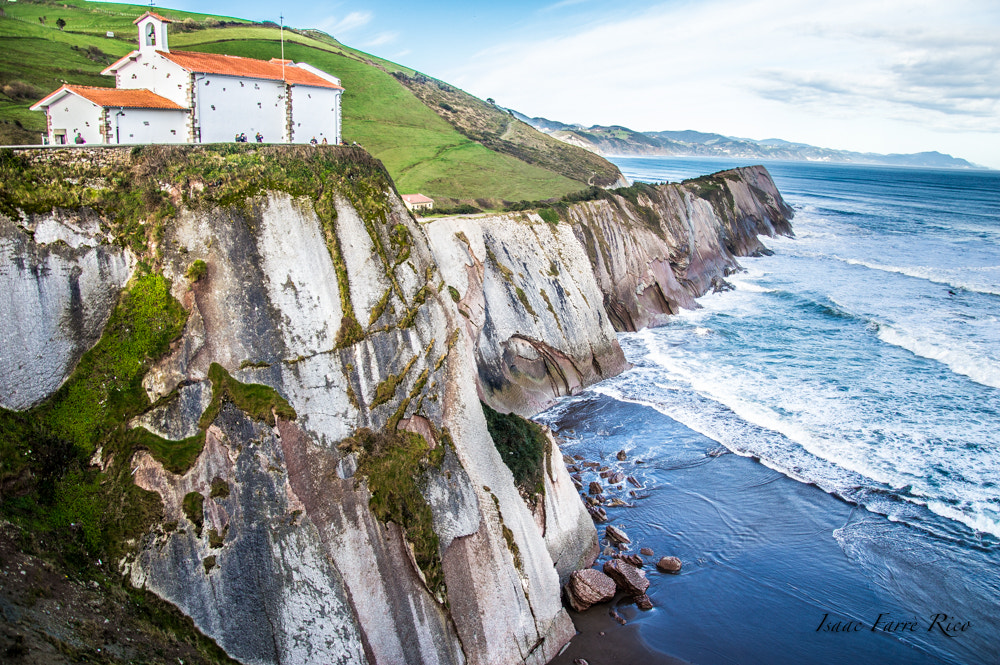
A tiny white hermitage dedicated to San Telmo, the sailors' patron, perched on the cliff edge above Itzurun beach since at least 1540 and famous worldwide as Game of Thrones' Dragonstone. From here, the flysch cliffs of Zumaia begin their sweep out to sea.
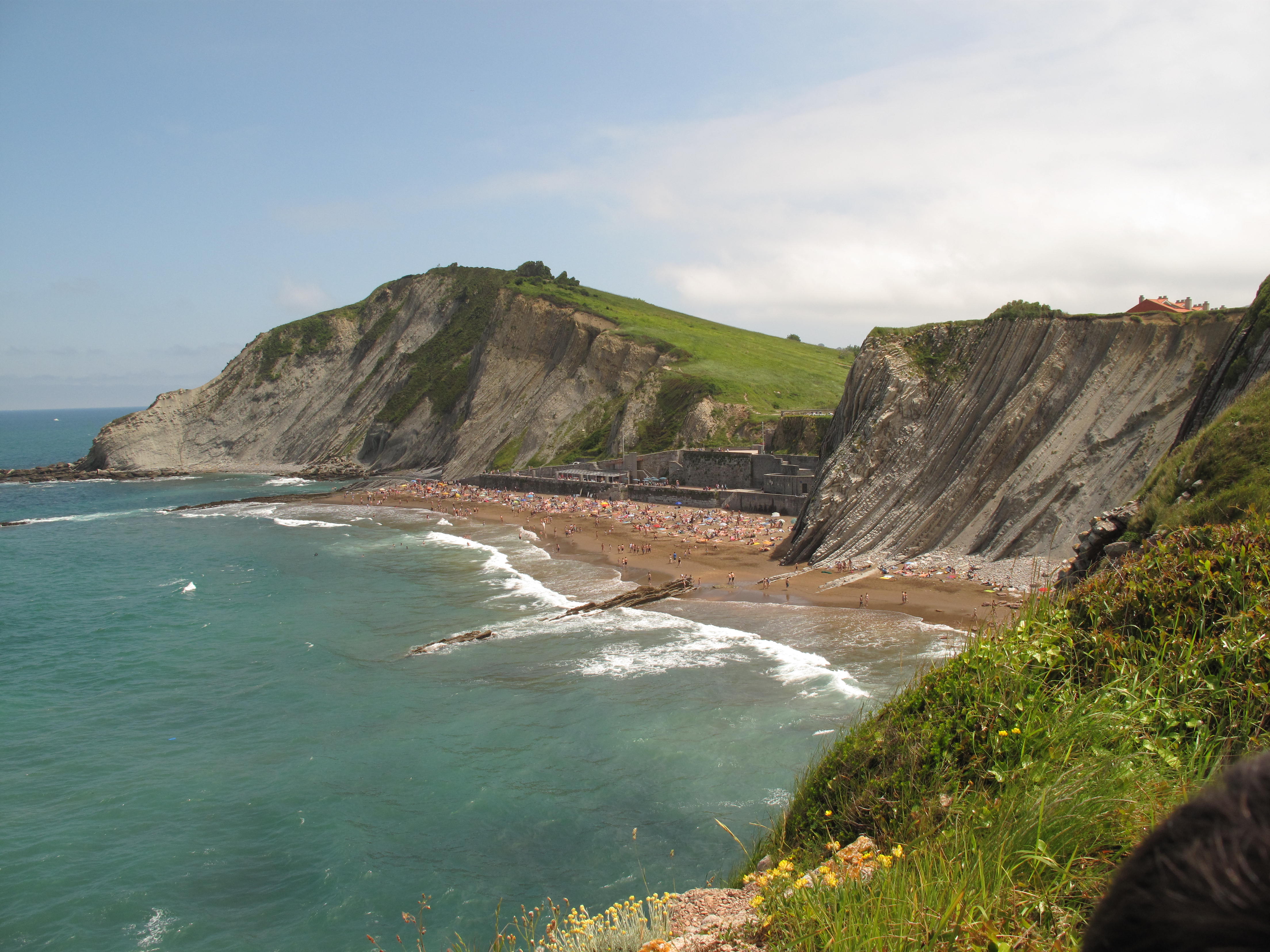
Playa de Itzurun is Zumaia's town beach, a 270-metre curve of sand walled by roughly 150-metre flysch cliffs where alternating hard and soft rock strata, deposited on the deep sea floor and thrust up vertically during the formation of the Pyrenees, expose some sixty million years of Earth's history in a single tilted cliff face. Best seen at low tide, it is one of the most striking geological sites on the Basque coast and served as the Game of Thrones island of Dragonstone.
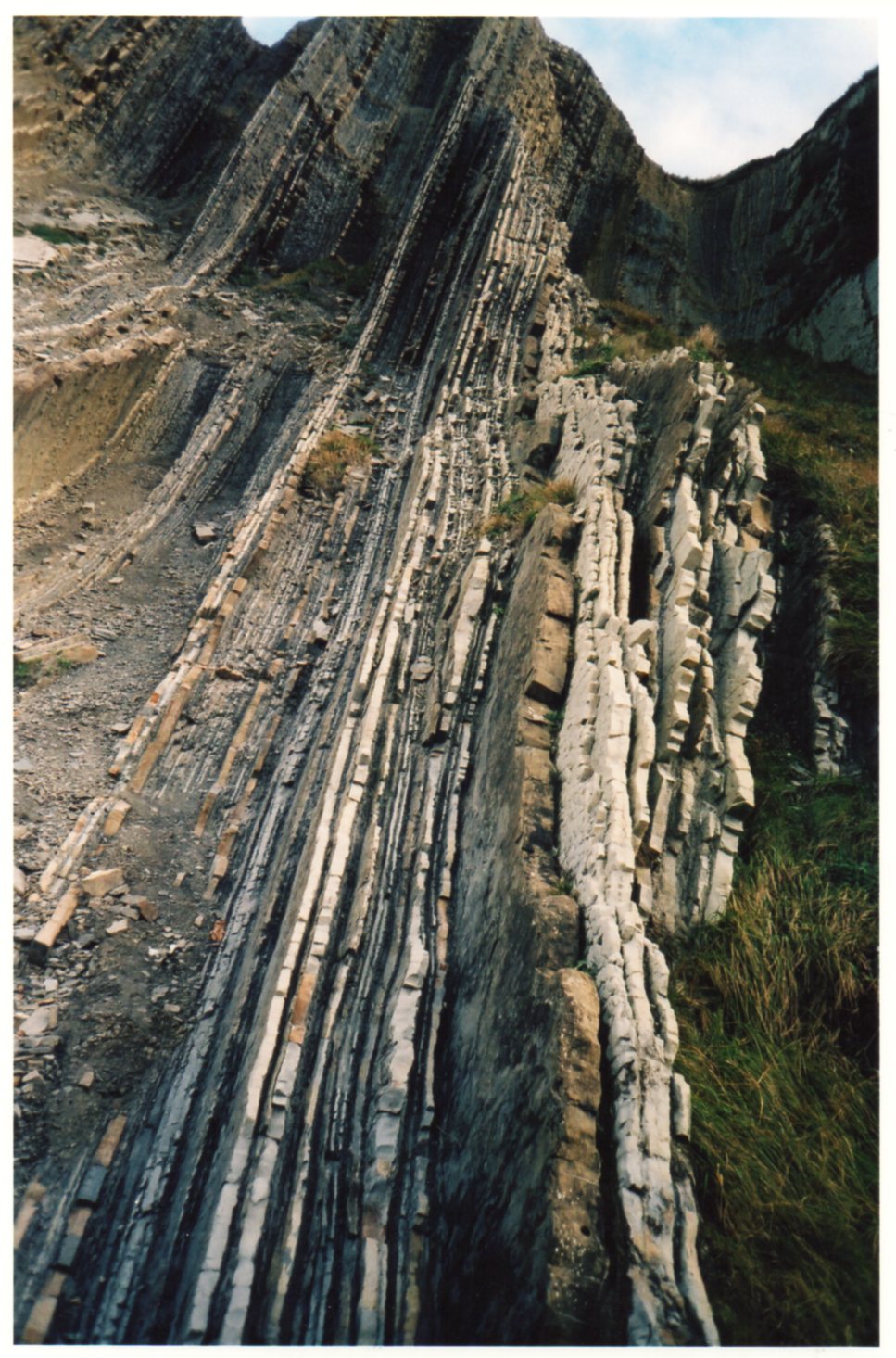
The headland at the heart of the Basque Coast UNESCO Global Geopark, where the flysch reveals its greatest page: a thin iridium-rich clay line marking the Cretaceous-Paleogene boundary, the physical trace of the Chicxulub asteroid impact that killed the dinosaurs 66 million years ago. It is one of the best-preserved records of that catastrophe anywhere on Earth.
This is the real story from one stop on this walk — every stop has one.
We use cookies to analyse site traffic and improve your experience. You can choose to accept or reject analytics cookies. Learn more