Rome's Kitchen: Markets, Food History & Local Flavors
Rome · Italy

Rome's Kitchen: Markets, Food History & Local Flavors

Rome, Italy
72
Duration (min)
4.8
Distance (km)
10
Stops
Easy
Difficulty

Description

From morning market stalls to ancient bath kitchens, trace how food shaped Rome across two millennia — through Renaissance palace banquets, Jewish Ghetto ingenuity, and Testaccio's working-class culinary genius.

Tour Stops

Campo de' Fiori Market
1

Campo de' Fiori Market

5 min

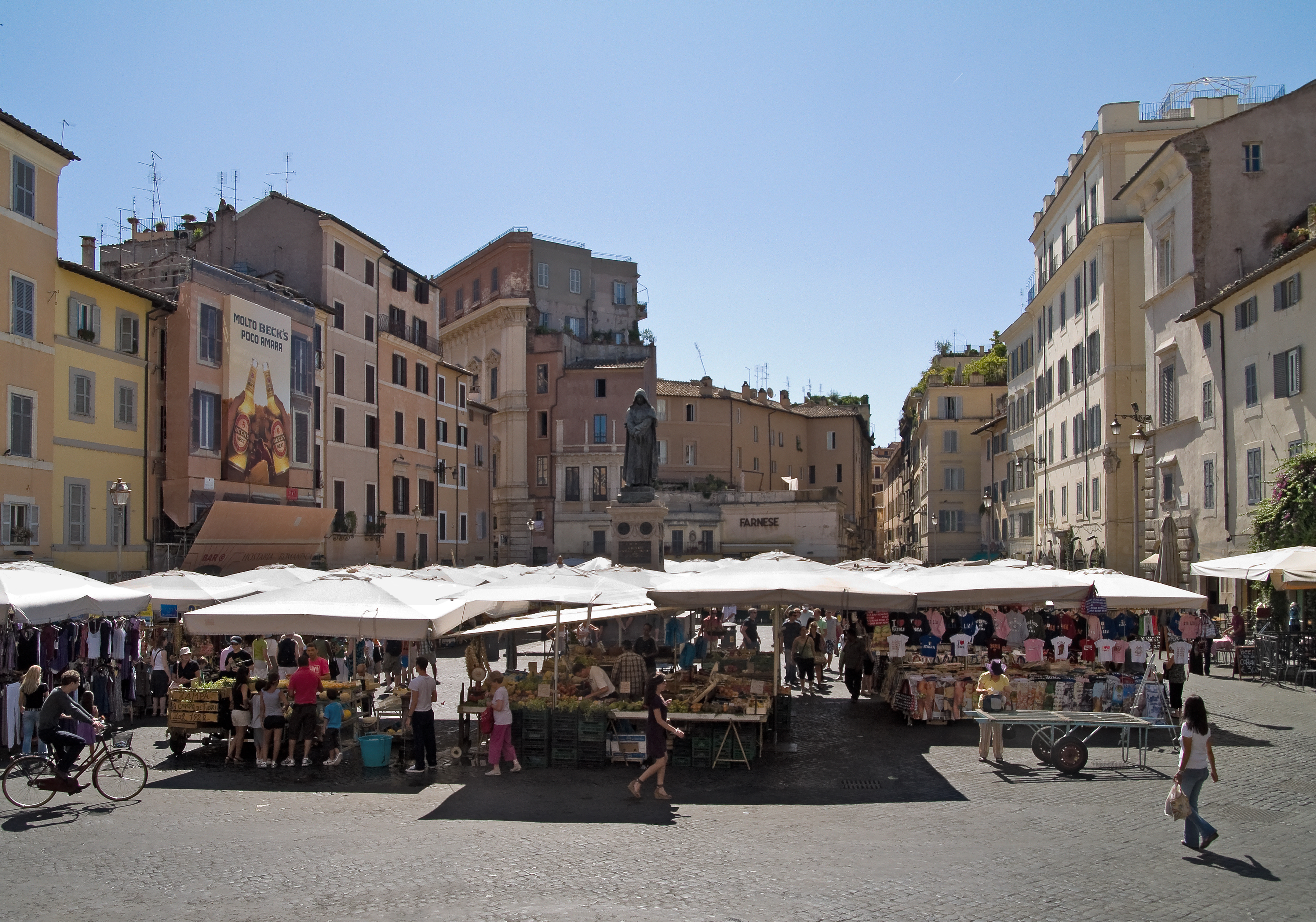
Campo de' Fiori is a bustling open-air market in a Renaissance piazza where vendors have sold produce, flowers, and fish since 1869, while a towering statue of Giordano Bruno—burned here for heresy in 1600—watches silently over the fruit stalls.
Palazzo Farnese
2

Palazzo Farnese

3 min

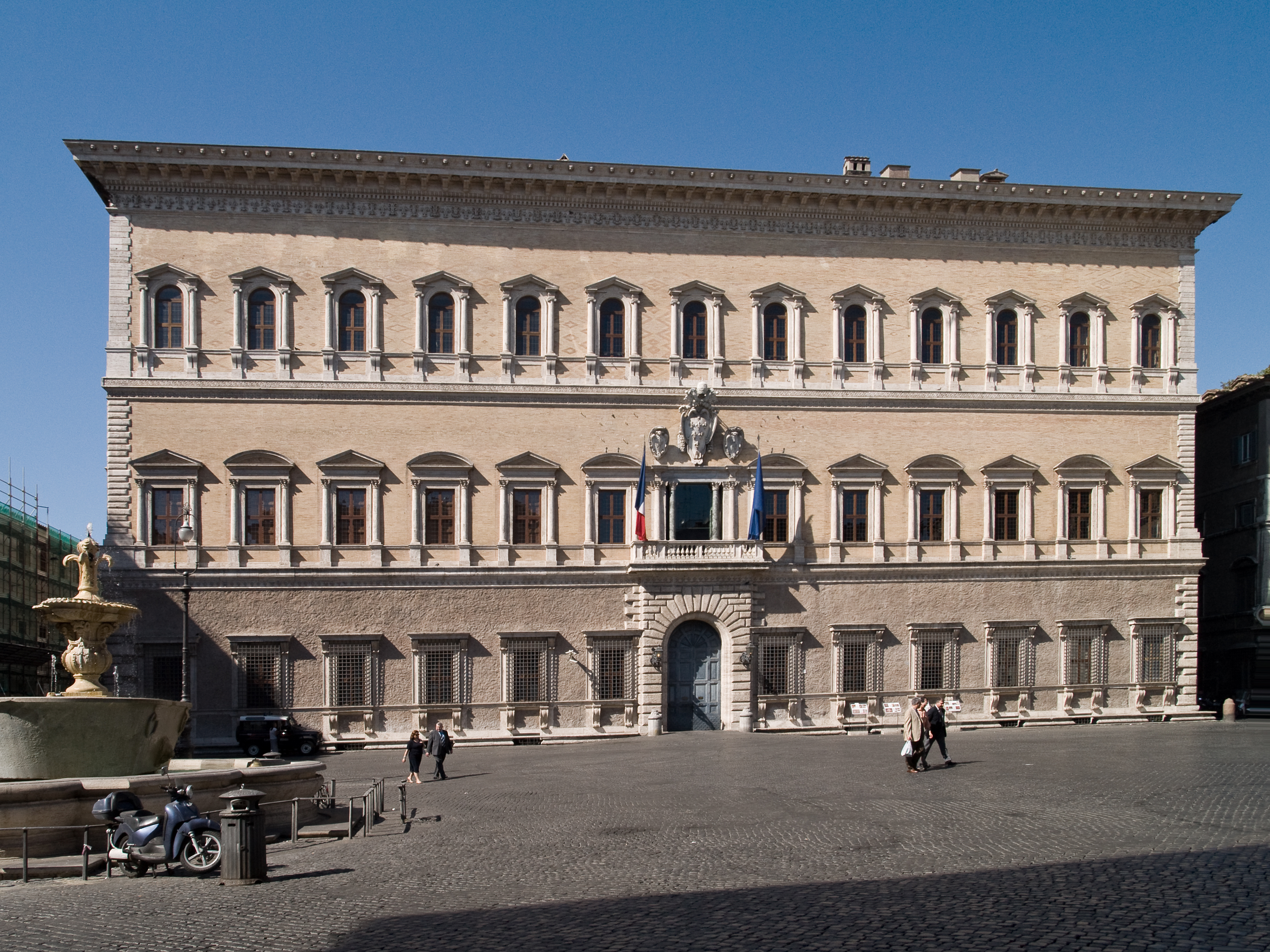
A Renaissance palace built for Cardinal Alessandro Farnese (who became Pope Paul III) where wealthy papal circles hosted elaborate multi-course banquets, standing in stark contrast to the street market just one block away in Campo de' Fiori.
Pantheon
3

Pantheon

3 min

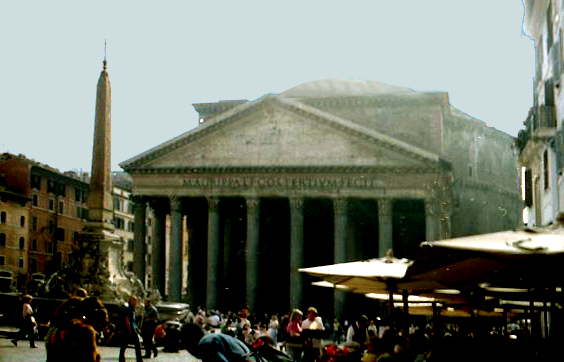
The Pantheon's ancient portico and surrounding piazza served as a thriving medieval marketplace for centuries, where vendors sold everything from fish and grain to cured meats and cheese under Hadrian's iconic columns.
Largo Argentina
4

Largo Argentina

3 min

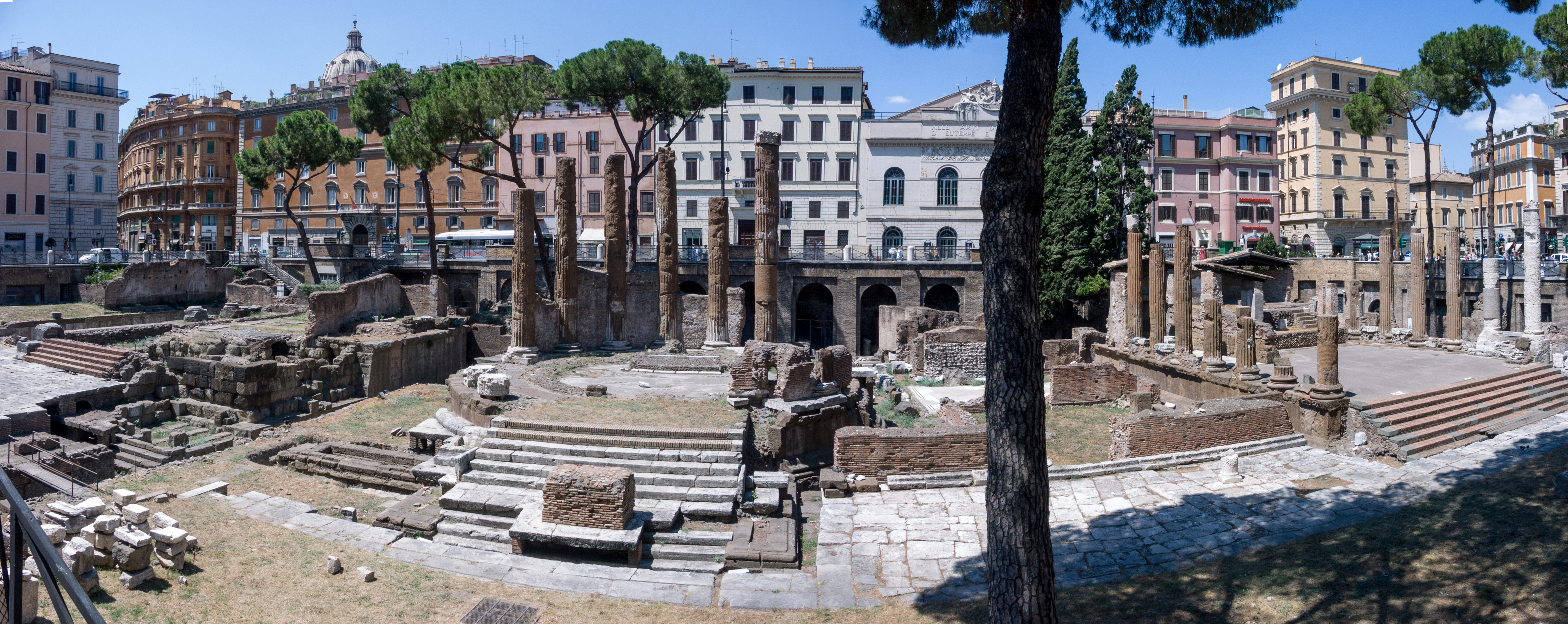
Four Republican-era temples surrounded by food stalls, taverns, and bakeries—where Romans ate constantly, everywhere, because most didn't have kitchens at home. This is where civic life and eating were inseparable, and where you can still see the sunken ruins and a thriving cat colony below street level.
Crypta Balbi Museum
5

Crypta Balbi Museum

3 min

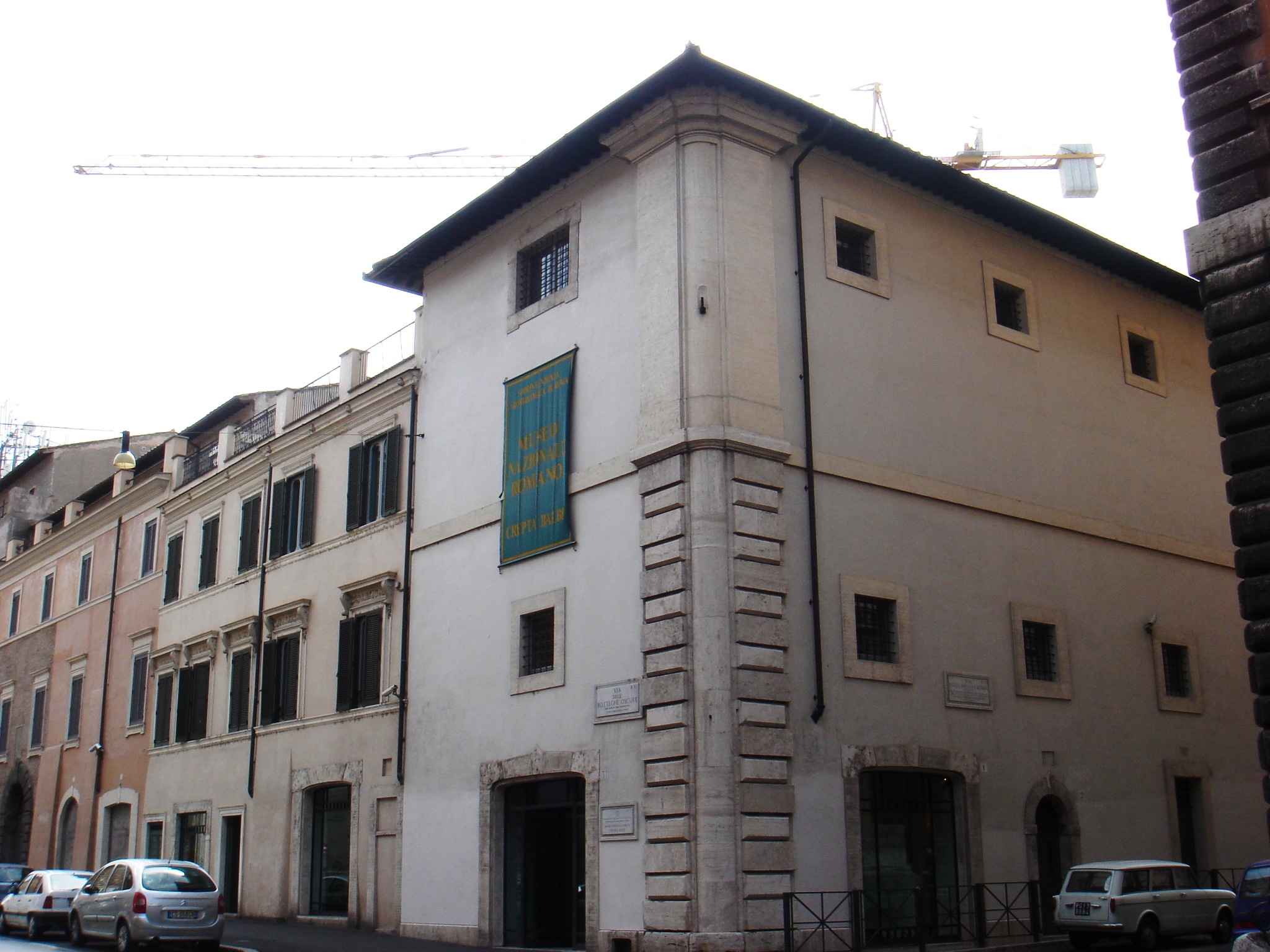
Crypta Balbi Museum sits atop the remains of a Roman theater, revealing excavated food storage vessels and animal bones that document how Rome's centralized imperial food system collapsed and transformed into medieval self-sufficiency over centuries.
Jewish Ghetto
6

Jewish Ghetto

5 min

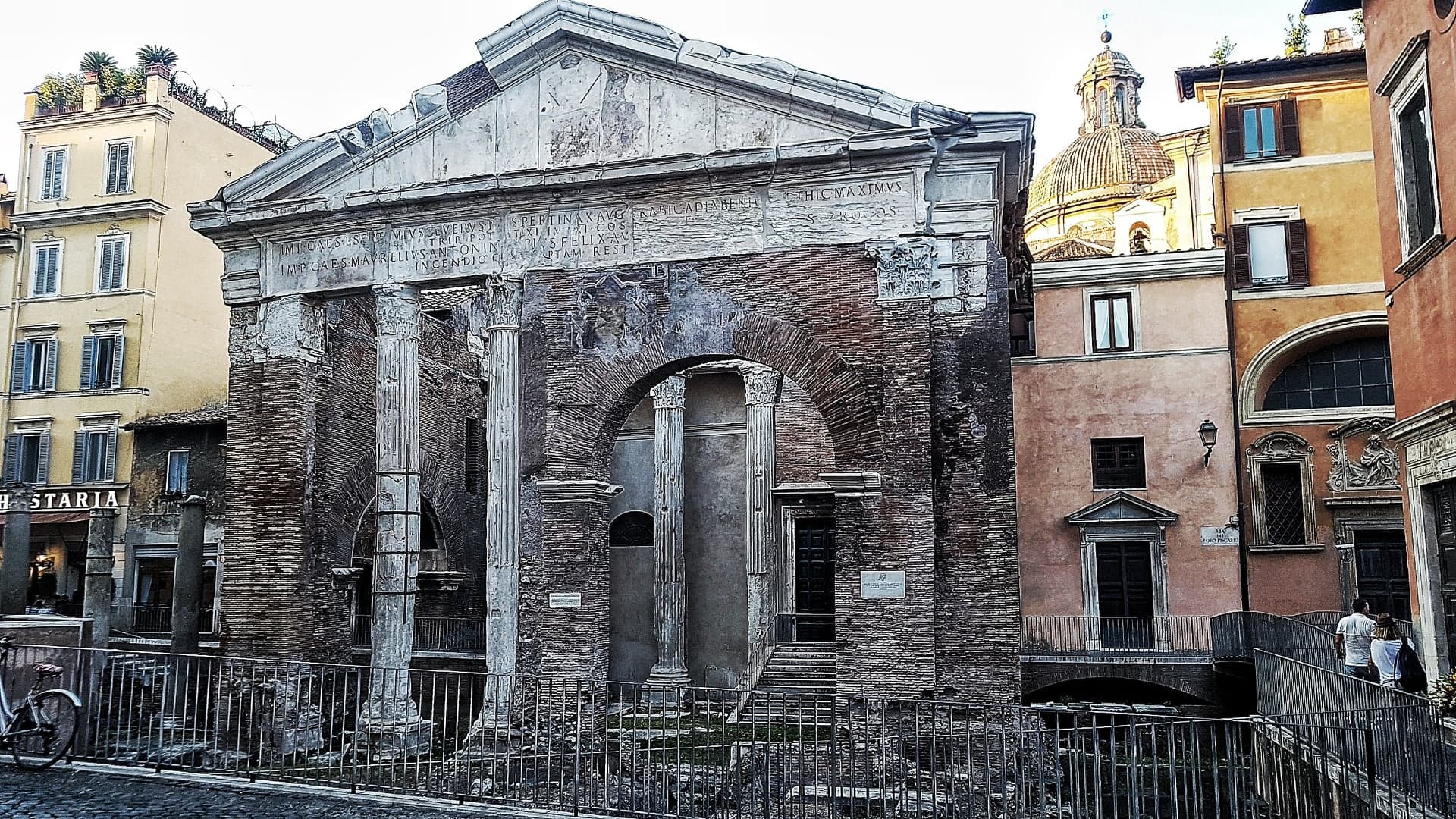
The Roman Jewish Ghetto is the cradle of a distinct and resilient food tradition born from medieval restrictions. Here, dishes like carciofi alla giudia (fried artichokes) and filetti di baccala (fried salt cod) emerged from kosher laws and limited ingredients, creating flavors that have outlasted the walls themselves.
Great Synagogue of Rome
7

Great Synagogue of Rome

3 min

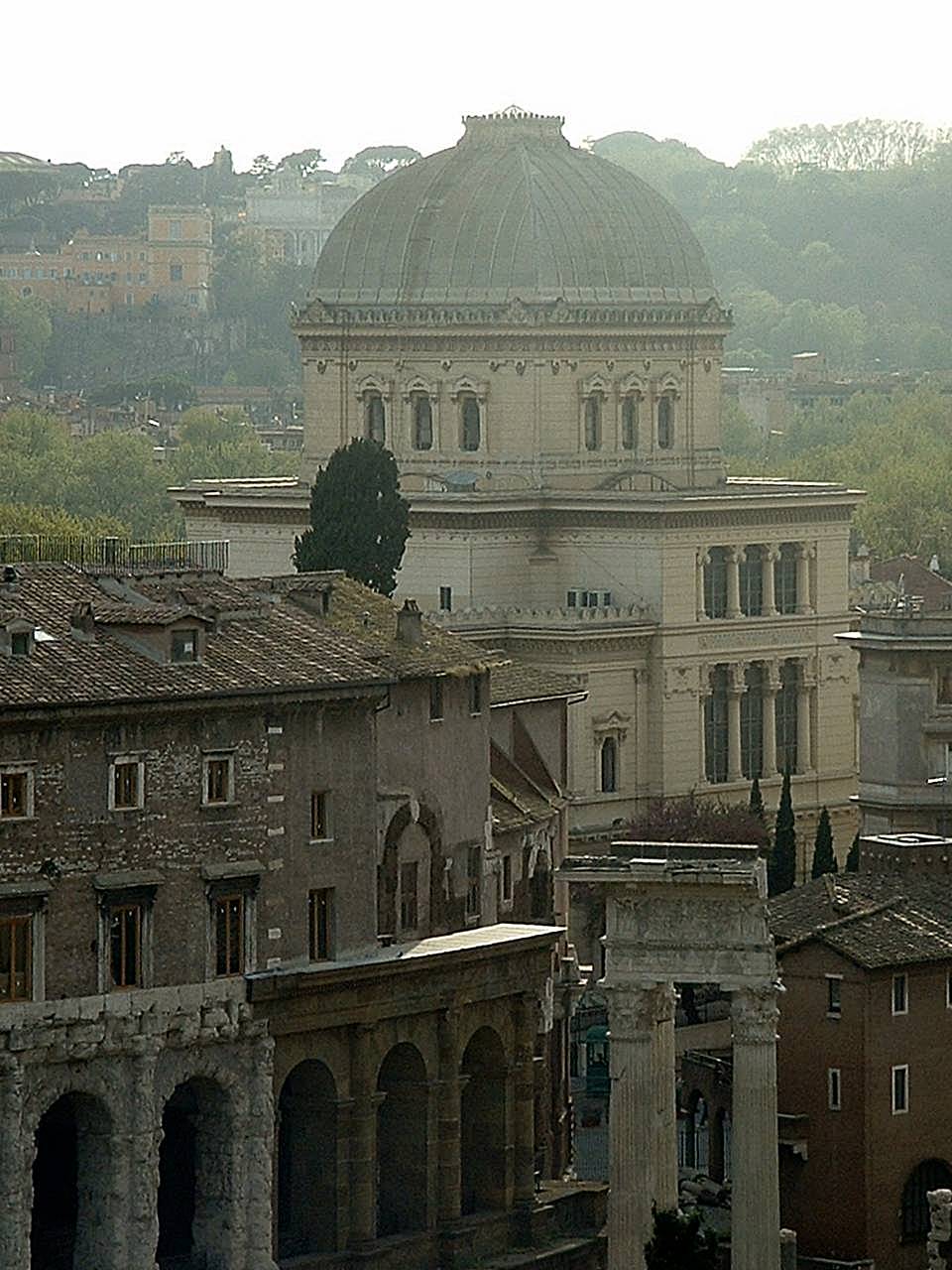
The Great Synagogue stands as an architectural declaration of Jewish emancipation—built where ghetto walls once confined the community for 300 years—and the kosher bakeries and restaurants surrounding it are the living proof that food culture, like community itself, survived and thrived.
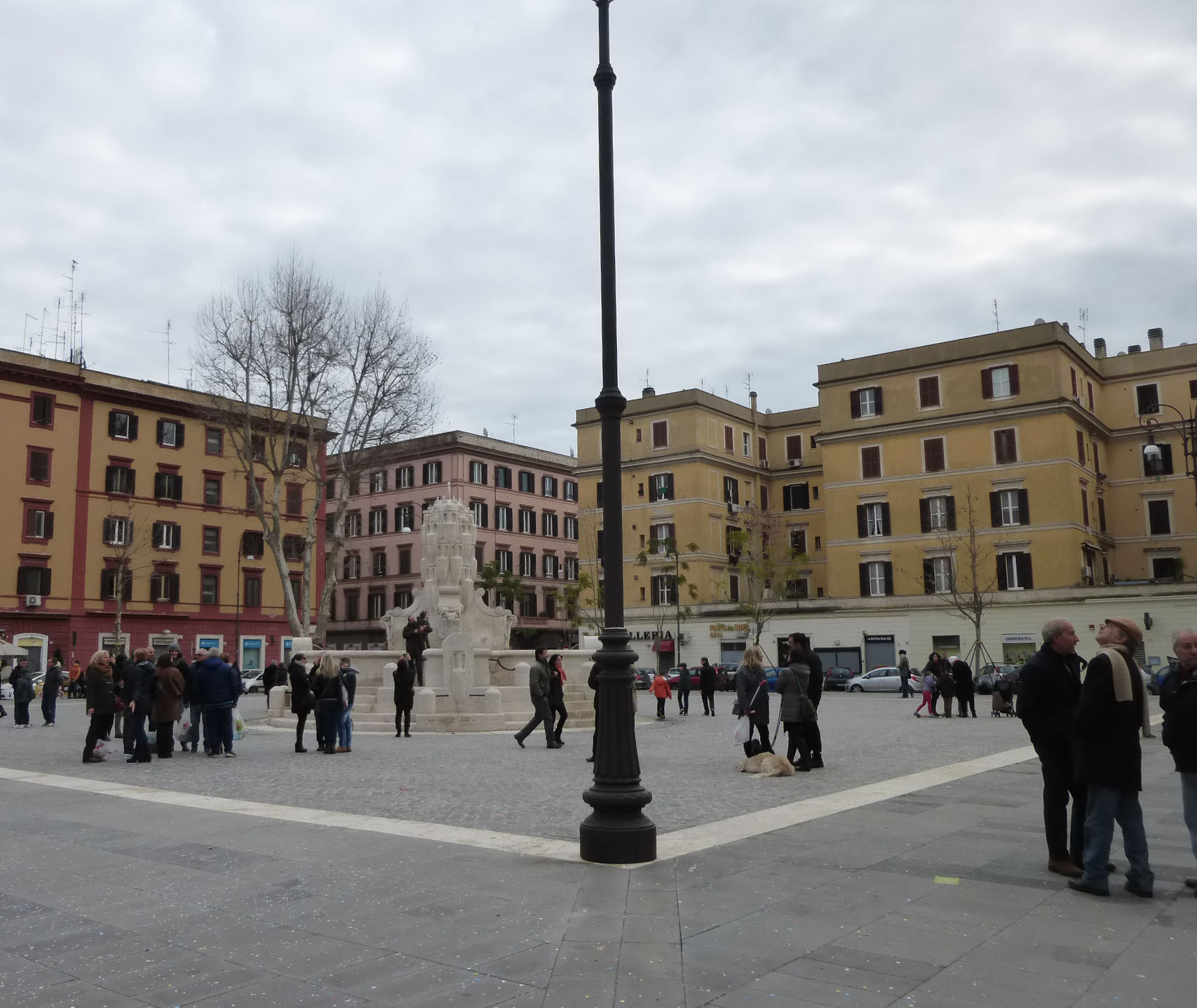
Piazza Testaccio
8

Piazza Testaccio

4 min

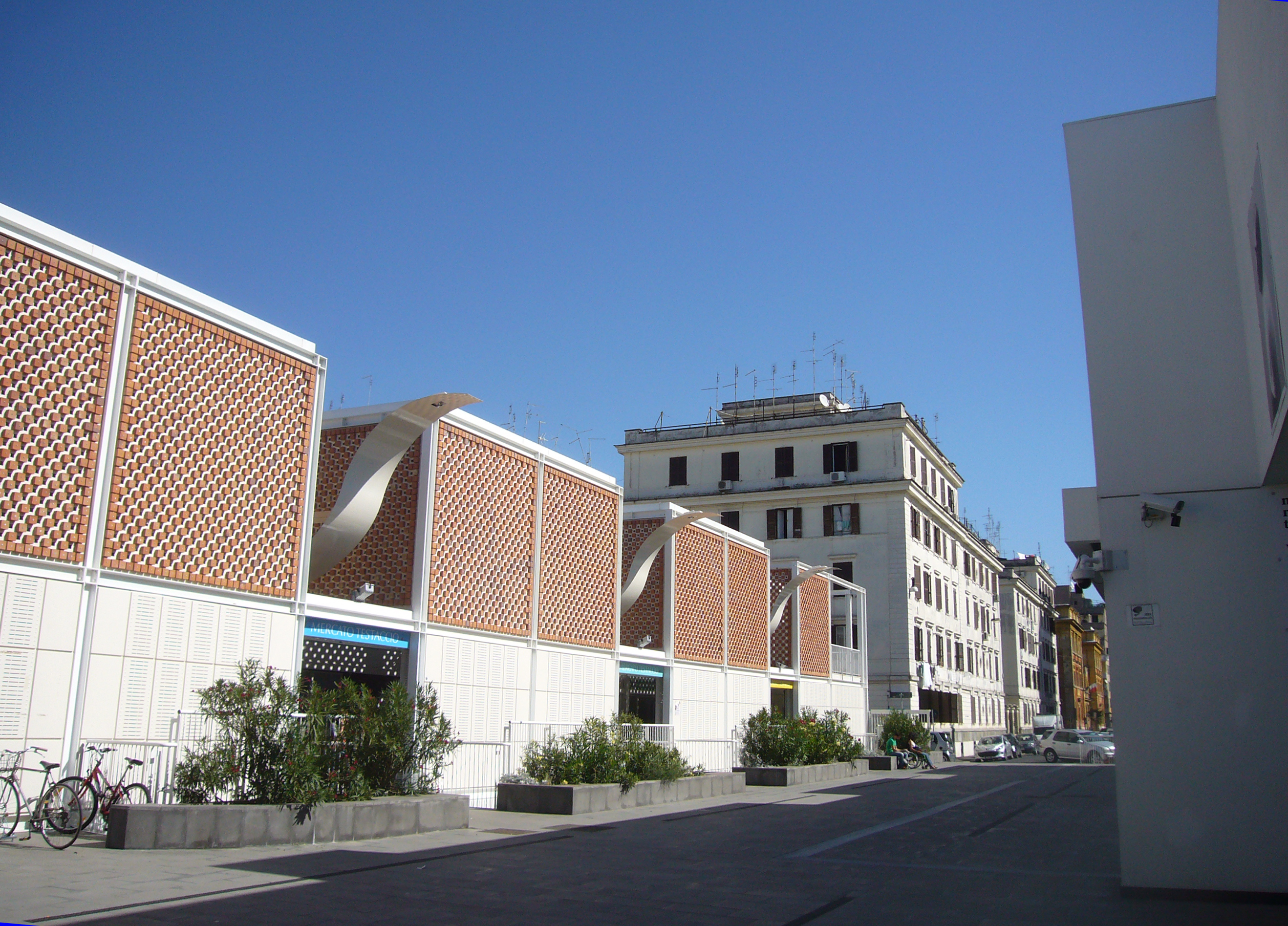
Piazza Testaccio is the beating heart of Rome's working-class neighbourhood, where slaughterhouse workers transformed offal into the city's most celebrated dishes—coda alla vaccinara and trippa alla romana—turning constraint into culinary genius.
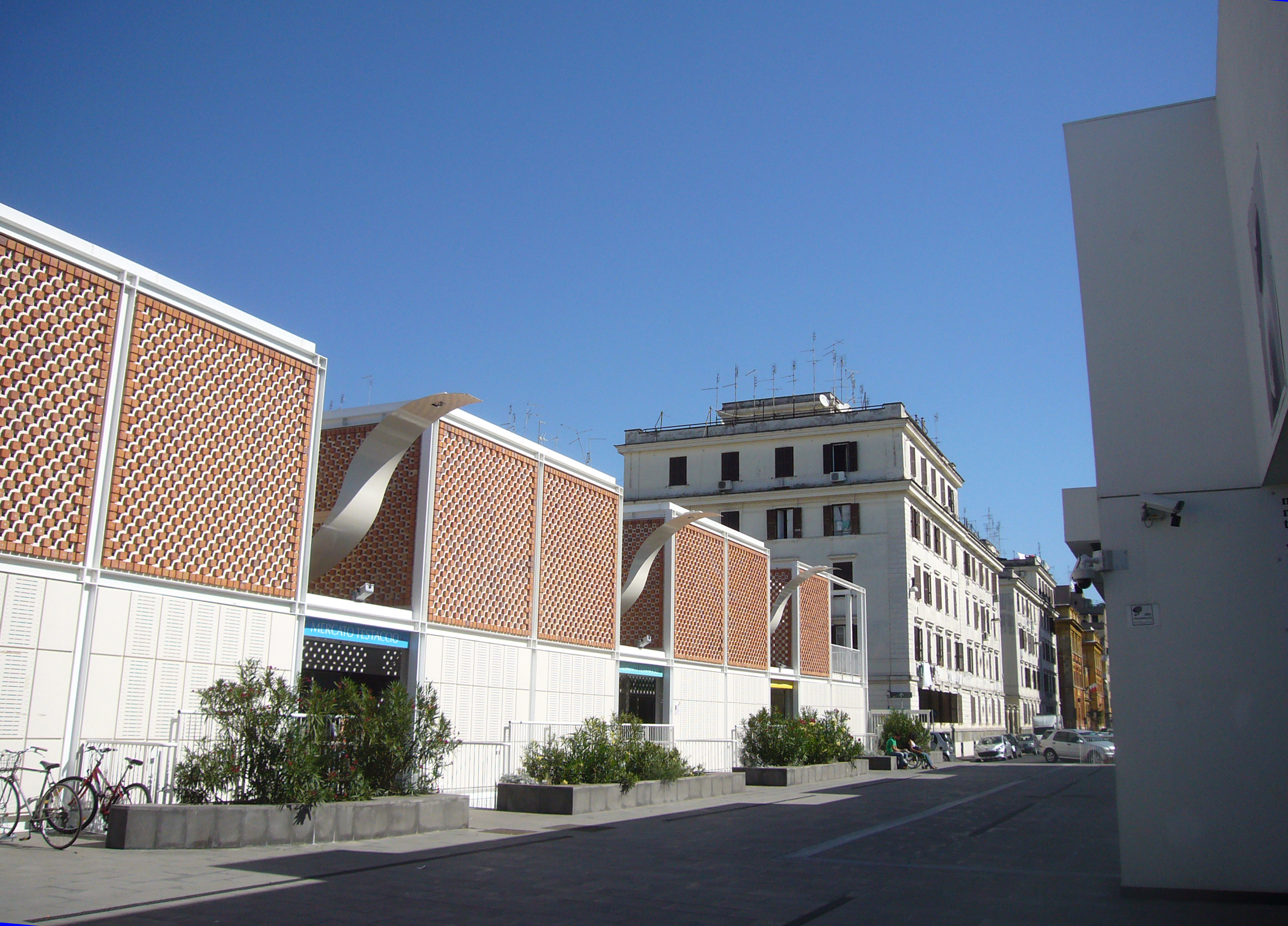
Testaccio Market
9

Testaccio Market

5 min

Testaccio Market moved to a purpose-built hall in 2012, but it remains the soul of Rome's working-class food culture — where multi-generational vendors and innovative food stalls merge tradition with the city's gastronomic future.
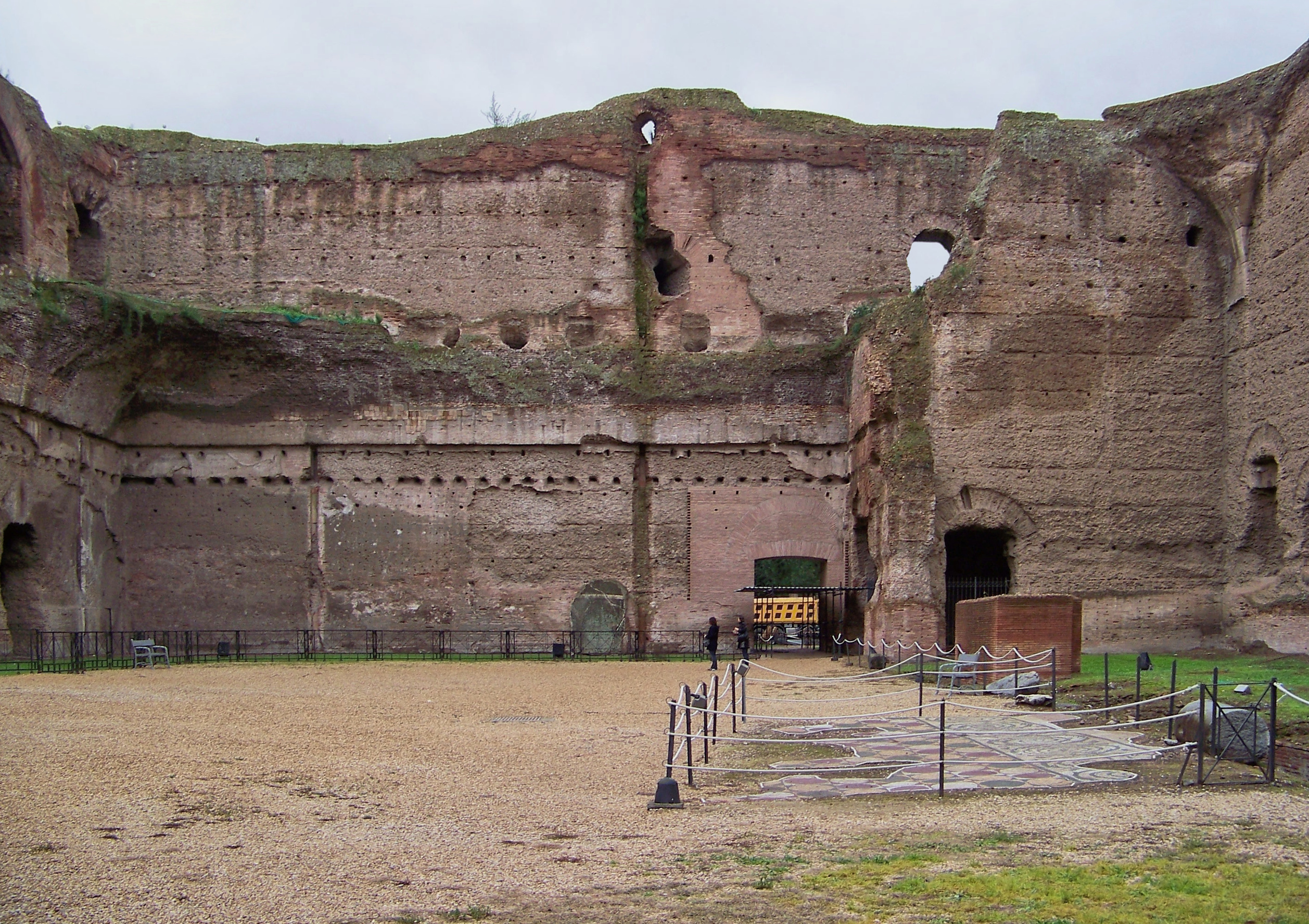
Baths of Caracalla
10

Baths of Caracalla

3 min

The Baths of Caracalla were a sprawling 3rd-century bathing complex where thousands of Romans daily moved through hot, warm, and cold water — and just as necessarily, through its kitchens, food stalls, and dining rooms that powered the whole operation.

A Taste of the Tour

This is the real story from one stop on this walk — every stop has one.

Campo de' Fiori Market

Rome doesn't have a food scene. Rome is a food scene — one that's been running, without interruption, for over two thousand years. This walk takes you through the places where Romans have bought, sold, cooked, and eaten their way through history. We start at Campo de' Fiori, where the morning market is still the heartbeat of the neighbourhood, and we end at the Baths of Caracalla, where ancient Romans combined bathing with dining on an industrial scale. Along the way, you'll discover how Renaissance popes ate like kings while their neighbours scraped by on sardines, how the Jewish community turned restriction into one of the city's greatest culinary traditions, and how slaughterhouse workers in Testaccio invented dishes that now grace the menus of Rome's finest restaurants. The common thread is simple: food tells you who people really were — not their monuments, not their speeches, but what they put on the table and how they got it there. Wear comfortable shoes, bring your appetite, and don't eat breakfast. You'll want to be hungry for this one. Welcome to your first stop, and fair warning: you're about to understand why Romans shaped their entire city around food before they shaped it around anything else. Look around. Right now, if you're here in the morning, you're standing in what might be the most concentrated sensory experience Rome has to offer. Piles of deep purple artichokes—the tight, almost aggressive kind Romans blanch and eat raw with oil and lemon. Strawberries that actually taste like strawberries, not the sad pink imposters from supermarkets. Fresh mint and wild herbs tied in bundles. The smell hits first: garlic and rosemary mixing with something earthier from the flower stalls, where dahlias and roses crowd against buckets of tight green carnations. Listen for the shout of vendors calling out prices, the clatter of coins, the scrape of wooden crates. This is Campo de' Fiori, which translates to "Field of Flowers," and there's irony baked into that name now. For centuries before 1869, this really was a meadow—open space between Pompey's Theatre and the unpredictable Tiber. The piazza got paved in 1456, but it stayed mostly empty. Then in 1869, Rome made a decision that would echo through the next 150 years of the city's food culture: they moved the flower market here from Piazza Navona, and the produce market followed. Suddenly, this became the place where Romans bought dinner. That's not romantic nostalgia—that's still literally what's happening. The market runs six days a week, seven to two in the afternoon, and it's not here for tourists hunting Instagram moments. It's here because Romans need tomatoes. But you can't stand in Campo de' Fiori without confronting the other history layered underneath. That statue in the center—the hooded figure looking so defiant—is Giordano Bruno. On February 17, 1600, he was burned at the stake right here. Bruno had committed the crime of thinking dangerous thoughts: that Earth orbited the sun, that the universe was infinite. The Church disagreed. They tied him to the pole where Bruno's statue now stands, and they lit the fire. For nearly 300 years, no monument marked the spot. Then in 1889, they erected this statue—Ferrari's sculpture, almost four meters tall, with Bruno's hands bound and his face turned toward the Vatican as if to say: you can kill me, but my ideas are already gone into the world. There's something profoundly Roman about this. Not the execution—plenty of cities have dark histories. But the fact that a market grows up around a monument to a man burned for heresy, and nobody seems to think that's weird. The food vendors set up their stalls every morning in the shadow of that statue. Tourists mill around taking photos. Nonnas in their eighties haggle over the price of zucchini. Life moves on, and Rome keeps eating. This is where the real food geography of Rome begins—not where the wealthy ate, but where ordinary Romans bought the ingredients for the dishes that defined the city. Notice how close we are to Palazzo Farnese, just one block north. One street over, the Renaissance cardinals were eating meat pies and imported luxuries while their servants bought artichokes here for three pennies. That contrast—rich and poor, separated by one block, fed by completely different systems—is the skeleton of Rome's entire food culture. The seasonal rhythm you see in these stalls traces back 2,000 years. Spring brings artichokes, favas, young onions. Summer explodes with tomatoes and zucchini—those pale green Roman courgettes that are nothing like the dark kind you find everywhere else. Fall brings mushrooms, grapes, quinces. Winter brings dark leafy greens, cauliflower, root vegetables. Romans didn't eat imported asparagus in January because it didn't exist in January. They built their cuisine, their traditions, their entire food culture around what grew here, now, in this soil. That discipline—that acceptance of limits—is what made Roman food so good. This is the first stop because everything else radiates outward from here. The streets around this market, the neighborhoods that grew up selling specific things—the butchers' quarter, the offal sellers in Testaccio, the Jewish fishmongers—they're all organized around the simple fact that food clusters where it's easy to buy and sell it. And that's not accidental. That's where the city tells you who Romans were, and who they wanted to be.

More Tours in Rome

Nearby Cities

Back to Rome Tours

Cookie Consent

We use cookies to analyse site traffic and improve your experience. You can choose to accept or reject analytics cookies. Learn more