Rome · Italy
Renaissance Masters: Michelangelo, Raphael & Bramante in Rome
Rome, Italy
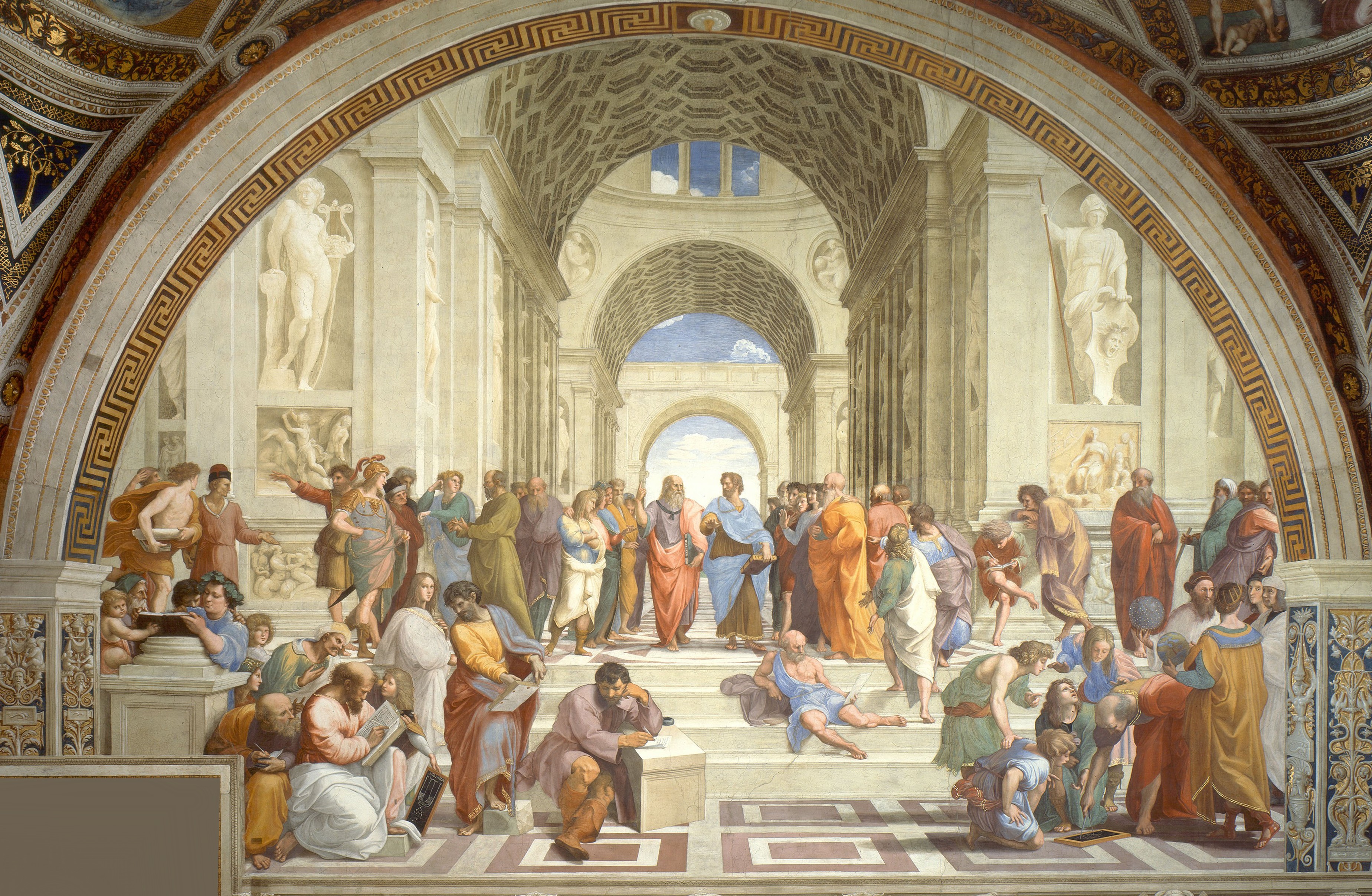
At 25, Raphael transformed four ordinary rooms in the papal apartments into a manifesto for Renaissance thought. The School of Athens—his most audacious work—is philosophy rendered as architecture, where every figure is a living portrait of someone Raphael knew, and where his rivalry with Michelangelo burned hot enough to change how he held his brush.
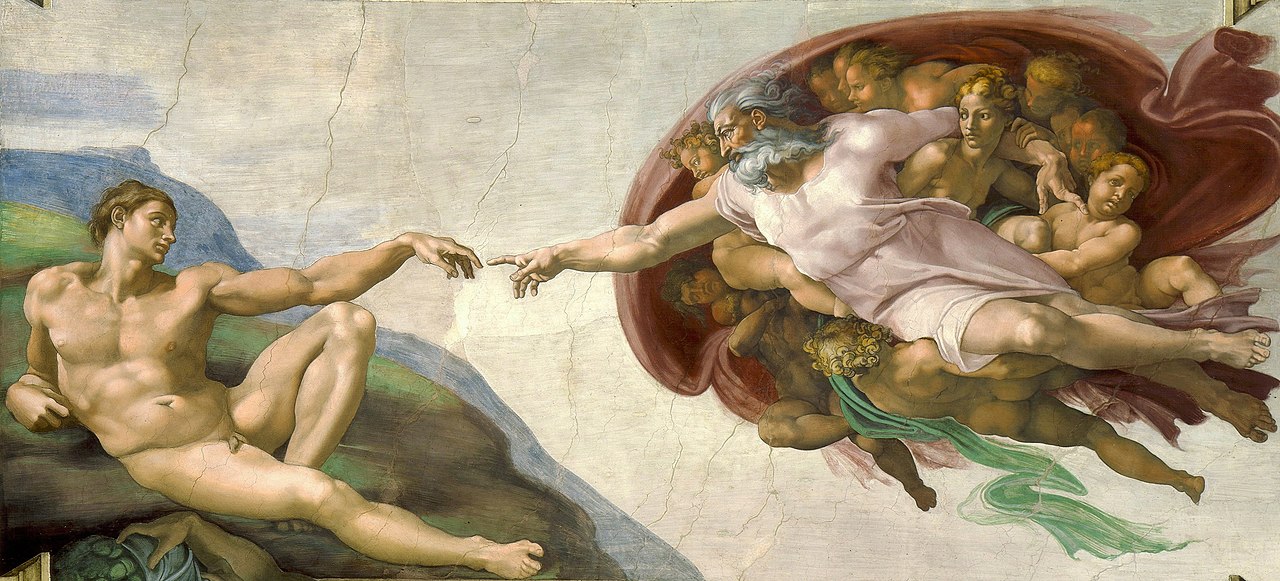
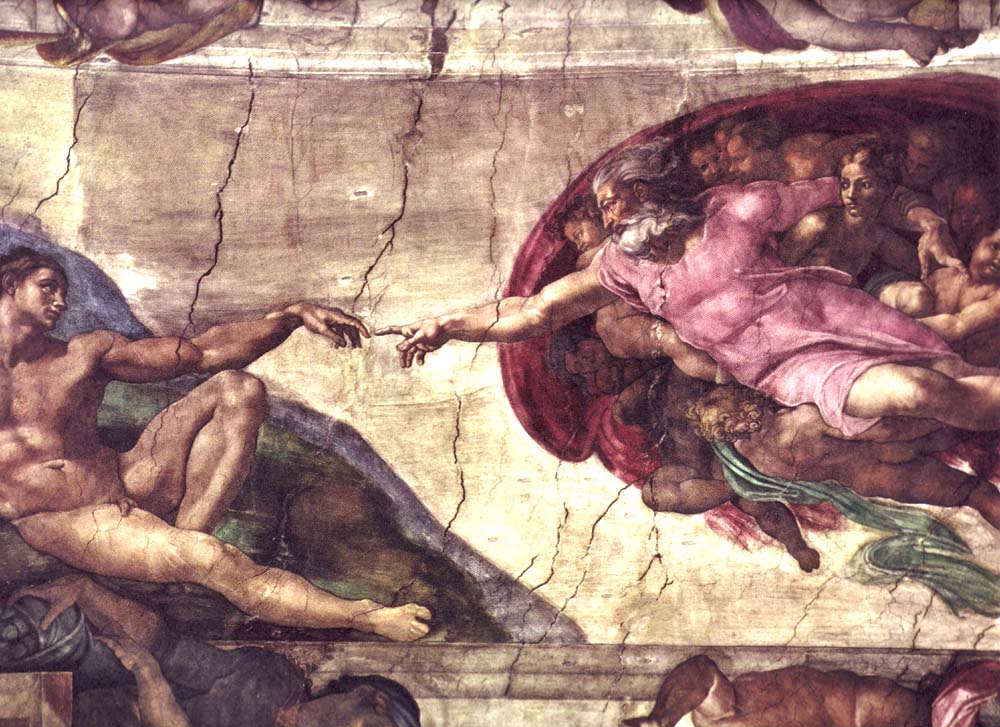
Inside the Sistine Chapel, four years of Michelangelo's solitary labor transform 5,000 square meters of barrel vault into a vision of creation—over 300 figures in fresco, climaxing in the most famous handshake in Western art. A quarter-century later, an older, angrier Michelangelo painted the Last Judgment on the altar wall: the same chapel, a completely different faith.
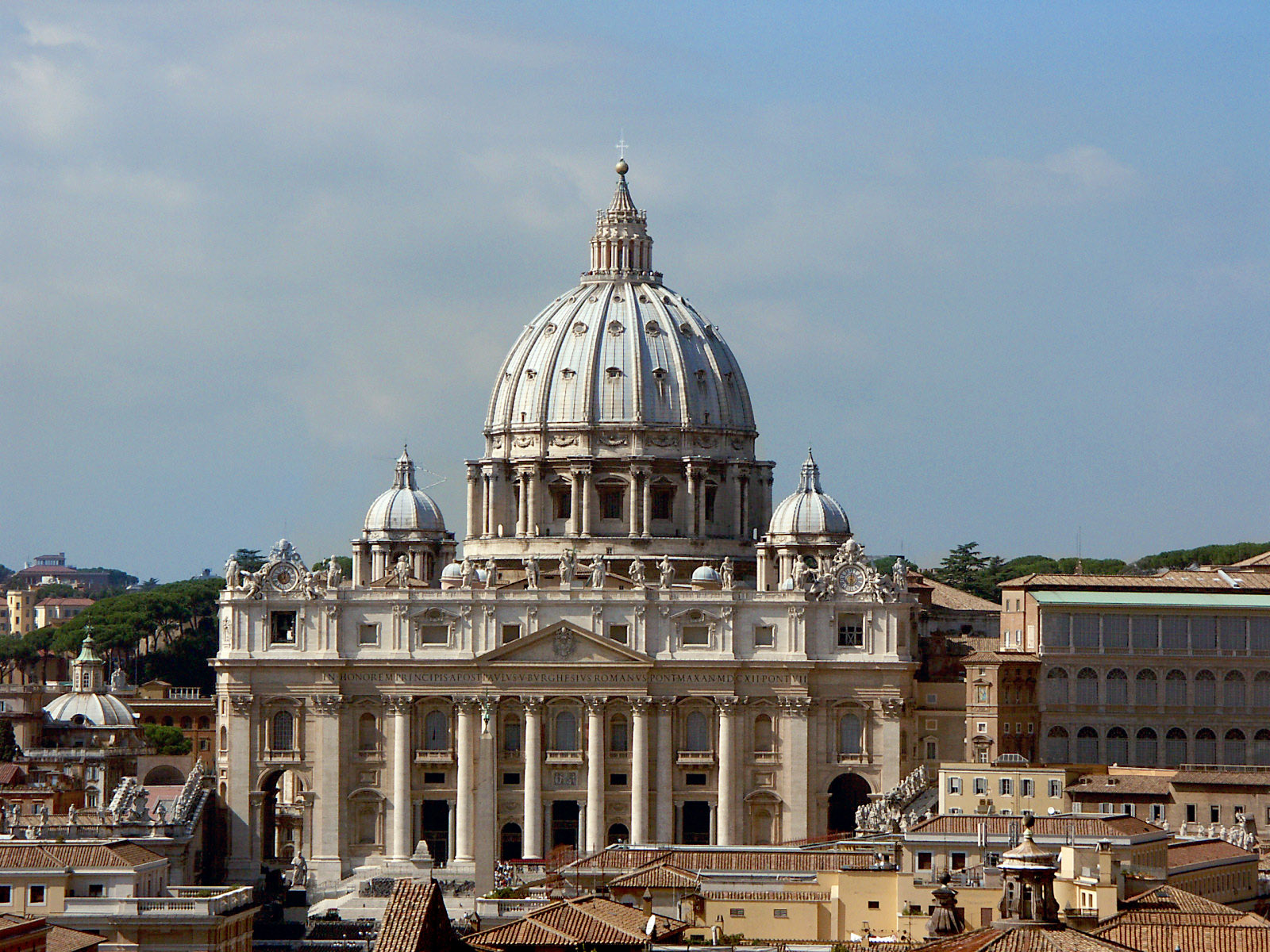
At 71, Michelangelo took command of St. Peter's unfinished basilica and created a dome that would define the Roman skyline—a work he designed but never lived to see completed.
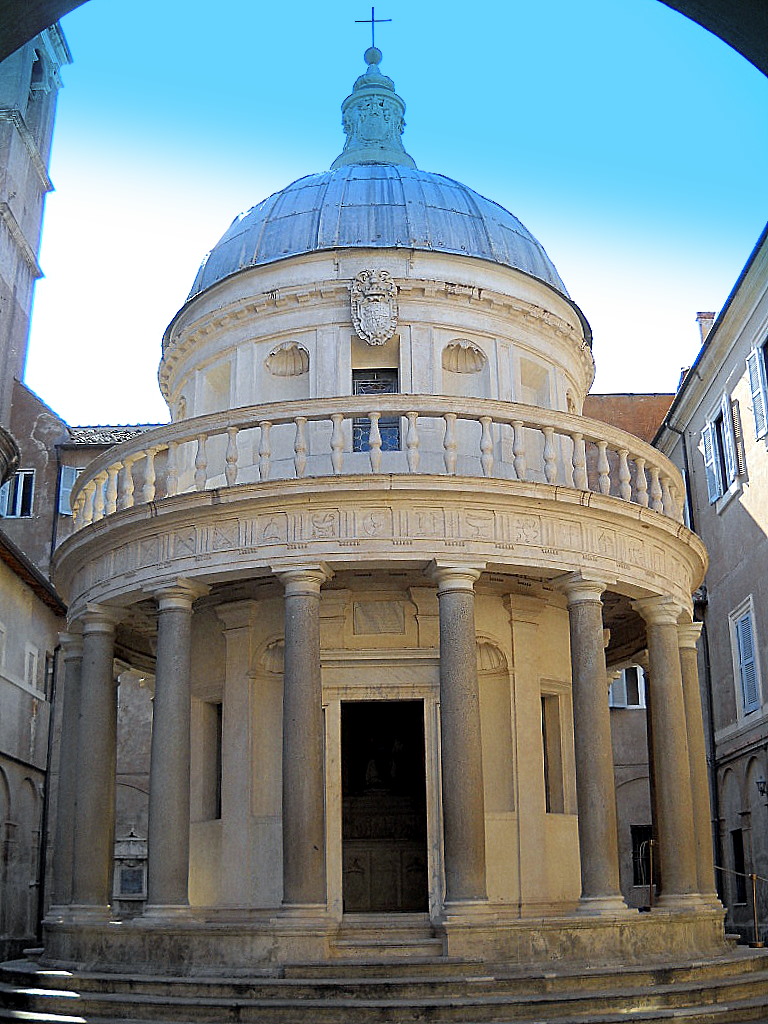
This 1502 chapel is a perfect gem of Renaissance architecture—a building that whispers rather than shouts, and convinced Pope Julius II that Bramante deserved to rebuild St. Peter's Basilica itself. Built on the supposed site of St. Peter's crucifixion, the Tempietto demonstrates mathematical harmony and classical proportions so precise you could study it for hours.
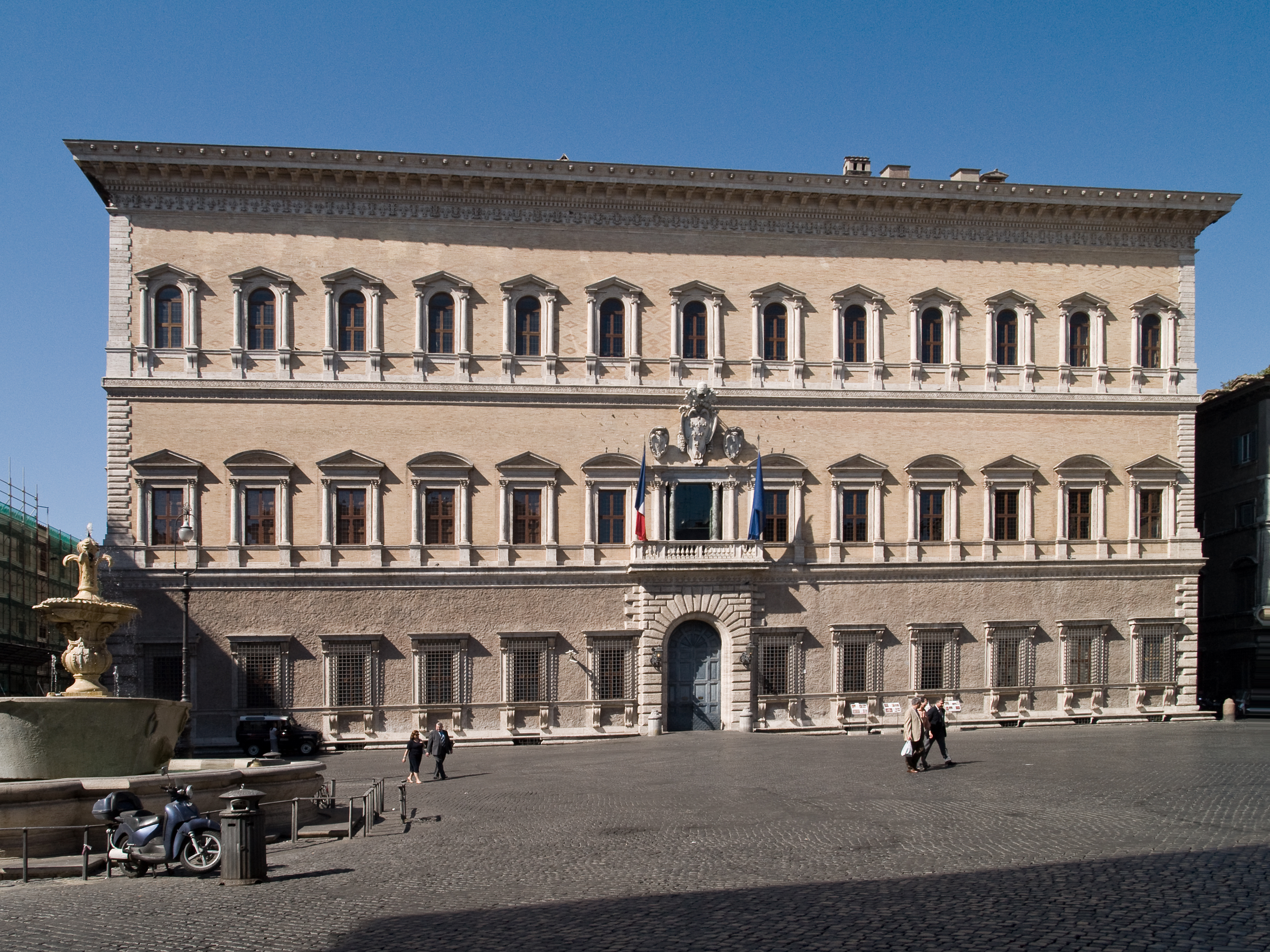
Palazzo Farnese towers before you—the most imposing Renaissance palace in Rome, made even grander when Michelangelo redesigned its cornice and upper floors after Antonio da Sangallo's death. Built for one of Rome's most powerful families, it stands as a monument to patronage, power, and the role of architecture in displaying status.
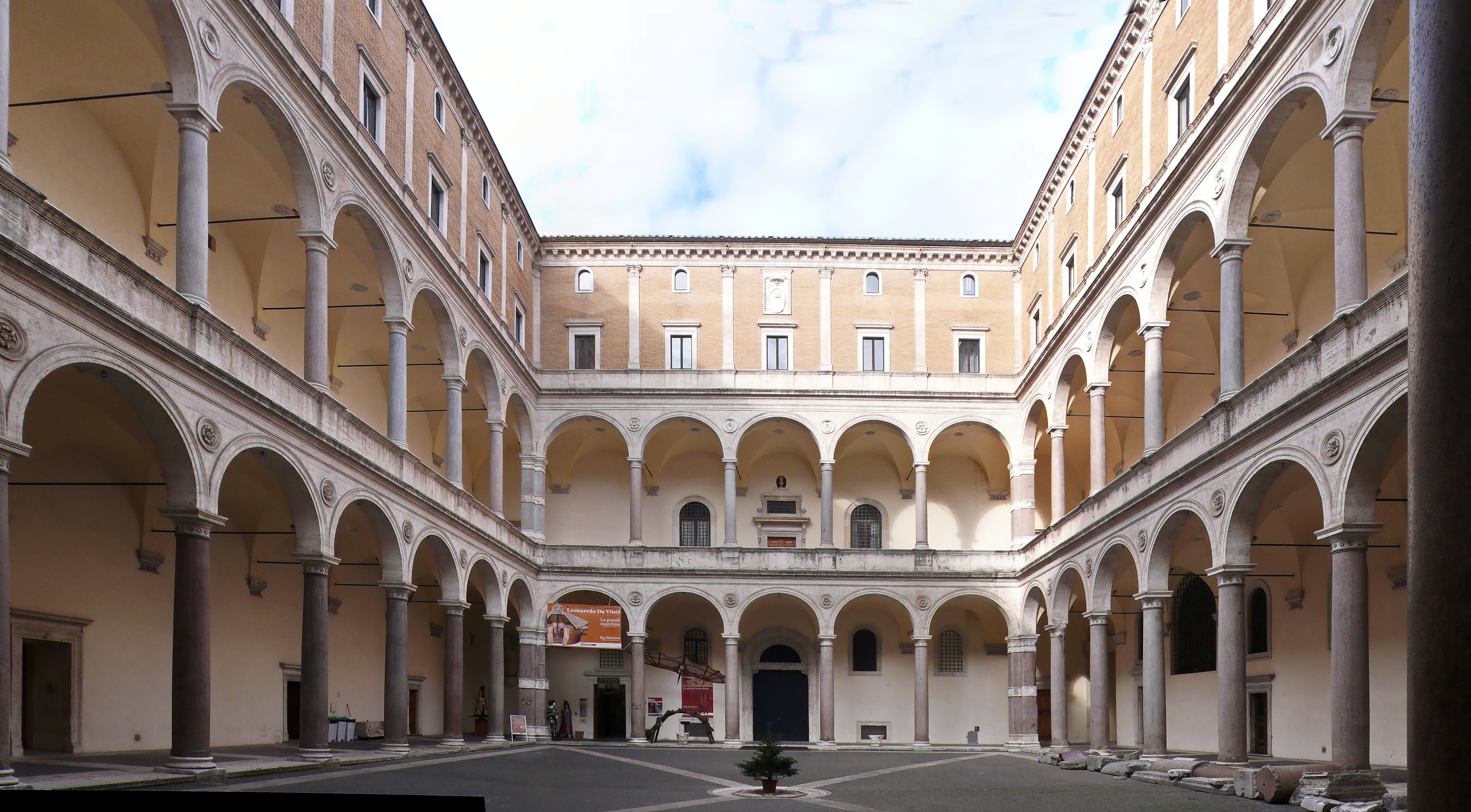
Palazzo della Cancelleria is an Early Renaissance masterpiece where Bramante's courtyard embodies architectural reason itself—elegant, proportional, and harmonious—while Vasari's famous frescoes inside remind us what happens when speed trumps care.
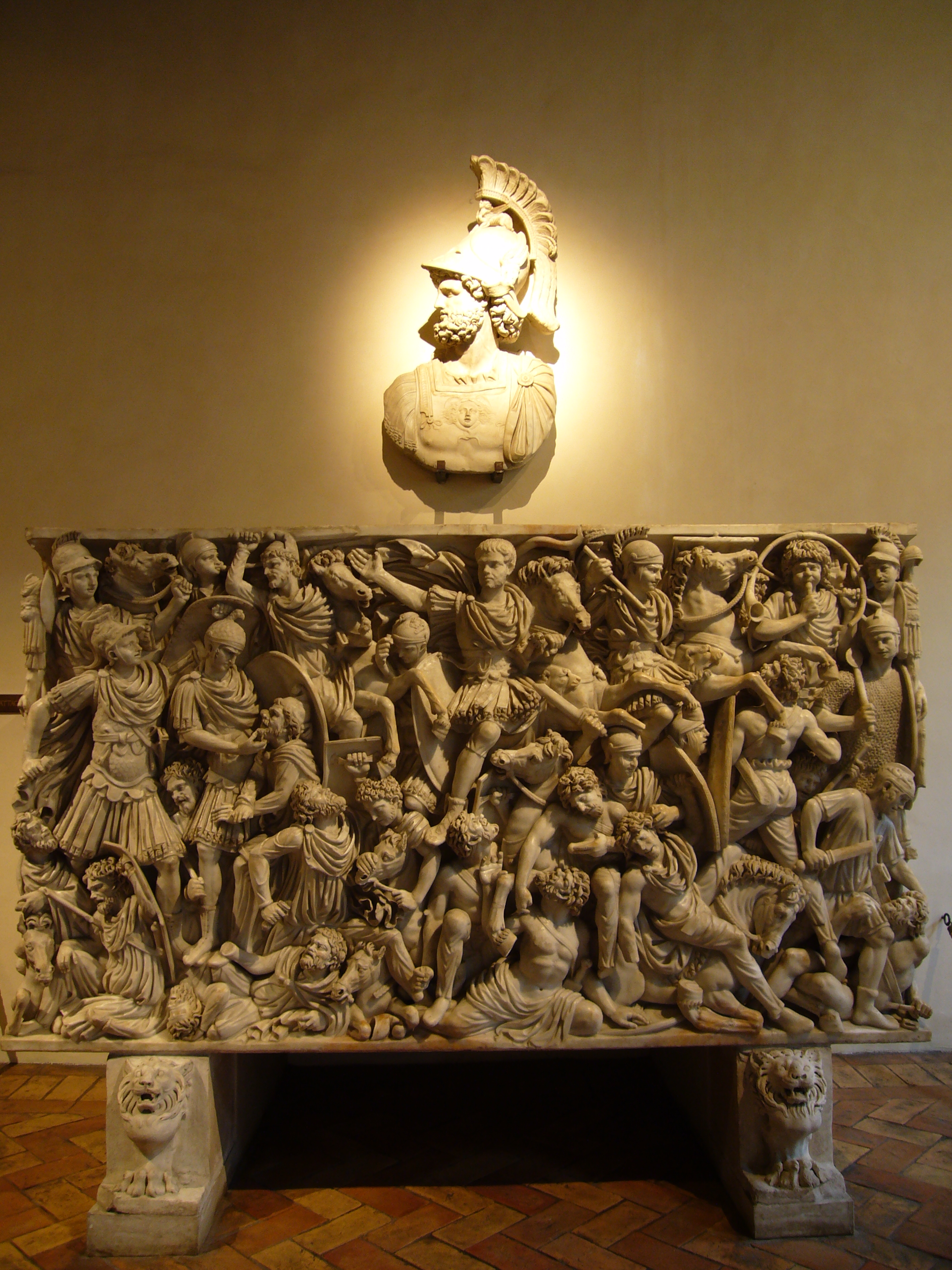
This Renaissance palace houses the legendary Ludovisi collection — ancient Greek and Roman sculptures that Renaissance masters like Michelangelo and Raphael obsessively studied, using the past to revolutionize the present.
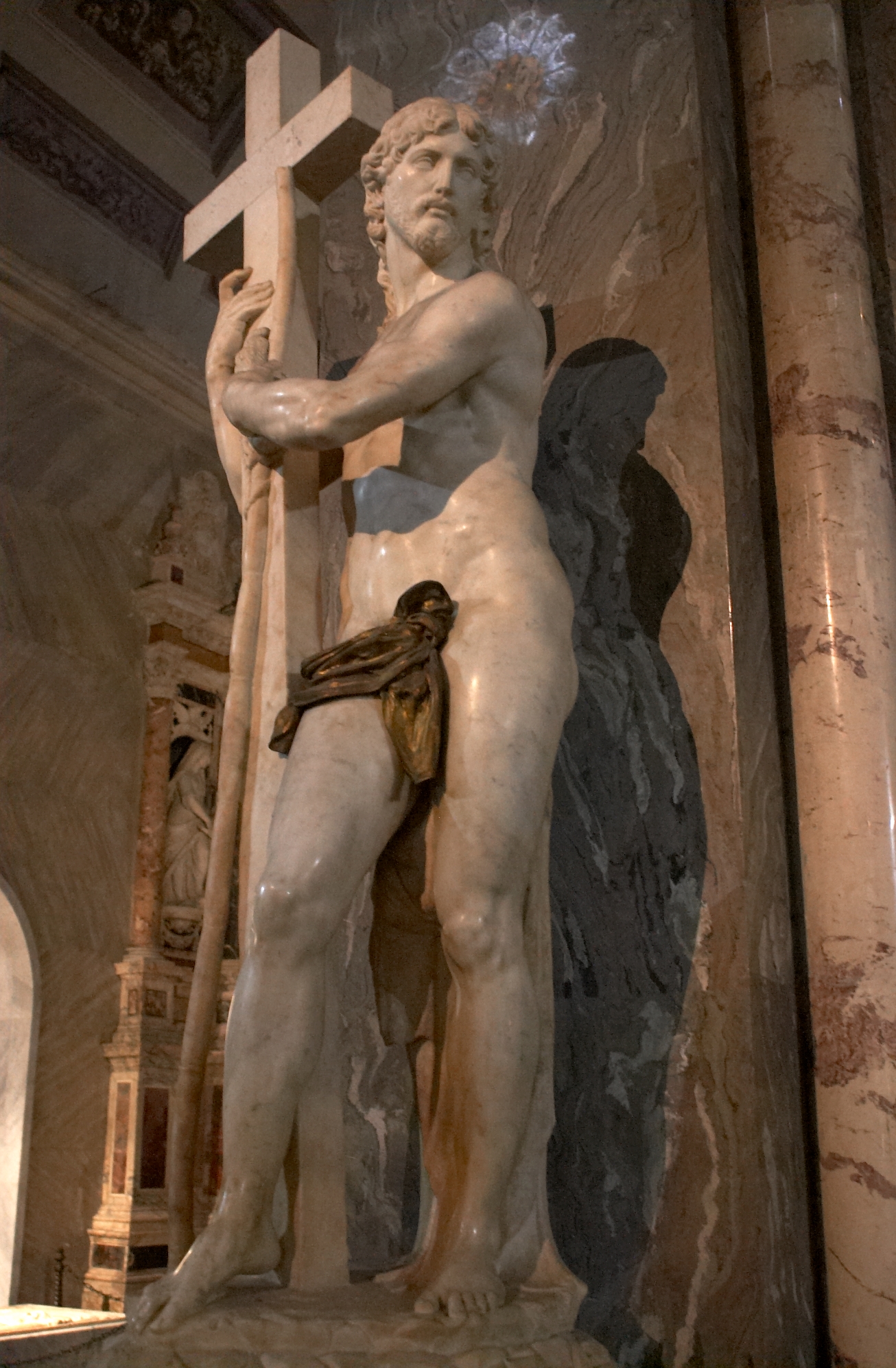
Santa Maria Sopra Minerva houses Michelangelo's audacious Risen Christ—a muscular, unclothed figure clutching his cross—while this Gothic gem shelters extraordinary frescoes by Filippino Lippi and the tombs of Renaissance masters including Fra Angelico. It's the only Gothic church in Rome, a structural paradox that makes the Renaissance treasures inside feel all the more revolutionary.
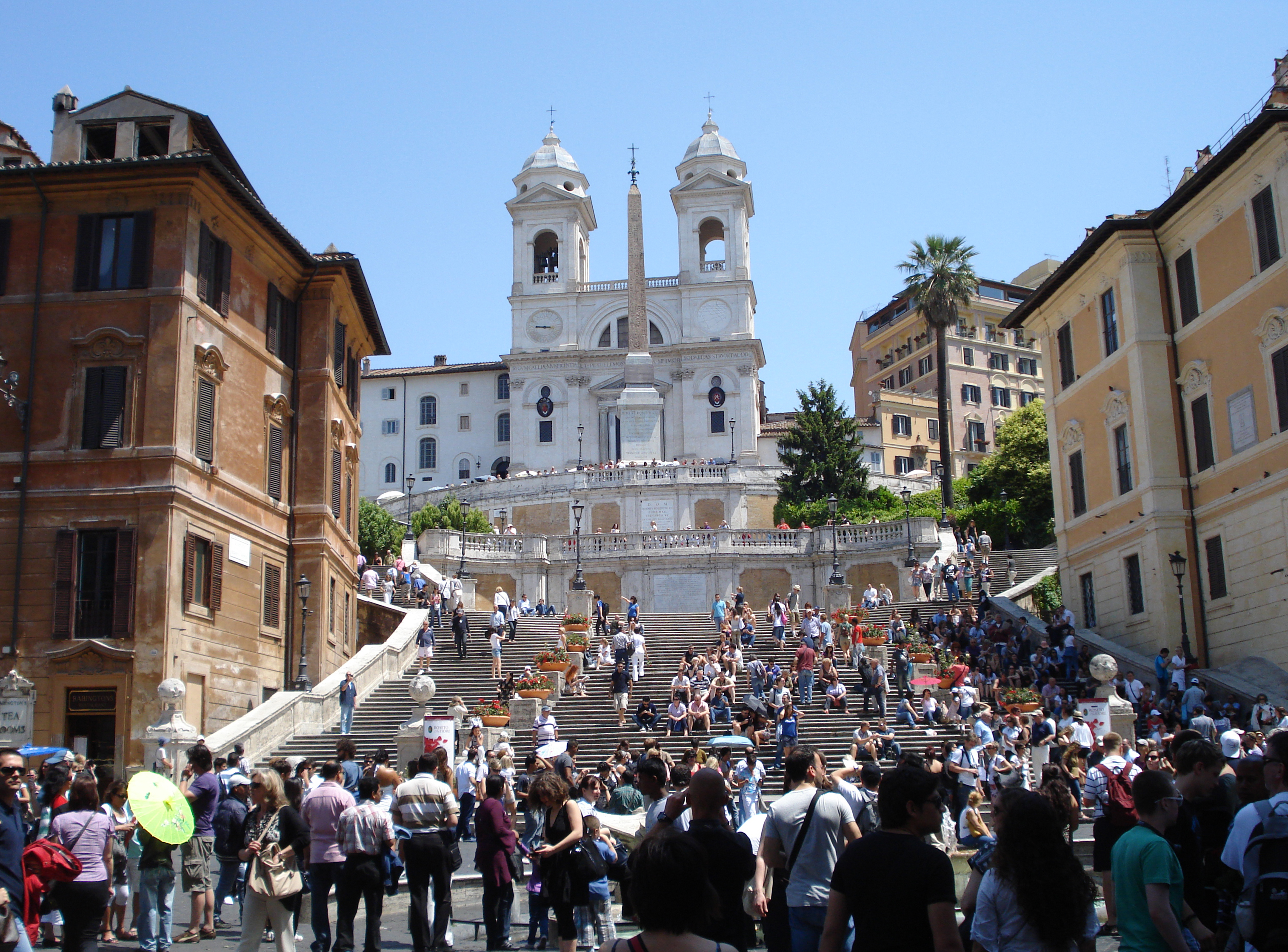
From the summit of the Spanish Steps, Trinità dei Monti unfolds as a masterpiece of Renaissance urban planning—where papal ambition, French patronage, and Michelangelo's legacy converge in architecture and art. Inside, Daniele da Volterra's Deposition reminds us that genius was not solitary; it was passed hand to hand, sketch to canvas, from master to devoted pupil.
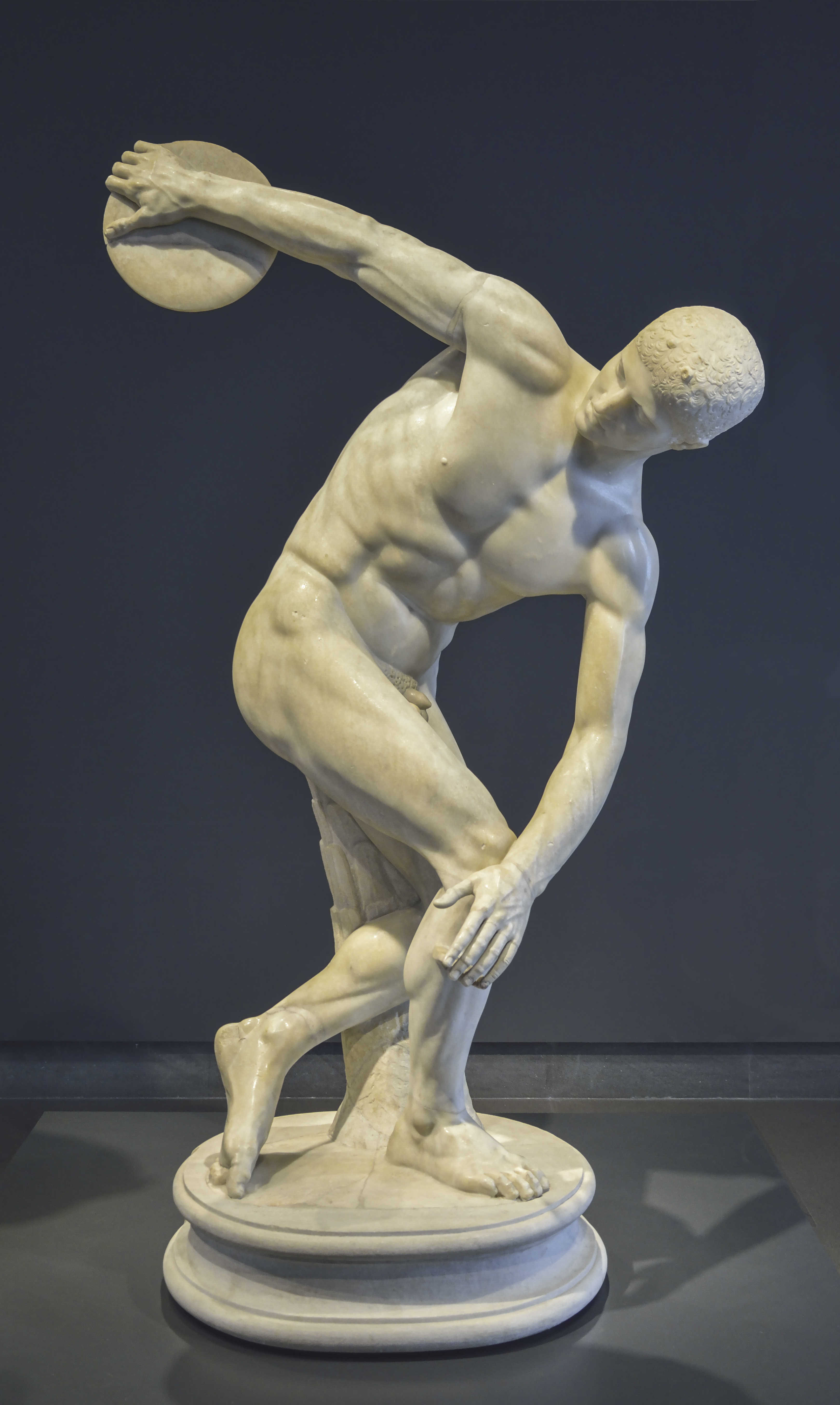
Here, in the greatest collection of Roman sculpture and frescoes, you encounter the ancient works that made the Renaissance possible. The Boxer at Rest stands as a masterpiece of unflinching realism; nearby, the garden paintings from Livia's villa reveal an ancient world of beauty and imagination that captivated Renaissance artists centuries later.
This is the real story from one stop on this walk — every stop has one.
Cross the Tiber to explore two of Rome's most resilient neighbourhoods. Begin at the Renaissance splendour of Palazzo…
Trace Rome's transformation from a republic of senators and civic temples to an empire of colossal amphitheaters and…
Follow the greatest architectural rivalry in history across Rome’s Baroque masterpieces. From Borromini’s mind-bending…
We use cookies to analyse site traffic and improve your experience. You can choose to accept or reject analytics cookies. Learn more