Barcelona · Spain
Scars and Shelters: Barcelona's Civil War
Barcelona, Spain
Refugi 307 — 400 metres of hand-dug civilian shelters Plaça de Sant Felip Neri — shrapnel scars still in the church wall George Orwell's Barcelona — the streets that became Homage to Catalonia Bunkers del Carmel — 360° view of every place the war touched
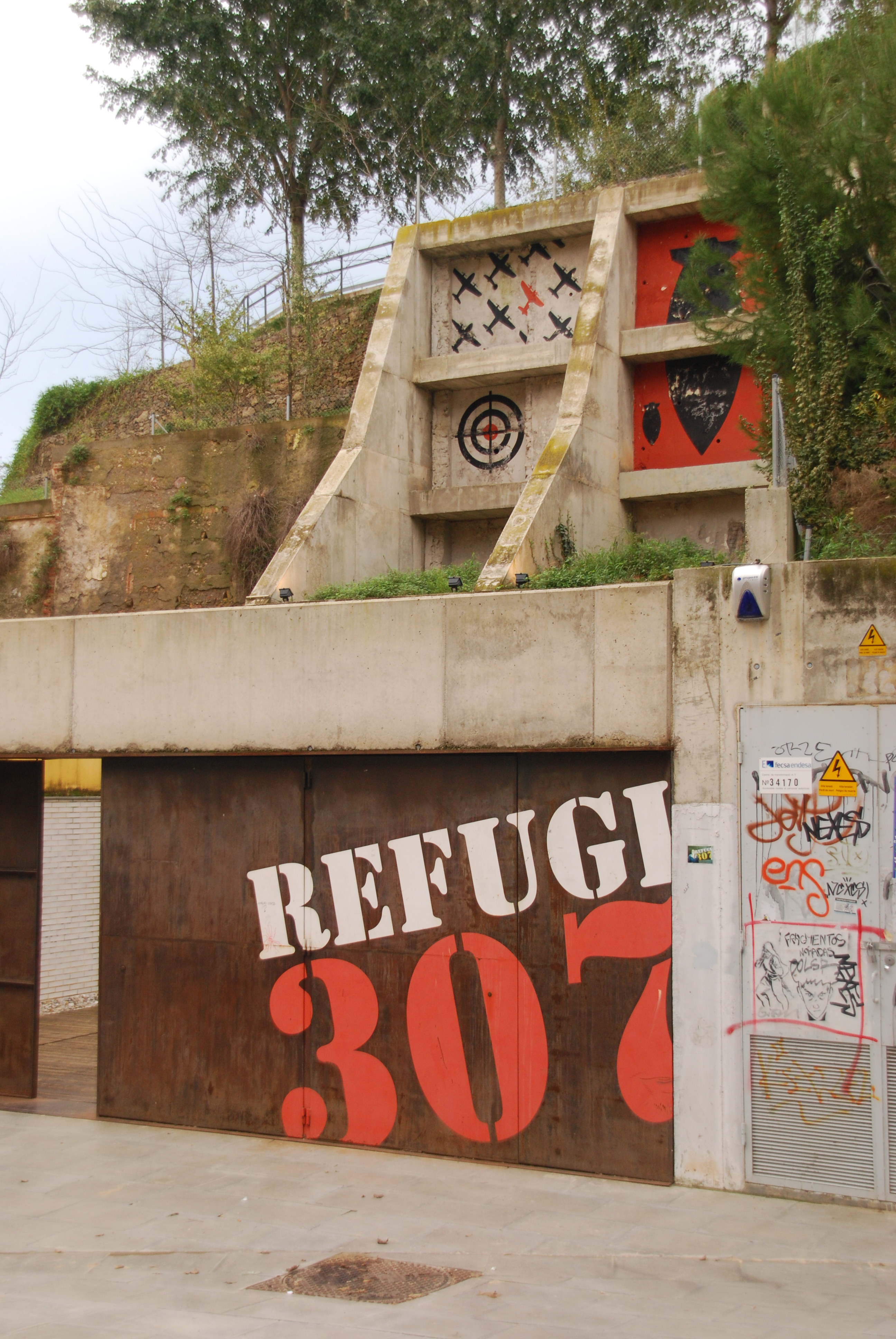
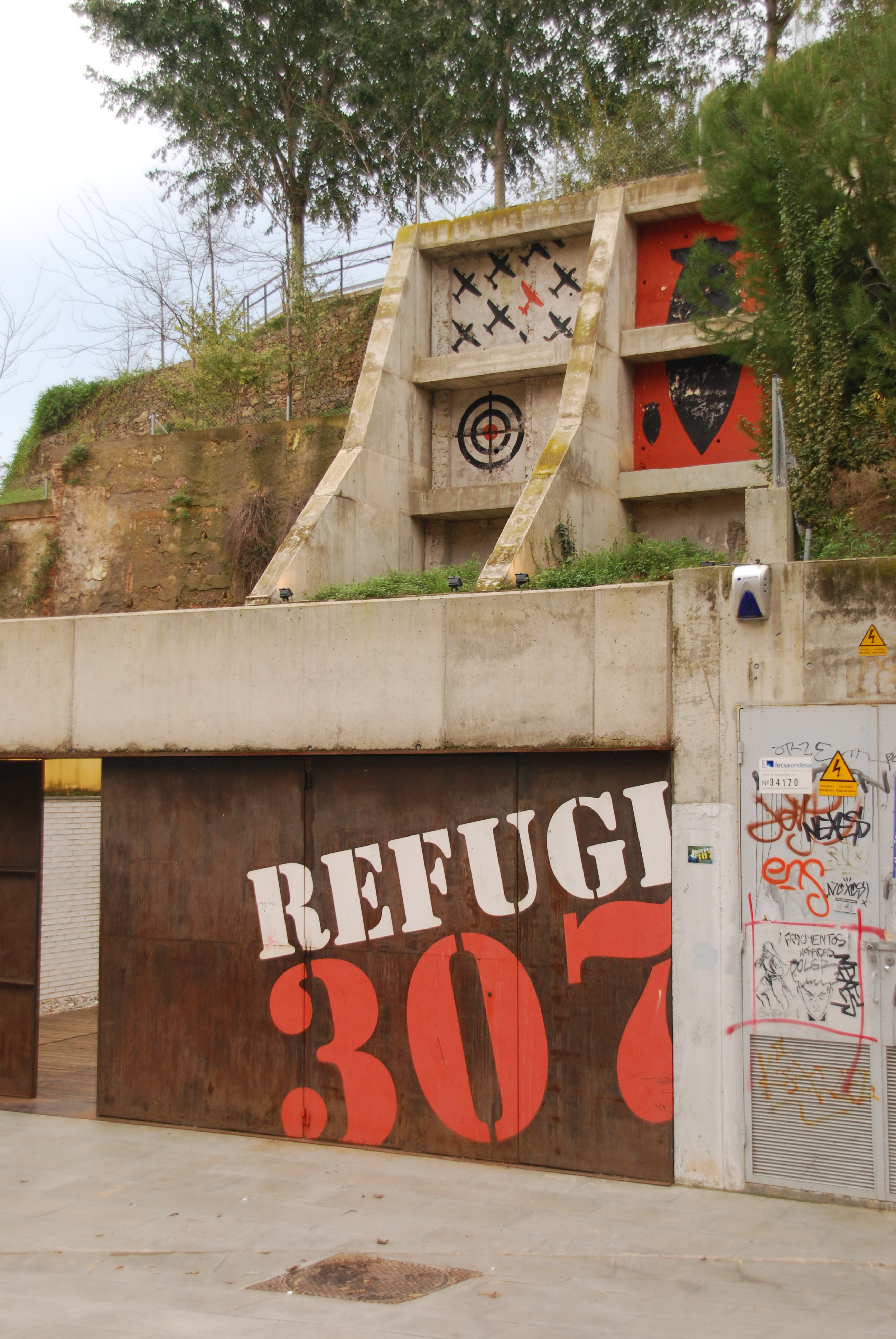
Four hundred metres of tunnels carved into Montjuïc by ordinary civilians. Barcelona was the first major European city systematically bombed from the air—and its people built their own survival.
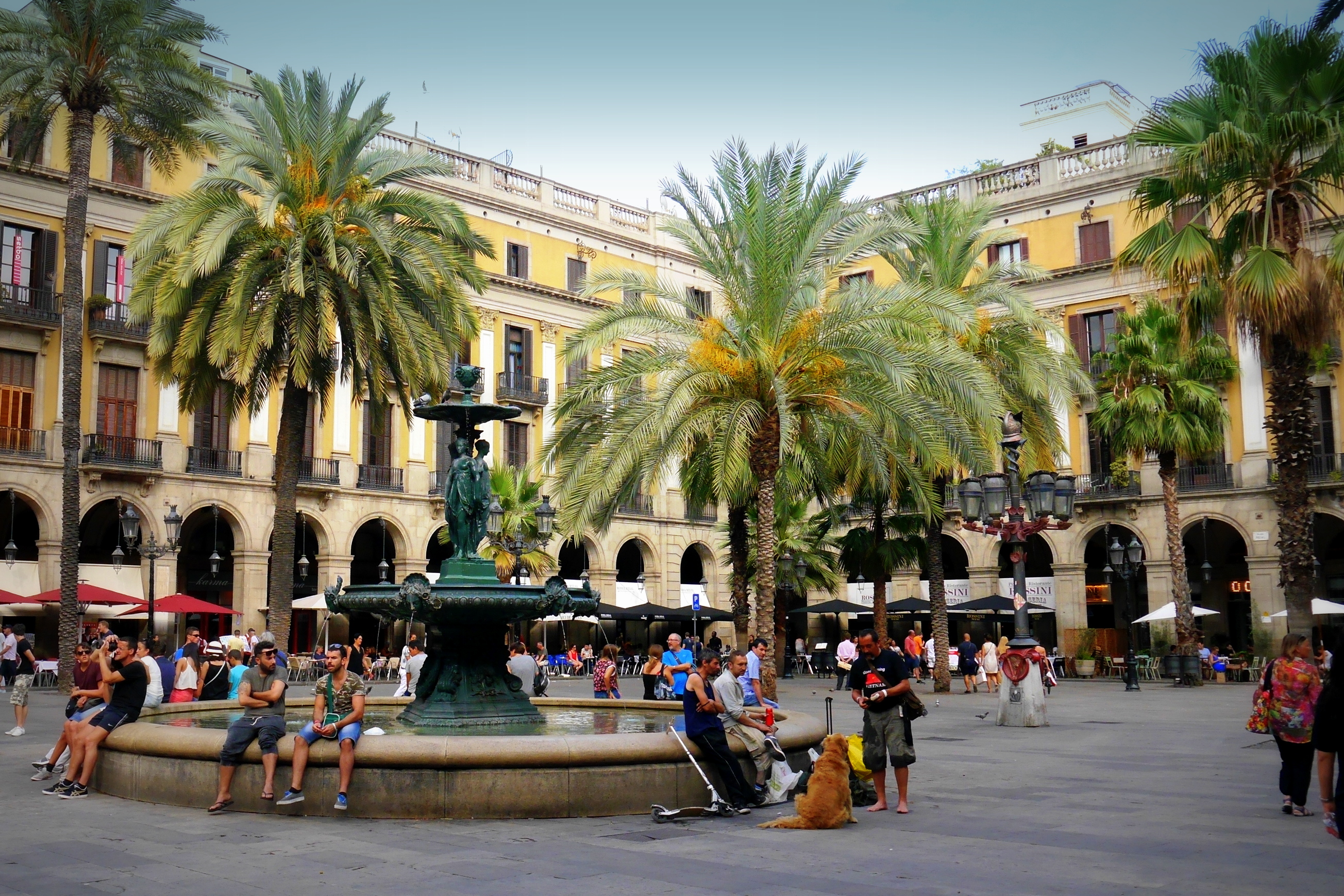
In the working-class Raval, anarchist committees didn't just dream of revolution—they built it. By December 1936, this street was the heartbeat of a city transformed.
A POUM militia headquarters on La Rambla. George Orwell trained here, fought here, nearly died here—then watched the Republic turn on its own revolutionaries.
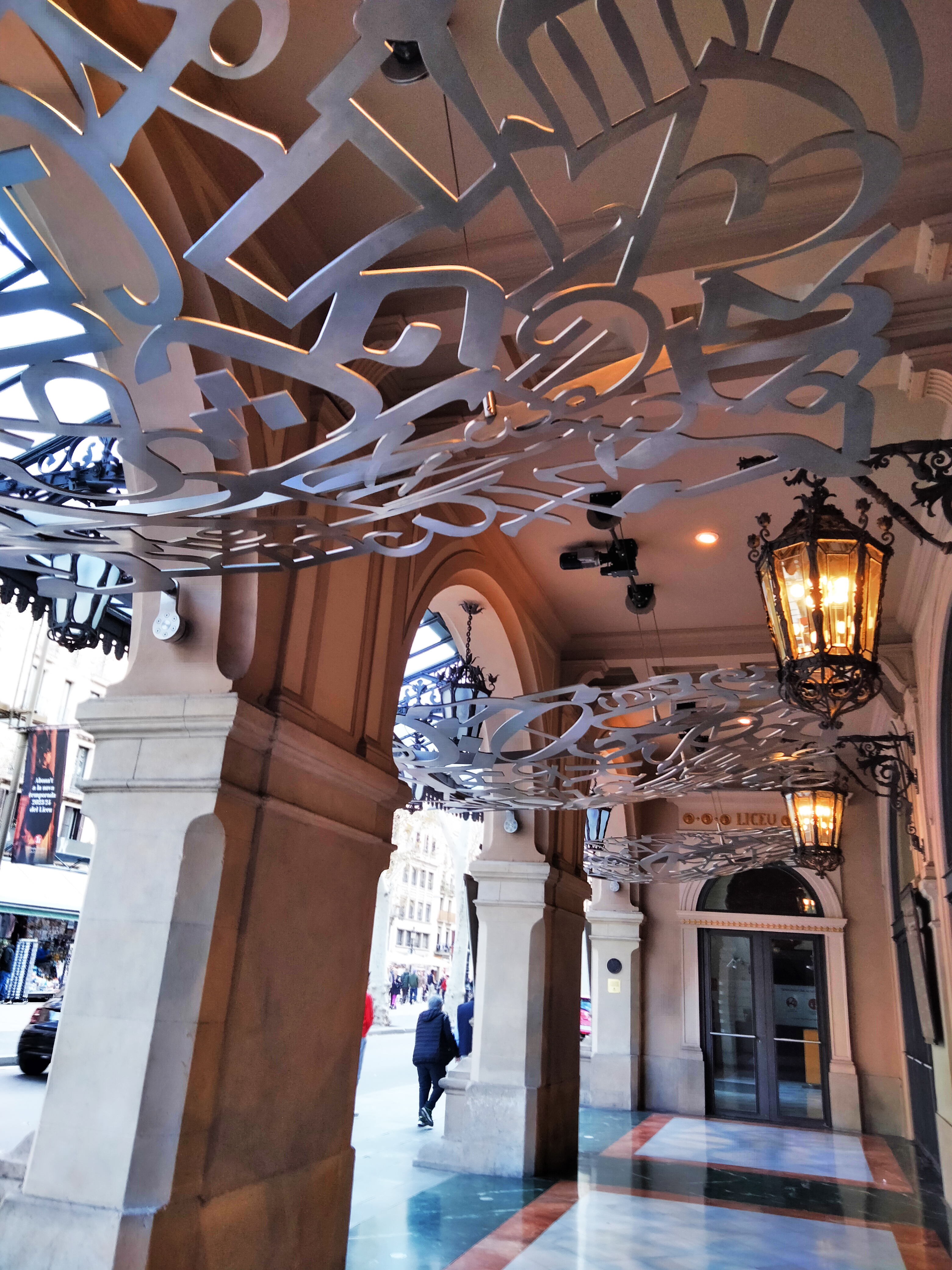
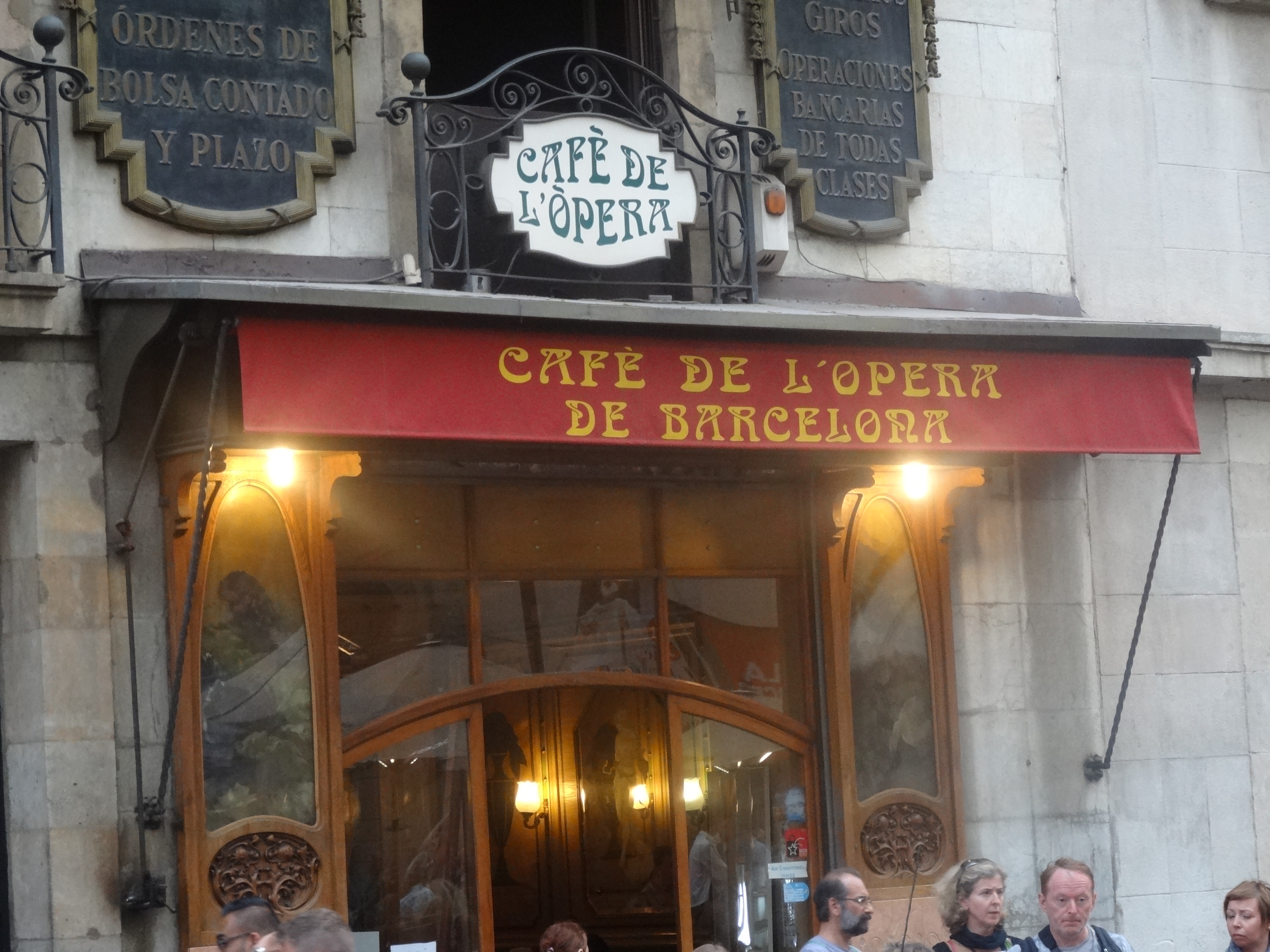
An 1847 opera house that survived anarchist bombs in 1893, fascist bombardment in the Civil War, and Franco's decades of suppression. Yet a curtain nearly destroyed it.
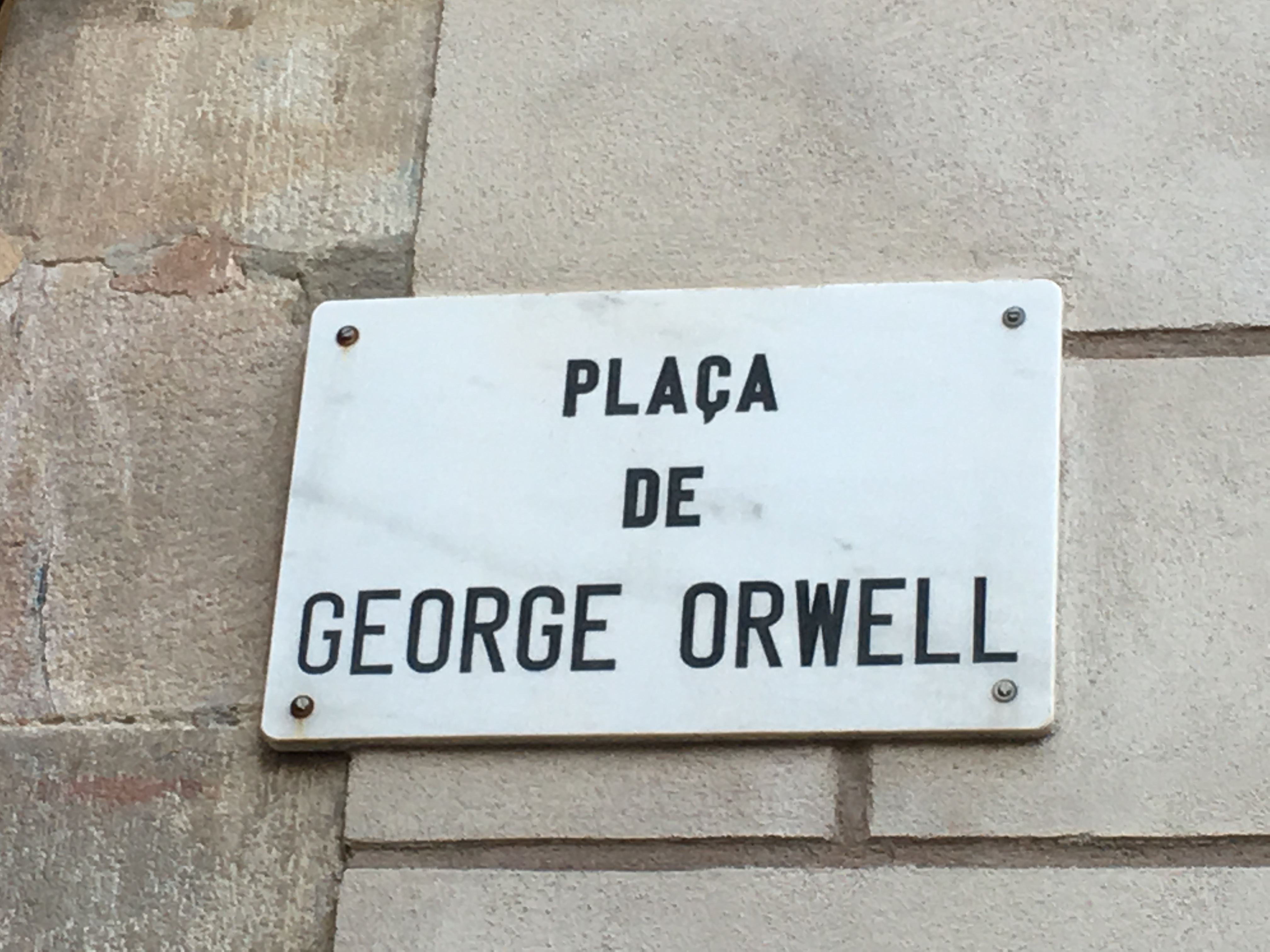
A small square in the Gothic Quarter named after the writer who fought here. Over 35,000 volunteers from fifty countries came to Barcelona, convinced that stopping fascism here meant saving Europe.
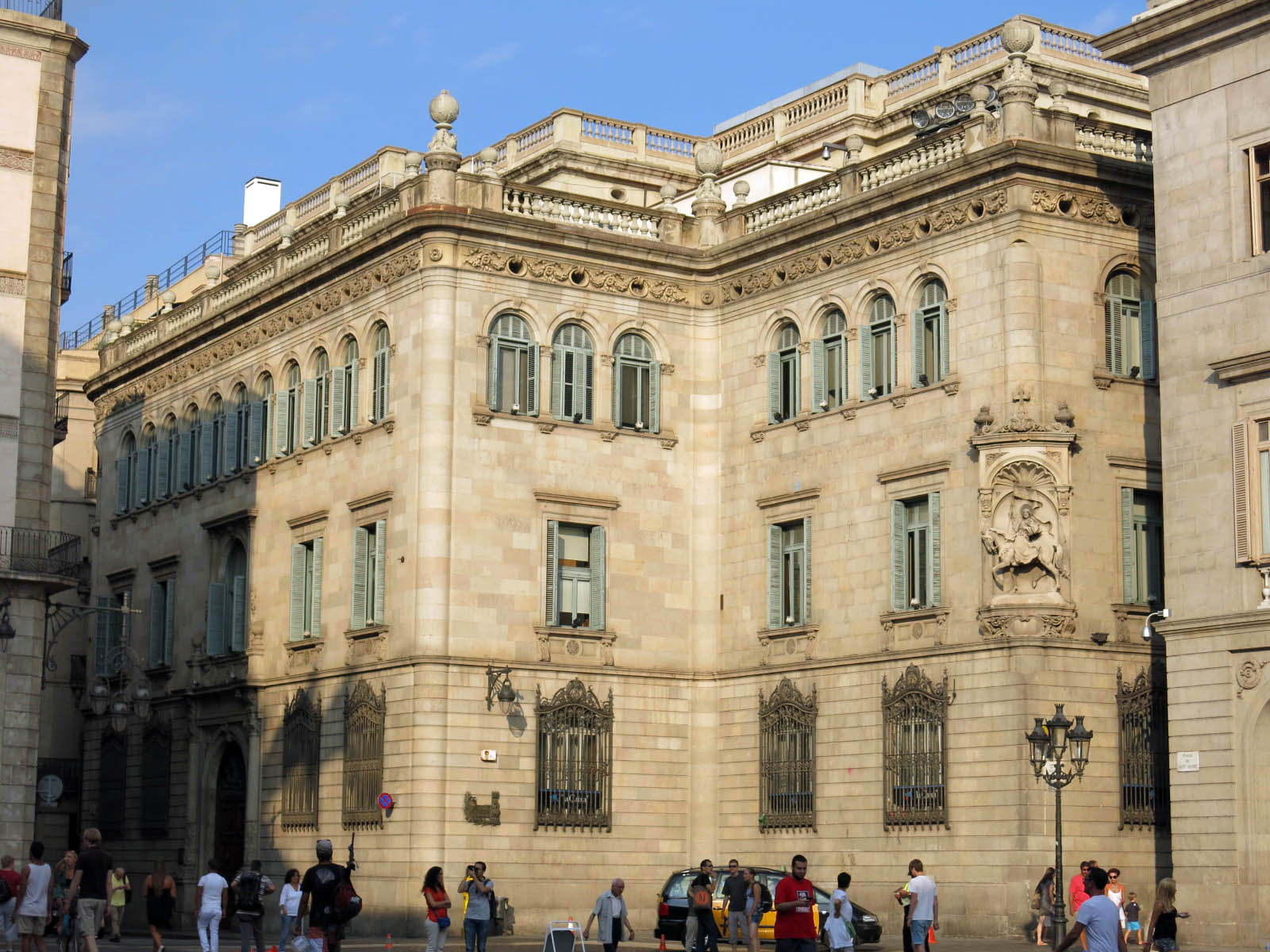
The political heart of Catalonia where the Generalitat and City Hall face each other across centuries of contested authority. On January 26, 1939, Franco's troops marched through this square and the Spanish Republic ceased to exist in Barcelona.
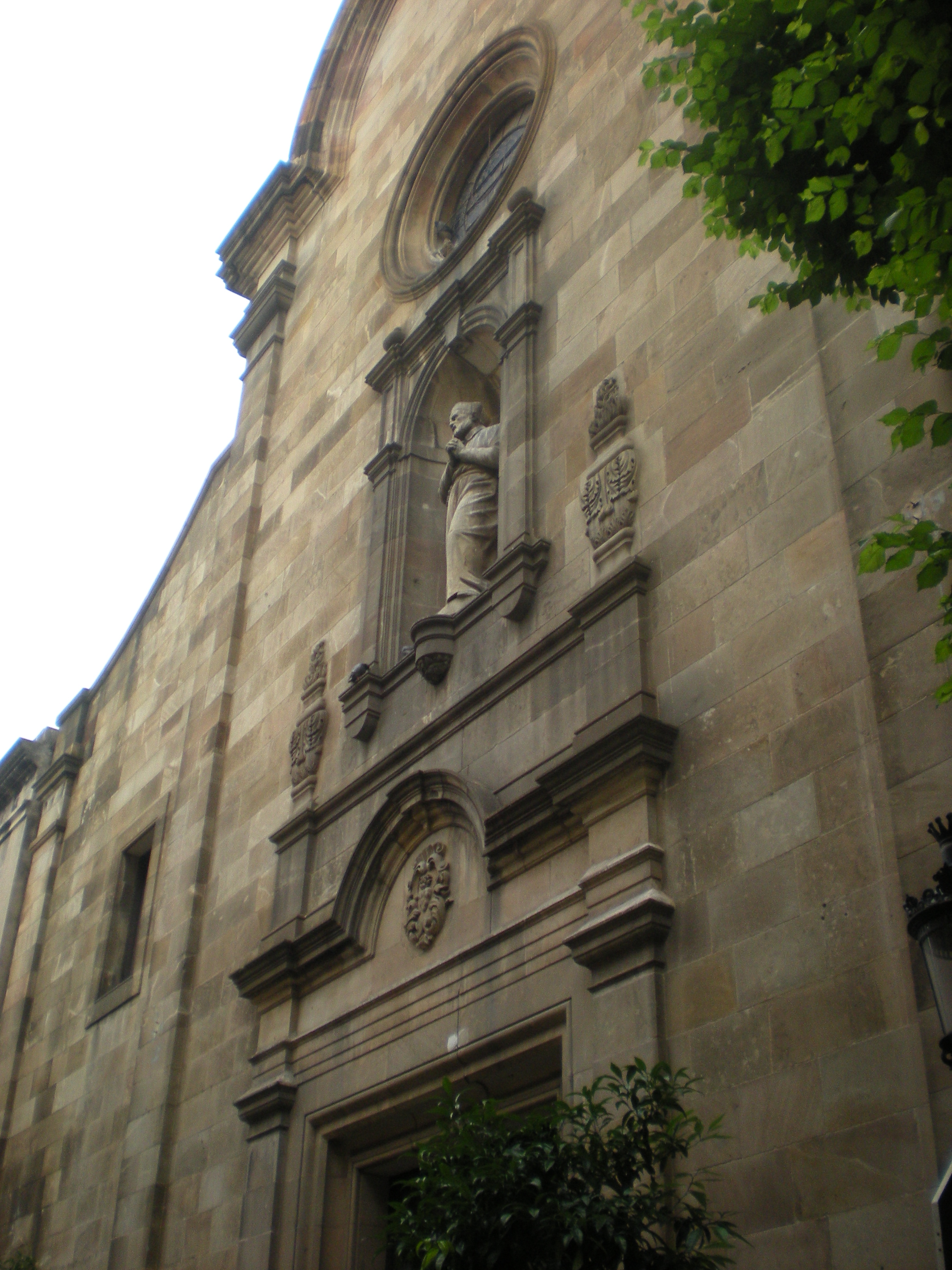
A small, quiet square in the Gothic Quarter. On January 30, 1938, Italian fascist bombers dropped their load here, killing civilians sheltering in the church basement. The pockmarked facade of the church remains unfixed — Barcelona's most honest war memorial.
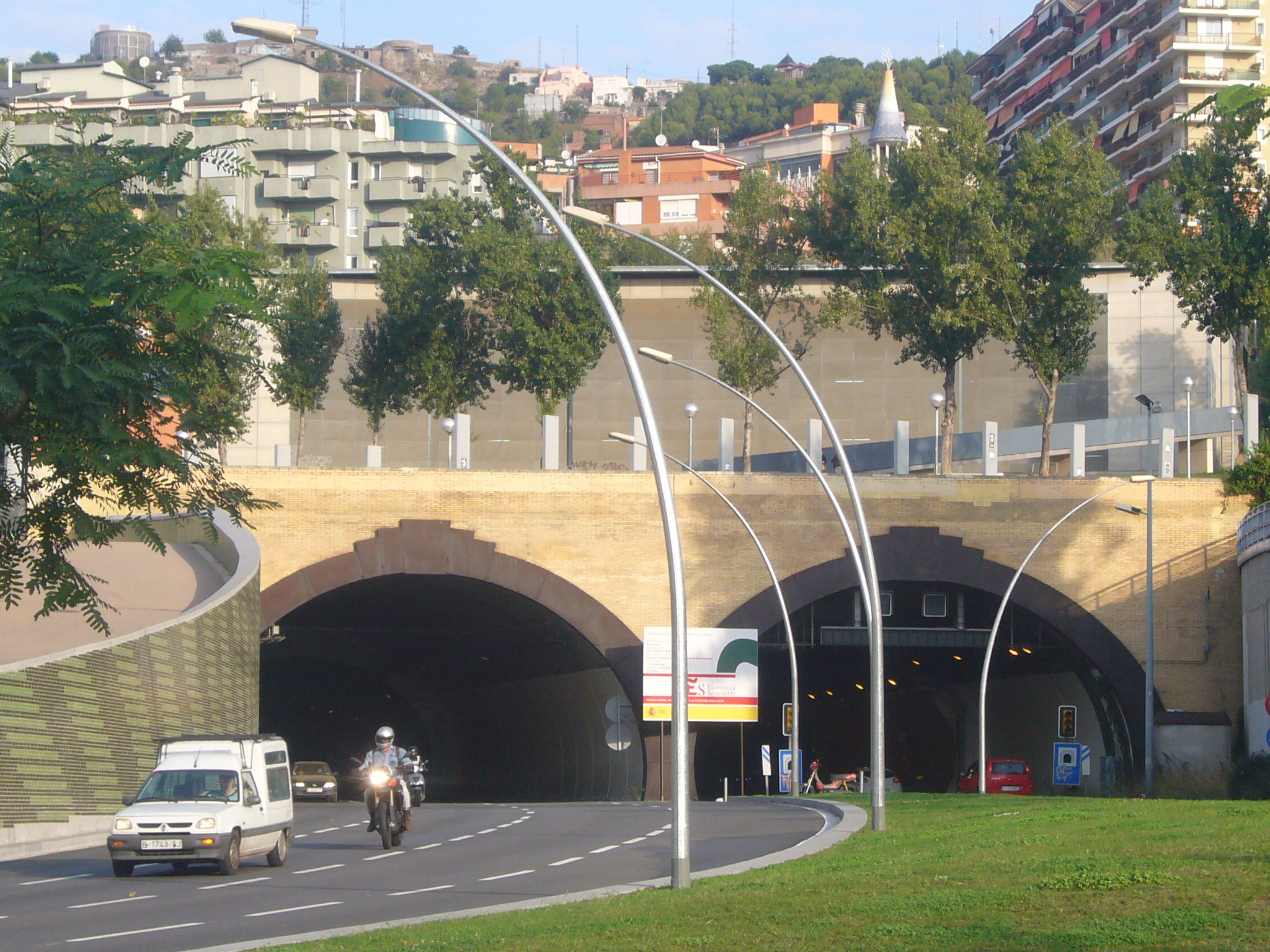
Barcelona's great central square, where everything converges. On July 19, 1936, the Civil War began here when citizens stormed the army barracks. In May 1937, it became a battleground between the Republic's own factions. Today it is a tourist plaza, unmarked and unmemorialized.
The hilltop ruins of anti-aircraft batteries built to defend Barcelona from aerial bombardment (1937-38). After the war, refugees built shantytown homes in the ruins. Now it's a 360-degree viewpoint where every direction connects to a place we've visited — the ultimate panorama of this war.
This is the real story from one stop on this walk — every stop has one.
Walk through Barcelona's oldest quarter from a Roman cemetery to Gaudi's first lampposts, peeling back 2,000 years of…
If you only have one day, this tour gives you the heartbeat of Barcelona — its most iconic sights, its rhythm, and the…
Discover that Barcelona's real cuisine isn't in tourist restaurants but in its historic markets, neighbourhood…
We use cookies to analyse site traffic and improve your experience. You can choose to accept or reject analytics cookies. Learn more