Ueno: A Battlefield, a Public Park and a Black Market
Tokyo · Japan

Ueno: A Battlefield, a Public Park and a Black Market

Tokyo, Japan
135
Duration (min)
5.9
Distance (km)
10
Stops
Easy
Difficulty

Description

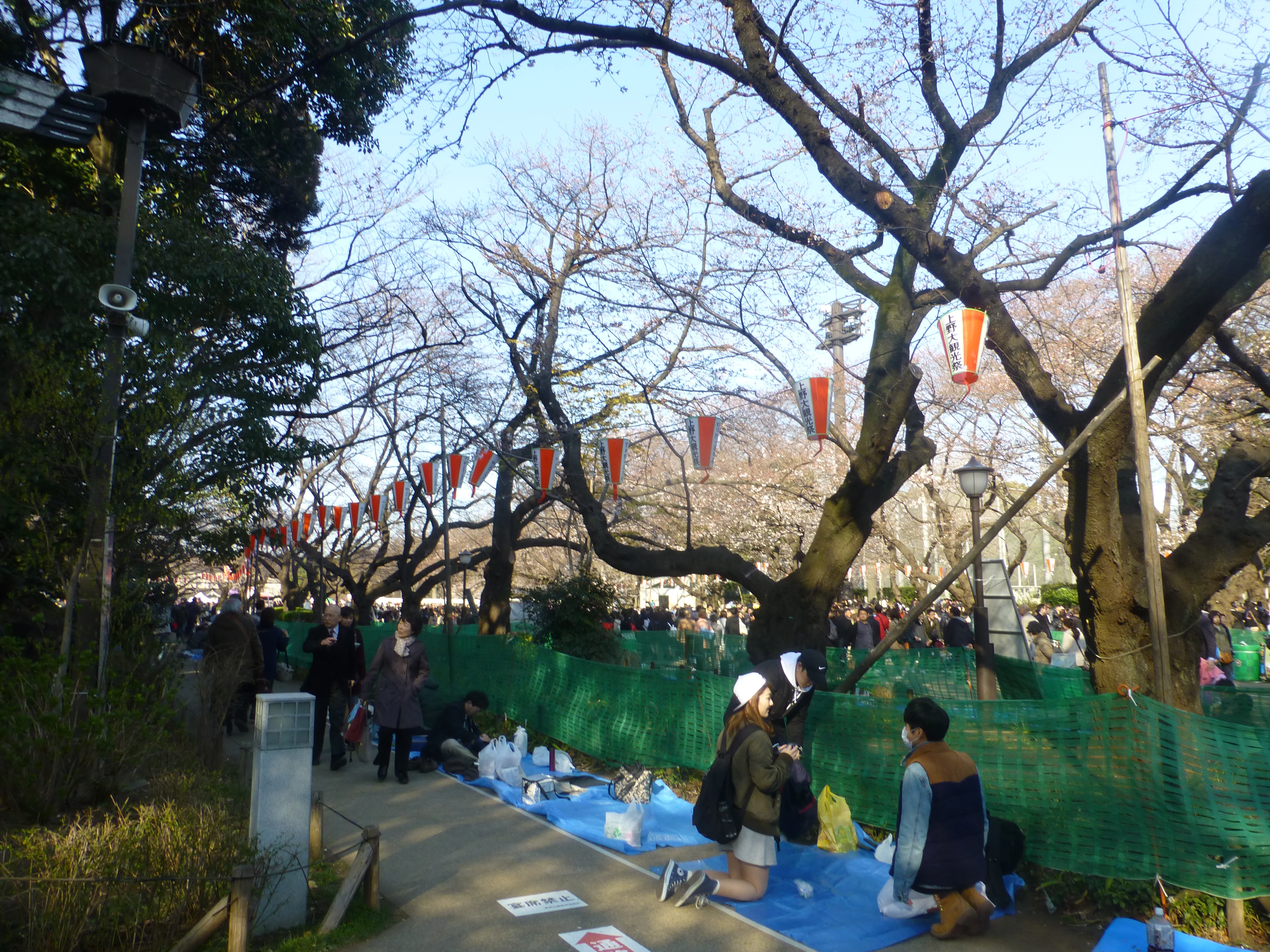
Ueno Park is where a defeated army is buried, and almost nobody walking through it knows. This walk starts on the hill where the shogun's last defenders were shelled out of their temple in a single July day in 1868, finds the two gold-leaf buildings that survived, crosses the museum quarter the Meiji state built on the cleared ground, and comes down off the ridge to the station northern Japan arrived through, the black market that hunger built beside it in 1945, and the street that ended up equipping every kitchen in the city.

Highlights

The bronze of Saigo Takamori, who commanded the army that took this hill and died nine years later rebelling against the government he installed The Shogitai grave, whose stone the victors would not allow to carry the losers' name Shinobazu Pond — a monk's copy of Lake Biwa that spent eight years as a horse-racing track and the war as a rice paddy Le Corbusier's only building in Japan, and the Rodin bronzes standing free in its forecourt Ameyoko, the postwar black market still trading under the railway tracks, and Kappabashi, where Japan's plastic food was invented
Tour Stops

Saigo Takamori statue
1

Saigo Takamori statue

5 min

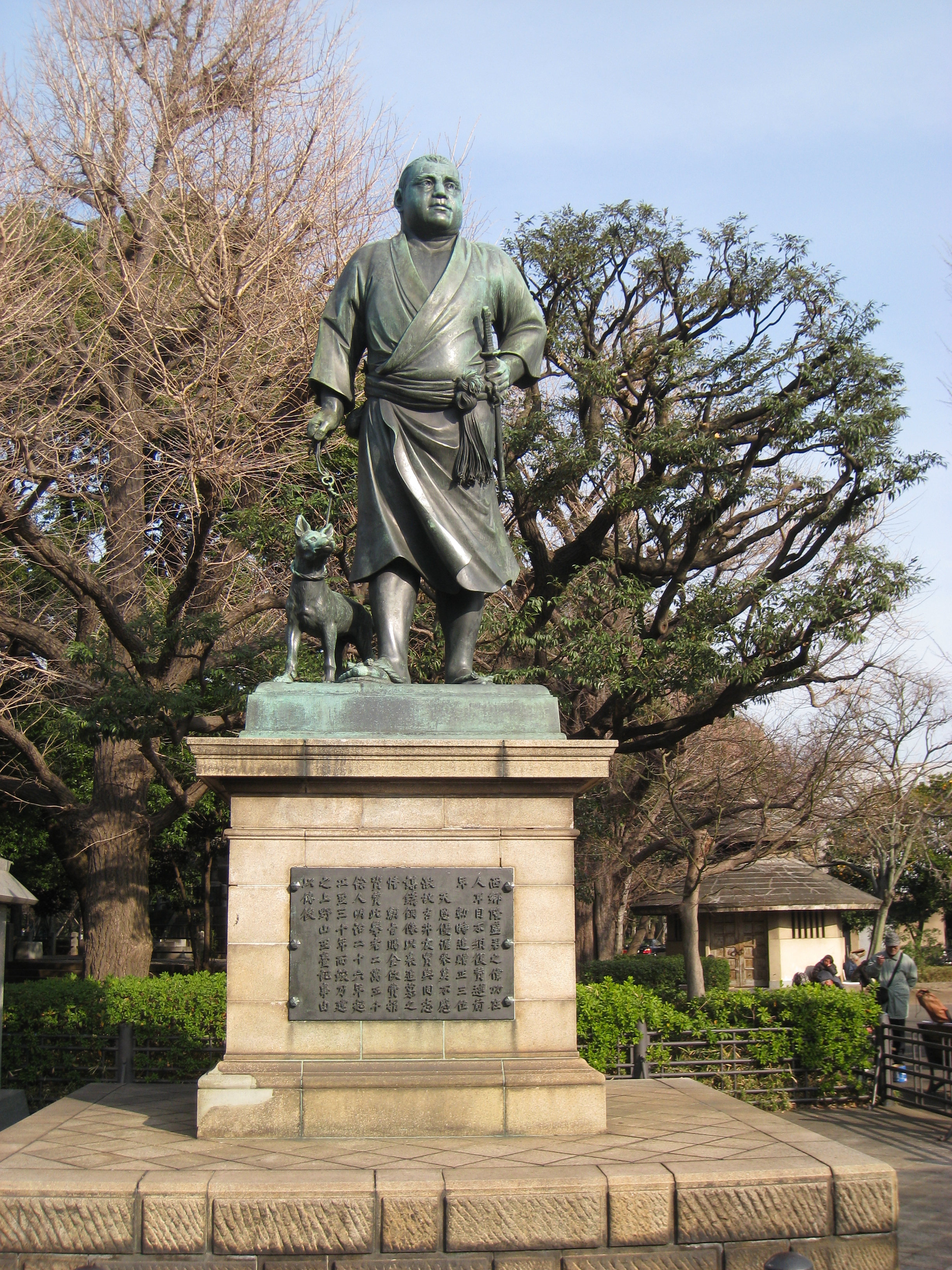
Saigo Takamori led the Meiji army that took this hill in 1868, then died leading his own failed rebellion against that same government in 1877; the 1898 bronze by Takamura Koun deliberately shows him walking his dog in casual dress rather than in uniform.
Shogitai graves
2

Shogitai graves

5 min

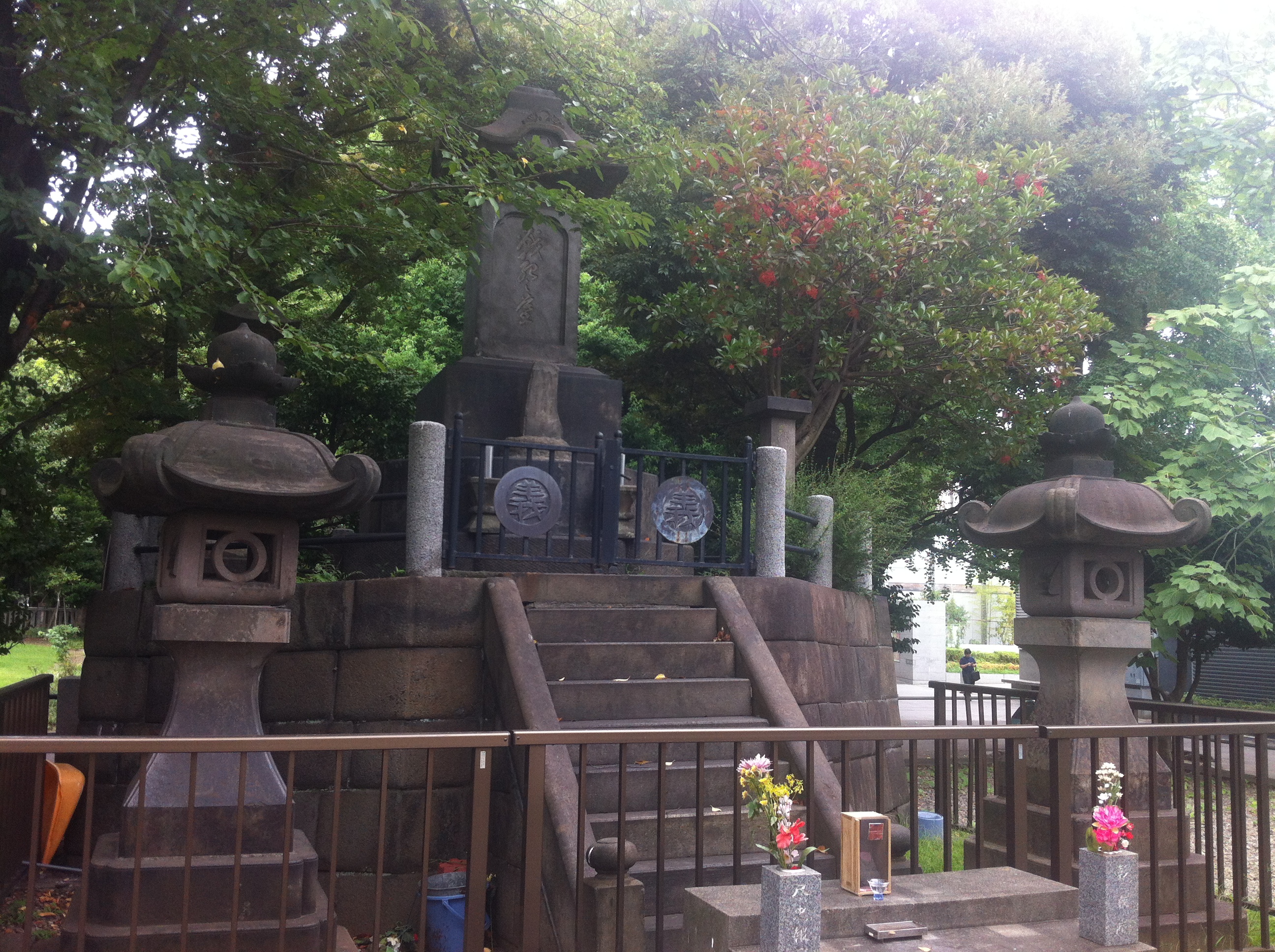
Feet from Saigō's statue lie the shogunate loyalists his side killed in the single-day Battle of Ueno on 4 July 1868, cremated on this hill under a government order that forbade collecting the dead and marked with a grave the survivors were not allowed to raise until 1874.
Kiyomizu Kannon-do
3

Kiyomizu Kannon-do

5 min

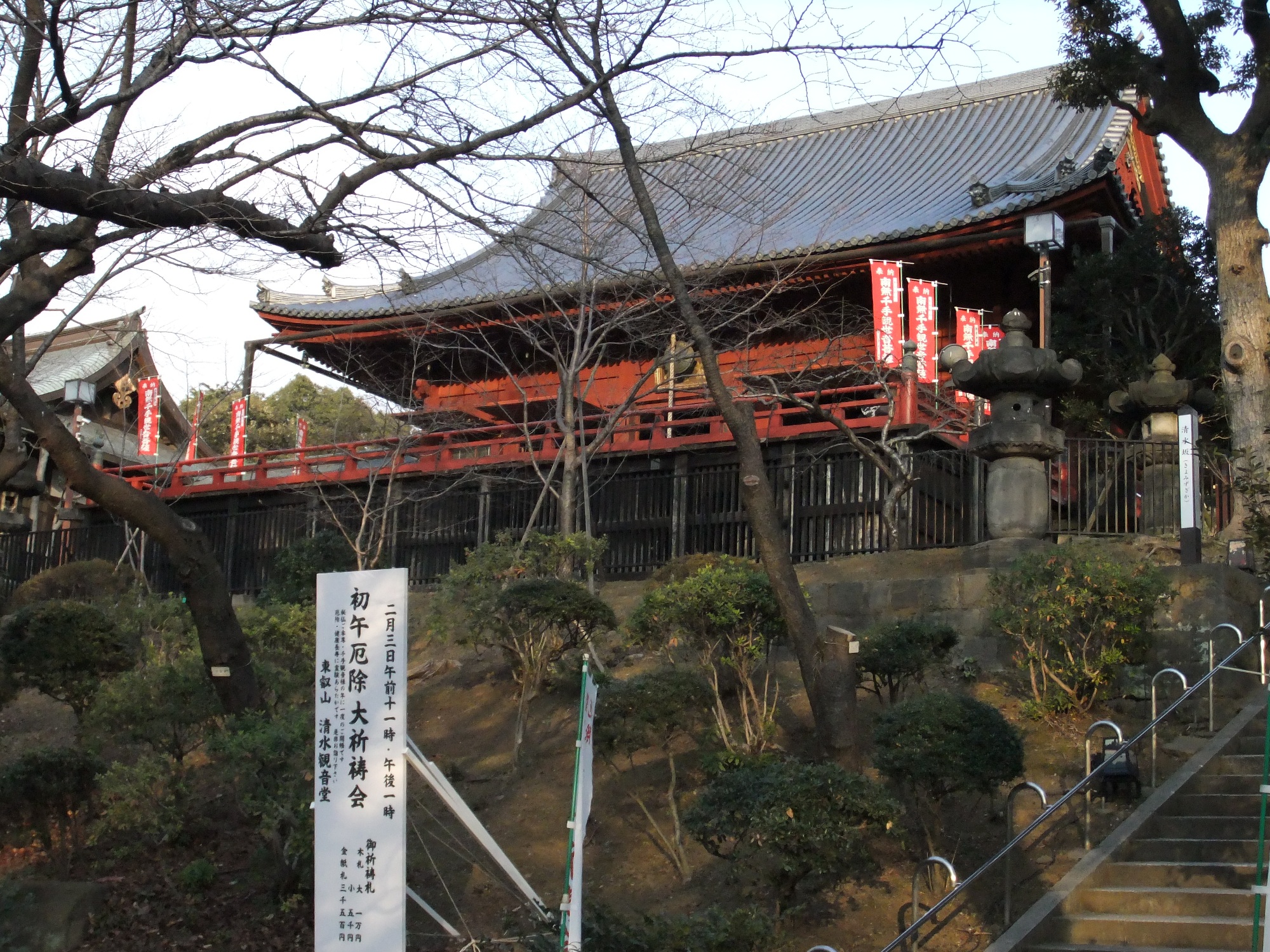
Built in 1631 as a scaled copy of Kyoto's Kiyomizu-dera, this hall was part of the priest Tenkai's 1625 plan to mirror Kyoto's sacred geography on Edo's unlucky north-east hill, and it survived the fires that destroyed most of Kan'ei-ji in 1868.
Ueno Toshogu
4

Ueno Toshogu

5 min

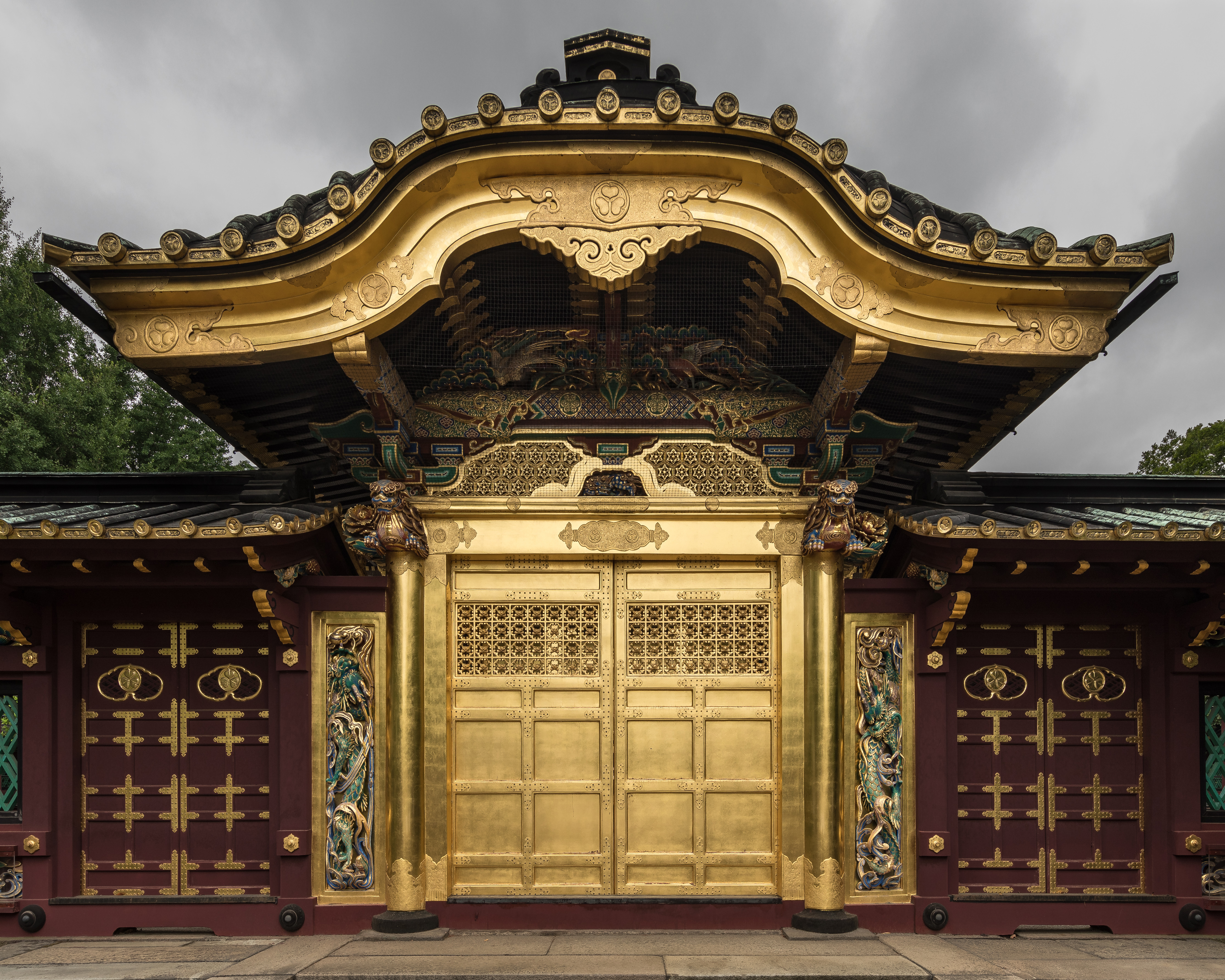
This 1651 shrine to Tokugawa Ieyasu, sheathed in gold leaf, survived the 1868 battle, the fire that gutted the rest of Kan'ei-ji around it, the 1923 earthquake and the 1945 firebombing — the one piece of shogunate splendour Ueno never lost.
National Museum of Western Art forecourt
5

National Museum of Western Art forecourt

5 min

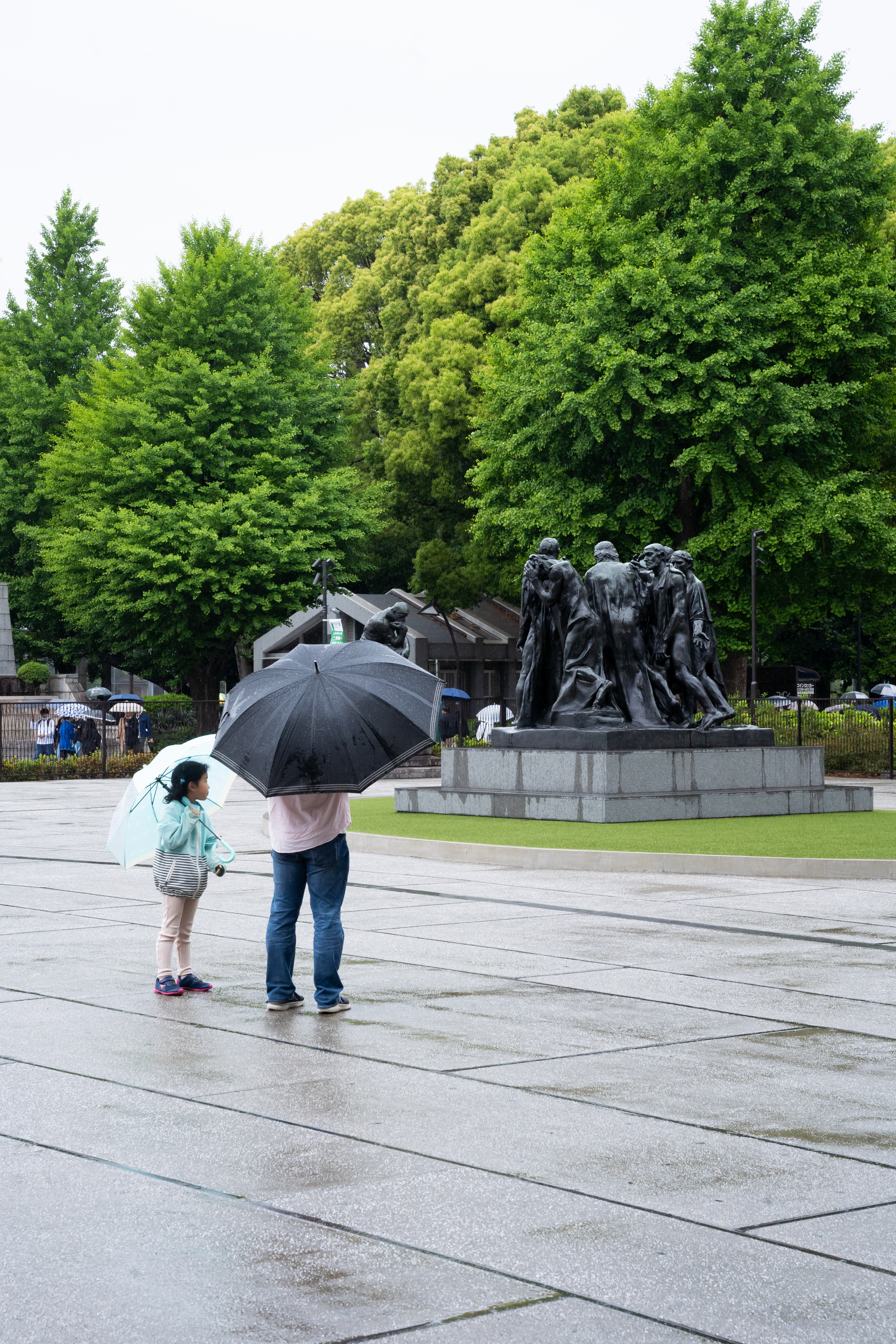
Le Corbusier's only building in Japan, opened here in 1959 to house a shipping magnate's European art collection after France seized it as enemy property and returned it on one condition: build it a proper home. The Rodin bronzes in the forecourt are free to walk among, no ticket required.
Shinobazu Pond & Bentendo
6

Shinobazu Pond & Bentendo

5 min

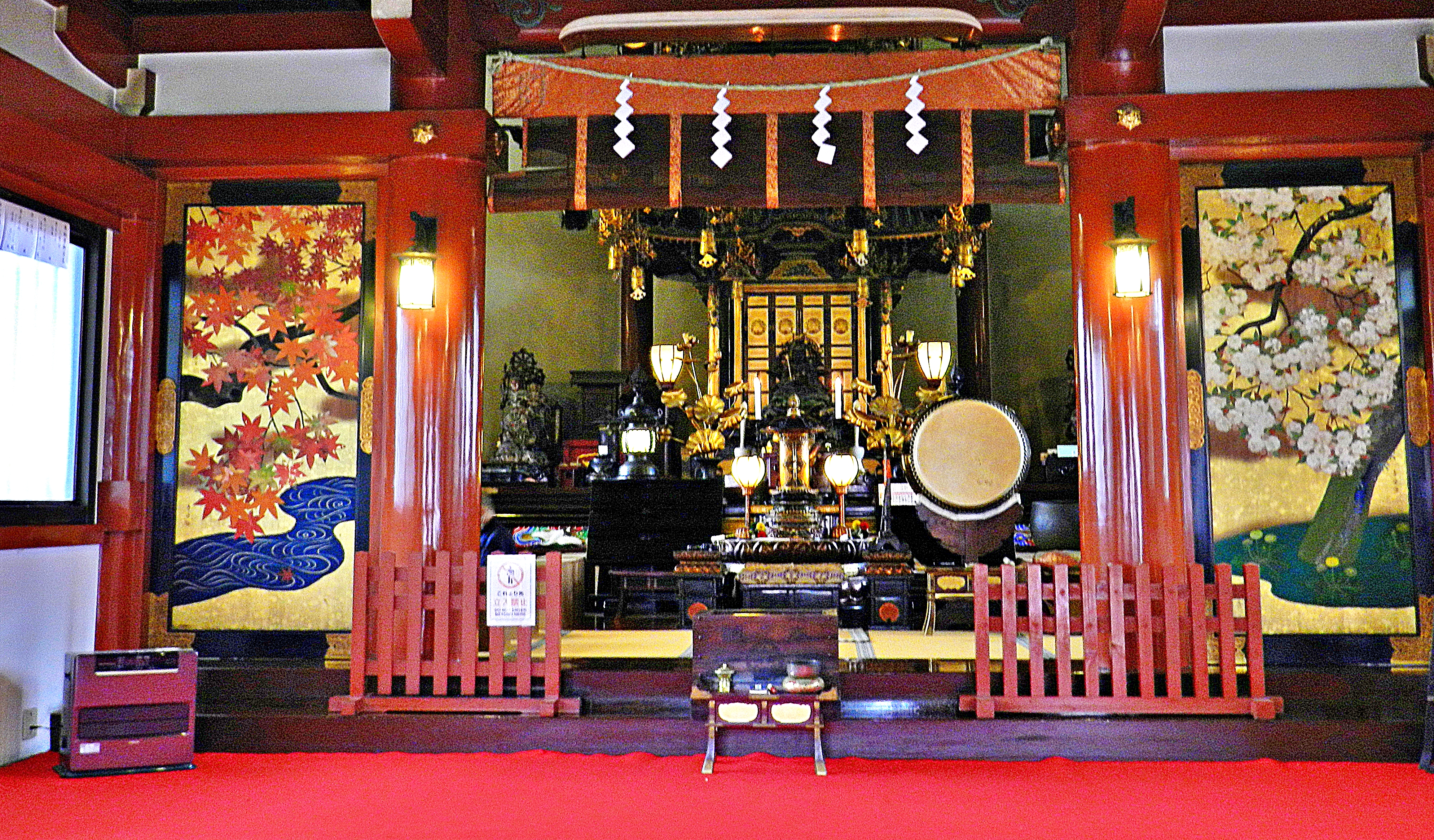
Shinobazu Pond was dug in the 1620s by the monk Tenkai as a deliberate miniature of Lake Biwa, with the island shrine of Bentendo standing in for Lake Biwa's Chikubushima; Kan'ei-ji lost its grounds in 1868, but the pond has remained public land ever since.
Yushima Tenjin
7

Yushima Tenjin

5 min

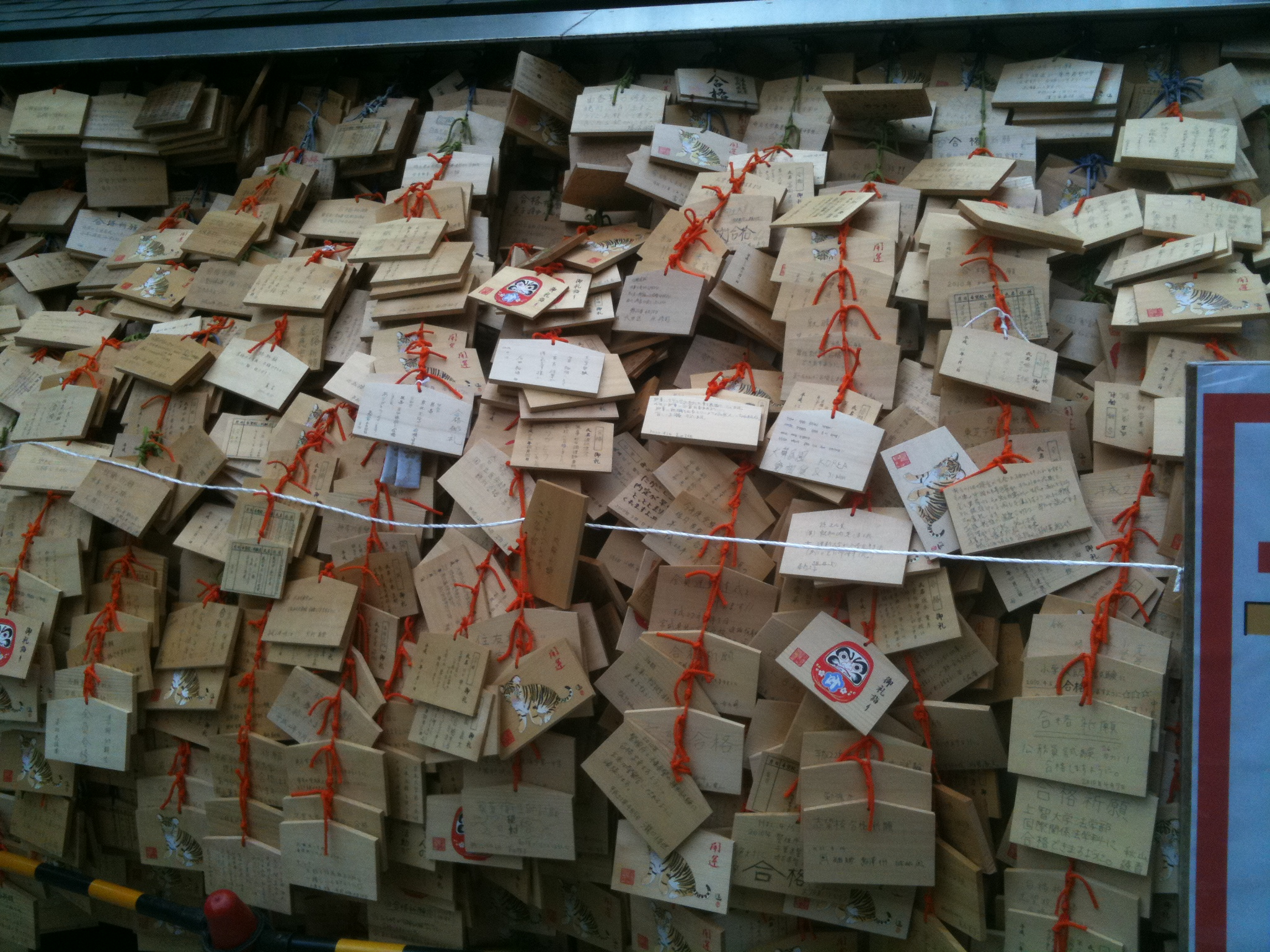
Yushima Tenjin is a Shinto shrine dedicated to Sugawara no Michizane, a ninth-century scholar exiled and deified as the god of learning; rebuilt in 1478 by Ota Dokan and reconstructed in hinoki cypress in 1995, it draws students who hang exam-prayer plaques and crowds for its February plum blossoms.
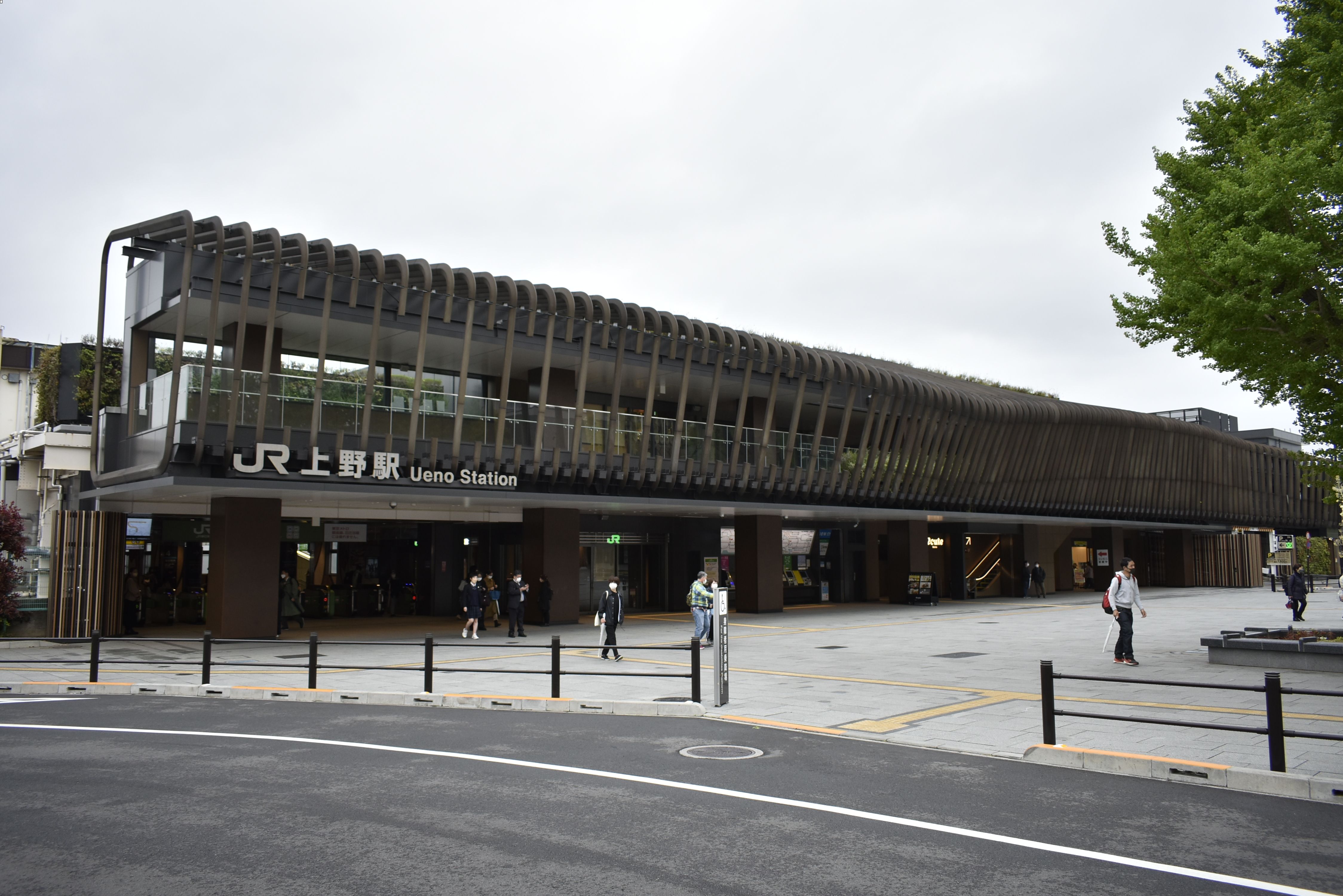
Ueno Station Hirokoji front
8

Ueno Station Hirokoji front

5 min

Ueno Station opened in 1883 as Tokyo's terminus for the railway lines running north, and its 1932 building's Hirokoji exit was the door through which war orphans and the homeless sheltered after 1945, and through which teenage job-seekers from Tohoku later arrived on the collective-employment trains that inspired the song "Ah, Ueno Station."
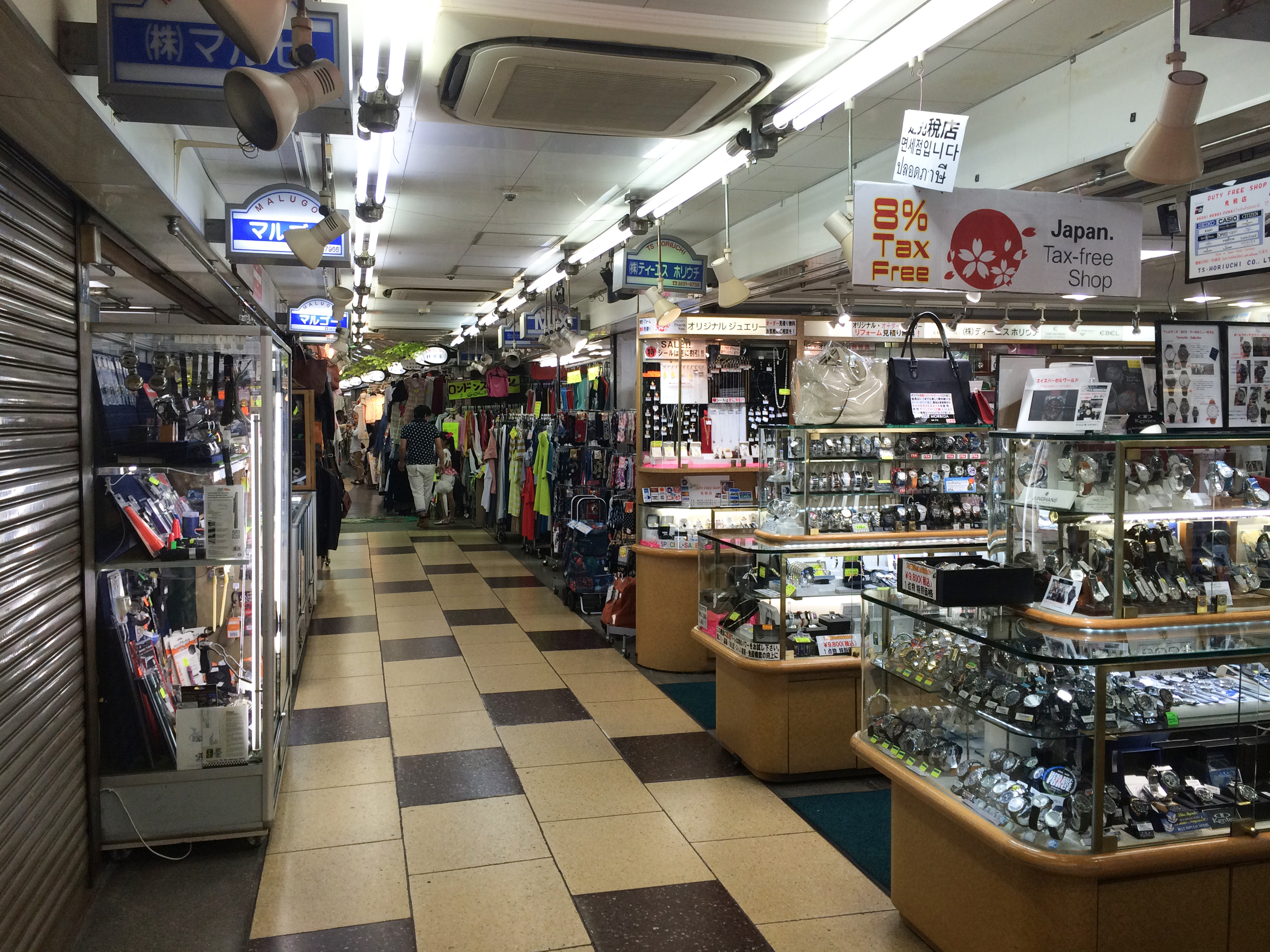
Ameya-Yokocho / Ameyoko
9

Ameya-Yokocho / Ameyoko

5 min

Ameya-Yokocho, or Ameyoko, is the market street running under and beside the JR tracks between Ueno and Okachimachi, which began as an unlicensed black market in the ruins of 1945 and was brought under official regulation from 1946 onward. Today around 400 stalls and shops sell everything from dried seafood and spices to sneakers and cosmetics, and the street is at its loudest in the last days of December, when crowds descend to buy New Year provisions and vendors sell by shouting the price down.
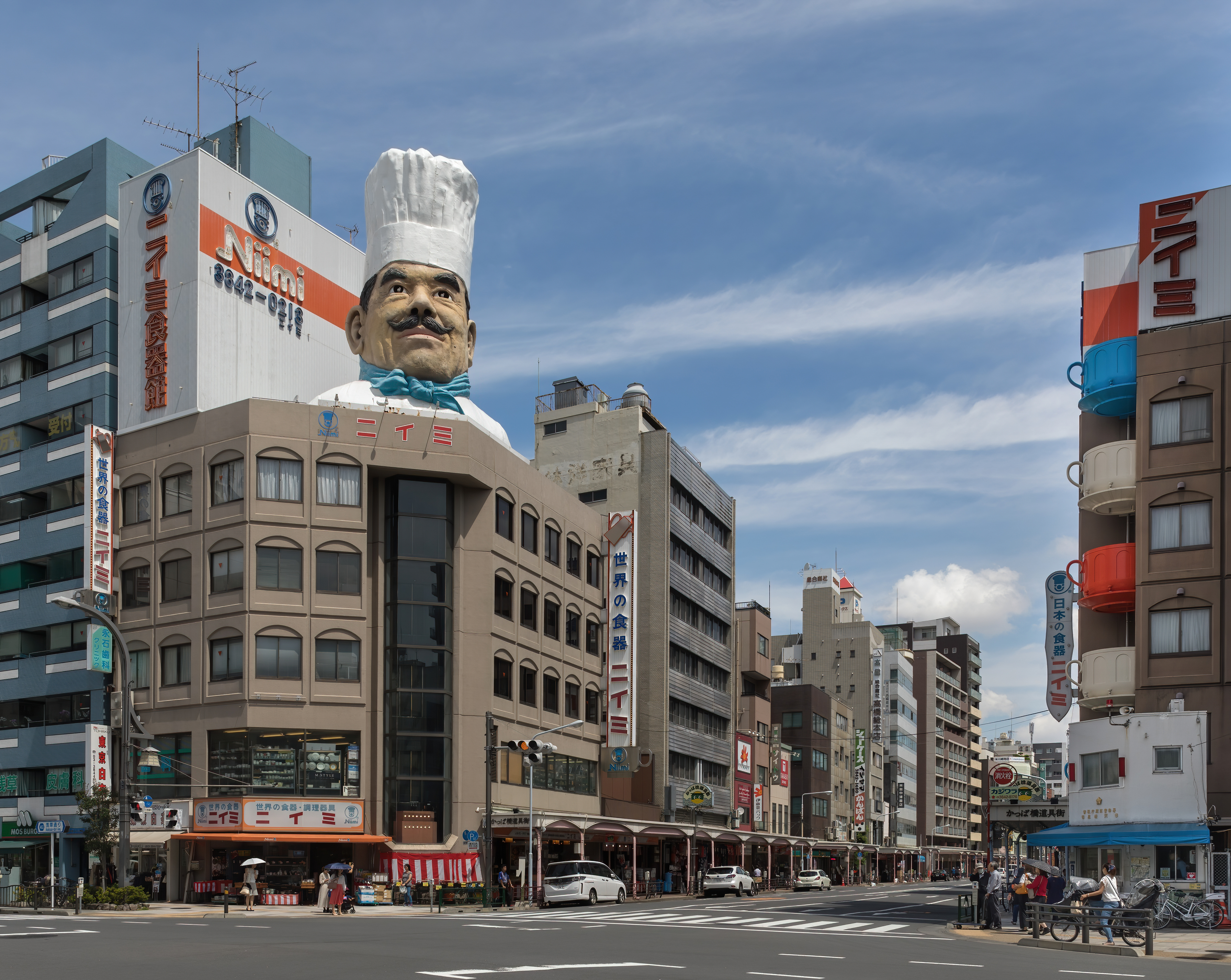
Kappabashi kitchenware street
10

Kappabashi kitchenware street

5 min

Kappabashi is Tokyo's 800-meter professional kitchenware street, in business since 1912 as secondhand tool dealers and consolidated into its current trade after the war, now selling chefs' knives, lacquerware and the hyper-realistic wax and resin food models called sampuru.

A Taste of the Tour

This is the real story from one stop on this walk — every stop has one.

Saigo Takamori statue

You are standing on a hill that keeps losing, and every time it loses, the ground gets handed back to the public. Ueno does not look like a battlefield today — it looks like a park: trees, a pond, a museum queue, the unhurried traffic of a city on its day off. That is the trick of the place. What you are walking through was fought over, starved through, and rebuilt more than once, and each defeat got repurposed into something anyone could use — a park, a collection of art nobody agreed on, a market that grew out of nothing to eat. Over the next two hours you will drop about six kilometres, from this ridge down to the flat streets below, following that same pattern stop by stop: ground lost, then opened. It is not a solemn walk. The wreckage here has a way of turning into infrastructure, and infrastructure, eventually, into a street that sells uncannily convincing plastic food. Start here, at the top of the hill, and let it take you all the way down. The battlefield is under your feet. Look at him: a stocky man in a loose kimono and straw sandals, sleeves rolled, walking a small dog on a leash. No sword raised, no horse, no uniform, no plinth of battle scenes. If you didn't know the name, you'd take him for someone's uncle out for an evening walk. That's exactly the effect the statue's backers wanted. This is Saigo Takamori, and the casualness is doing real work. He commanded the imperial army that fought its way up this hill in a single day in 1868 — the men he beat are buried just a few steps behind you, and that story belongs to the next stop, not this one. Nine years after that victory, Saigo raised his own army against the government he had just helped build, lost, and died for it. A general who won on this exact ground, then a rebel who lost everywhere else: that's the shape of almost everyone this park remembers. It's also where the whole tour's pattern starts. Every time this hill loses a fight, somebody turns the ground into something the public can walk through instead — and the very first casualty of that pattern is the man standing on this plinth. The bronze went up in 1898, twenty-one years after Saigo died, made by Takamura Koun, the leading wood-and-bronze sculptor of the Meiji court. Koun and the men financing the statue chose the kimono and the dog deliberately, over objections from people who wanted a general in uniform on a horse. A uniformed Saigo would have been a monument to the rebellion; a Saigo out walking his dog Tsun could be read as nothing more than a beloved local eccentric. The clothing is doing the political apologizing that the government itself never quite managed. Even the face is a guess. No reliable photograph of Saigo survives — by most accounts, none was ever taken while he was alive, and he's said to have avoided sitting for one. So in 1883, six years after his death, the Italian engraver Edoardo Chiossone, who had never met the man, was asked to produce a definitive portrait for the state. Working from testimony rather than a photograph, he is said to have combined the upper half of the face of Saigo's younger brother with the lower half of his cousin, then revised the composite against family members' memories until they told him it looked right. That reconstruction became the template for this statue and for every schoolbook image of Saigo since — a face built by committee, one generation removed from anyone who'd actually seen it. Which brings you to the story everyone tells about the unveiling. Saigo's widow, Itoko, is said to have looked up at the finished bronze and muttered that her husband never looked like that, before a relative hushed her. It's a good story, and it may even be true, though historians who've dug into it aren't sure she attended the ceremony at all, and some think her complaint — if she made it — was about the undignified dress, not the face; by their account Saigo was a stickler for proper appearance in public, nothing like this loafing figure in a bathrobe. Nobody left alive could really settle it either way, which is rather the point of a monument built from secondhand memory. The politics behind the pardon matter too. After the rebellion collapsed, Saigo died a branded traitor, and stayed one for twelve years. In February 1889, as part of the amnesty marking Japan's new imperial constitution, the emperor posthumously restored his court rank and cleared his name. That reversal is the only reason a man who'd taken up arms against the state got a statue in a park the state itself had just built. Notice, walking on, how ordinary he looks against that history — a dog, a kimono, a hillside full of cherry trees behind him, and underneath all of it, a first loser the government eventually forgave enough to put on a pedestal.

More Tours in Tokyo

Nearby Cities

Back to Tokyo Tours

Cookie Consent

We use cookies to analyse site traffic and improve your experience. You can choose to accept or reject analytics cookies. Learn more