Tokyo · Japan
Fukagawa: The Holding Ground
Tokyo, Japan
Sumo licensed in 1684 as a building-fund scheme, and the twenty-tonne yokozuna monument where new champions still have their names cut Ino Tadataka's bronze, which almost every visitor walks straight past A timber wholesaler's private shrine that gave a whole neighbourhood his family name The canal Basho stepped into a boat on — and the honest note that the hut is a reconstruction on an approximate site The riverbank where Japan's first Portland cement was made in 1875, and why that is this walk's hinge Kiyosumi Teien's famous stones, carried in on Mitsubishi steamers A full-size reconstruction of the Edo warehouse waterfront you have been walking through Why the timber-warehouse explanation for the coffee scene falls apart, in four parts The drained timber ponds at Kiba, and the art museum that got here twenty years before the coffee
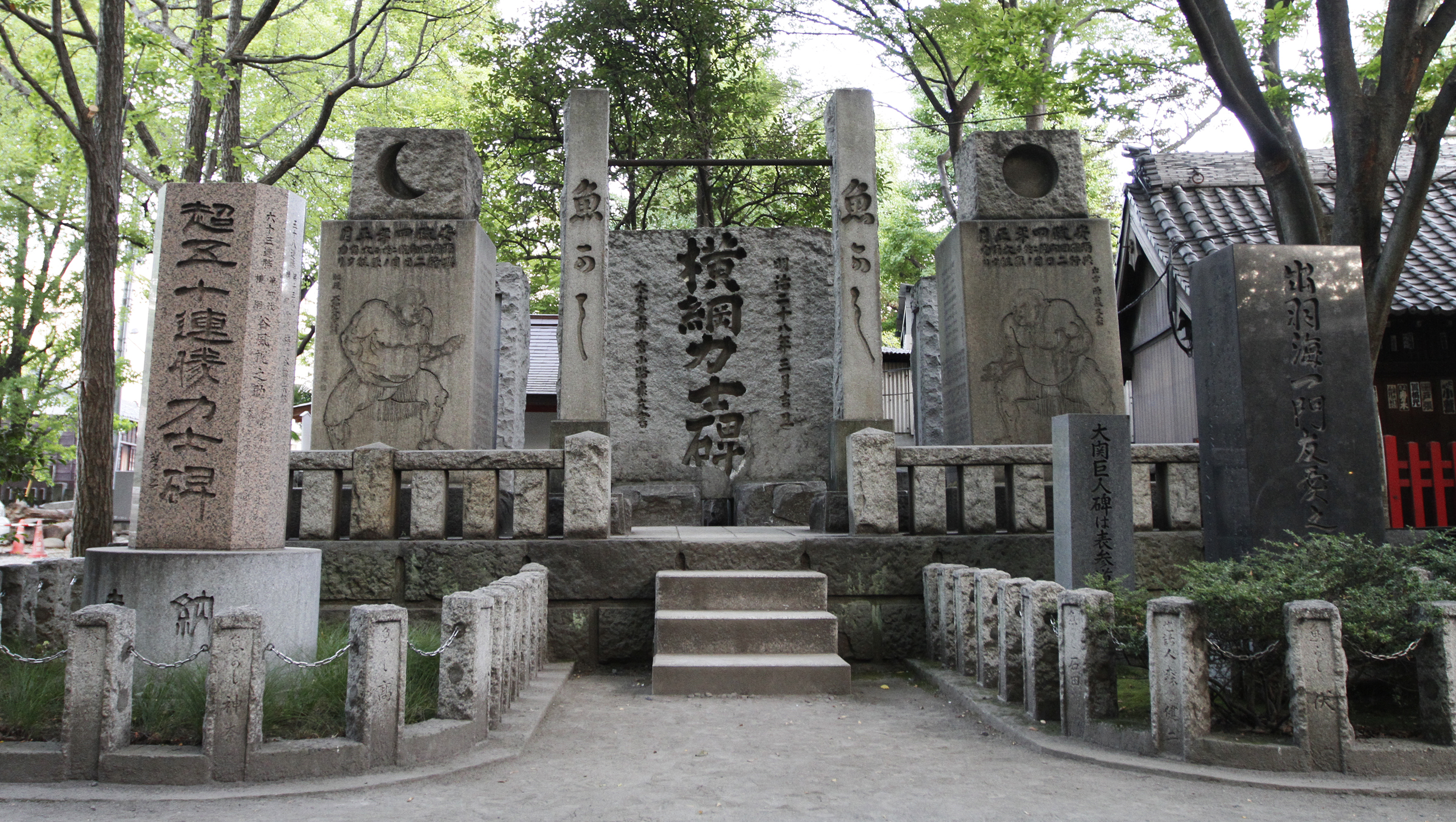
Tomioka Hachimangu, founded in 1627 and enriched by the timber and rice money moving through Fukagawa, is where the shogunate licensed kanjin-zumo in 1684 - not as sport, but as a supervised way of raising a construction fund. Its 1900 yokozuna monument still receives the name of every newly promoted grand champion, while the hall behind it is reinforced concrete from 1956.
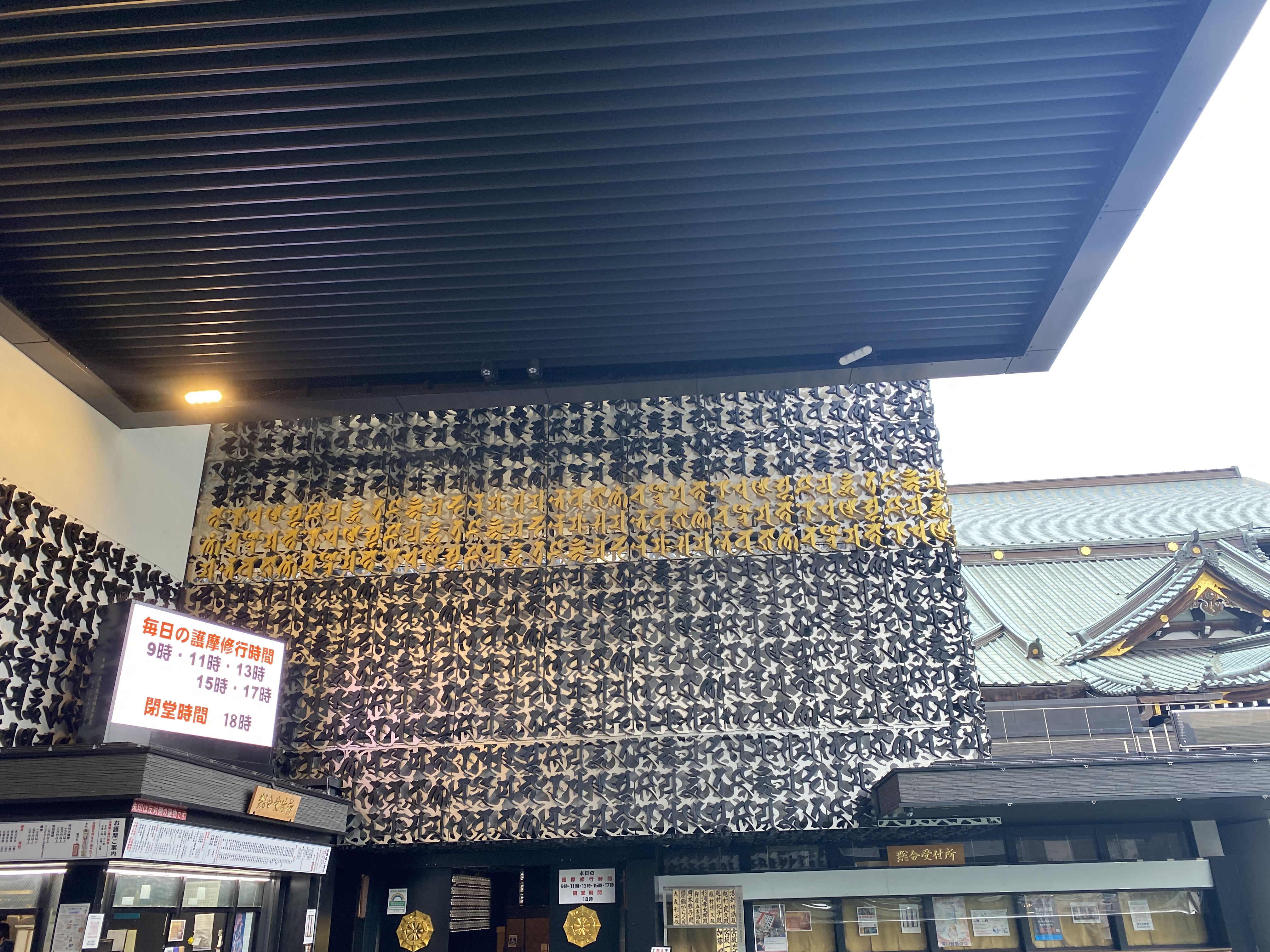
Monzen-Nakacho means "the middle town in front of the gate" - one of a row of Edo gate-front blocks that lived off the footfall of Eitaiji, the temple that administered Tomioka Hachimangu. Naritasan's Fudo Myoo image first came here on loan in 1703 during a kabuki craze started by Ichikawa Danjuro I, but the temple itself was only permitted in 1878, and its main hall dates from 2011.
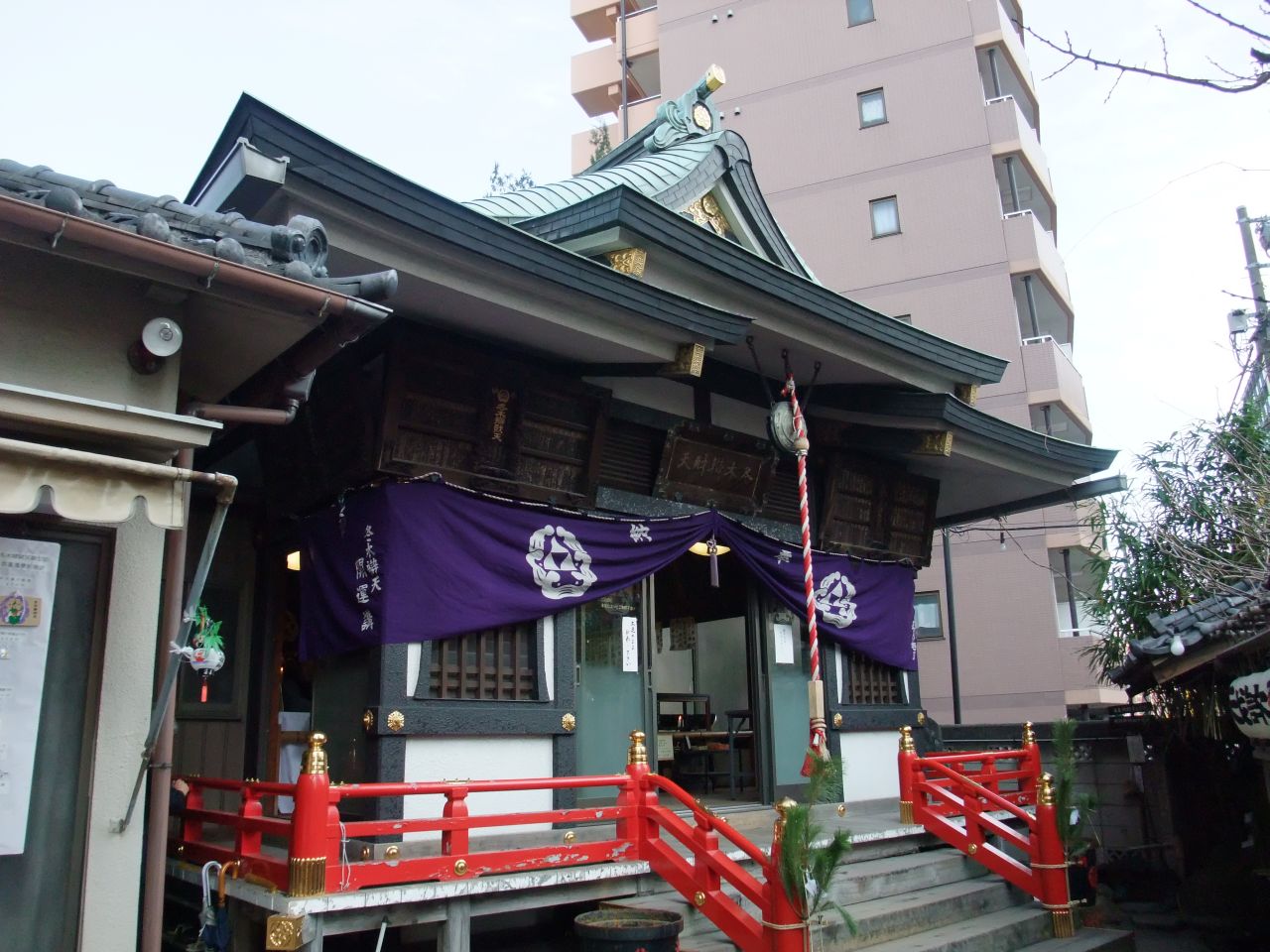
A tiny hall in a Koto-ku block called Fuyuki, founded as the private household Benzaiten of the timber wholesaler Ueda Naoji, who traded as Fuyukiya: enshrined in his own residence in 1654 and moved here in 1705, after which the neighbourhood took the shop's name. It stayed a family chapel until 1870 and is now the Benzaiten of the Fukagawa Seven Lucky Gods.
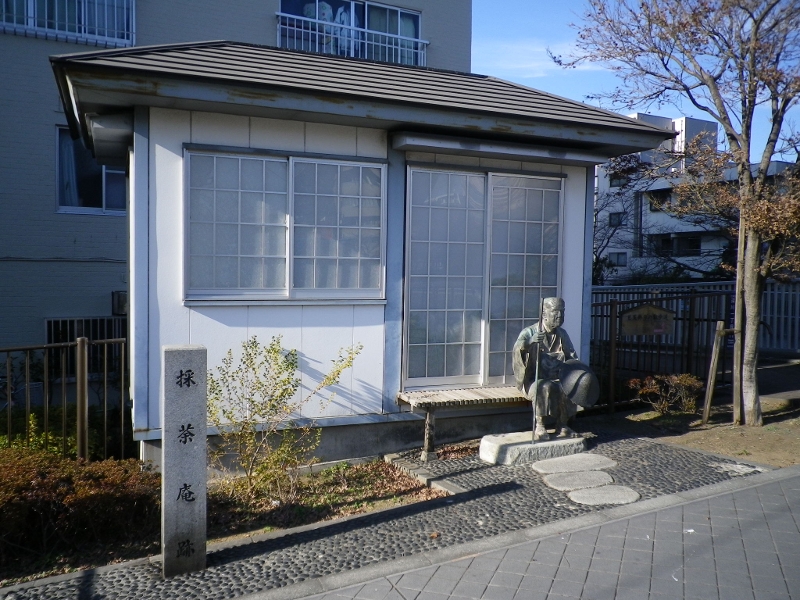
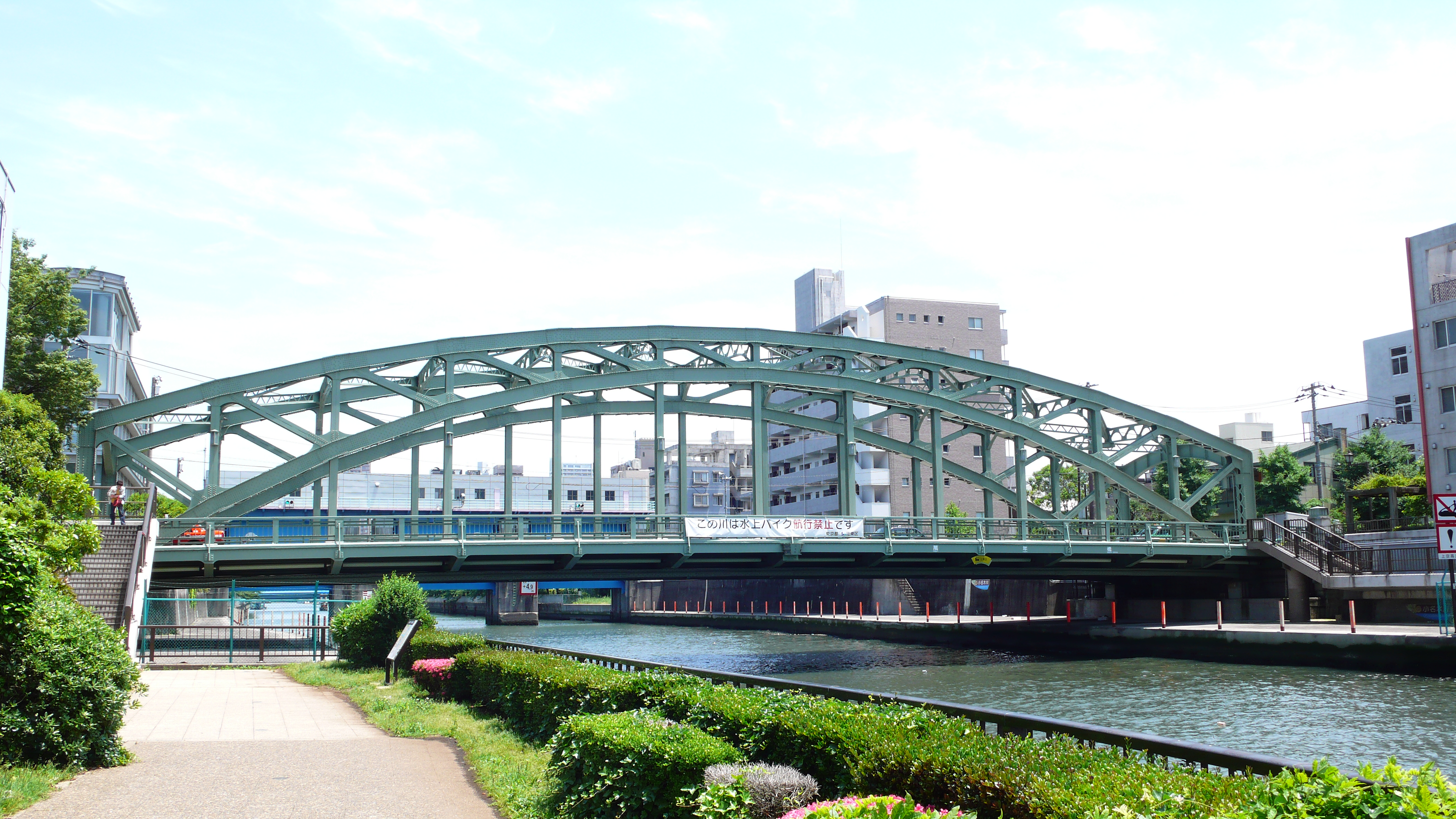
At the south end of Umibebashi on the Sendaiborigawa stands a commemorative bench-and-facade marking Saitocha-an, the villa of Basho's patron Sugiyama Sampu, where the poet lodged after giving up his hut and from which he boarded a boat in spring 1689 to begin Oku no Hosomichi. Nothing of the original survives and Koto Ward's own notice places the real villa about 140 metres south-west, on a site itself only inferred from a family will.
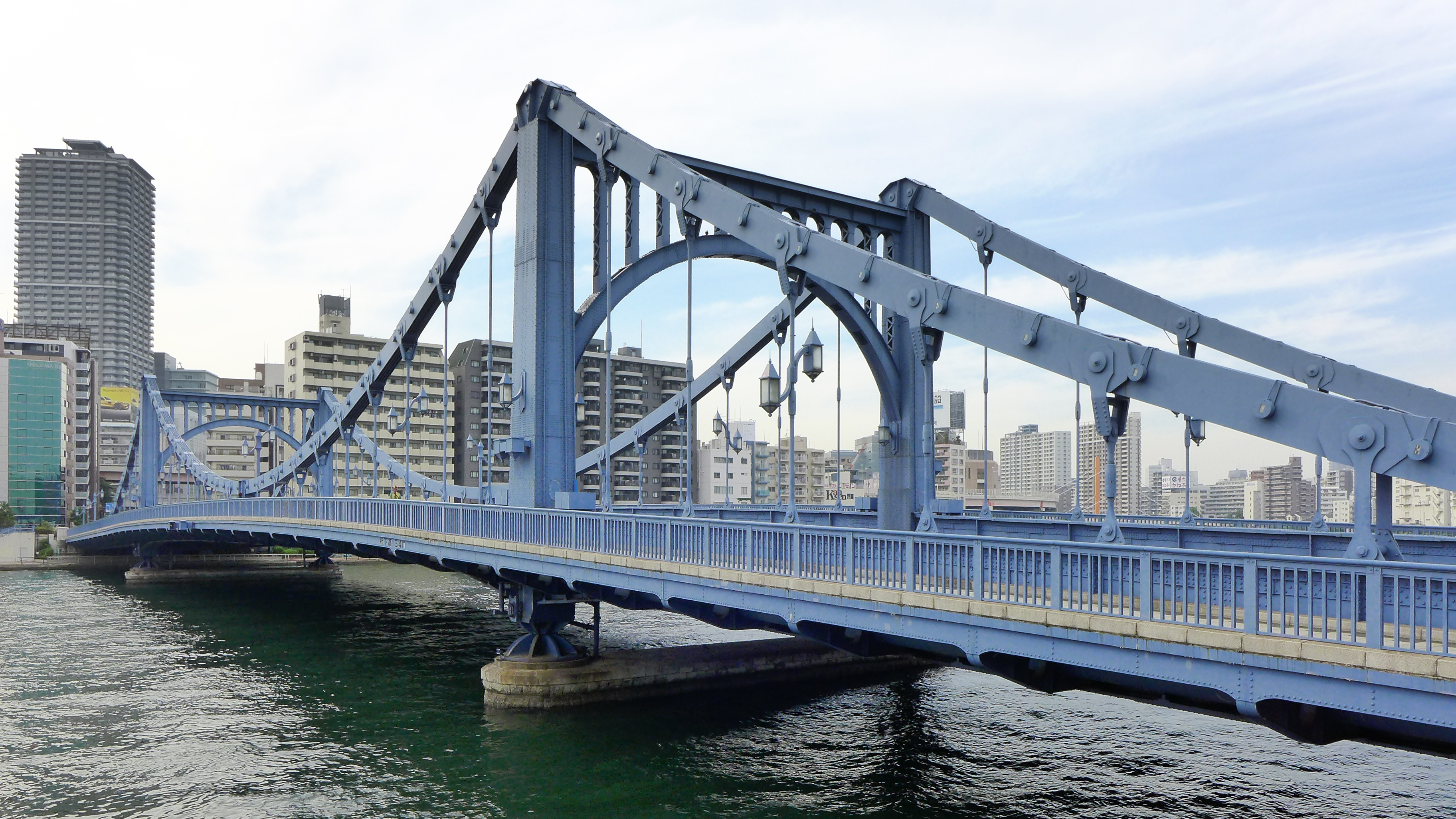
In 1872 the government built a cement works on this riverbank, and on 19 May 1875 the engineer Utsunomiya Saburo produced Japan's first domestically made Portland cement here, from Sumida river mud and lime. The works was sold to Asano Soichiro in 1884 and became Asano Cement; the corner is still a working concrete plant, marked by a 1937 stone monument and a bronze statue.
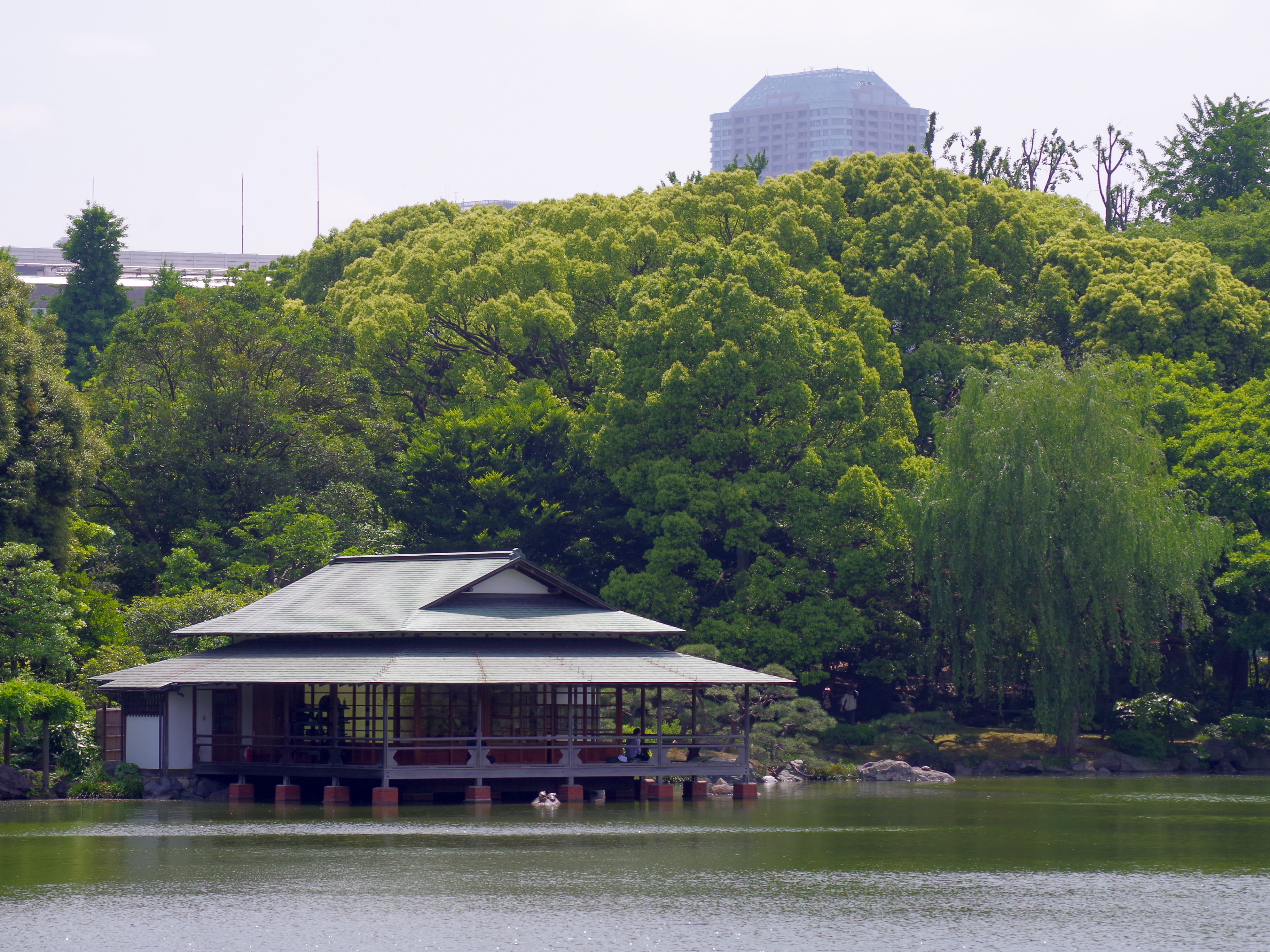
Kiyosumi Teien is the pond garden Mitsubishi founder Iwasaki Yataro made from a derelict riverside plot he bought in 1878, opening it in 1880 as Fukagawa Shinbokuen, a company recreation and guest-entertaining ground rather than a private retreat. Its celebrated stones were gathered from quarries all over Japan and shipped in on the family firm's own steamers; the Iwasaki family gave the eastern half to the City of Tokyo in 1924 and the city opened it to the public as Kiyosumi Teien in July 1932.
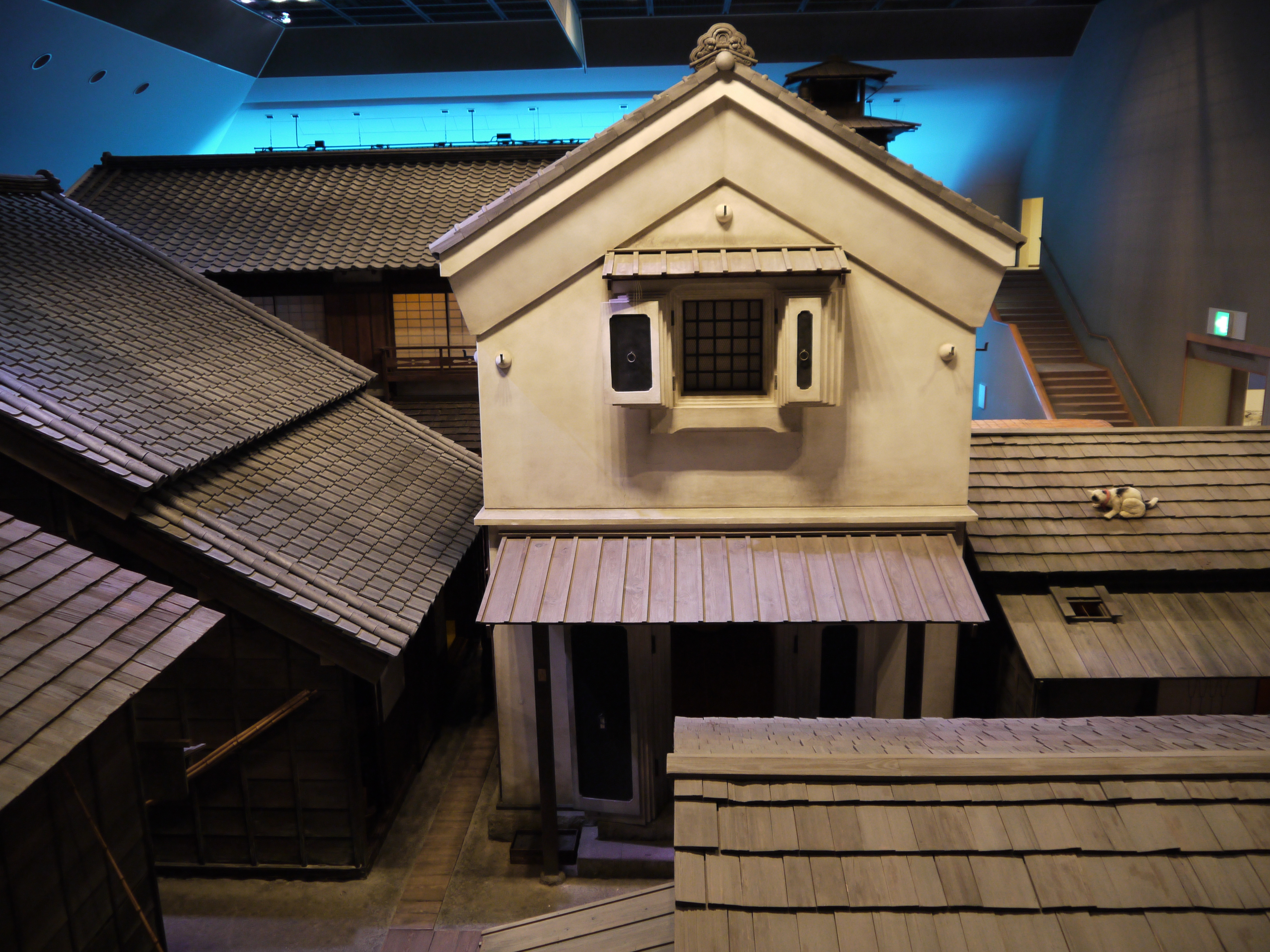
Reiganji was moved to Fukagawa in 1658 after the Meireki fire, and holds one of the Edo Roku Jizo bronzes and the grave of Matsudaira Sadanobu, whose domain name became 'Shirakawa' in 1932. Next door, the Fukagawa Edo Museum rebuilds the Sagacho warehouse waterfront at full size.
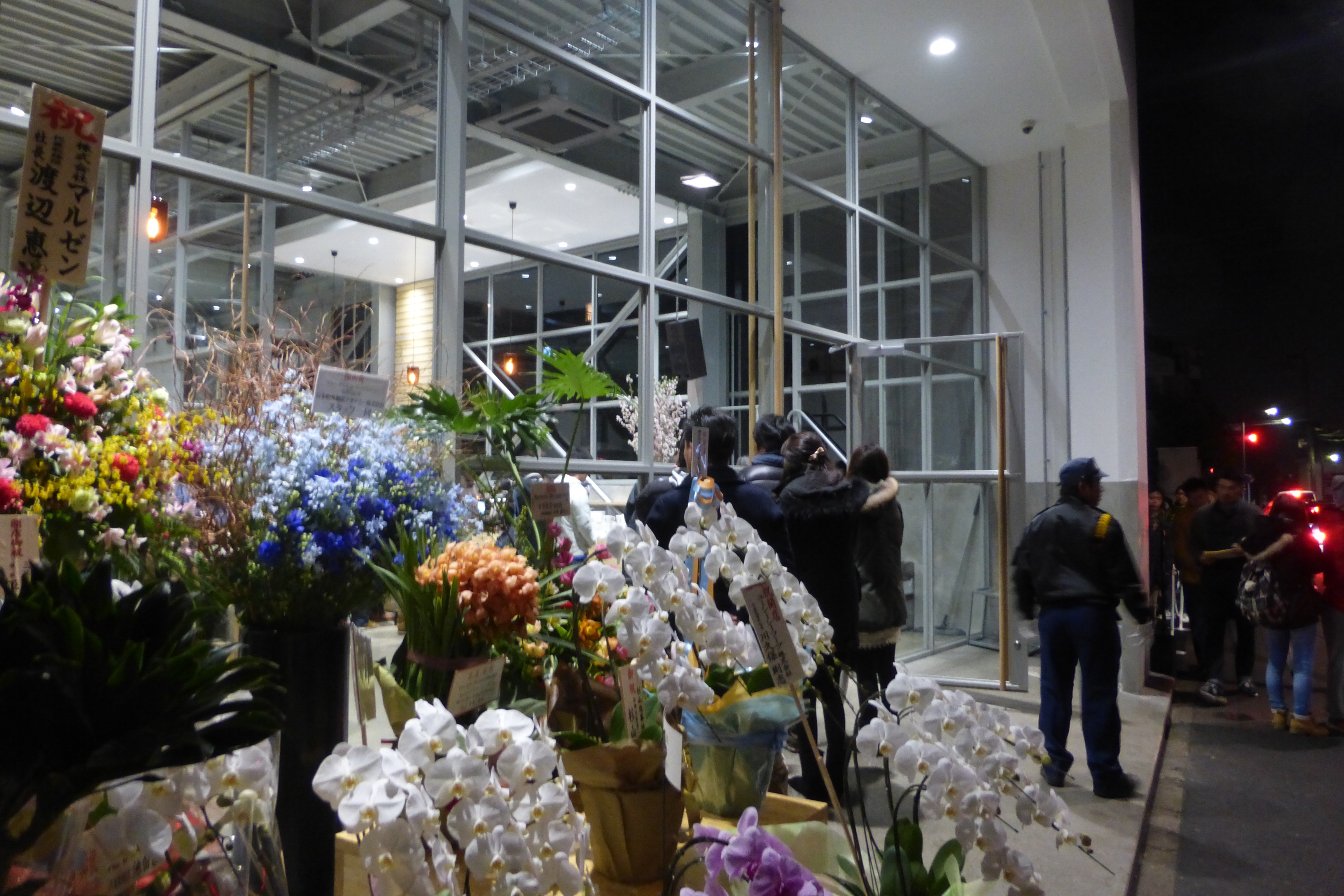
Blue Bottle Coffee opened its first shop outside the United States in a converted freight warehouse at Hirano 1-4-8 in February 2015, and the district has been sold as “coffee town” ever since. It is the right place to test that story, because the timber ponds were seven hundred metres east, the buildings are twentieth-century concrete, and the roasting moved out to the Kitasuna factory in 2019.
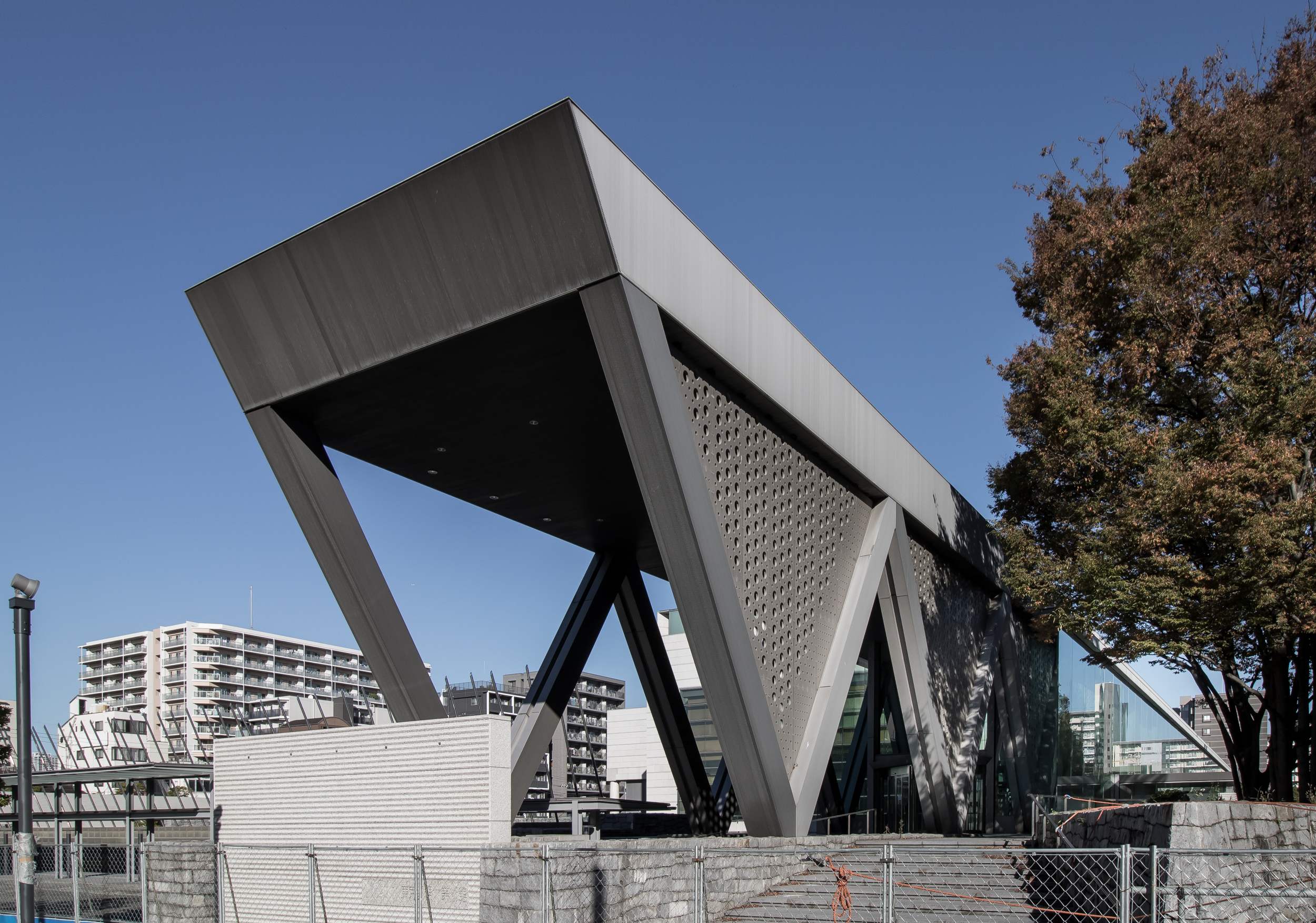
This park is built on top of the timber ponds that gave Kiba its name, where fifteen wholesalers drained roughly 300,000 square metres in 1701 and logs were stored underwater until subsidence ended the trade and the ponds were filled in by 1972. The Museum of Contemporary Art Tokyo opened here in 1995, twelve years after Sagacho Exhibit Space first put contemporary art into a Fukagawa warehouse.
This is the real story from one stop on this walk — every stop has one.
Asakusa is the oldest place in Tokyo and almost none of it is old. The Thunder Gate everyone photographs dates from…
Ginza is a street the Meiji government rebuilt in brick in 1872 purely so that foreign diplomats would see a modern…
Kagurazaka is sold as Tokyo's Little Paris and as a warren of geisha alleys bent to hide discreet clients. This walk…
We use cookies to analyse site traffic and improve your experience. You can choose to accept or reject analytics cookies. Learn more