Berlin · Germany
The Wall: Ghost Stations and the Death Strip
Berlin, Germany
The Tränenpalast — the glass hall of goodbyes with its original passport booths Ghost stations — Western trains creeping through sealed East Berlin platforms The only surviving complete death strip, watchtower included Tunnel 57 — students dug 145 meters under this lawn and freed 57 people Mauerpark — flea market and karaoke where the border once ran
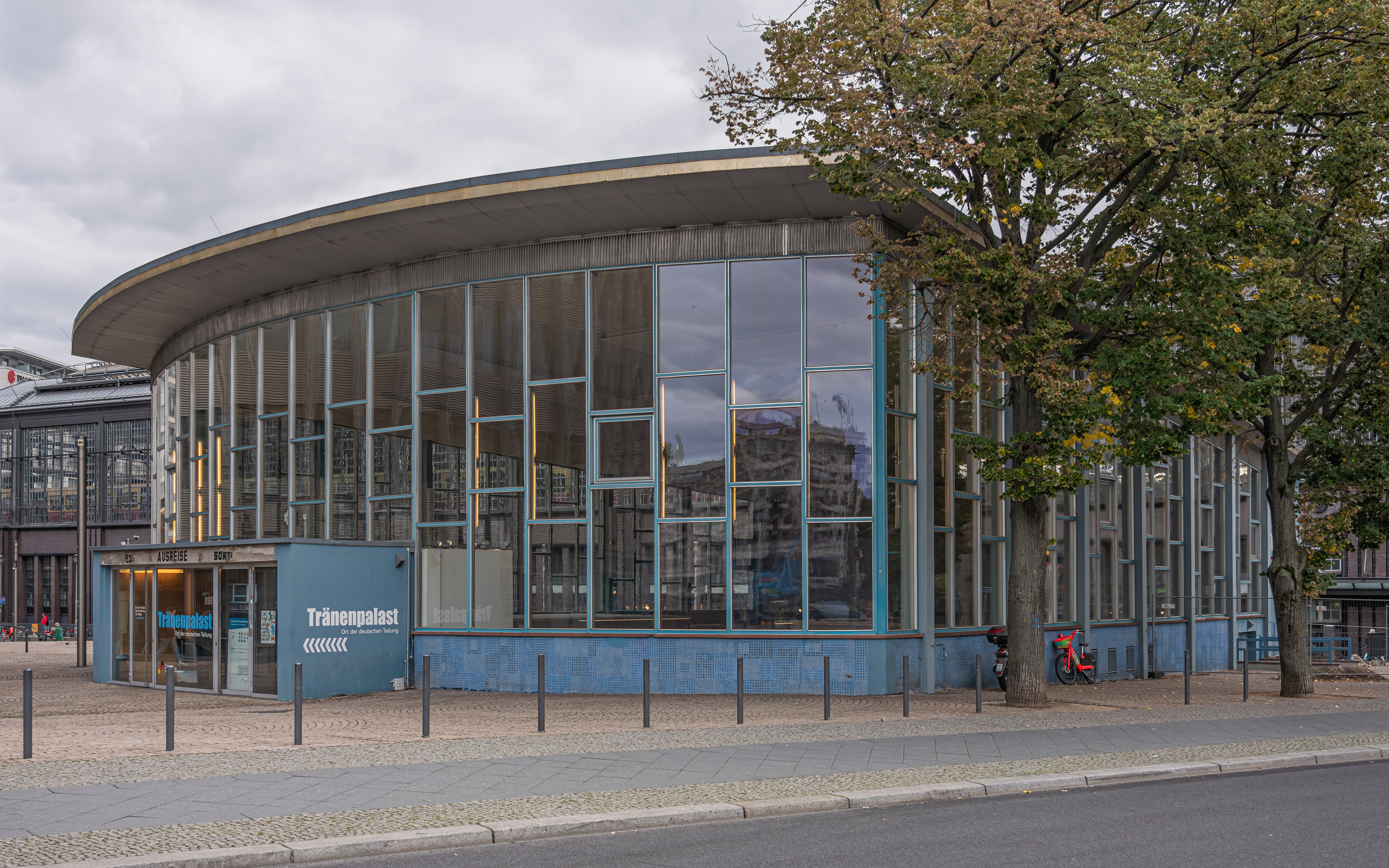
The glass departure hall built in 1962 at Friedrichstraße station, where East Berliners said goodbye to visitors leaving for the West — nicknamed the 'Palace of Tears' by Berliners. Today it is a free museum with the original passport booths preserved.
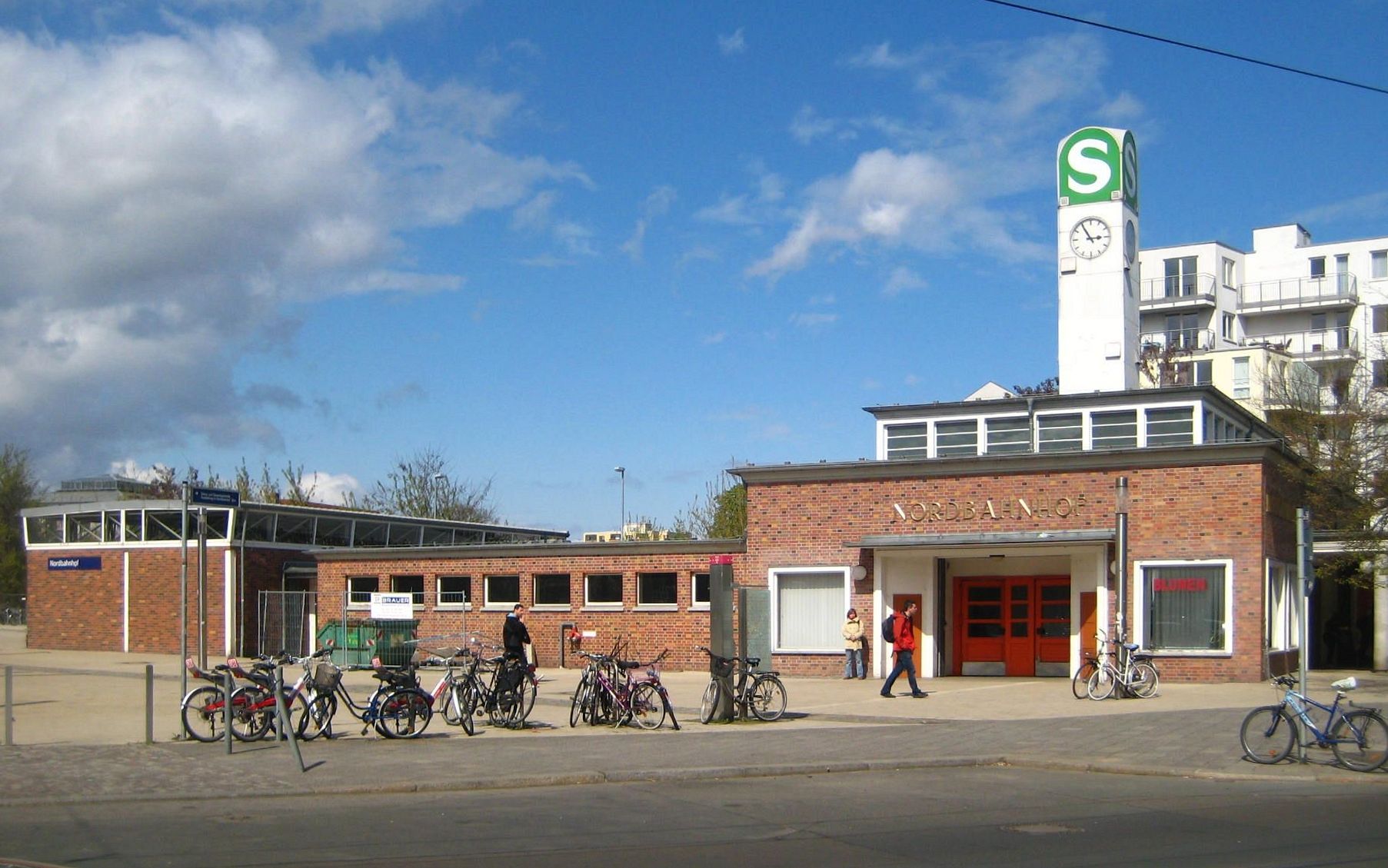
For twenty-nine years this sealed station was a Geisterbahnhof: West Berlin trains rolled slowly through its dim, armed-guarded platforms without ever stopping. A free in-station exhibition tells the story of the border and ghost stations of divided Berlin.
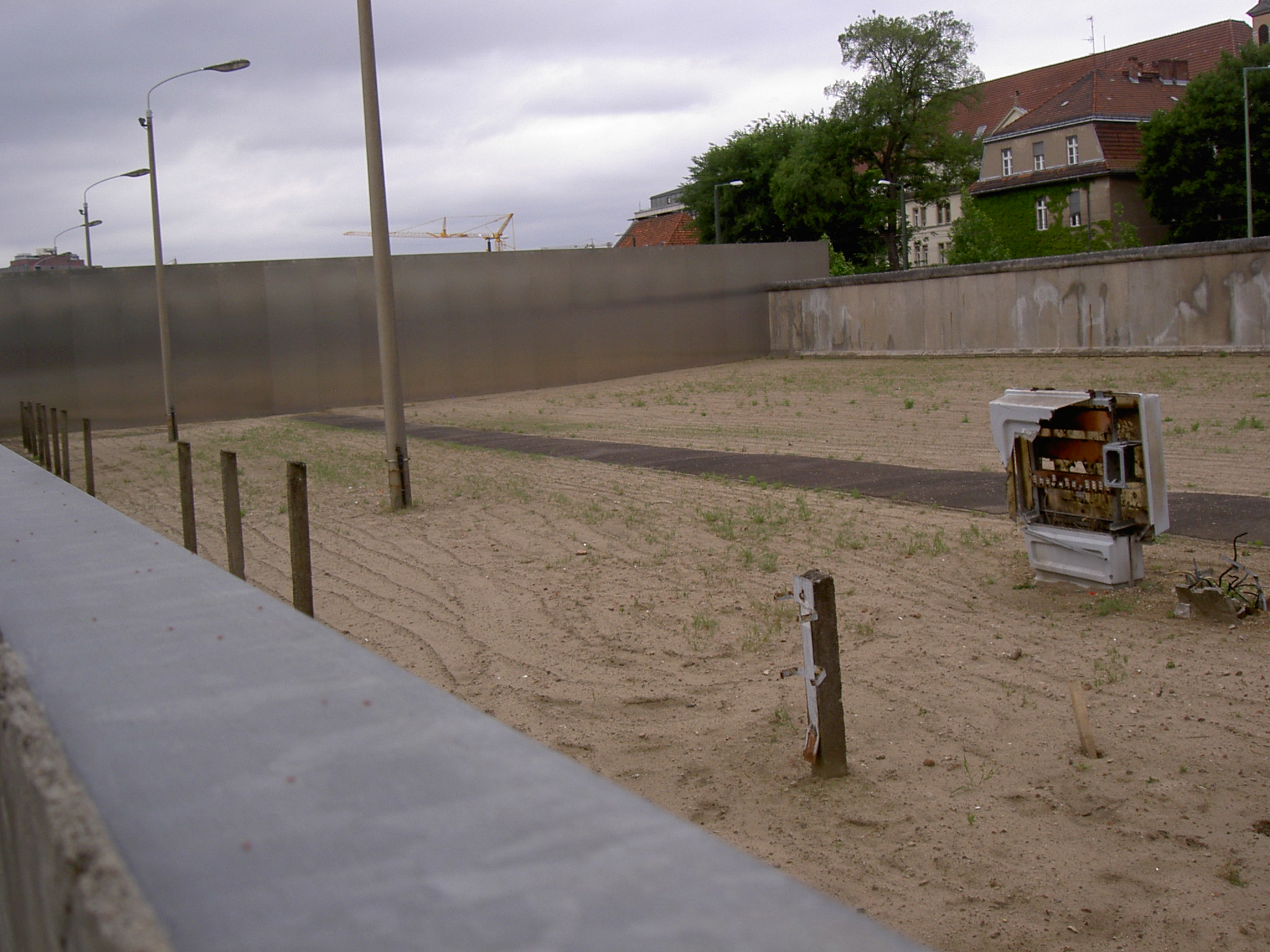
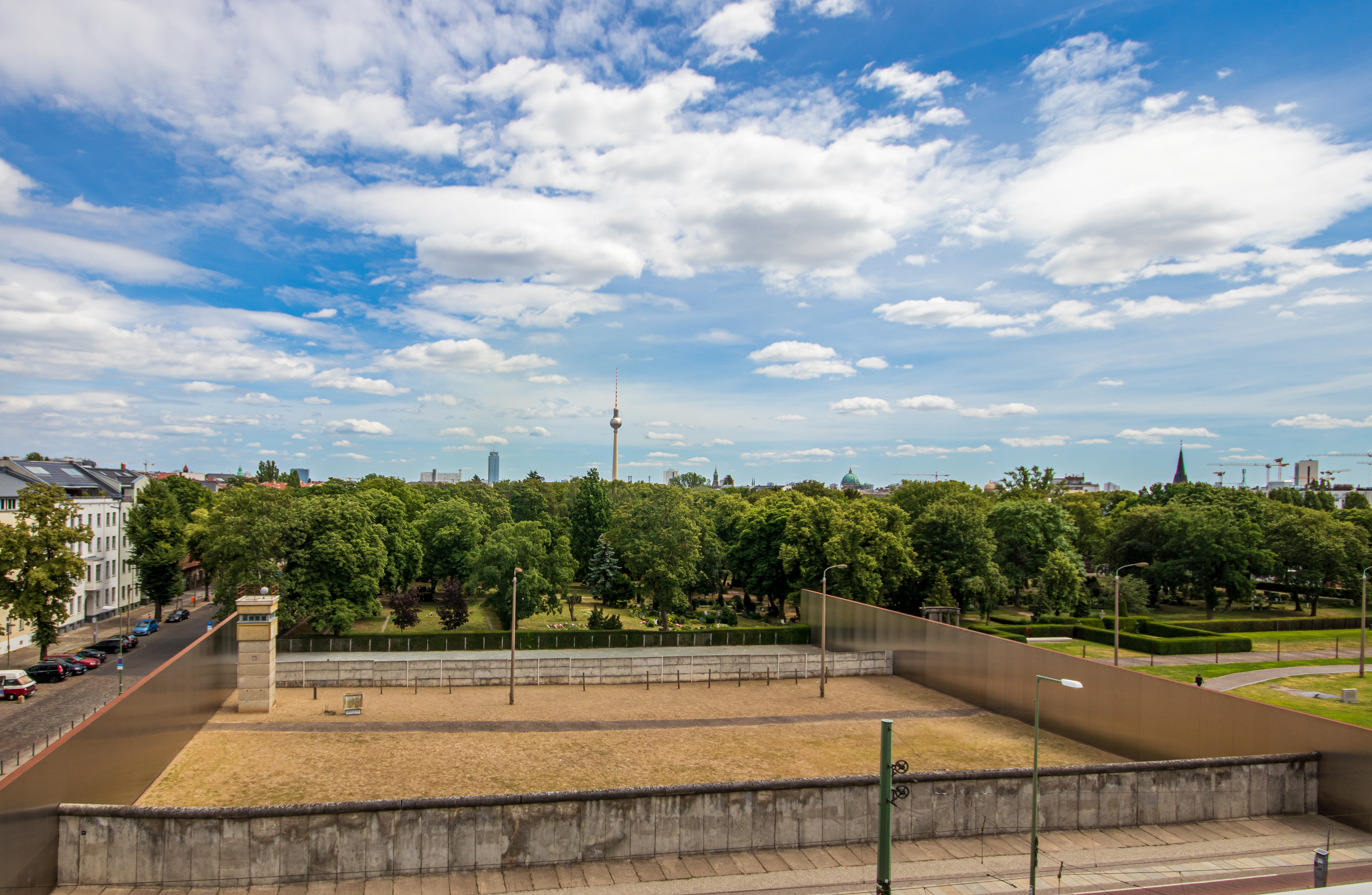
The national monument between Gartenstrasse and Ackerstrasse preserves the world's only complete section of the Berlin Wall border system: both walls, the raked control strip, patrol road and watchtower, framed by mirror-polished steel. It marks the street where the August 1961 border ran along house facades and claimed the Wall's first victim, Ida Siekmann.
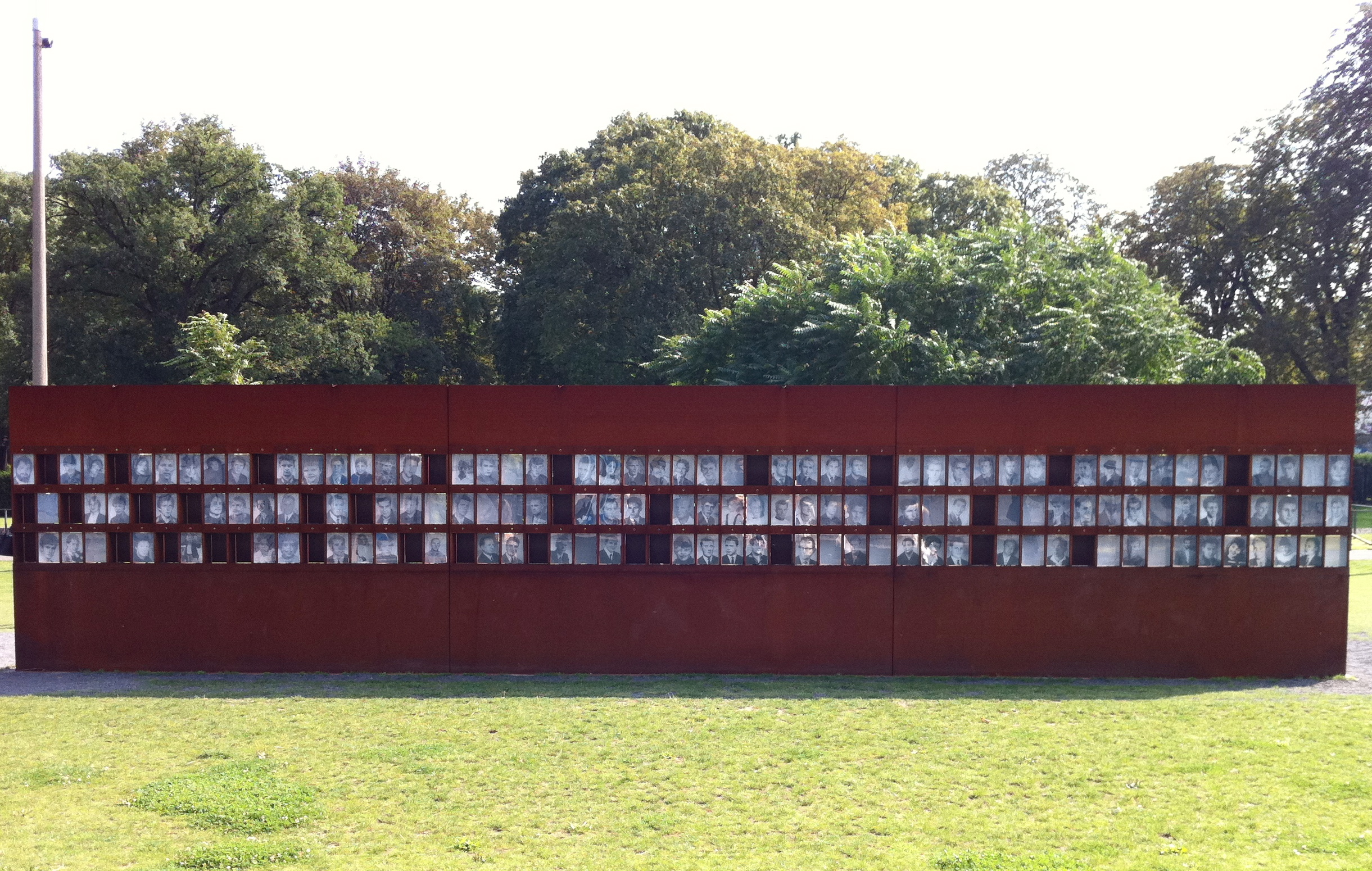
The Fenster des Gedenkens is a twelve-meter wall of rusted Cor-Ten steel holding eye-level portraits of the people killed at the Berlin Wall, at least 140 between 1961 and 1989, on the ground where the death strip ran. Among them are two who died within sight of this spot: cyclist Ernst Mundt and seventeen-year-old Otfried Reck.
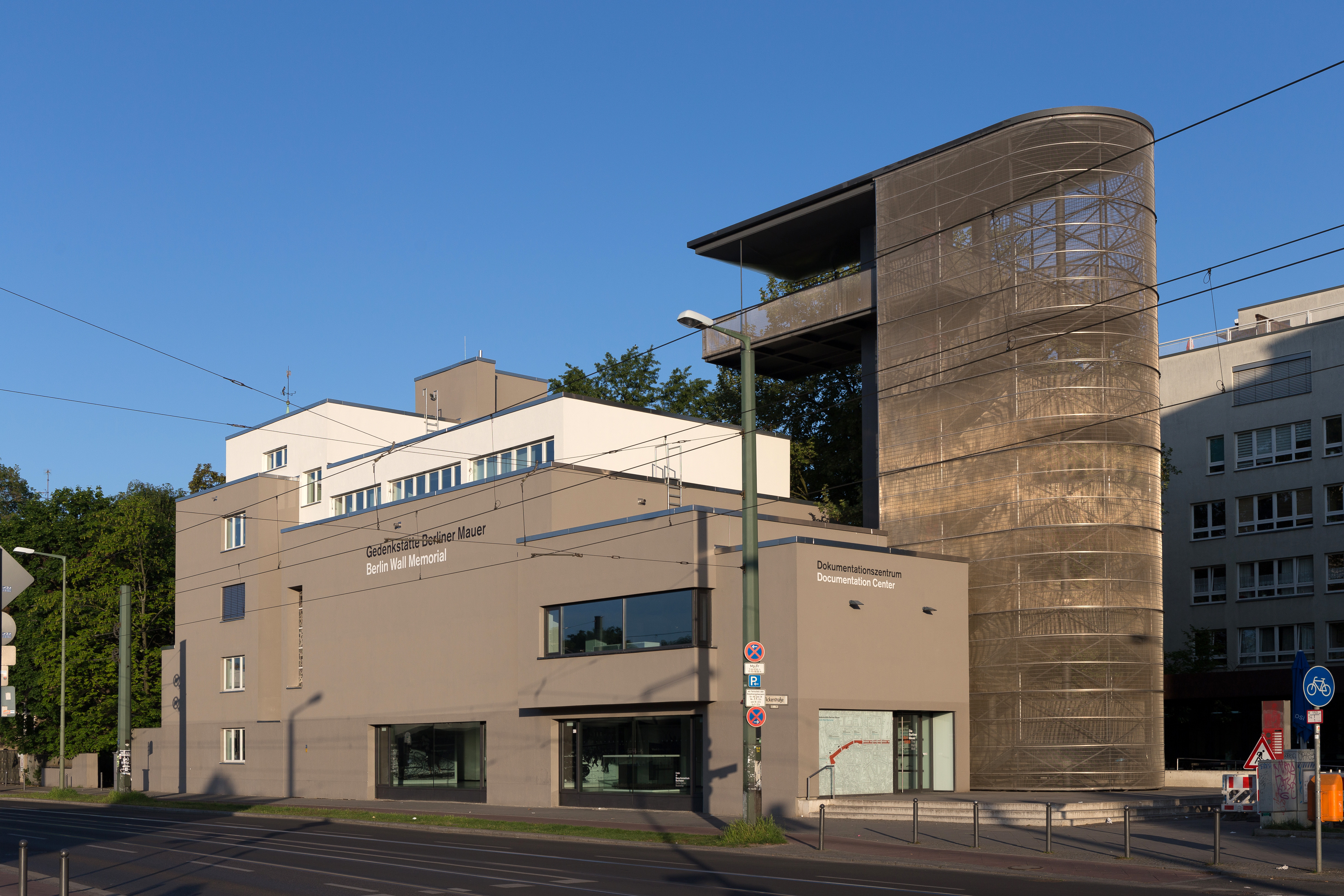
The free Documentation Center at Bernauer Strasse 111 has a rooftop viewing platform overlooking the only fully preserved section of the Berlin Wall border strip — both walls, death strip, patrol road and replica watchtower, framed since 1998 by the steel flanks of the national memorial.
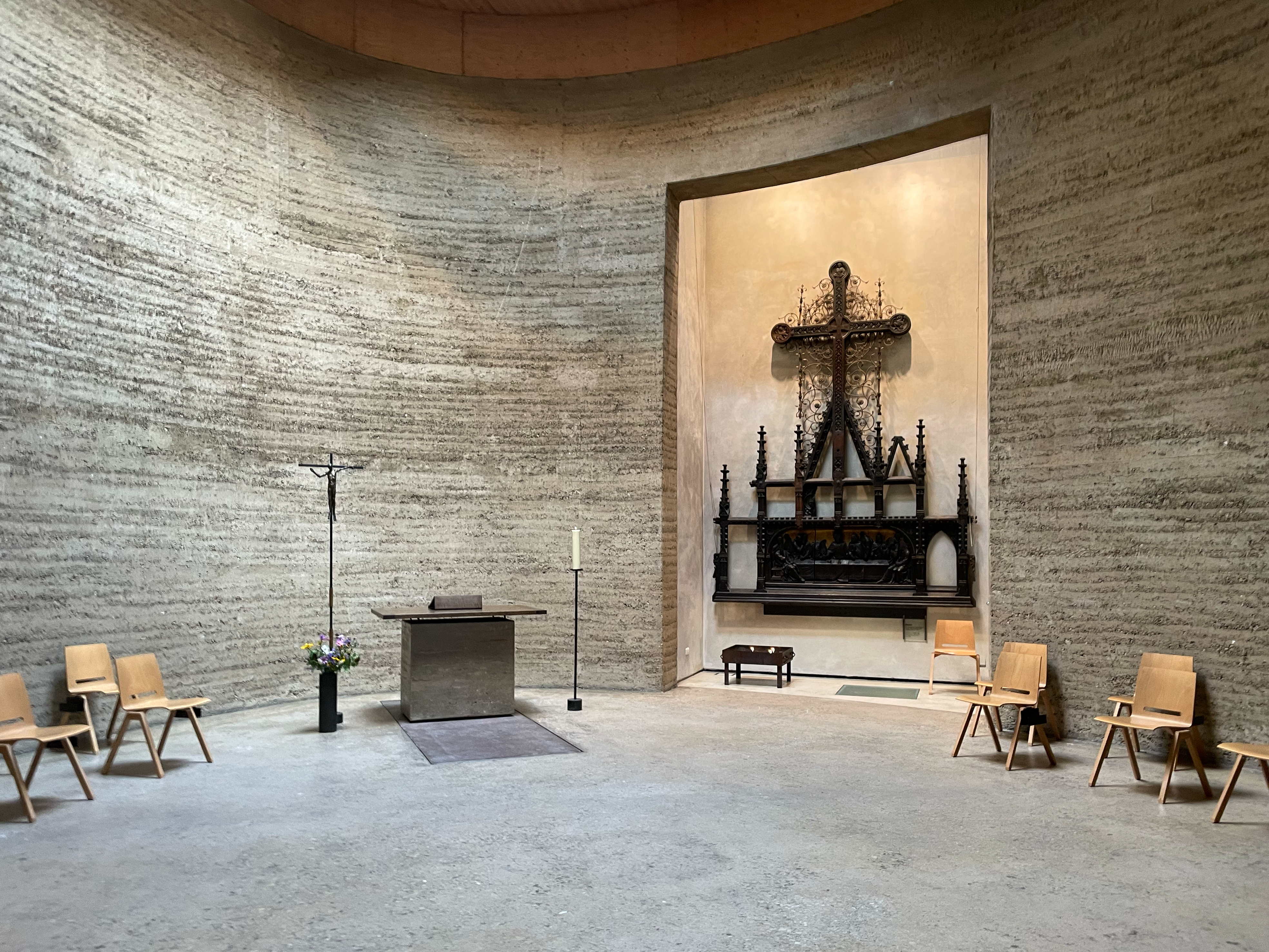
The GDR dynamited the 1894 Church of Reconciliation, stranded in the death strip, in January 1985; its successor chapel, built in 2000 from rammed clay mixed with the old church's crushed rubble, holds a daily noon prayer for the Wall's dead.
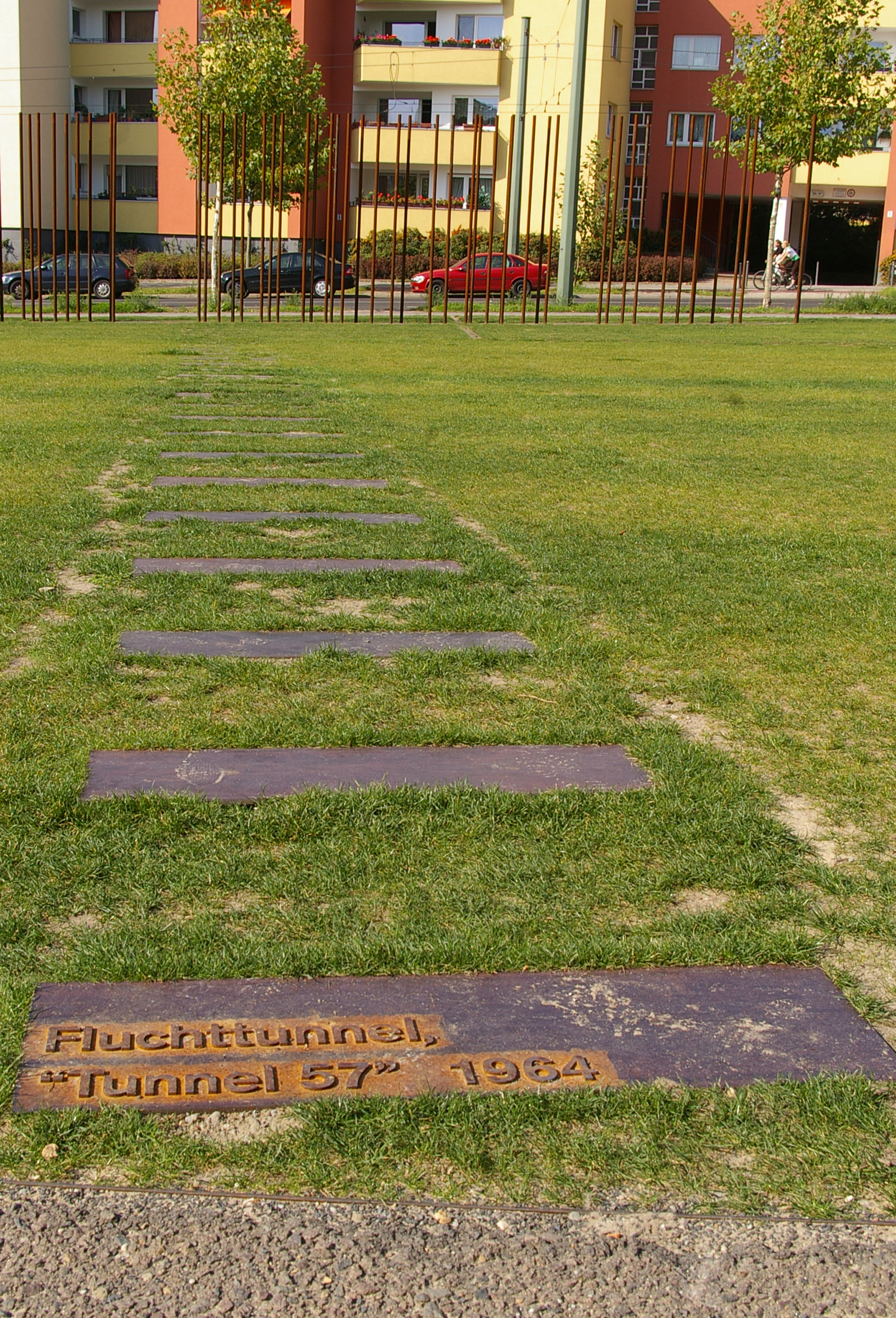
Steel markers in the memorial lawns trace the escape tunnels dug beneath Bernauer Strasse — among them Tunnel 29, filmed by NBC in 1962, and Tunnel 57, through which 57 people crawled to the West in October 1964. Around 75 tunnel projects ran under this street, most betrayed by Stasi informers.
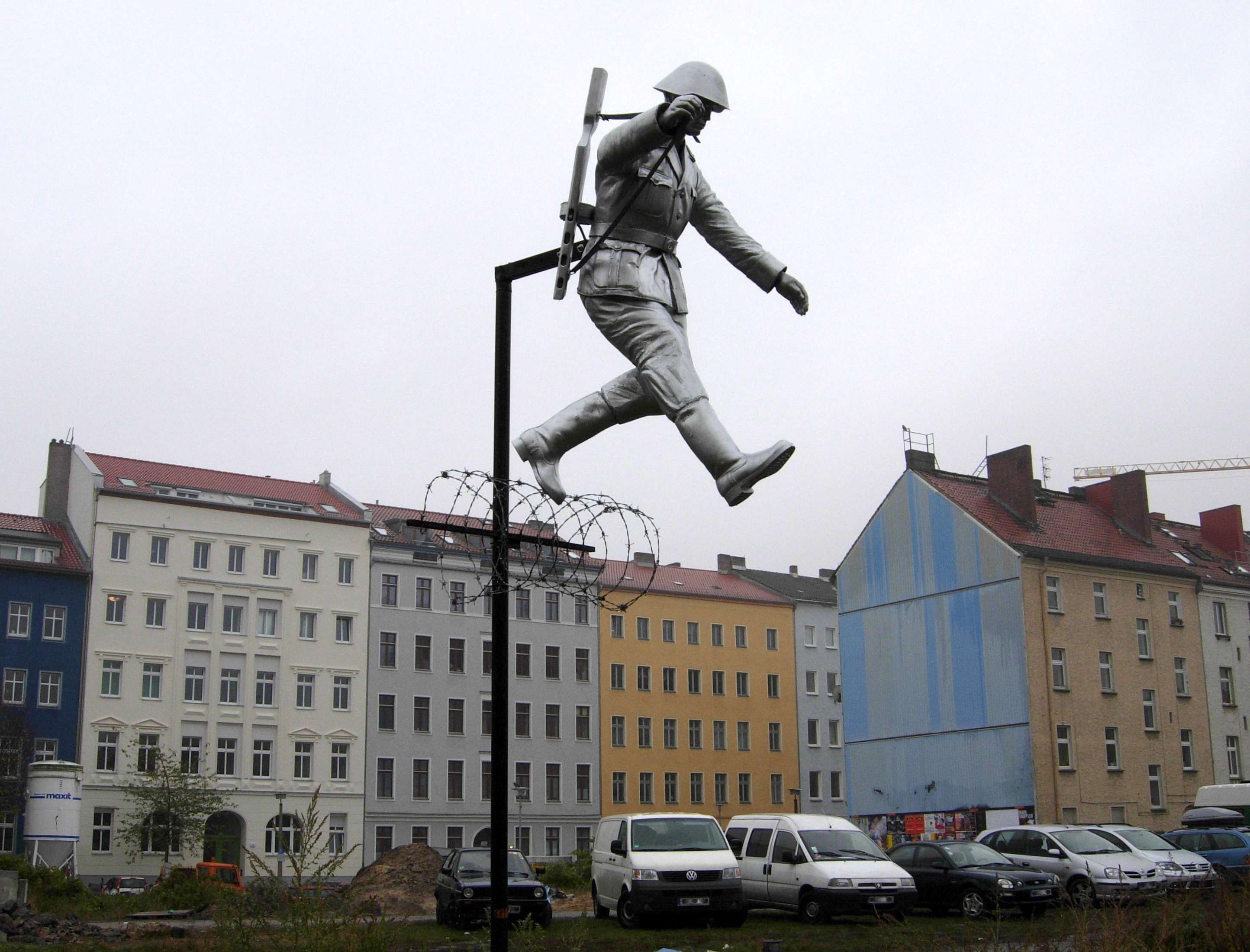
At the corner of Bernauer and Ruppiner Strasse, 19-year-old East German border guard Conrad Schumann jumped the barbed wire on 15 August 1961, the Wall's third day. Peter Leibing's photograph of the leap became the defining image of the Cold War.
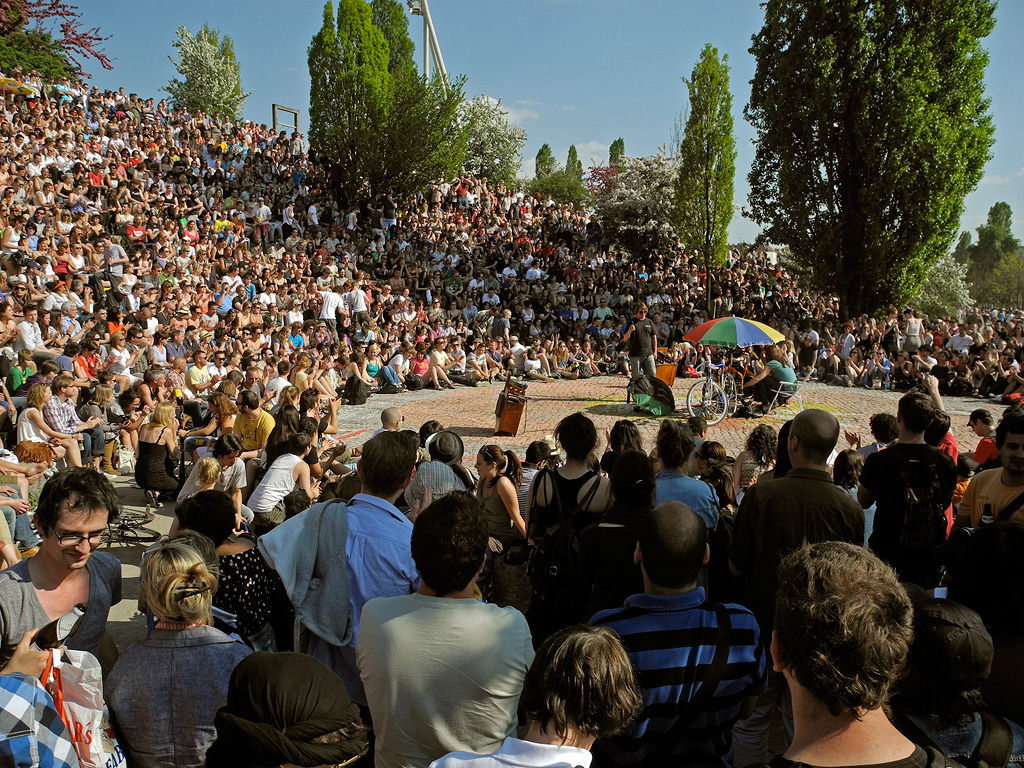
Opened in 1994 on the former death strip between Prenzlauer Berg and Wedding, Mauerpark — literally "Wall Park" — now hosts Berlin's biggest Sunday flea market, Bearpit Karaoke in its stone amphitheater, and a surviving stretch of Wall that serves as a legal graffiti canvas repainted daily.
This is the real story from one stop on this walk — every stop has one.
Walk one mile through the heart of Mitte and read Berlin's entire story — Prussian kings, a fragile republic, the Nazi…
Walk the longest surviving stretch of the Berlin Wall — 1.3 kilometers painted by 118 artists in the spring of 1990 —…
Trace the Nazi dictatorship on the ground where it was actually run — from the Reichstag fire that killed a democracy,…
We use cookies to analyse site traffic and improve your experience. You can choose to accept or reject analytics cookies. Learn more