Berlin · Germany
Berlin Essentials: Five Germanys in One Walk
Berlin, Germany
The Reichstag — fire, Soviet flag and Foster's glass dome in one building The Brandenburg Gate, stolen by Napoleon and sealed inside the death strip Eisenman's field of 2,711 stelae — Germany's memorial at its own center The Empty Library beneath Bebelplatz, where 20,000 books burned in 1933 The Humboldt Forum — three palaces on one spot and a debate still running
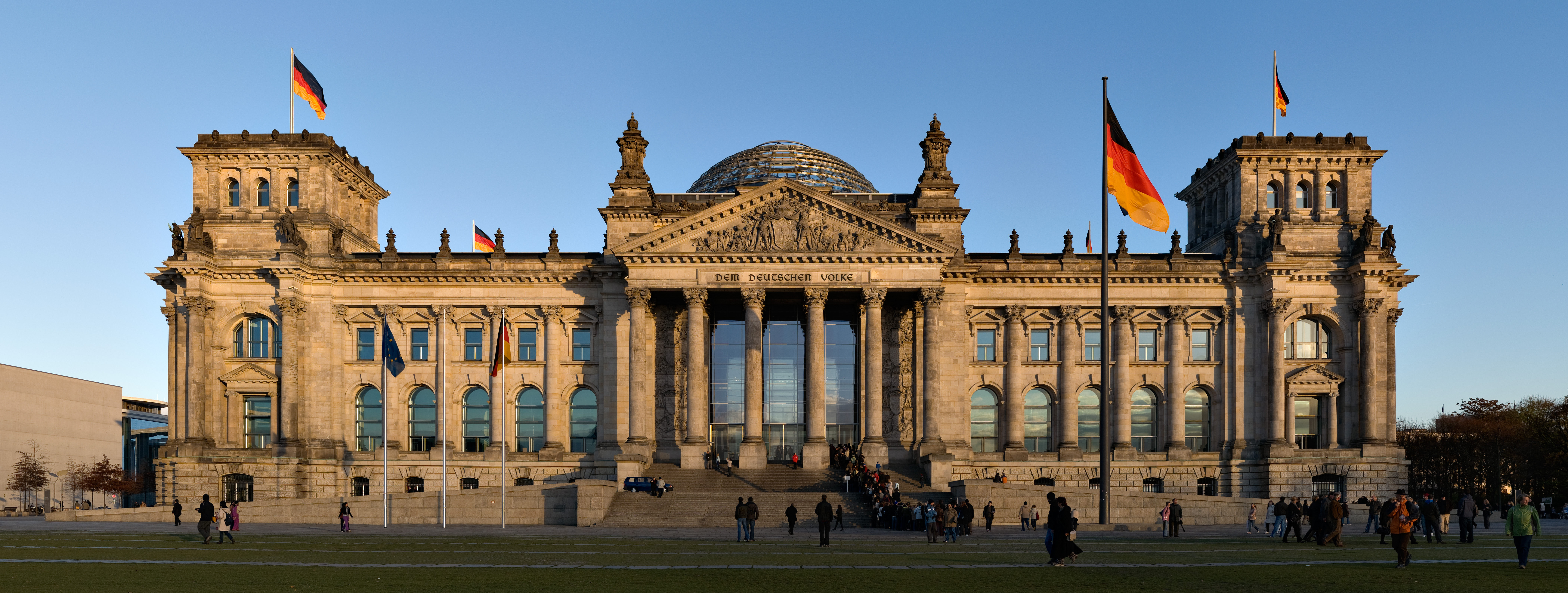
Germany's parliament building, completed in 1894 and rebuilt by Norman Foster with a glass dome in 1999, carries the marks of the 1933 fire, the 1945 Soviet capture, and the 1995 Christo wrapping. The dome is free to visit with advance registration at bundestag.de.
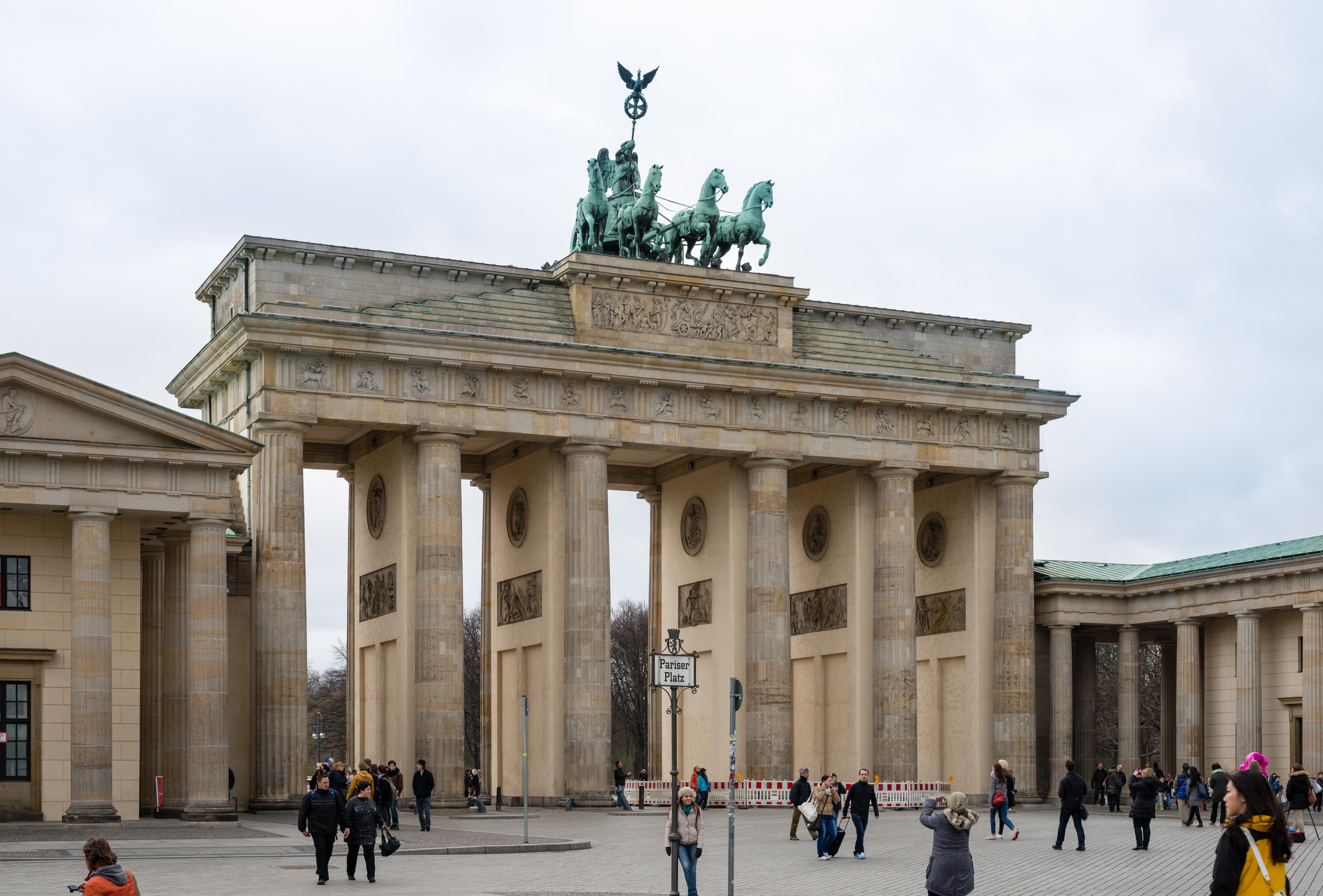
Completed in 1791 by Carl Gotthard Langhans after the Athens Propylaea, the Brandenburg Gate is the sole survivor of Berlin's eighteen customs-wall gates. Its Quadriga was looted by Napoleon in 1806, the gate stood sealed inside the Wall's death strip from 1961 to 1989, and it became the stage of Germany's reunification celebrations.
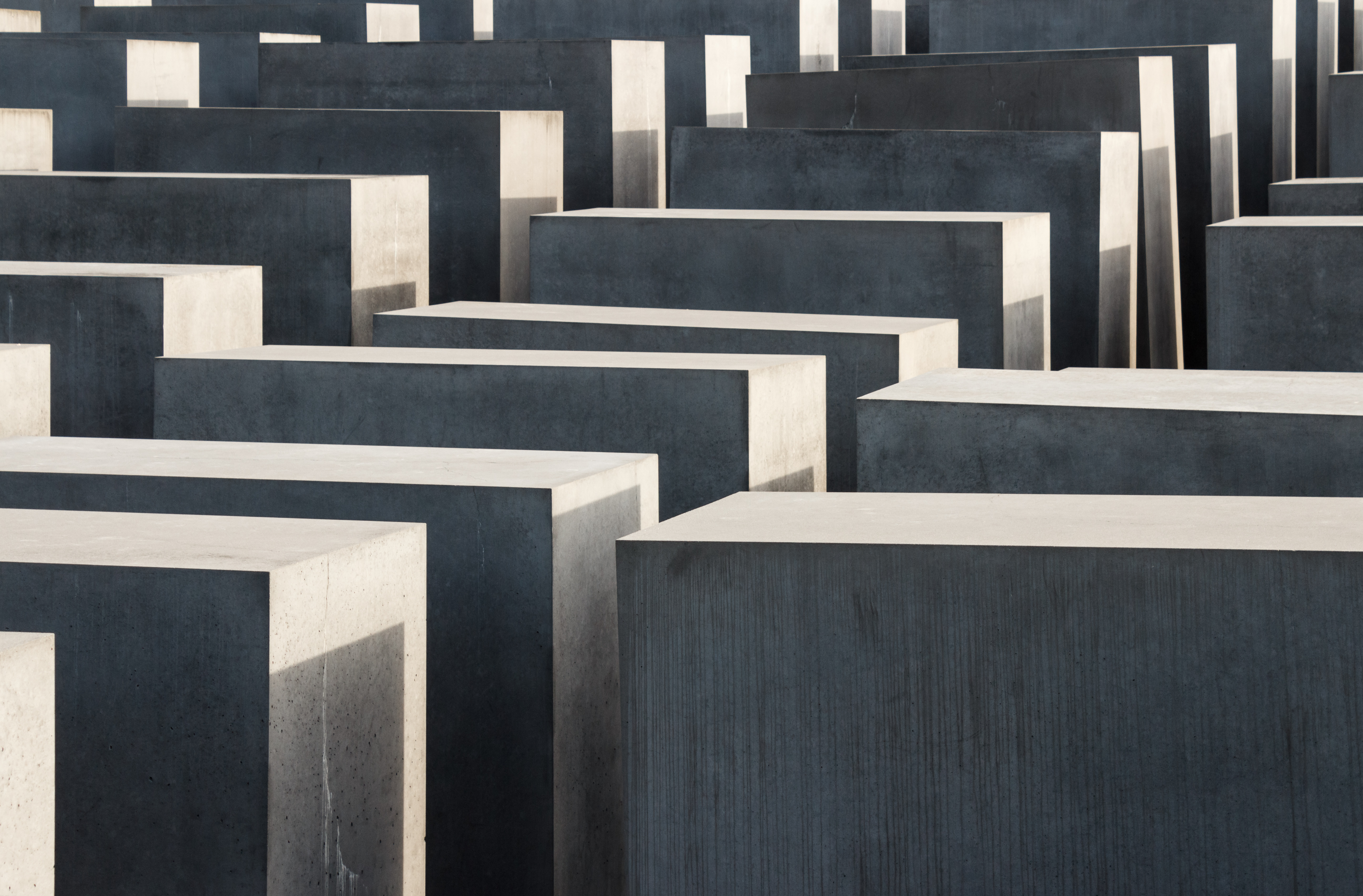
A field of 2,711 unmarked concrete stelae by architect Peter Eisenman, opened in 2005 after seventeen years of national debate, placing Germany's memorial to the six million murdered Jews of Europe at the symbolic center of its capital. Open day and night with no gate or fee, it includes an underground information center that documents individual victims and families.
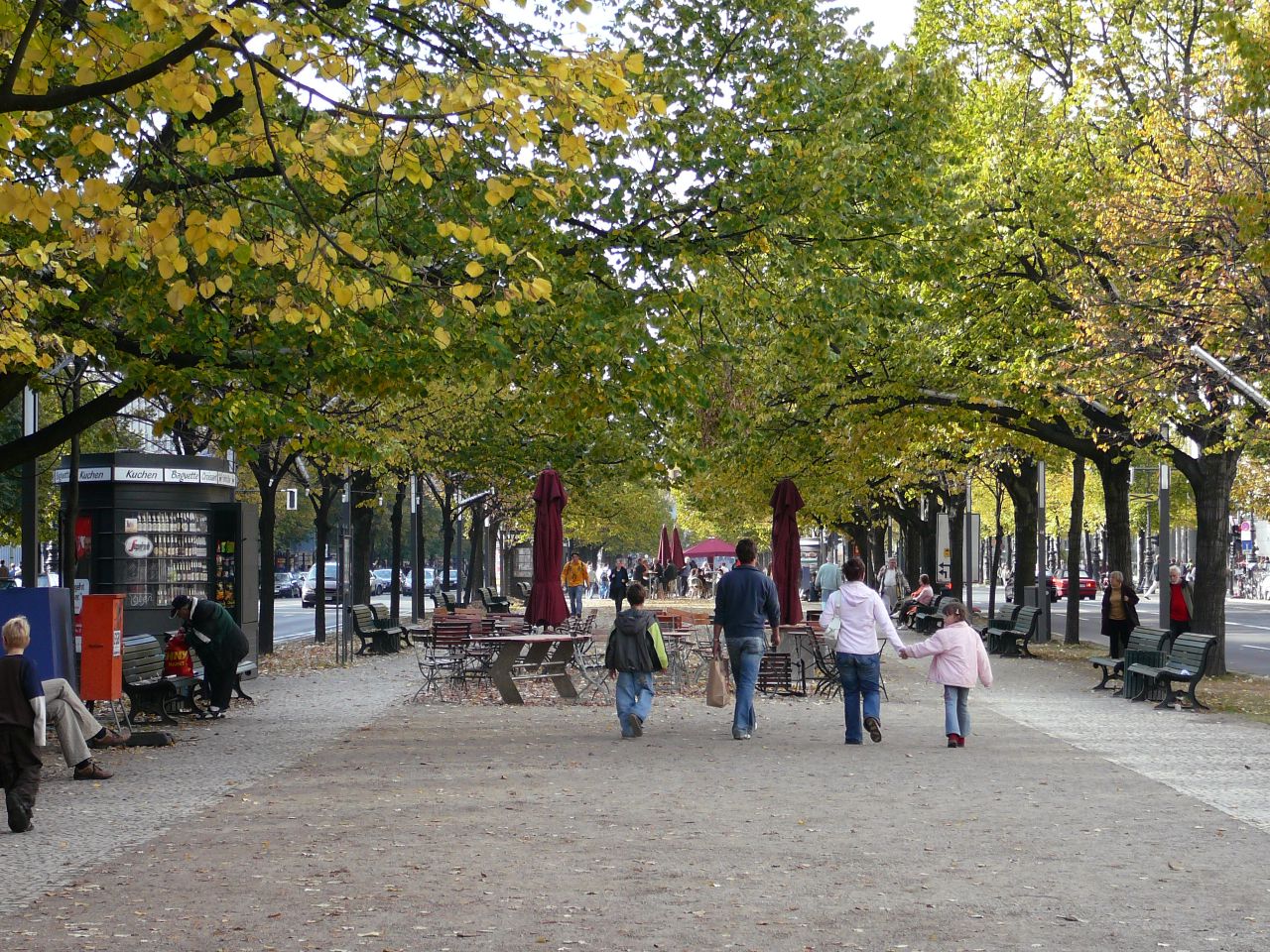
Prussia's showcase boulevard, laid out in 1573 as a bridle path from the royal palace to the Tiergarten hunting grounds and planted with lindens since 1647. It is still framed by Frederick the Great's Enlightenment ensemble of opera house, cathedral, library and university, watched over by his 1851 equestrian statue.
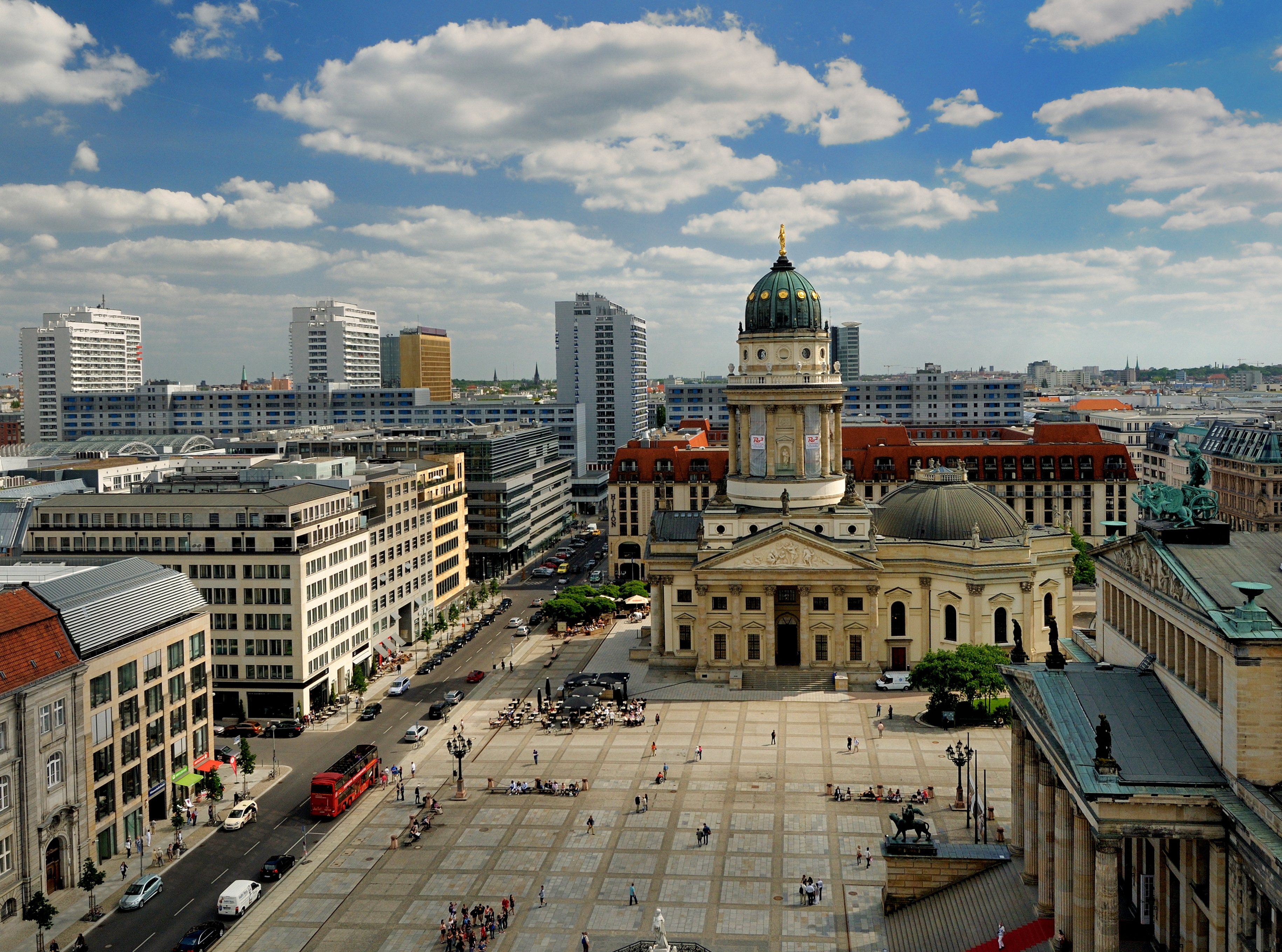
Berlin's most celebrated square, framed by the French and German Cathedrals and Schinkel's Konzerthaus, owes its existence to the Huguenot refugees invited in 1685, when one in five Berliners spoke French. Destroyed in WWII, it was painstakingly restored by the GDR through the 1980s.
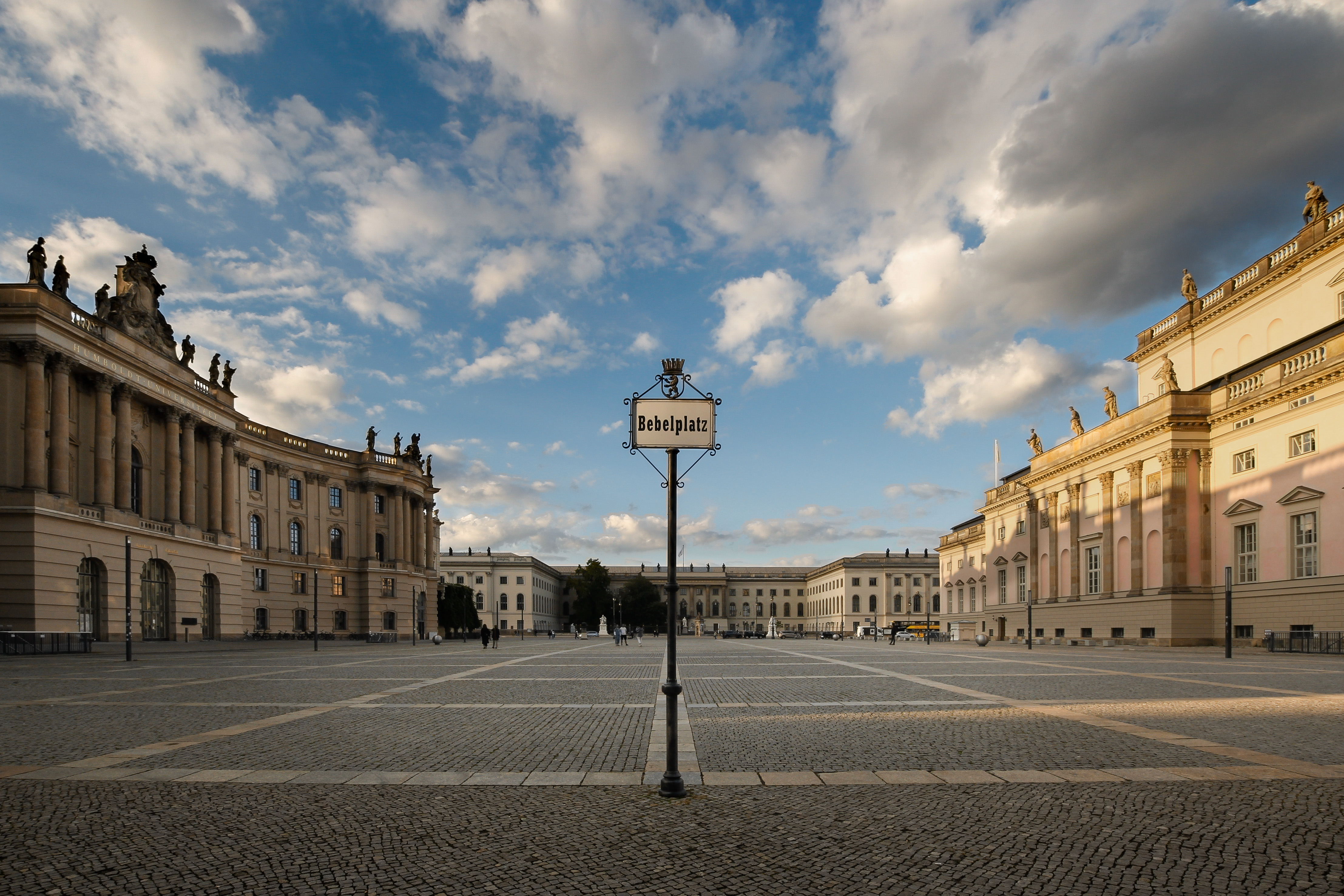
On 10 May 1933, students burned some 20,000 books on this square before a crowd of 40,000; Micha Ullman's sunken Empty Library (1995), a glass-covered white room of bare shelves, marks the spot beside Heine's 1820 warning that where books are burned, people will follow.
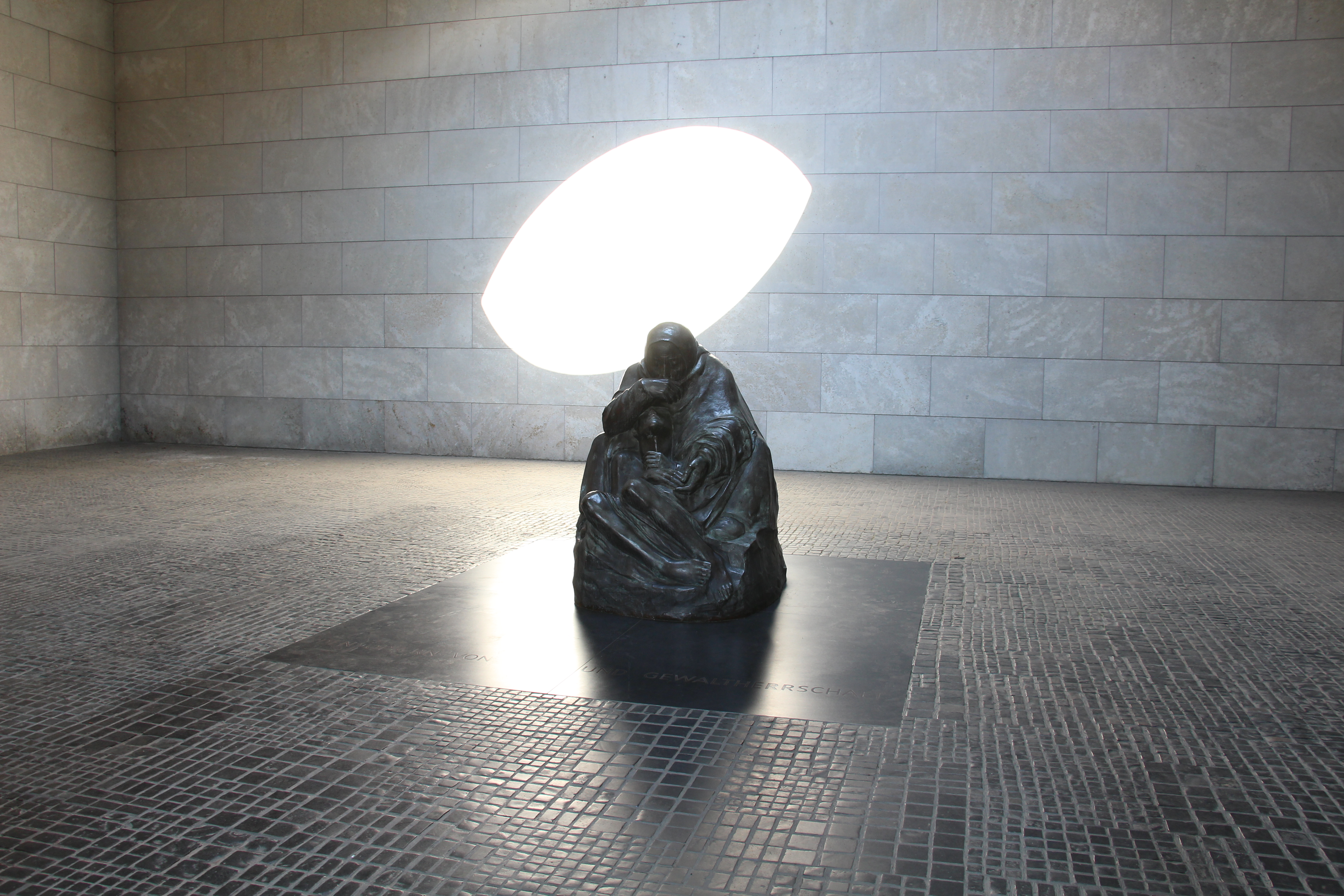
Schinkel's 1818 Neue Wache guardhouse has been rededicated by every German regime — Prussian guard post, Weimar war memorial, Nazi shrine, GDR memorial to the victims of fascism — and since 1993 holds only Käthe Kollwitz's enlarged Mother with Dead Son beneath an open oculus. Germany's central memorial to the victims of war and tyranny remains controversial for gathering perpetrators and victims under a single dedication.
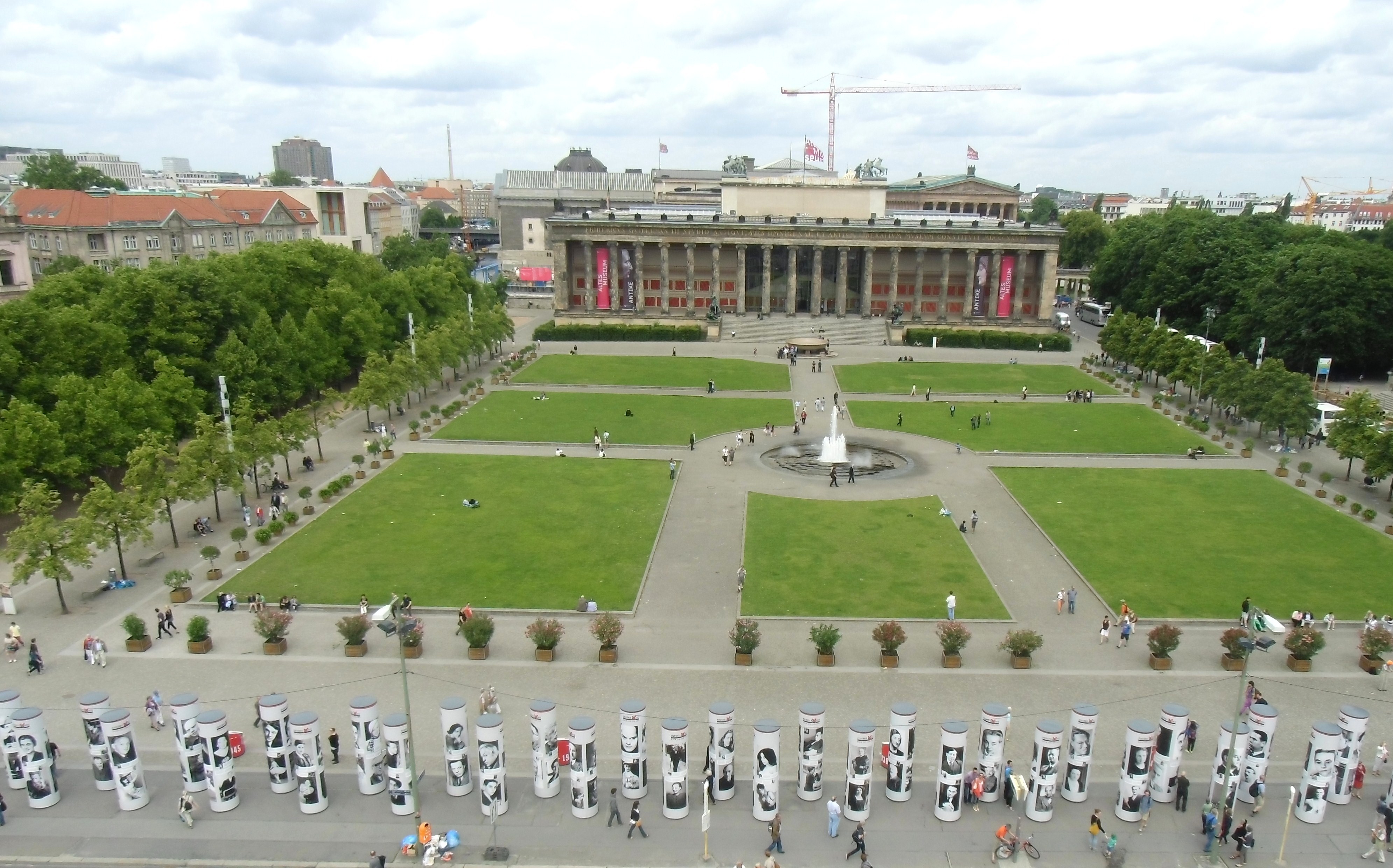
Schinkel's Altes Museum (1830), with its 18 Ionic columns and hidden Pantheon rotunda, was one of the first public museums in the world and grew into the five-museum UNESCO ensemble of Museum Island. The island is also medieval Coelln, first documented in 1237 — the date Berlin counts as its founding.
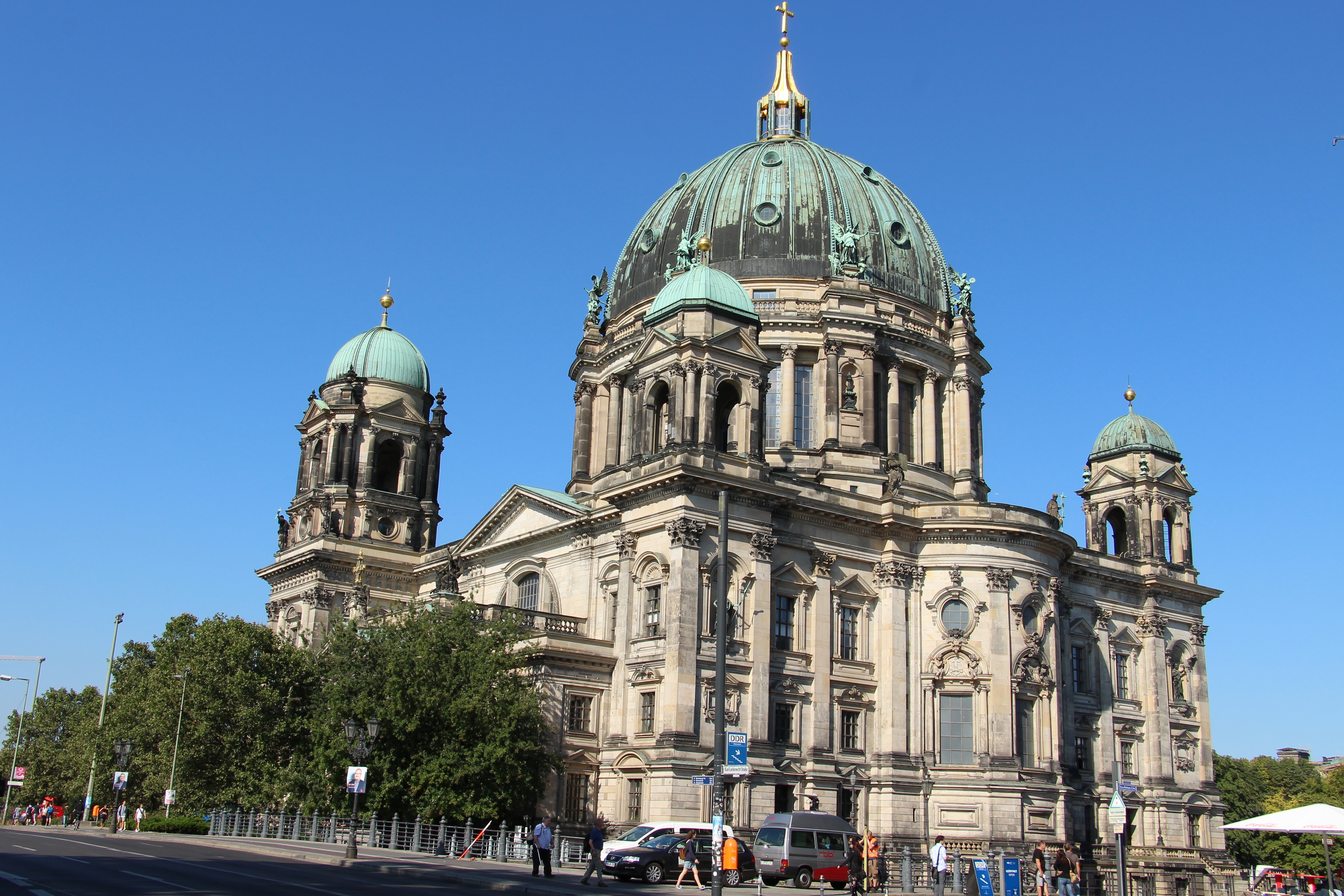
The Hohenzollern dynasty's monumental court church, completed in 1905 under Kaiser Wilhelm II as a Protestant answer to St Peter's, with a crypt holding around 90 royal sarcophagi beneath its rebuilt 98-meter dome.
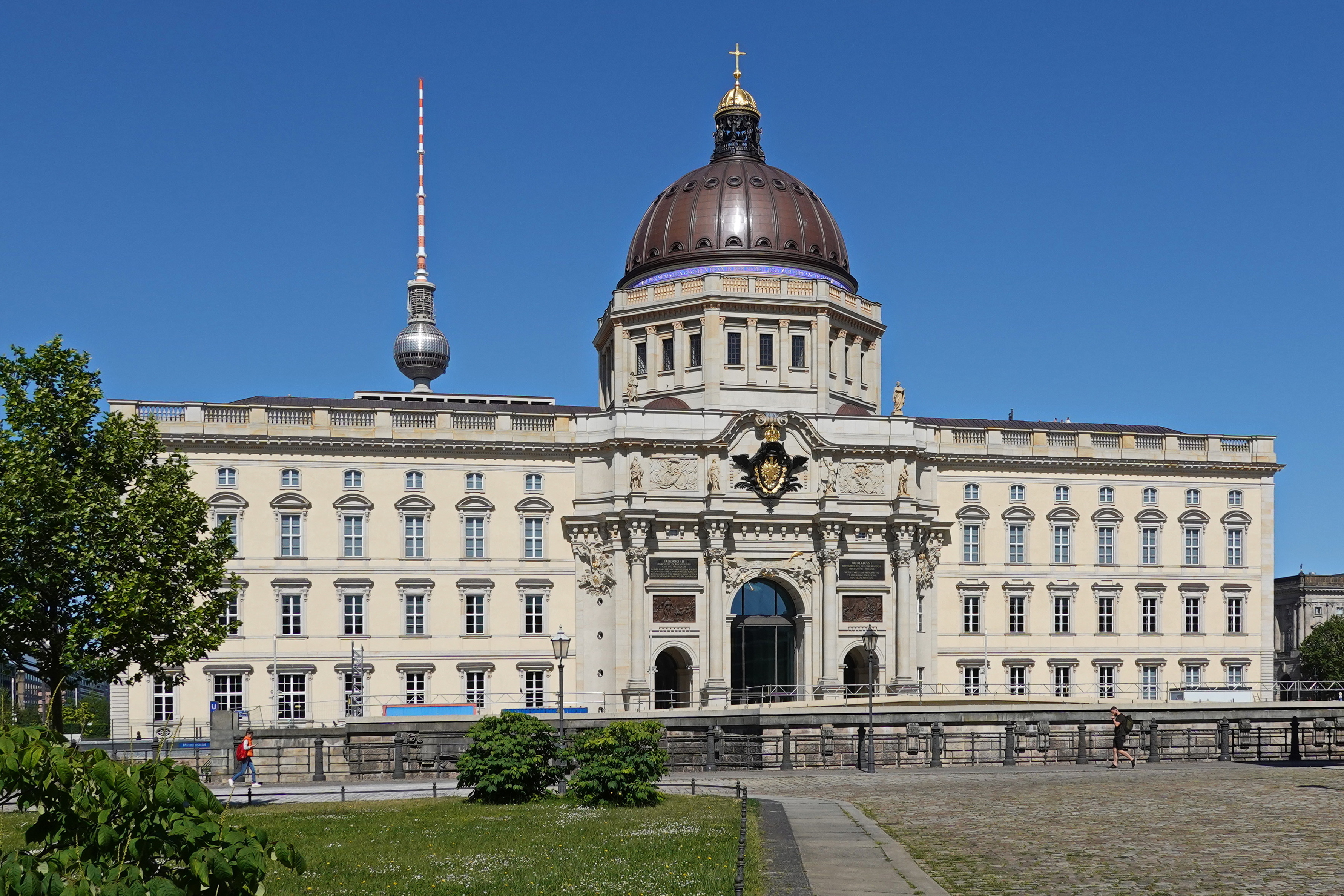
The Humboldt Forum is a 2020 reconstruction of the Hohenzollern Royal Palace, standing on the site where the GDR demolished the war-damaged original in 1950 and built the Palast der Republik, itself demolished in 2008. Its balcony was the stage for one of two rival proclamations of a German republic on 9 November 1918.
This is the real story from one stop on this walk — every stop has one.
Walk the longest surviving stretch of the Berlin Wall — 1.3 kilometers painted by 118 artists in the spring of 1990 —…
Trace the Nazi dictatorship on the ground where it was actually run — from the Reichstag fire that killed a democracy,…
Follow the Berlin Wall as the people who lived it did — from the Palace of Tears where families said goodbye, past the…
We use cookies to analyse site traffic and improve your experience. You can choose to accept or reject analytics cookies. Learn more