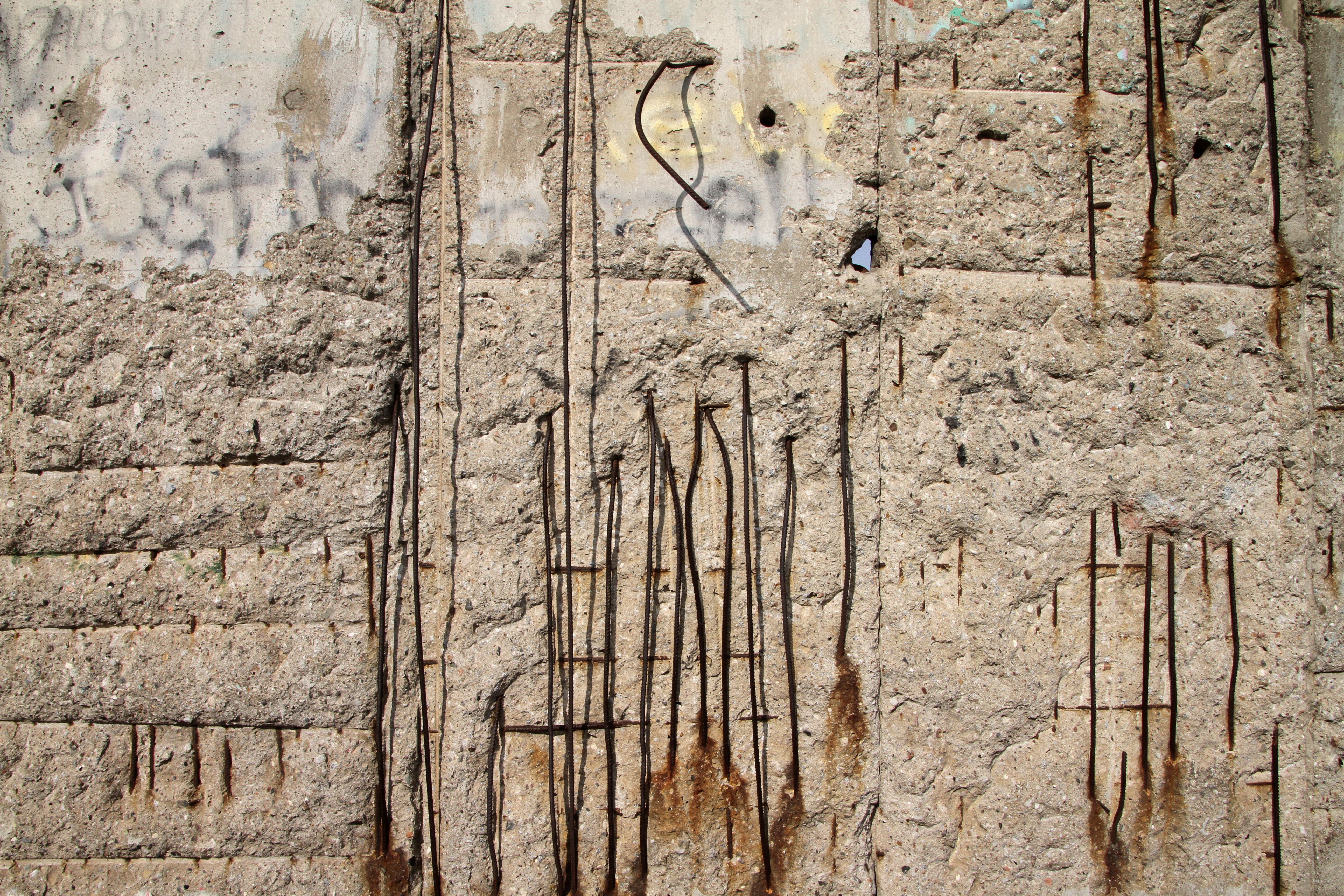
Berlin · Germany
Rise and Fall: Berlin and the Third Reich
Berlin, Germany
The Reichstag — how a democracy voted itself out of existence in weeks The unmarked car park over the Führerbunker — Germany's anti-monument The Topography of Terror — the Gestapo's cellars beneath a surviving Wall stretch Anhalter Bahnhof — the grand station whose timetables hid deportations Potsdamer Platz — from death strip to glass city, the finale of rebirth
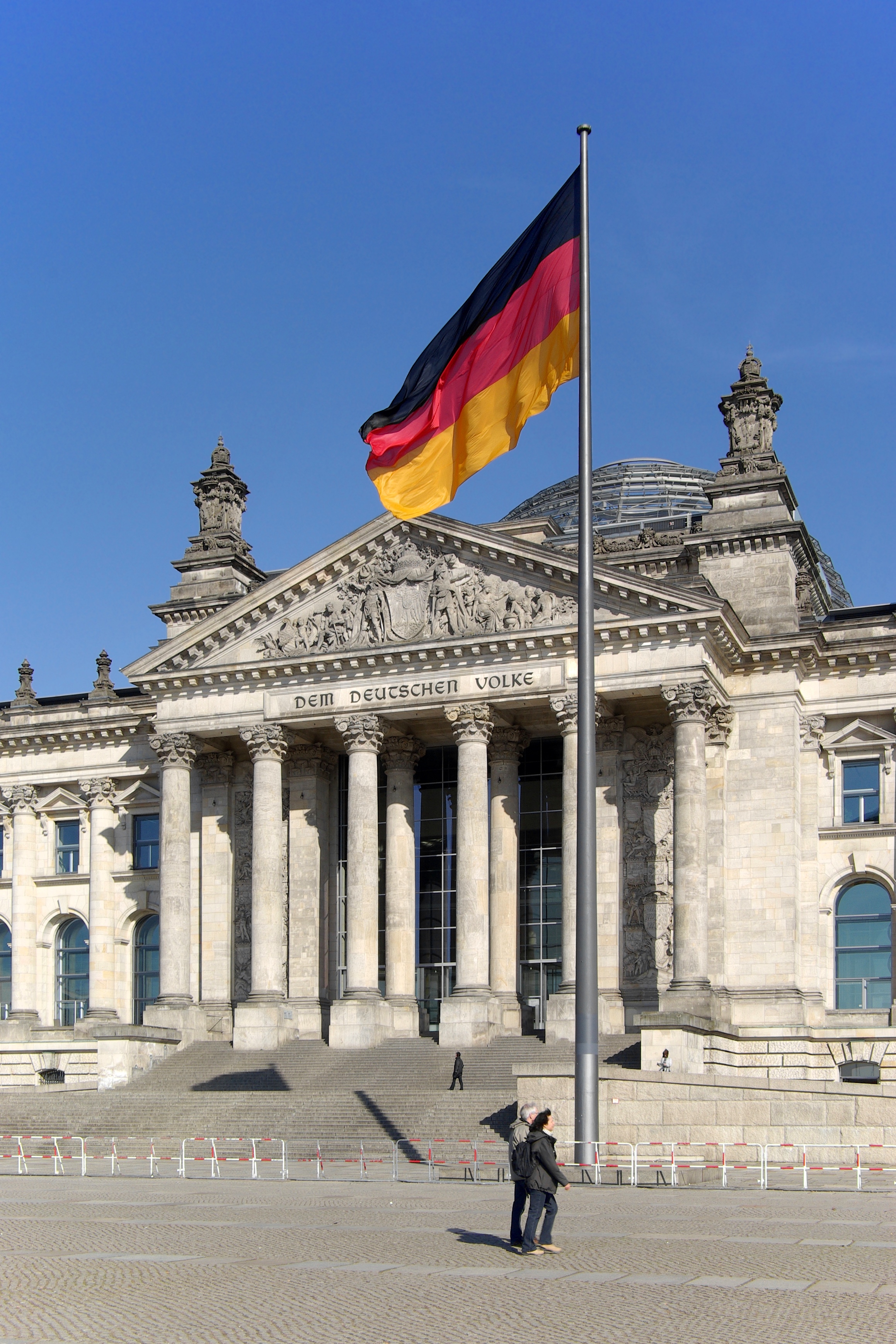
On 27 February 1933 the Reichstag burned, giving Hitler the emergency decree that suspended civil rights overnight; weeks later, on 23 March, parliament passed the Enabling Act and voted itself out of existence. This stop follows the legal machinery by which German democracy was dismantled in under two months.
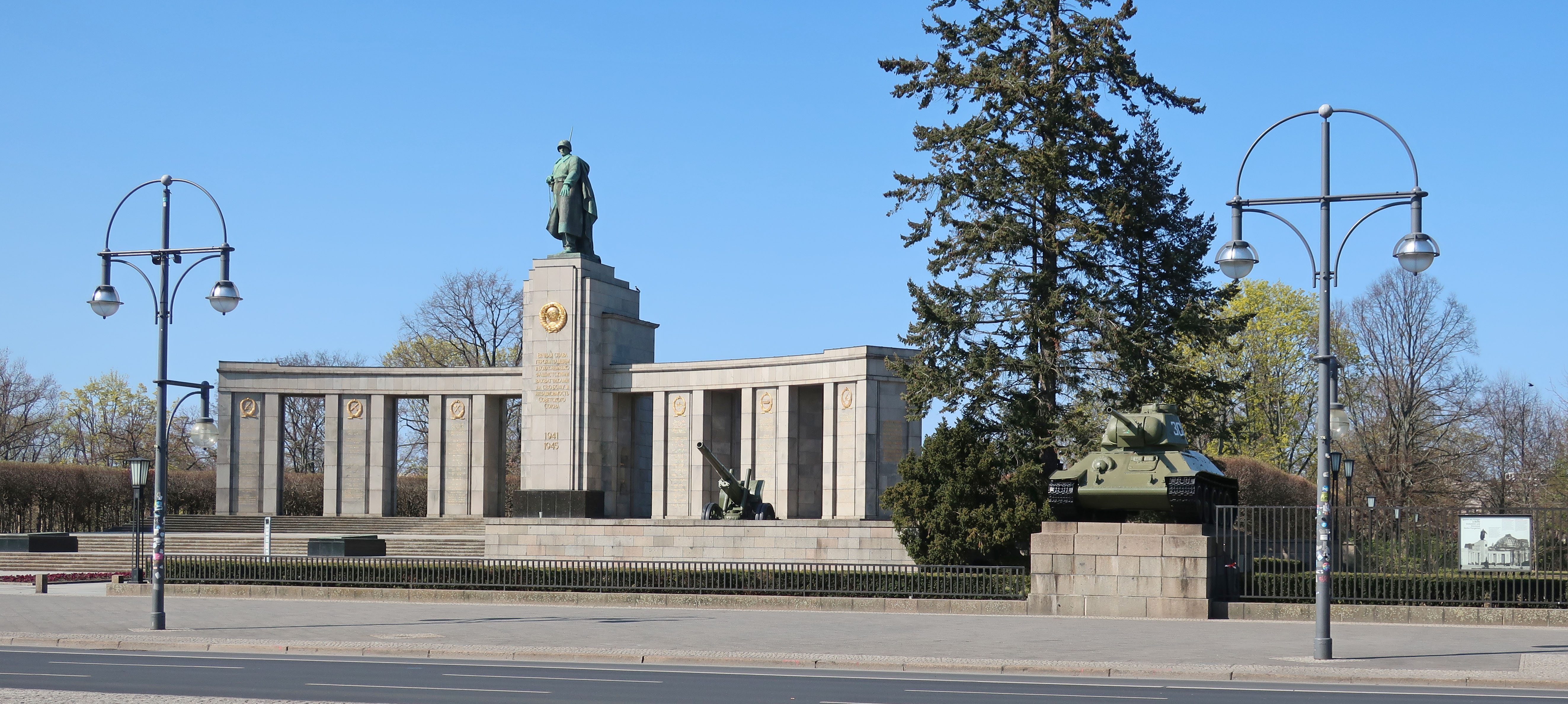
Unveiled in November 1945, reputedly built from stone of Hitler's demolished Reich Chancellery and flanked by two T-34 tanks, this memorial and cemetery for some 2,000 Soviet soldiers stood inside the British sector — guarded daily by Soviet sentries bussed through Checkpoint Charlie for the entire Cold War.
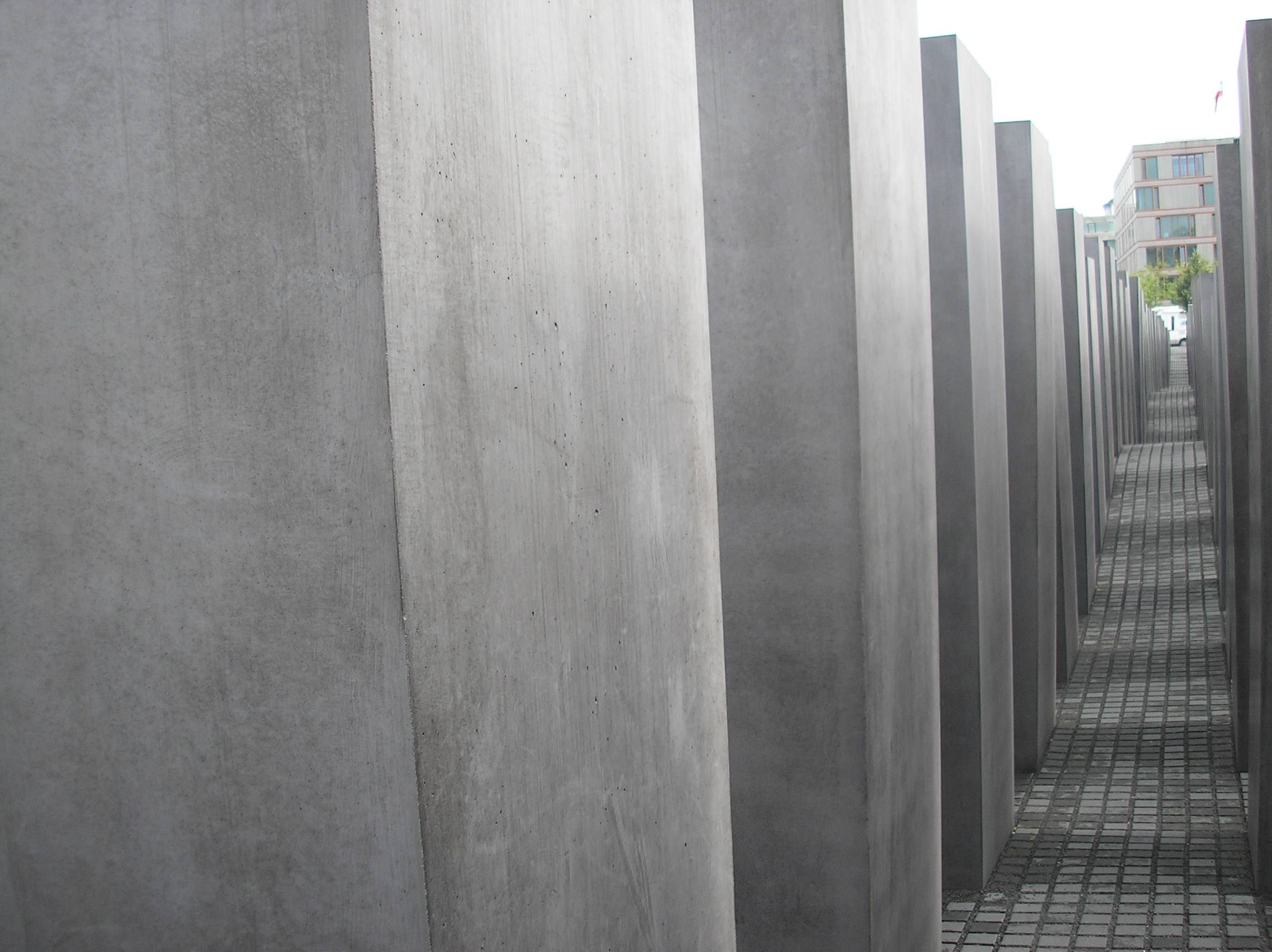
Germany's national Holocaust memorial occupies the former Reich ministry gardens and later Berlin Wall death strip, one block from the Brandenburg Gate. The sealed, unmarked bunker of Goebbels' villa still lies beneath the edge of the stelae field.
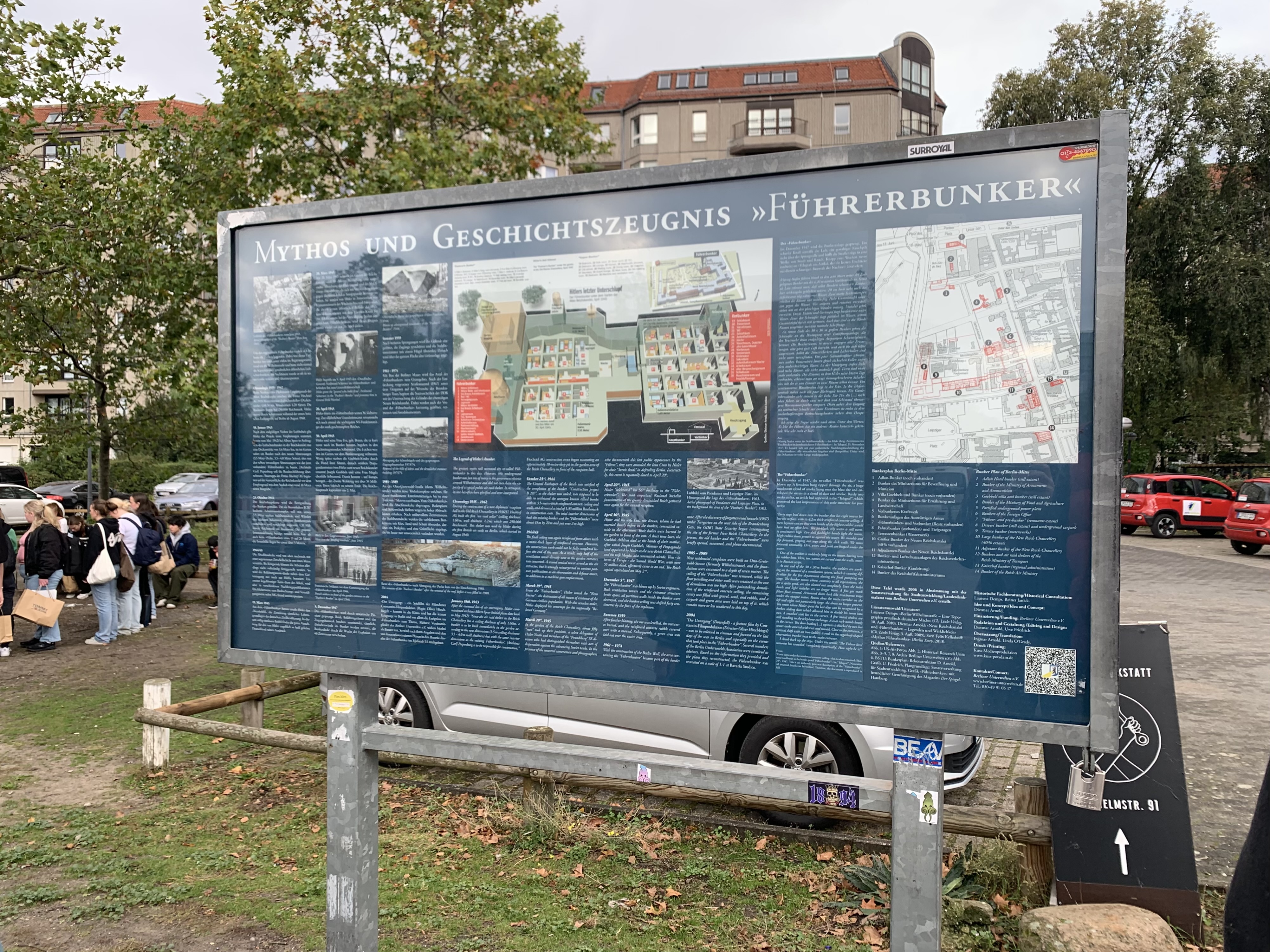
An unmarked car park beneath which lie the buried remains of the Führerbunker, where Hitler died on April 30, 1945; a single information panel, added only in 2006, is Germany's deliberate anti-memorial.
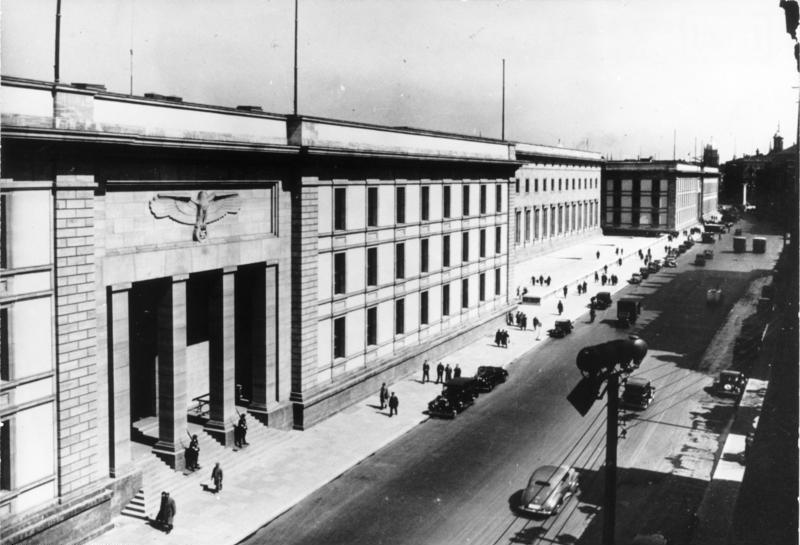
For over a century Wilhelmstraße was the seat of German government — Old and New Reich Chancellery, Foreign Office and Propaganda Ministry all stood here — until war damage, Soviet demolition and deliberate GDR redevelopment erased every building. Today 1980s Plattenbau apartment blocks cover the ministry sites, marked only by an open-air exhibition of information panels.
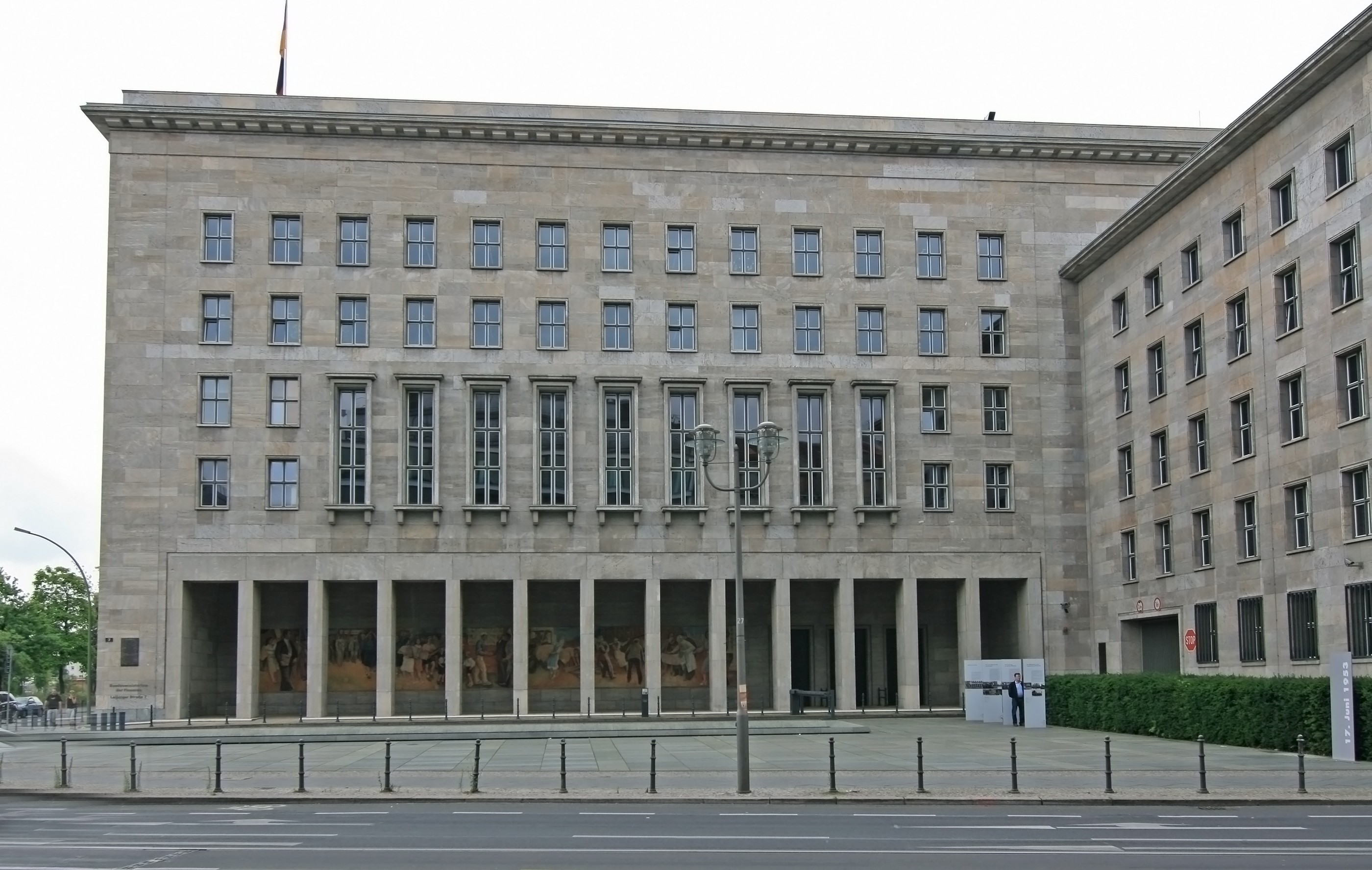
Ernst Sagebiel's 1936 Aviation Ministry for Hermann Göring — then Europe's largest office building with 2,800 rooms — survived the war almost intact and went on to host the founding of the GDR, the start of the 1953 uprising, the Treuhand agency, and today's Federal Finance Ministry.
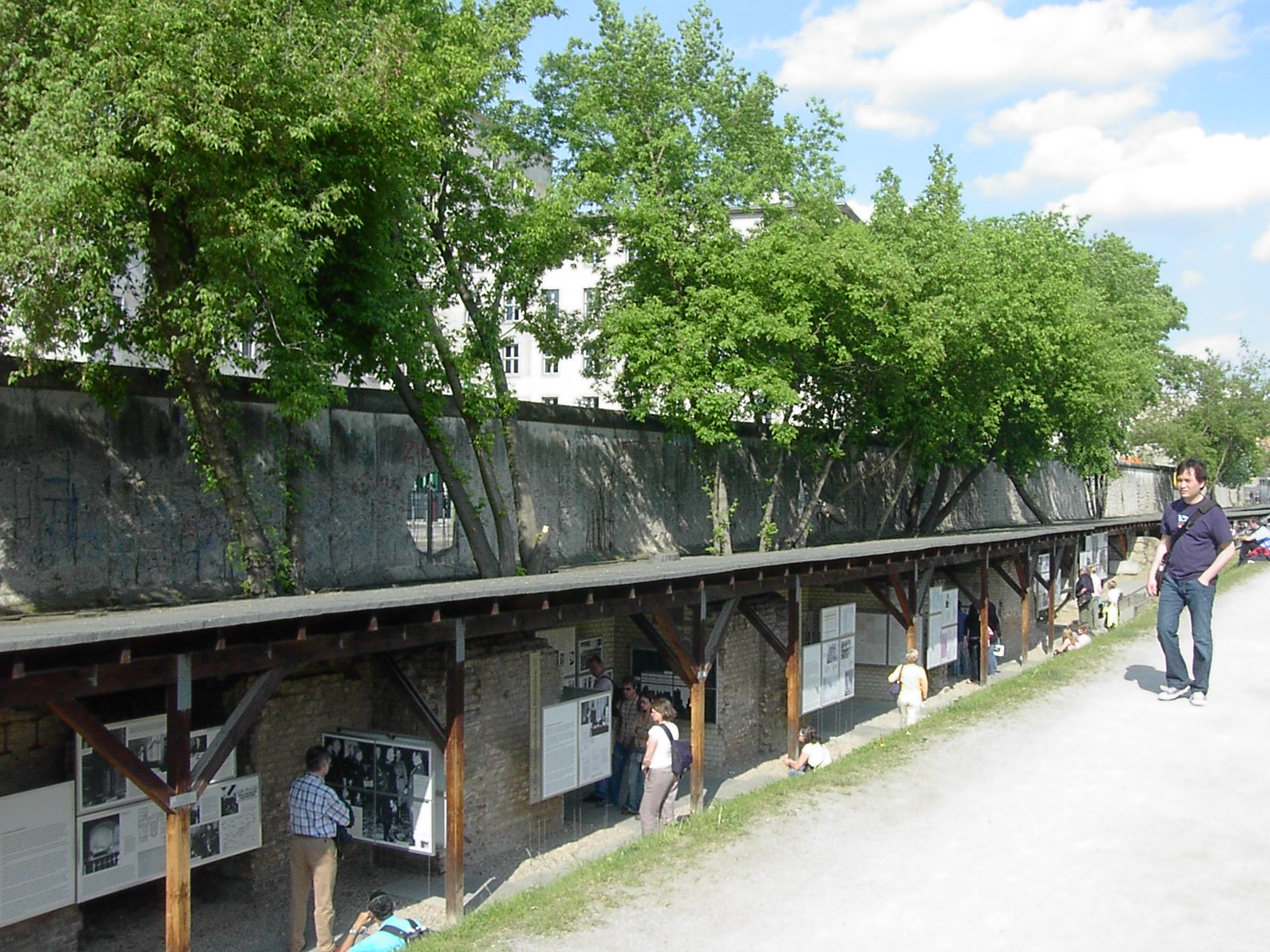
The excavated cellars of the Gestapo and SS headquarters on former Prinz-Albrecht-Straße, recovered by a 1980s citizen dig and documented since 2010 in a free, documents-first exhibition center. One of the longest surviving stretches of the Berlin Wall runs directly above the trench.
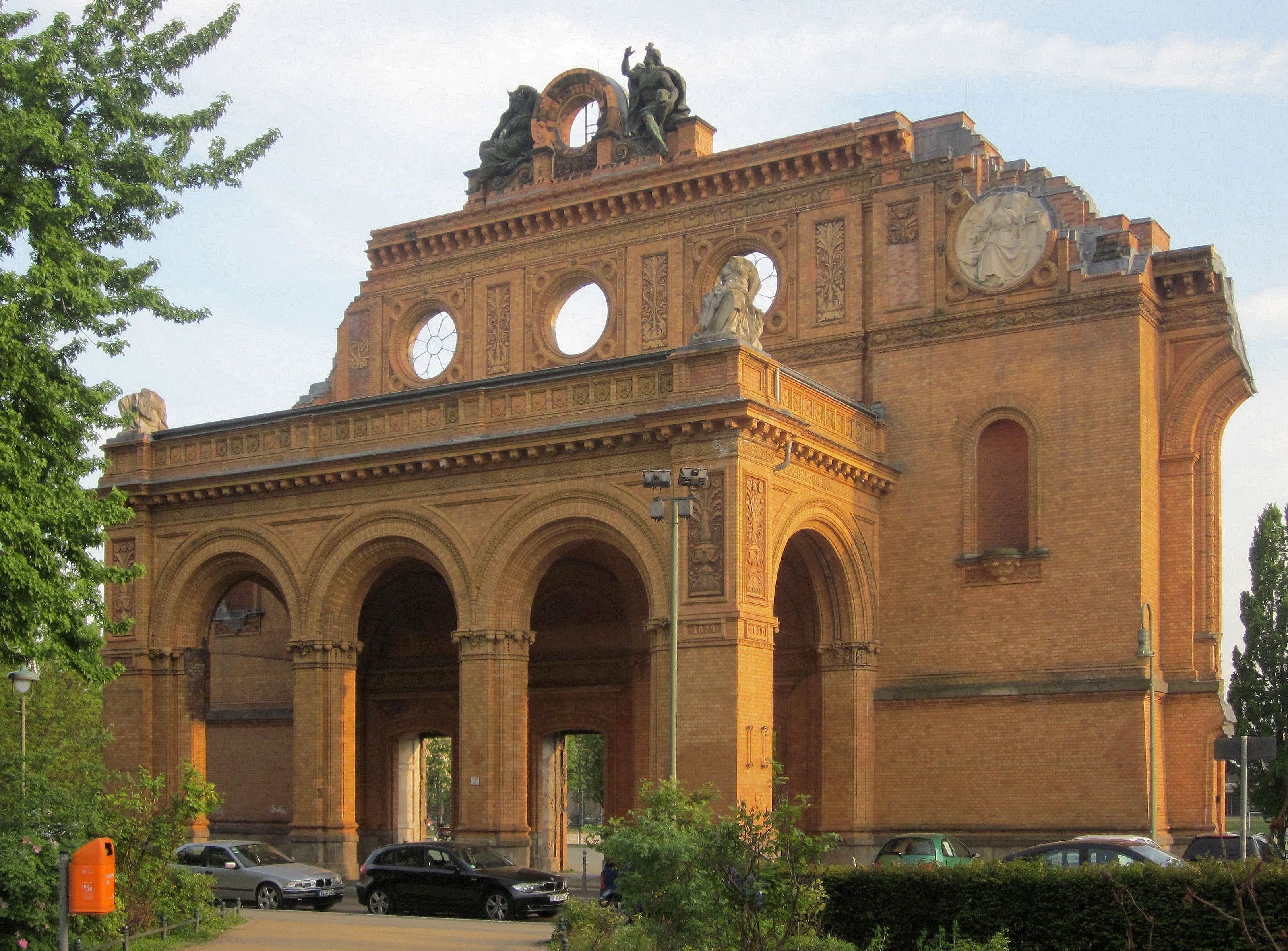
Only a fragment of the portico survives of Anhalter Bahnhof, once continental Europe's largest railway station. Between 1942 and 1945, nearly 9,600 Berlin Jews, most of them elderly, were deported from its platforms to Theresienstadt in ordinary carriages coupled to scheduled trains.
Europe's busiest square in the 1920s, obliterated in the war and bisected by the Berlin Wall's death strip, Potsdamer Platz was rebuilt from zero in the 1990s as Europe's largest construction site. A double line of cobblestones marks the Wall's course, and the Weimar-era Kaisersaal survives encased in glass inside the Sony Center.
This is the real story from one stop on this walk — every stop has one.
Walk one mile through the heart of Mitte and read Berlin's entire story — Prussian kings, a fragile republic, the Nazi…
Walk the longest surviving stretch of the Berlin Wall — 1.3 kilometers painted by 118 artists in the spring of 1990 —…
Follow the Berlin Wall as the people who lived it did — from the Palace of Tears where families said goodbye, past the…
We use cookies to analyse site traffic and improve your experience. You can choose to accept or reject analytics cookies. Learn more


