Rome · Italy
Wartime Rome: Jews, Nazis & Resistance (1940-1945)
Rome, Italy
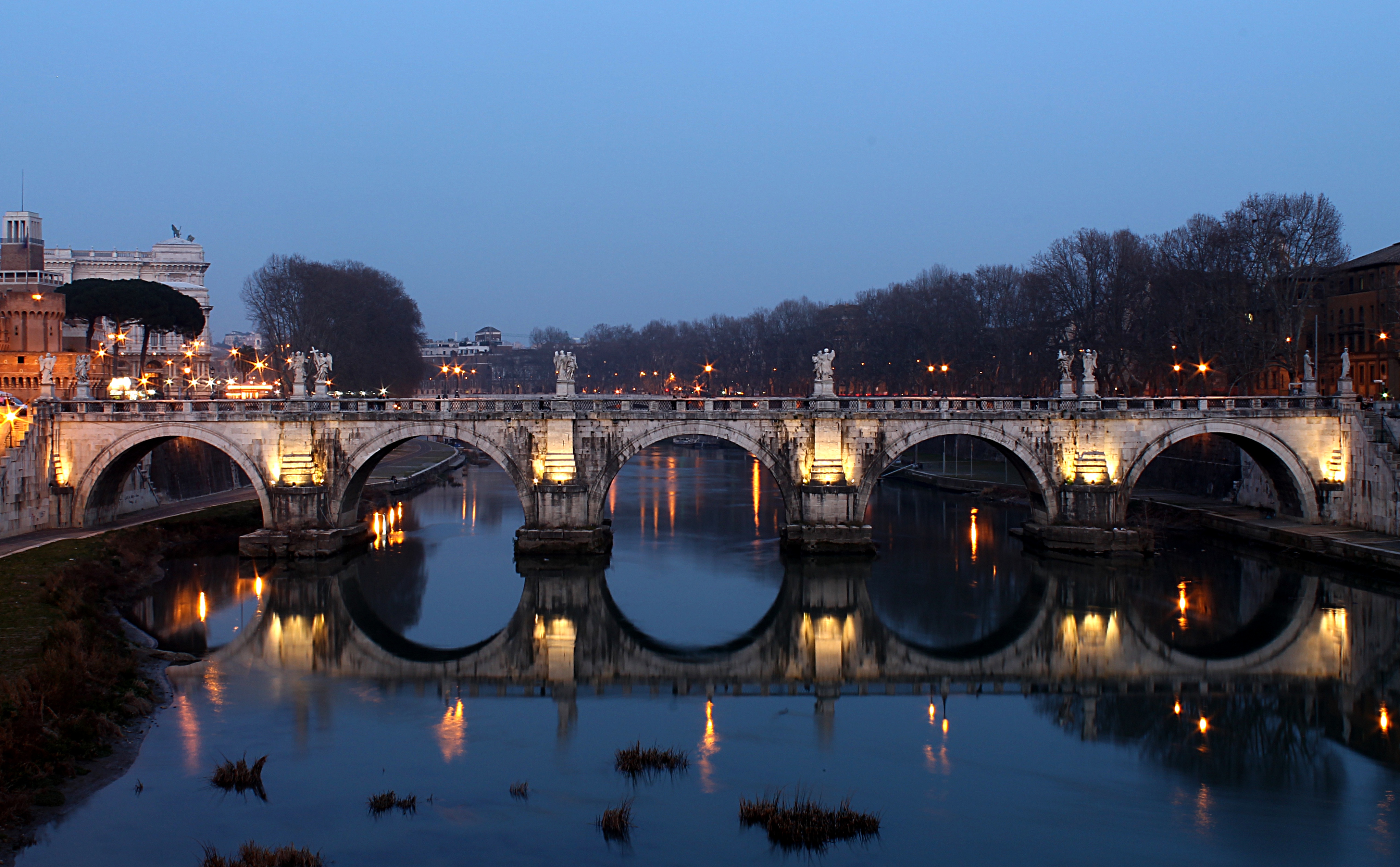
Ponte Sant'Angelo, the ancient bridge adorned with Baroque angels, stands at a threshold — the Tiber dividing occupied Rome from Vatican territory, a crossing that offered the faint possibility of refuge during the nine months of Nazi occupation.
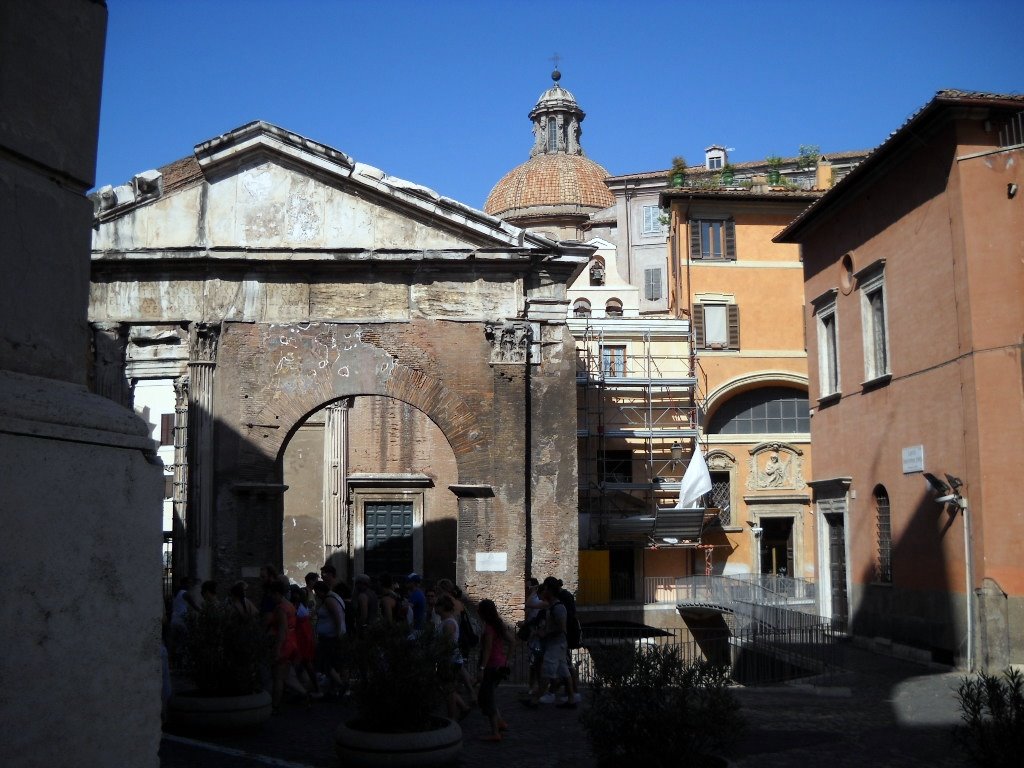
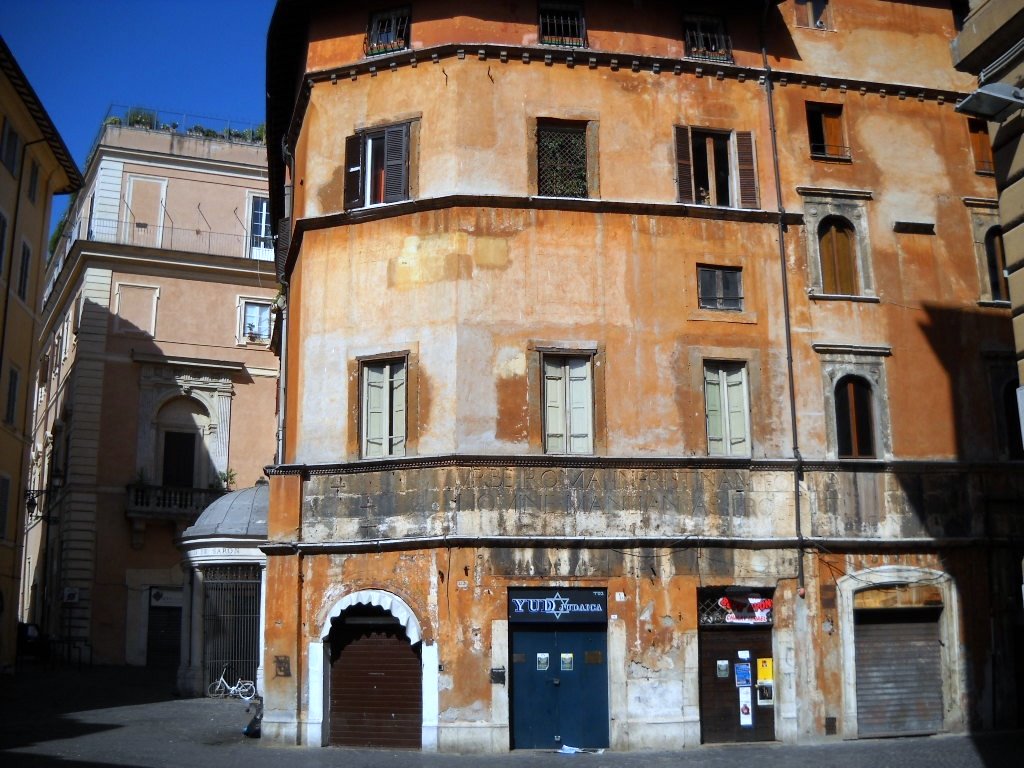
On October 16, 1943, 365 German security forces sealed off these streets at dawn. By midday, they had arrested 1,022 Roman Jews. Within two days, freight trains carried them north to Auschwitz. Only 16 ever returned.
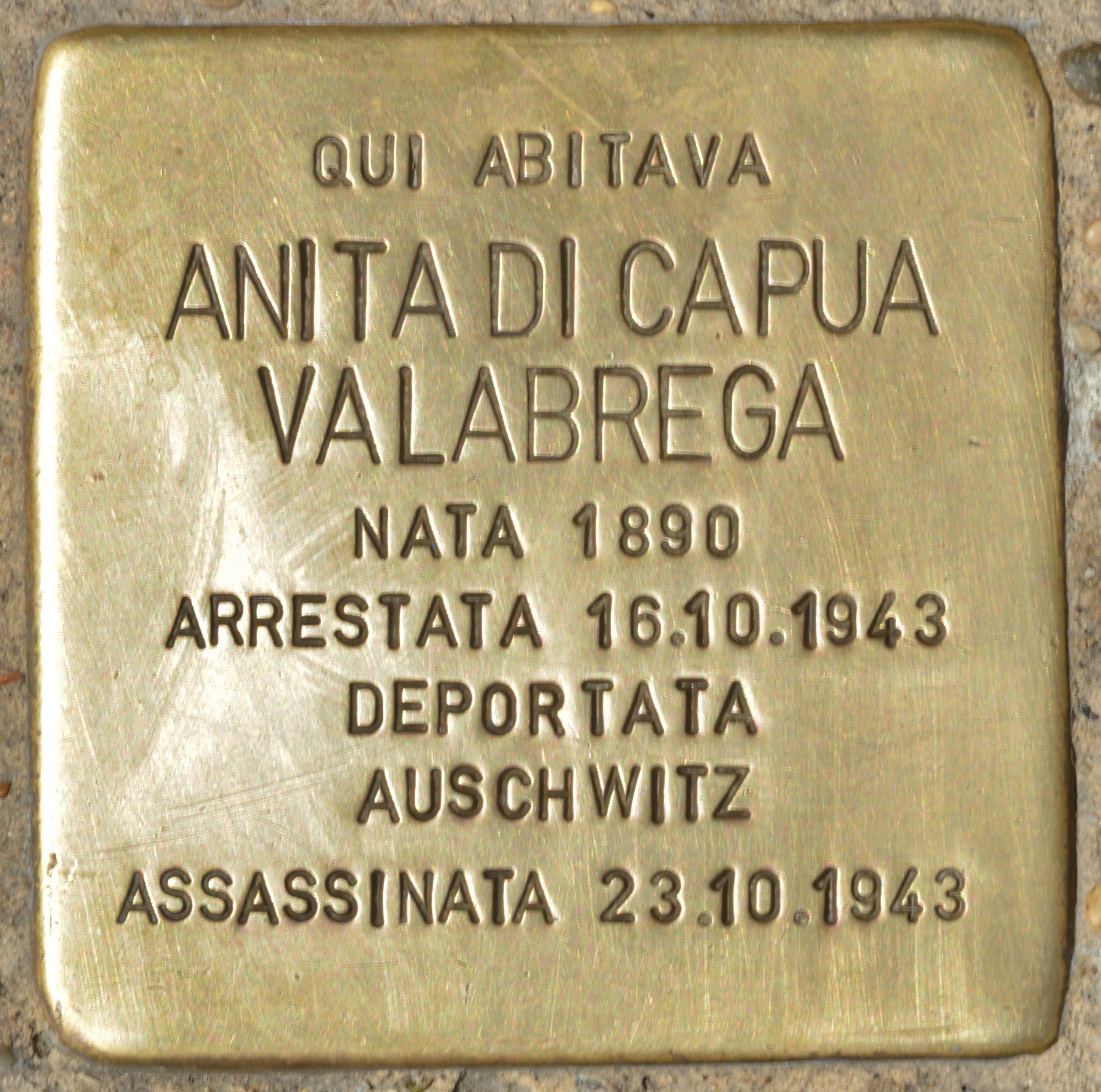
Small brass plaques set into the Roman pavement mark the homes where individual Jews lived before deportation. Each Stolperstein — a project by German artist Gunter Demnig — bears a name, a date of birth, and a date of arrest.
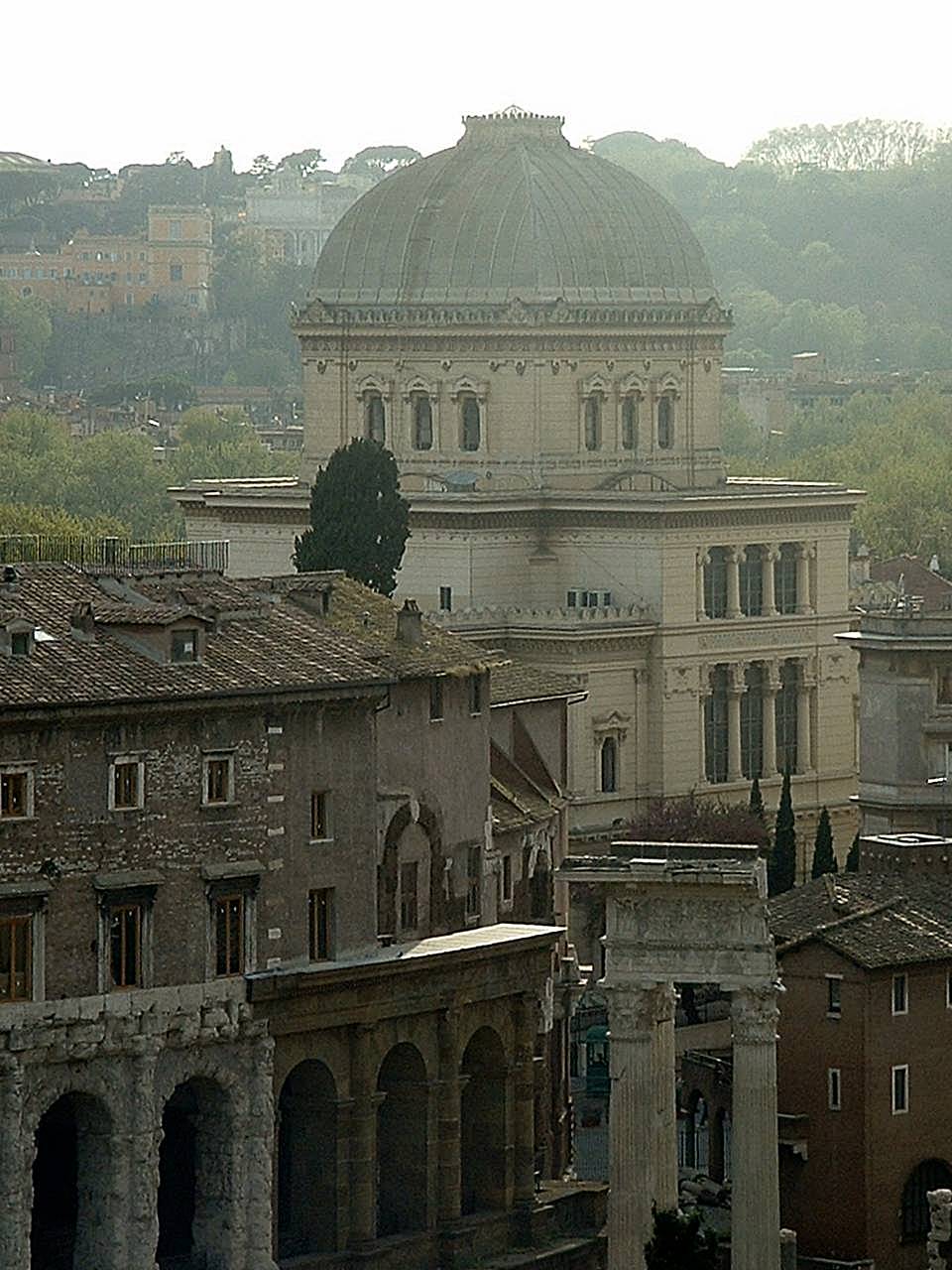
The Great Synagogue of Rome stands prominently on the Tiber embankment — a fortress of faith that survived the Nazi occupation and the October 1943 deportation that claimed over 1,000 of Rome's Jews. Inside, the Jewish Museum documents that loss and the networks of rescue that saved thousands more.
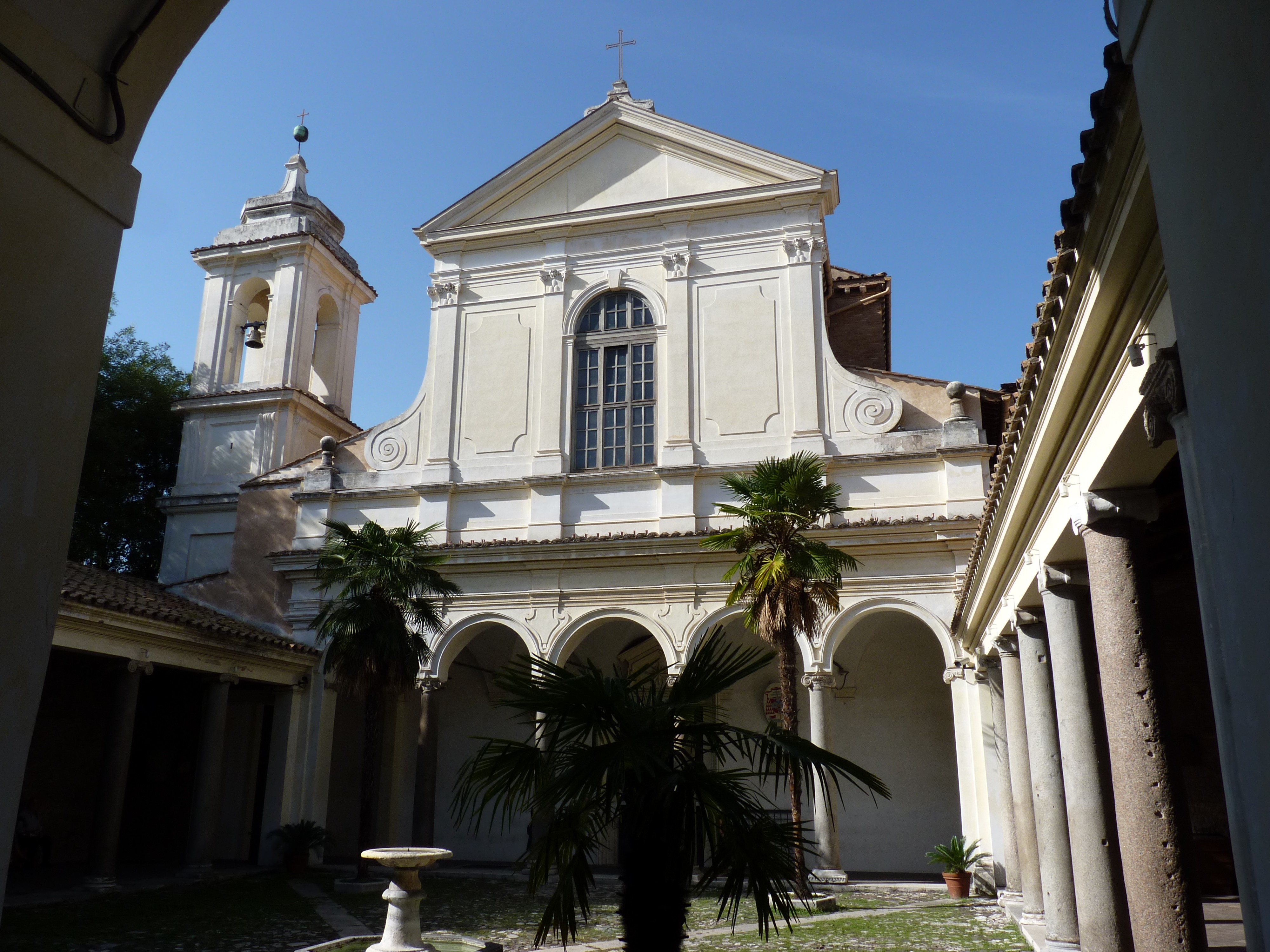
The Basilica di San Clemente's visible war scars remind us that Rome's suffering during the Nazi occupation extended far beyond the Jewish quarter. Despite being declared an "Open City," the city endured repeated bombing raids that touched every neighborhood, leaving physical marks that persist today.
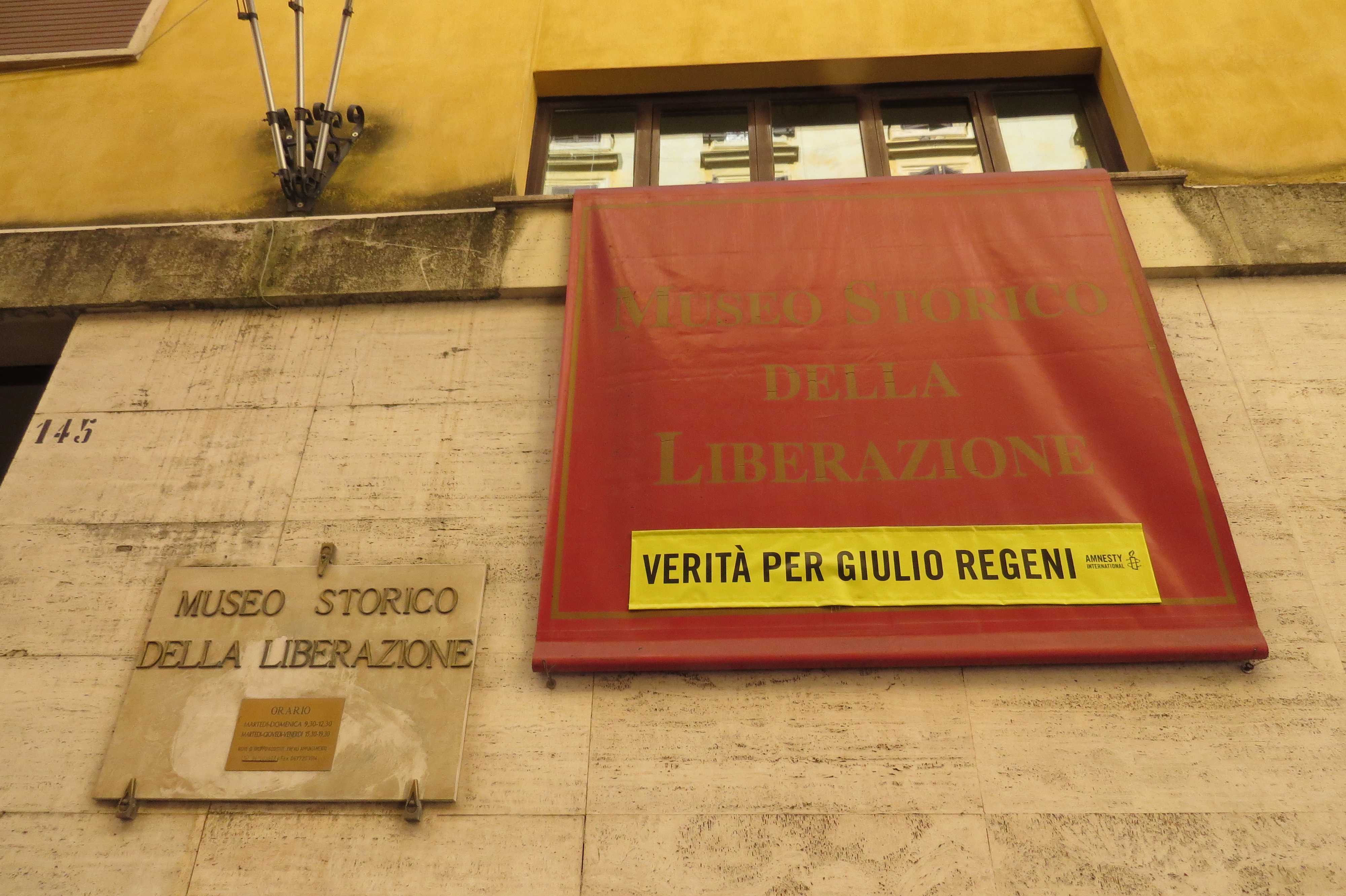
This building housed the SS and Gestapo headquarters during the Nazi occupation of Rome, where prisoners were interrogated, tortured, and held in walled cells. Today it serves as the Museum of the Liberation of Rome, preserving the machinery of terror alongside the story of those who resisted.
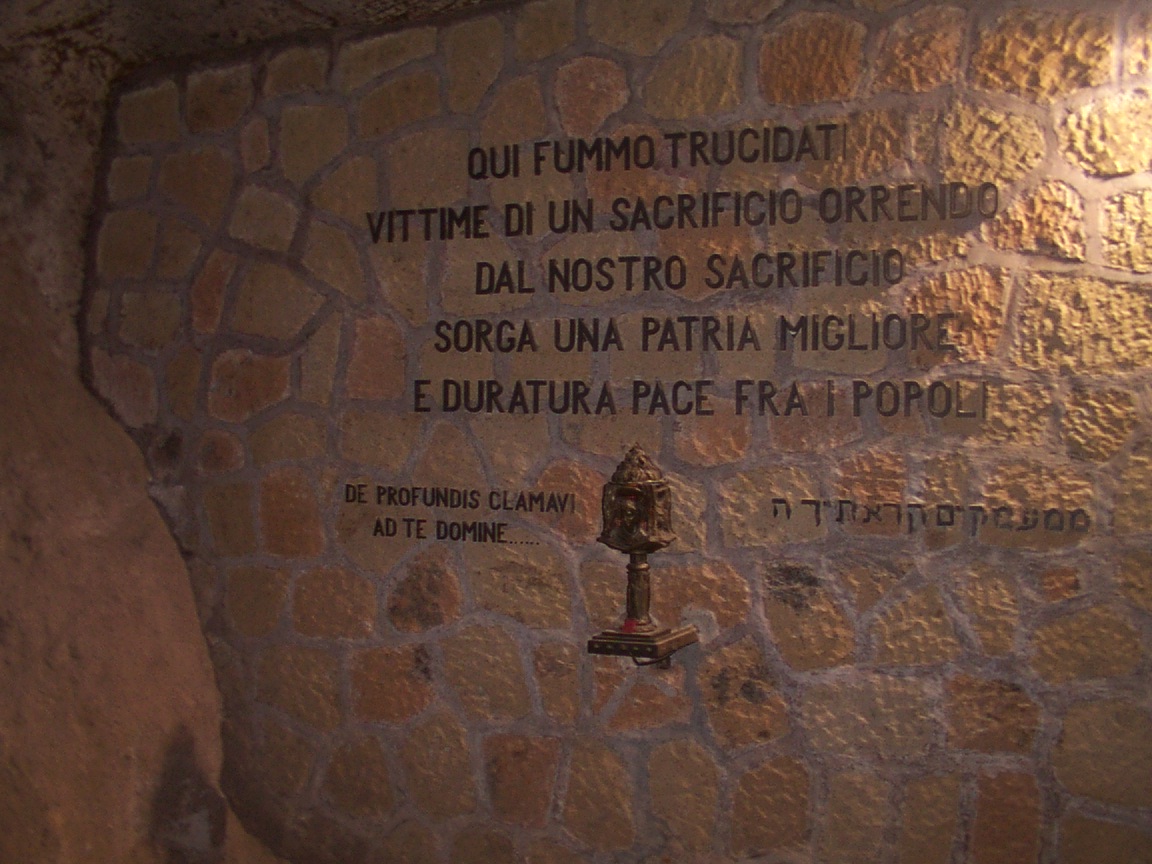
On March 24, 1944, 335 men and boys — including 75 Jews rounded up in the streets — were executed in these caves as Nazi reprisal for a partisan attack. Today, the memorial holds their memory with austere power.
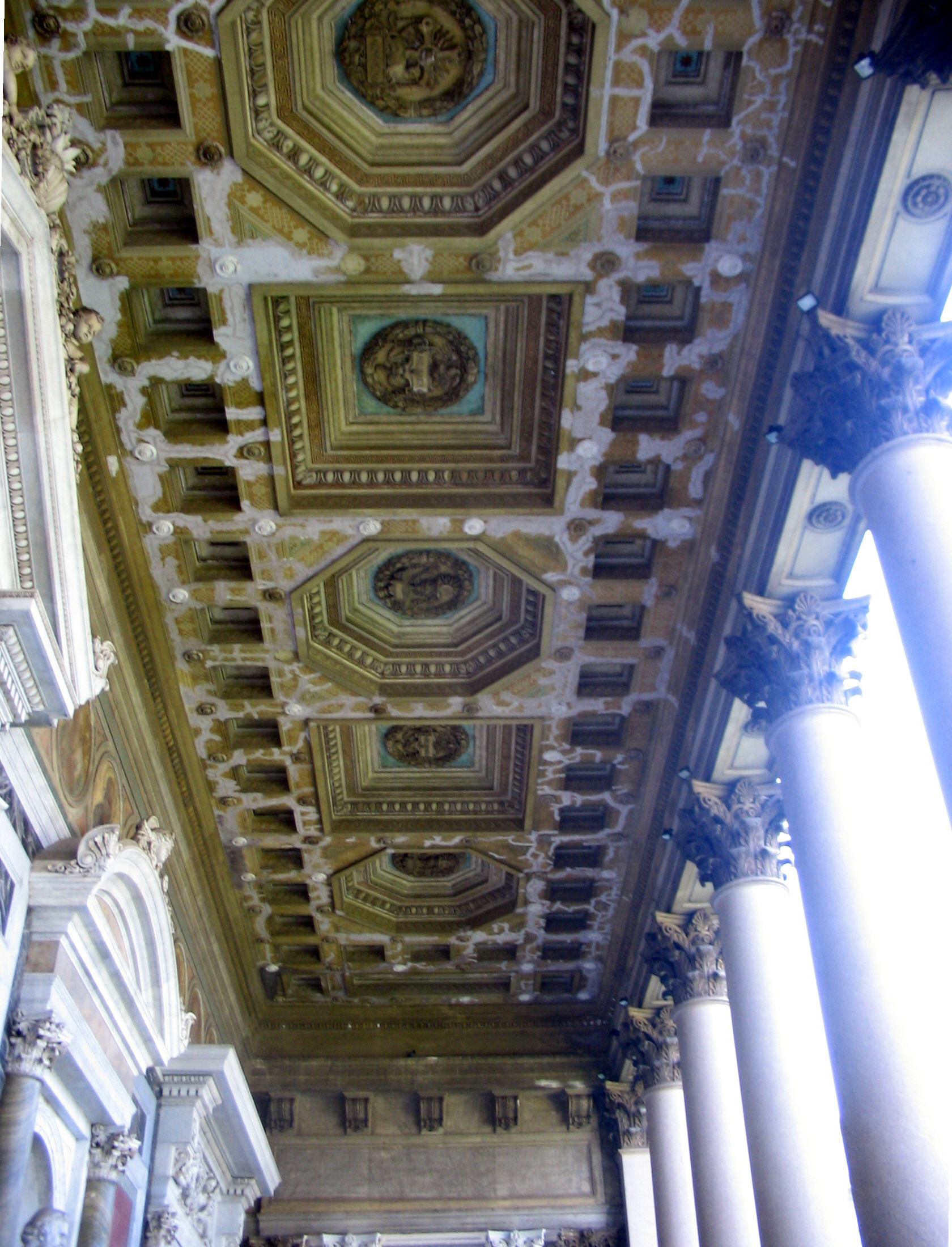
San Paolo fuori le Mura — Saint Paul Outside the Walls — one of Rome's four great papal basilicas, stood as a sanctuary of last resort. Its extraterritorial status under the Lateran Treaty made it papal property, technically Vatican soil: a borderline the Nazis could not cross.
This is the real story from one stop on this walk — every stop has one.
Cross the Tiber to explore two of Rome's most resilient neighbourhoods. Begin at the Renaissance splendour of Palazzo…
Trace Rome's transformation from a republic of senators and civic temples to an empire of colossal amphitheaters and…
Follow the greatest architectural rivalry in history across Rome’s Baroque masterpieces. From Borromini’s mind-bending…
We use cookies to analyse site traffic and improve your experience. You can choose to accept or reject analytics cookies. Learn more