Girona · Spain
The Siege City: Girona vs Napoleon
Girona, Spain
Cannon scars from 1809 still visible on the walls Torre Gironella — blown up during the siege and never rebuilt Military geography explaining why Napoleon needed Girona Cathedral as civilian refuge during bombardment The revelation of Plaça de la Independència's name Monument to Governor Álvarez de Castro
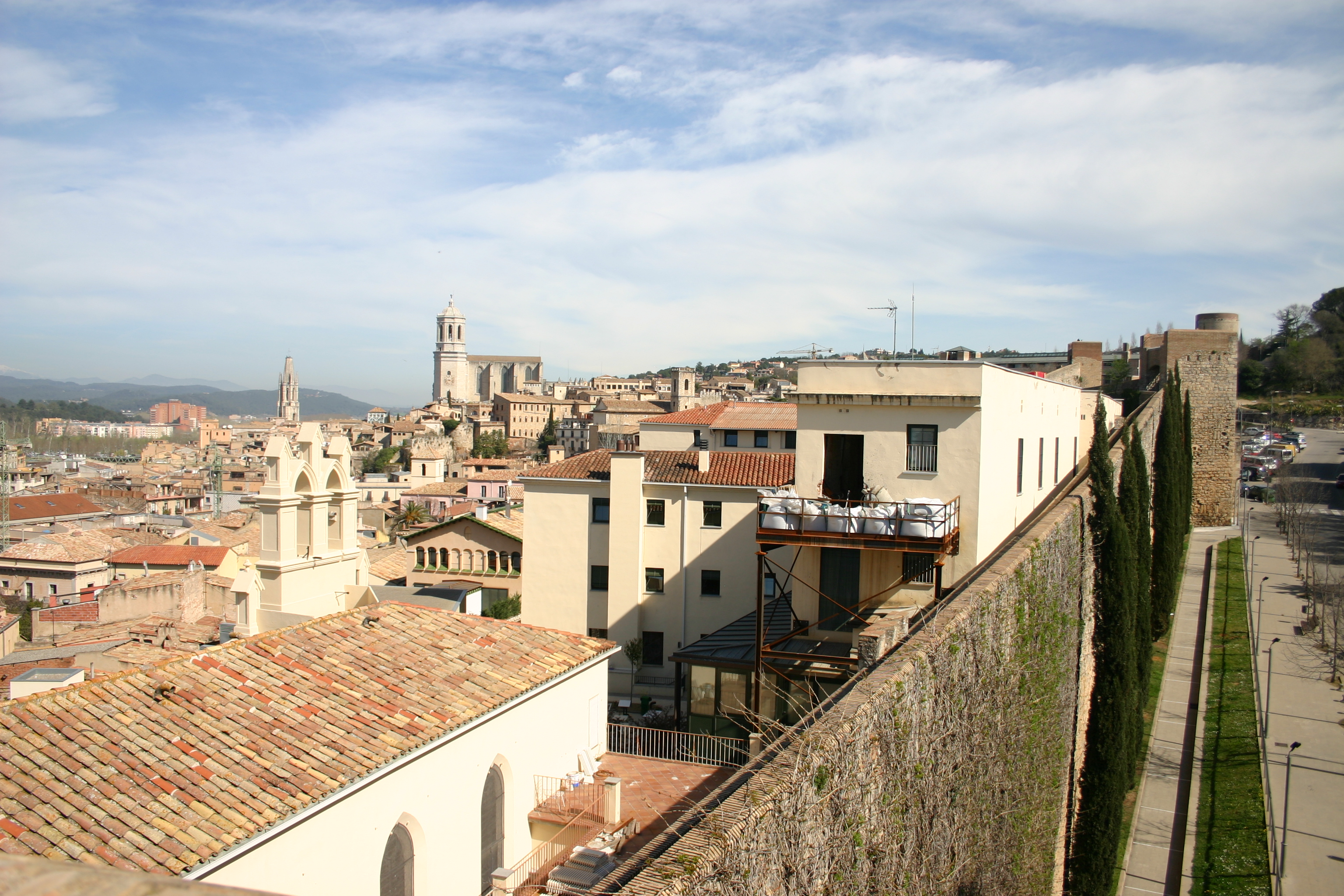
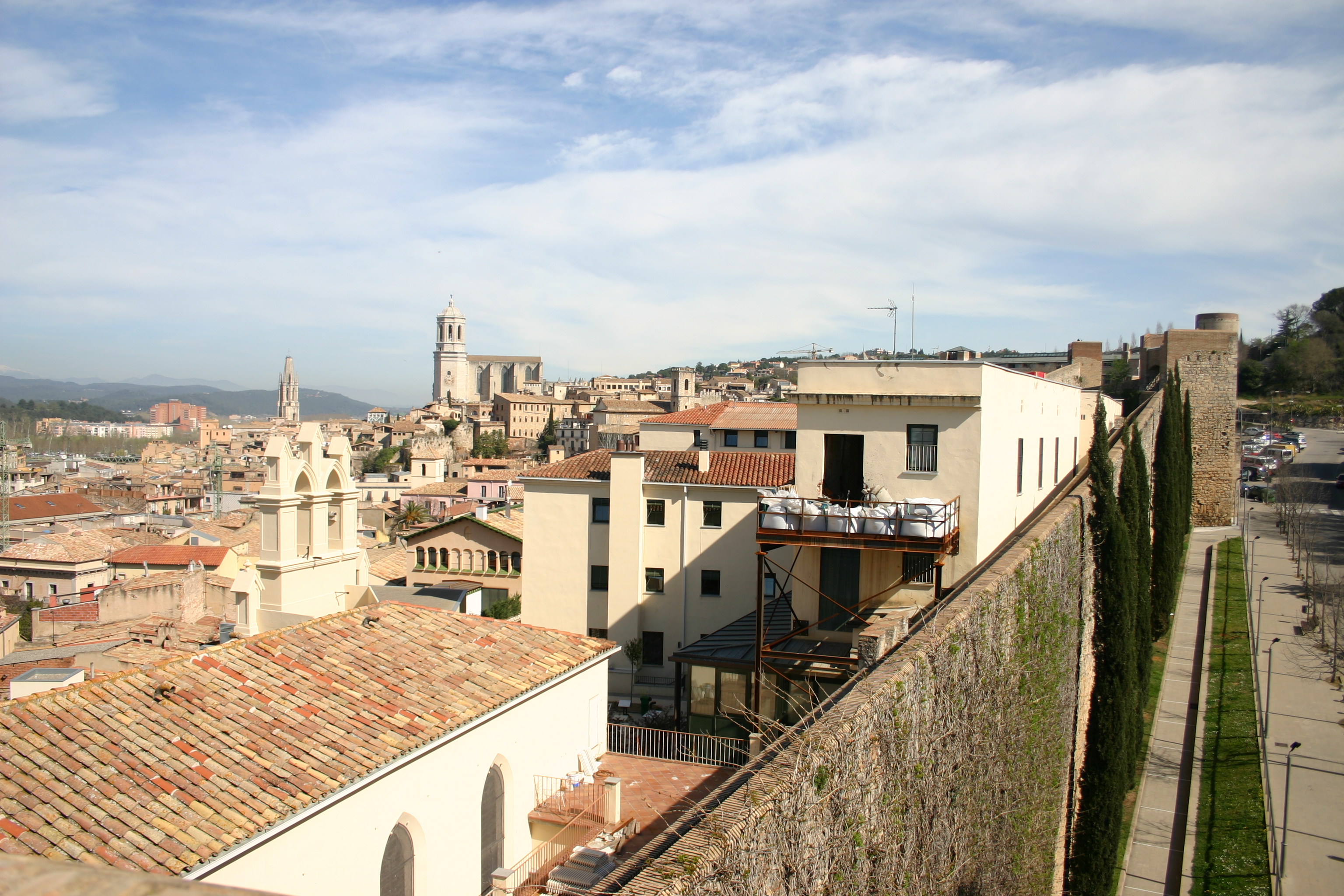
The medieval stone walls of Girona still bear the pockmarks and gouges of French cannon fire from the 1809 siege. Over seven months, 40 French gun batteries fired 20,000 explosive shells and 60,000 cannonballs at these fortifications, gouging the stone and exposing the vulnerability of walls that had not been modernized for a century.
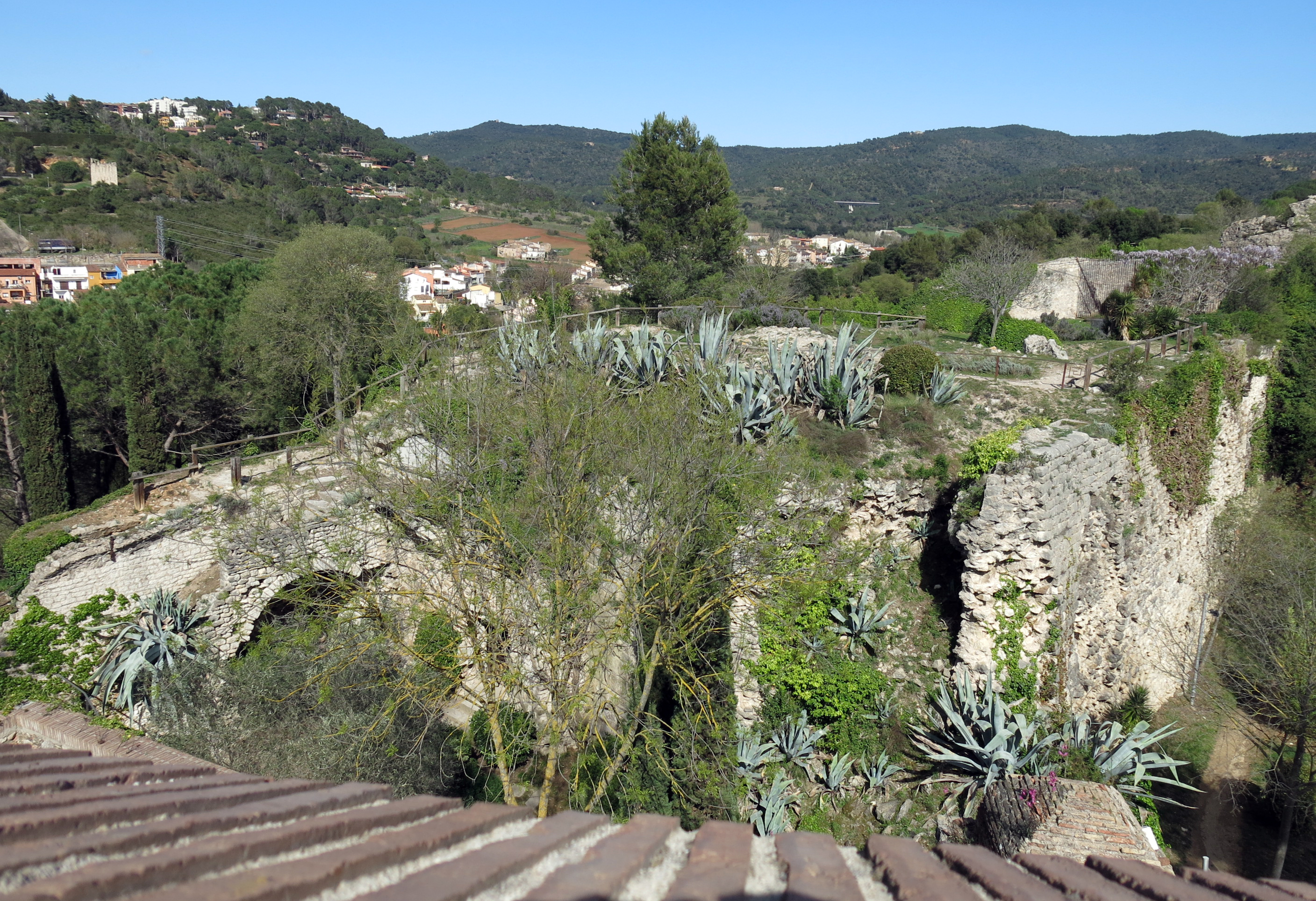
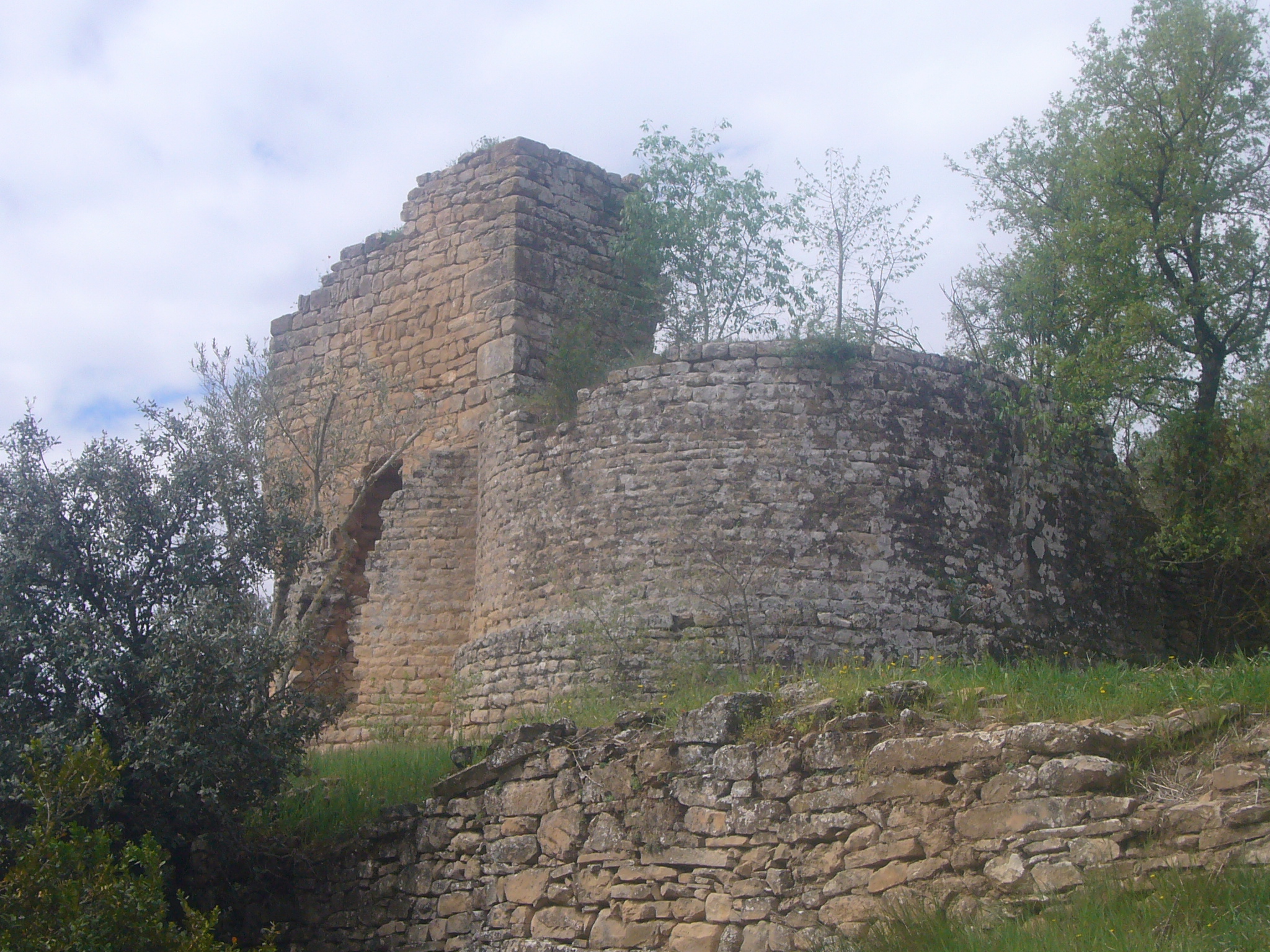
The largest tower on Girona's medieval walls, built on Roman foundations in the 11th century. Here the French artillery concentrated their assault, creating four separate breaches by late August 1809. The tower was destroyed during the siege and never fully rebuilt—its ruined state now stands as a monument to the ferocity of the attack.
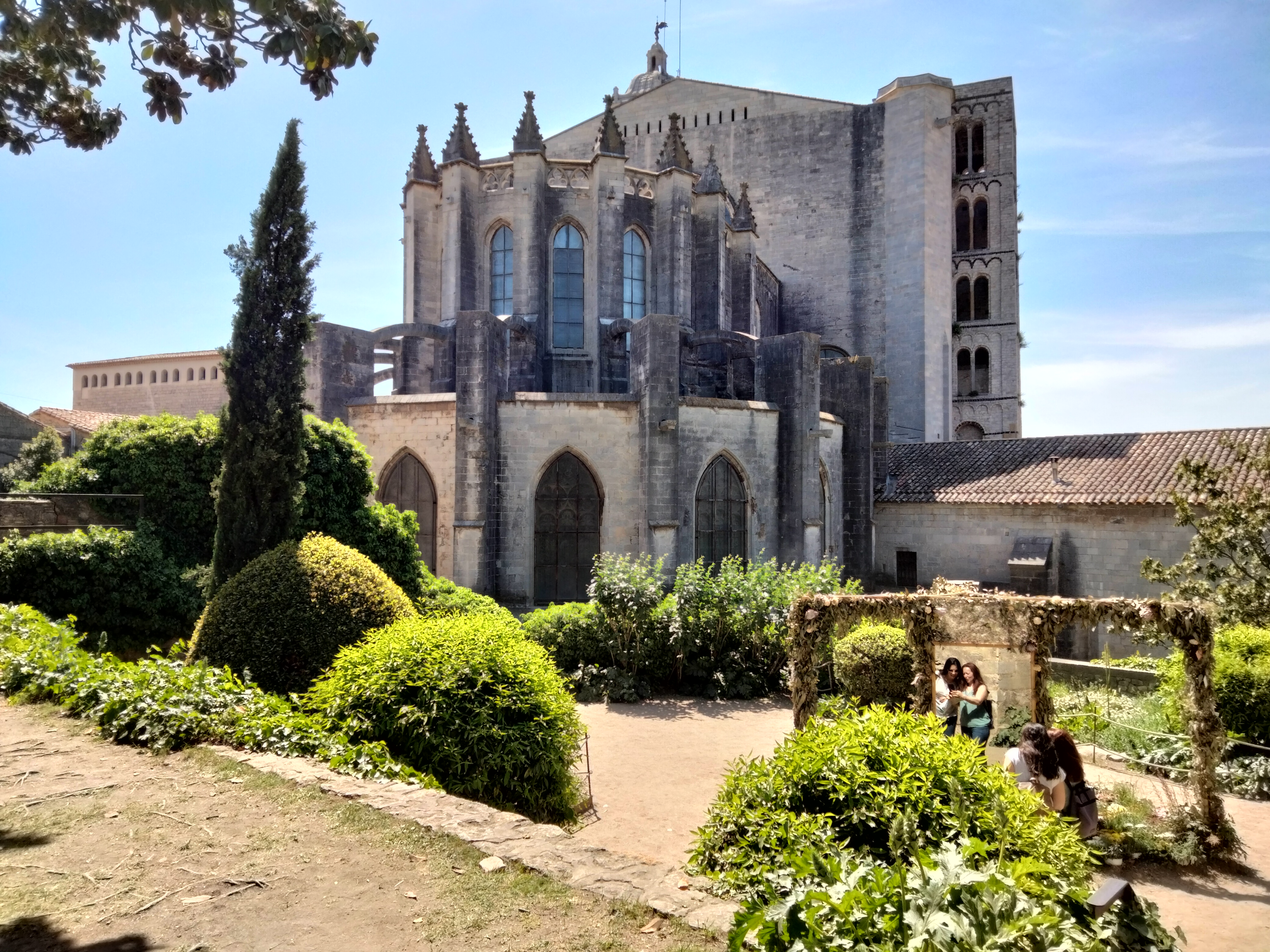
From the walls above Jardins de la Francesa, the reason Girona was besieged becomes obvious: the city sits on the main road between France and Spain, controlling the route from the Pyrenees to Barcelona. Rivers, hills, and medieval walls form a natural fortress that Napoleon could not afford to leave at his back.
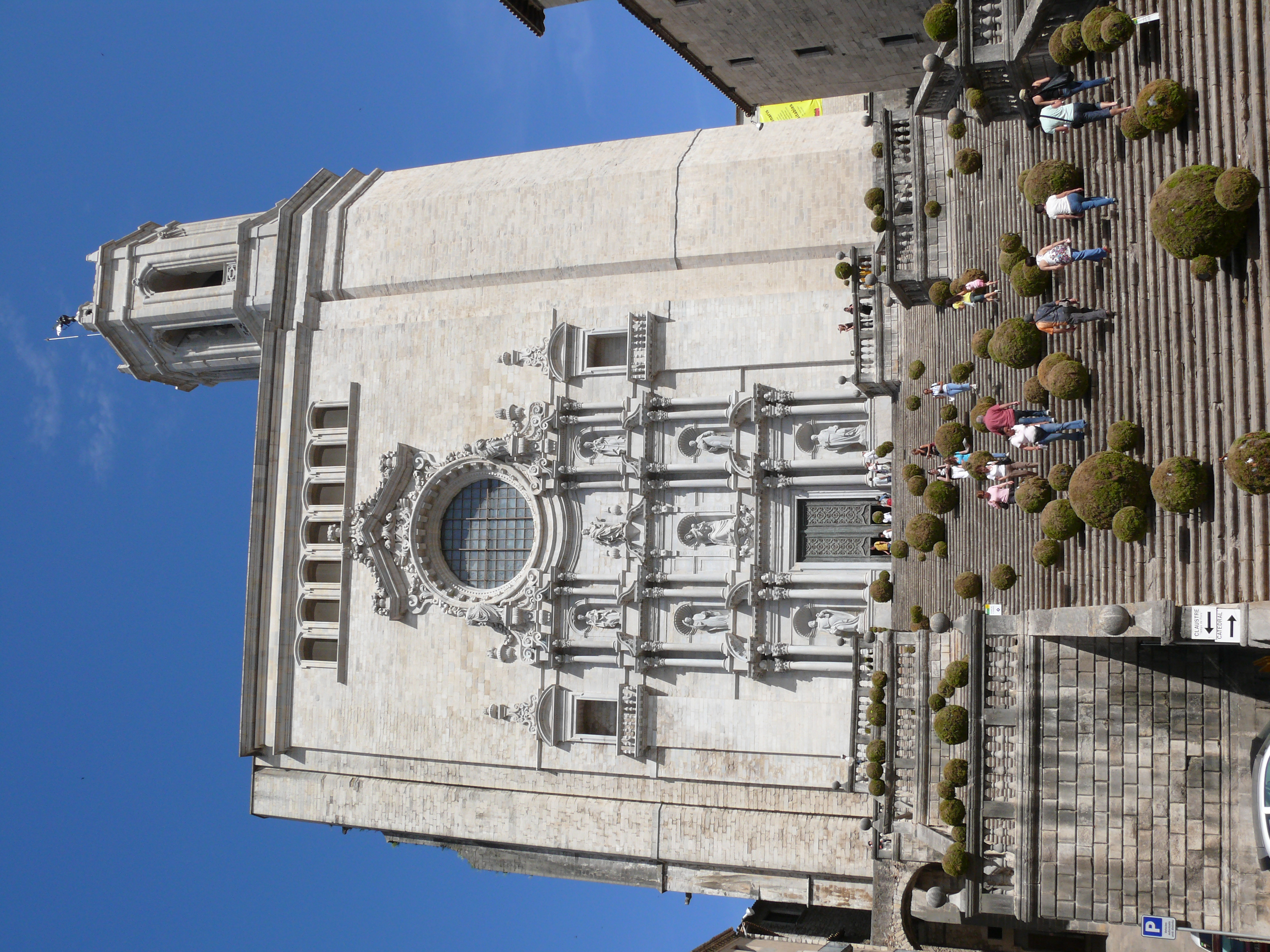
During the seven-month siege, the Cathedral became the heart of Girona's defence and the last refuge for thousands of terrified civilians, while Governor Álvarez de Castro directed operations from the old town. As French cannons pounded the walls and supplies dwindled, disease—not artillery—became the true killer, claiming more lives than bullets or bombs.
Sant Feliu's distinctive octagonal tower dominated the skyline as both attackers and defenders used it as a reference point from every approach. The bombardment left its mark—direct hits scarred the stonework—and when the French breached the walls, the streets around this basilica became a battleground of desperate hand-to-hand fighting.
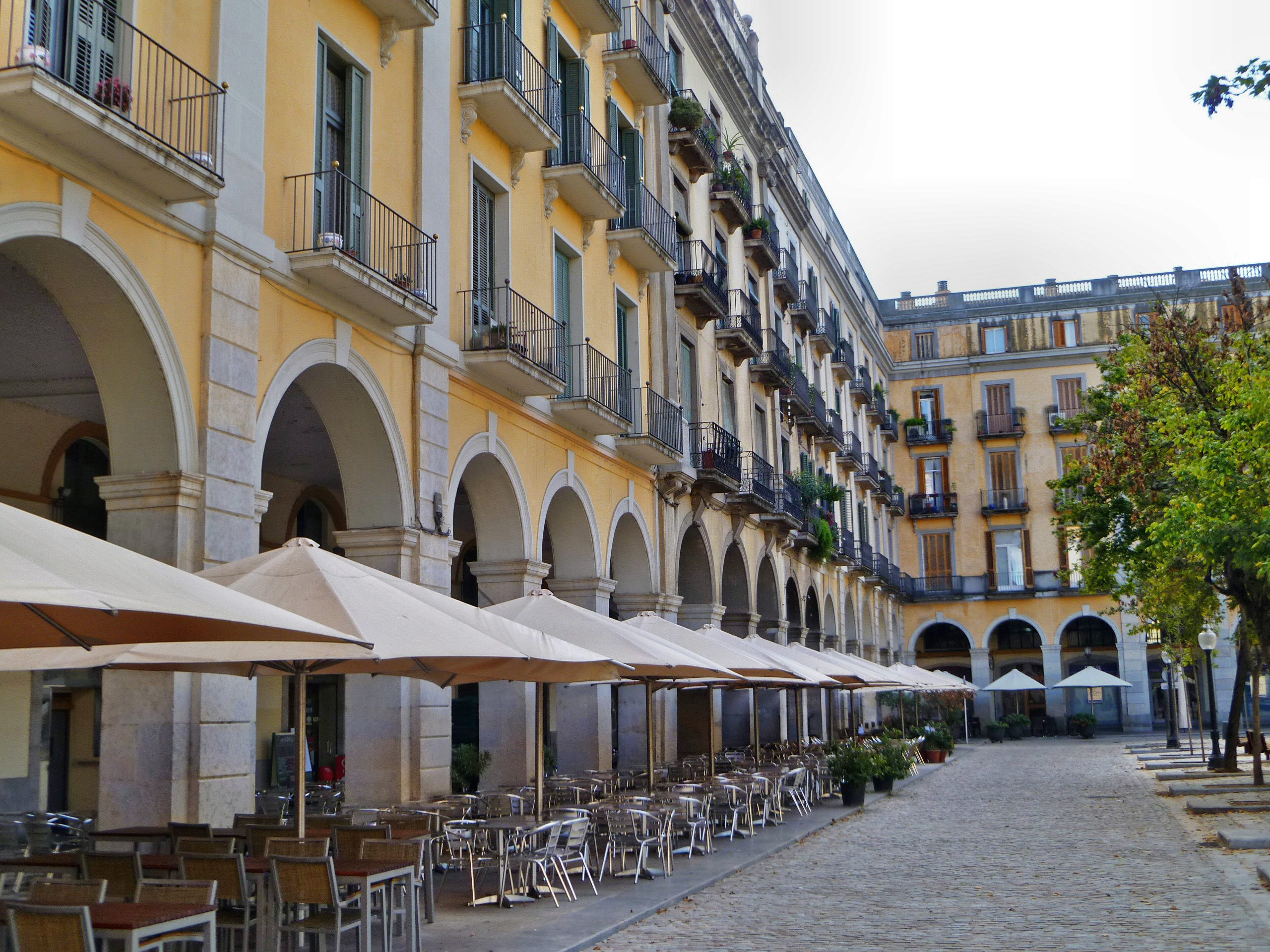
The square where Girona gathers today is named not for Catalan independence but for the War of Independence against Napoleon. Built in the 1850s over a demolished convent, the arcaded plaza commemorates the city's legendary resistance.
Mariano Álvarez de Castro commanded Girona's defence from the start, refusing to surrender even as disease claimed more lives than French cannons. Captured when the city fell in December 1809, he died in French captivity just weeks later—possibly murdered by his captors.
This is the real story from one stop on this walk — every stop has one.
Taste your way through a city with three Michelin stars, a pastry with protected status, and a market where the chefs…
Walk through 2,000 years of history in a single afternoon — from Roman foundations to medieval Jewish streets to…
Read 2,000 years of history through Girona's physical fabric — from Roman wall foundations to the widest Gothic nave…
We use cookies to analyse site traffic and improve your experience. You can choose to accept or reject analytics cookies. Learn more


