Tokyo · Japan
Kanda: A Cursed Head, a Million Books and Electric Town
Tokyo, Japan
The head mound in Otemachi that developers have repeatedly failed to clear — told straight, with belief and record kept apart About thirty strafing scars from a November 1944 raid, still unrepaired on a working bridge Jimbocho, where the second-hand bookshops face north so the sun never reaches the spines Kanda Myojin, where a tenth-century rebel was struck off the deity list in 1874 and restored in 1984 A shrine the width of a doorway, still swept and still receiving offerings, wedged between shopfronts in Akihabara
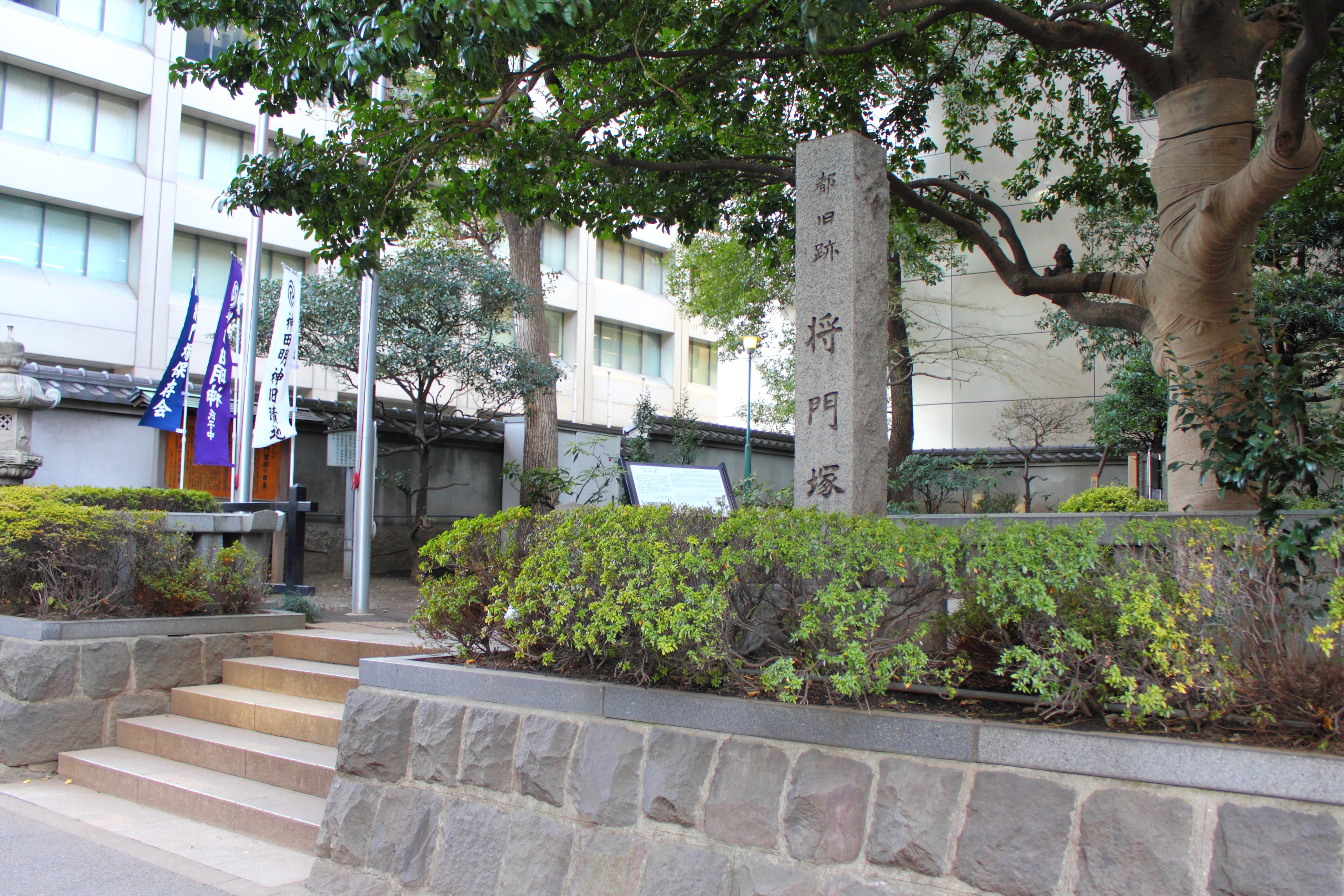
A small fenced grave in Otemachi's office district holds the head of Taira no Masakado, a tenth-century rebel lord, and has survived repeated 20th-century attempts to clear it.
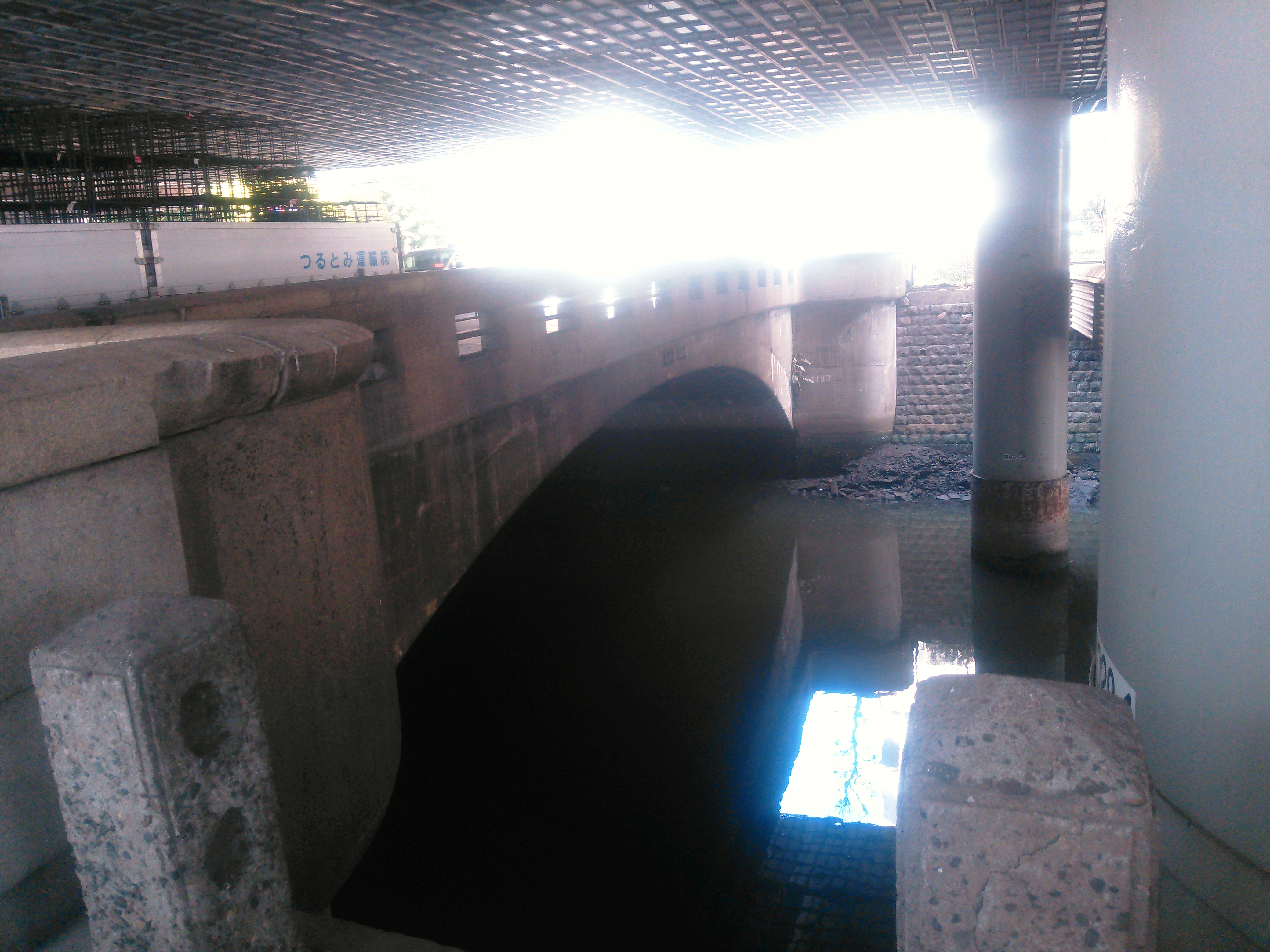
A concrete arch bridge completed in 1929 as part of the post-earthquake rebuilding programme, Kamakura-bashi still carries about thirty unrepaired bullet marks on its railings from an American strafing raid in November 1944.
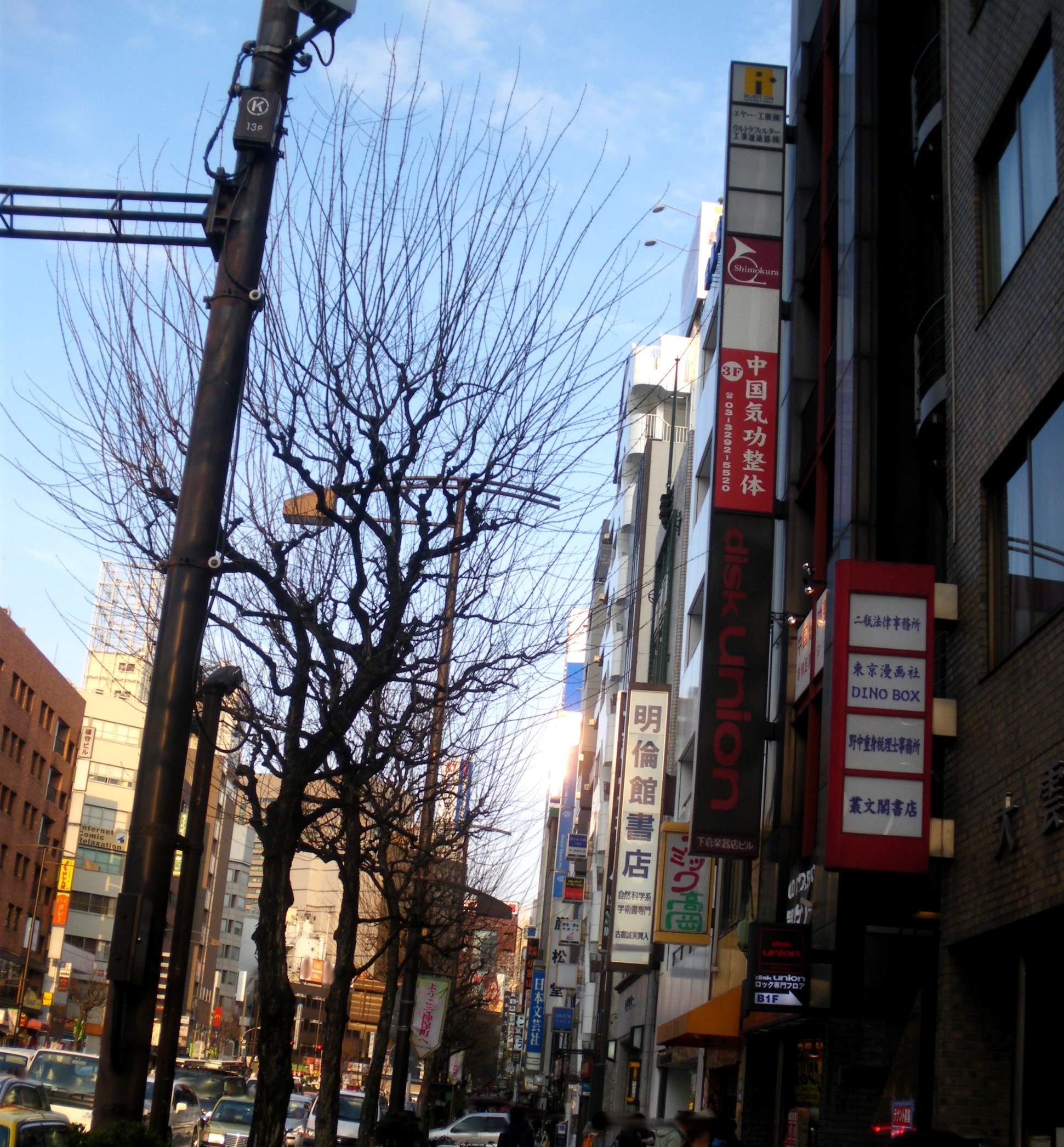
A short detour west of Otemachi into Jimbocho, the world's largest concentration of secondhand bookshops, where entire blocks of storefronts face north on purpose so direct sunlight never touches the spines.
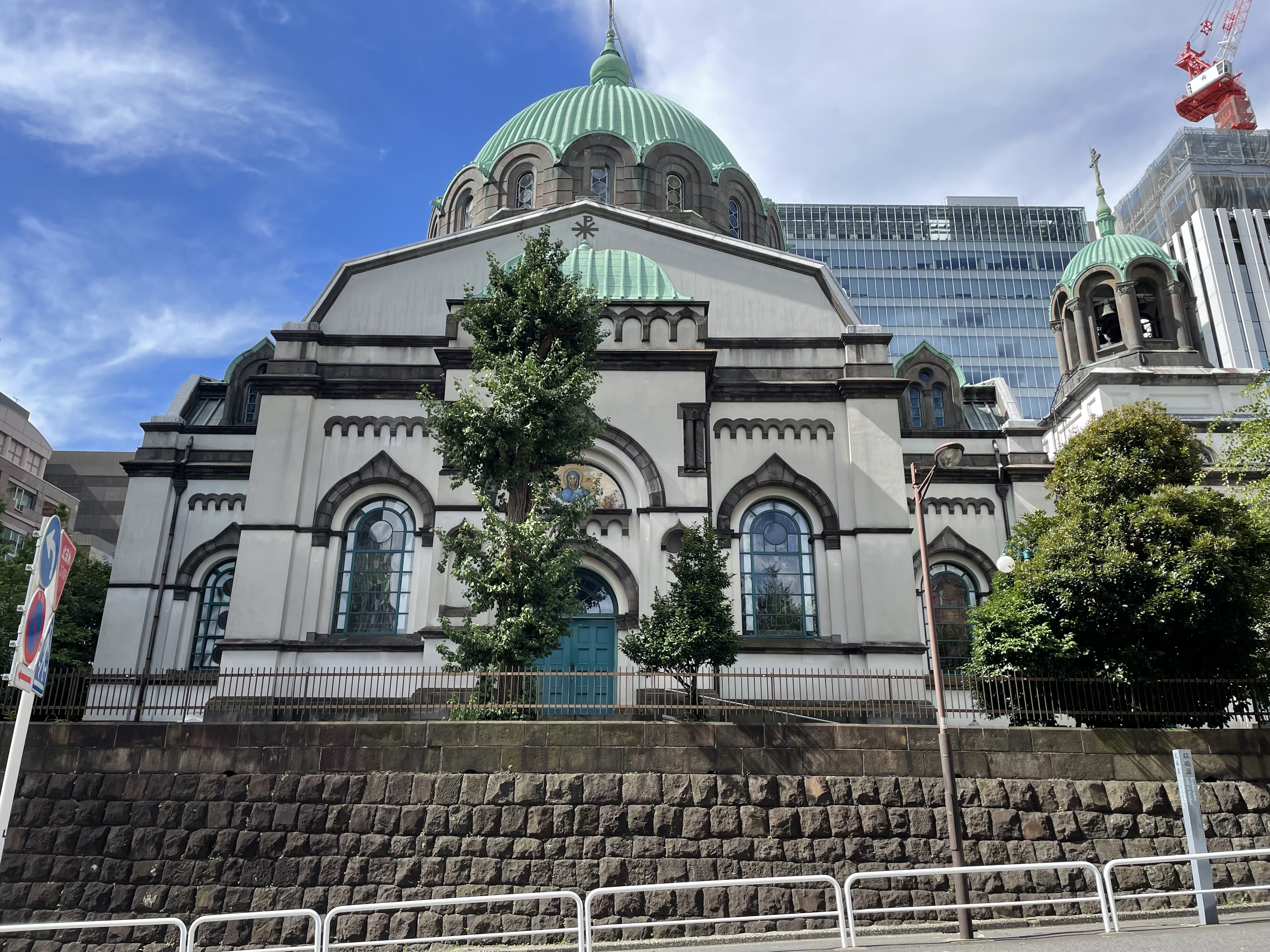
Nikolai-do, formally the Holy Resurrection Cathedral, is a Byzantine-style Orthodox cathedral completed in 1891 under the missionary Nikolai Kasatkin, its dome and bell tower destroyed by the 1923 earthquake and rebuilt to a new design by 1929. It remains a working cathedral and a National Important Cultural Property, open to visitors afternoons only for a small donation.
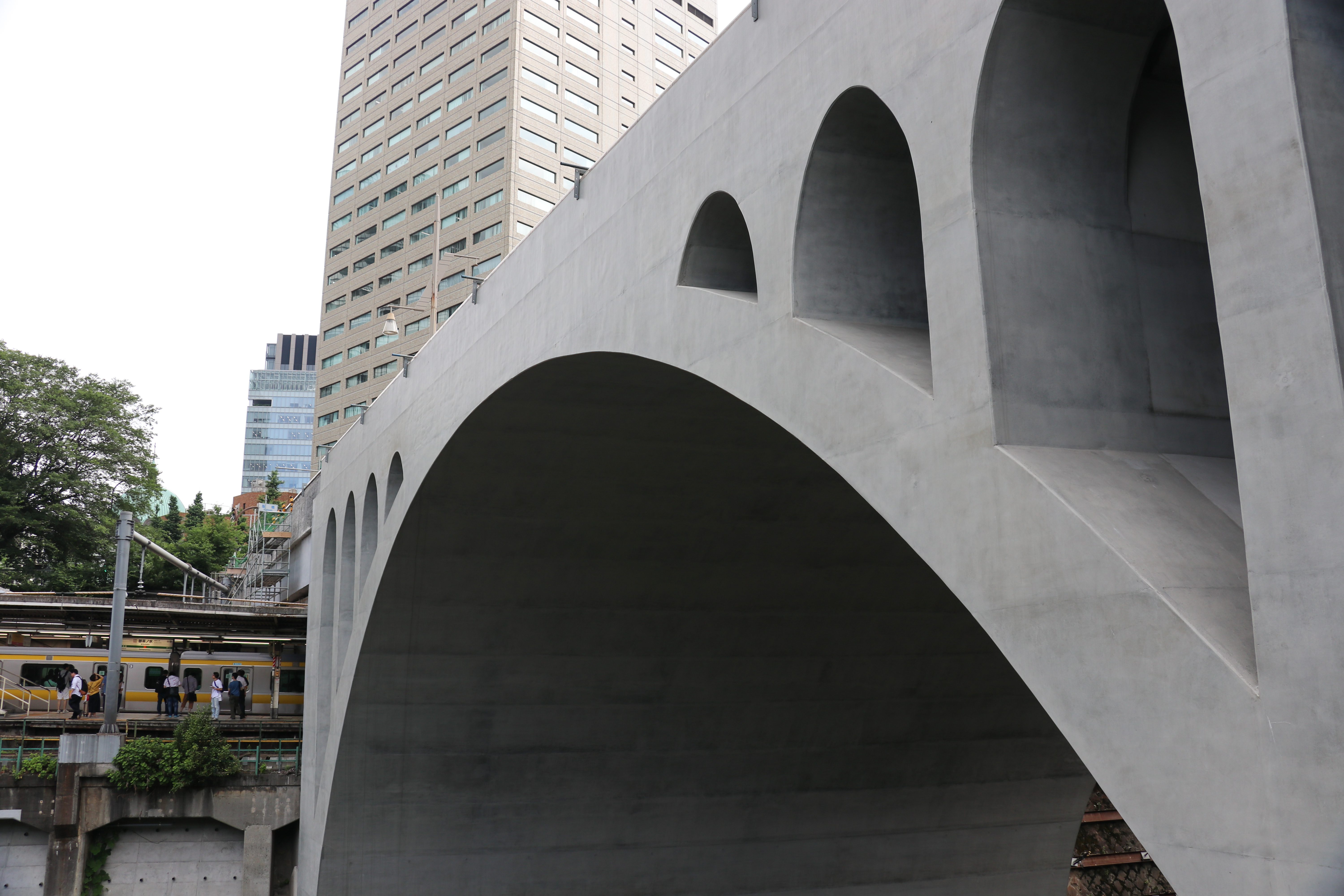
Hijiribashi is a 1927 reinforced-concrete arch bridge over the Kanda River gorge at Ochanomizu, rebuilt after the Great Kanto earthquake and named "bridge of sages" for linking the Orthodox cathedral and the Confucian academy on its opposite banks. The gorge below it is not natural: it is a channel the Sendai domain's laborers cut by hand through the Kanda ridge in the 1620s to keep the river from flooding Edo Castle.
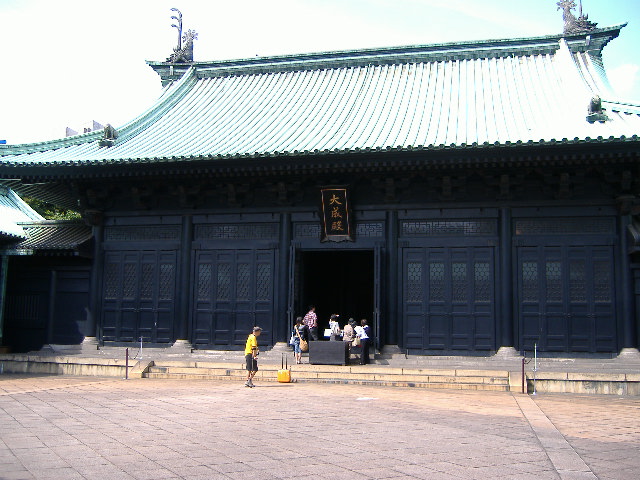
The shogunate's Confucian academy, founded by scholar Hayashi Razan and moved here in 1690, trained the officials who ran Edo-era Japan and later seeded Tokyo's first museum, library, and teacher-training colleges; the black-lacquered halls standing today are a 1935 reinforced-concrete rebuild after the 1923 earthquake destroyed the originals.
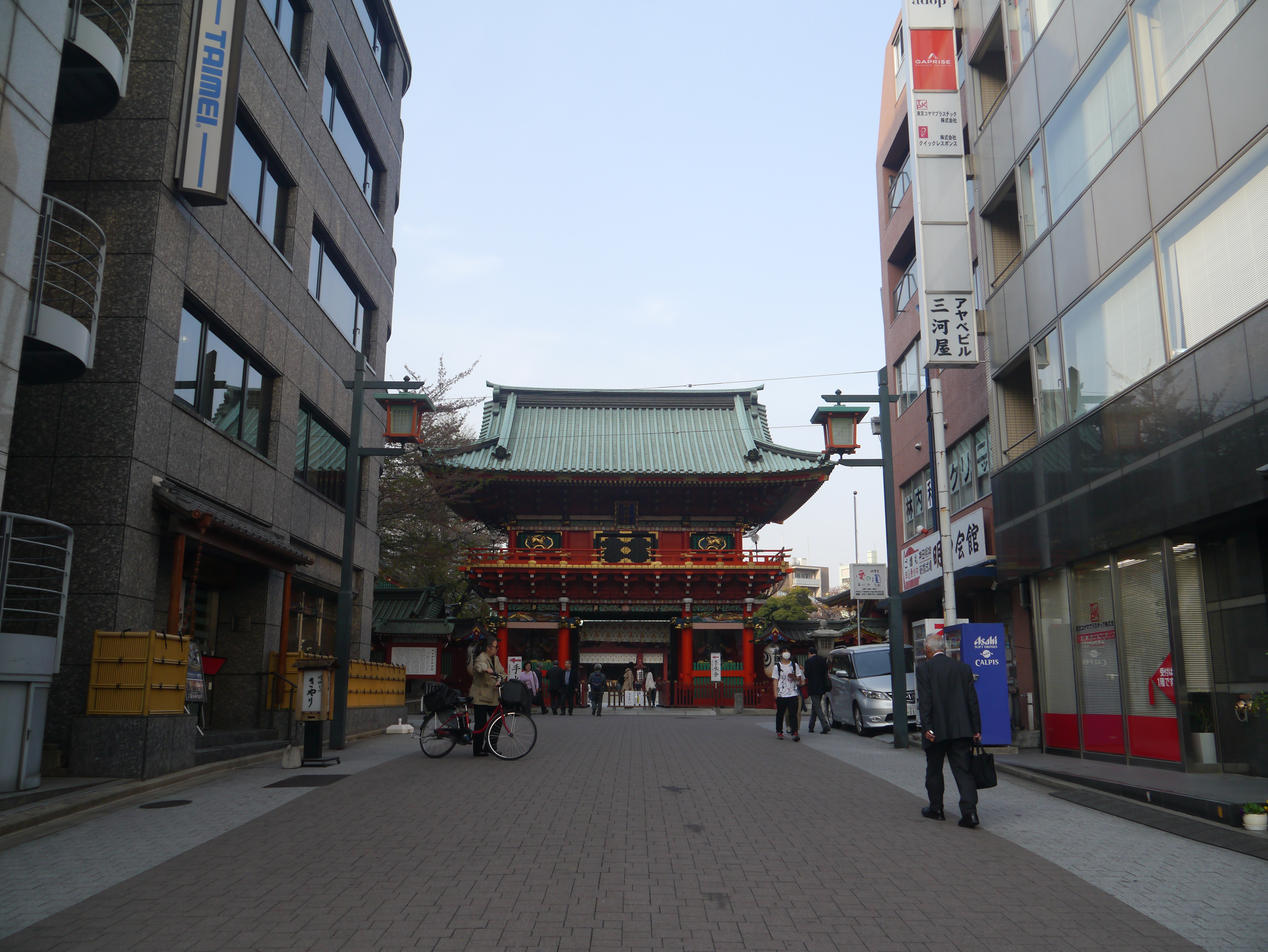
Kanda Myojin, founded in 730 and relocated here in 1616 to guard Edo Castle's unlucky corner, enshrines Taira no Masakado as one of three deities — stripped from the main hall in 1874 for treason against the throne and reinstated in 1984.
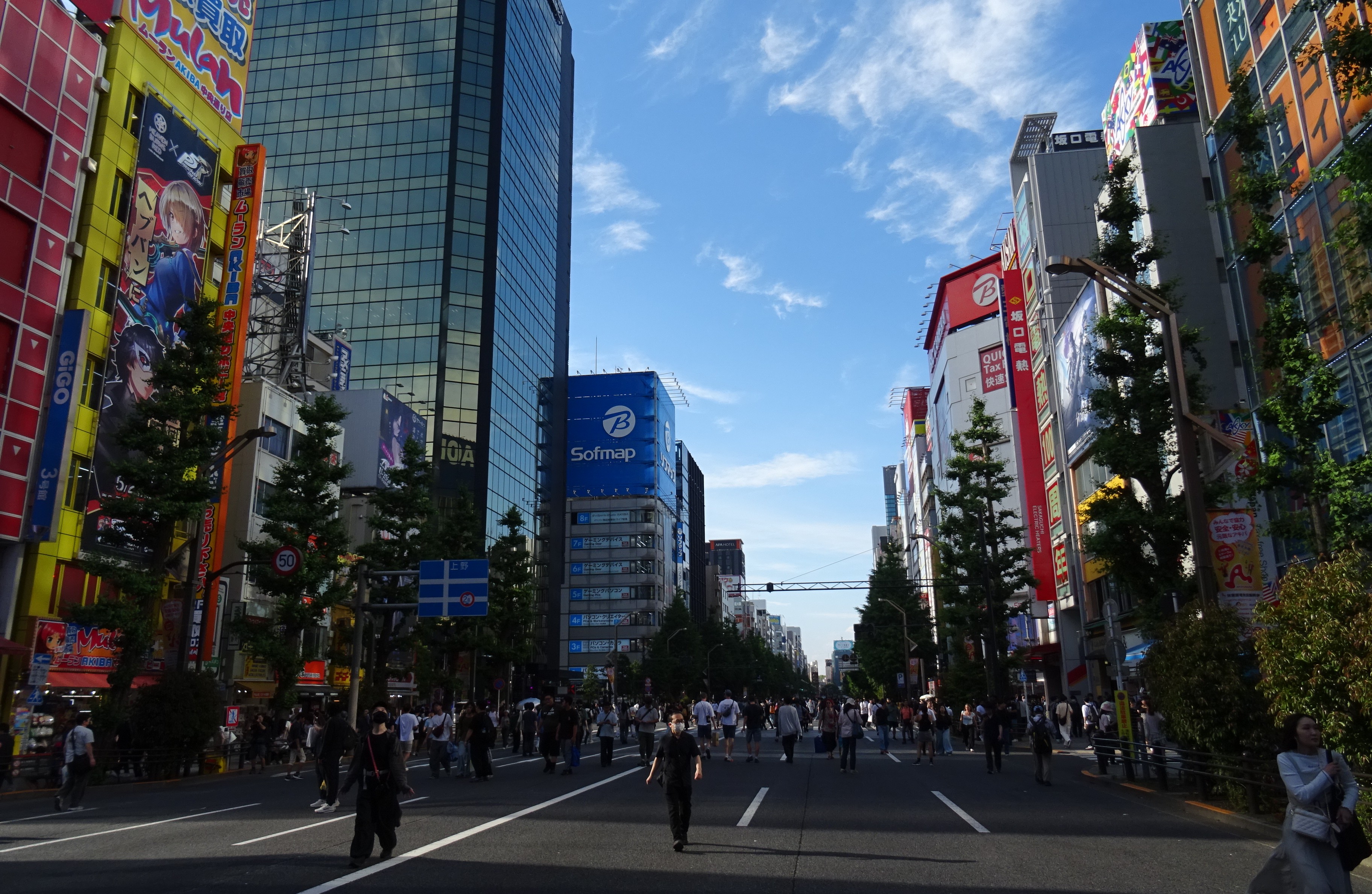
Akihabara's electronics strip began as a postwar black market in salvaged radio parts, cleared off the street in 1949 into the arcades that still trade here today, and has since swapped its stock three more times — home appliances, personal computers, then anime and games — without ever changing the underlying transaction. On Sunday afternoons Chuo-dori closes to cars and becomes a pedestrian paradise.
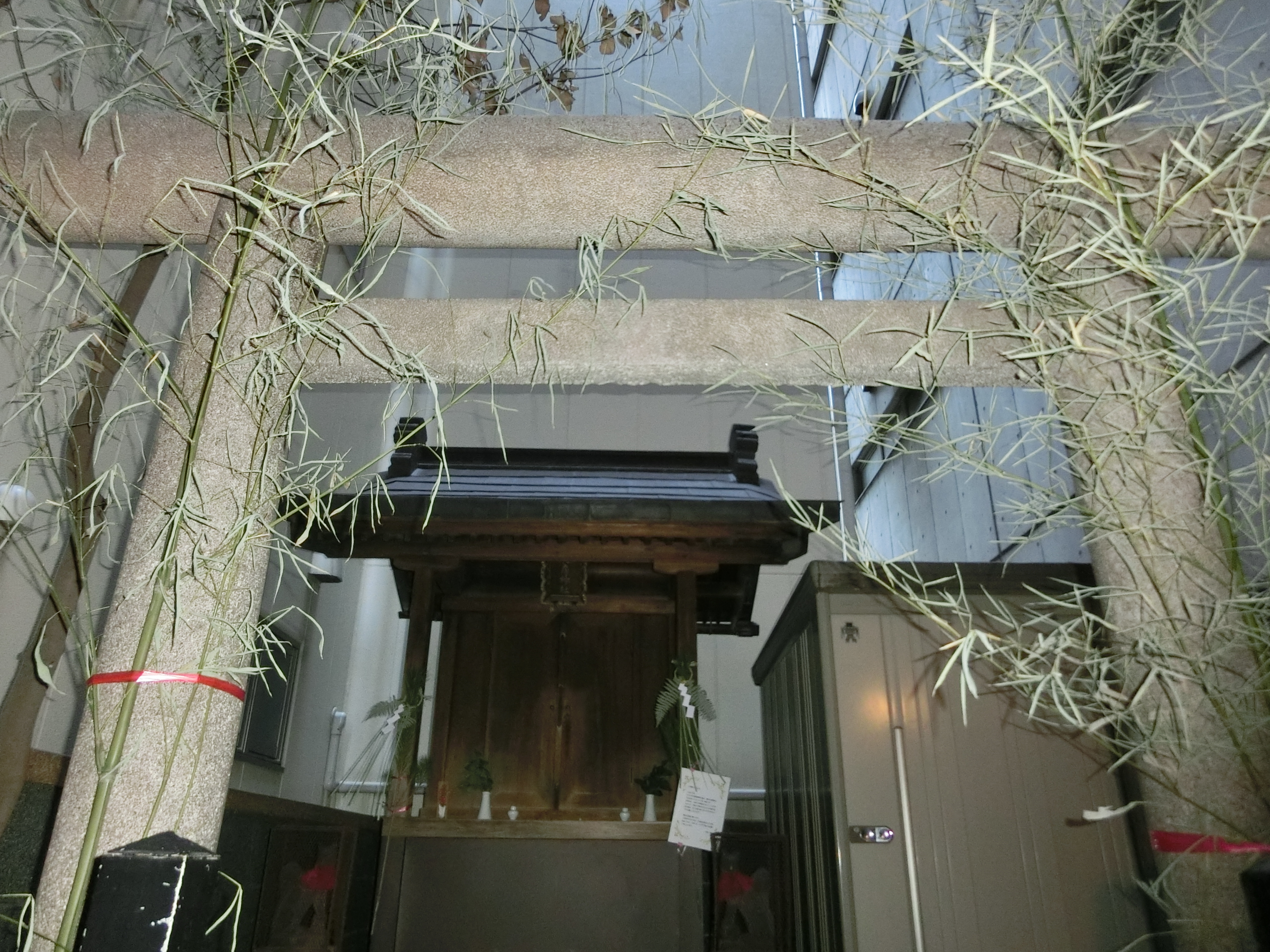
Hanabusa Inari Shrine is a small Inari shrine in Sotokanda, Akihabara, reached through a narrow gap between buildings just off Chuo-dori. Its founding date is unrecorded, though it is traditionally dated to the Edo period, and the present structure dates from a rebuilding around 1950 after the shrine was destroyed in WWII air raids.
This is the real story from one stop on this walk — every stop has one.
Asakusa is the oldest place in Tokyo and almost none of it is old. The Thunder Gate everyone photographs dates from…
Kiyosumi-Shirakawa is sold as a coffee district because old timber warehouses supposedly suited roasters. That causal…
Ginza is a street the Meiji government rebuilt in brick in 1872 purely so that foreign diplomats would see a modern…
We use cookies to analyse site traffic and improve your experience. You can choose to accept or reject analytics cookies. Learn more