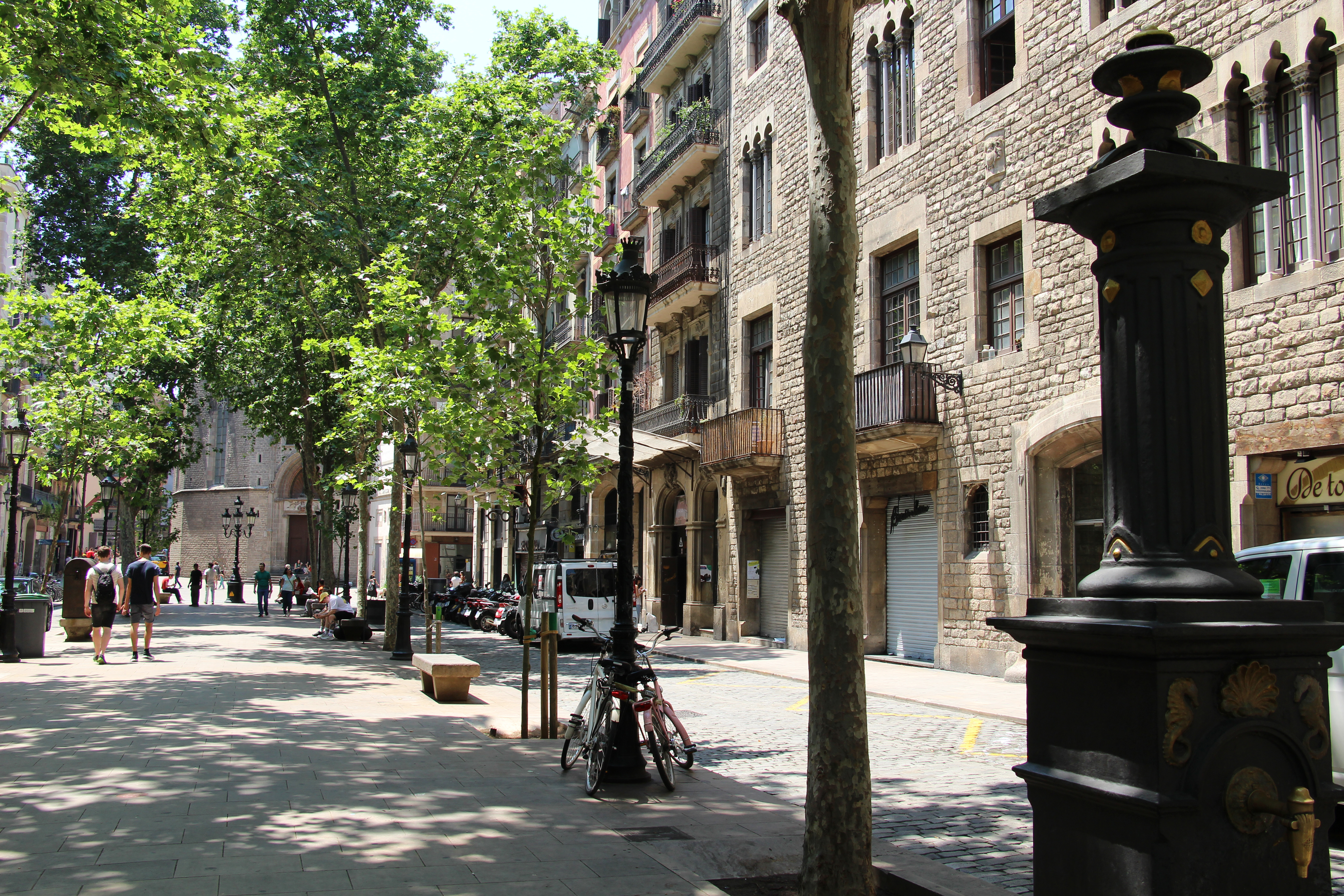
Eating Like a Local: Barcelona's Markets & Food Culture
Barcelona · Spain

Eating Like a Local: Barcelona's Markets & Food Culture

Barcelona, Spain
110
Duration (min)
4.4
Distance (km)
9
Stops
Easy
Difficulty

Description

Discover that Barcelona's real cuisine isn't in tourist restaurants but in its historic markets, neighbourhood bodegas, and the sacred ritual of vermouth hour.

Highlights

Pa amb tomàquet — four ingredients, one religion Boqueria's back stalls where chefs actually shop Quimet & Quimet — four generations of montadito perfection La hora del vermut — Barcelona's sacred pre-lunch ritual
Tour Stops

El Born food streets
0

El Born food streets

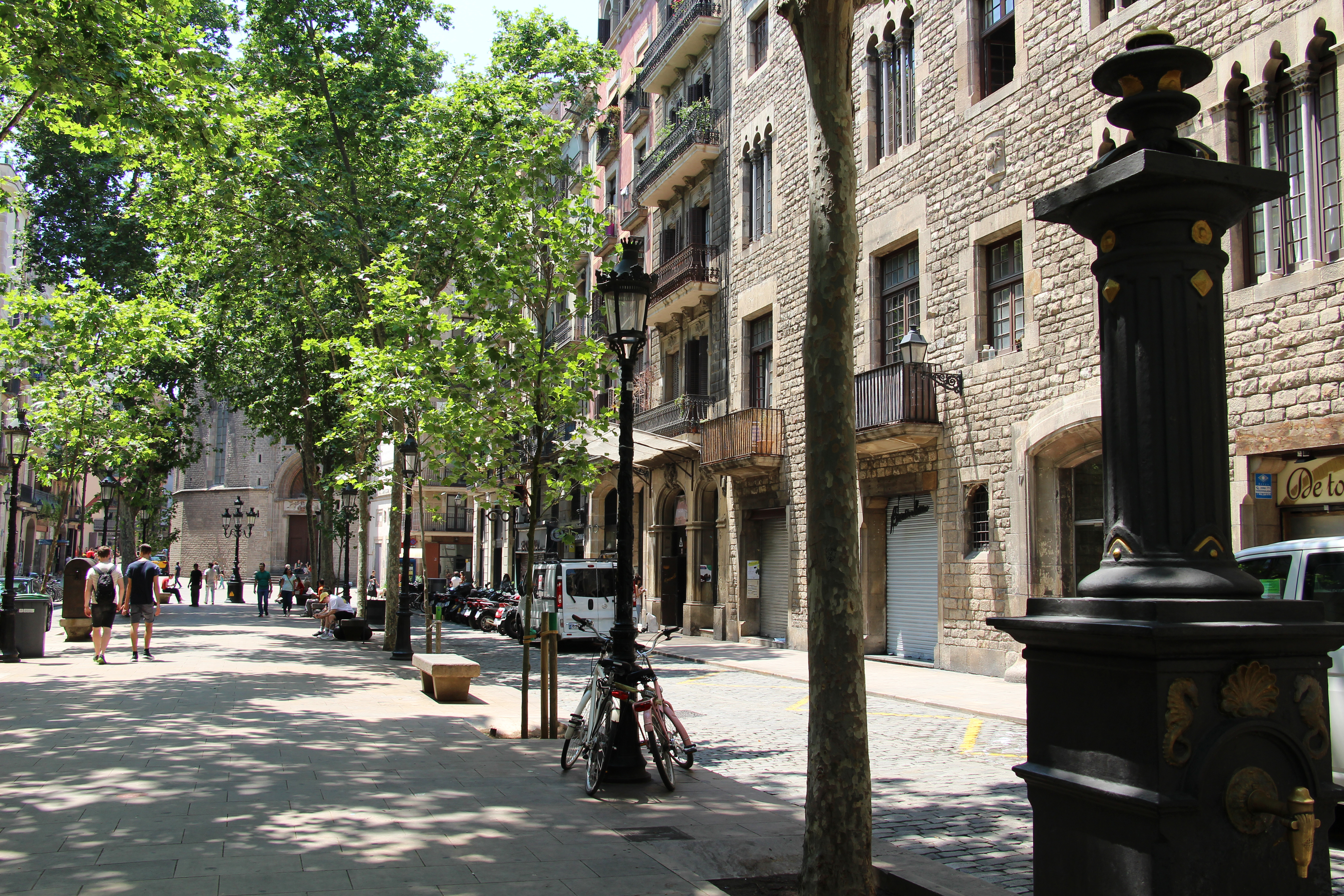
The narrow lanes around Passeig del Born are where Barcelona's food soul lives — not in the spectacle, but in the standing-room-only bars, the perfectly rubbed tomato bread, and centuries of people doing exactly what they're doing right now.
Mercat de Santa Caterina
1

Mercat de Santa Caterina

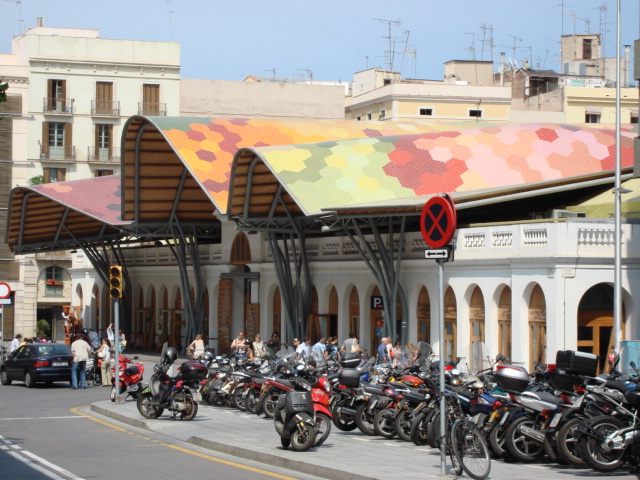
This isn't a market made for tourists — it's a working market wearing the most beautiful roof in the city. Where you see actual chefs shopping, where history is visible beneath your feet, and where seasonal vegetables taste like they're supposed to.
La Rambla food context
2

La Rambla food context

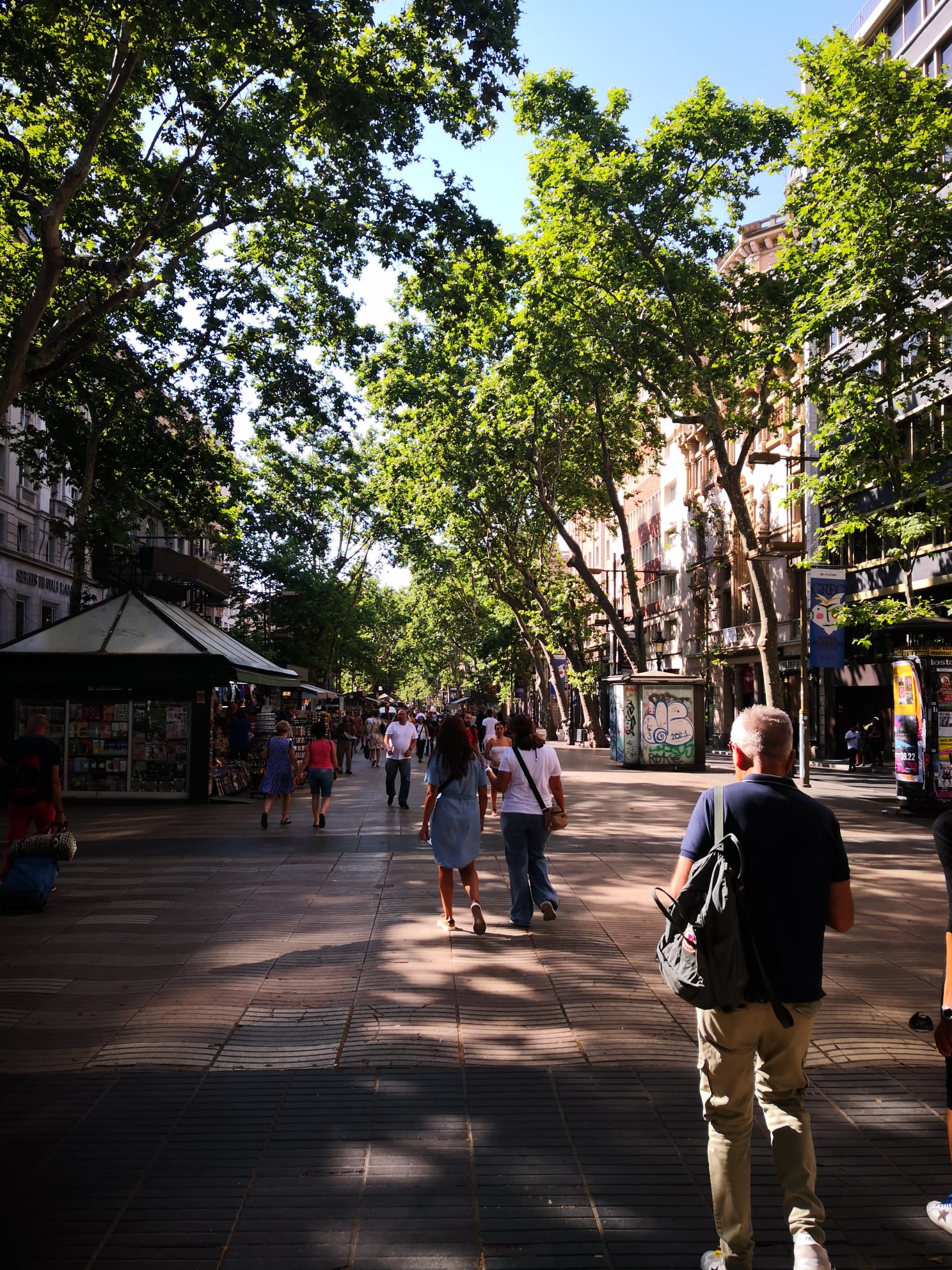
La Rambla itself isn't where you eat anymore — but understanding it is crucial to understanding why Barcelona's food culture is so public, so democratic, so fundamentally different from the rest of Europe.
Mercat de la Boqueria
3

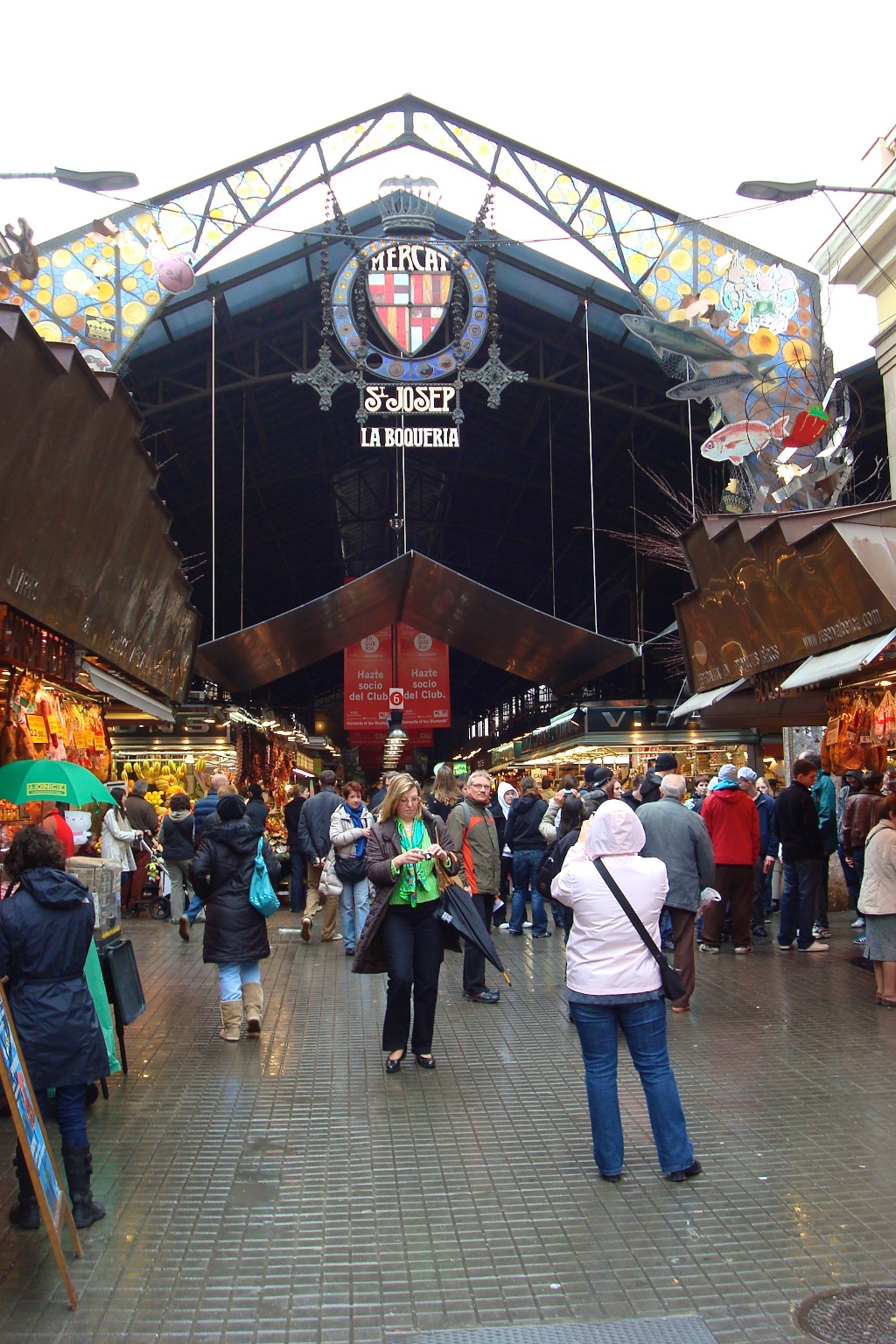
Mercat de la Boqueria

330 stalls of iron and glass and chaos and perfection. The front section is for tourists. The back section is where Barcelona actually eats. You need to know the difference, and you need to go deep.
Mercat de Sant Antoni
4

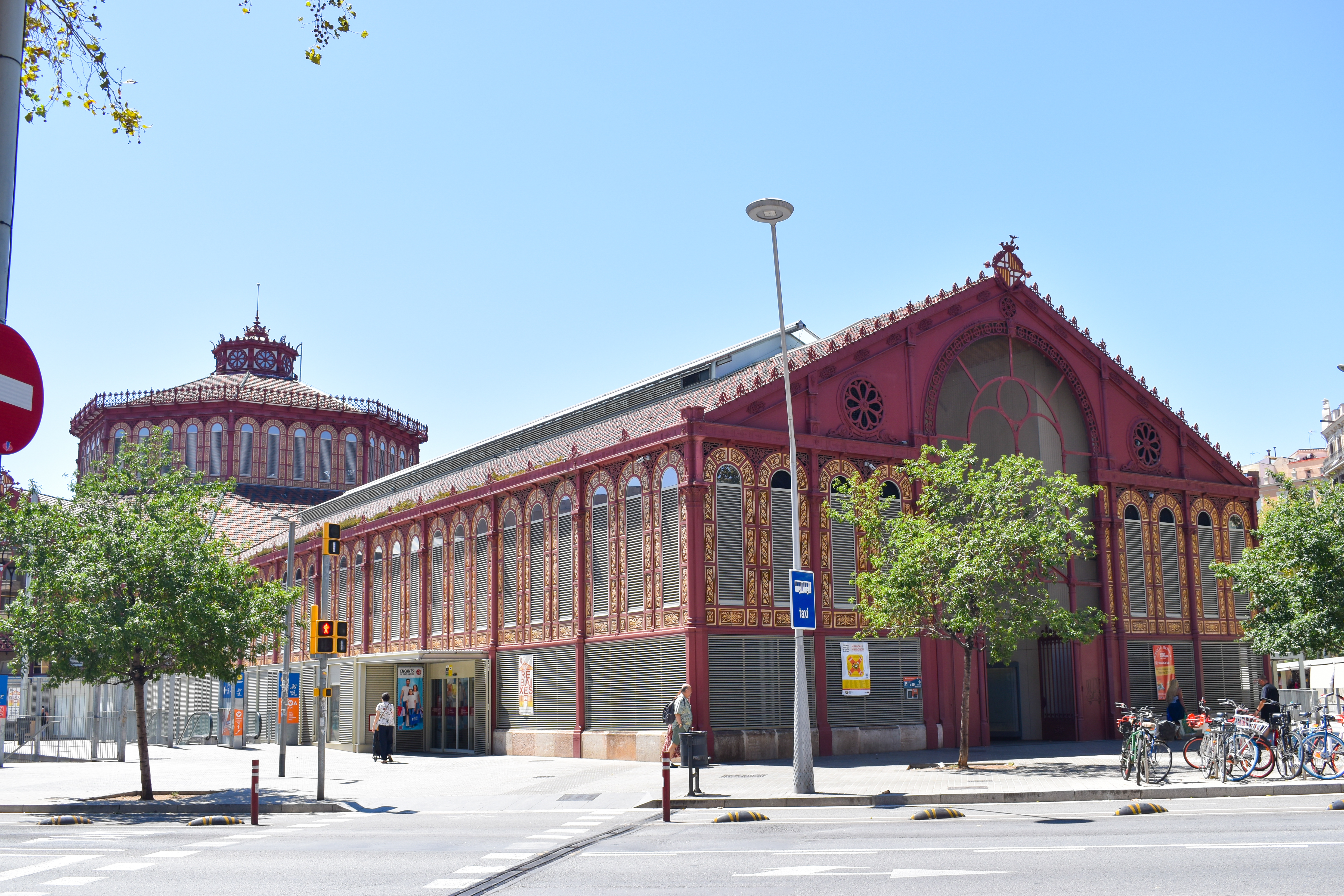
Mercat de Sant Antoni

A cruciform market from 1882 that closed for nine years and emerged restored but unbowed. While the Boqueria became famous, Sant Antoni quietly stayed the place where Barcelona actually shops — and eats.
Carrer del Parlament
5

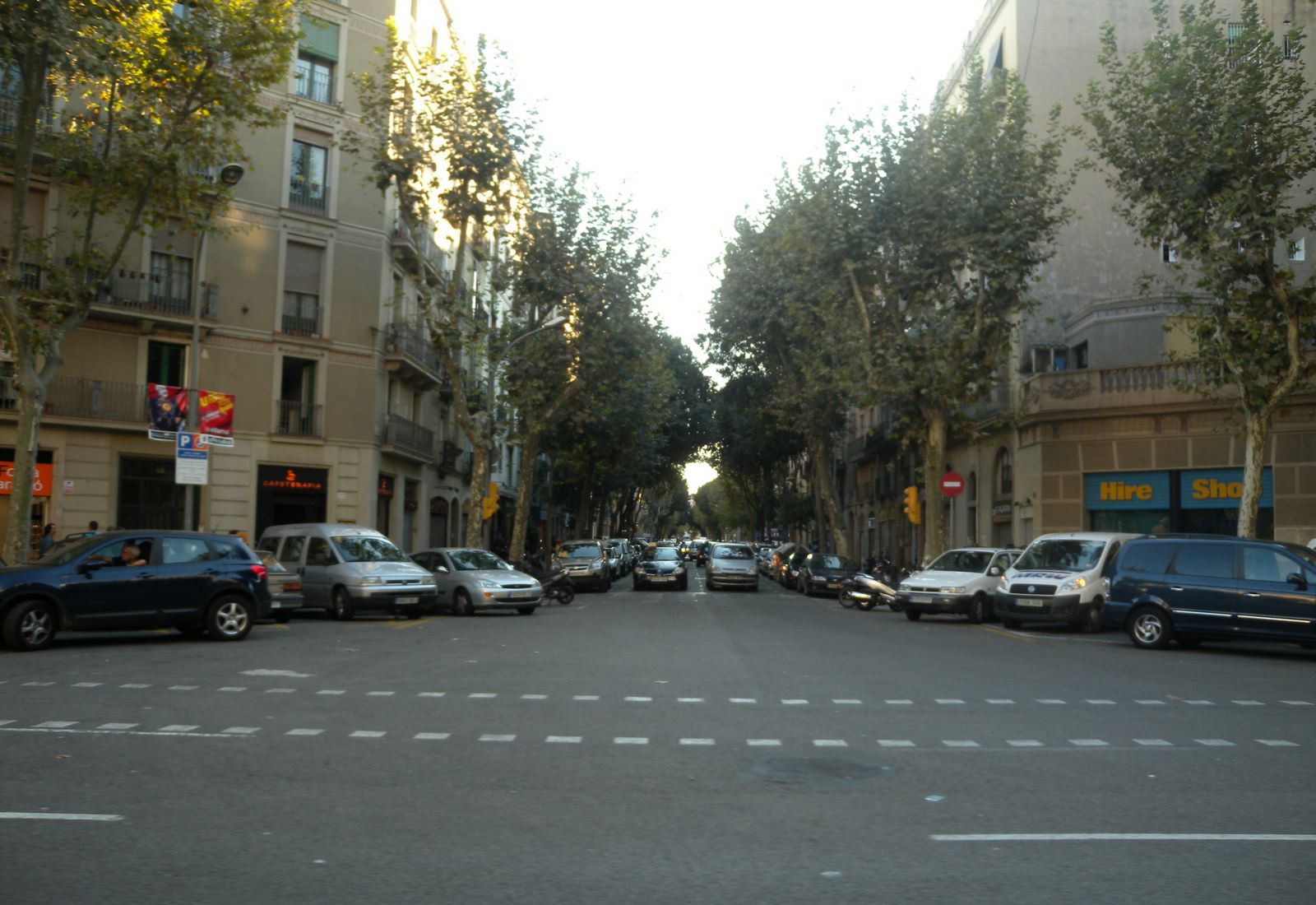
Carrer del Parlament

The heart-and-soul food street of Sant Antoni where breakfast culture meets the vermouth hour, born from necessity when the market closed for renovation. Every bar knows your name here, and that's the whole point.
Quimet & Quimet
6

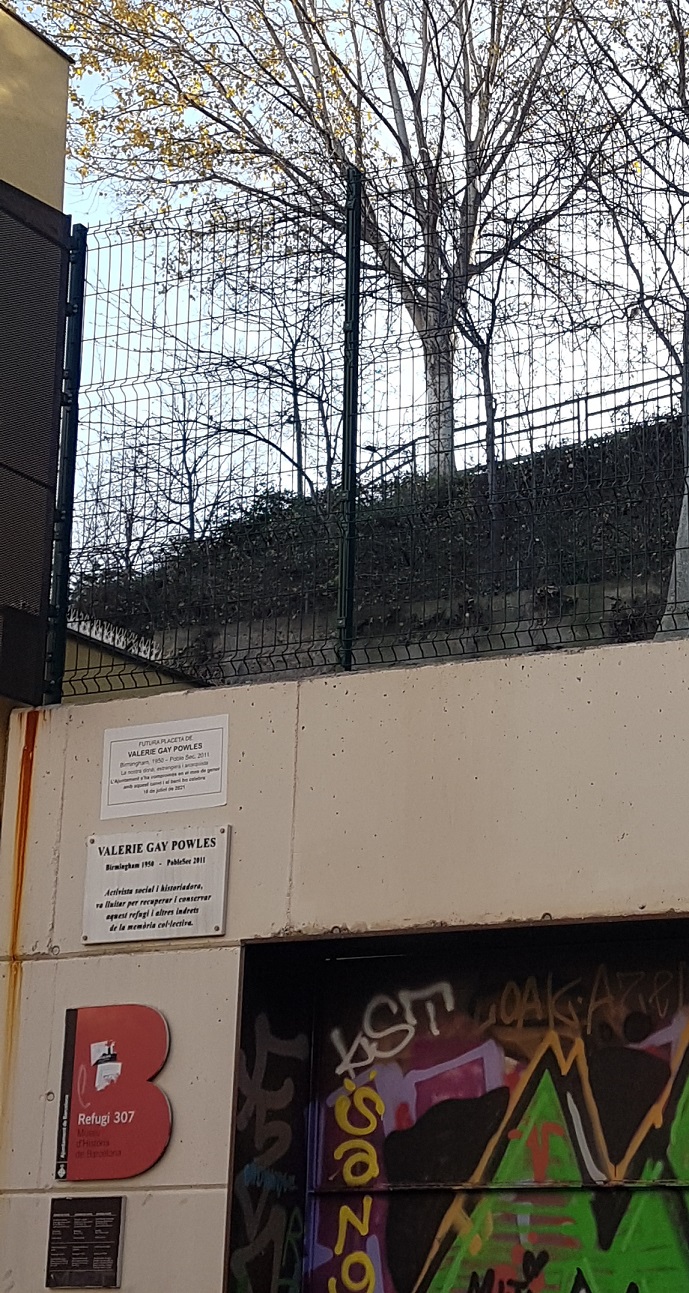
Quimet & Quimet

A standing-room-only bodega on Carrer del Poeta Cabanyes where the Quim family has perfected the art of the montadito — extraordinary open-faced sandwiches built on decades of preservation knowledge and obsessive quality.
Carrer Blai
7

Carrer Blai

Both sides of this working-class street lined with bars serving pintxos — the Basque tradition of stacking small plates and paying by the toothpick. Honest food at honest prices where the crowd follows the quality.
A vermouth bodega
8

A vermouth bodega

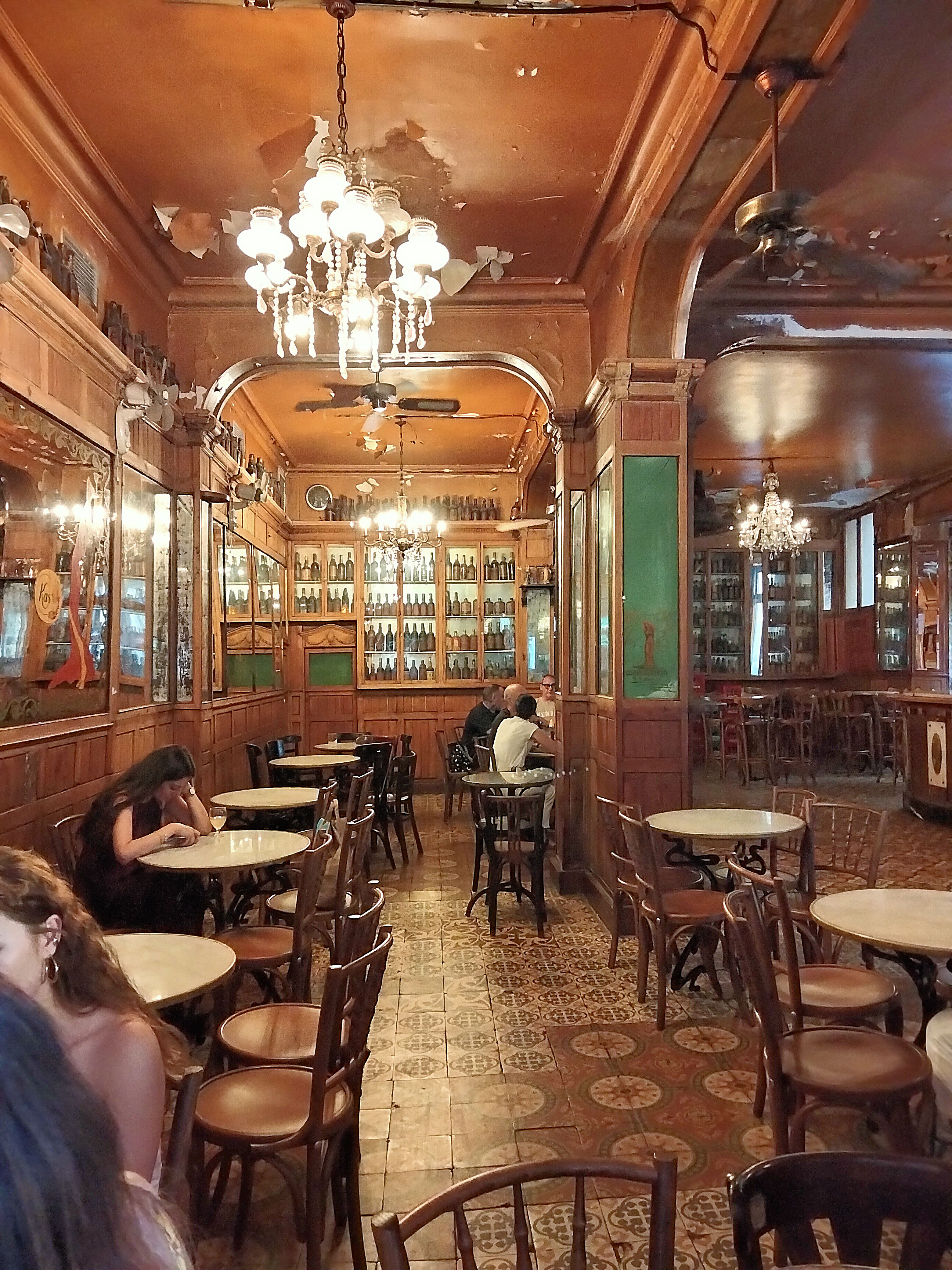
The vermouth hour (12-2pm weekends) when Barcelona gathers in bodegas to drink fortified wine with snacks and conversation. A social ritual older than cocktail culture that connects family, friends, and strangers.

A Taste of the Tour

This is the real story from one stop on this walk — every stop has one.

El Born food streets

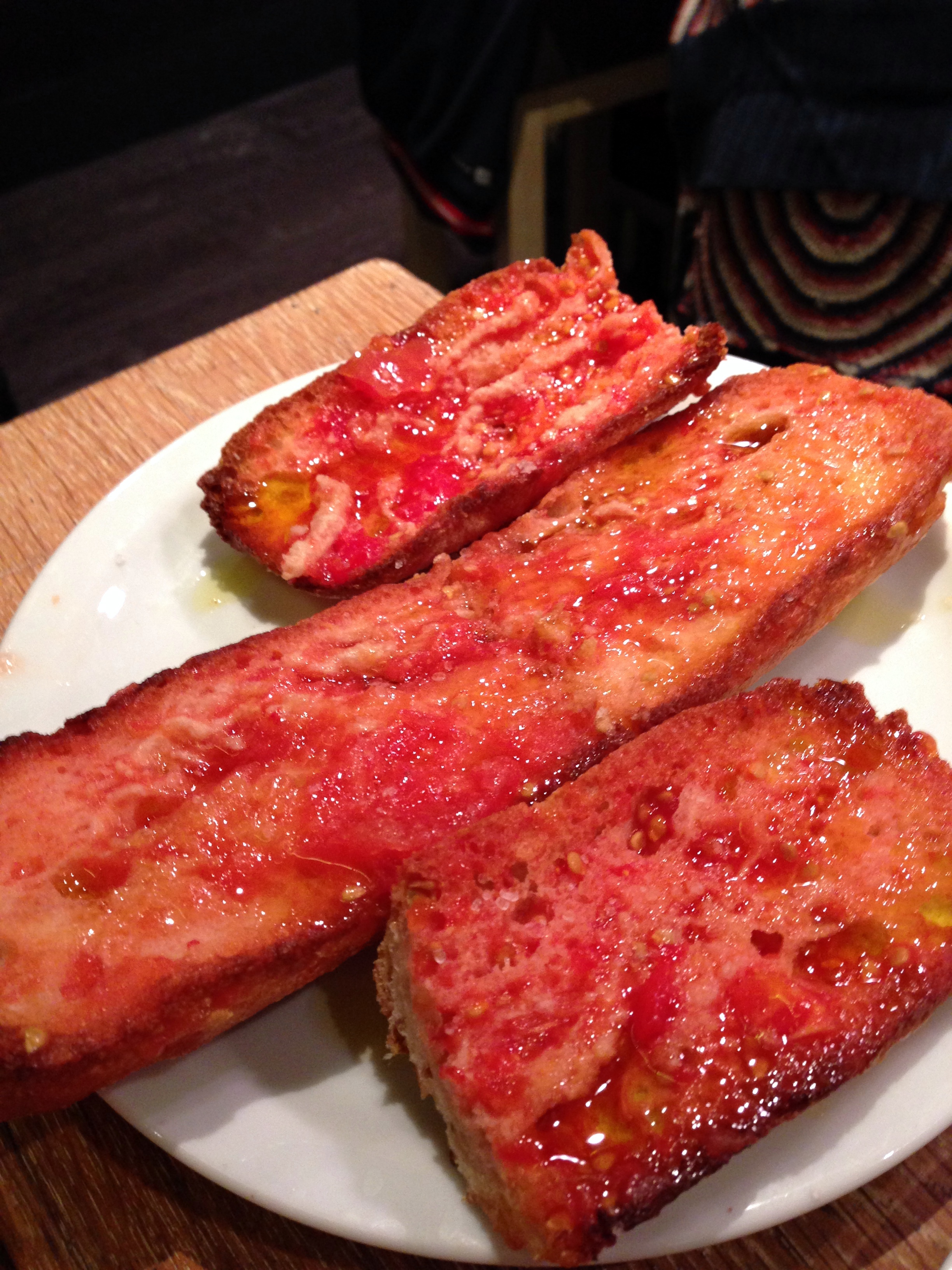
There's a saying in Catalan that explains everything about this city: 'Amb la panxa buida no hi ha alegria.' You can't be happy on an empty stomach. That's not a proverb. That's a philosophy. That's a way of organising a city. Barcelona has 39 municipal markets. Not supermarkets — markets. Iron structures from the 19th century where vendors know your name and your grandmother's name, where the fish was swimming this morning and the tomatoes are the right variety because there's only one right variety and everyone knows which one it is. This tour is about food, but it's really about how Barcelona lives. We'll start in the Born, where tapas culture is still real. We'll move through markets — from the world-famous Boqueria to the fiercely local Sant Antoni — and into the food streets of Poble Sec, where a standing-room-only bodega run by four generations of the same family serves some of the best bites in Spain. We'll end with vermouth, because in Barcelona, every proper meal begins with vermouth and olives and conversation, and nobody is in a hurry. Bring your appetite. This is going to take a while. Listen, when you walk these streets, you're walking through the arteries of Barcelona food culture. Not the big veins like La Rambla — the small ones that actually matter. Let's start with pa amb tomàquet, because it's everything. It's bread, tomato, oil, and salt. Four ingredients. But here's the thing — most places get it wrong. They use those watery supermarket tomatoes. You need tomàquet de penjar, the hanging tomato. It's a variety that's meaty, sweet, with skin that lets you press it into the bread without everything disintegrating. You warm the bread, cut it in half, rub it with the cut tomato until the bread is soaked and red, then a ribbon of good olive oil, a pinch of salt, and that's it. Some places add ham. Sure. But the real magic is in the quality of each element — in this case, respecting simplicity. El Born became a food destination without trying. The streets are narrow, medieval narrow, the kind of narrow that forces intimacy. You've got El Xampanyet down here, and it's been pouring cava and serving anchovies since I don't know when. Wood-stained walls, tiny glass, maybe six people at the bar if you're squeezed. The anchovies come from the north, from Cantabria, and they're what you order. Not because they're fashionable, but because they're the reason to go. House cava is cheap and it matters. This is where Barcelona invented the idea of standing at a bar, having small plates, talking loudly with your mouth full, and that being completely normal. Then there's Cal Pep, the counter place where the chef decides what you eat. You sit, you don't order, you eat what he makes that day. It's the opposite of democracy but everyone's happier for it. This is high respect for ingredients — he's not showing off, he's using what arrived this morning. The thing about El Born is that it's resisted becoming a theme park version of itself. Sure, there are tourists now. Of course there are. But the difference between a tourist tapas bar and a real one? Real ones have locals who've been going for ten years. Real ones have wine from small producers you've never heard of. Real ones treat the food like it means something, because here, it does. The neighbourhood stayed itself while everywhere else was getting airbrushed. Amb la panxa buida no hi ha alegria — without food in your belly, there's no happiness. This street knows it.

More Tours in Barcelona

Nearby Cities

Back to Barcelona Tours

Cookie Consent

We use cookies to analyse site traffic and improve your experience. You can choose to accept or reject analytics cookies. Learn more