The Wall That Made a Street
New York · United States

The Wall That Made a Street

New York, United States
85
Duration (min)
1.8
Distance (km)
11
Stops
Easy
Difficulty

Description

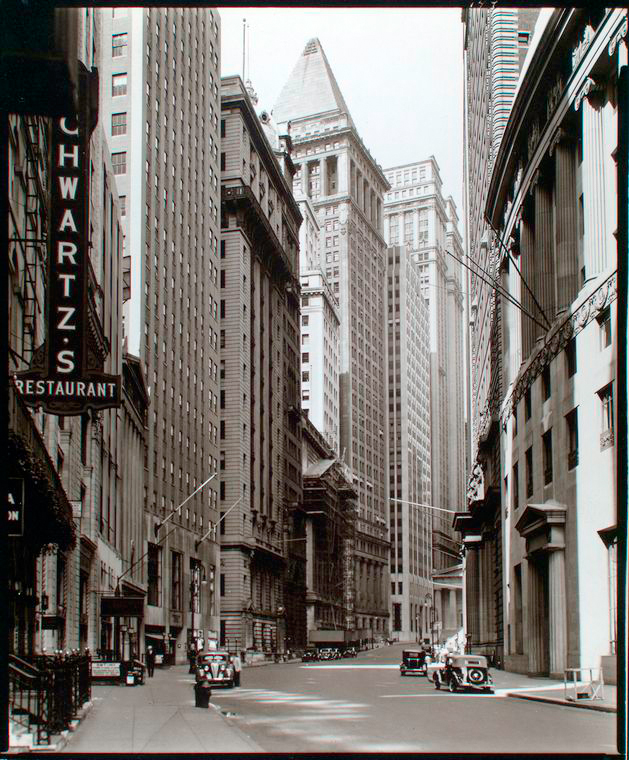
Wall Street is named after a wooden stockade that failed, was demolished by the people it was built against, and left nothing behind but its own outline. This walk follows that line through the vanished Dutch town beneath the Financial District: a fort that has disappeared without a trace, 1642 foundations visible through glass in a plaza floor, the only lane in Manhattan still bent to a 17th-century shape, and the tavern where Washington said goodbye. It ends in a colonial graveyard at the head of the canyon, at the grave of the man who designed the machine the whole street now serves.

Highlights

Alexander Hamilton's grave at Trinity Church, at the head of the canyon he built 1642 New Amsterdam visible through glass panels set into a corporate plaza floor Stone Street, cobbled in 1658 and still holding the curve of the Dutch town The Greek temple on Wall Street that is not the building Washington was inaugurated in Charging Bull and Fearless Girl, and the unresolved argument between their two artists
Tour Stops

Charging Bull
0

Charging Bull

5 min

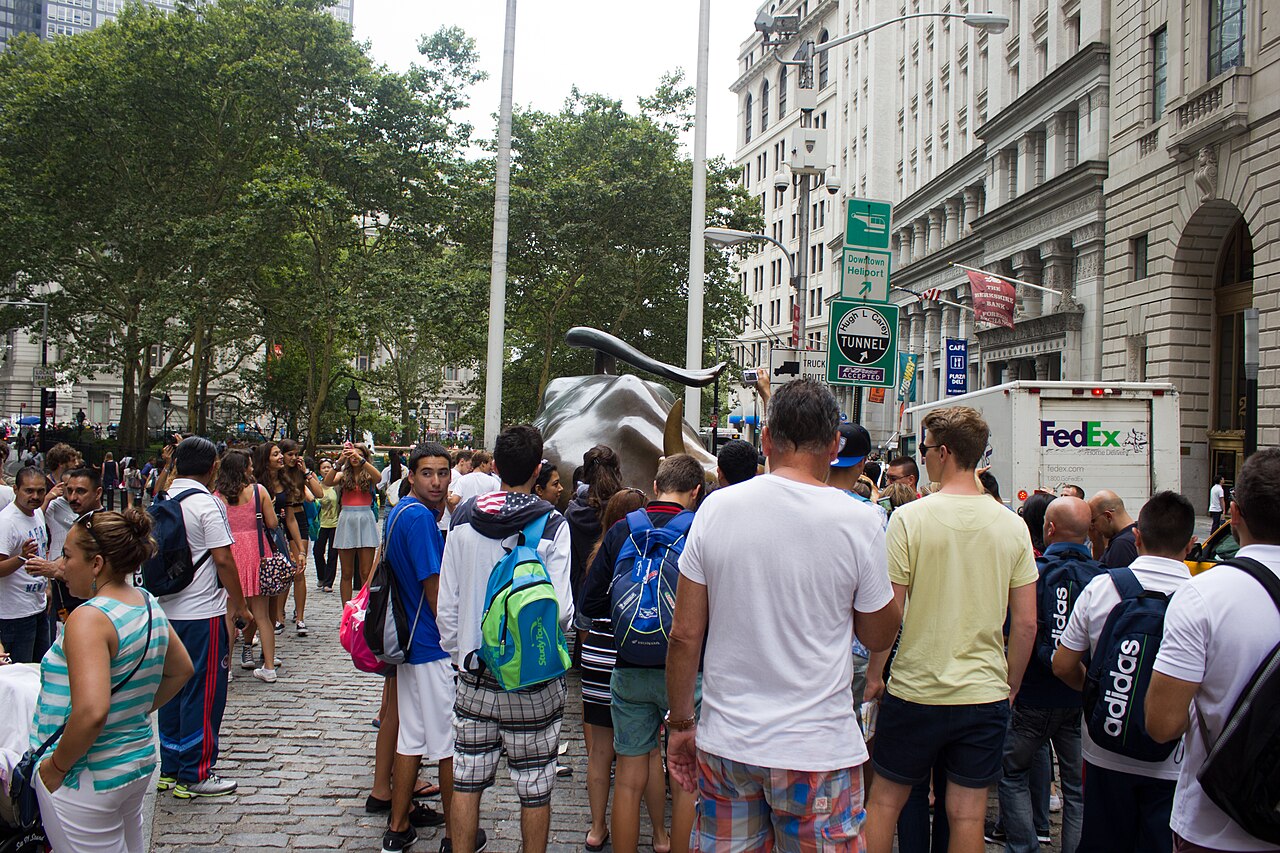
Sculptor Arturo Di Modica illegally installed the 7,100-pound bronze bull outside the New York Stock Exchange overnight in December 1989, self-funding it as a response to the 1987 crash; after being impounded, it was reinstated by public demand two blocks south at Bowling Green.
Bowling Green
1

Bowling Green

5 min

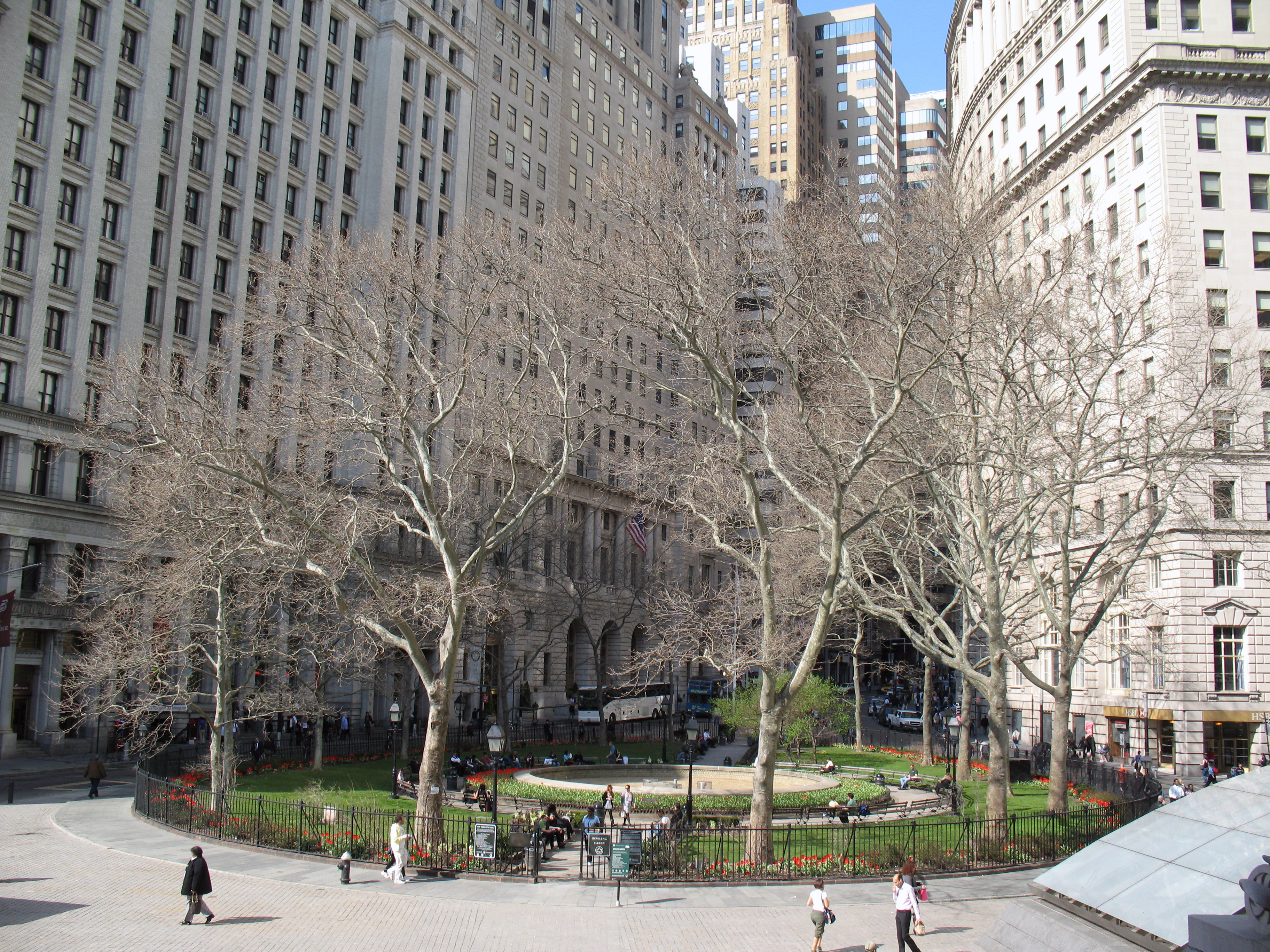
Bowling Green, New York's oldest public park, sits directly atop the vanished Fort Amsterdam, the Dutch West India Company outpost that governed the colony from 1625 to 1790 and left no visible trace above ground.
Fraunces Tavern
2

Fraunces Tavern

5 min

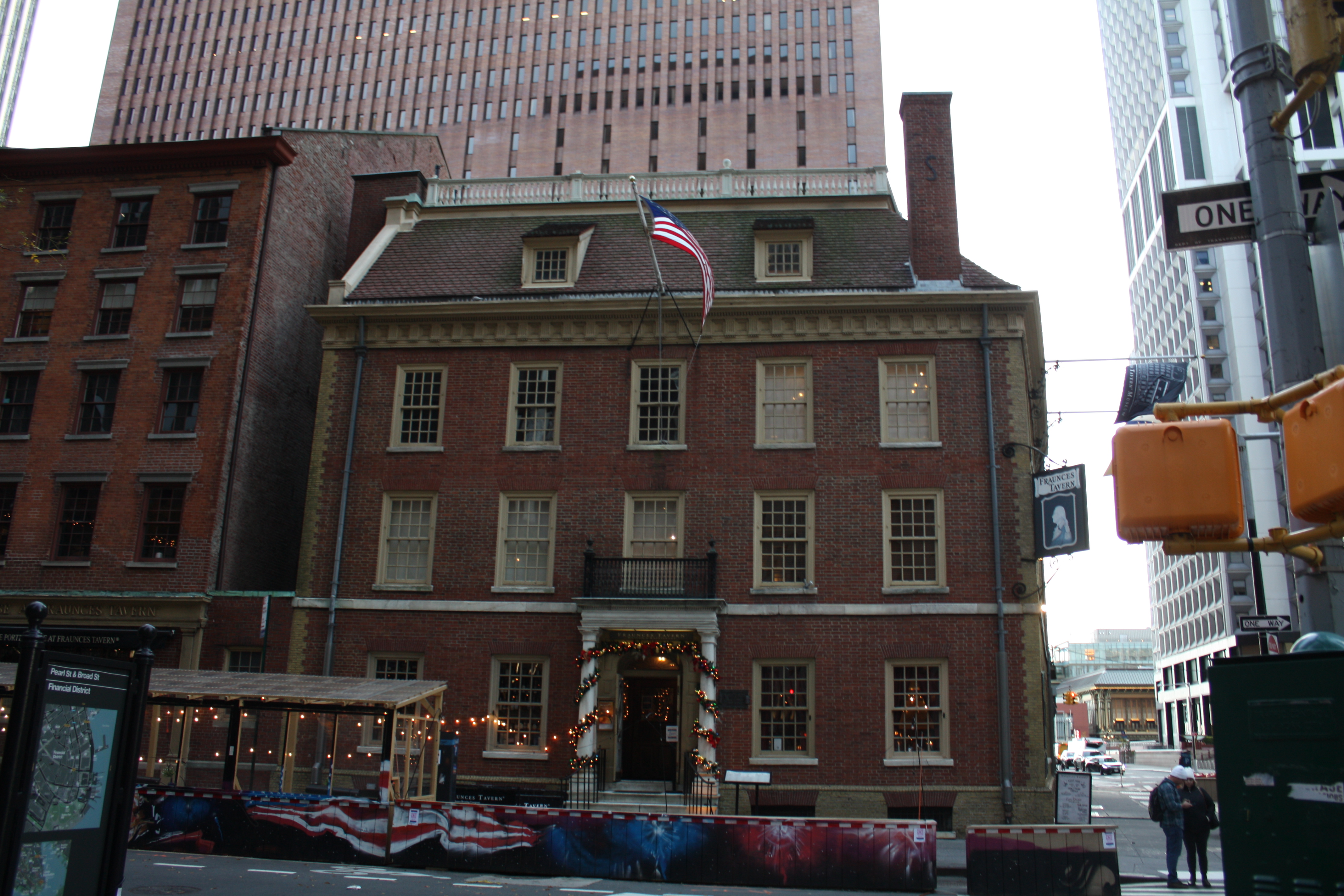
Built as a private house in 1719 and converted into a tavern in 1762, Fraunces Tavern is the oldest surviving building in Lower Manhattan — and the room upstairs where George Washington said goodbye to his officers in December 1783, before most of what you're looking at was rebuilt from guesswork in 1907.
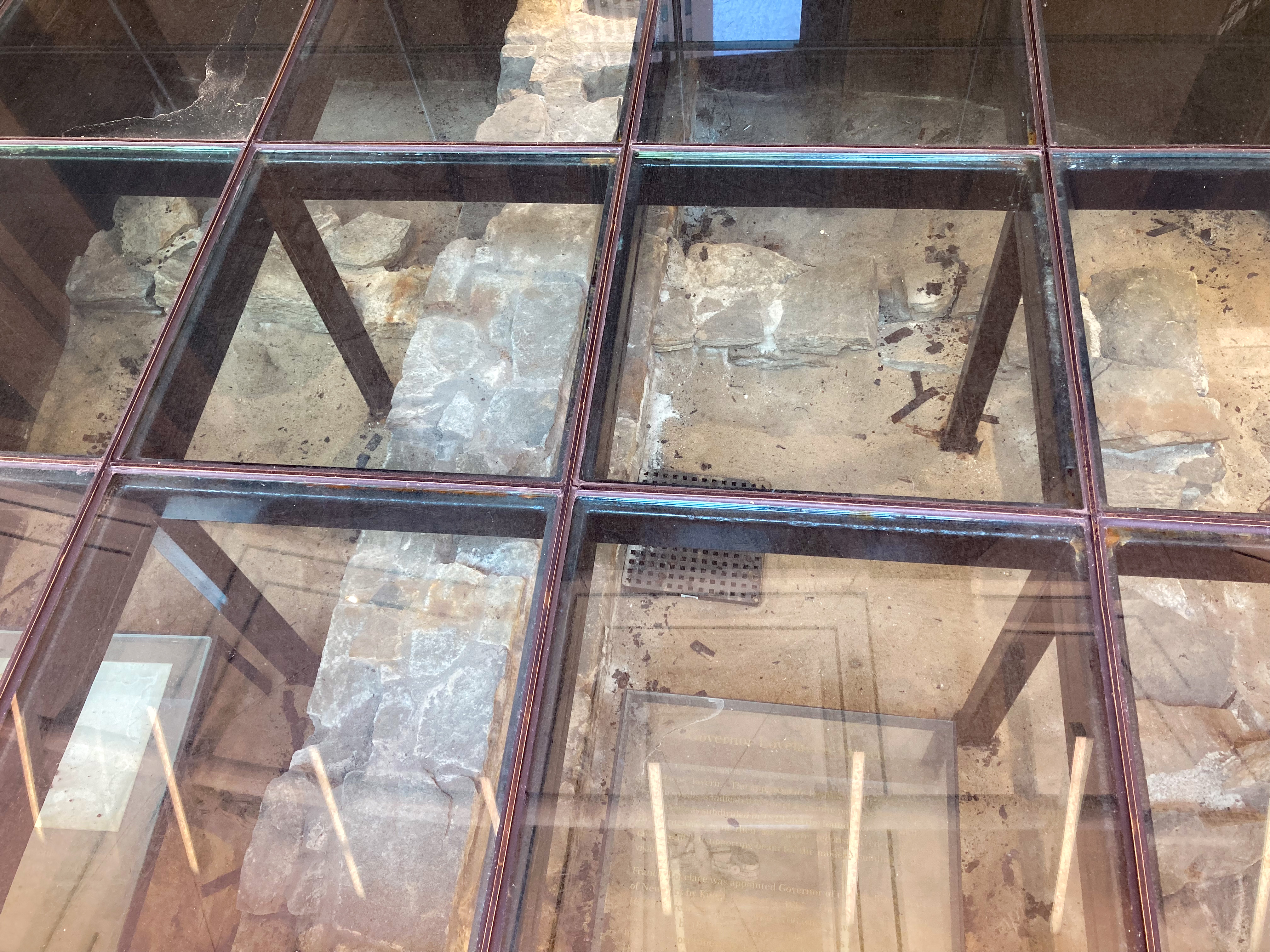
Stadt Huys Block foundations
3

Stadt Huys Block foundations

5 min

In 1979-80, construction of the office tower at 85 Broad Street uncovered the intact stone cellar of the Lovelace Tavern, built next to New Amsterdam's Stadt Huys, a city hall that began life as a 1642 tavern. The foundation walls are now preserved and visible through glass panels set into the plaza floor.
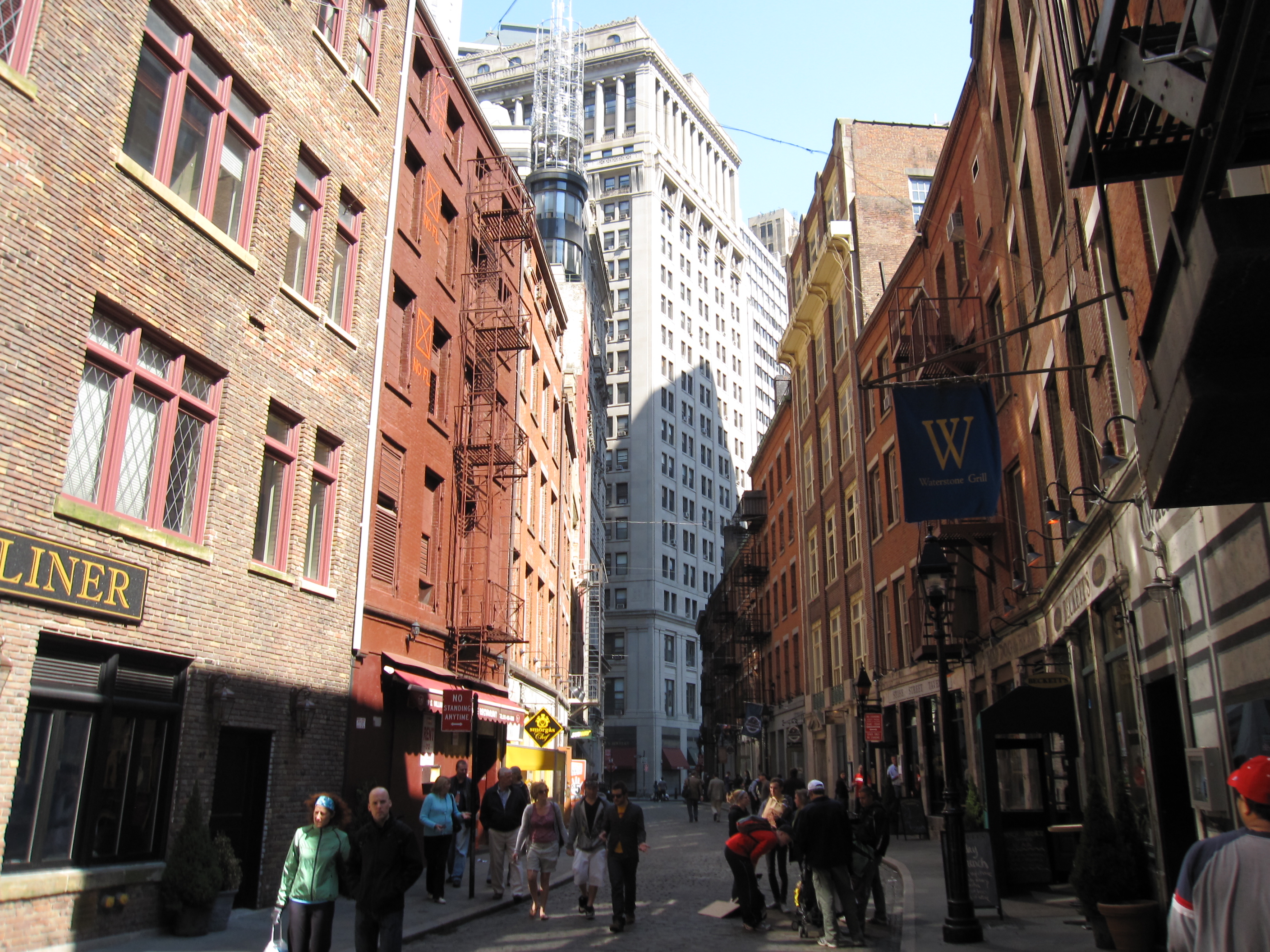
Stone Street Historic District
4

Stone Street Historic District

5 min

Stone Street was the first street New Amsterdam ever paved, cobbled in 1658, and its gentle curve is the last stretch in Manhattan that still traces the Dutch town's original street plan rather than the 1811 grid.
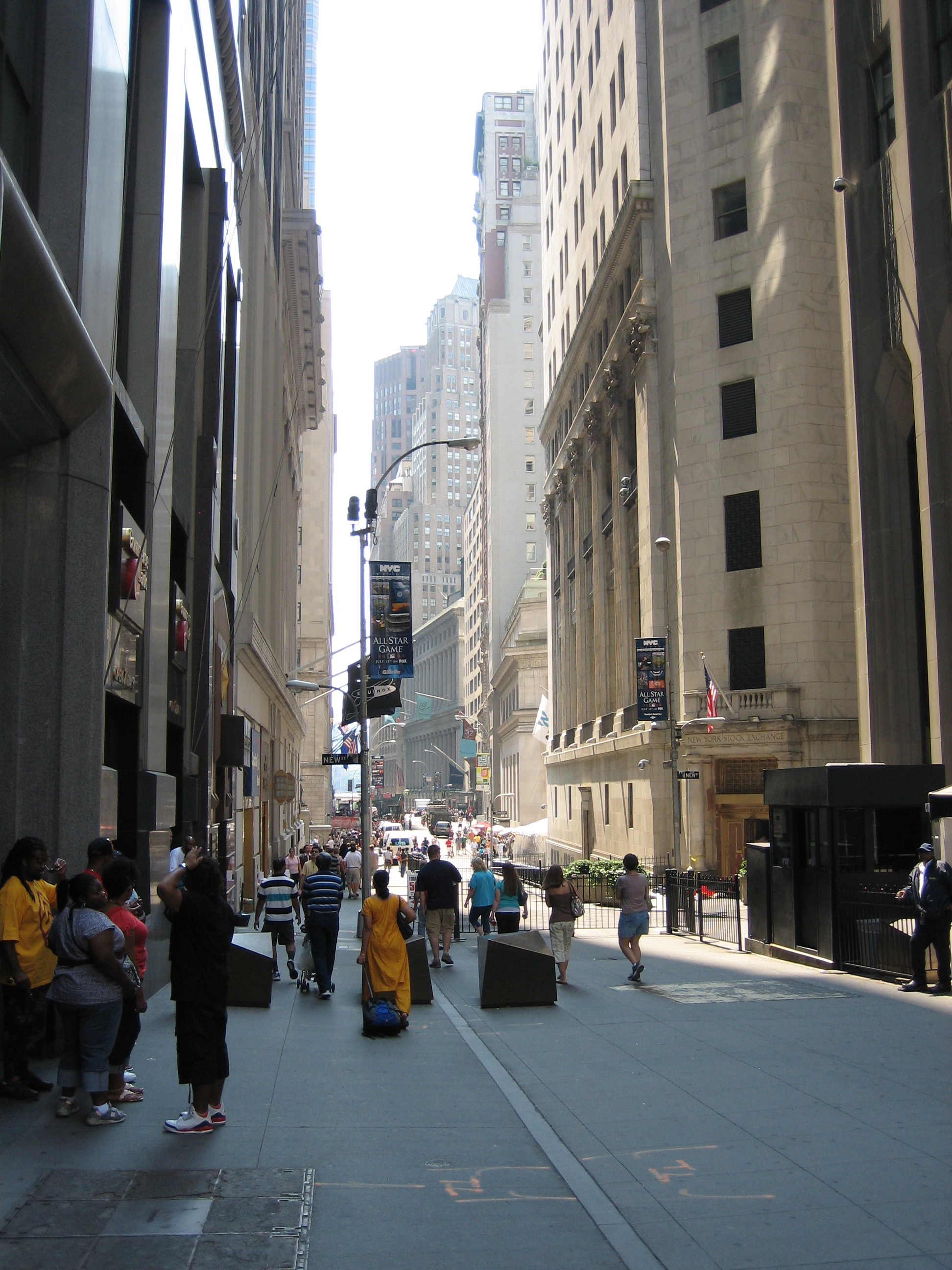
Wall Street
5

Wall Street

5 min

Wall Street takes its name from a 1653 defensive palisade that once ran along this line from river to river; the wall is gone, but the street preserves its exact route, and the address later became the center of American finance through the 1792 Buttonwood Agreement.
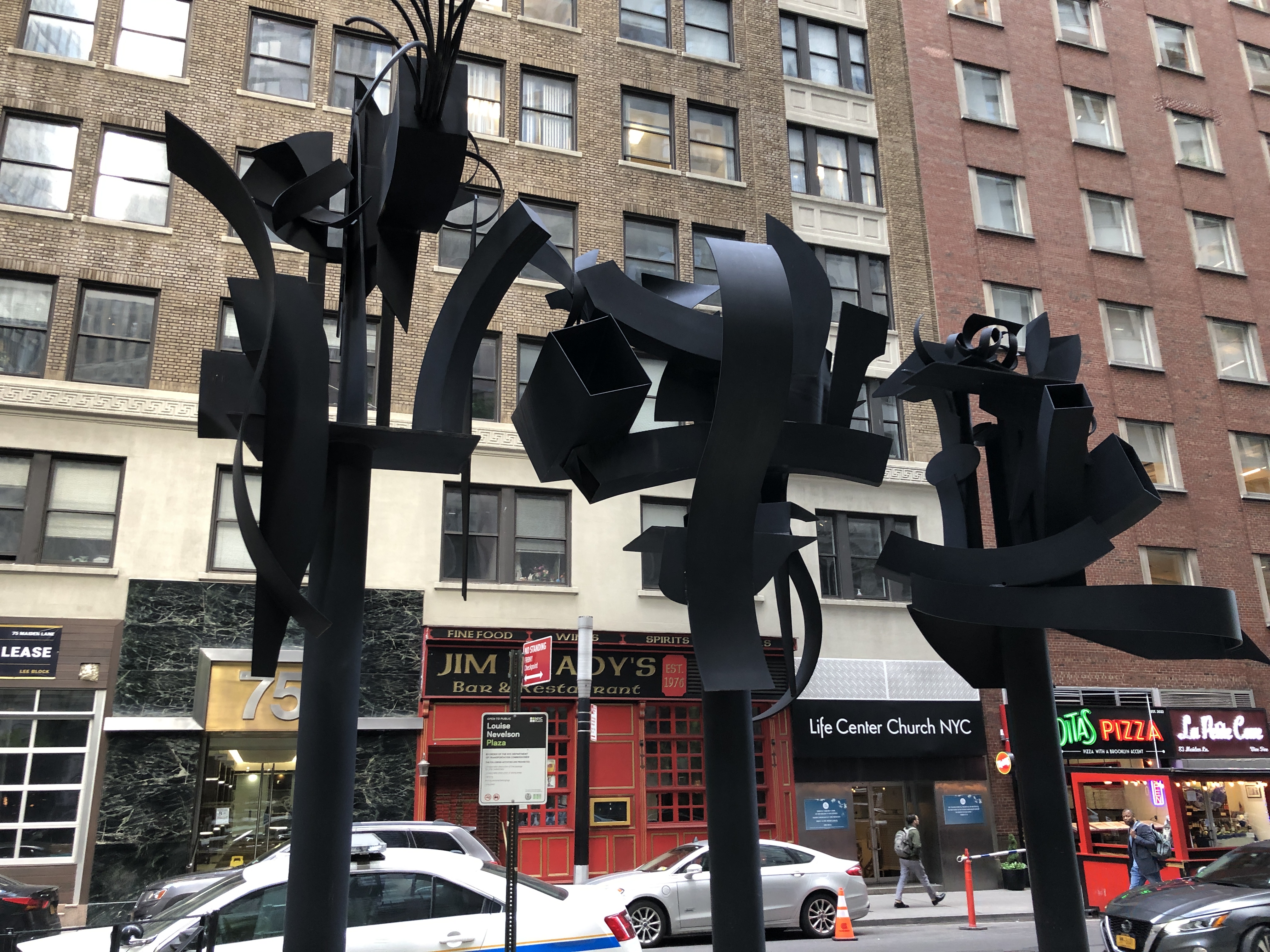
Louise Nevelson Plaza
6

Louise Nevelson Plaza

5 min

A small triangular plaza tucked among the Financial District's towers, dedicated in 1978 as the first public space in New York City ever named for an artist -- and the first named for a woman -- honoring sculptor Louise Nevelson, whose black steel work Shadows and Flags still occupies it.
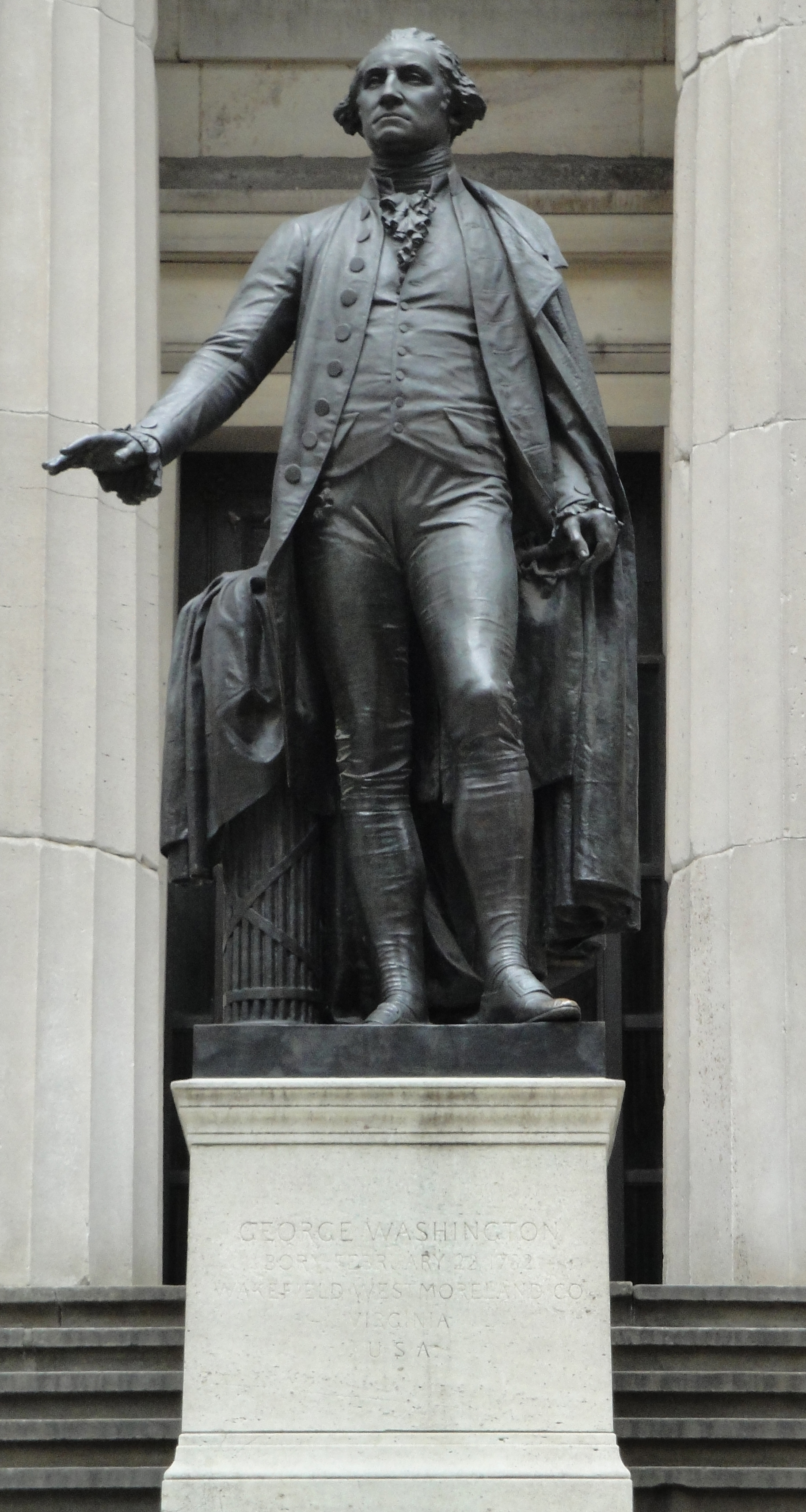
Federal Hall National Memorial
7

Federal Hall National Memorial

5 min

The Greek Revival temple on this site is not the building where Washington took the presidential oath in 1789 — that structure was demolished in 1812 and sold for scrap, and this 1842 U.S. Custom House rose in its place.
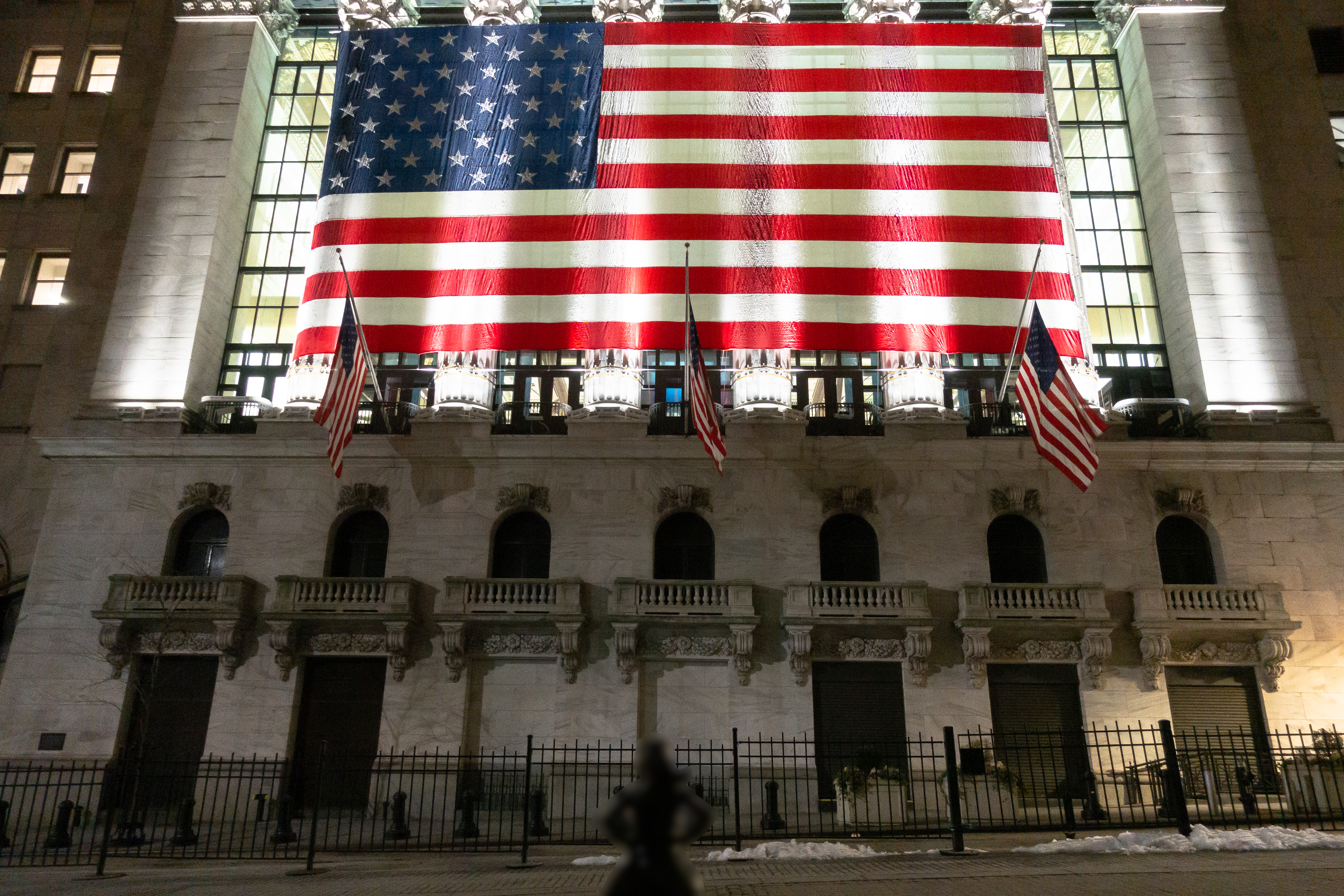
Fearless Girl
8

Fearless Girl

5 min

A bronze girl commissioned by an investment firm to advertise an index fund, installed in 2017 facing the Charging Bull and relocated in 2018 to face the New York Stock Exchange instead — a dispute over authorship, consent, and corporate marketing dressed as public art.
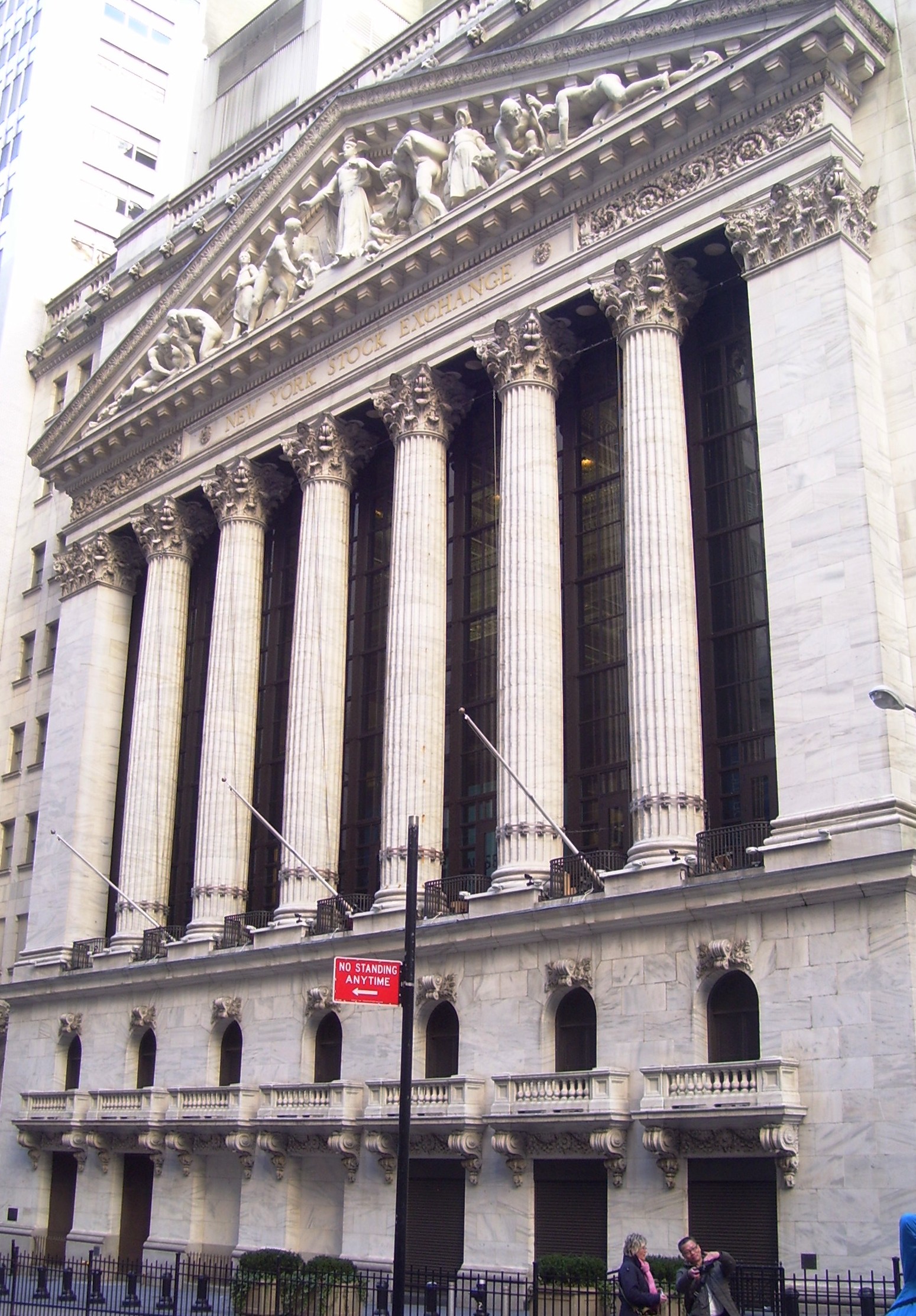
New York Stock Exchange
9

New York Stock Exchange

5 min

George B. Post's 1903 Beaux-Arts building gave Wall Street's exchange a Roman temple facade of six Corinthian columns, transforming an 1792 agreement among twenty-four brokers under a buttonwood tree into an institution now worth roughly twenty-five trillion dollars. The building has been closed to the public since 2001.
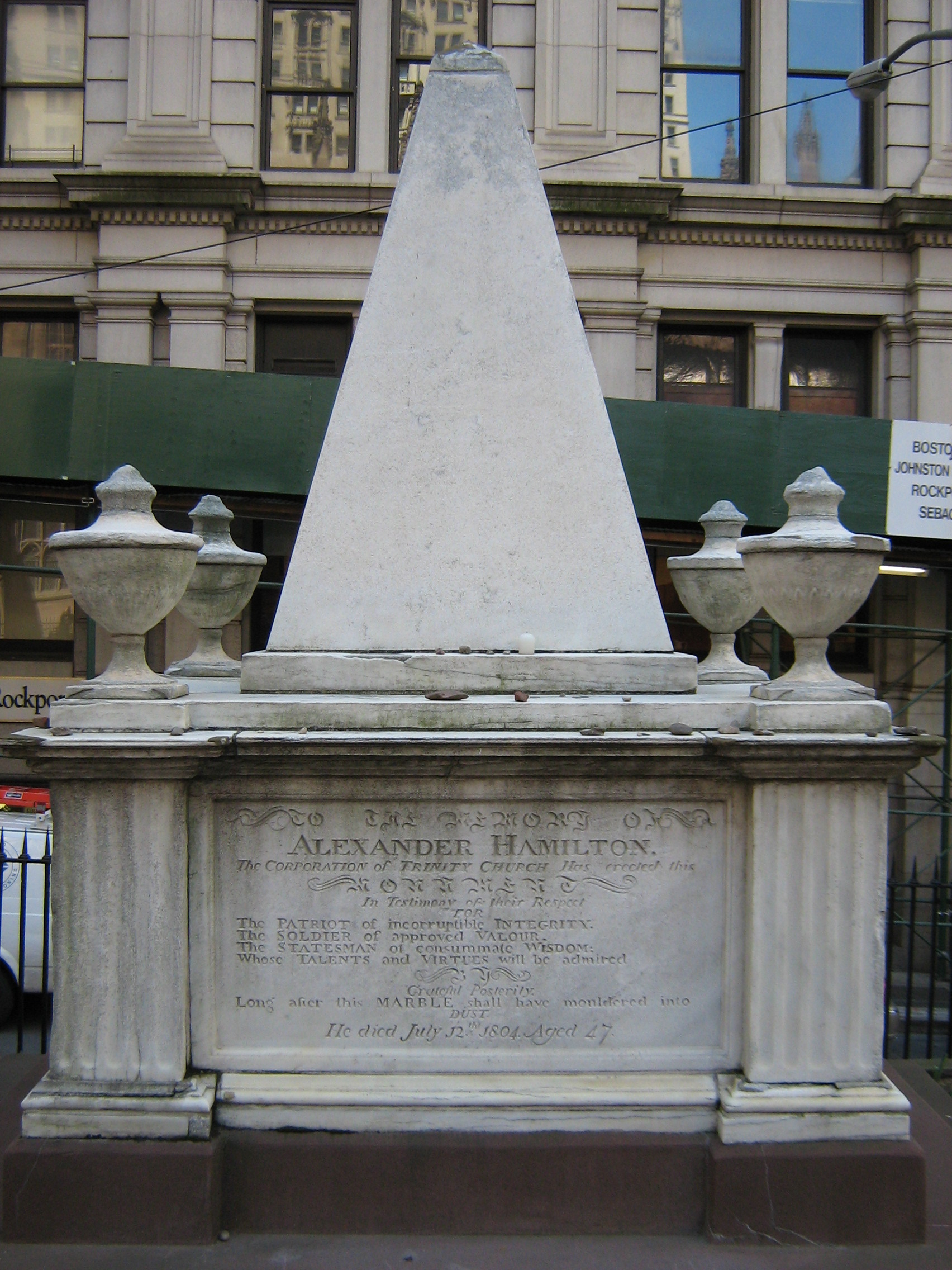
Trinity Church & Churchyard
10

Trinity Church & Churchyard

5 min

Alexander Hamilton, architect of the American financial system, is buried in Trinity's colonial churchyard beneath a spire that was Manhattan's tallest building until 1890, on land the church has held since a 1705 royal grant.

A Taste of the Tour

This is the real story from one stop on this walk — every stop has one.

Charging Bull

Welcome to Wall Street, or rather to the ghost of it. You are standing at the southern tip of Manhattan, in front of a bronze bull so famous it barely needs pointing out, on a patch of ground that has been rebuilt so many times it has forgotten what it looked like the first time. Somewhere near here, in 1625, a handful of Dutch settlers put up a fort. A few decades later, they put up a wall. The wall came down. The fort came down. The whole town that grew around them came down. And yet the shape of what they built is still under your feet, not in stone, but in the width of a street, the bend of a corner, the place where a market once stood and an exchange now moves trillions. Over the next ninety minutes, you will walk eleven stops and roughly four centuries, from a barricade built to keep people out to the street that became the address for the world's money coming in. Almost nothing you are about to hear about still stands. That is rather the point. Let's start with what's actually here, and what it isn't telling you. Look at it now: horns lowered, haunches coiled, nostrils flared as if it might actually charge across Bowling Green. Reach out and touch the horns -- everyone does, thousands of hands a day, and you can see it in the bronze itself. The horns, the nose, and a certain other part of the anatomy have gone bright gold, rubbed smooth by decades of tourists grabbing them for luck, while the rest of the animal has settled into a dull greenish patina. Nobody planned that. It's just what happens when a sculpture becomes one of the most-touched objects on the planet. Here's the part most people never learn: this bull was not supposed to be here. It was not supposed to be anywhere, officially. In the small hours of December 15, 1989, an Italian-born sculptor named Arturo Di Modica backed a flatbed truck up to the front steps of the New York Stock Exchange, a few blocks from where you're standing, and with a small crew of accomplices, craned a seven-thousand-one-hundred-pound bronze bull off the truck and onto the pavement. No permit, no permission, and by his own account timed to a police shift change. By morning, traders arrived at work to find a three-and-a-half-ton animal blocking the exchange's front door, decorated with a giant Christmas bow, and no idea where it had come from. The city had it impounded within hours. Public works crews hauled it away to a pound, and for a couple of days it looked like that would be the end of it -- an illegal stunt, towed, forgotten. Except the public wouldn't let it go. Phone calls flooded City Hall. Reporters wanted the sculptor's name. Within days the Parks Department relented and put the bull back on public land -- not outside the Exchange, that spot was never really available -- but two blocks south, here, at the northern tip of Bowling Green, on ground with its own much older claim to being fought over, which is a story for a few minutes from now. So the single most photographed patch of sidewalk in the Financial District is essentially a compromise with a city bureaucracy, arrived at because nobody had the stomach to keep towing it. And Di Modica paid for the whole thing himself. Roughly three hundred sixty thousand dollars of his own money, by his own account, for a gift nobody commissioned and nobody asked for. He'd watched the market crash in October 1987 and wanted to make something that argued back -- an emblem of resilience, strength, the animal spirit of American finance refusing to stay down. He called it Charging Bull and meant it, quite sincerely, as a present to the city. Wall Street took the gift and made it something closer to a mascot, then a logo, then the most reproduced image of capitalism on earth, sold on every keychain and coffee mug within three blocks of where you're standing -- not exactly the interpretation one guerrilla sculptor with a truck full of bronze had in mind. It picked up company in 2017 -- a small bronze girl, arms on hips, staring the bull down -- and we'll meet her properly in a few stops. For now, just notice what's actually beneath your feet: not a plaza built for a statue, but a patch of ground this city has been arguing over the use of since long before anyone thought to put a bull on it.

More Tours in New York

Nearby Cities

Back to New York Tours

Cookie Consent

We use cookies to analyse site traffic and improve your experience. You can choose to accept or reject analytics cookies. Learn more