New York · United States
The Buildings That Gave Land Away
New York, United States
The 1961 bargain: extra floors traded for public plazas, and how it went wrong Seagram and Lever House, which gave ground away before any rule rewarded it Paley Park, bought outright by one man, still one of the best small spaces anywhere 550 Madison's arcade, so disliked its owners tore it out and started again Fifth Avenue, which shared nothing and is full of people anyway
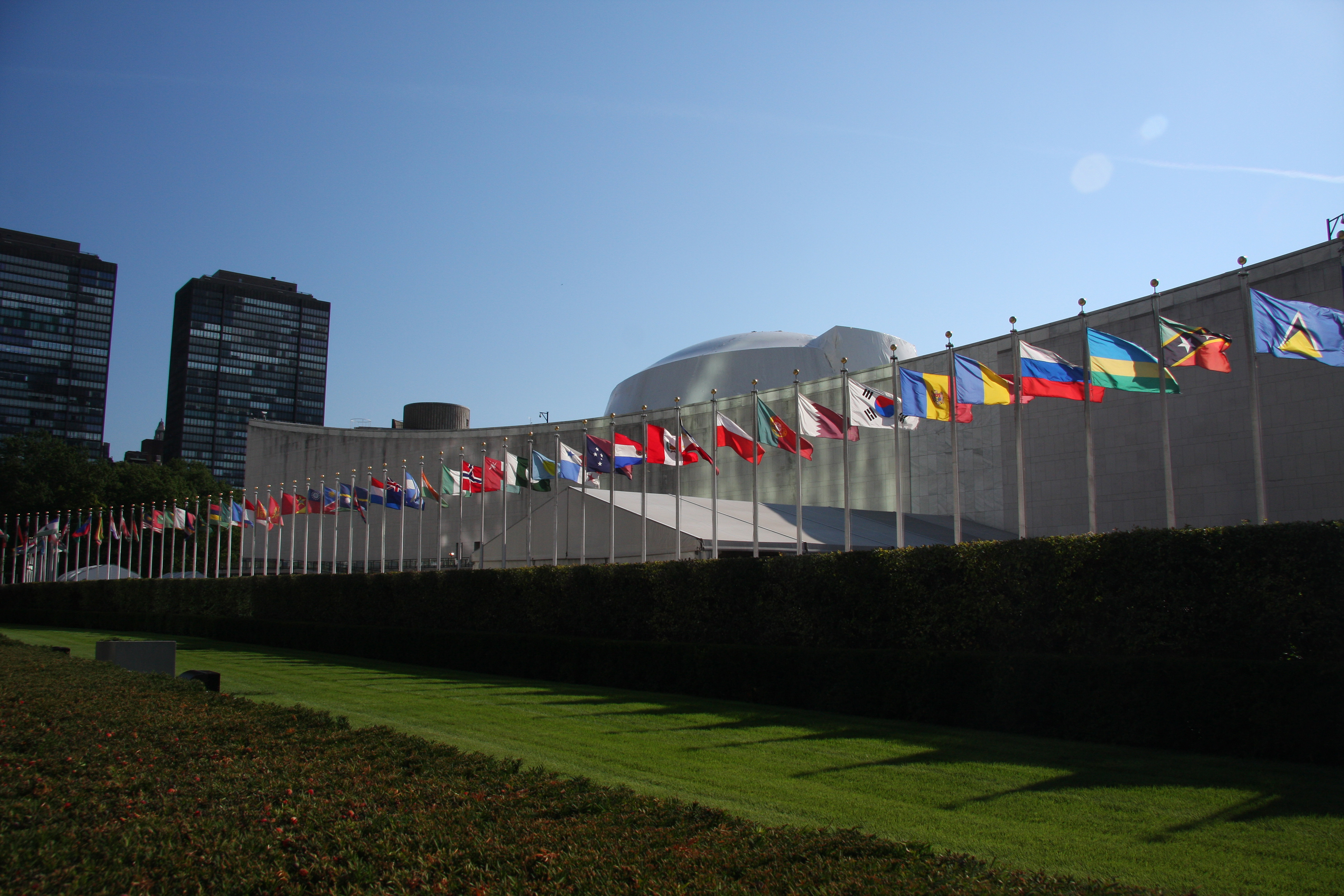
The United Nations complex on First Avenue sits inside eighteen acres of open ground that New York gave away outright in 1946, on territory the city no longer governs.
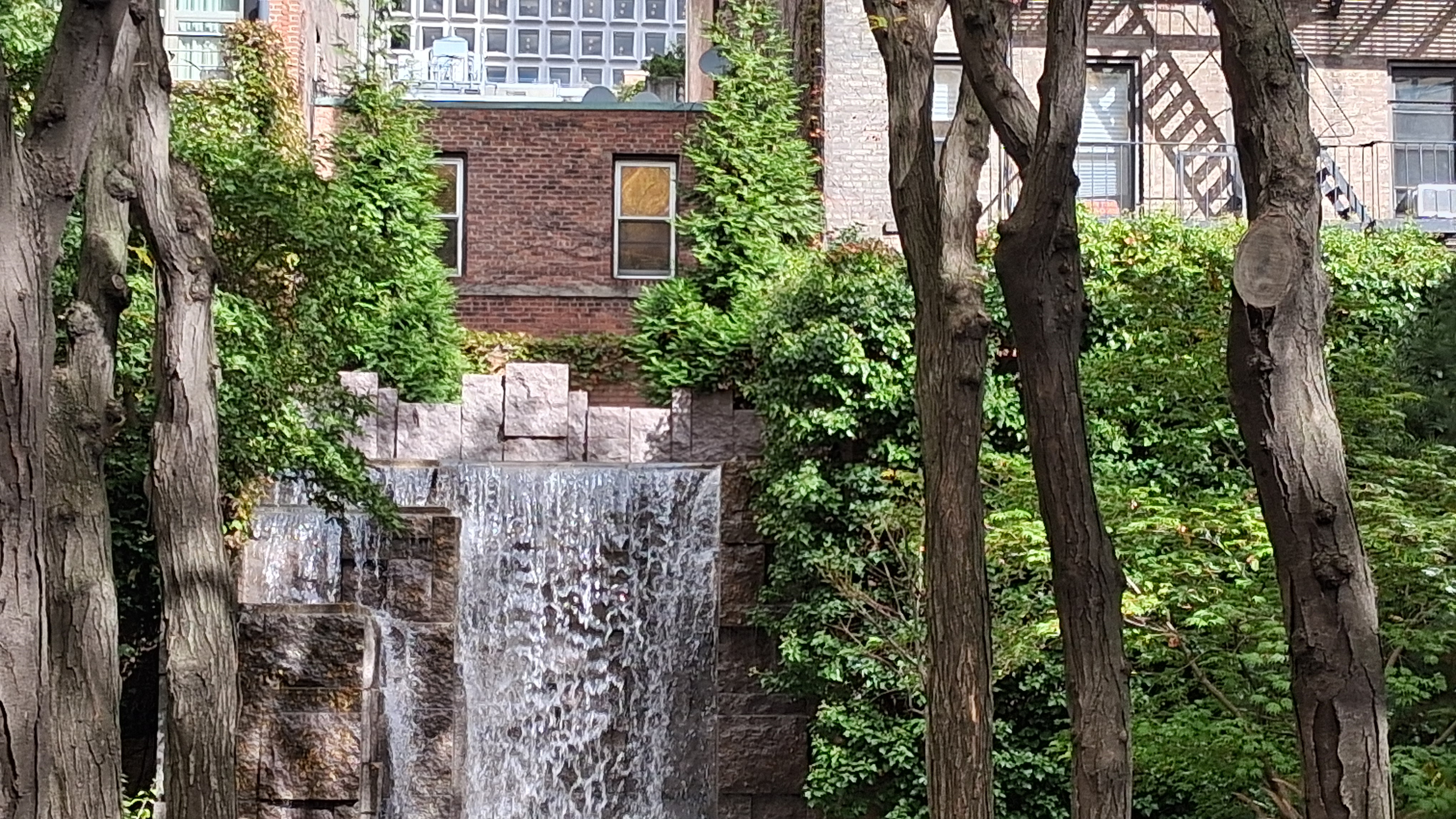
Greenacre Park is a pocket park on East 51st Street with a 25-foot waterfall at the back wall, opened in 1971 after Abby Rockefeller Mauzé bought the mid-block lot and gave it to the public instead of building on it.
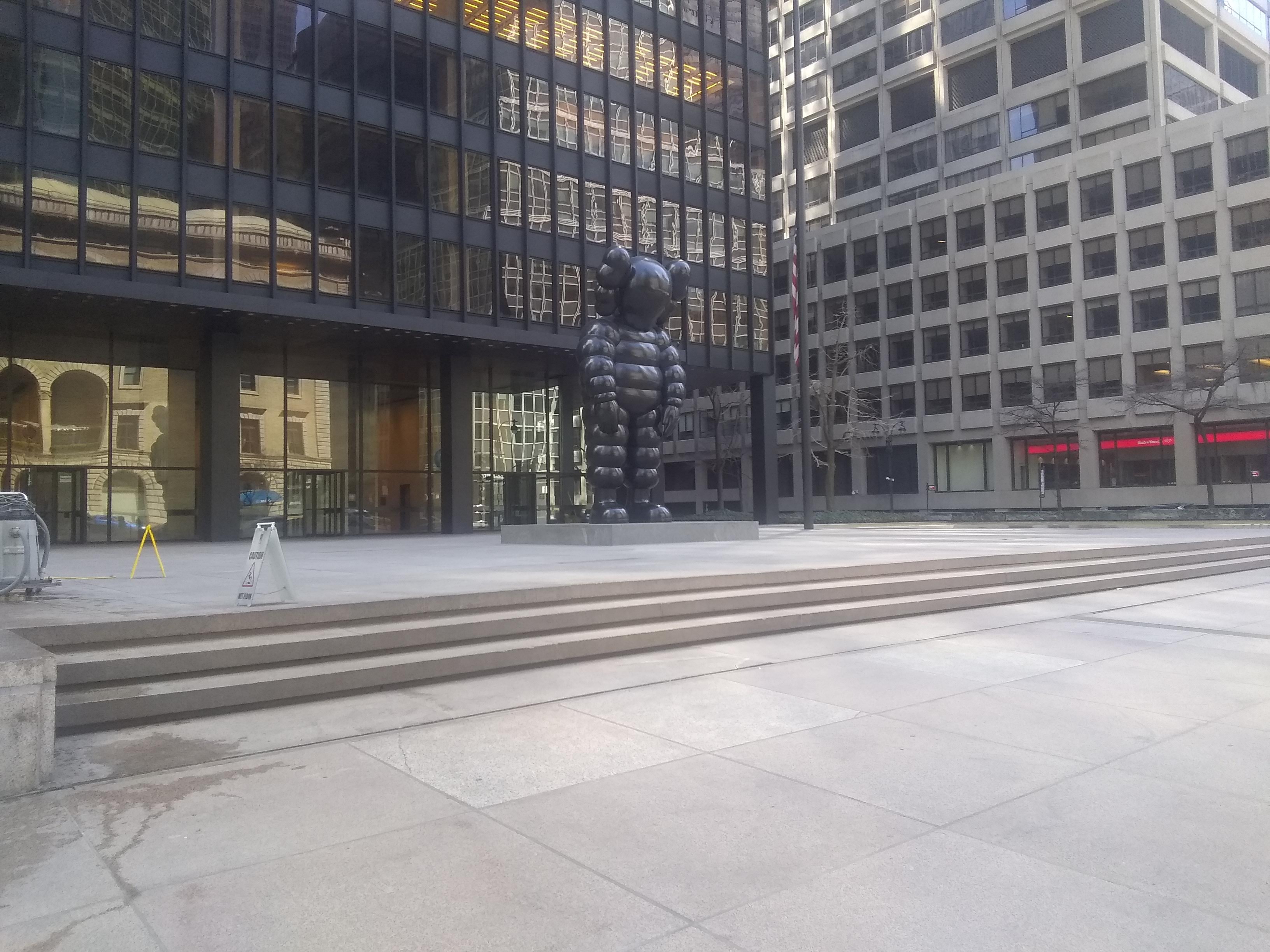
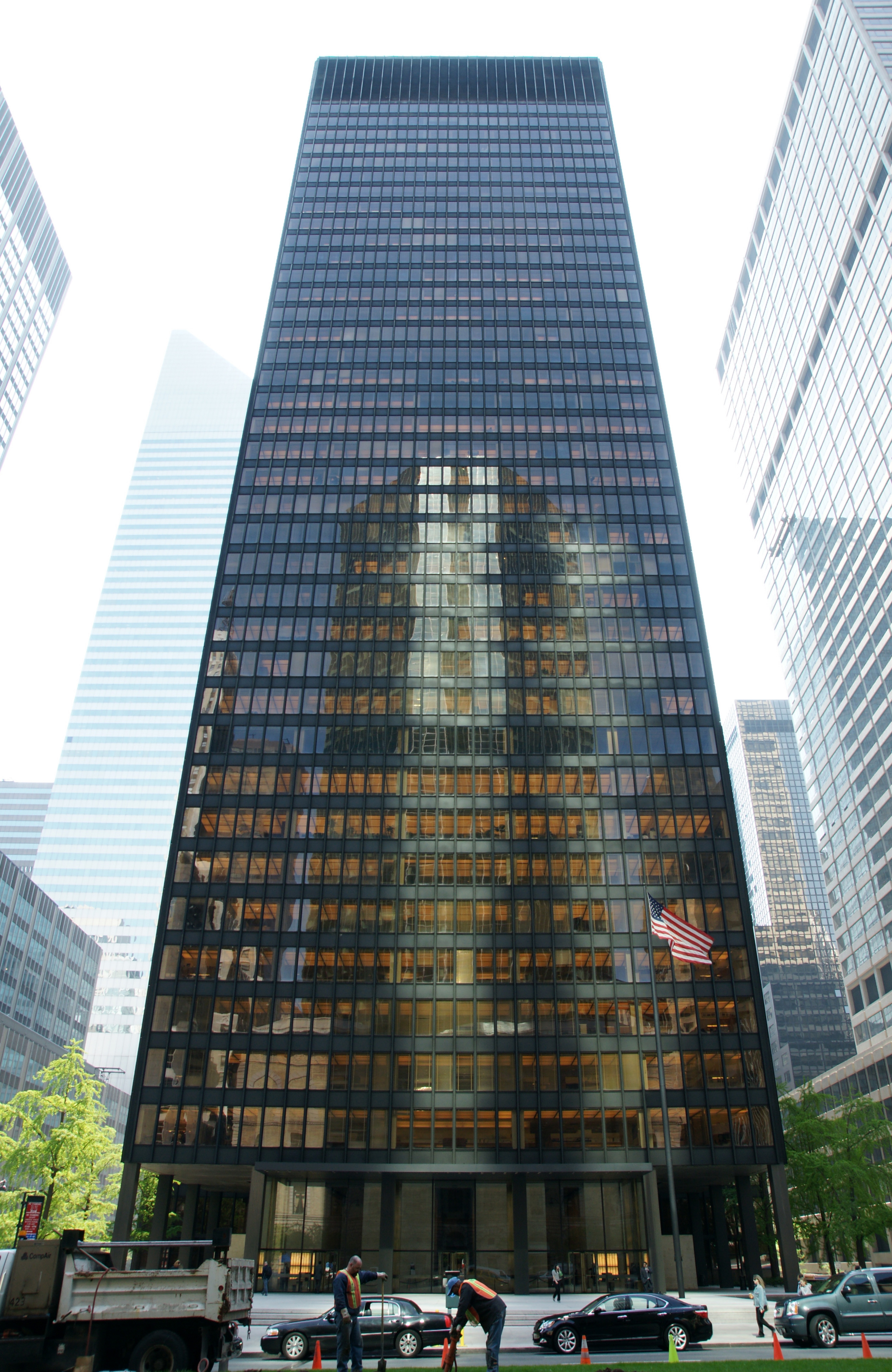
Completed in 1958 for Samuel Bronfman's Seagram company, Mies van der Rohe's bronze tower stands roughly ninety feet back from Park Avenue behind an open granite plaza with twin reflecting pools, land surrendered voluntarily at a moment when no law required or rewarded it. The plaza was so admired that New York's 1961 Zoning Resolution was written around the result, trading extra rentable floors for public open space at ground level and producing roughly 500 privately owned public spaces citywide.
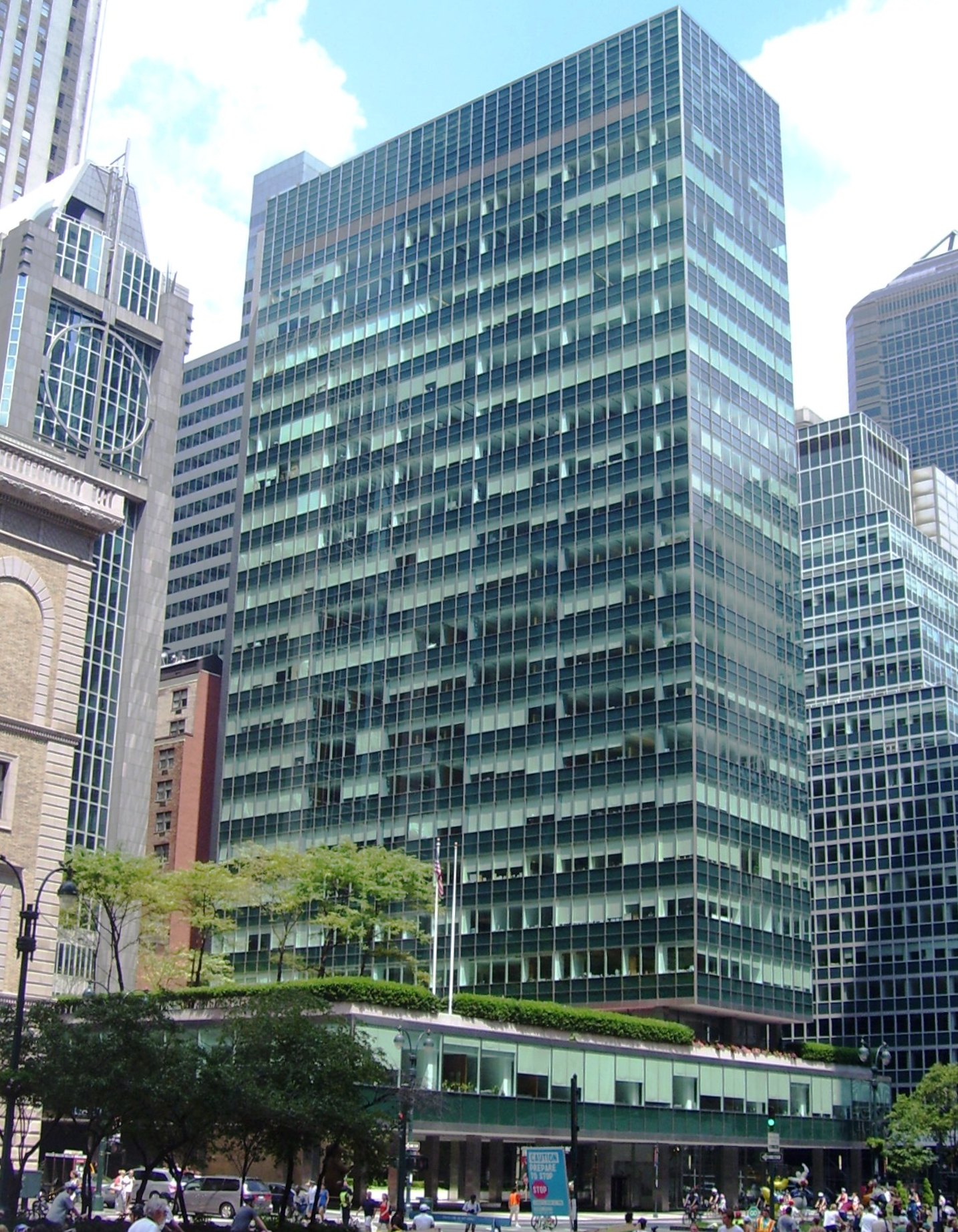
Lever House, completed in 1952 by Skidmore, Owings & Merrill, occupies only about a quarter of its Park Avenue lot, leaving the rest as an open, raised courtyard it gave away voluntarily, nine years before any zoning rule existed to reward the gesture.
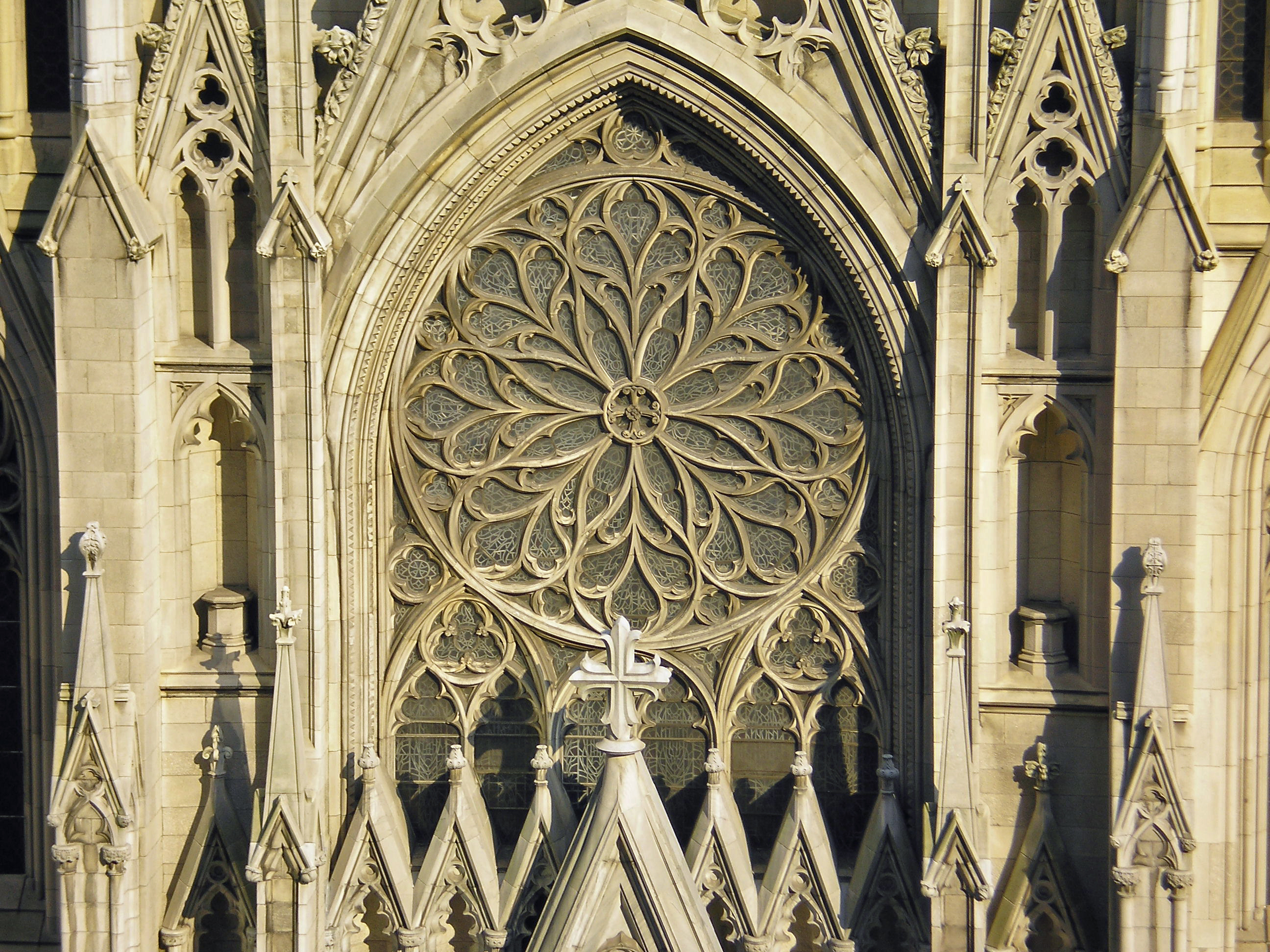
Begun in 1858 on open countryside and mocked as Hughes' Folly, St. Patrick's Cathedral was funded largely by small donations from Irish immigrants and opened in 1879 as the largest public room on the route, free to enter and owing nothing to any zoning bonus.
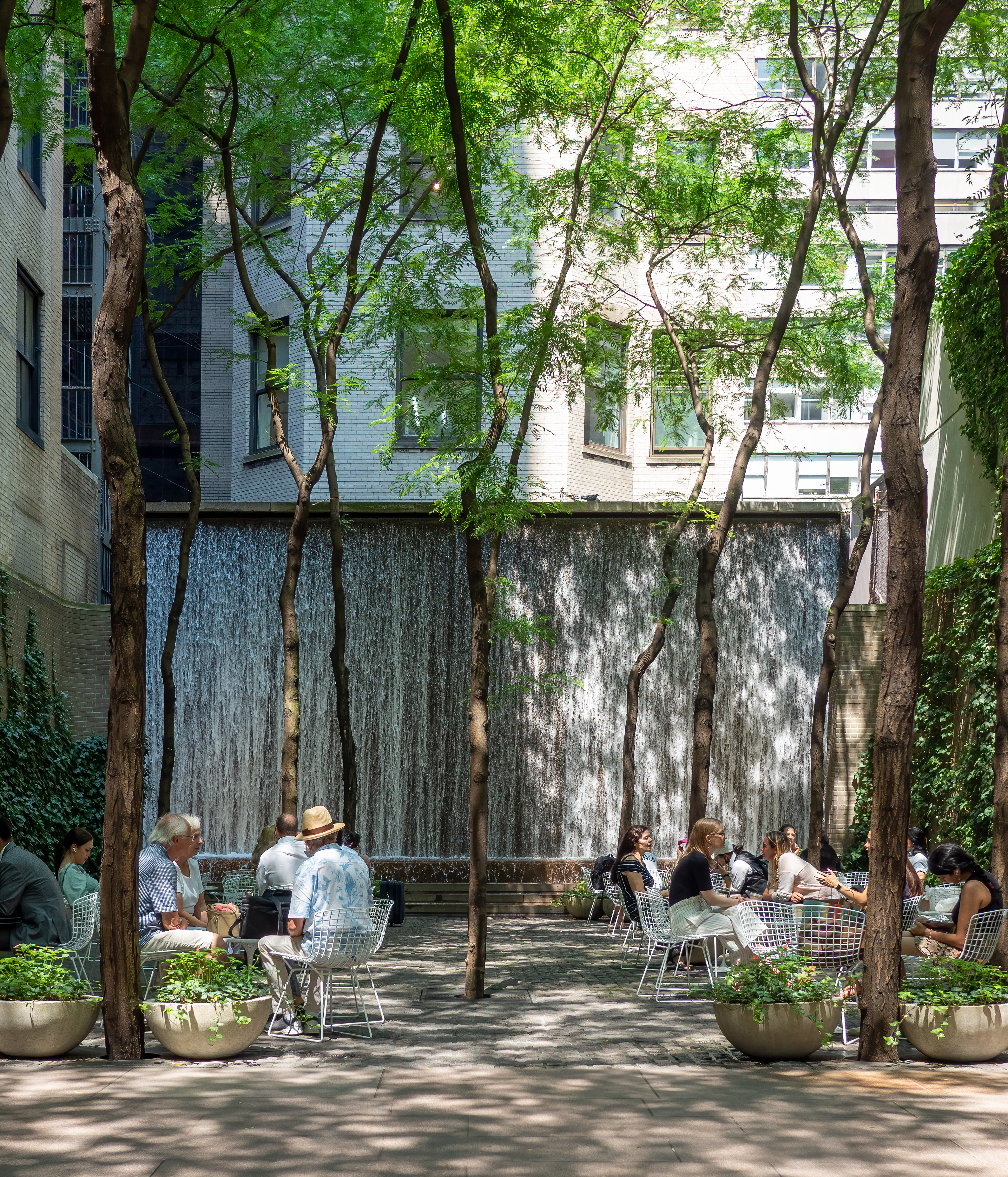
Paley Park is a privately funded pocket park that William S. Paley of CBS built in 1967 in memory of his father on the former site of the Stork Club, with no zoning bonus attached to it. Its honey-locust canopy, movable chairs, and twenty-foot waterfall wall have been widely imitated since.
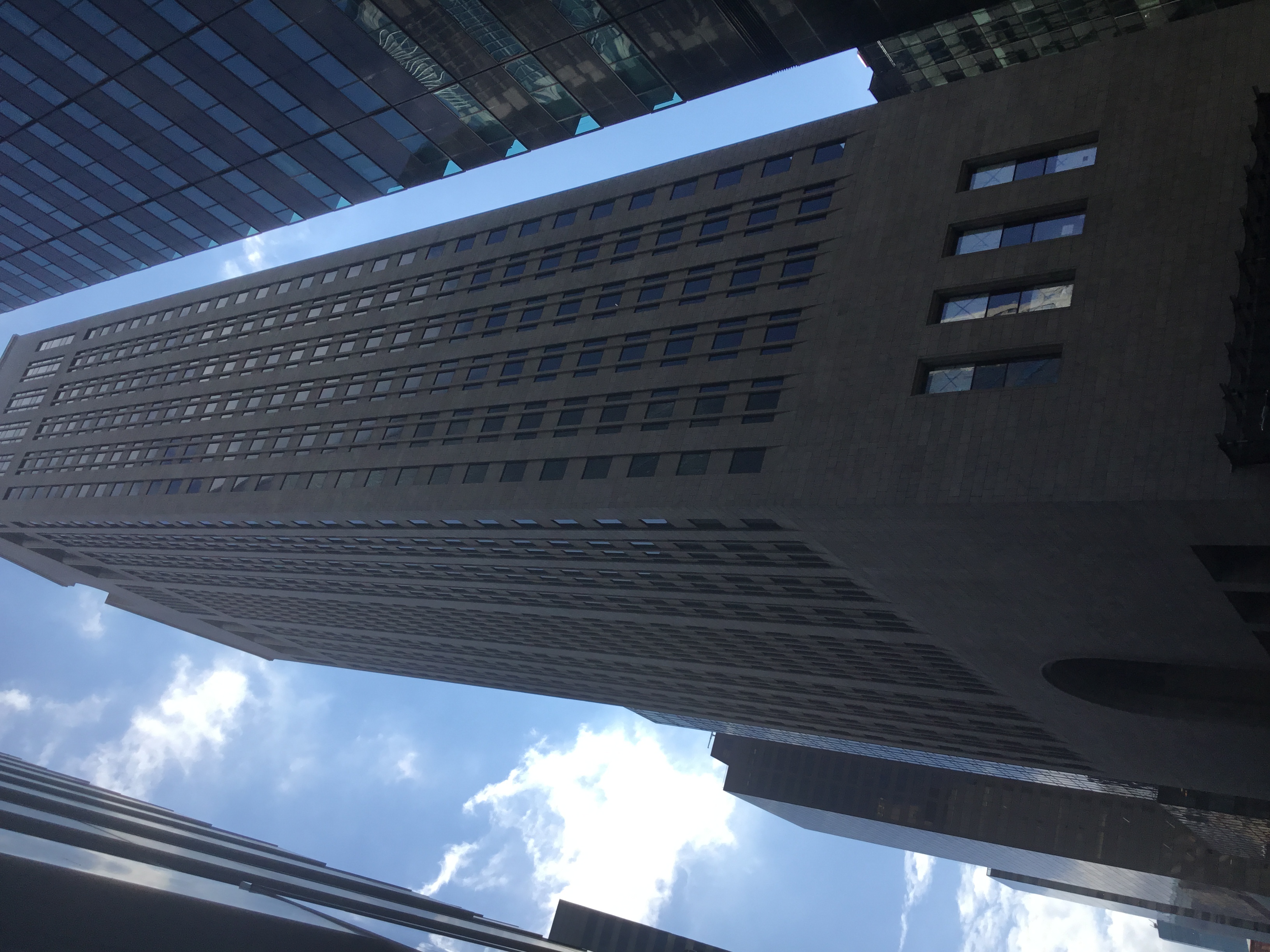
The former AT&T Building, designed by Philip Johnson and John Burgee and completed in 1984, traded height for a covered arcade rather than an open plaza; that ground level was rebuilt from scratch in 2022 as a Snøhetta-designed public garden.

The stretch of Fifth Avenue running north from 59th Street was Millionaires' Row, the densest concentration of private mansions in America, and almost every one of them was demolished within a generation of being completed. The handful that survive did so by ceasing to be private: the Frick, Duke and Warburg houses are all museums or institutions today.
This is the real story from one stop on this walk — every stop has one.
An ancient dietary rule forbids mixing meat and dairy — so no shop could sell both, and the Lower East Side's food trade…
A 48-acre freshwater pond once sat where Chinatown meets the courthouses. It was poisoned by its own tanneries, filled…
The blocks of SoHo look like carved stone palaces and almost none of it is stone. These facades were ordered from…
We use cookies to analyse site traffic and improve your experience. You can choose to accept or reject analytics cookies. Learn more