Two Fires and a Vendetta: Ryogoku
Tokyo · Japan

Two Fires and a Vendetta: Ryogoku

Tokyo, Japan
105
Duration (min)
4.3
Distance (km)
9
Stops
Easy
Difficulty

Description

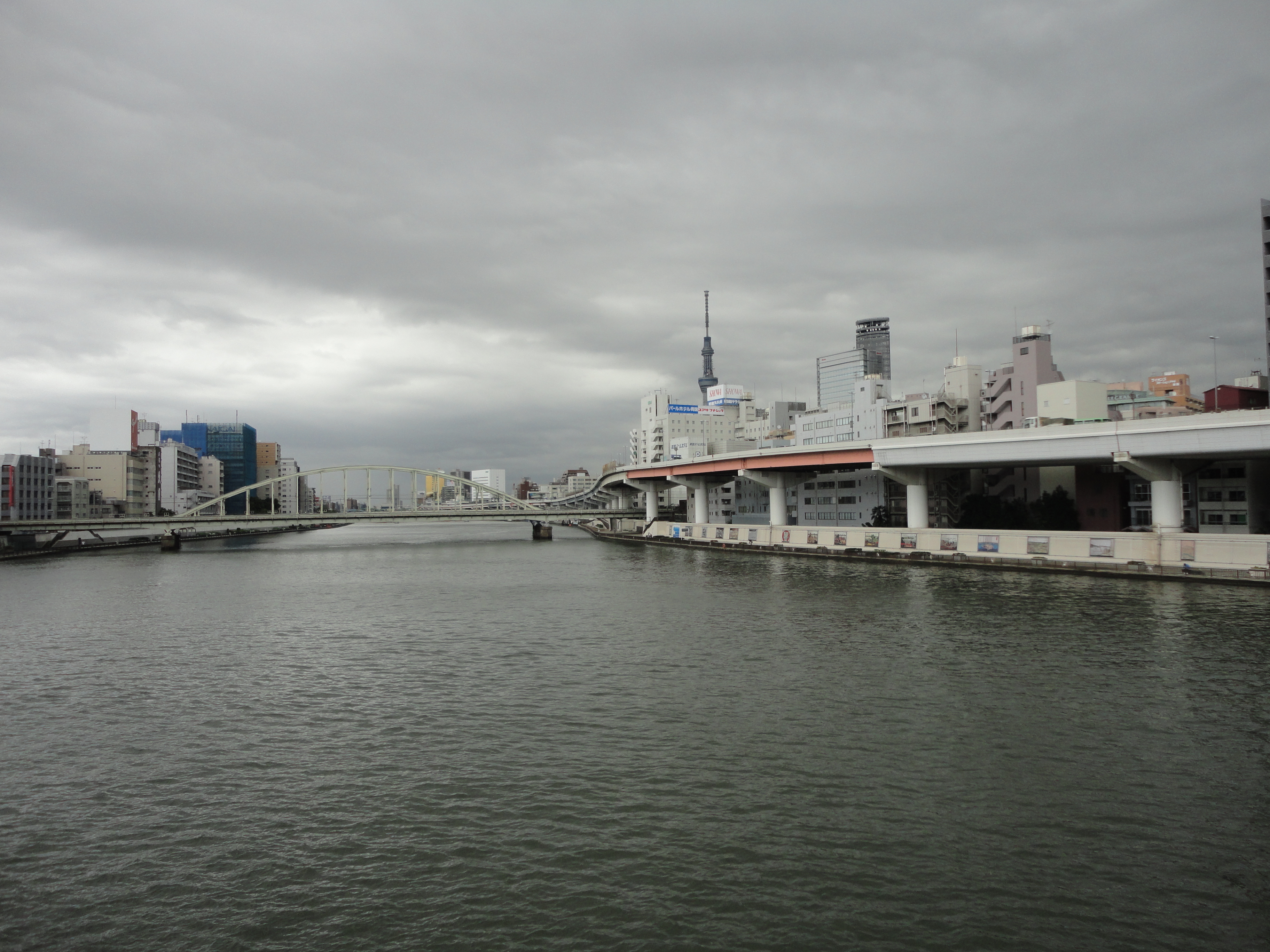
The east bank of the Sumida holds three things the rest of Tokyo paved over: its oldest sport, its most retold grudge, and its dead. This walk starts among the sumo stables and the arena, crosses the courtyard where forty-seven retainers ended a two-year vendetta in 1702, and ends at the open lot where a firestorm killed roughly 38,000 people sheltering there on 1 September 1923 — beside the memorial hall that also took in the ashes of the 1945 air raids, the only place in Tokyo where both catastrophes are held together. It finishes on a bridge that exists because of a fire.

Highlights

The shrine to sumo's mythical founder, still visited by the Sumo Association before every Tokyo tournament A working sumo stable, seen the only way it should be seen — from the street, quietly Eko-in, founded for the unclaimed dead of the 1657 fire, which later hosted the charity tournaments that preceded professional sumo The courtyard and well where the 47 ronin ended their vendetta in December 1702 Yokoamicho Park and the memorial hall holding the dead of both 1923 and 1945
Tour Stops

Nomi-no-Sukune Shrine
1

Nomi-no-Sukune Shrine

5 min

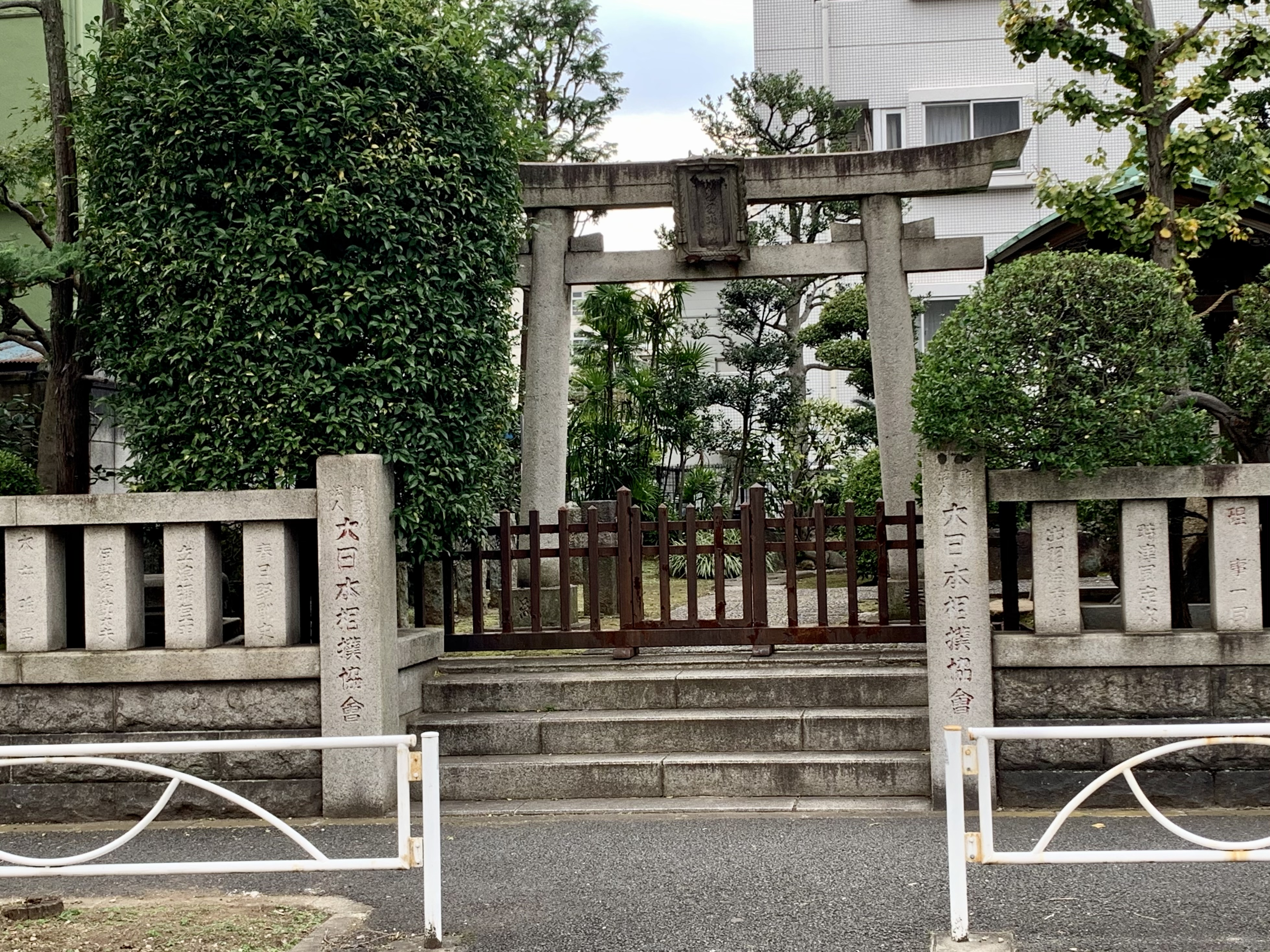
A small, unstaffed shrine to Nomi no Sukune, the legendary founder of sumo, founded in 1885 on the site of a former daimyo's Edo residence and still visited by the Japan Sumo Association before every Tokyo tournament.
Ryogoku Kokugikan
2

Ryogoku Kokugikan

5 min

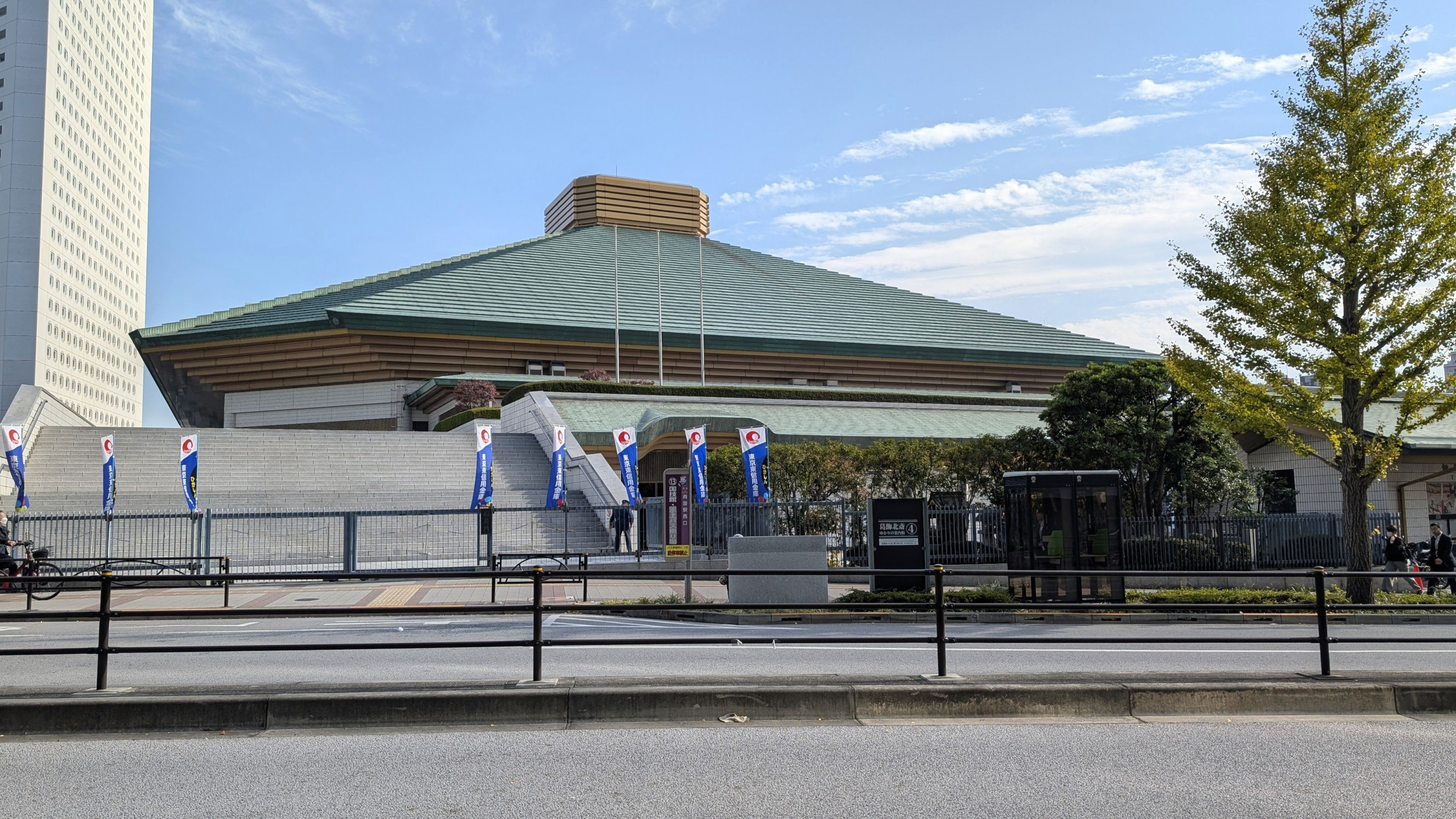
Ryogoku Kokugikan is the 1985 arena that has hosted Tokyo's Grand Sumo tournaments ever since, seating just over 11,000 people under a roof suspended in the style of a Shinto shrine. Three of the six annual tournaments are held here, and a visitor can get inside on almost any tournament day without planning ahead.
Kasugano-beya (sumo stable exterior)
3

Kasugano-beya (sumo stable exterior)

5 min

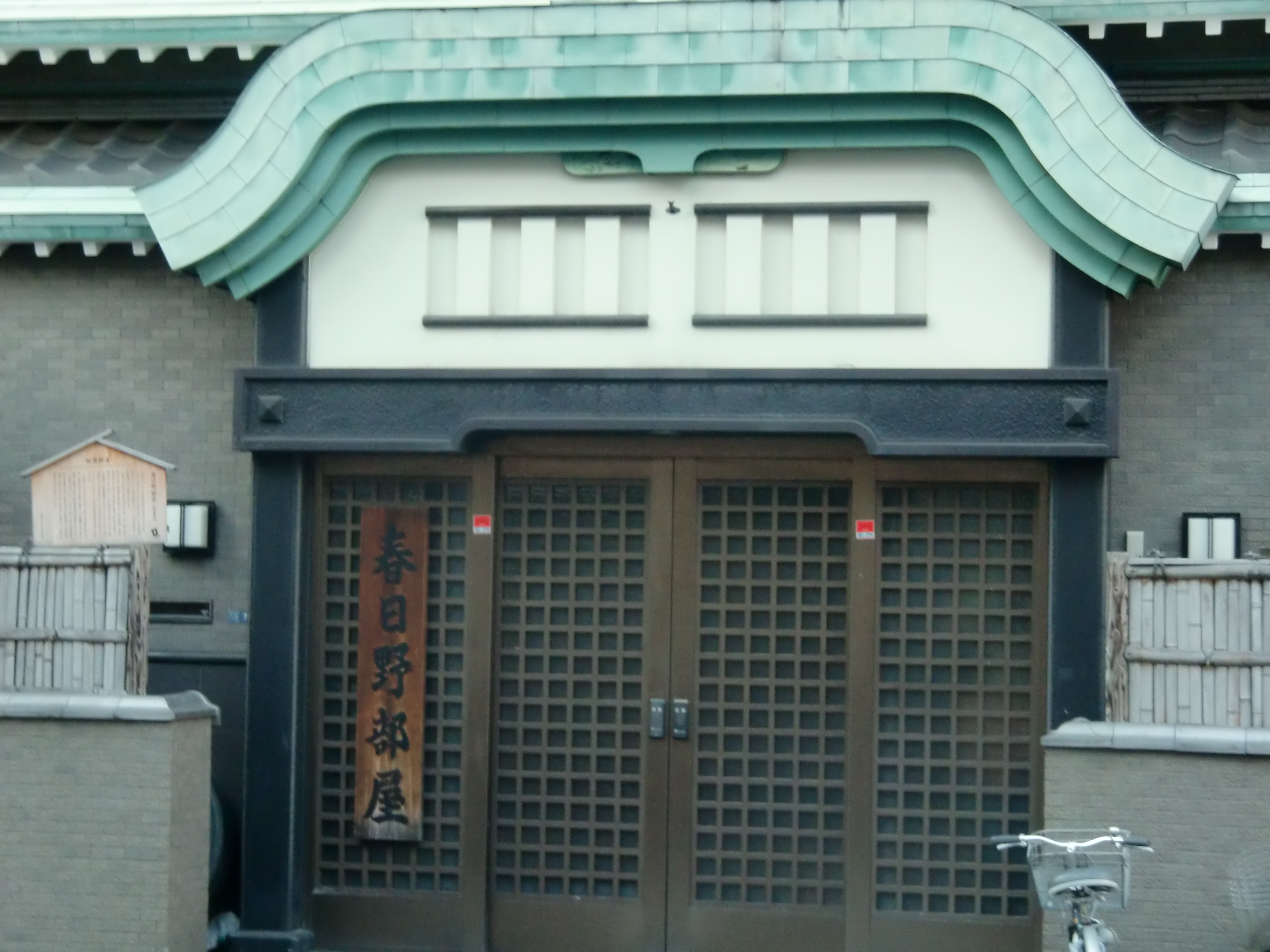
Kasugano-beya is a working sumo stable tucked into an ordinary street near the station, one of roughly two dozen such houses clustered around Ryogoku where wrestlers actually live and train. Its plain door is a private threshold, not an attraction, and the etiquette here is simple: don't knock, don't photograph in, and keep your voice down.
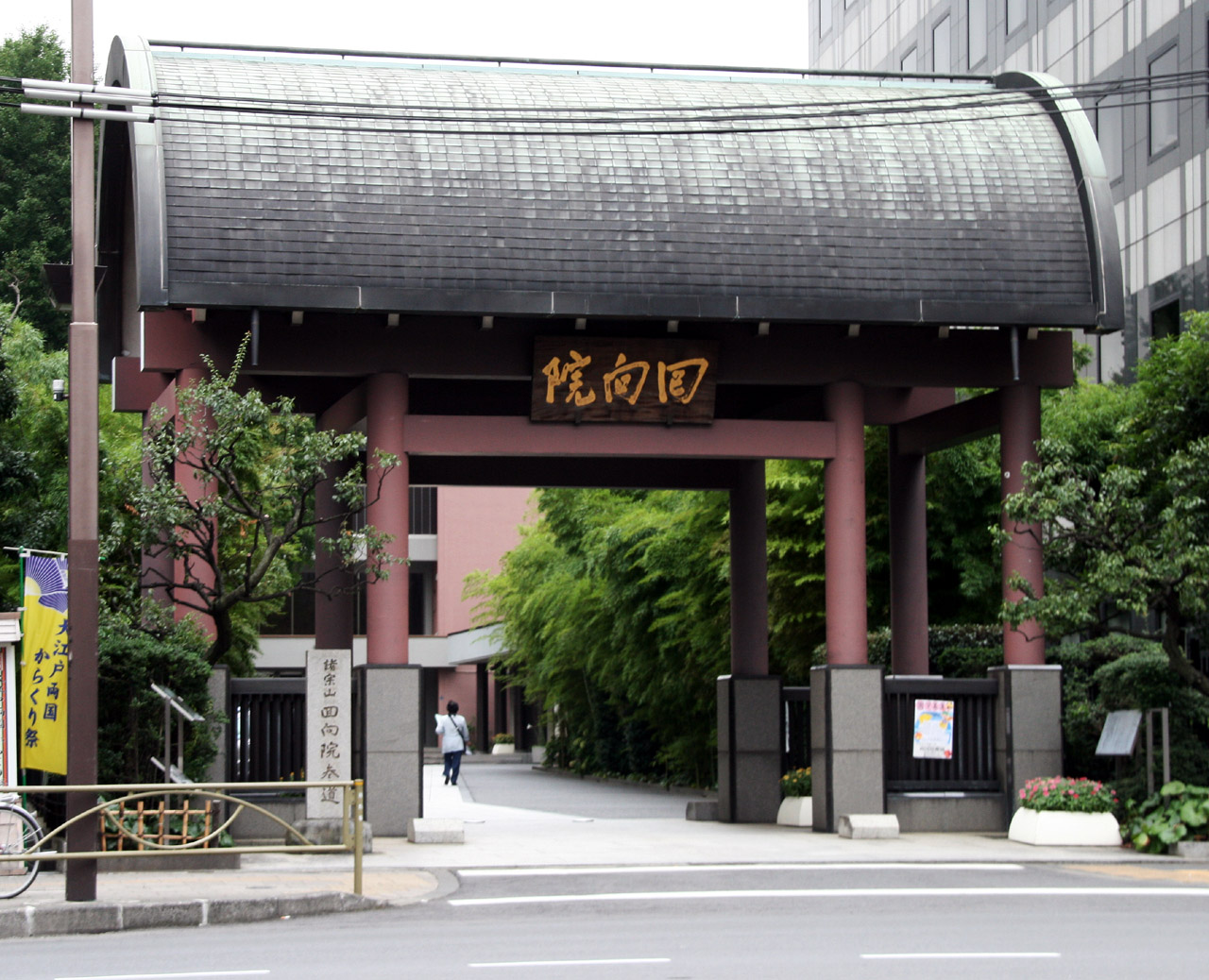
Eko-in
4

Eko-in

5 min

Founded in 1657 by shogunal order to bury roughly 100,000 unclaimed dead of the Meireki fire, Eko-in later hosted the kanjin-zumo charity tournaments — the forerunner of professional sumo — from 1768 until 1909.
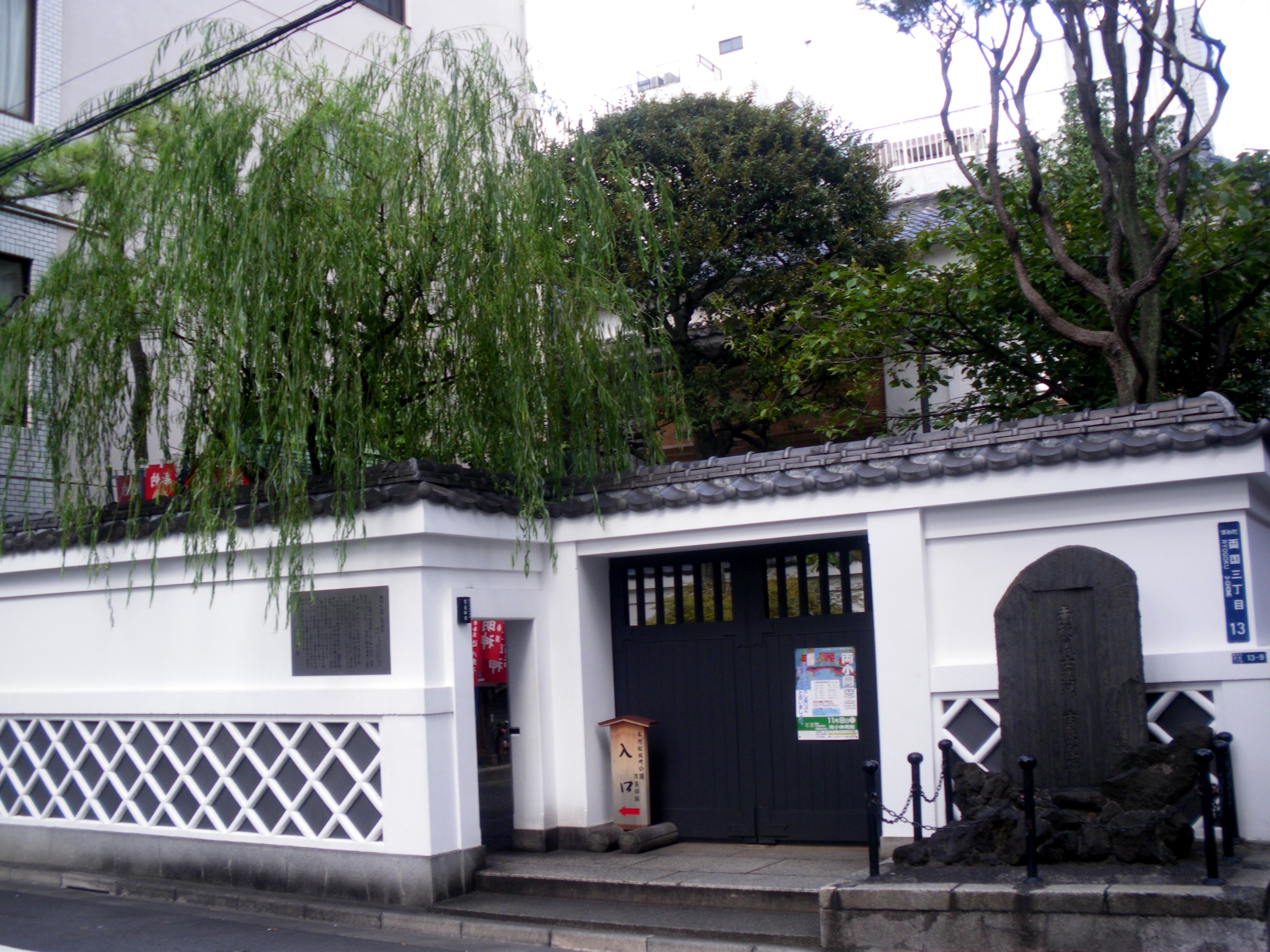
Kira's Residence Site (Honjo Matsuzaka-cho Park)
5

Kira's Residence Site (Honjo Matsuzaka-cho Park)

5 min

A small fenced courtyard on the site of Kira Yoshinaka's mansion, with its original well still in place, marks where forty-seven of Asano Naganori's former retainers killed Kira on the snowy night of 14 December 1702, ending a vendetta that had been building since Asano's forced seppuku twenty months earlier.
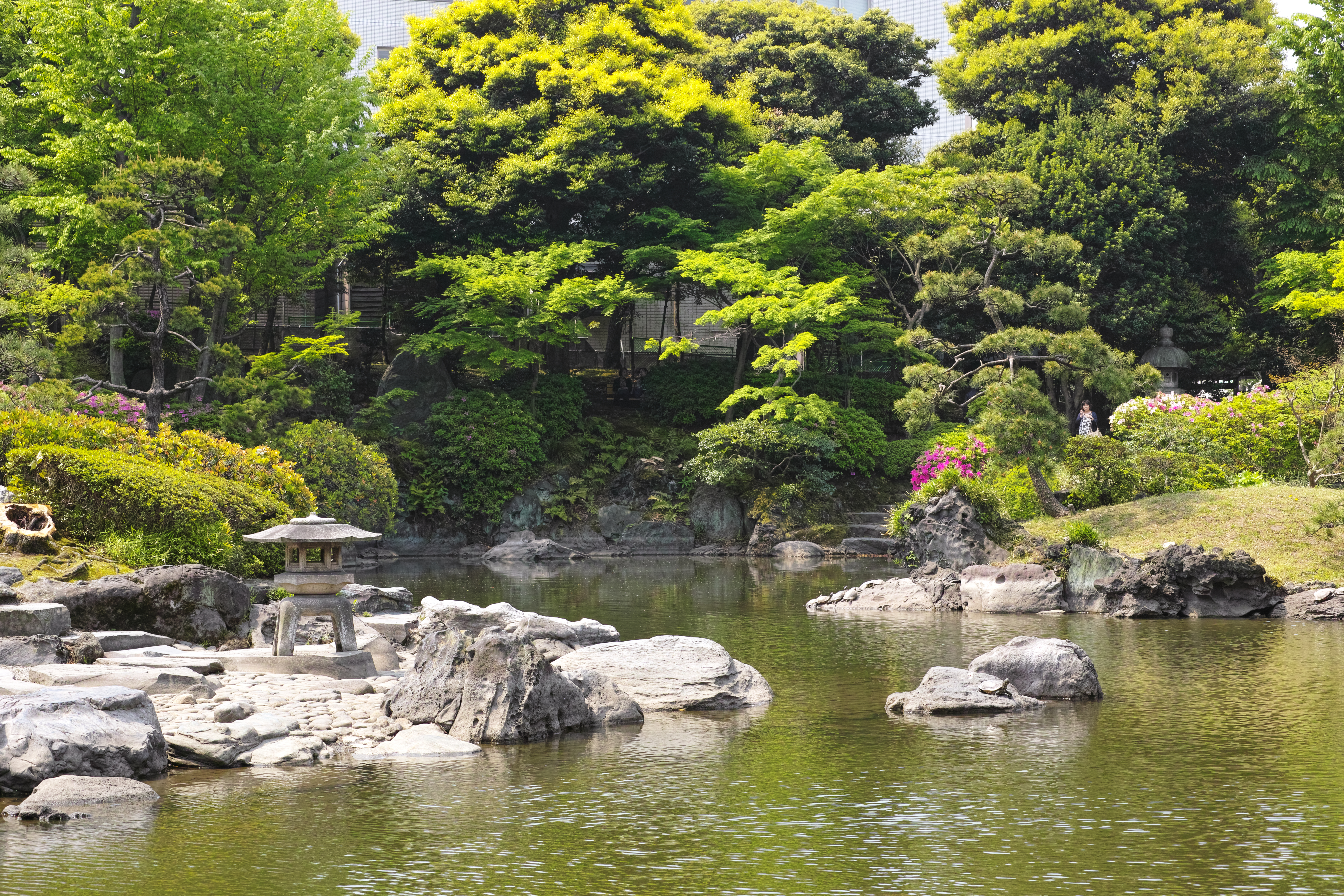
Kyu-Yasuda Garden
6

Kyu-Yasuda Garden

5 min

A free Edo-period strolling garden built in the 1690s around a pond once fed by the tide of the Sumida River, later owned by financier Yasuda Zenjiro and donated to Tokyo in 1922. Destroyed in the 1923 earthquake, it was rebuilt by 1927 and is now kept by Sumida Ward.
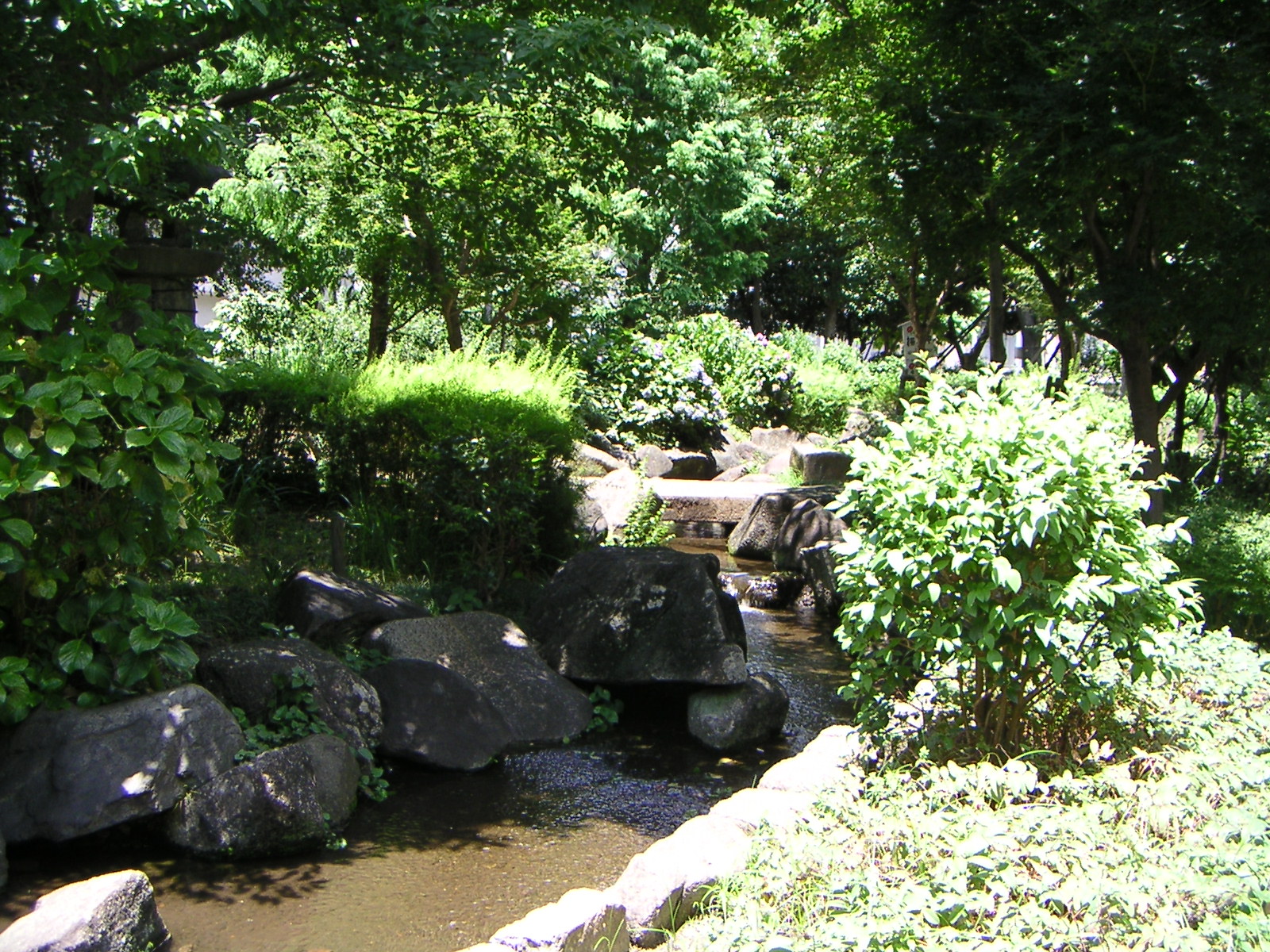
Yokoamicho Park
7

Yokoamicho Park

5 min

This open ground was a cleared former army clothing depot lot, already being converted into a public park, when a crowd sheltering here from the fires of the 1 September 1923 earthquake was overtaken by a fire whirl — roughly 38,000 people died on this spot in a matter of hours. The city abandoned the original park plan and dedicated the ground permanently to their memory instead.
Tokyo Memorial Hall and the Reconstruction Memorial Hall
8

Tokyo Memorial Hall and the Reconstruction Memorial Hall

5 min

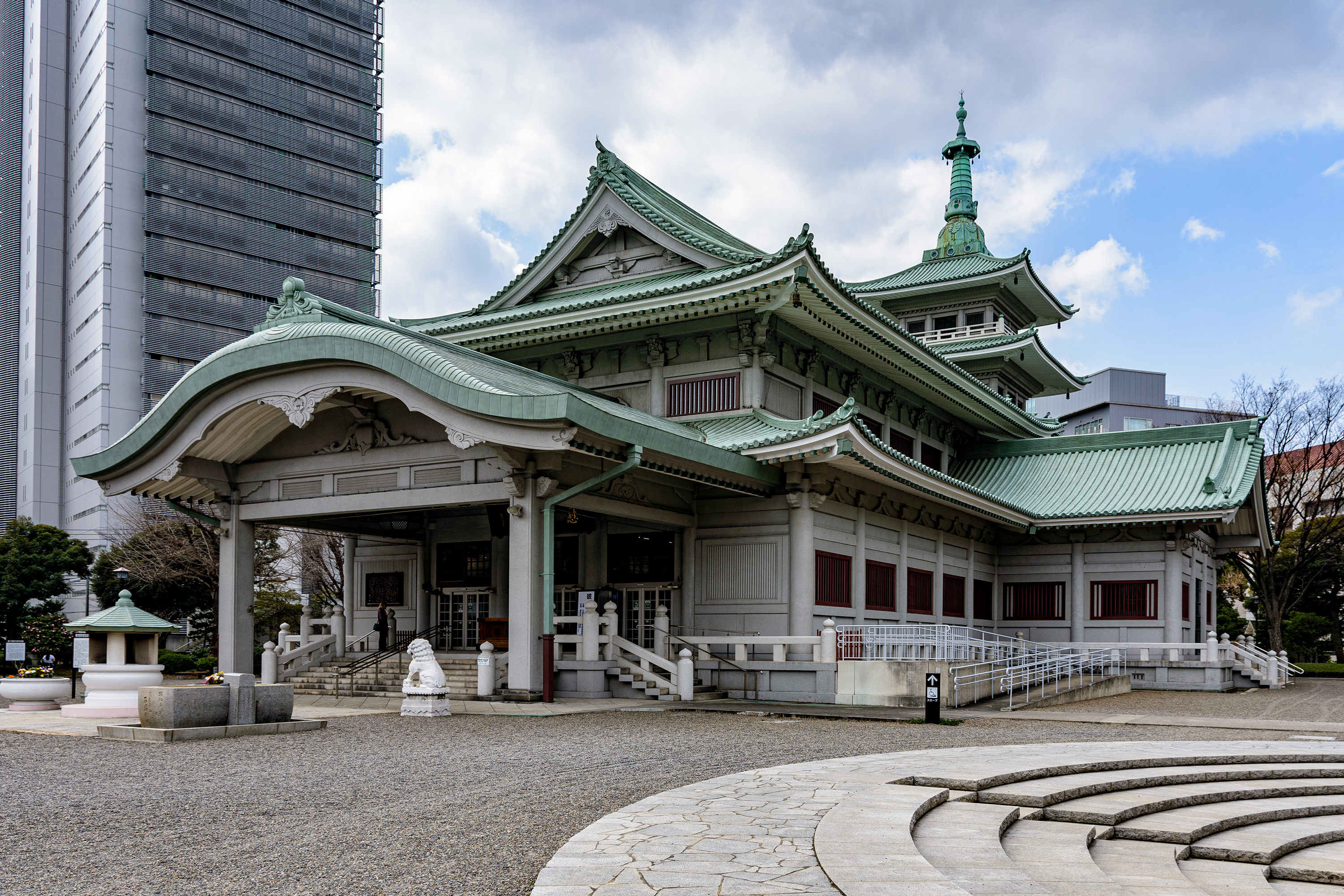
Ito Chuta's 1930 memorial hall holds the ashes of the 1923 earthquake dead in a pagoda ossuary, and since 1951 the ashes of the 1945 air-raid dead as well; the Reconstruction Memorial Hall next door displays objects fused by the fire's heat, and the park also holds a separate memorial to Korean residents killed in the violence that followed the earthquake.
Ryogoku-bashi
9

Ryogoku-bashi

5 min

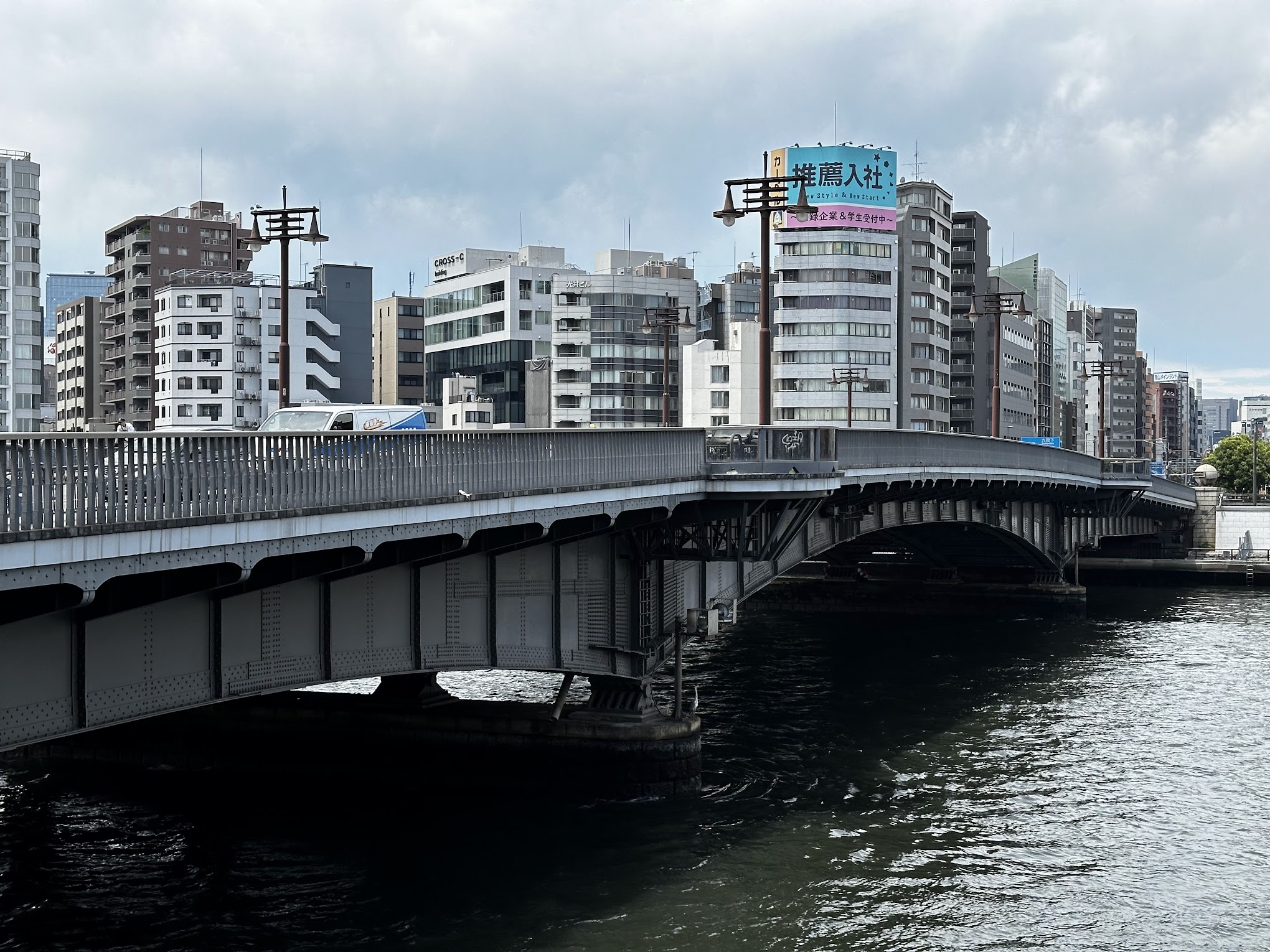
The tour closes at Ryogoku Bridge, first built in 1659 after the Meireki fire trapped people against the river with no crossing, and rebuilt in its current 1932 form as part of Goto Shinpei's systematic post-1923 reconstruction of Tokyo.

A Taste of the Tour

This is the real story from one stop on this walk — every stop has one.

Nomi-no-Sukune Shrine

Ryogoku sits on the east bank of the Sumida river, a district that has always done different work than the rest of Tokyo. This walk starts among sumo, in the streets where wrestlers still train each morning before most of the city is awake, and moves on through the old grid of Edo-era lanes. From there it turns to one of Japan's most famous stories of loyalty and revenge, a vendetta carried out patiently over years and settled not far from here. The walk stays flat throughout, about four kilometres over roughly a hundred minutes, nine stops in total, finishing on a bridge over the river. One thing to know before you start: the second half of this route deals directly with two mass-casualty disasters in Tokyo's history, the 1923 earthquake and fire and the 1945 air raids, and it ends at a memorial that holds the dead of both. That isn't the tone of the whole walk, but it is where the walk ends, so it's worth knowing going in. Start here, among the wrestlers, and let the district take you where it wants. You're standing in front of a shrine you could walk past without noticing — no vermilion gate looming over the street, no crowd, just a modest enclosure set back behind a gate that's usually kept shut. That smallness is the point. This is Nomi-no-Sukune Shrine, and everyone who matters in professional sumo still comes here. The story it keeps goes back to Japan's oldest written histories. In the Nihon Shoki, compiled in 720, Emperor Suinin heard that a strongman named Taima no Kehaya was boasting no one could beat him in a fight, so he sent for a man from Izumo, on the other side of the country, named Nomi no Sukune. The two grappled — kicking, striking, wrestling by whatever rules existed then, closer to a fight than a match — and Sukune broke Kehaya's ribs and hip, killing him. The emperor rewarded Sukune with Kehaya's land. Sumo has spent the fourteen centuries since treating that single brutal contest as its founding moment, and this is the only stop on this walk that tells it — everywhere else, you'll just hear Sukune's name in passing. The shrine itself is far younger. It was founded in 1885, when the first Takasago Uragoro — head of a sumo stable that once stood right next door — obtained the site of a former daimyo's Edo residence, the Tsugaru family's, and set it aside to formalize sumo's link to its legendary ancestor. Look for the twin stone monuments standing in the small grounds: together they carry the name of every yokozuna sumo has ever promoted, from the very first, centuries ago, through to the wrestlers ranked today. The Japan Sumo Association keeps adding to them, which makes this modest patch of ground the sport's actual, physical record — more complete, in its narrow way, than any museum case could be. It still functions, too, not just as history. When a wrestler is promoted to yokozuna, he performs a dedication ring-entering ceremony here before doing it in public. And before every Tokyo tournament begins, the Sumo Association's chairman and its head judges come to this shrine for a formal rite — not a photo opportunity, an actual ceremony, held at a site most tourists in Ryogoku never find. That's the thread this whole walk is following: the east bank kept what the west bank paved over. Tokyo has torn itself down and rebuilt itself again and again, but sumo's governing body still treats this cramped, unstaffed shrine — not the enormous arena a few streets away — as the place where its authority actually starts. Finding it takes a little attention. It sits along Hokusai-dori, set back with a parking gate that's normally closed, easy to walk straight past if you're not looking for it. From Exit A3 of the Oedo Line's Ryogoku Station, cross at the signal in front of the Edo-Tokyo Museum, continue straight, and it's on your right at the third traffic light. From here, the Kokugikan — the arena itself — is about ten minutes on foot to the west, and that's where this walk goes next.

More Tours in Tokyo

Nearby Cities

Back to Tokyo Tours

Cookie Consent

We use cookies to analyse site traffic and improve your experience. You can choose to accept or reject analytics cookies. Learn more