New York · United States
Sugar, Beer and the Waterfront
New York, United States
The Domino refinery, its scale and where the raw cane actually came from Dozens of German lager breweries, and why today's is a revival not a survival Smorgasburg — Saturdays only, April to October, and what's there otherwise WNYC's transmitter towers, and the Newtown Creek Superfund shoreline Manhattan Avenue, Polish Greenpoint, still open for business
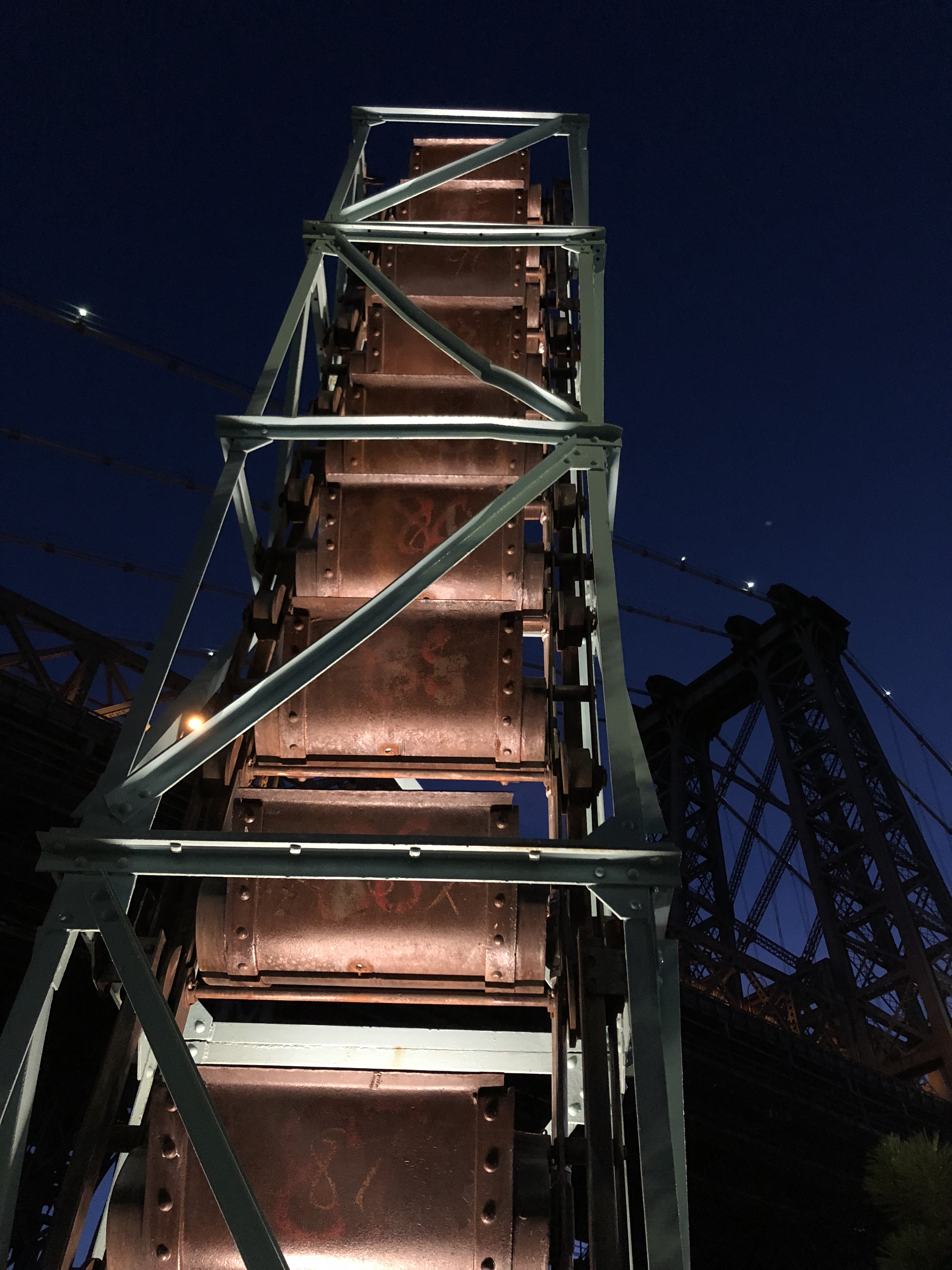
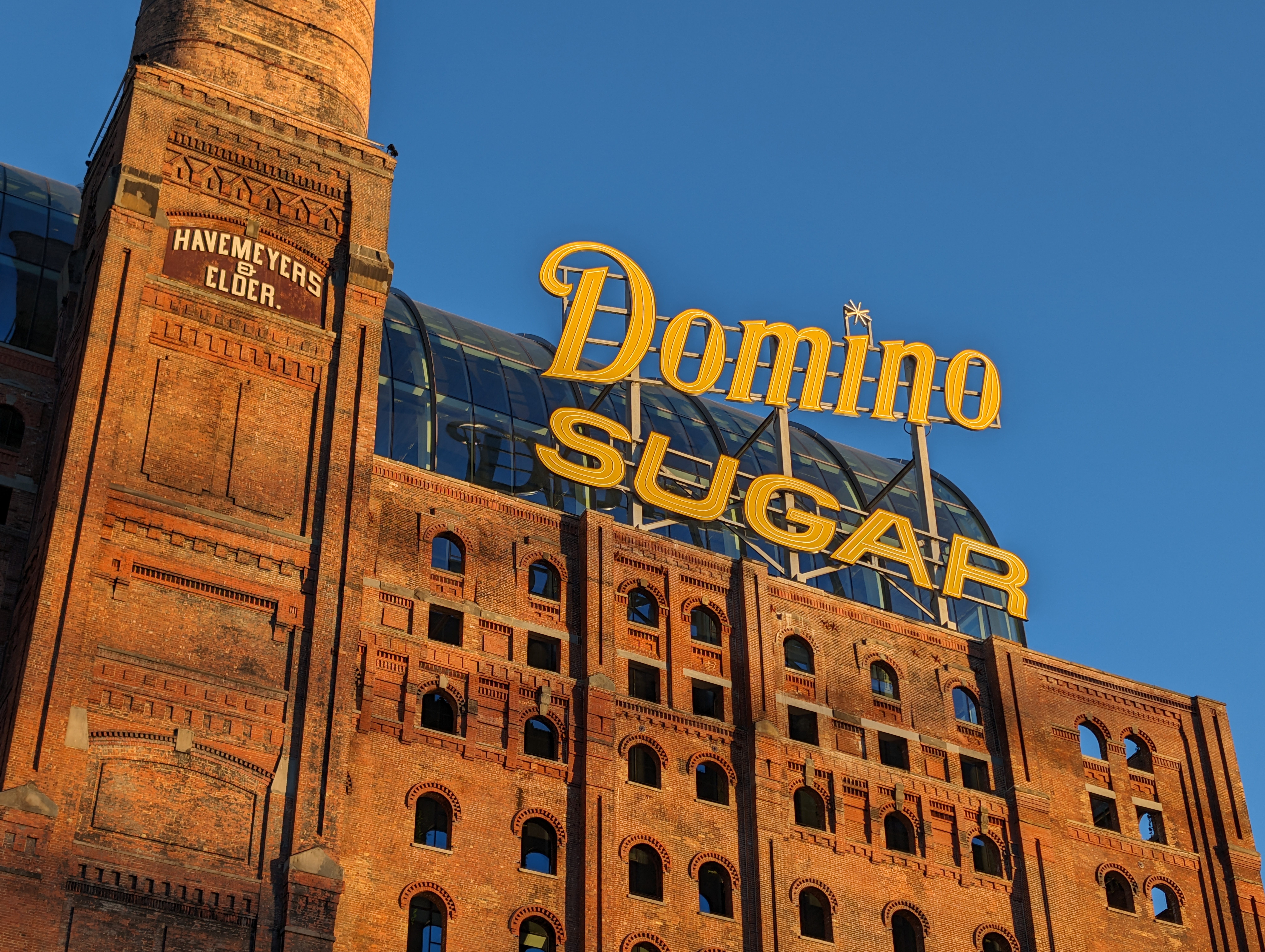
Domino Park sits on the site of the Havemeyer sugar refinery, which at its peak refined more than half the sugar consumed in the United States. The park is free and public, built by the developer of the towers around it, and keeps the plant's salvaged gantry cranes, syrup tanks and elevated crane track in place; the landmarked Refinery building beside it is now private offices.
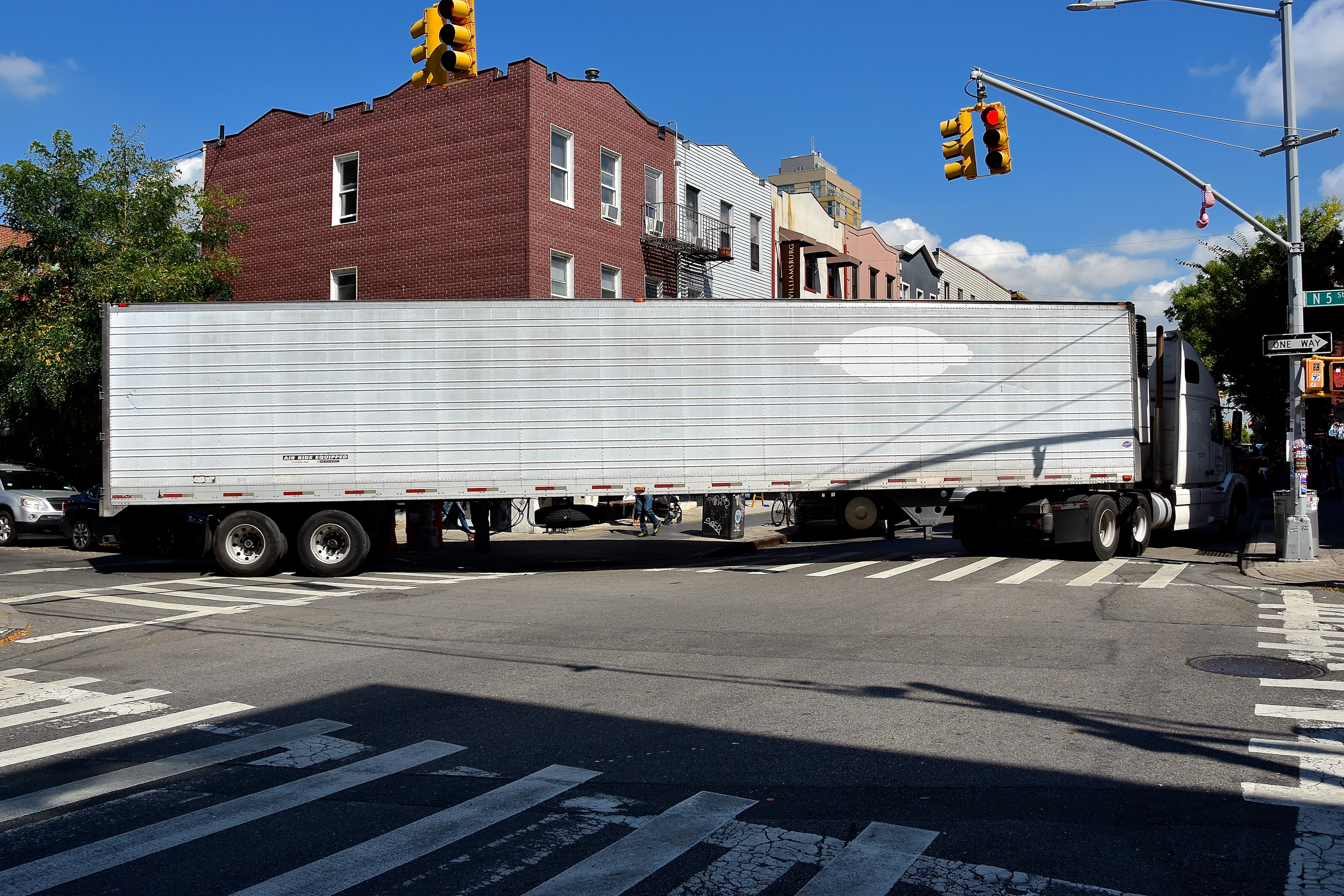
Bedford Avenue is the commercial strip that gave Williamsburg's transformation its name and its caricature, two blocks from the Satmar Hasidic, Puerto Rican and Dominican, and Italian-rooted communities that were here first and still are.
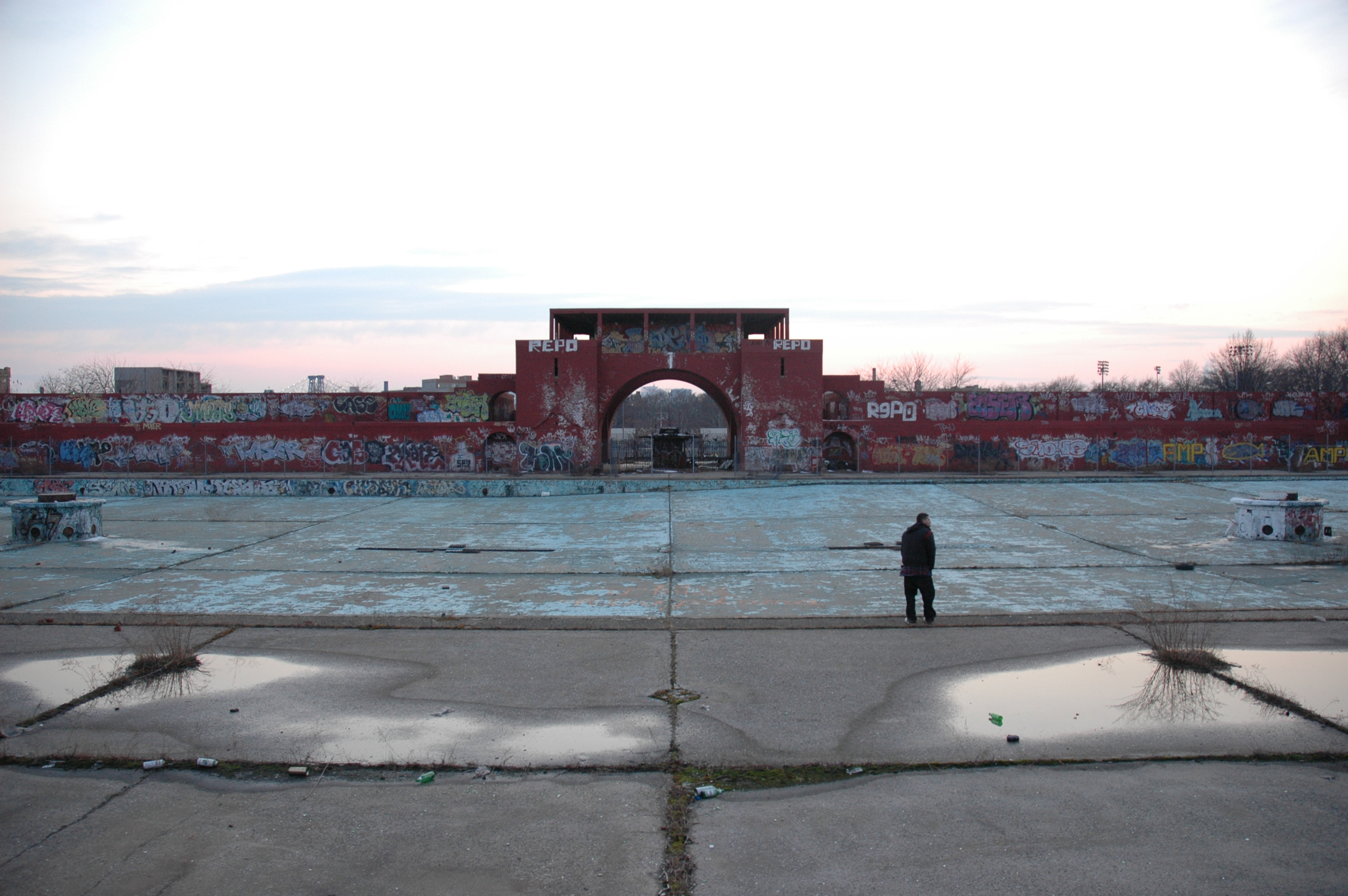
McCarren Park's WPA-era pool opened in 1936 for roughly 6,800 swimmers, closed in 1984, sat derelict for two decades, and reopened in 2012 as the neighborhood around it had already changed. The park itself sits on the line where Williamsburg ends and Greenpoint begins.
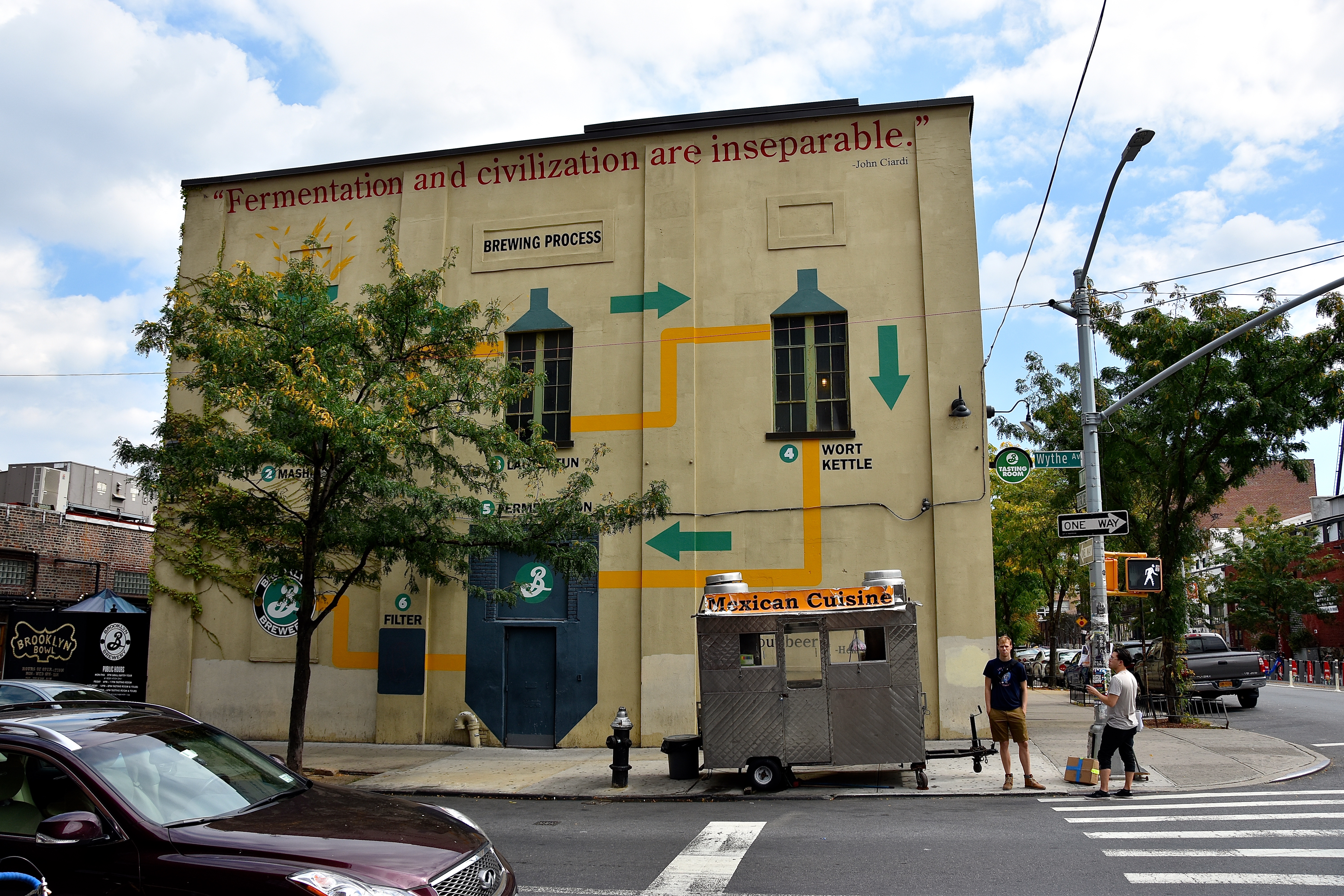
Brooklyn Brewery occupies a former matzo factory on North 11th Street and was founded in 1988, when this was cheap and largely unwanted industrial space. Williamsburg and Bushwick once held dozens of breweries founded by German immigrants, an industry destroyed by Prohibition and postwar consolidation.
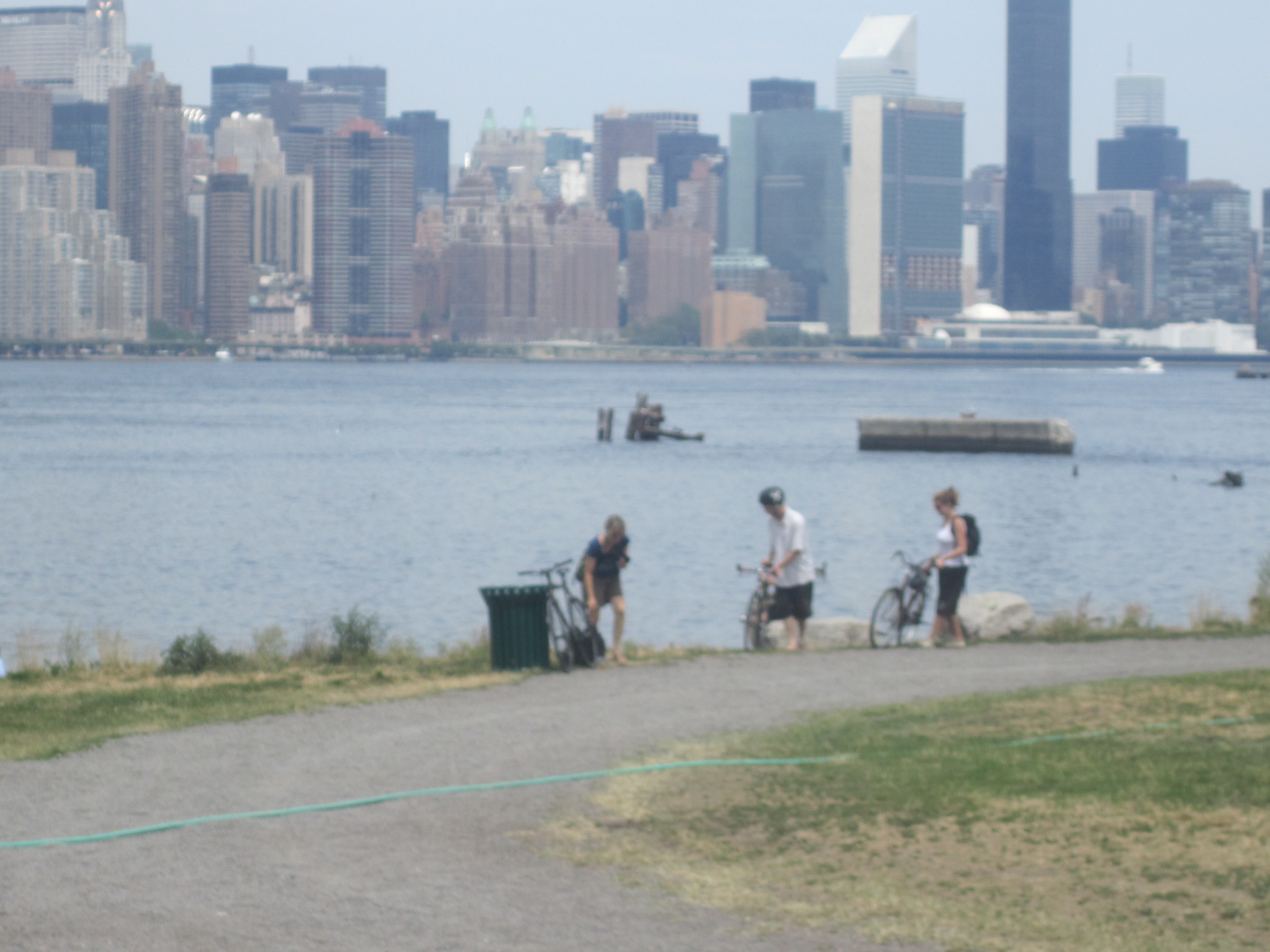
On Saturdays from roughly April through October, Marsha P. Johnson State Park at 90 Kent Avenue hosts Smorgasburg, a free open-air food market running 11am to 6pm; on every other day, and all winter, it is simply an open waterfront park with lawn and skyline views.
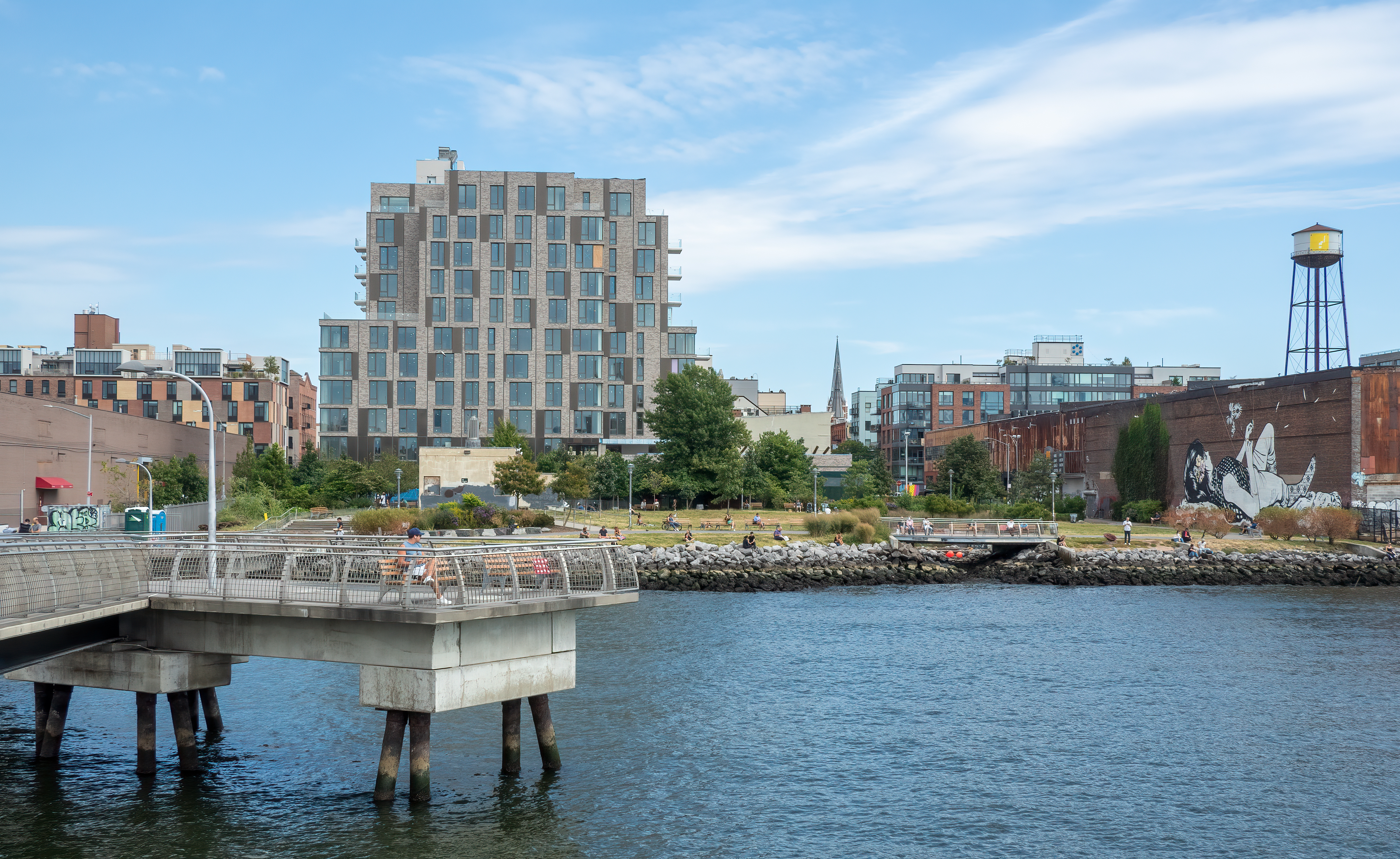
A shoreline park built on the site of WNYC's AM radio transmitter, with its WPA-era transmitter building still standing and Newtown Creek's Superfund pollution as the unglamorous view just upstream.
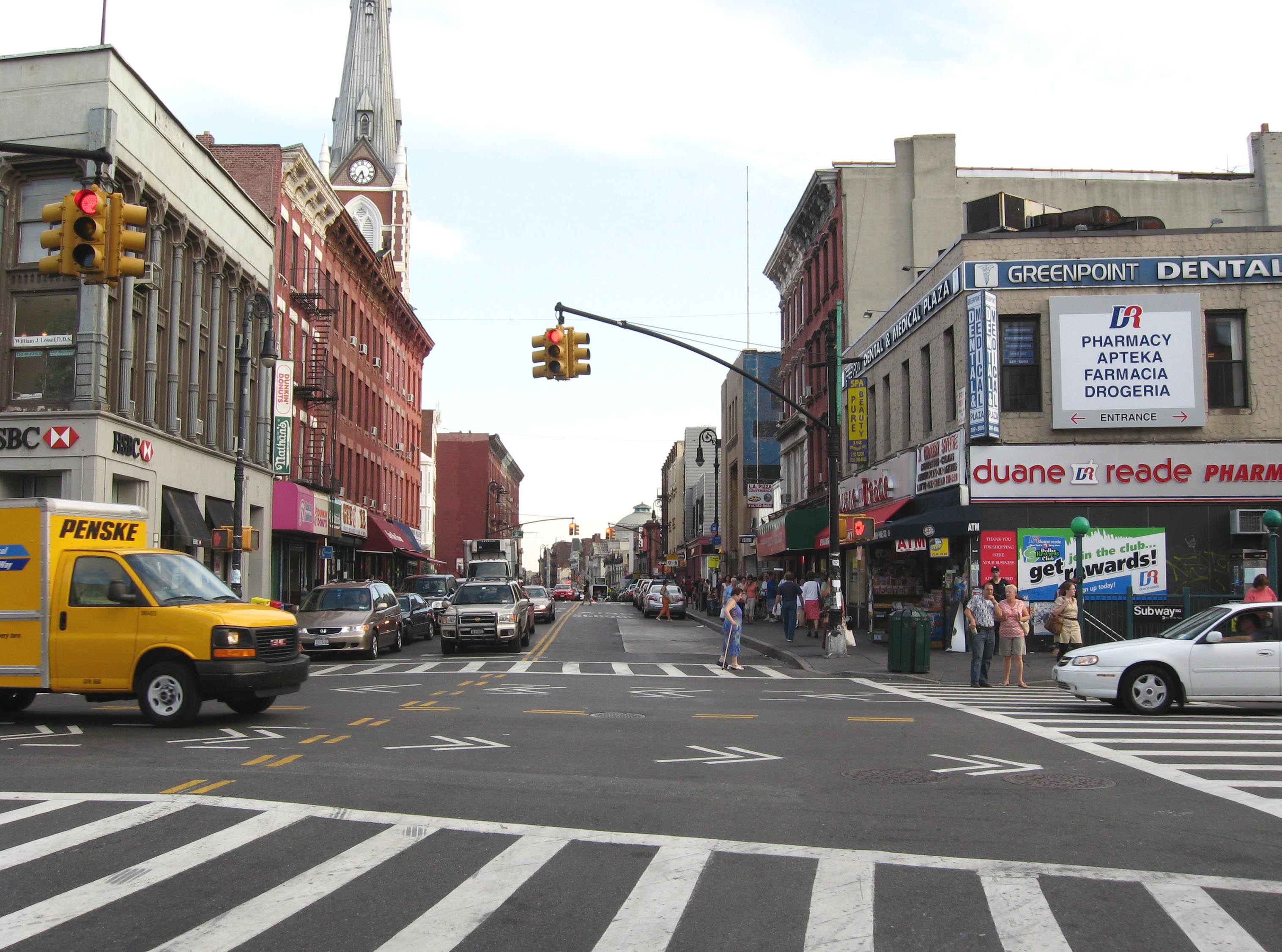
Manhattan Avenue is Greenpoint's main commercial street and the spine of one of the largest Polish communities in the United States outside Chicago, with Polish-language signage, bakeries, delis and butchers serving the people who live on the surrounding blocks. Built by successive waves of arrivals through the twentieth century and reinforced during the Solidarity years of the 1980s, it is under real rent pressure and still functioning as a working main street.
This is the real story from one stop on this walk — every stop has one.
An ancient dietary rule forbids mixing meat and dairy — so no shop could sell both, and the Lower East Side's food trade…
A 48-acre freshwater pond once sat where Chinatown meets the courthouses. It was poisoned by its own tanneries, filled…
The blocks of SoHo look like carved stone palaces and almost none of it is stone. These facades were ordered from…
We use cookies to analyse site traffic and improve your experience. You can choose to accept or reject analytics cookies. Learn more