New York · United States
The First Suburb
New York, United States
How a ferry timetable invented the daily commute, and with it the suburb Emily Warren Roebling, who ran the Brooklyn Bridge site for over a decade Plymouth Church, where Sarah Maria Diggs was auctioned to buy her freedom A promenade laid on the roof of the expressway its neighbours fought Brooklyn Bridge Park, and the towers that pay for it
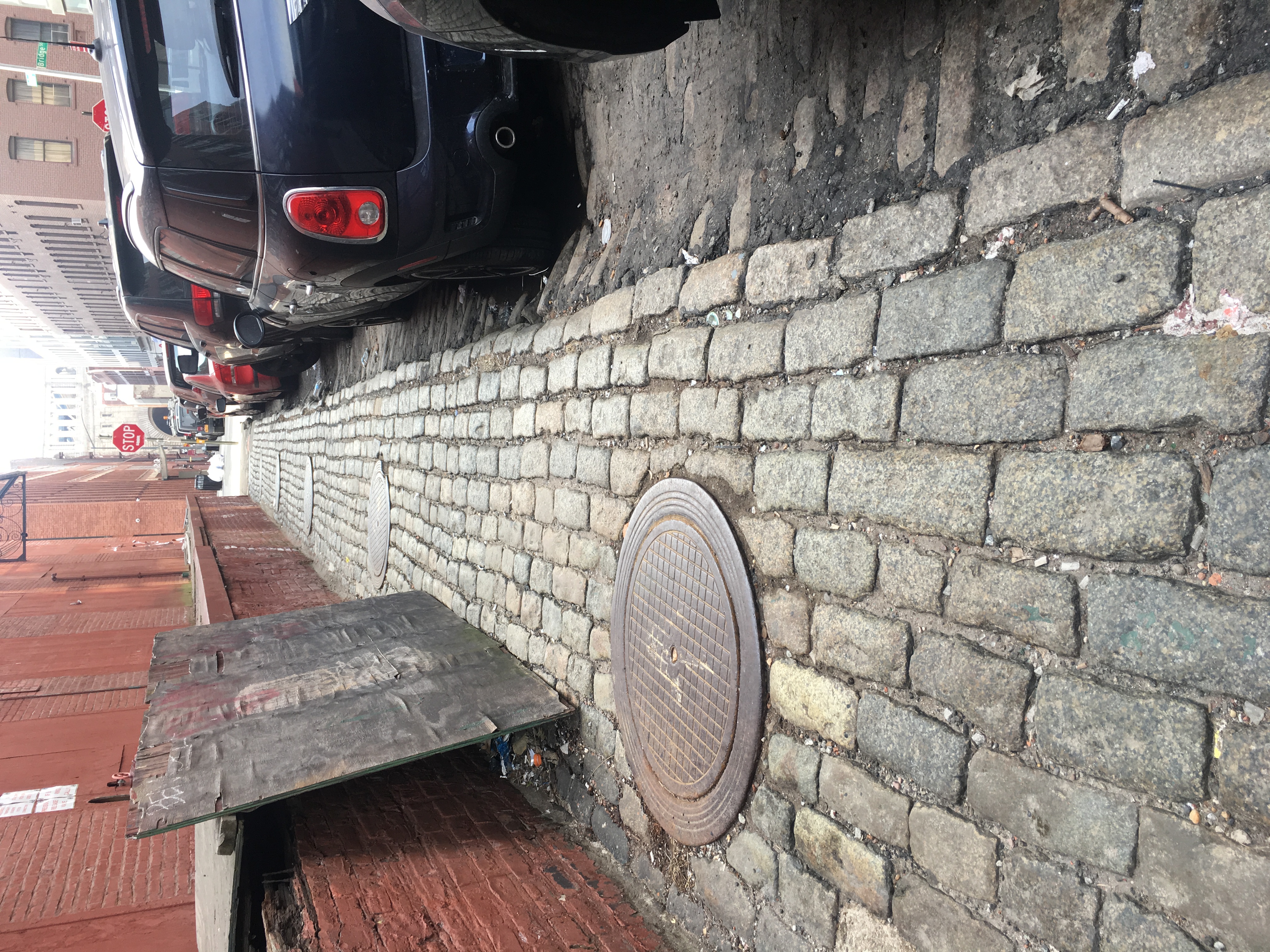
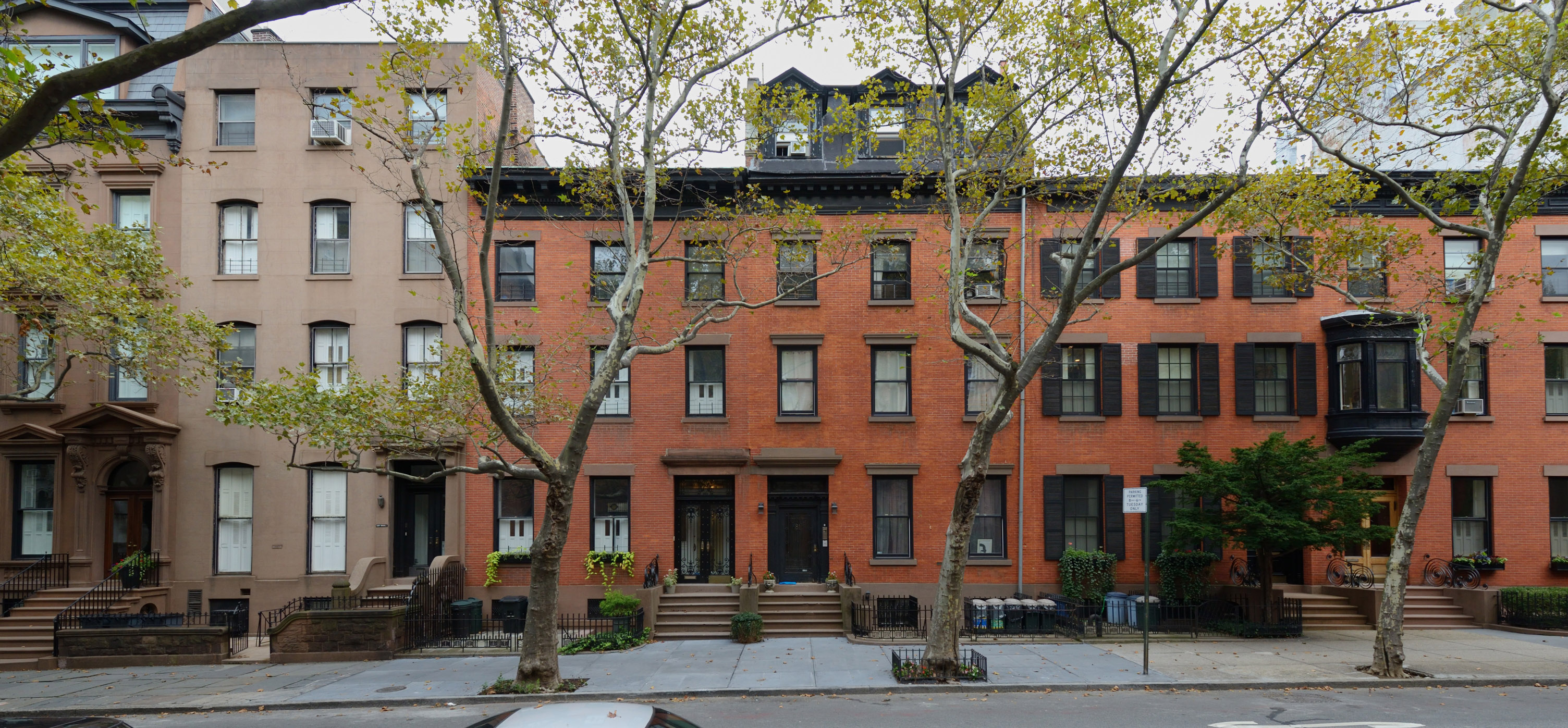
Three short blocks of Belgian-block streets and Federal and Greek Revival rowhouses survive here, wedged between the Farragut Houses, a Con Edison plant, and the Brooklyn Navy Yard fence.
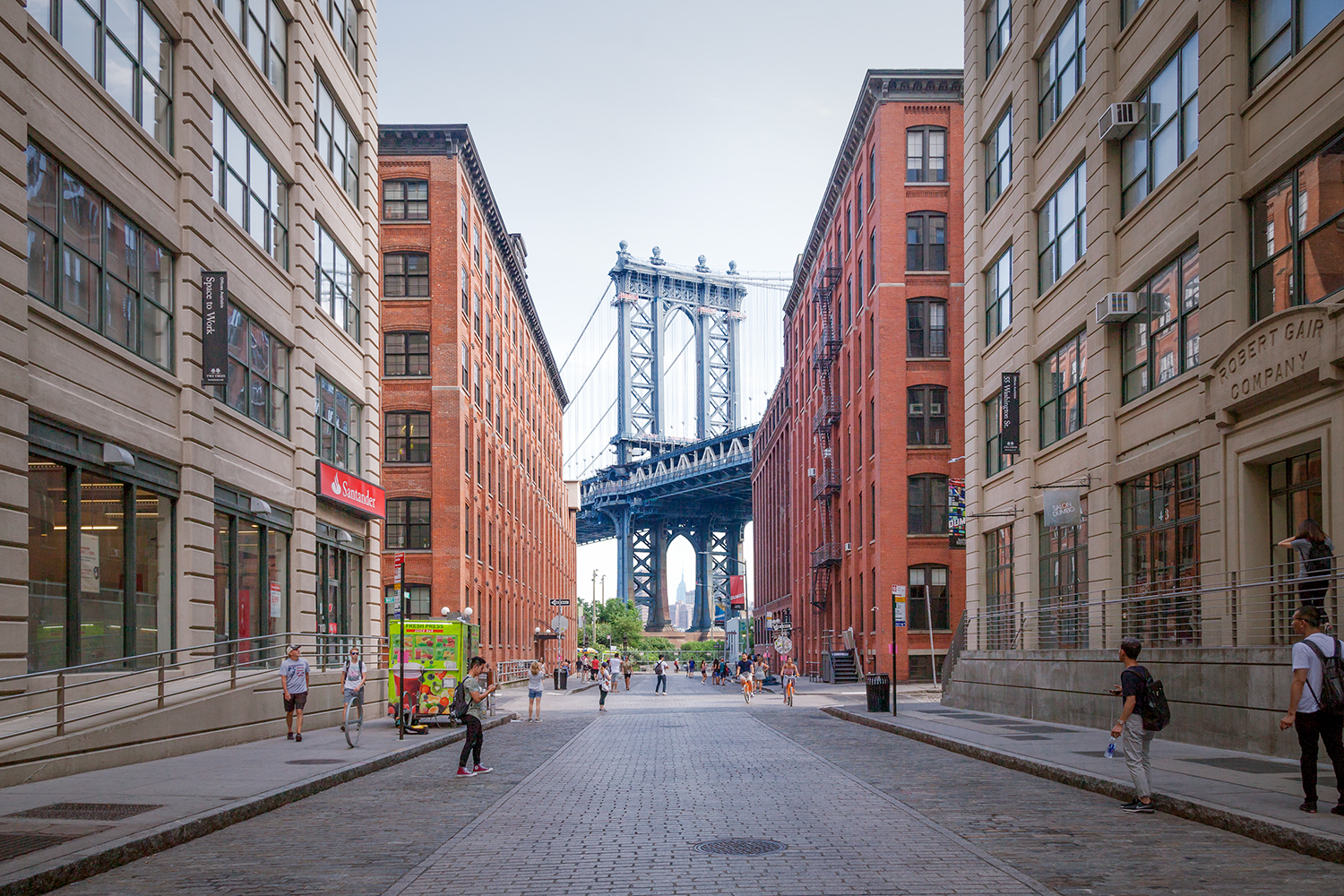
A Belgian-block street where a gap between two 19th-century warehouses happens to frame the Manhattan Bridge, making it one of the most photographed views in New York and one of its most congested sidewalks.
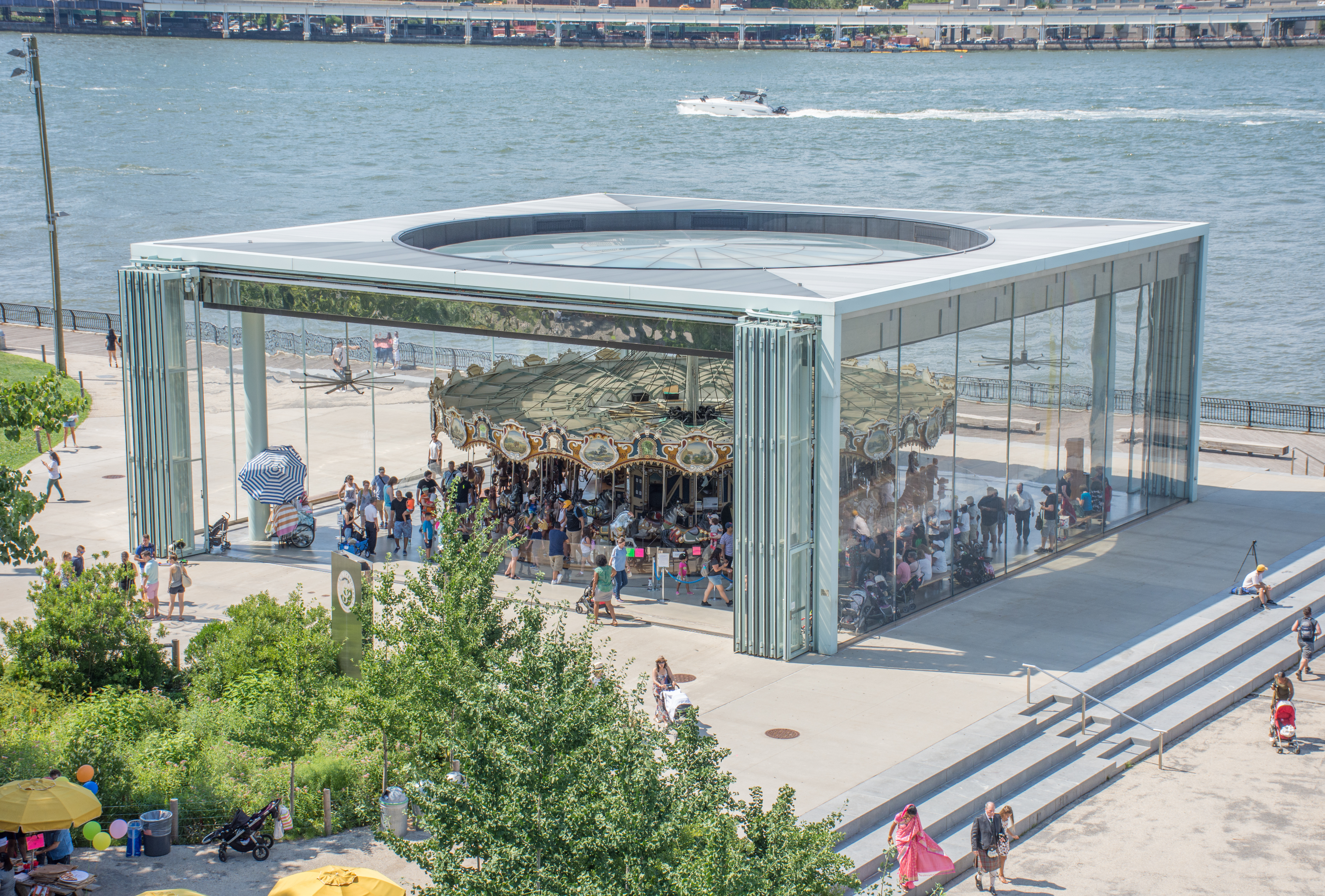
A hand-restored 1922 carousel built by the Philadelphia Toboggan Company, saved by one woman over more than two decades and given to the city inside a glass pavilion designed by Jean Nouvel.
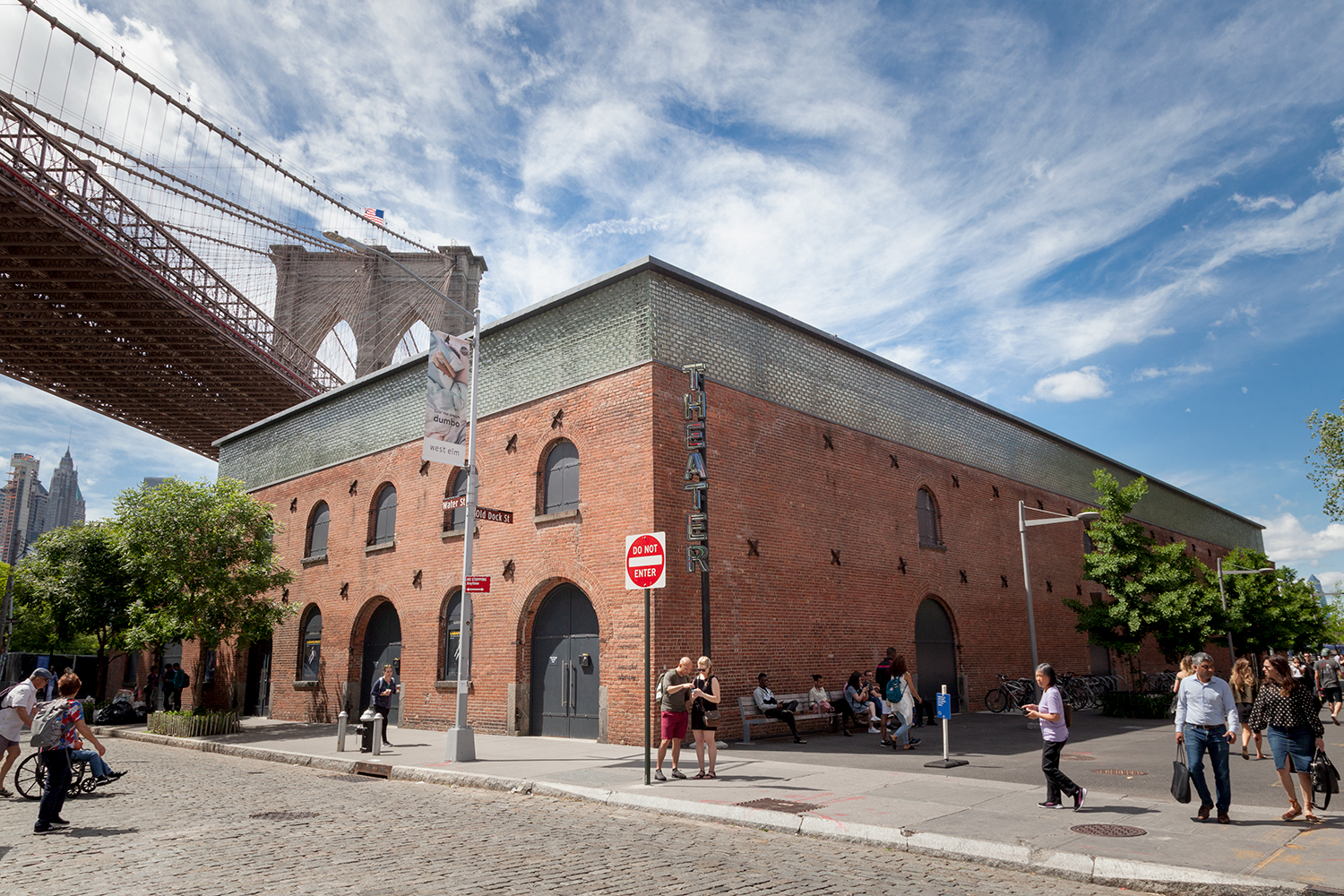
St. Ann's Warehouse occupies the roofless brick shell of an 1860s Civil War-era tobacco warehouse, with a modern theatre built inside the original walls. Converting the site from designated parkland into a leased theatre required a legal fight over exactly what the public was trading away and what it got in return.
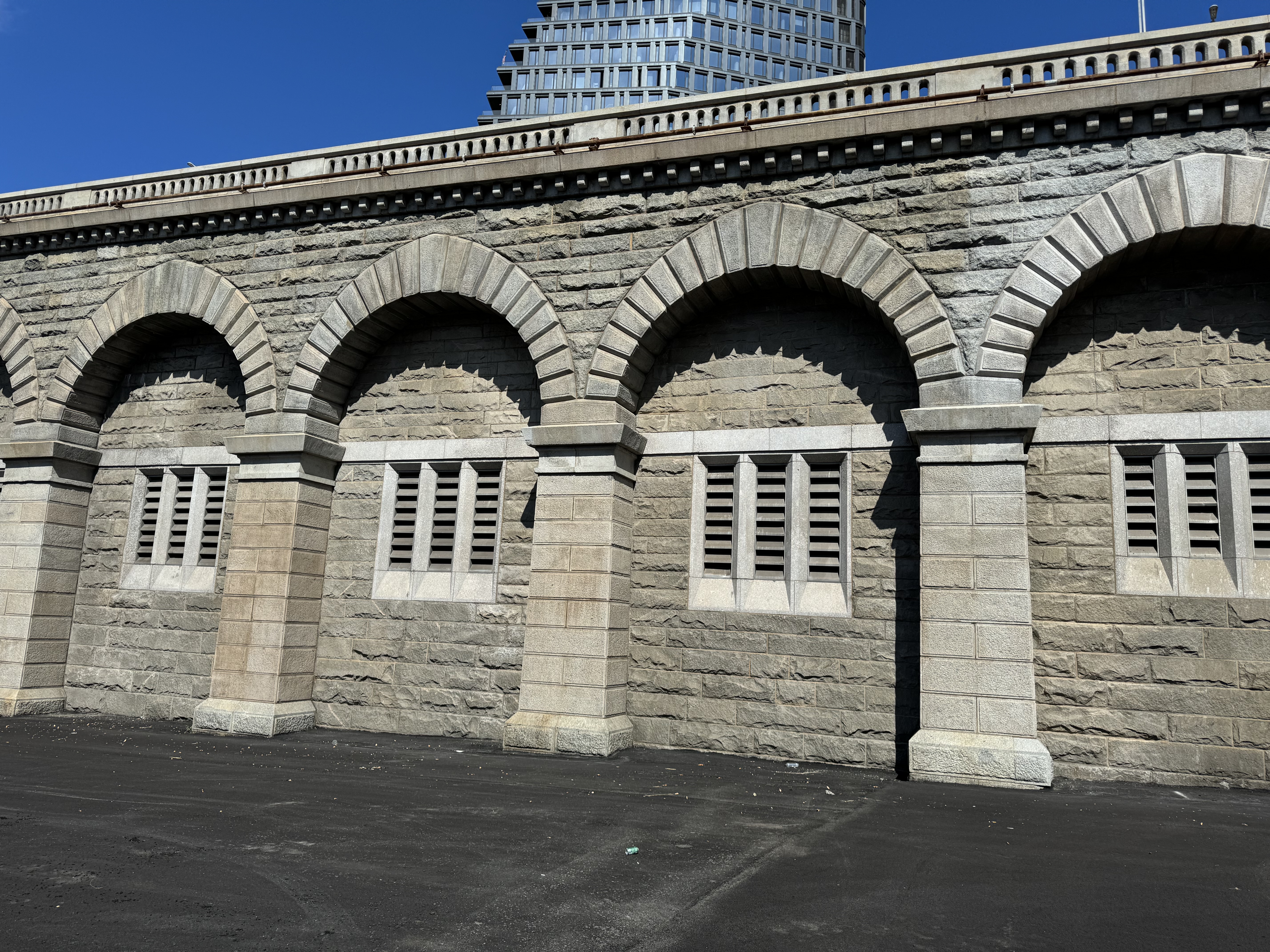
The Brooklyn approach of the Brooklyn Bridge, opened on 24 May 1883 after fourteen years of work, three Roeblings and around twenty-seven deaths. It broke the monopoly on crossing the river and led to Brooklyn's absorption into New York in 1898 — but it arrived decades too late to have created the neighbourhood on the bluff above.
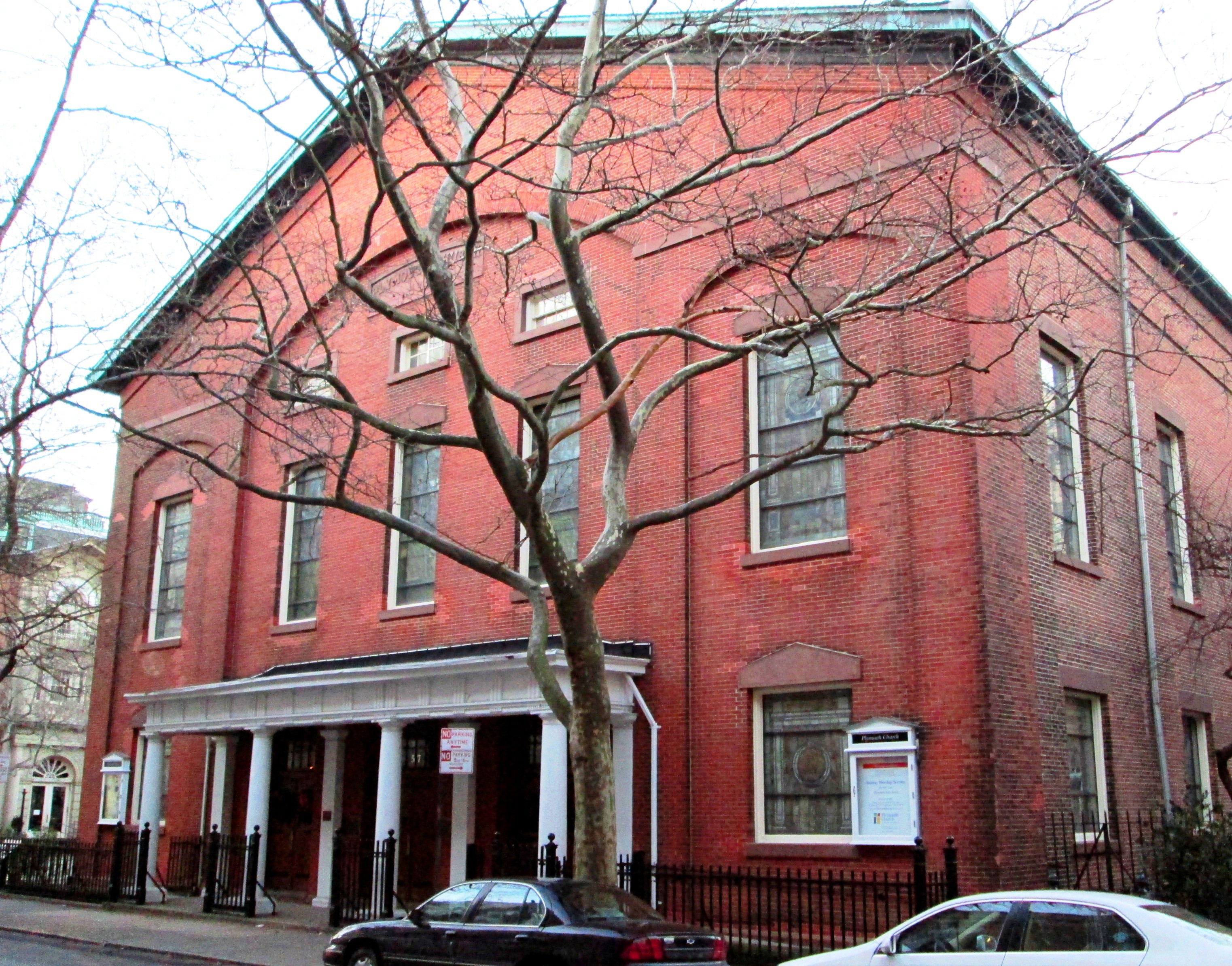
Plymouth Church, built in 1849-50 as Henry Ward Beecher's congregation, was a documented Underground Railroad station known as the 'Grand Central Depot', and the pulpit from which Beecher staged mock slave auctions to raise money for people's freedom, most famously that of nine-year-old Sarah Maria Diggs in 1860. It remains an active congregation, so this stop is told from the street and the courtyard; interior access is limited and generally by arrangement.
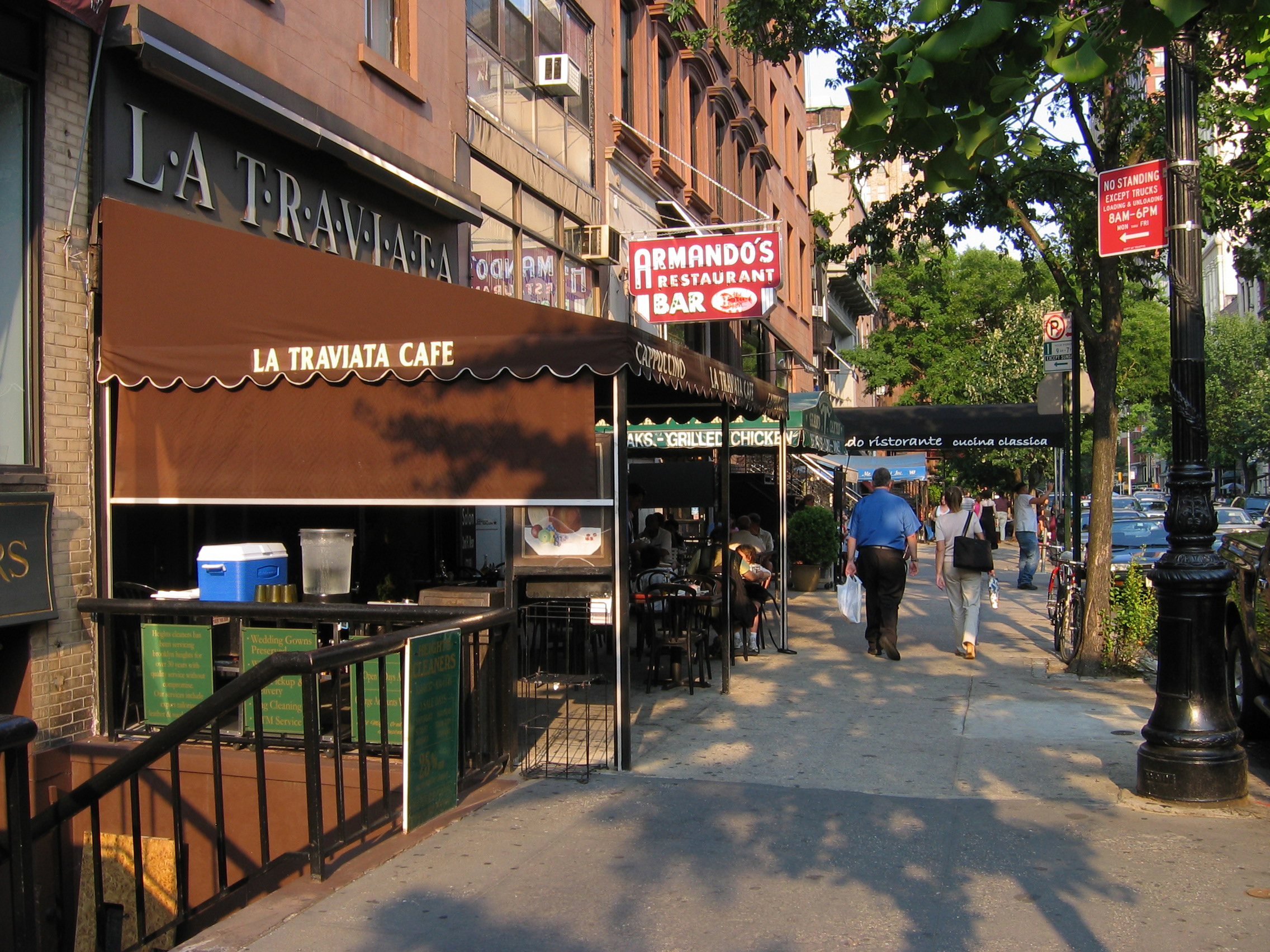
Montague Street is the commercial spine of Brooklyn Heights, the neighbourhood created by Robert Fulton's steam ferry of 1814 and the daily commute it made possible. In 1965 the Heights became the first historic district designated in New York City, and over five hundred pre-Civil War buildings survive here as a result.
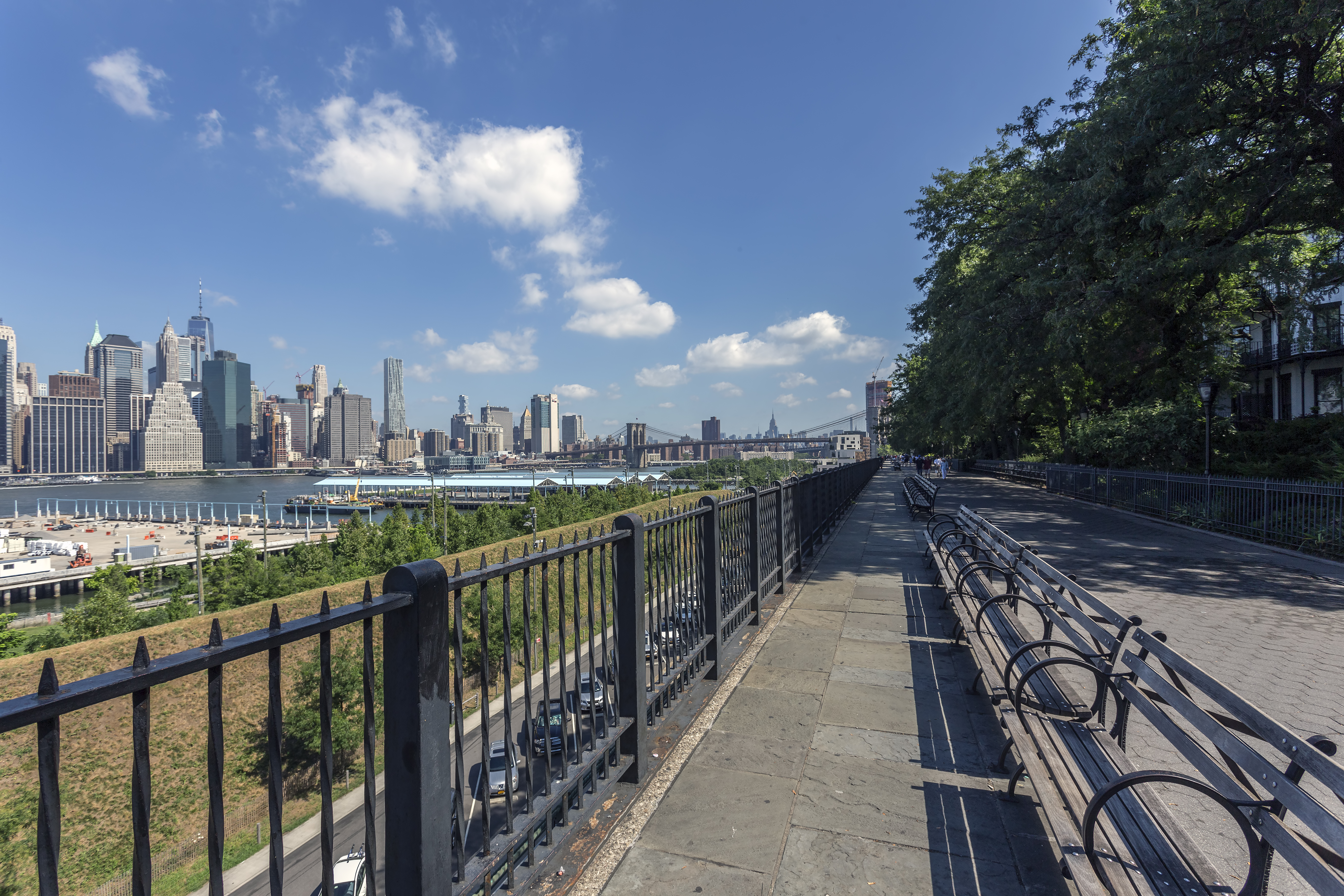
The Brooklyn Heights Promenade is an elevated public walkway built directly on top of the Brooklyn-Queens Expressway, engineered as a compromise after wealthy residents fought Robert Moses's plan to run the highway straight through the neighborhood.
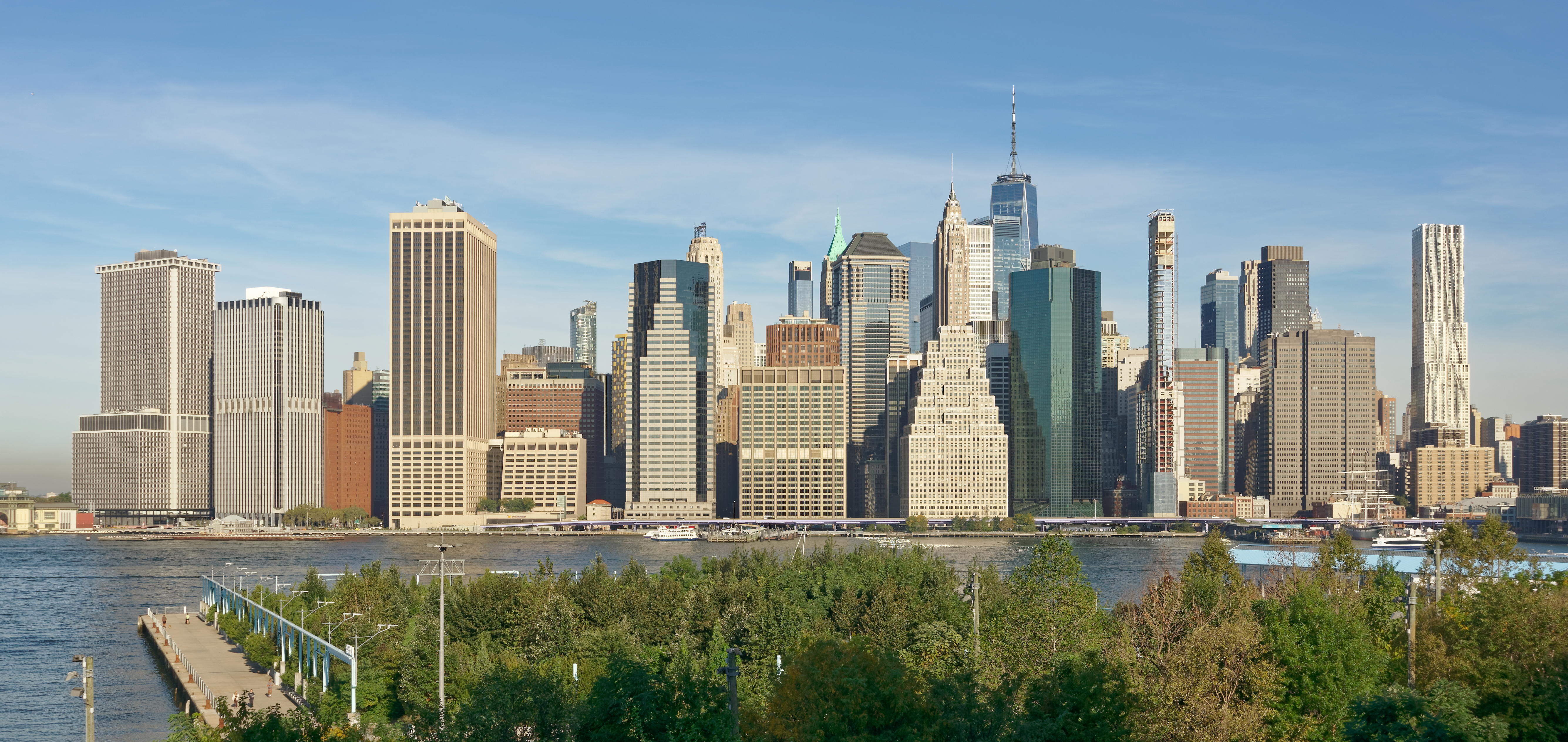
Brooklyn Bridge Park is 1.3 miles of waterfront parkland built on the commercial shipping piers that worked this stretch of the East River until containerisation moved the cargo to New Jersey. Its upkeep is funded in perpetuity by luxury residential buildings permitted inside the park's own boundaries, an arrangement that was contested when it was agreed and is still argued about today.
This is the real story from one stop on this walk — every stop has one.
An ancient dietary rule forbids mixing meat and dairy — so no shop could sell both, and the Lower East Side's food trade…
A 48-acre freshwater pond once sat where Chinatown meets the courthouses. It was poisoned by its own tanneries, filled…
The blocks of SoHo look like carved stone palaces and almost none of it is stone. These facades were ordered from…
We use cookies to analyse site traffic and improve your experience. You can choose to accept or reject analytics cookies. Learn more